Evening Grosbeak or Black-Headed Grosbeak?
Here's how to tell the difference


Evening Grosbeak


Black-Headed Grosbeak
Evening Grosbeak
Hesperiphona vespertina
General appearance
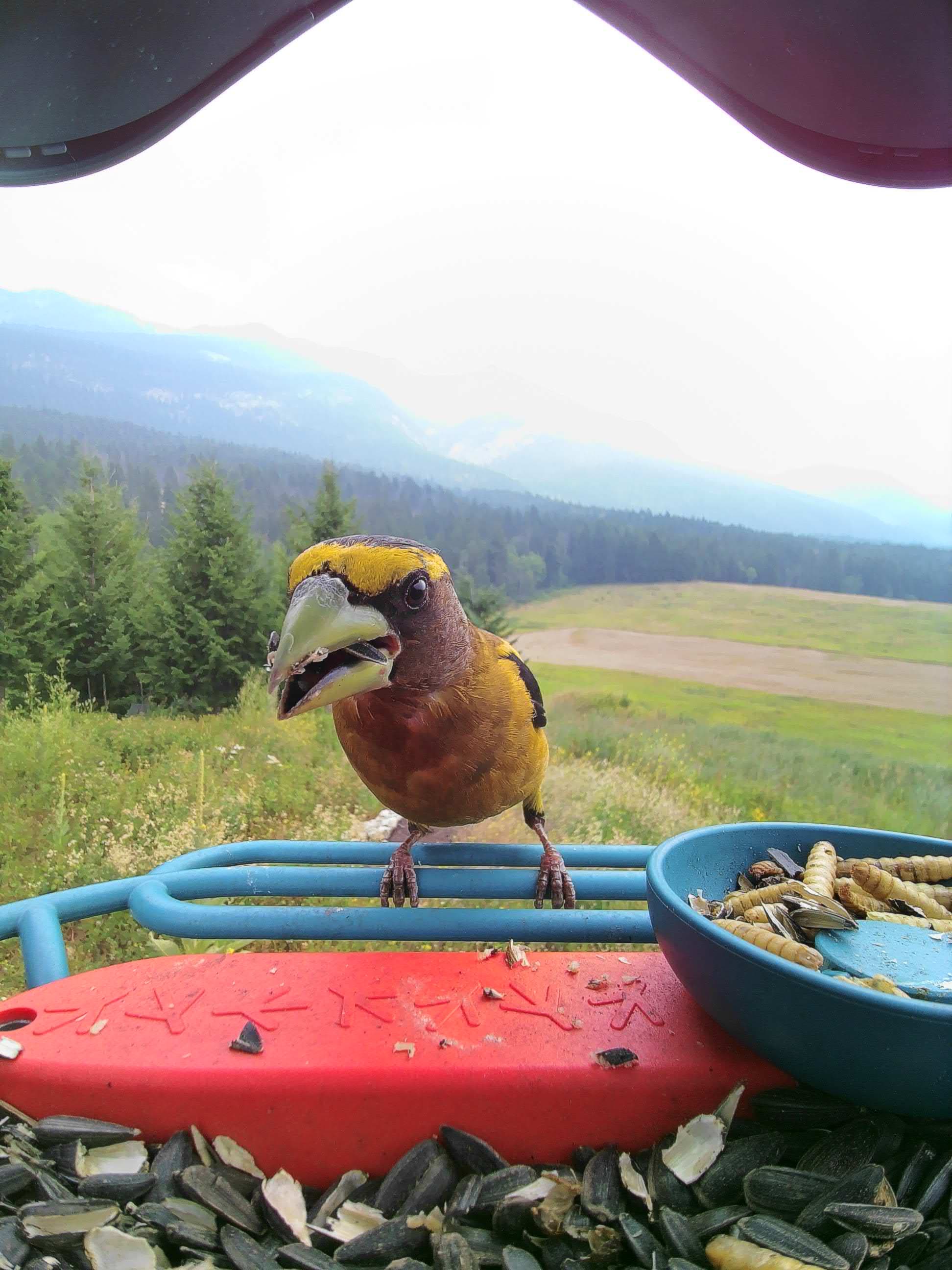
The Evening Grosbeak is a stocky bird with a thick, stout bill. Its coloration is primarily that of yellow and black, with the body appearing mostly yellow and wings and tail being marked with black. The bill is a pale color, often appearing nearly white.
Male vs female
Males and females display significant sexual dimorphism. Males are more brightly colored, with a vibrant yellow body, a brownish-black head, and black wings featuring striking white patches. Females, on the other hand, are less vibrant with more of a grey-brown body and white markings on the wings. Both genders share the feature of a pale, stout bill.
Juvenile
Juvenile Evening Grosbeaks appear similar to adult females, with more subdued coloration than males. As they age, they gradually acquire their adult colors, males becoming vibrant yellow and females settling into their more muted brown and white tones.
Size
6.5 - 7.1 in/1.9 - 2.6 oz
There's more to learn about Evening Grosbeak
View full detailsBlack-Headed Grosbeak
Pheucticus melanocephalus
General appearance
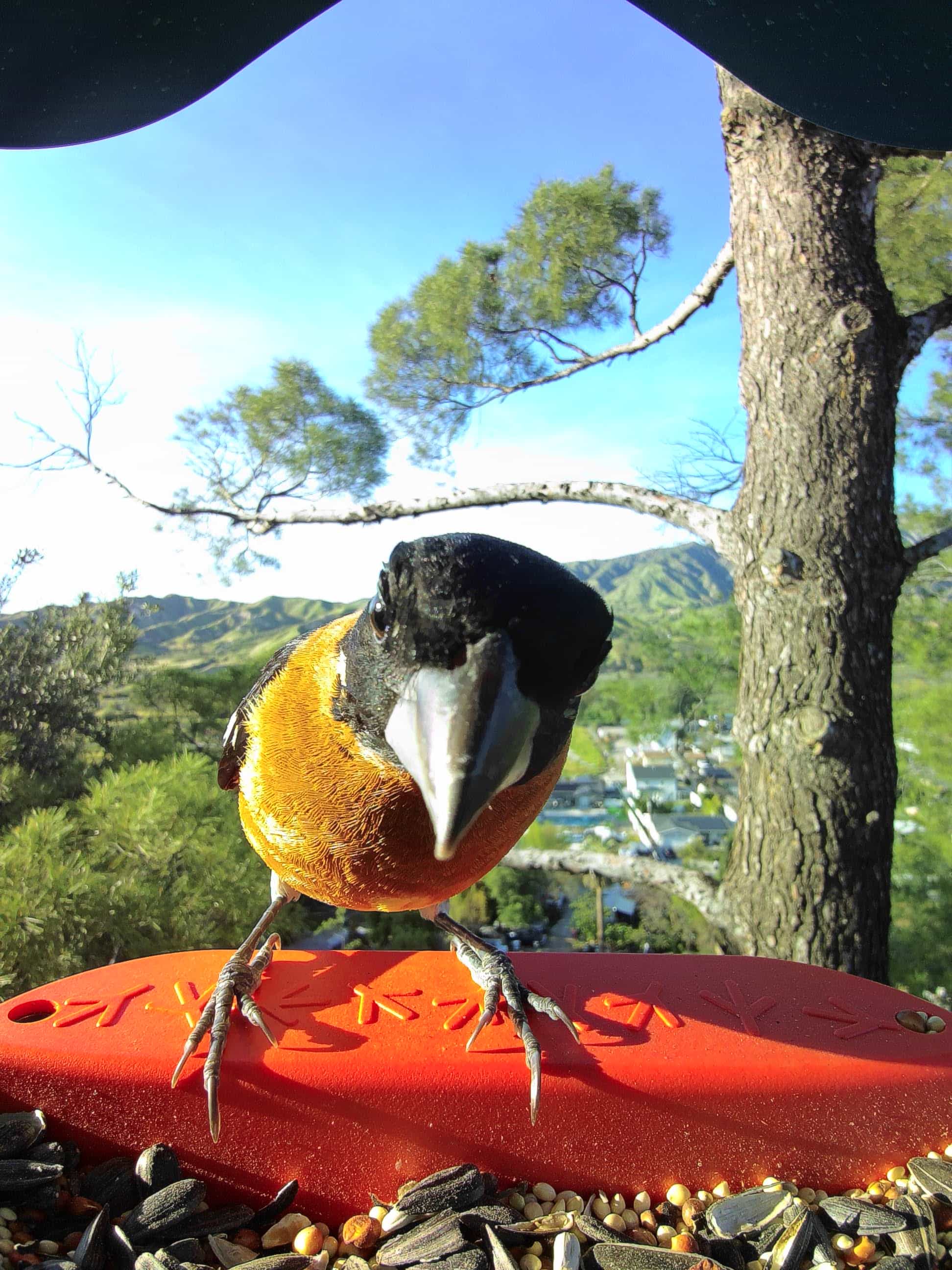
The black-headed grosbeak is a roughly robin-sized bird, measuring around 7 1/2 inches (19 cm). It displays characteristic colors such as black, brown, orange, tan, and white. Its wings are rounded, while its tail can be shaped, notched, squared, or rounded. The bird's notable features include markedly vibrant coloration and size.
Male vs female
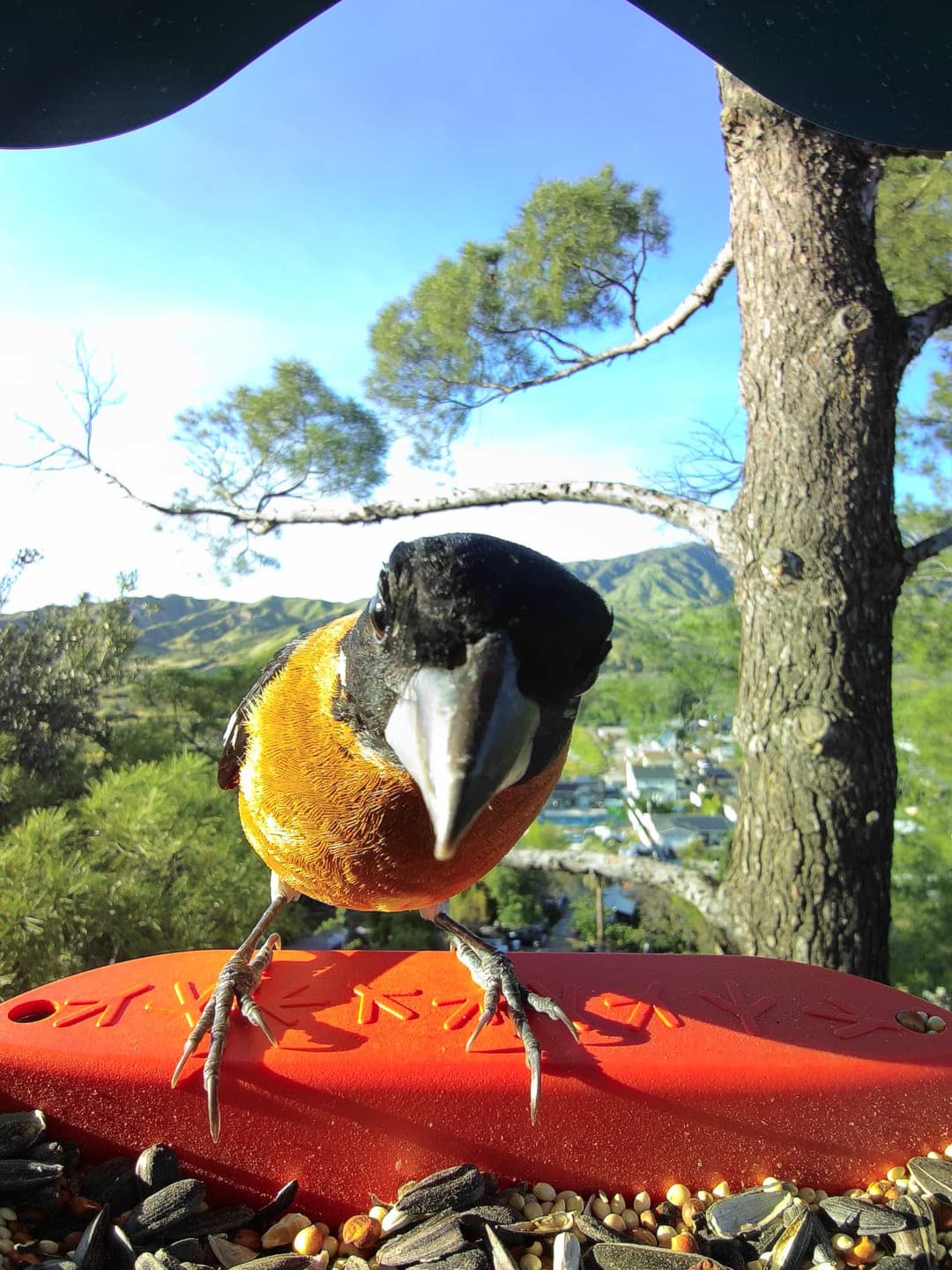
For the black-headed grosbeak, the males tend to be dull orange-brown in color with a black head and black-and-white wings. On the other hand, females feature colors and patterns similar to the Rose-breasted Grosbeak but have more pronounced orange undertones beneath and less streaking. In addition, the females often have a darker bill.
Juvenile
Juvenile black-headed grosbeaks resemble the female but are tinged orange below, showing less streaking than their adult counterparts. They also have a bill that is often darker than the adults. Juveniles may experience a change in coloration during the season's transition.
Size
7.1 - 7.5 in/1.4 - 1.8 oz
There's more to learn about Black-Headed Grosbeak
View full detailsHow to tell the Evening Grosbeak from the Black-Headed Grosbeak
Visual differences
The Evening Grosbeak (6.5-7 in, 1.9-2.6 oz) is stocky with a thick, pale bill. Males have a vibrant yellow body and black wings with white patches, while females are gray-brown with white wing markings. In contrast, the Black-Headed Grosbeak (7.5 in, 1.4-1.8 oz) features a prominent black head in males, orange-brown bodies, and black-and-white wings. Females have orange undertones below and darker bills. Its body size is similar to a robin's. The key distinctions are in head color, body hue, and bill shade.
Key differences and behavior
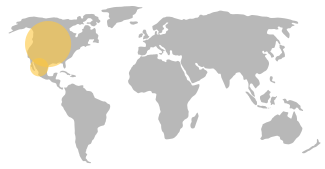
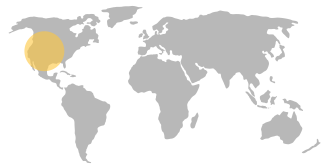
Evening Grosbeaks and Black-headed Grosbeaks differ in behaviors and habitats. Evening Grosbeaks, visiting coniferous forests in the northern U.S. and Canada, exhibit salt cravings and can consume 96 sunflower seeds in five minutes. Their courtship involves food offerings, and they nest in conifers. Black-headed Grosbeaks favor oak woodlands, streamside forests, and pinyon-juniper habitats across more southern regions, with males singing persistently to stake out territories. These grosbeaks are notable for sharing parental duties and have versatile nesting from 3-25 feet above ground. Diet-wise, both consume seeds, berries, and insects, but the Evening Grosbeak leans towards seeds even outside feeders, while Black-headed Grosbeaks indulge in various insects and fruits, showing seasonally adaptable foraging.
Still not sure? Here are more lookalikes!
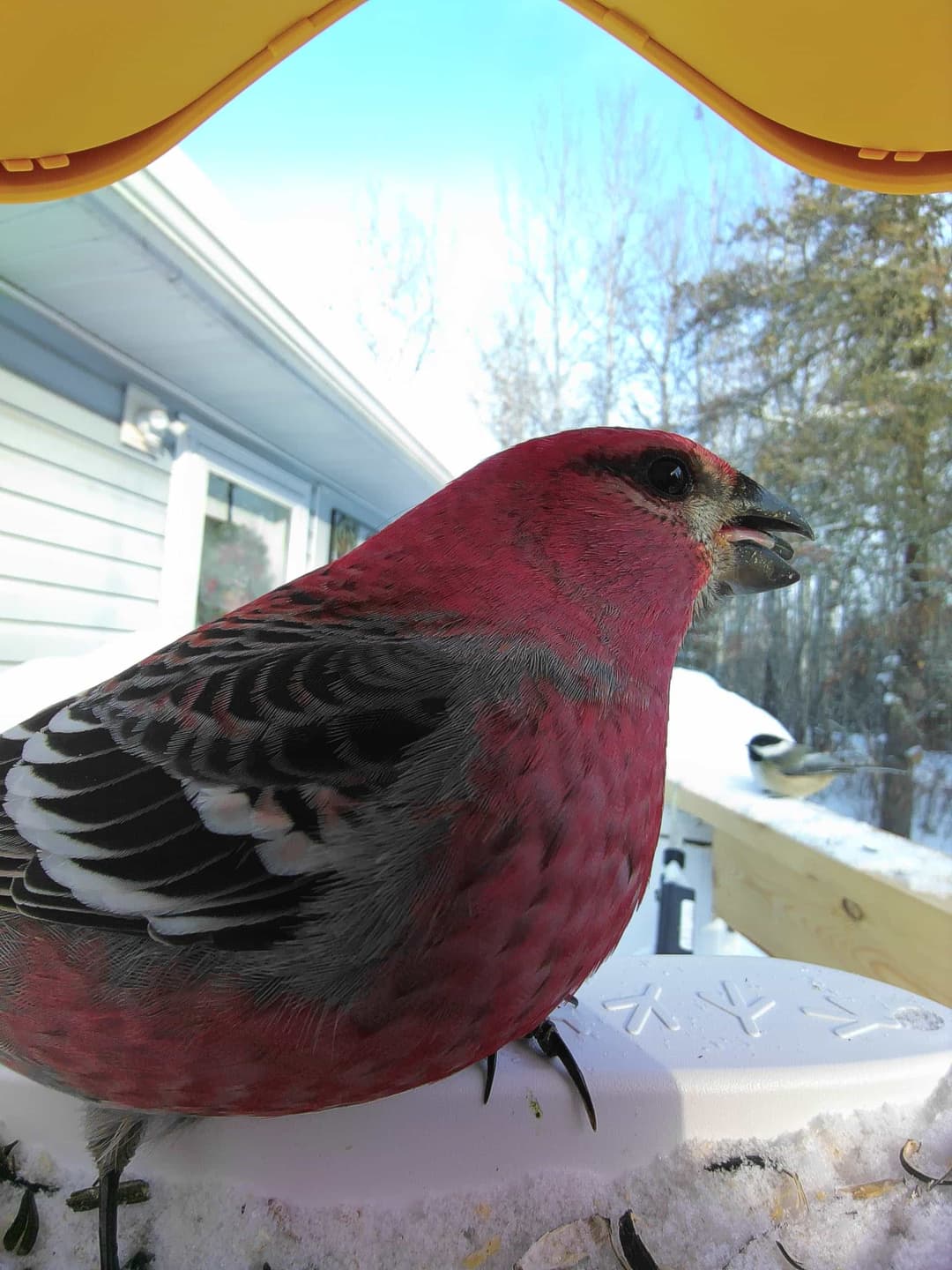
Evening Grosbeak vs Pine Grosbeak

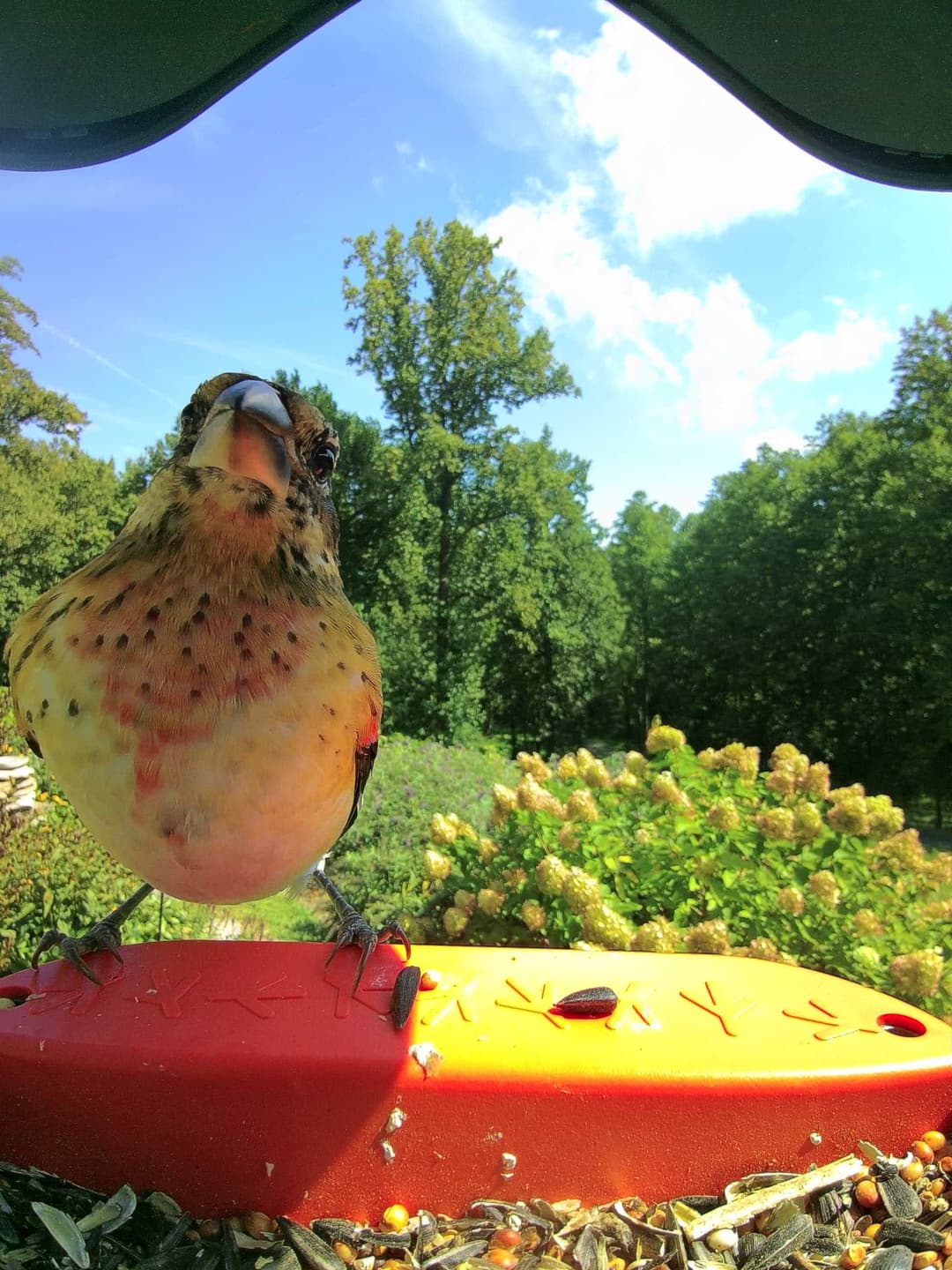
Evening Grosbeak vs Rose-Breasted Grosbeak
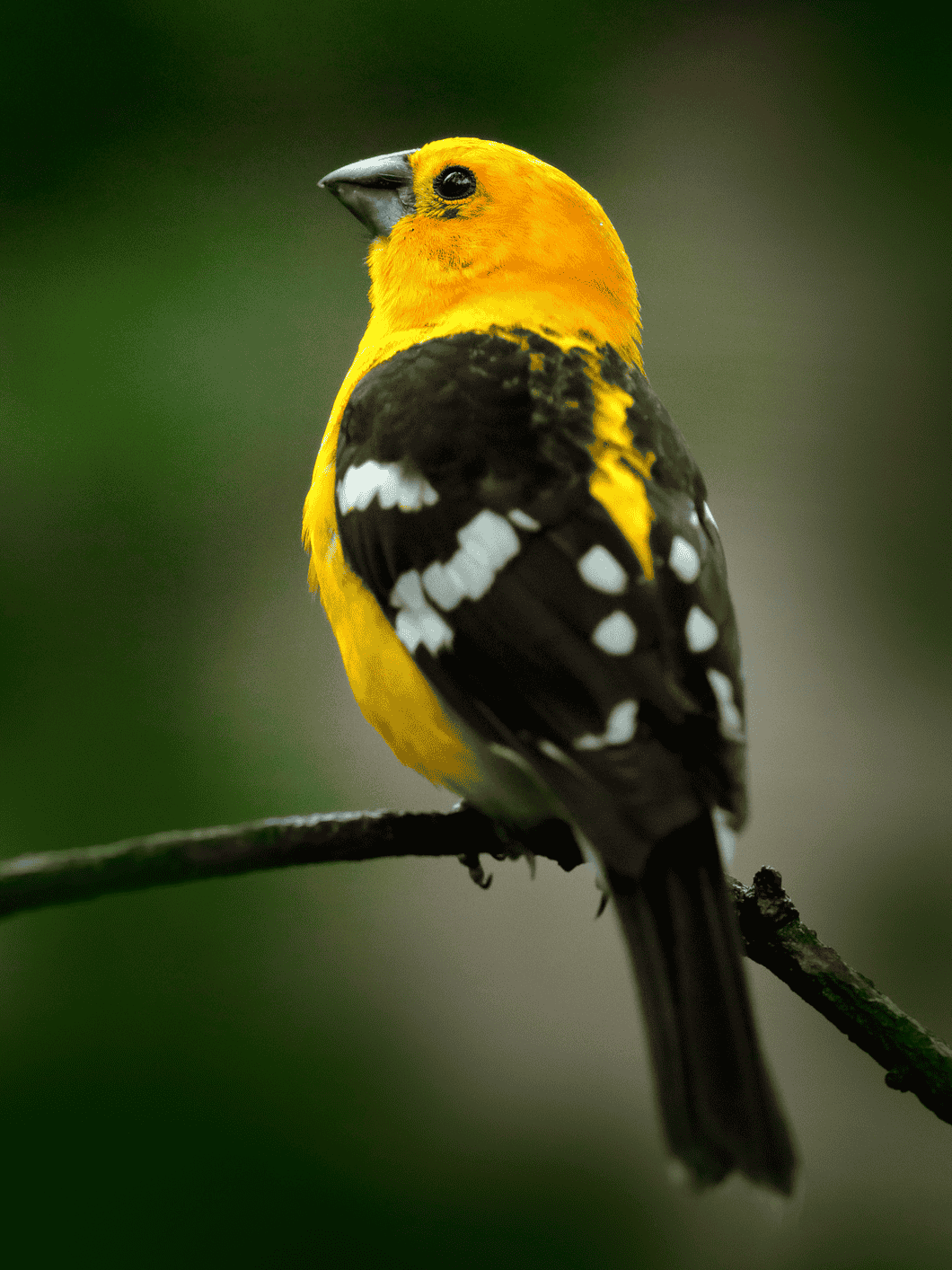
Evening Grosbeak vs Yellow Grosbeak
Black-Headed Grosbeak vs Rose-Breasted Grosbeak
Black-Headed Grosbeak vs Blue Grosbeak
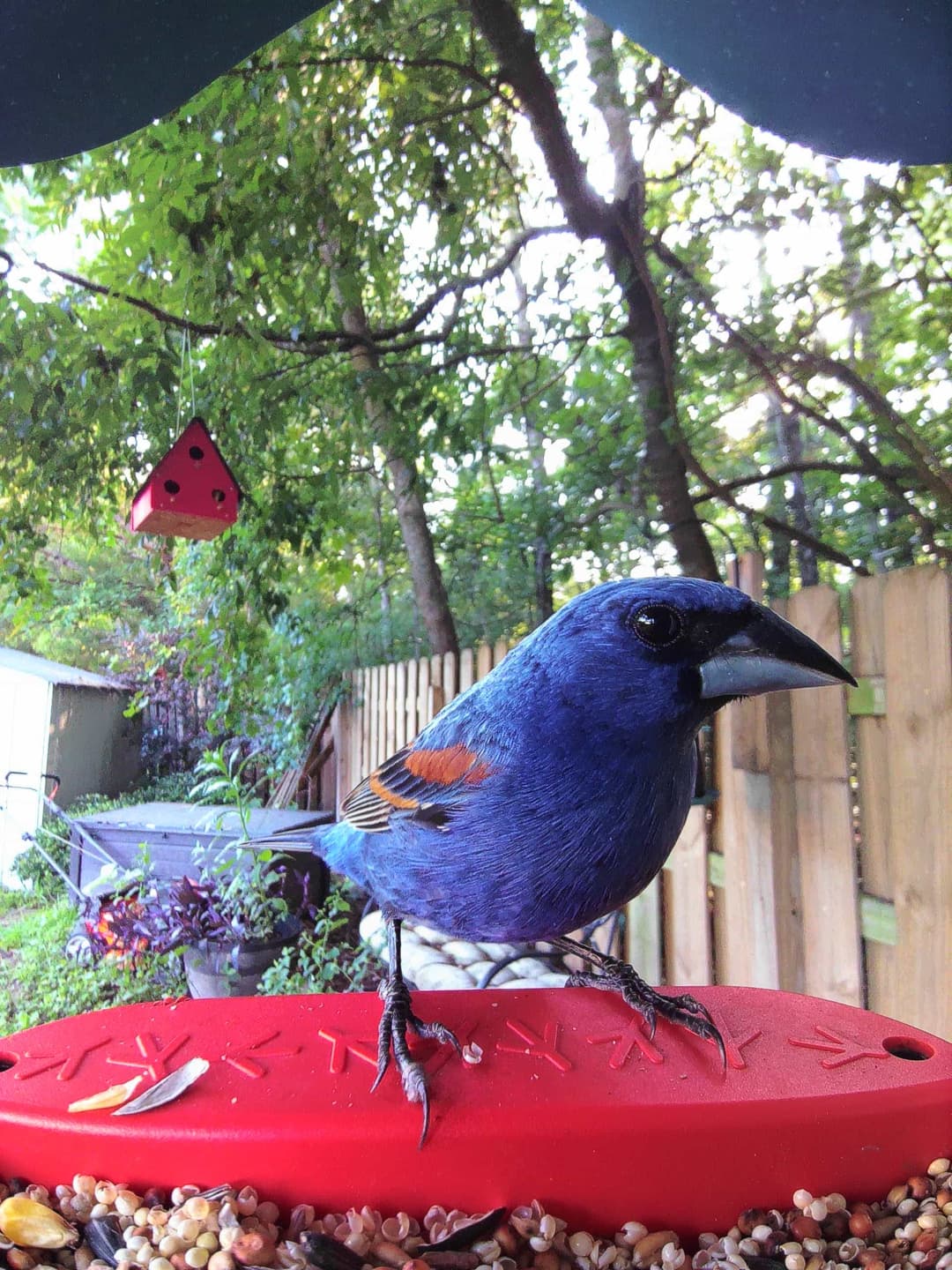
Black-Headed Grosbeak vs Spotted Towhee

Black-Headed Grosbeak vs Red-Winged Blackbird
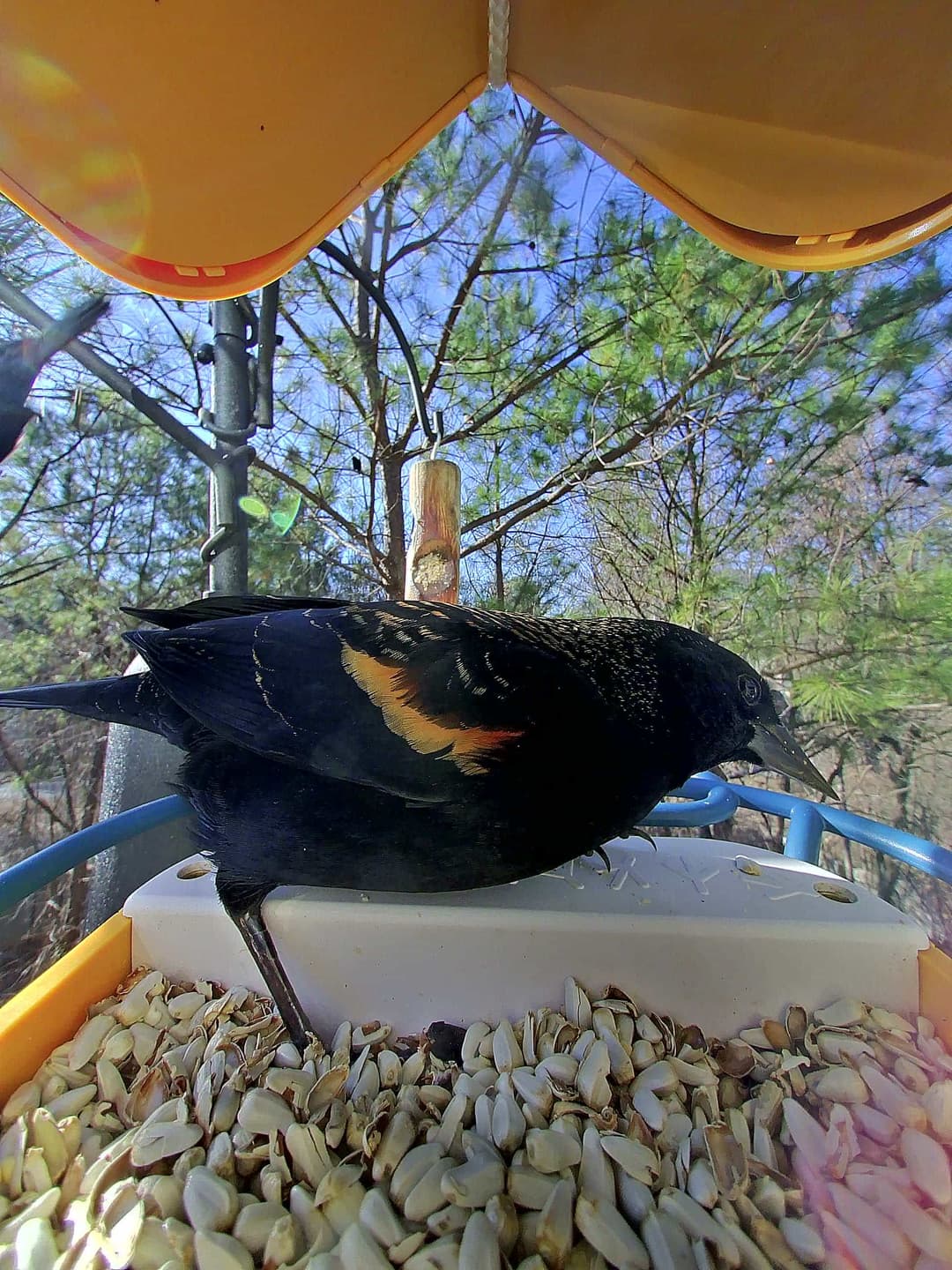
Black-Headed Grosbeak vs Bullock’s Oriole
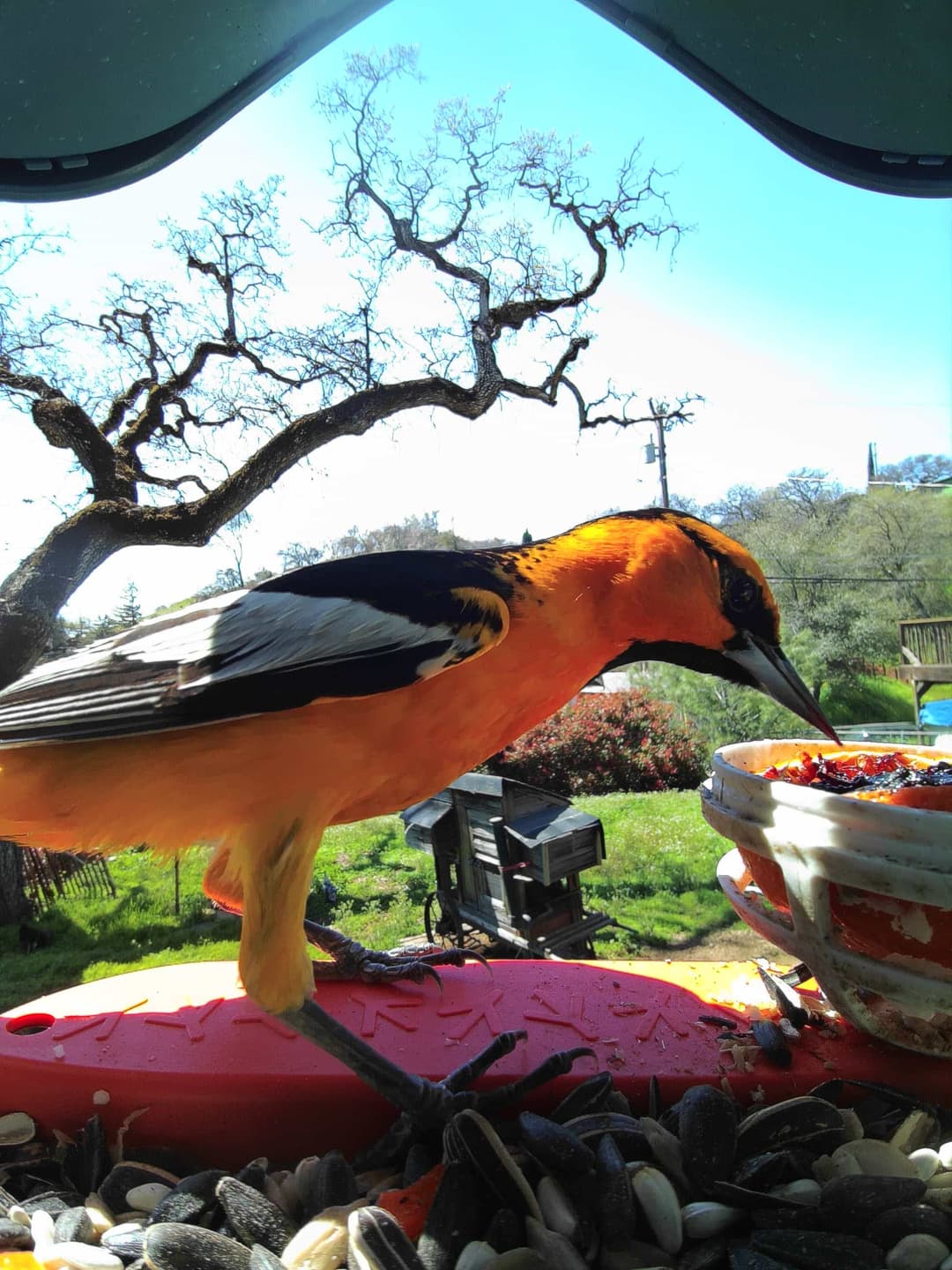
Black-Headed Grosbeak vs Cassin’s Finch
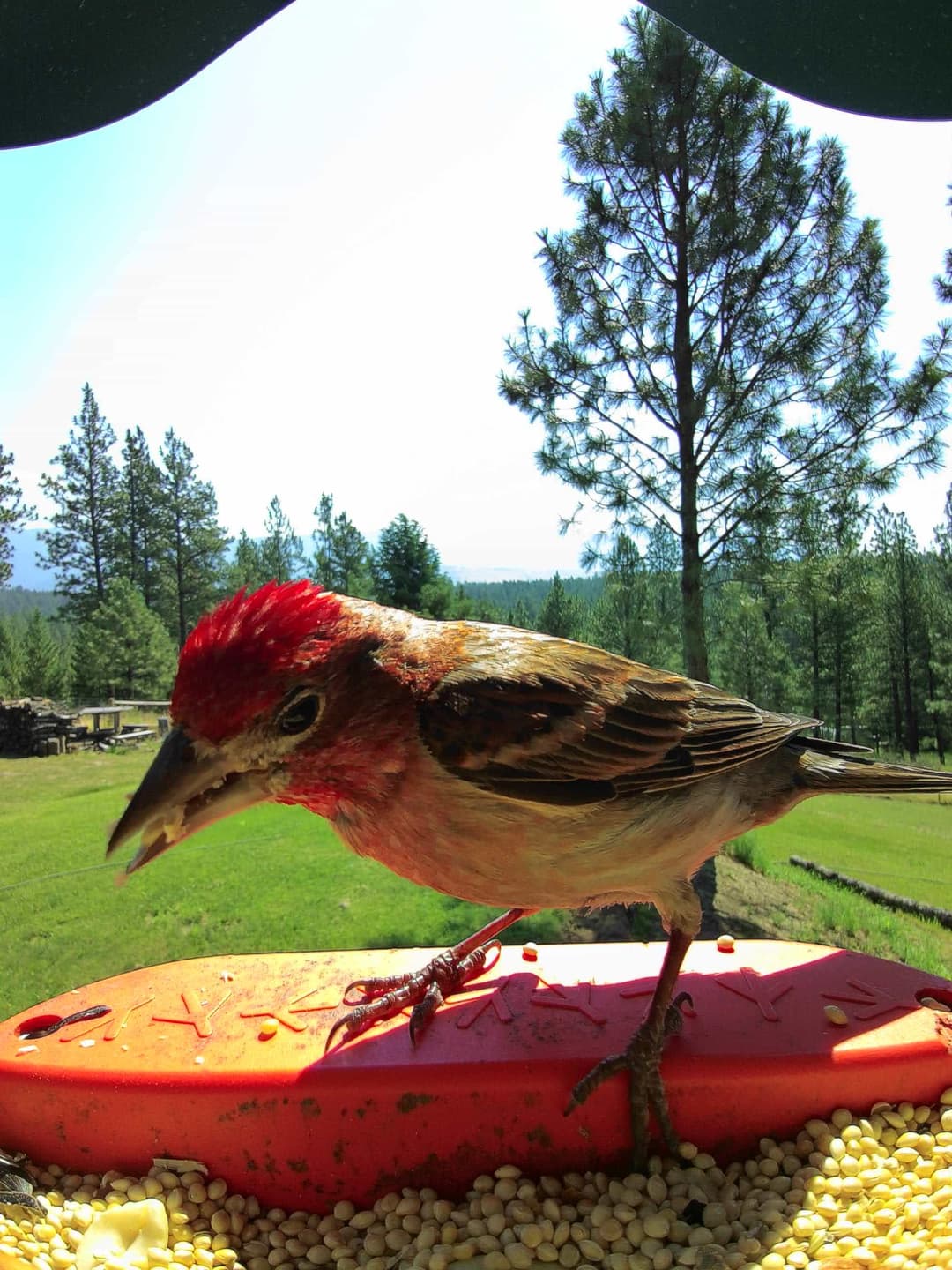
Black-Headed Grosbeak vs Purple Finch
Evening Grosbeak vs [Select a bird]

[Select a bird]
Pick a bird to compare
Black-Headed Grosbeak vs [Select a bird]
[Select a bird]
Pick a bird to compare