White-Breasted Nuthatch or Tufted Titmouse?
Here's how to tell the difference


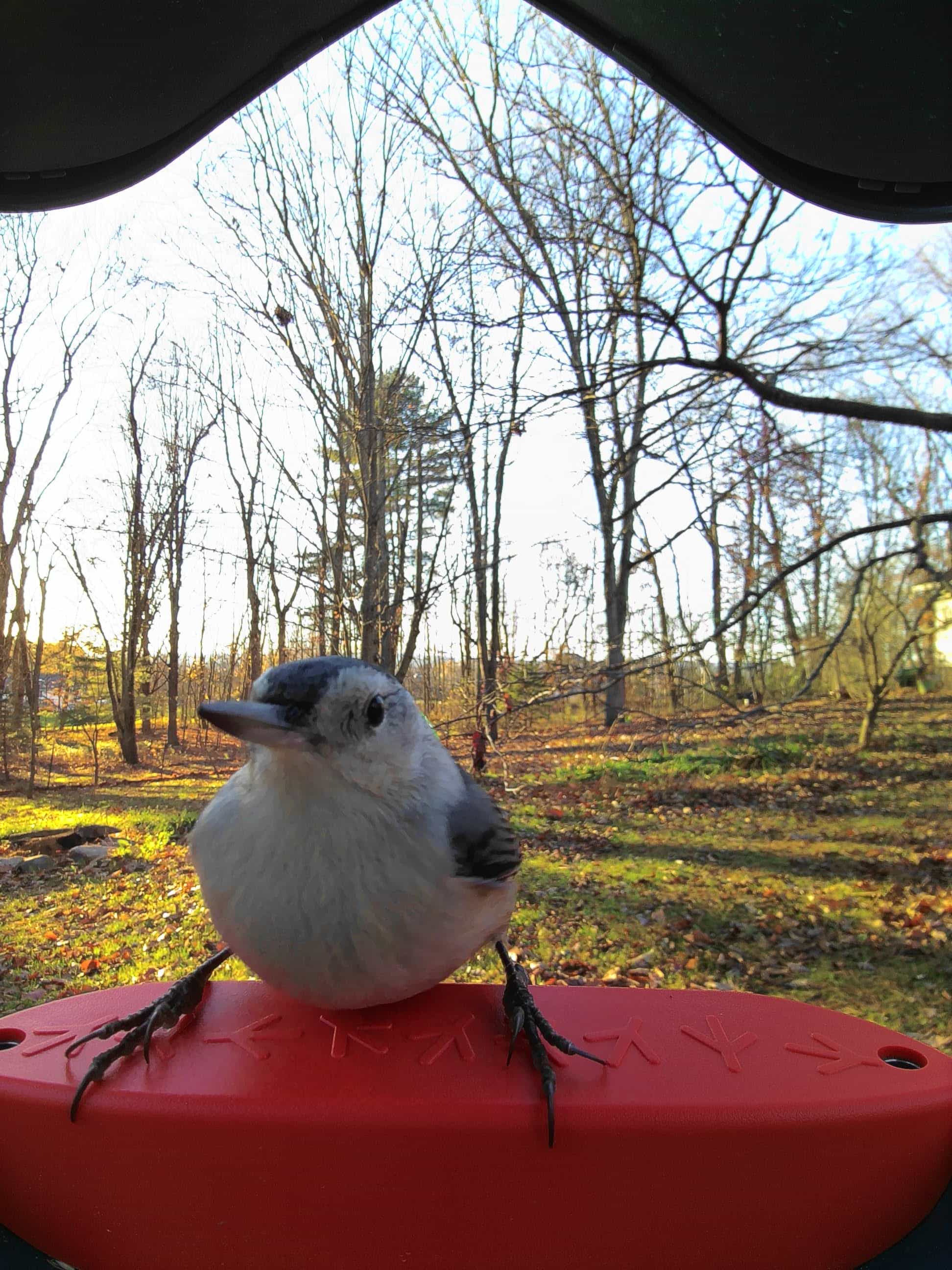


White-Breasted Nuthatch
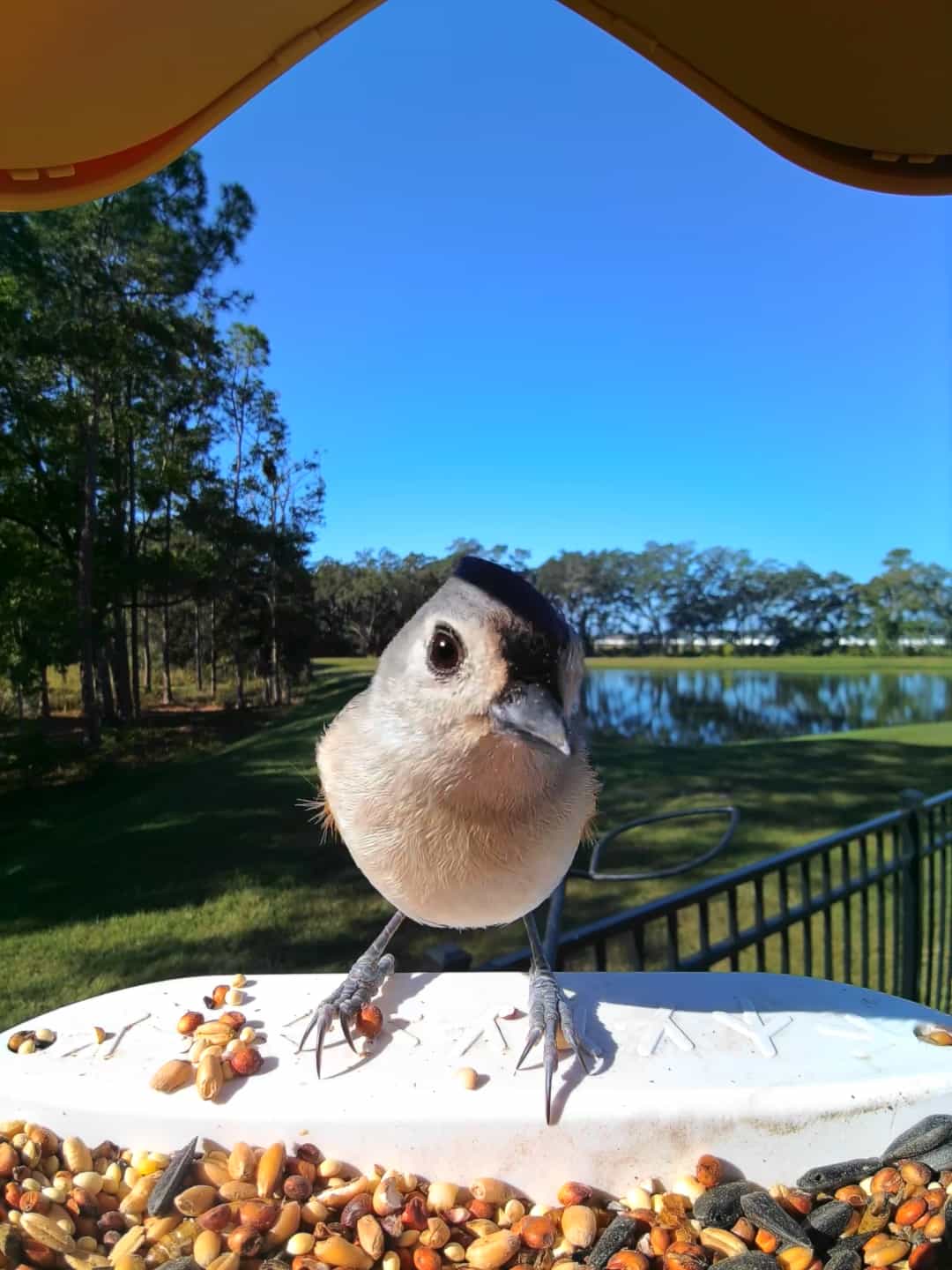


Tufted Titmouse
White-Breasted Nuthatch
Sitta carolinensis
General appearance
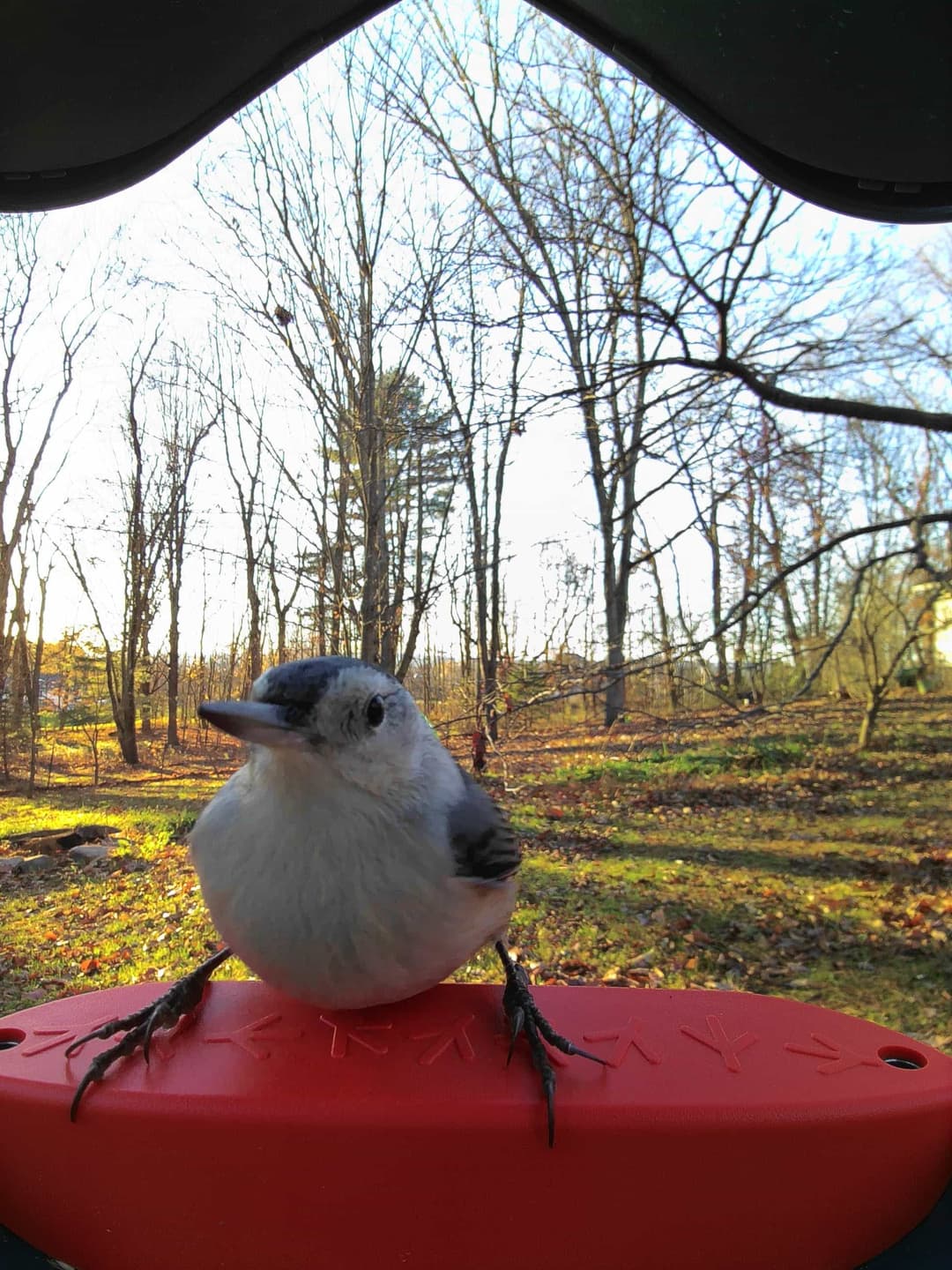
The white-breasted nuthatch has a chunky body and measures 5-6 inches (13-15 cm) in length. It has a short, square-tipped tail and a thin bill. The bird has a beady black eye that stands out against its white face and chest. Its coloration consists of black, grey, and white and it can show much orange-brown on its lower belly. The wing and tail shapes are rounded.
Male vs female
The male and female white-breasted nuthatch have similar appearances, but there are slight differences. They both have a narrow dark crown stripe, but while it's black on males, it's often gray on females.
Juvenile
Not much information is provided about the juvenile white-breasted nuthatch. Based on general bird development, they would likely have softer, less vivid coloration than adults. More specific characteristics would need further research.
Size
5.1 - 5.5 in/0.6 - 1.0 oz
There's more to learn about White-Breasted Nuthatch
View full detailsTufted Titmouse
Baeolophus bicolor
General appearance
The tufted titmouse exhibits a general length of 6 inches or approximately 15 cm. It is predominantly recognizable by its gray and white coloration, complemented with black on the forehead. A distinguishing feature is its perky crest, along with a pale face and rusty sides. It is of similar size to a robin or a sparrow. In terms of shape, both its wings and tail are rounded, with the tail also being square-tipped.
Male vs female
There are no significant noticeable differences between the males and females in terms of coloration and physical traits. Both sexes of the tufted titmouse exhibit similar features including the characteristic crest, pale face, and black forehead. This makes it challenging to differentiate between the genders in the wild purely based on appearance.
Juvenile
Juvenile tufted titmice are generally similar to adults in appearance. However, their coloration might be slightly less vivid, and their foreheads may not be as boldly black. Over time, as they mature, these subtle variations gradually fade, making them resemble the adult birds more closely. It's important to note that these differences may not be very conspicuous and require close observation to spot.
Size
5.5 - 6.3 in/0.6 - 0.9 oz
There's more to learn about Tufted Titmouse
View full detailsHow to tell the White-Breasted Nuthatch from the Tufted Titmouse
Visual differences
The White-Breasted Nuthatch is 5-6 inches long with a chunky body, short square-tipped tail, and thin bill. Its plumage is black, grey, and white, with orange-brown on the lower belly. The Tufted Titmouse, also 6 inches long, has a prominent crest, pale face, and black forehead, with rusty sides. Both birds have rounded wings and tails, but the titmouse's crest and distinct face patterning make it easily distinguishable from the nuthatch's sleek, crown-striped head. These features are key for visual identification of the two species.
Key differences and behavior
The White-Breasted Nuthatch and Tufted Titmouse exhibit notable behavioral differences. The nuthatch is famous for its unique foraging style, moving headfirst down trees, while the titmouse often dangles sideways or upside down. Both adapt well to bird feeders and suburban environments, but the nuthatch favors mature deciduous or mixed forests, whereas the titmouse is more adaptable, even frequenting city parks. Nuthatches form monogamous pairs year-round, with distinct courtship displays. In contrast, titmouse pairs may be assisted by a previous year's offspring. Both species rely heavily on insects and seeds, but nuthatches increase seed intake in winter. Nuthatches typically nest lower in natural cavities or woodpecker holes, while titmice prefer higher nesting sites, sometimes using "helpers." These behavioral traits are key in distinguishing between the two in the field.
Still not sure? Here are more lookalikes!
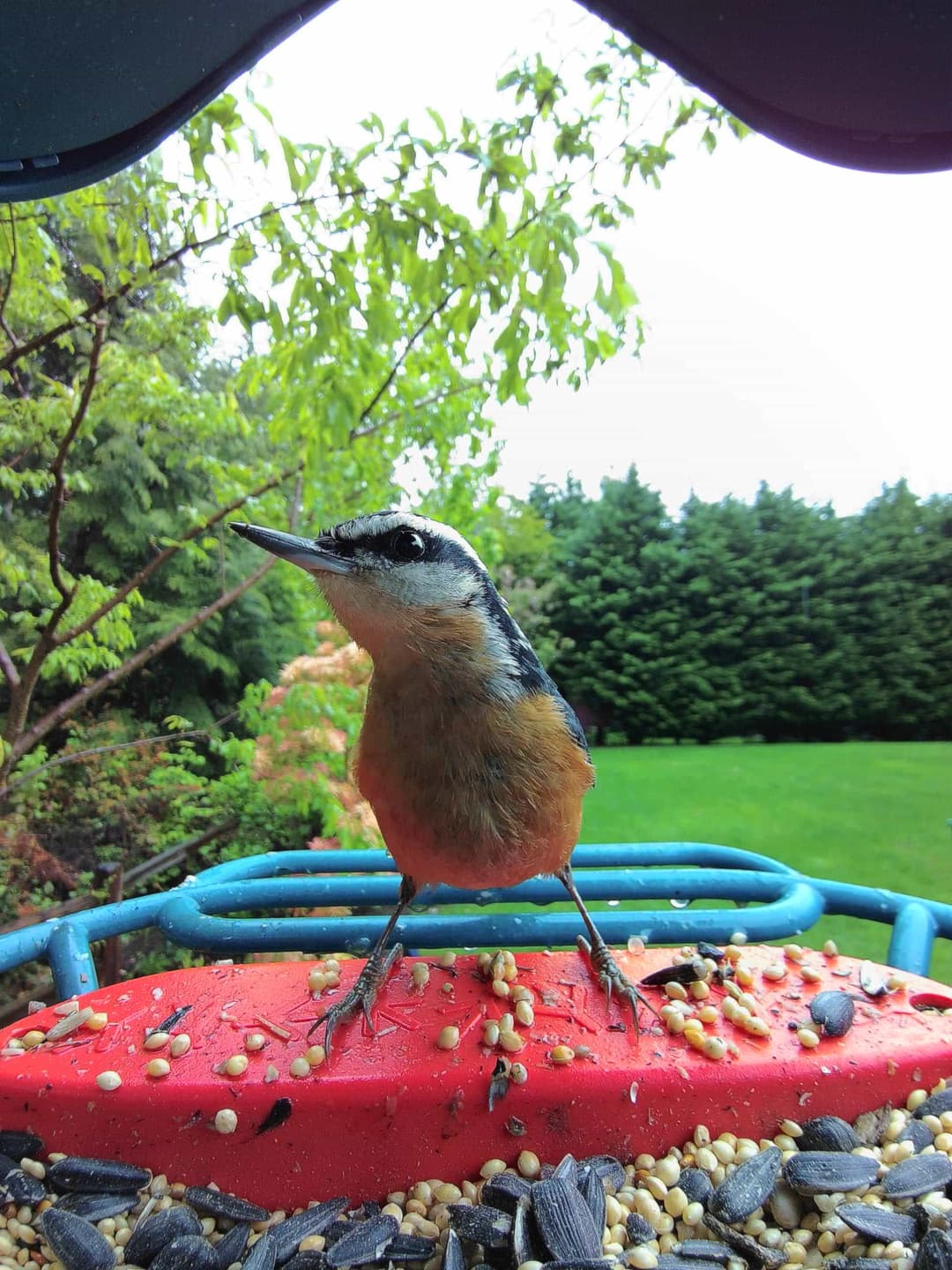
White-Breasted Nuthatch vs Red-Breasted Nuthatch
White-Breasted Nuthatch vs Brown-Headed Nuthatch
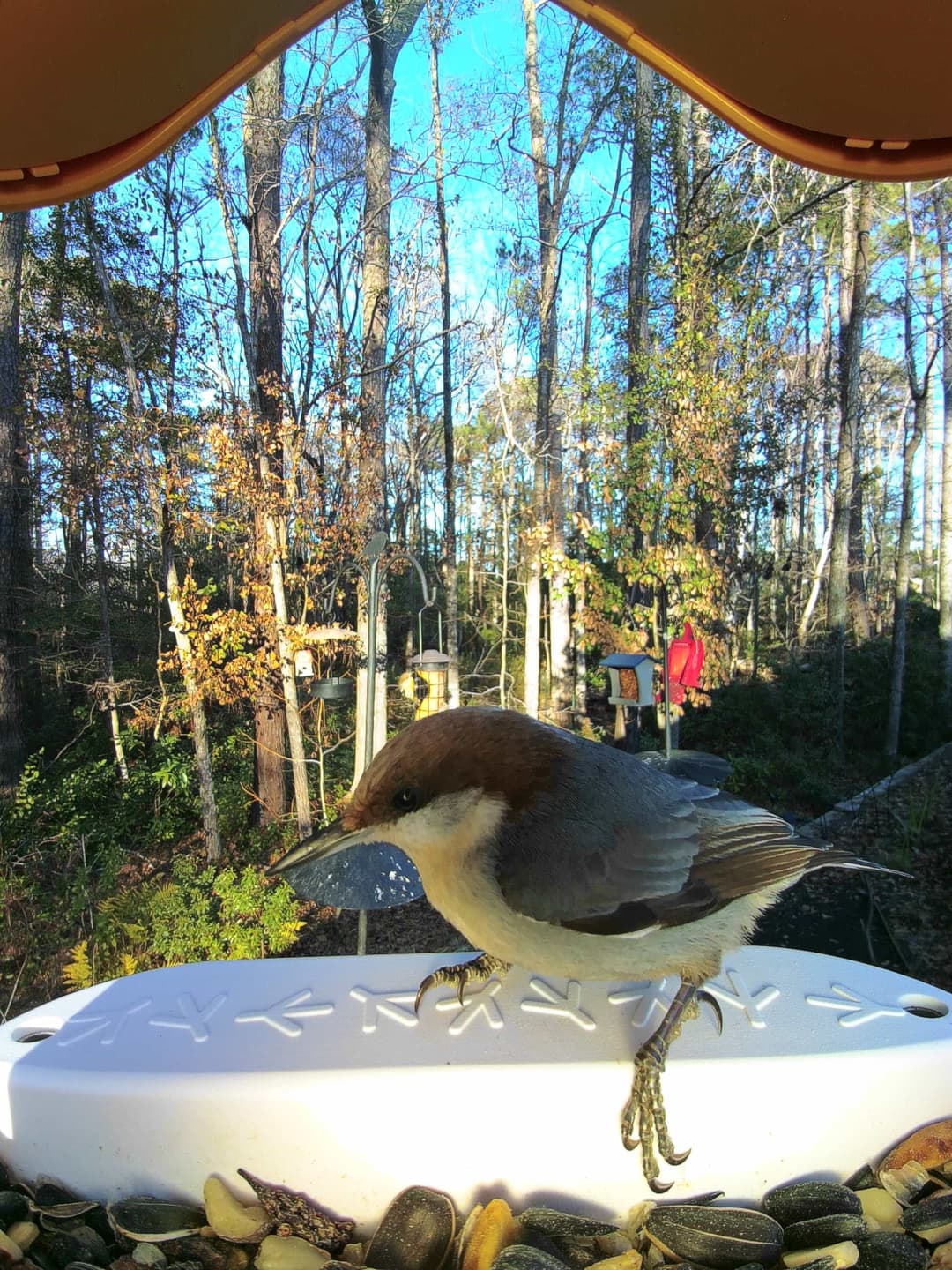
White-Breasted Nuthatch vs Pygmy Nuthatch
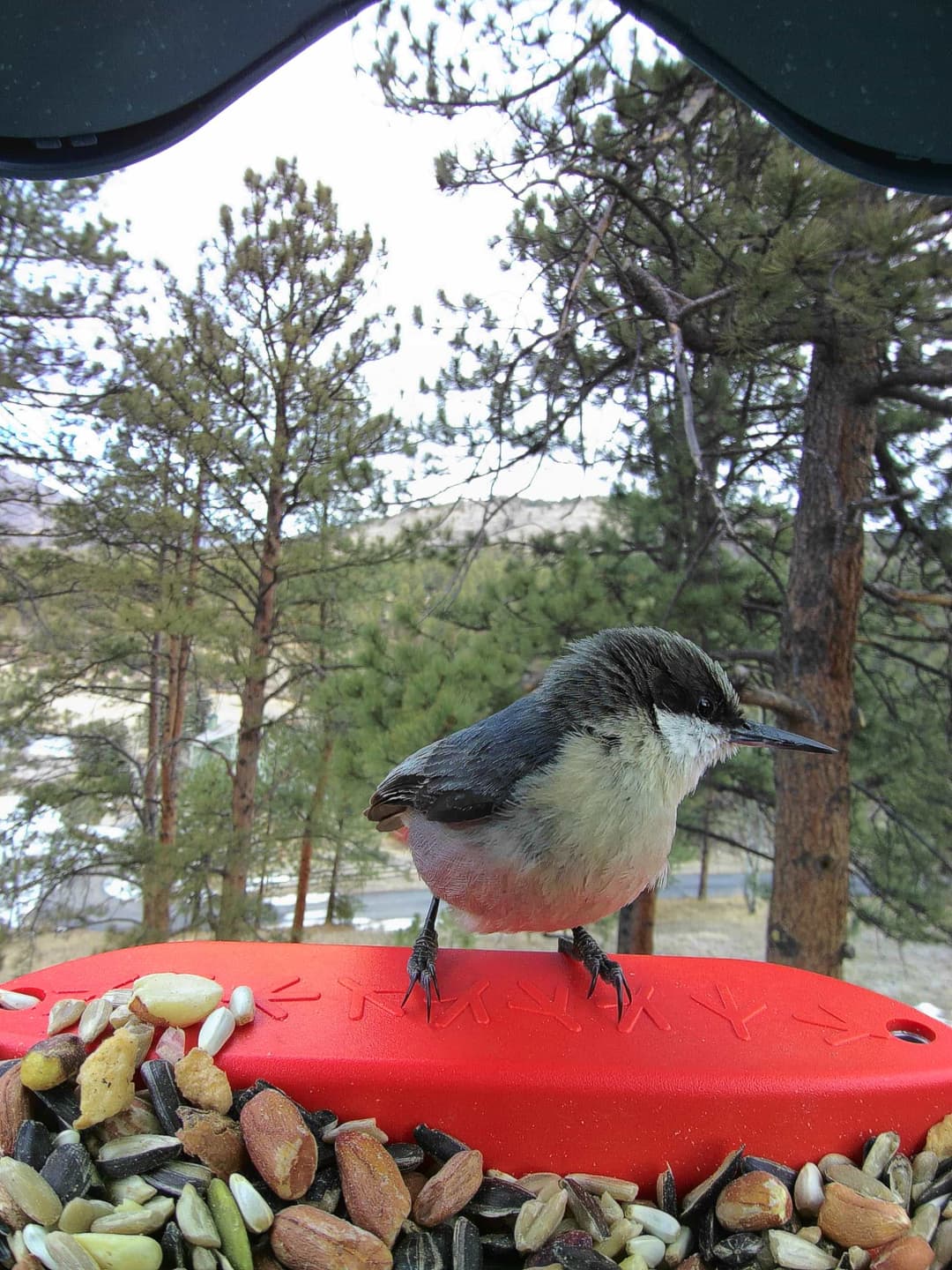
White-Breasted Nuthatch vs Brown Creeper
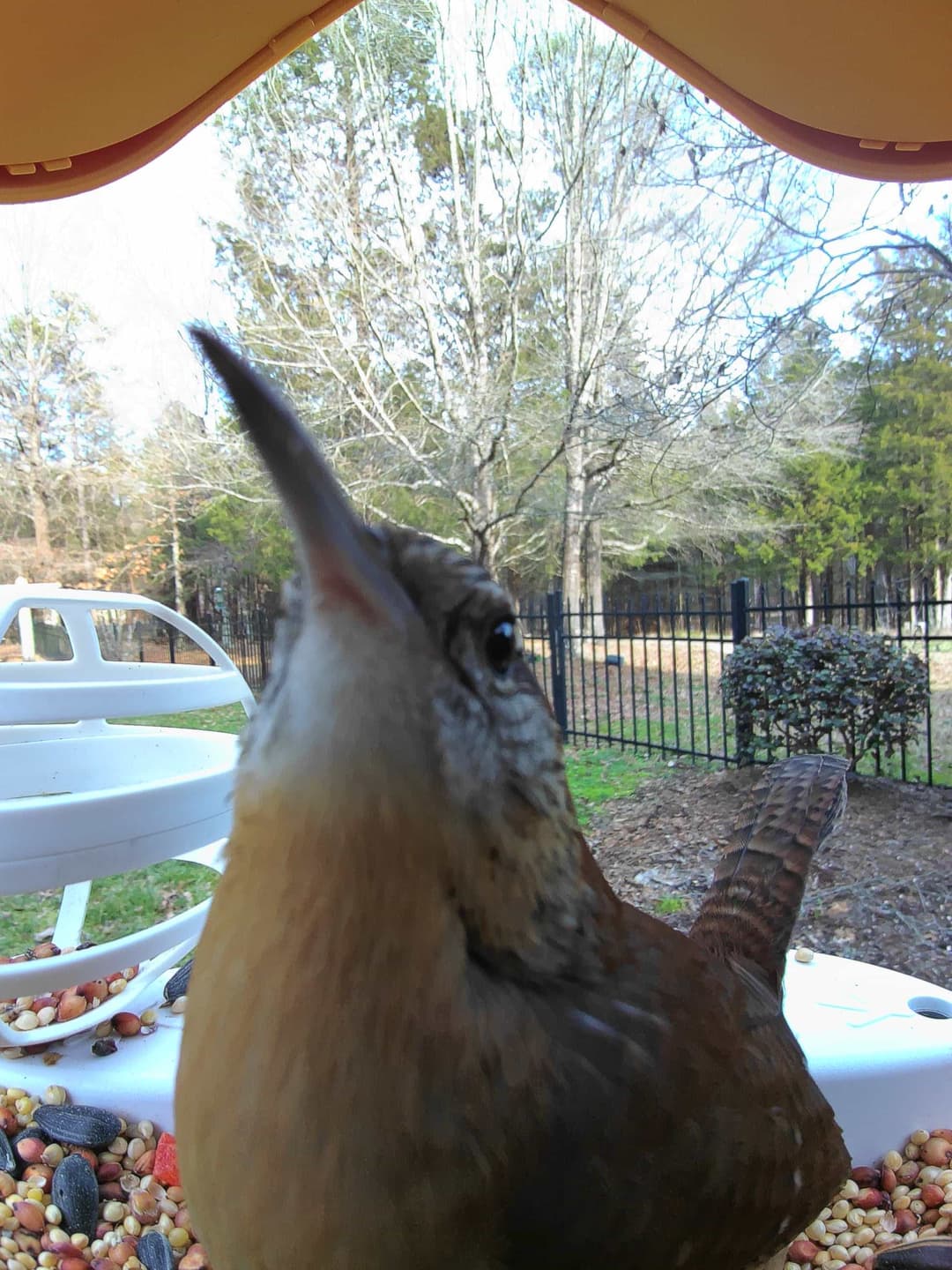
White-Breasted Nuthatch vs Black-Capped Chickadee
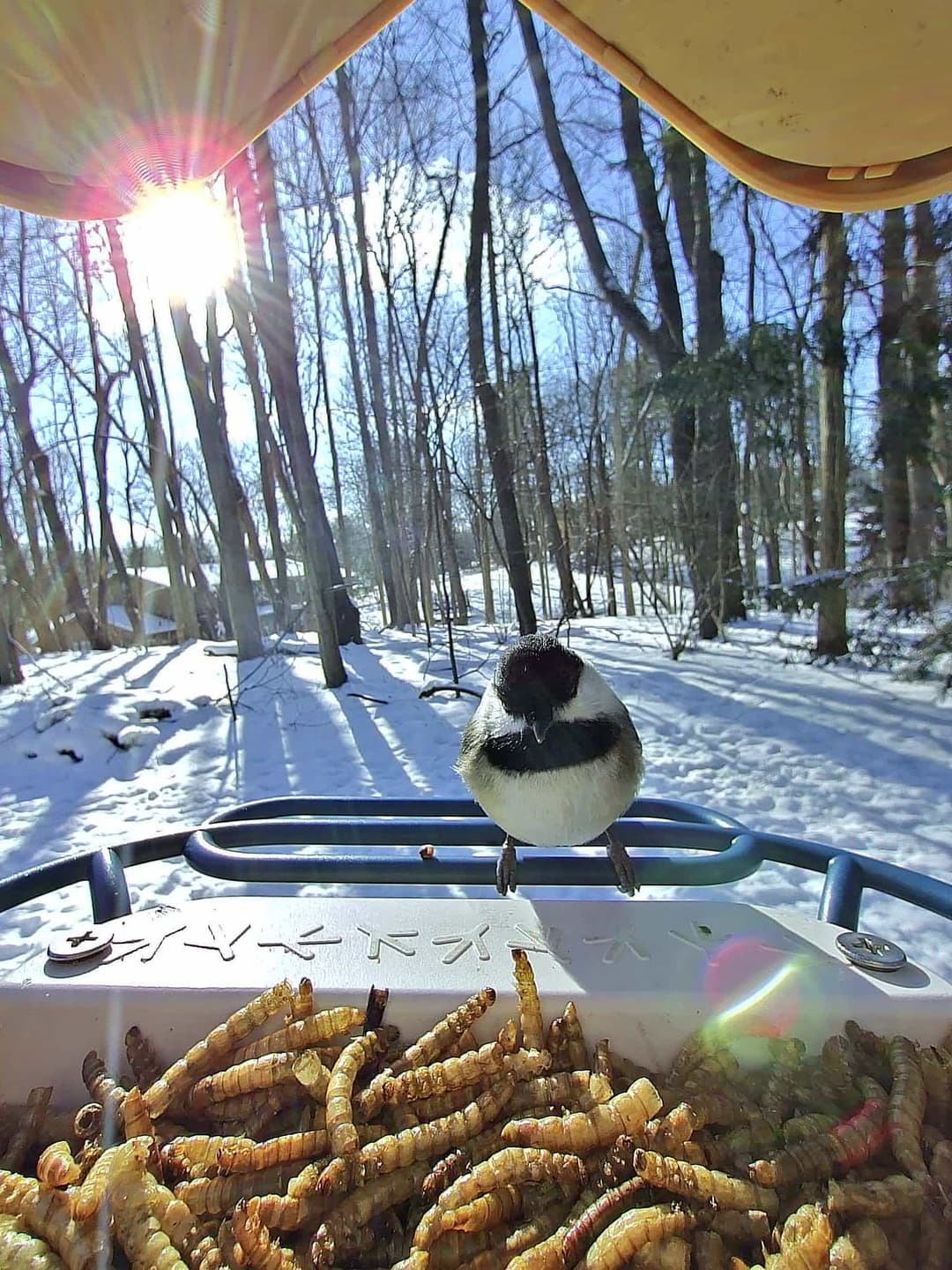
White-Breasted Nuthatch vs Carolina Chickadee
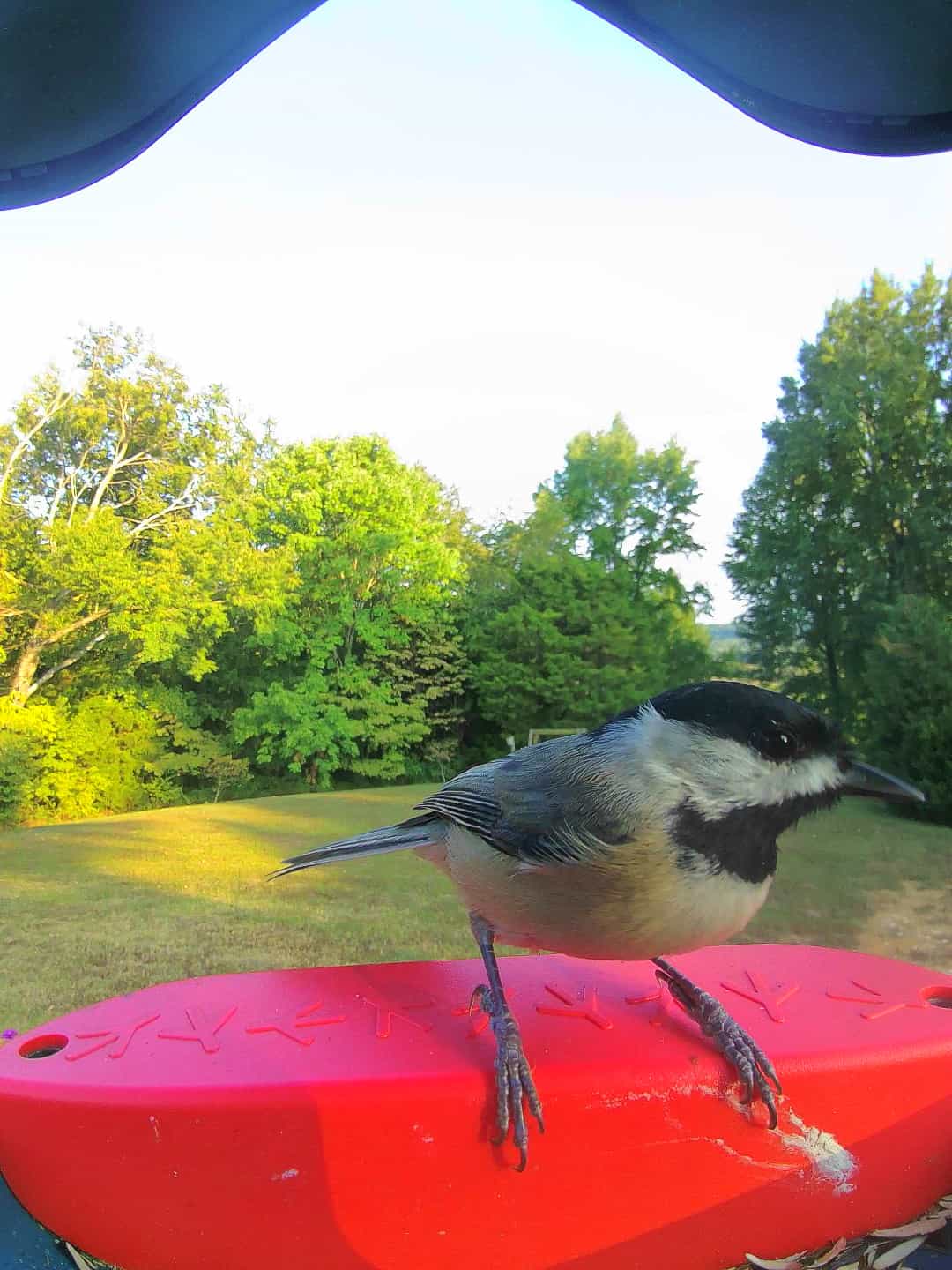
Tufted Titmouse vs Black-Crested Titmouse
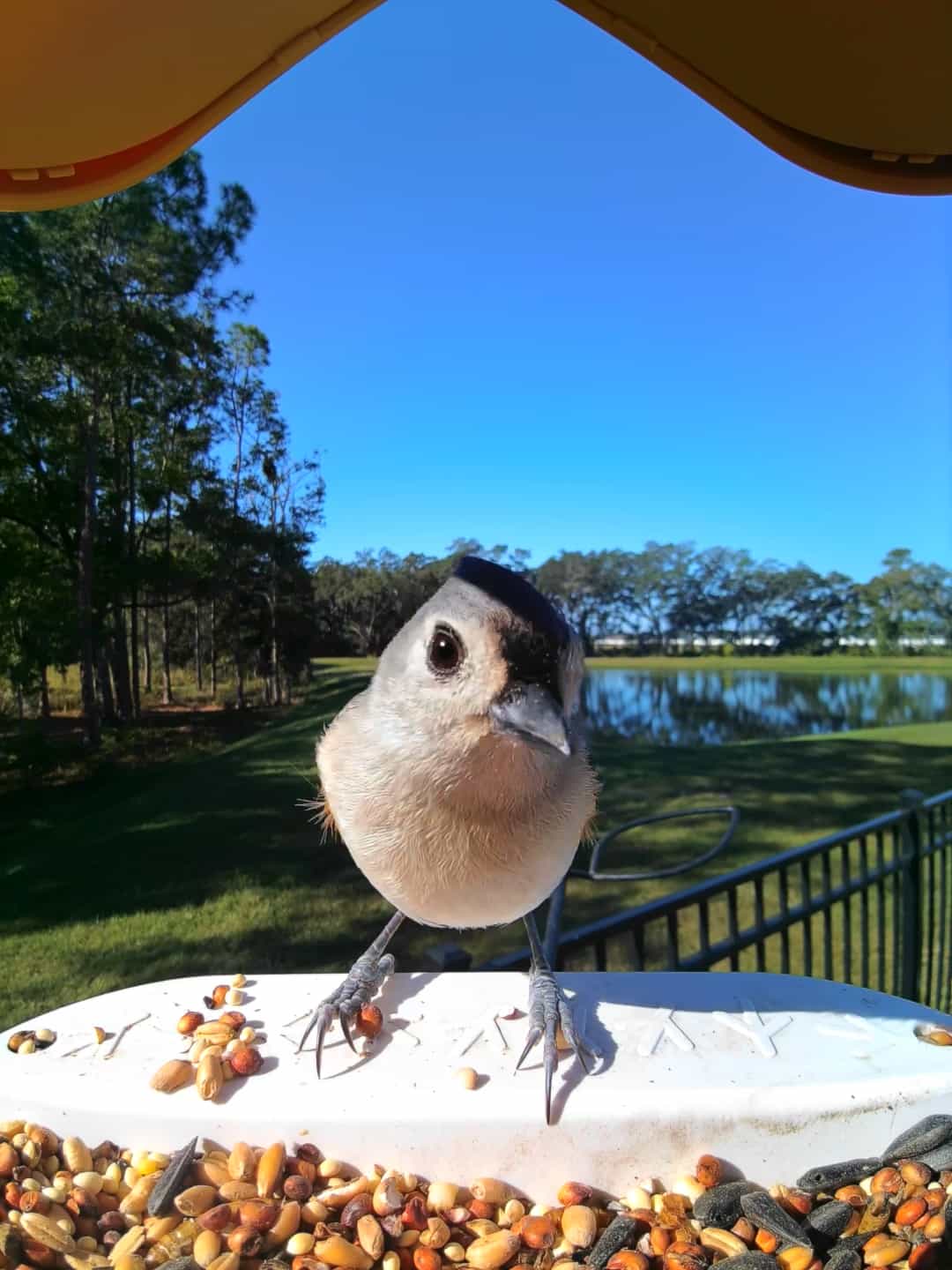
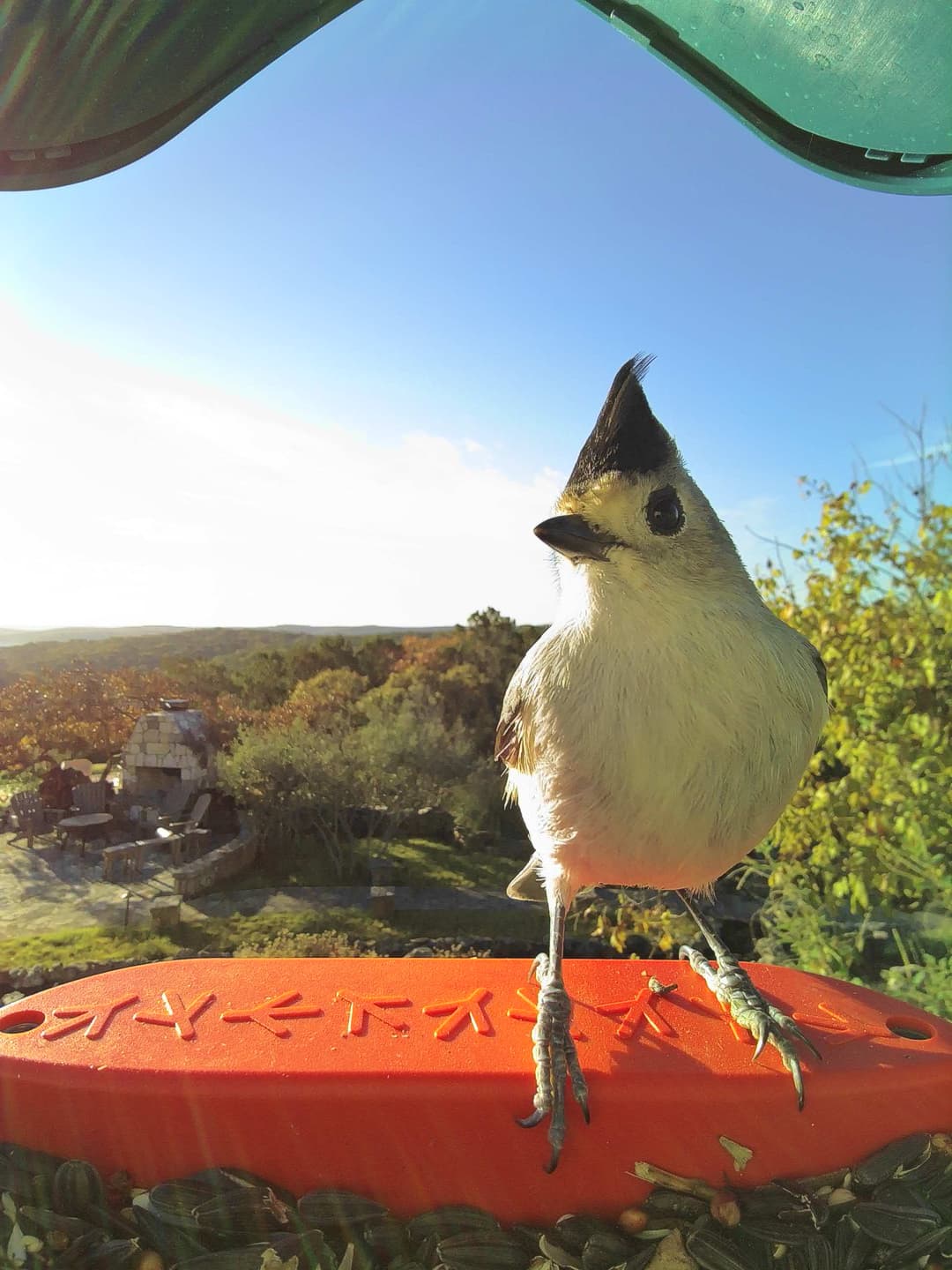
Tufted Titmouse vs Carolina Chickadee
Tufted Titmouse vs Black-Capped Chickadee
White-Breasted Nuthatch vs [Select a bird]

[Select a bird]
Pick a bird to compare
Tufted Titmouse vs [Select a bird]
[Select a bird]
Pick a bird to compare