Tufted Titmouse or Carolina Chickadee?
Here's how to tell the difference


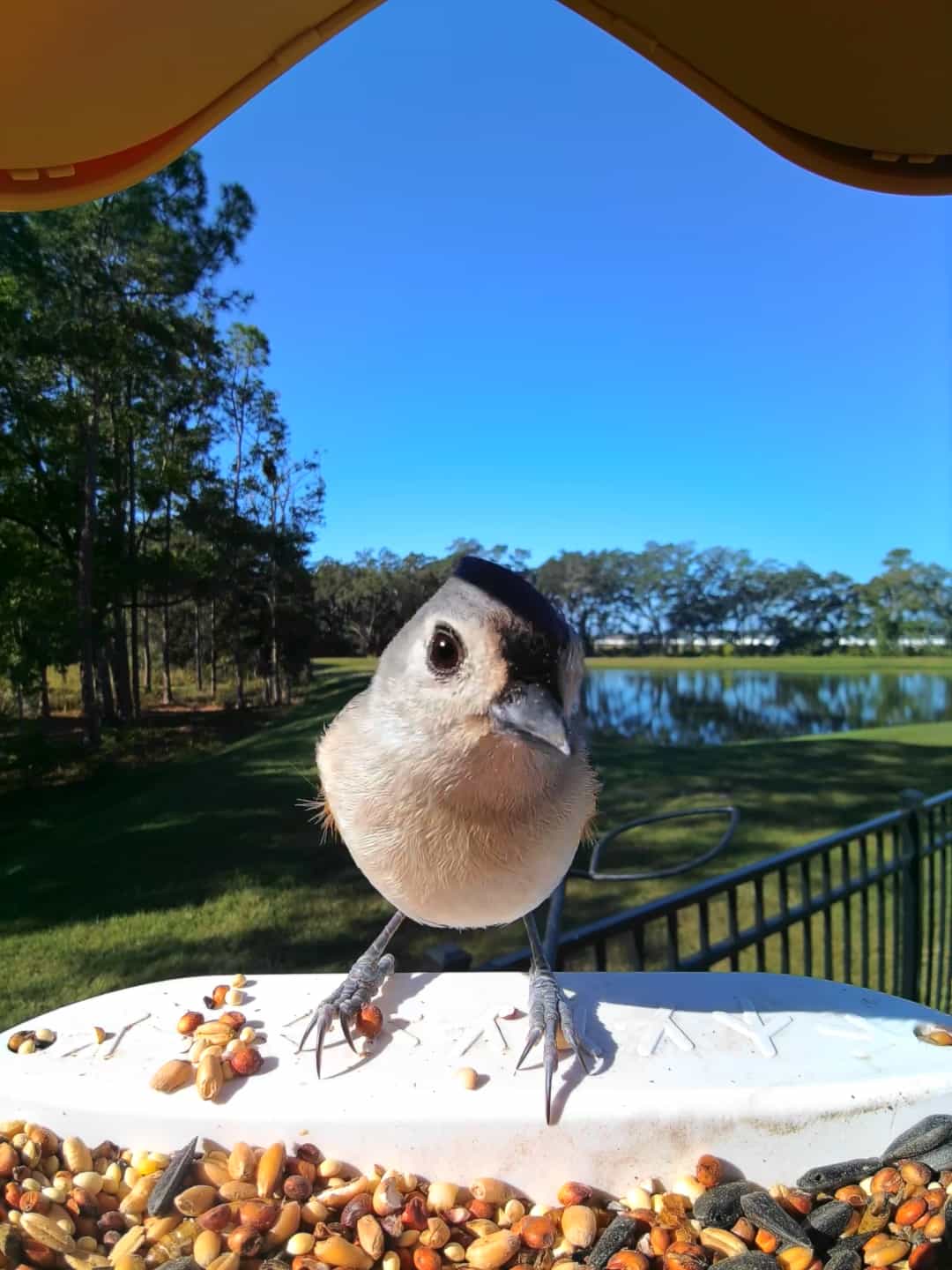


Tufted Titmouse
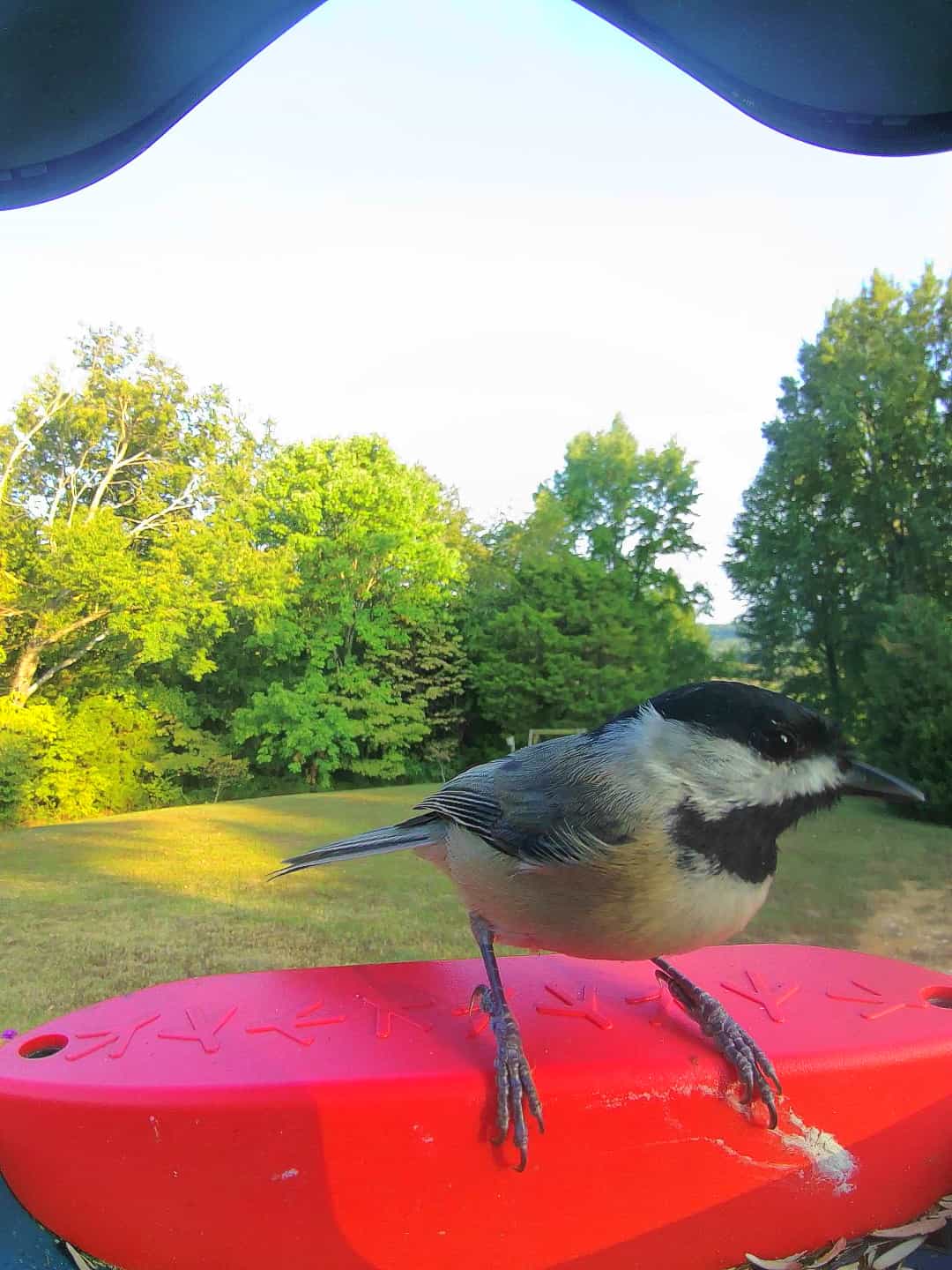


Carolina Chickadee
Tufted Titmouse
Baeolophus bicolor
General appearance
The tufted titmouse exhibits a general length of 6 inches or approximately 15 cm. It is predominantly recognizable by its gray and white coloration, complemented with black on the forehead. A distinguishing feature is its perky crest, along with a pale face and rusty sides. It is of similar size to a robin or a sparrow. In terms of shape, both its wings and tail are rounded, with the tail also being square-tipped.
Male vs female
There are no significant noticeable differences between the males and females in terms of coloration and physical traits. Both sexes of the tufted titmouse exhibit similar features including the characteristic crest, pale face, and black forehead. This makes it challenging to differentiate between the genders in the wild purely based on appearance.
Juvenile
Juvenile tufted titmice are generally similar to adults in appearance. However, their coloration might be slightly less vivid, and their foreheads may not be as boldly black. Over time, as they mature, these subtle variations gradually fade, making them resemble the adult birds more closely. It's important to note that these differences may not be very conspicuous and require close observation to spot.
Size
5.5 - 6.3 in/0.6 - 0.9 oz
There's more to learn about Tufted Titmouse
View full detailsCarolina Chickadee
Poecile carolinensis
General appearance
The Carolina chickadee is a small songbird, about 4.5 to 5 inches long with a wingspan of 6 to 8 inches. Its most distinctive features include a black cap and bib, white cheeks, and a soft gray back. The underparts are mostly pale gray with a slightly buffy hue on the sides. They have short, stout bills and rounded wings. Spotting them in the wild, one can often notice their characteristic calls and acrobatic movements through tree branches.
Male vs female
Males and females of the Carolina chickadee are very similar in appearance, making them difficult to differentiate by plumage alone. Both sexes share the same coloration pattern, lacking distinctive sexual dimorphism. Behavioral observations during the breeding season, such as males being more vocal and active in territory defense, may help distinguish them.
Juvenile
Juvenile Carolina chickadees resemble adults but with duller and less distinct coloration. Their black cap and bib may appear slightly browner, and their overall plumage is softer and fluffier. As they mature, these differences gradually fade, and they develop the crisp contrast seen in adults. Juveniles learn to forage and join mixed-species flocks after fledging.
Size
4.5 - 5.1 in/0.3 - 0.4 oz
There's more to learn about Carolina Chickadee
View full detailsHow to tell the Tufted Titmouse from the Carolina Chickadee
Visual differences
The Tufted Titmouse, at 6 inches, is larger than the Carolina Chickadee, which is 4.5 to 5 inches. The Titmouse has a distinctive gray and white color with a black forehead and a prominent crest, whereas the Chickadee features a black cap and bib, white cheeks, and a soft gray back. The Titmouse displays rusty sides, while the Chickadee has pale gray underparts with a buffy hue on the sides. Both species have rounded wings, but the Chickadee's beak is notably short and stout.
Key differences and behavior
The Tufted Titmouse and Carolina Chickadee exhibit distinct behavioral characteristics for easy field identification. Tufted Titmice are known for their acrobatics and use of their feet to hold seeds, showcasing adaptability in habitats such as deciduous forests and urban areas with large trees. Their courtship involves males feeding females, often aided by helpers. In contrast, Carolina Chickadees form permanent flocks with some members switching groups. They are adaptable to mixed and deciduous woods and exhibit lifelong pair bonds, expanding nest cavities together. The titmouse diet includes a higher proportion of insects compared to chickadees, who rely more on seeds in winter. Both birds frequent feeders, preferring sunflower seeds and suet.
Still not sure? Here are more lookalikes!
Tufted Titmouse vs Black-Crested Titmouse
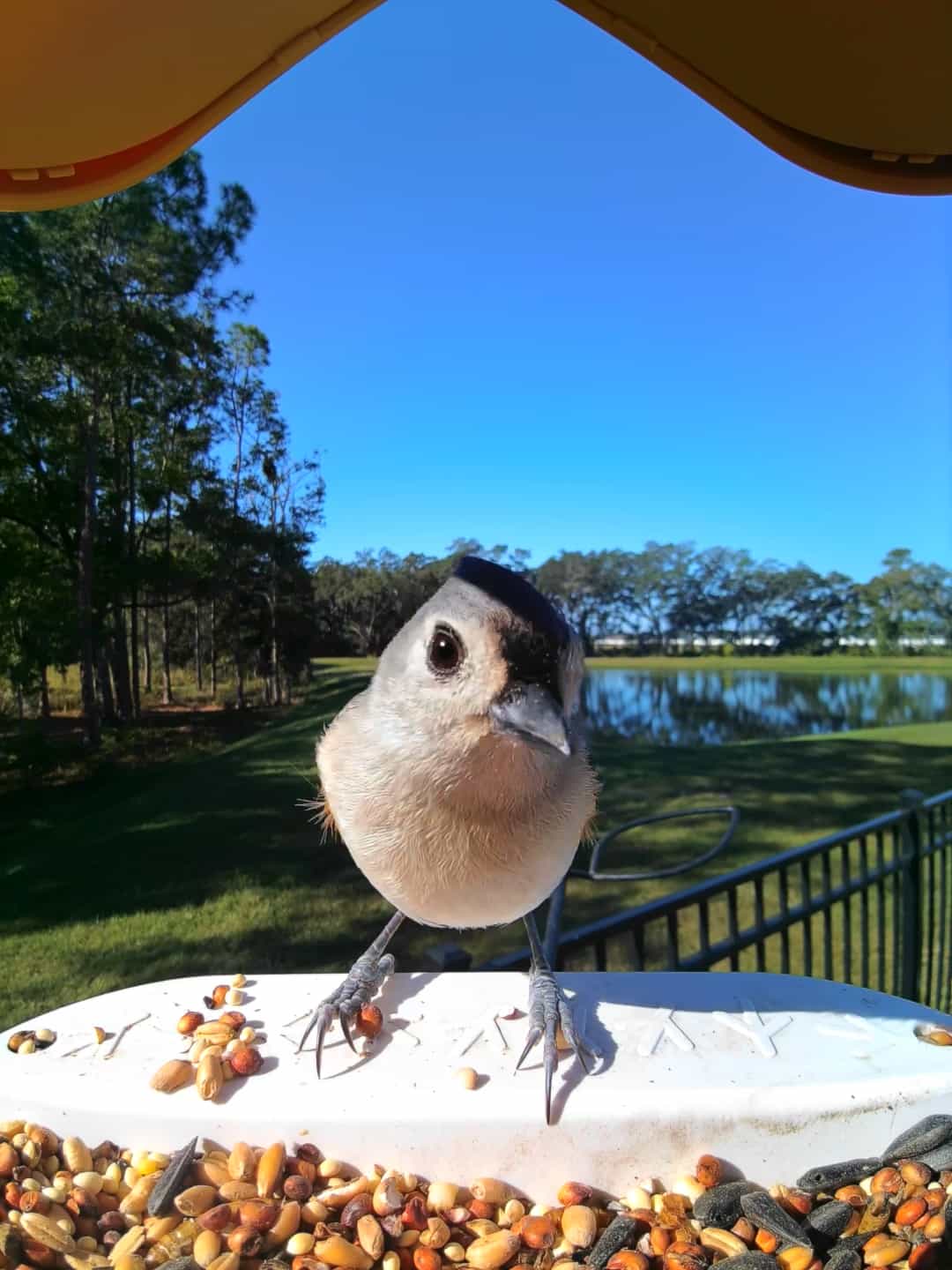
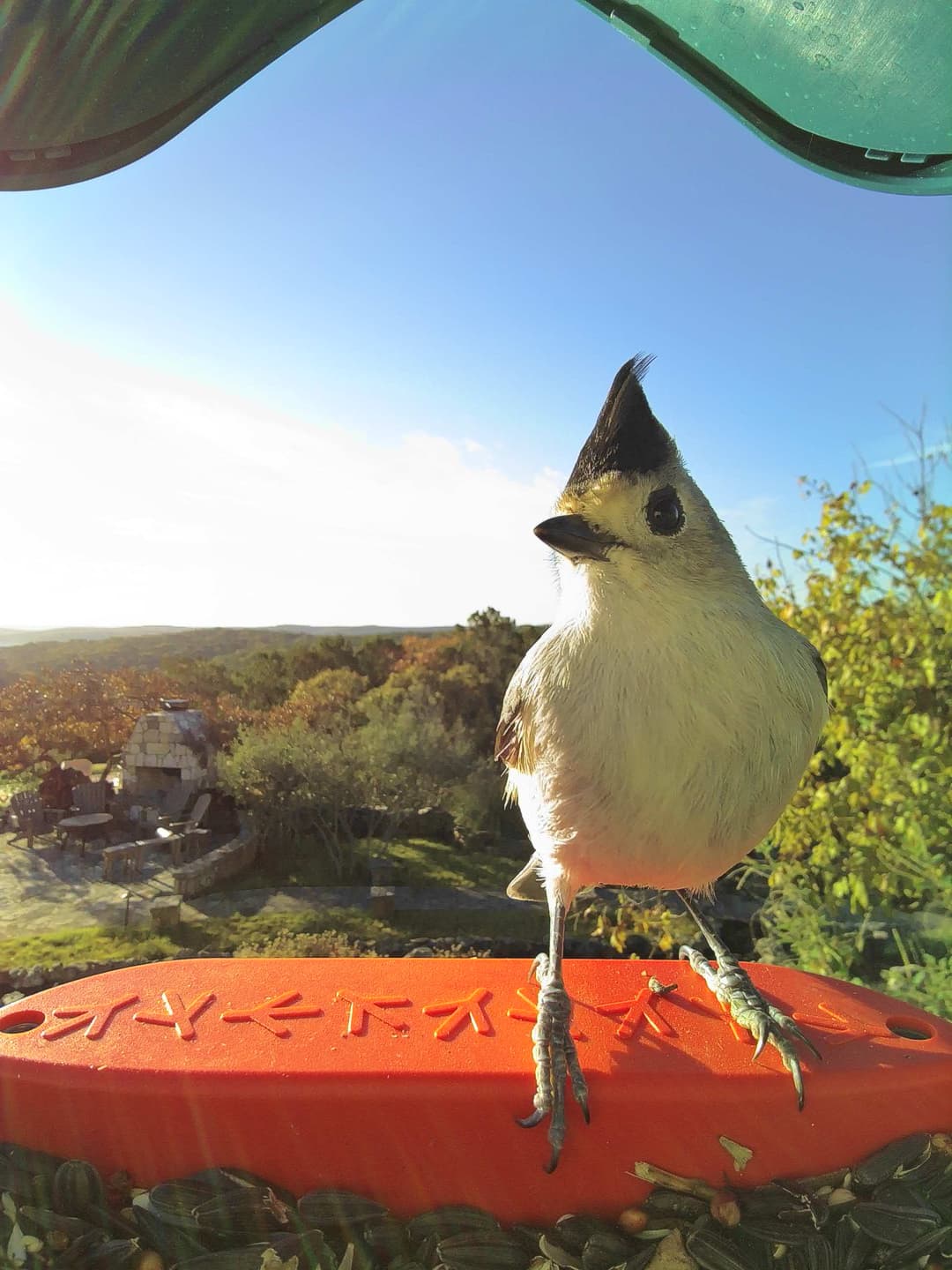
Tufted Titmouse vs Black-Capped Chickadee
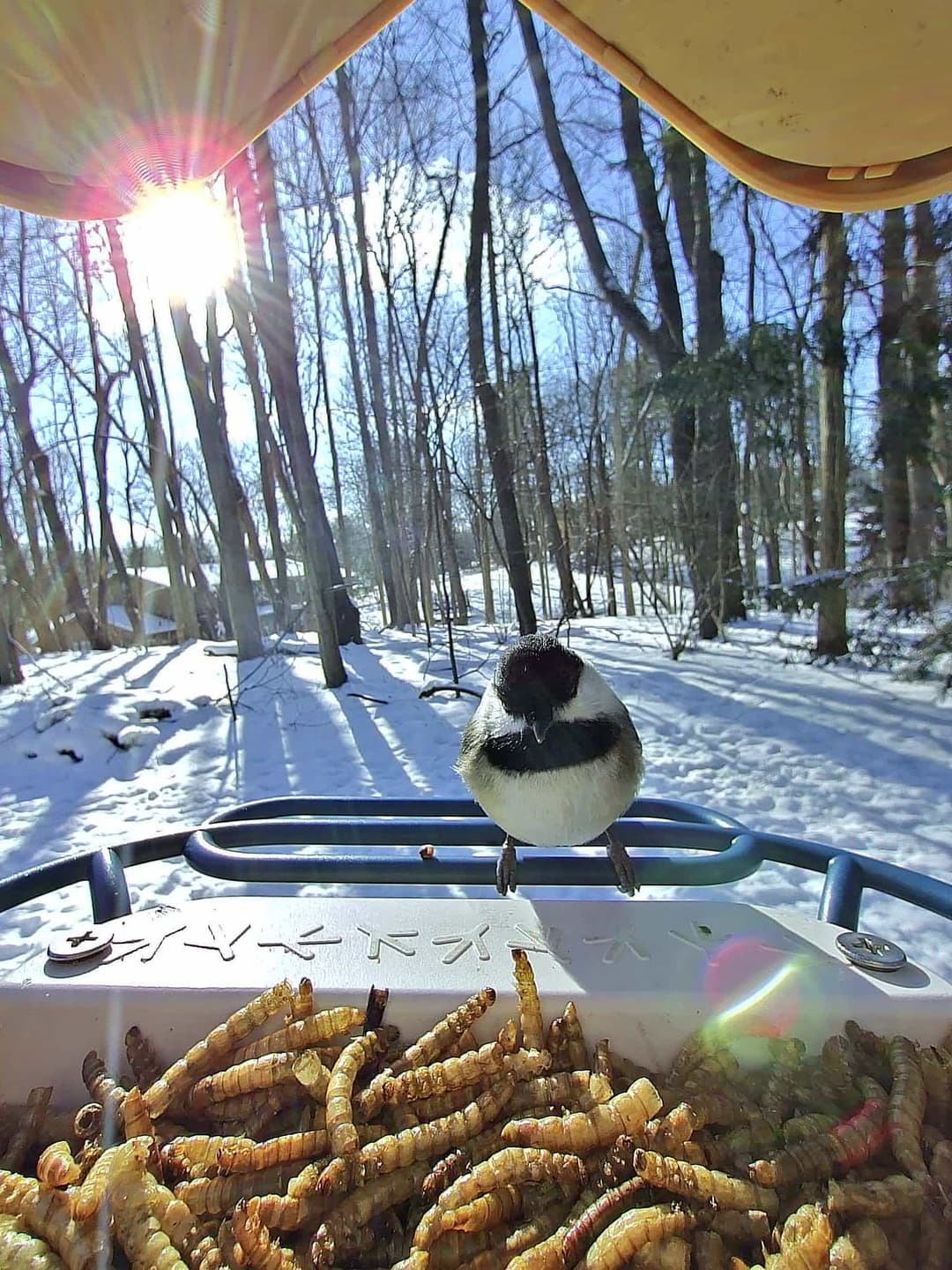
Carolina Chickadee vs Black-Capped Chickadee
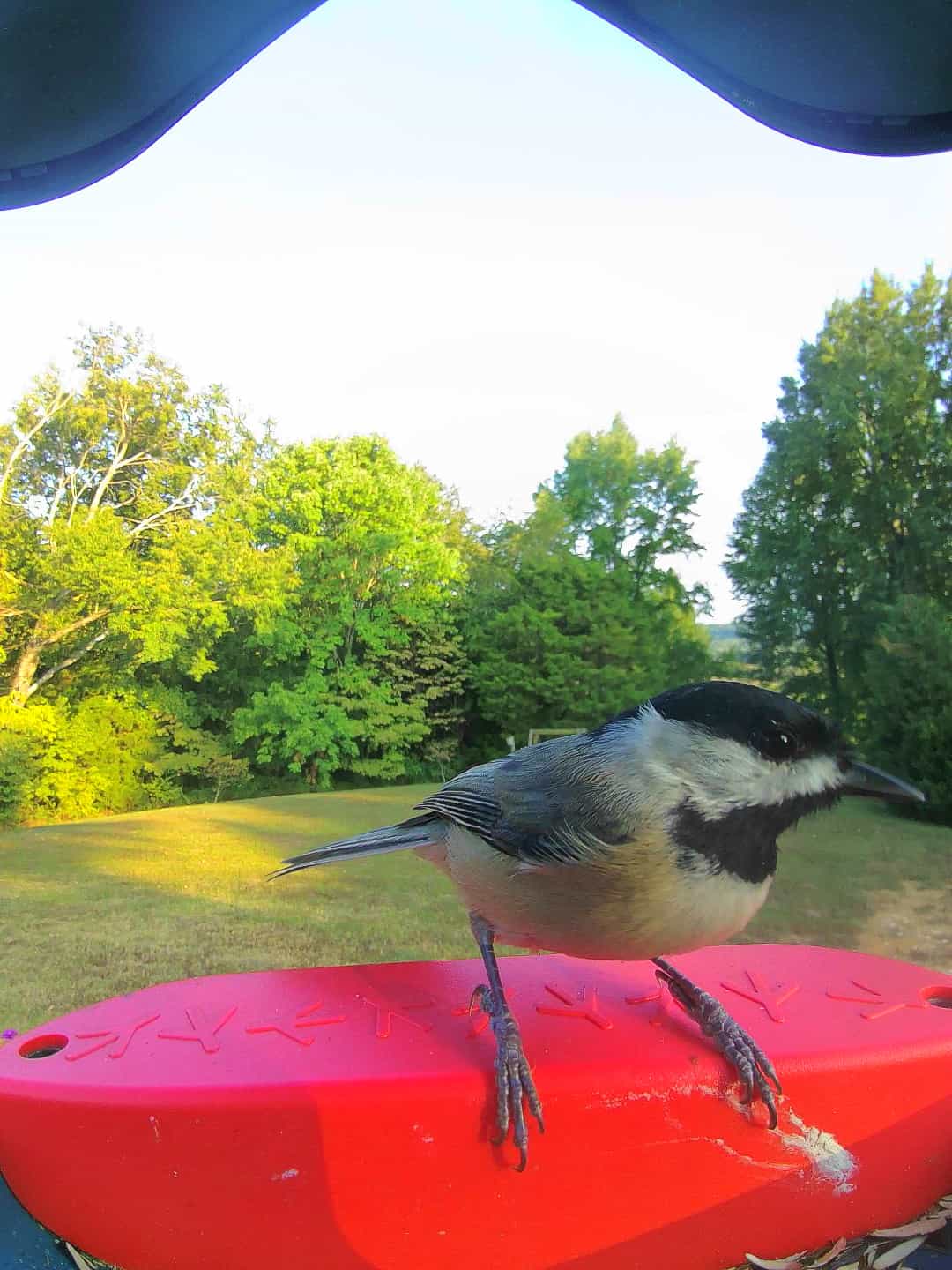
Carolina Chickadee vs White-Breasted Nuthatch
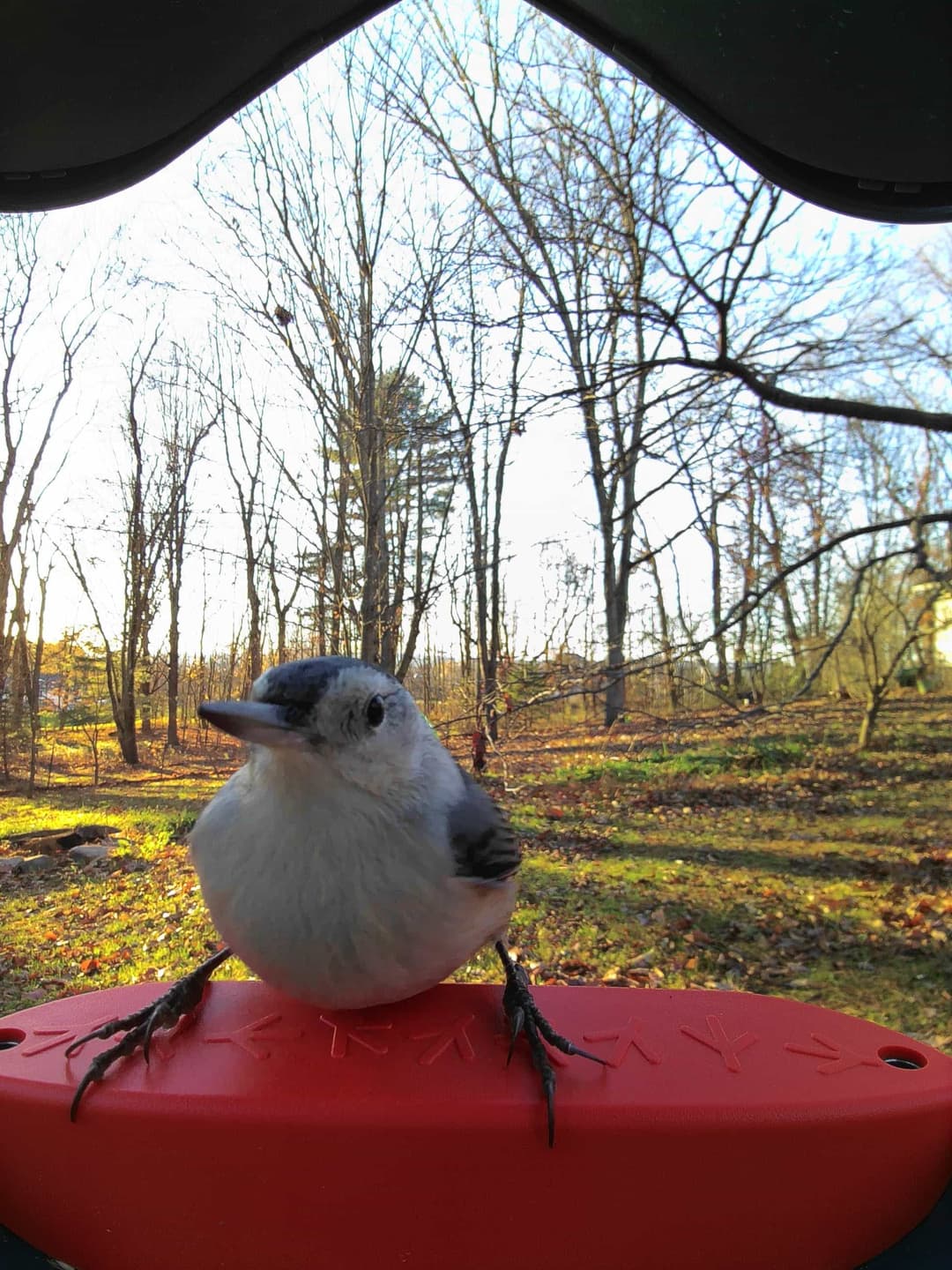
Tufted Titmouse vs [Select a bird]

[Select a bird]
Pick a bird to compare
Carolina Chickadee vs [Select a bird]
[Select a bird]
Pick a bird to compare