Carolina Chickadee or White-Breasted Nuthatch?
Here's how to tell the difference


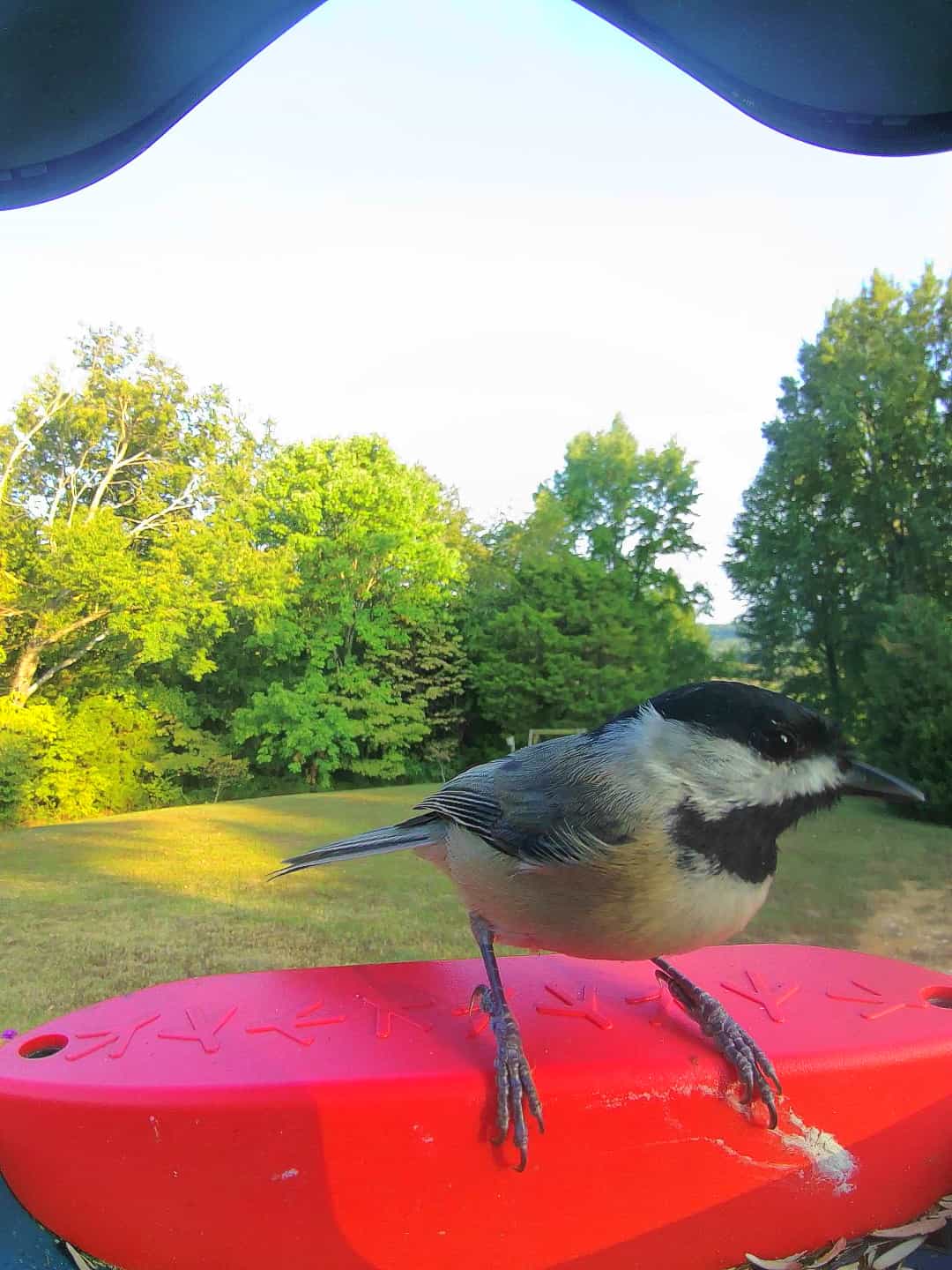


Carolina Chickadee
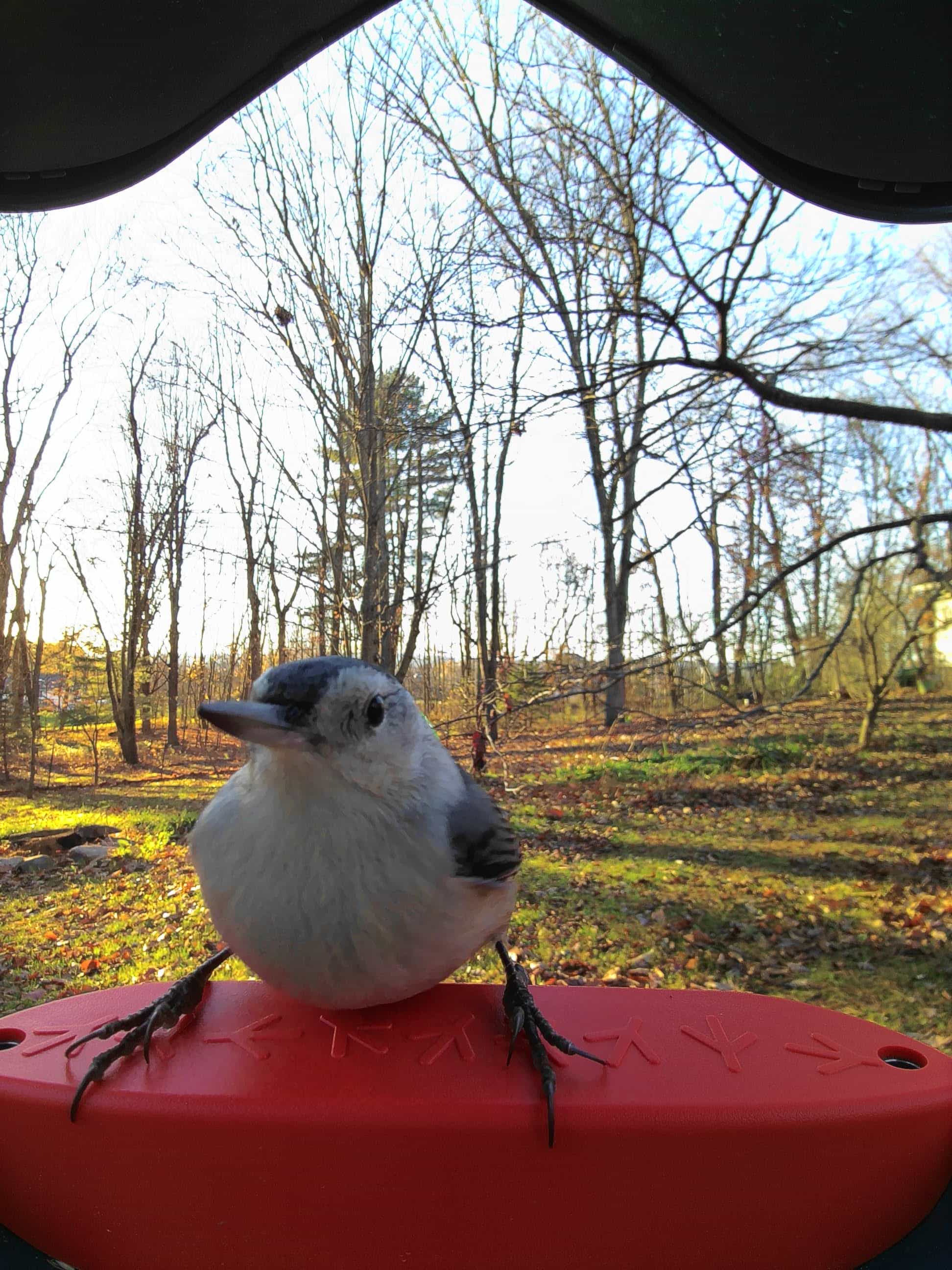


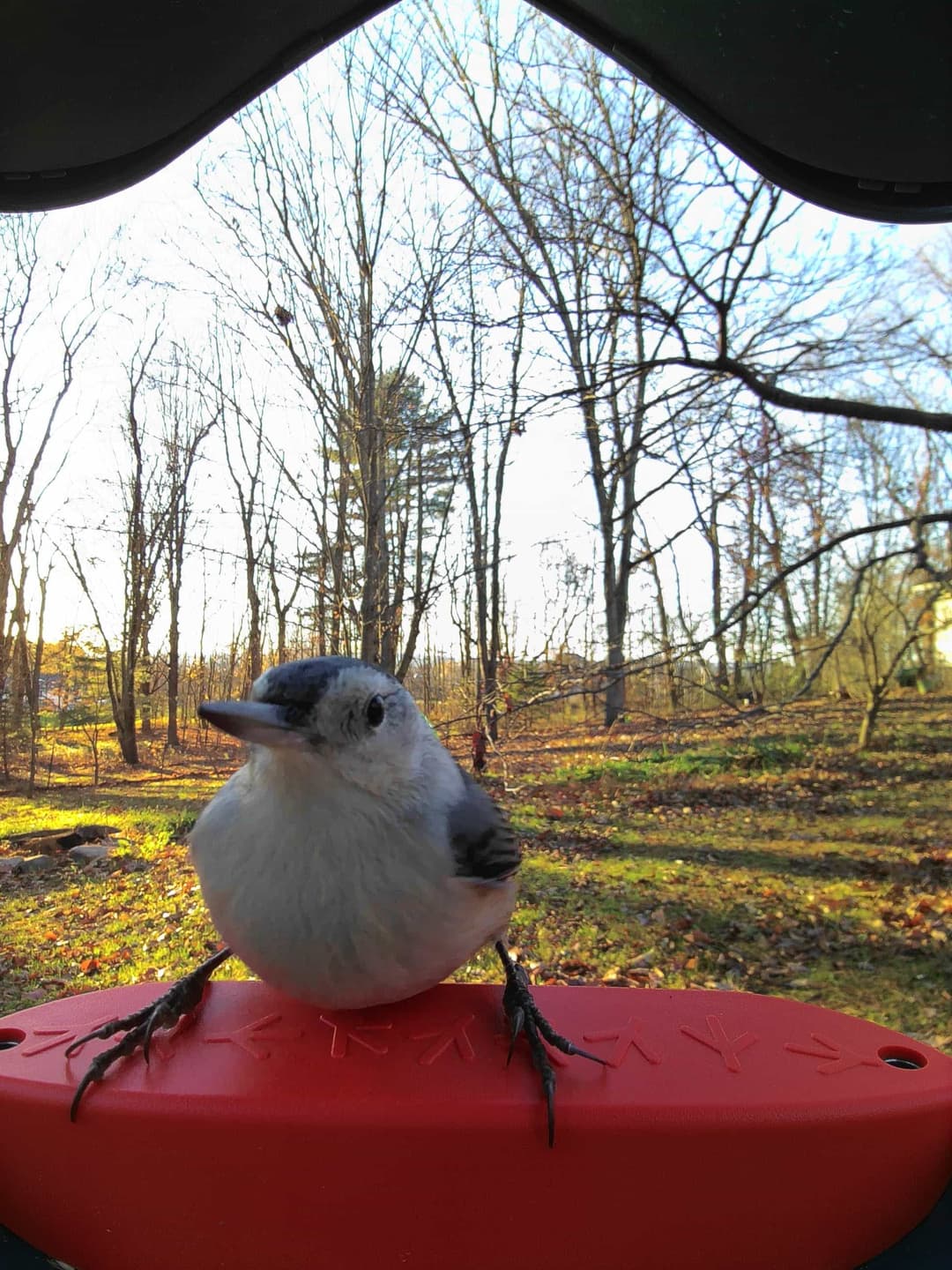
White-Breasted Nuthatch
Carolina Chickadee
Poecile carolinensis
General appearance
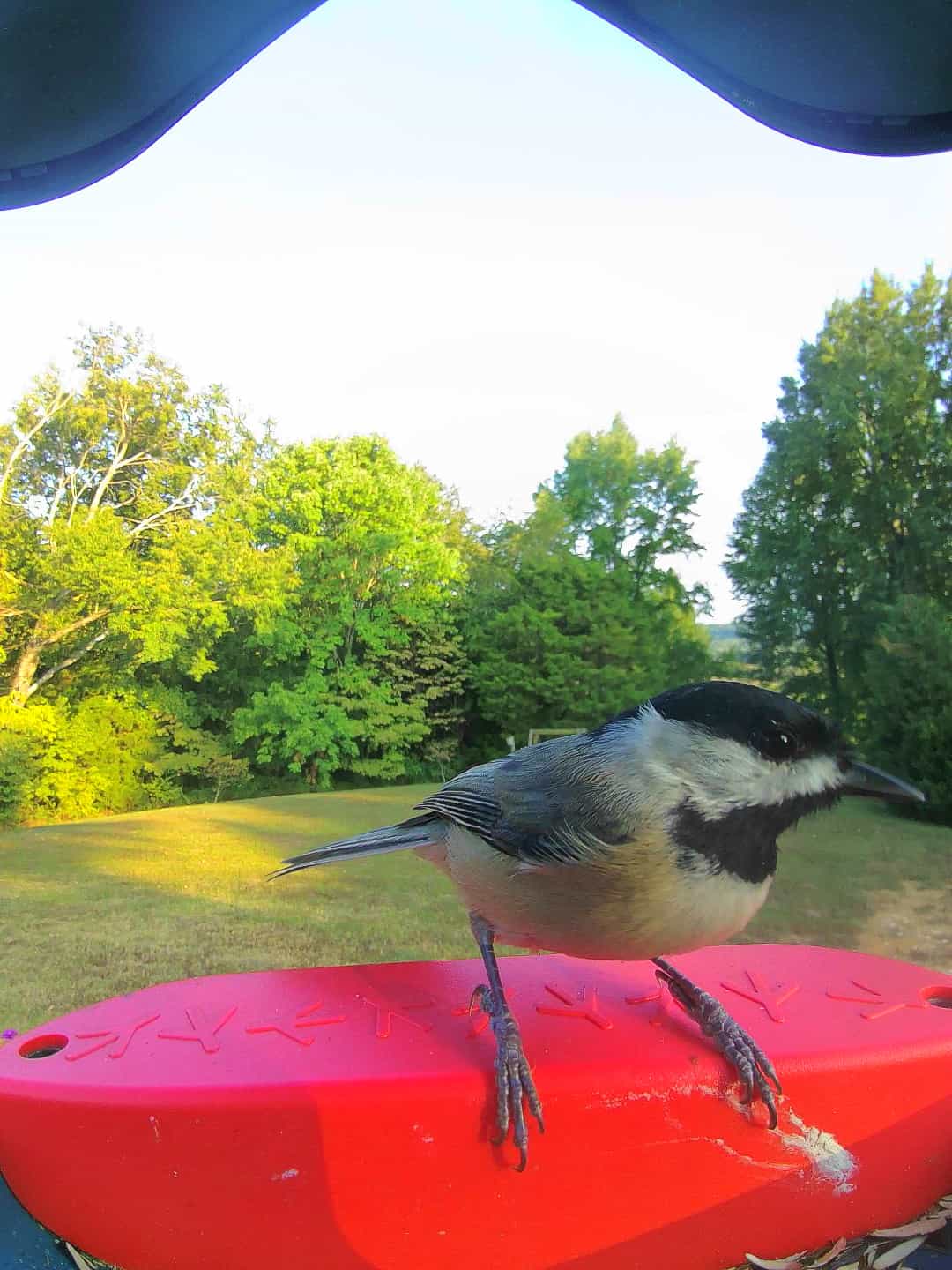
The Carolina chickadee is a small songbird, about 4.5 to 5 inches long with a wingspan of 6 to 8 inches. Its most distinctive features include a black cap and bib, white cheeks, and a soft gray back. The underparts are mostly pale gray with a slightly buffy hue on the sides. They have short, stout bills and rounded wings. Spotting them in the wild, one can often notice their characteristic calls and acrobatic movements through tree branches.
Male vs female
Males and females of the Carolina chickadee are very similar in appearance, making them difficult to differentiate by plumage alone. Both sexes share the same coloration pattern, lacking distinctive sexual dimorphism. Behavioral observations during the breeding season, such as males being more vocal and active in territory defense, may help distinguish them.
Juvenile
Juvenile Carolina chickadees resemble adults but with duller and less distinct coloration. Their black cap and bib may appear slightly browner, and their overall plumage is softer and fluffier. As they mature, these differences gradually fade, and they develop the crisp contrast seen in adults. Juveniles learn to forage and join mixed-species flocks after fledging.
Size
4.5 - 5.1 in/0.3 - 0.4 oz
There's more to learn about Carolina Chickadee
View full detailsWhite-Breasted Nuthatch
Sitta carolinensis
General appearance
The white-breasted nuthatch has a chunky body and measures 5-6 inches (13-15 cm) in length. It has a short, square-tipped tail and a thin bill. The bird has a beady black eye that stands out against its white face and chest. Its coloration consists of black, grey, and white and it can show much orange-brown on its lower belly. The wing and tail shapes are rounded.
Male vs female
The male and female white-breasted nuthatch have similar appearances, but there are slight differences. They both have a narrow dark crown stripe, but while it's black on males, it's often gray on females.
Juvenile
Not much information is provided about the juvenile white-breasted nuthatch. Based on general bird development, they would likely have softer, less vivid coloration than adults. More specific characteristics would need further research.
Size
5.1 - 5.5 in/0.6 - 1.0 oz
There's more to learn about White-Breasted Nuthatch
View full detailsHow to tell the Carolina Chickadee from the White-Breasted Nuthatch
Visual differences
The Carolina Chickadee, measuring 4.5-5 inches long, is smaller than the 5-6 inch White-Breasted Nuthatch. The chickadee sports a black cap and bib, white cheeks, and gray back, while the nuthatch has a white face and chest with a black or gray crown stripe and shows orange-brown on its lower belly. The chickadee features a short, stout bill, contrasting the nuthatch's thin bill. Additionally, the nuthatch's chunky body and square-tipped tail differ from the chickadee’s rounded shape.
Key differences and behavior
Carolina Chickadees and White-Breasted Nuthatches showcase distinct behavioral traits in their natural habitats. The Carolina Chickadee, at 4.5 to 5 inches long, often forms semi-permanent flocks but may jump between groups, thriving in mixed deciduous woods and well-wooded suburbs. They primarily eat insects, seeds, and berries and notably hybridize with Black-capped Chickadees. Conversely, the White-Breasted Nuthatch, at 5 to 6 inches long, prefers mature deciduous forests and is recognized for its unique habit of walking down tree trunks headfirst. Its diet shifts significantly in winter to seeds, while it adopts a highly interactive courtship involving calls and wing-flicking. Both birds nest in cavities, but the Nuthatch has a more prominent courtship ritual. You can find both at bird feeders, although Nuthatches are more drawn to peanut-butter mixtures, reflecting their diverse tastes.
Still not sure? Here are more lookalikes!
Carolina Chickadee vs Black-Capped Chickadee
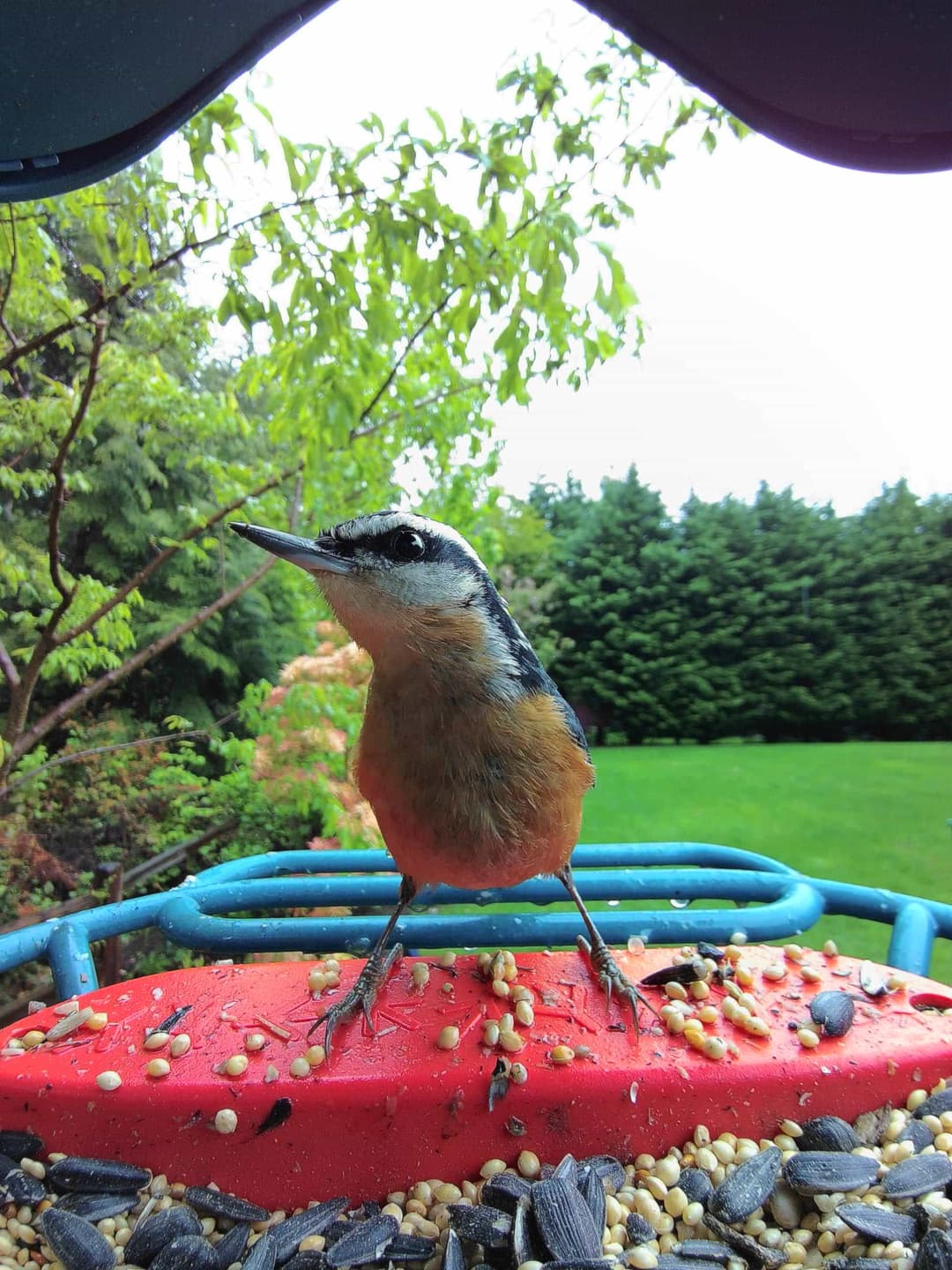
White-Breasted Nuthatch vs Red-Breasted Nuthatch
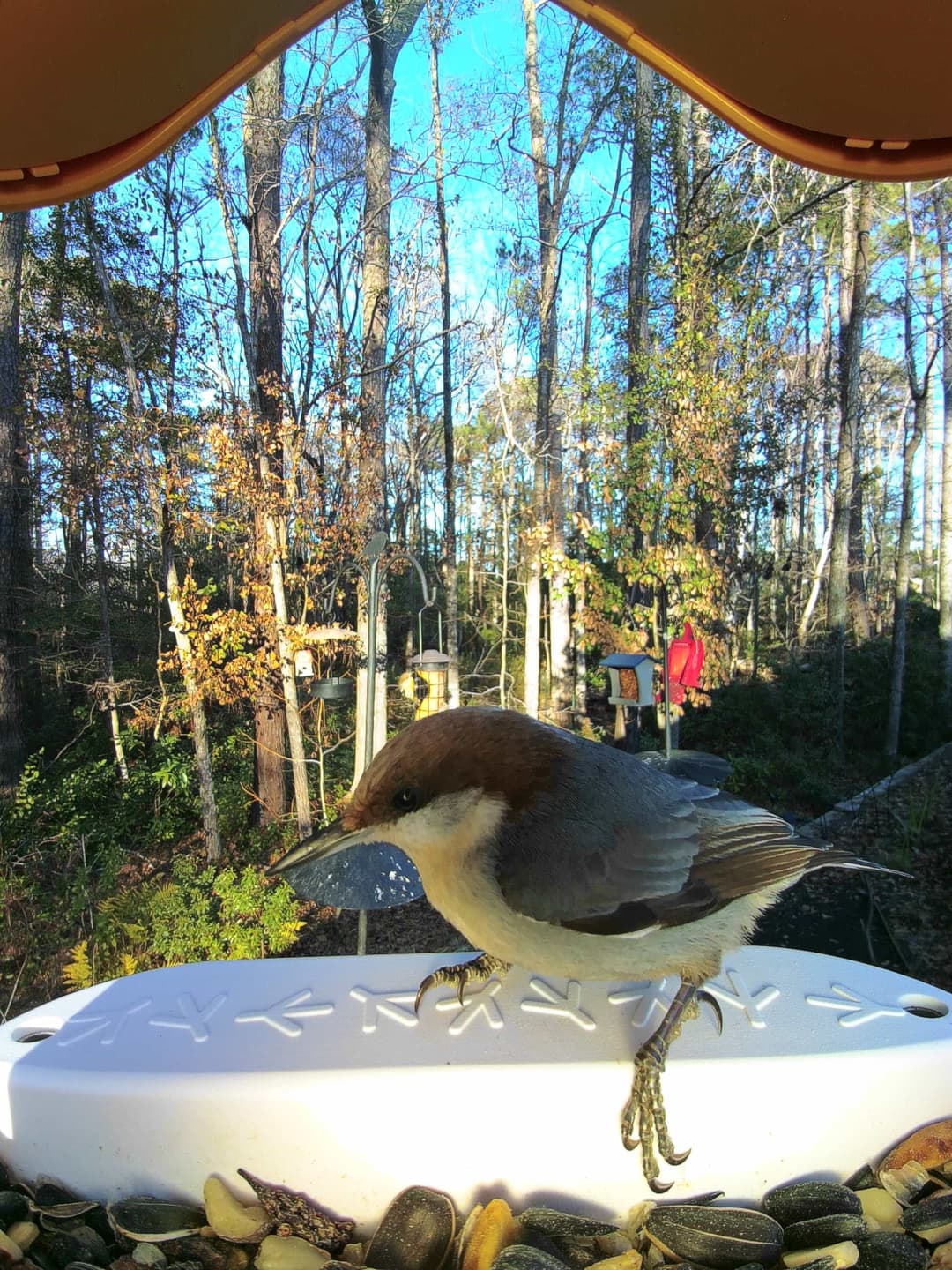
White-Breasted Nuthatch vs Brown-Headed Nuthatch
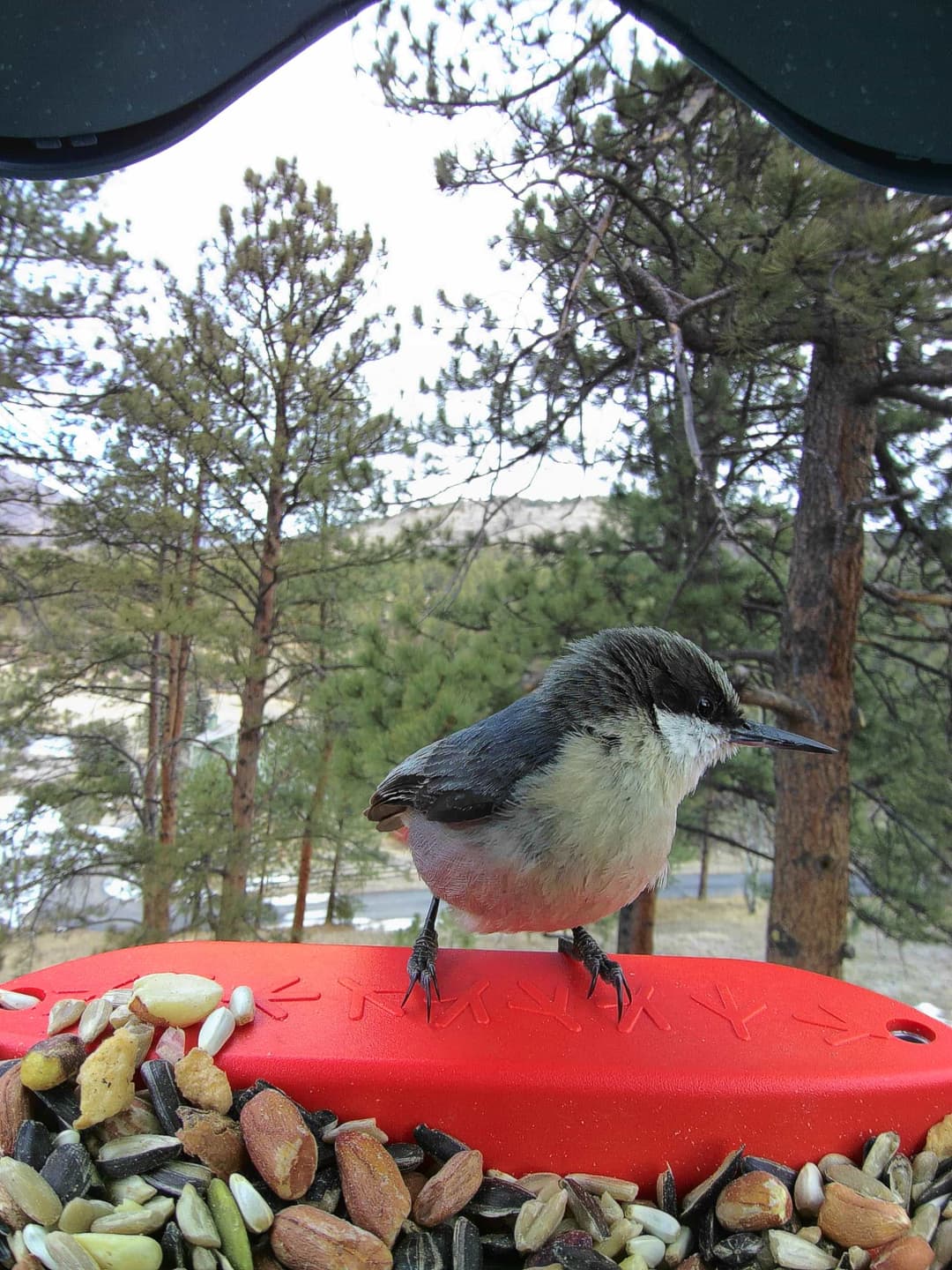
White-Breasted Nuthatch vs Pygmy Nuthatch
White-Breasted Nuthatch vs Tufted Titmouse
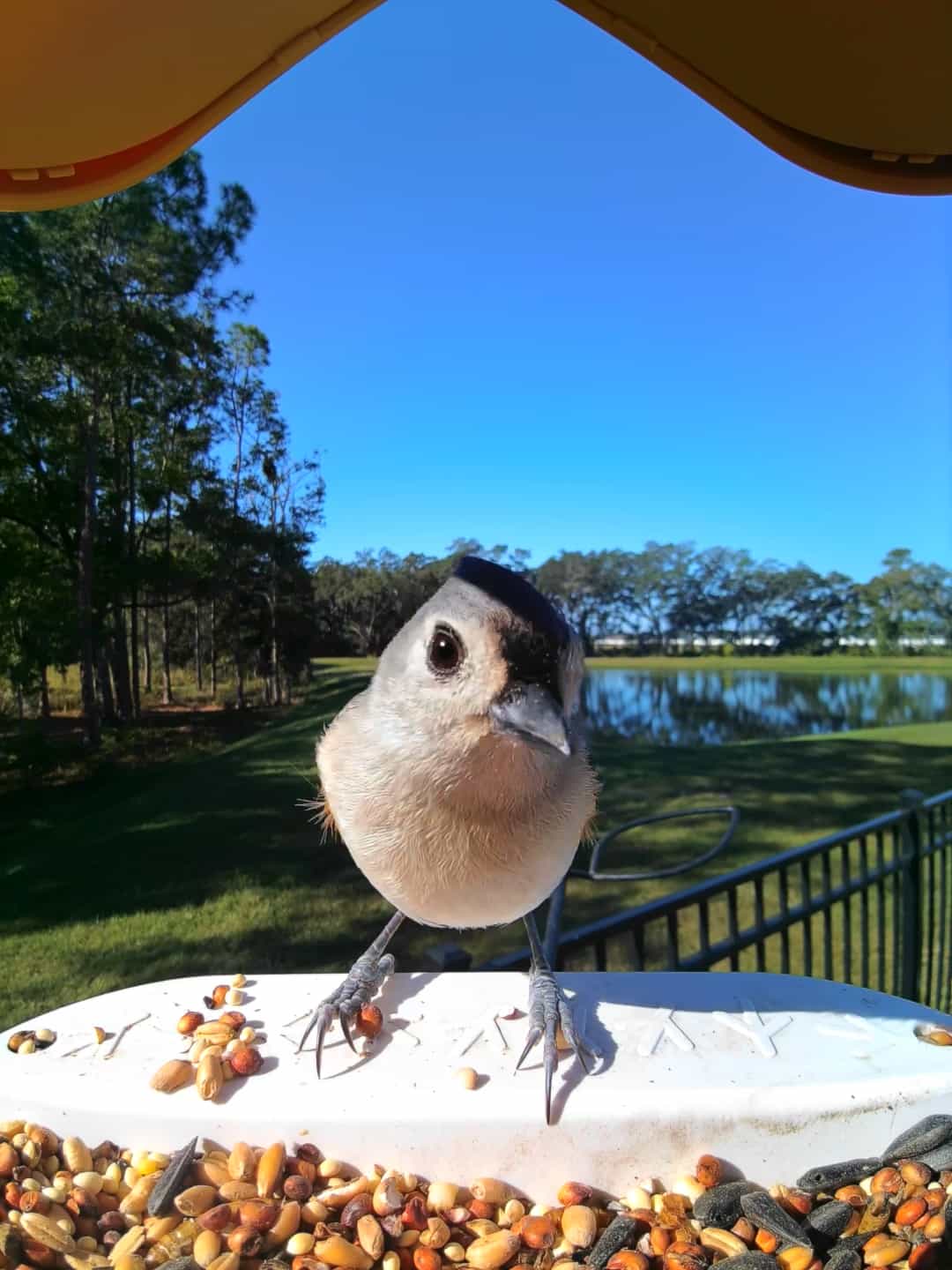
White-Breasted Nuthatch vs Brown Creeper
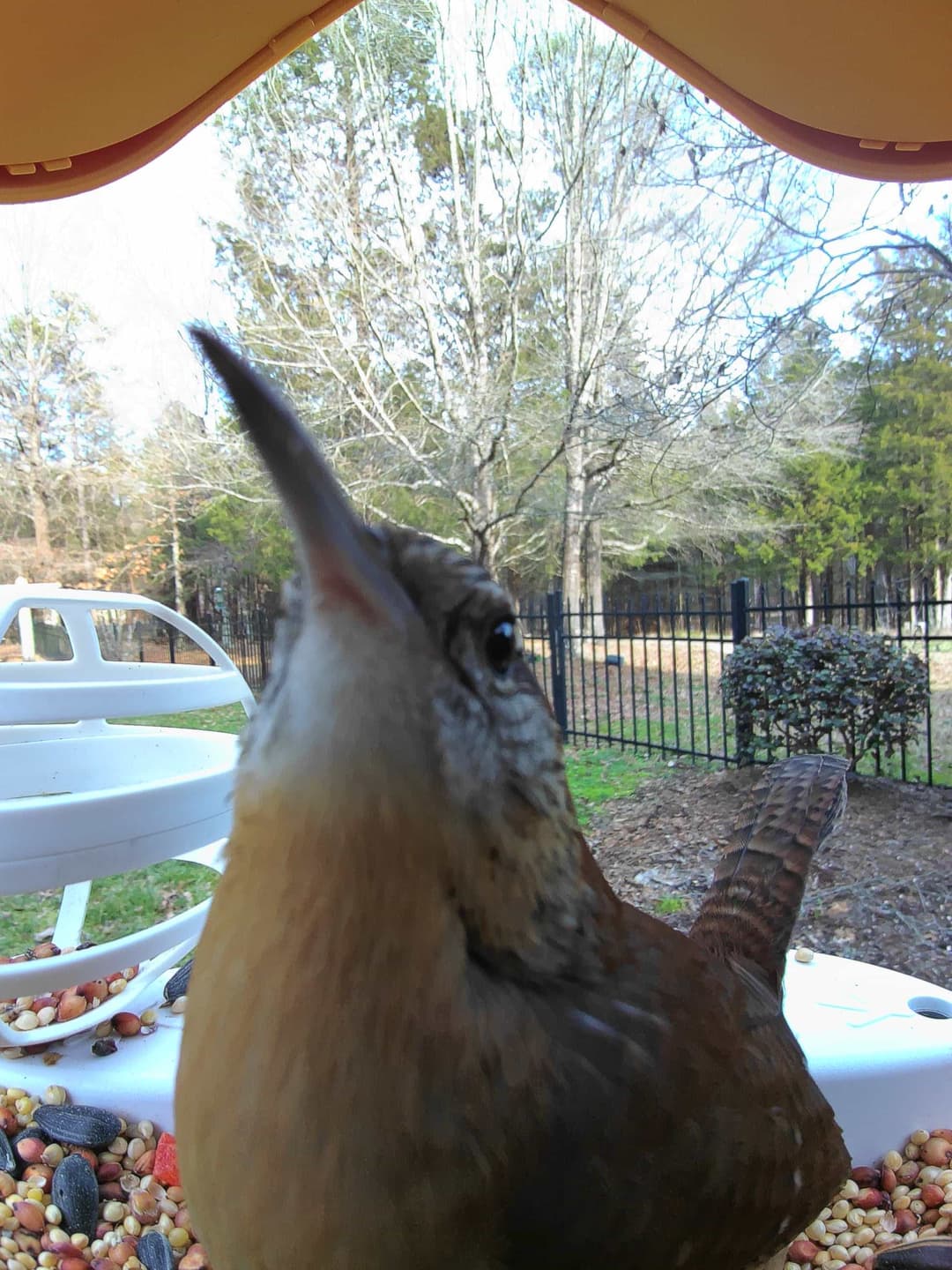
White-Breasted Nuthatch vs Black-Capped Chickadee
Carolina Chickadee vs [Select a bird]

[Select a bird]
Pick a bird to compare
White-Breasted Nuthatch vs [Select a bird]
[Select a bird]
Pick a bird to compare