Eastern Bluebird or Indigo Bunting?
Here's how to tell the difference
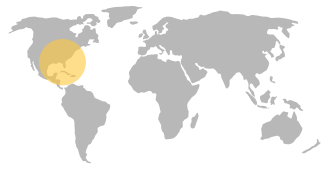
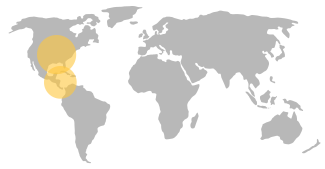



Eastern Bluebird
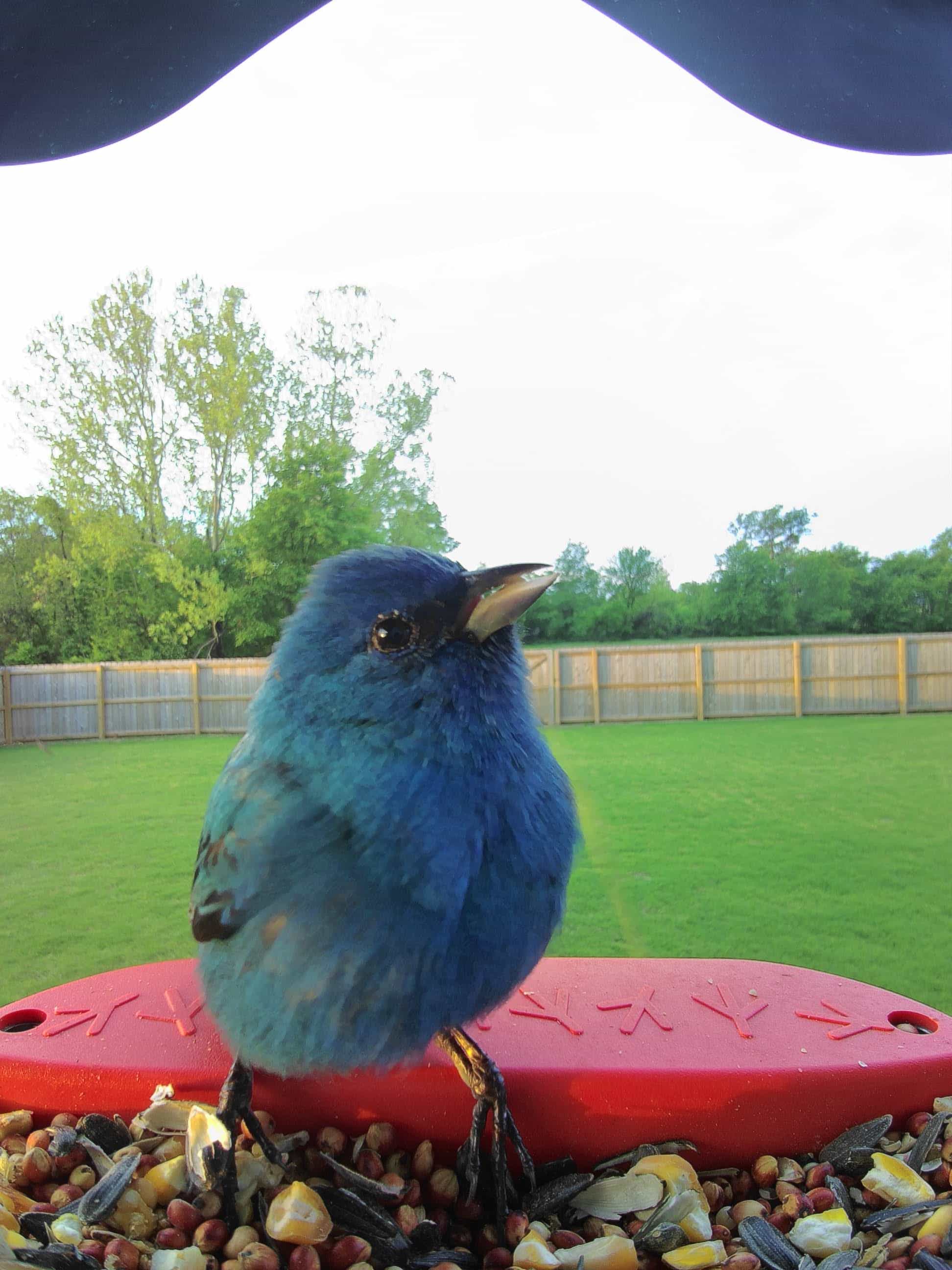


Indigo Bunting
Eastern Bluebird
Sialia sialis
General appearance
The eastern bluebird is a small bird around 17cm long, roughly the size of a Robin or a Sparrow. Its most distinctive features are its bright blue back and wings and its reddish-brown throat and chest. The bird's belly is white with the overall wing shape being rounded. Its tail is either notched or ends with a square tip.
Male vs female
Both male and female eastern bluebirds share the same general features, though the female is generally paler and duller than the male. Delicate variations in hues are a key way to differentiate between the sexes.
Juvenile
Juvenile eastern bluebirds can be identified by their spotted appearance, which is significantly heavier than that of adults. They also have tell-tale traces of blue above, indicative of the bright blue coloration they will develop as adults.
Size
6.3 - 8.3 in/1.0 - 1.1 oz
There's more to learn about Eastern Bluebird
View full detailsIndigo Bunting
Passerina cyanea
General appearance
The Indigo Bunting is characterized by a size comparable to a Sparrow, around 5 1/2 inches or 14 cm. Its main features include a rounded wing shape and a tail which can be notched, squared or rounded. Some seasonal variations can influence its coloration.
Male vs female
Adult males stand out with a dark blue color in spring/summer. However, during autumn, males along with females transition to a brown tone. They normally exhibit fine streaks on their chest and a blue tinge on their tail.
Juvenile
One-year-old males during summer could exhibit a distinctive marking, taking on a blue shade interspersed with a white belly. This can make them unique compared to their adult counterparts.
Size
4.7 - 5.1 in/0.4 - 0.6 oz
There's more to learn about Indigo Bunting
View full detailsHow to tell the Eastern Bluebird from the Indigo Bunting
Visual differences
The Eastern Bluebird, at around 6.5 to 8 inches, is larger than the Indigo Bunting, which measures about 5.5 inches. Eastern Bluebirds feature bright blue backs, reddish-brown throats, and white bellies, with males more vibrant than females. Indigo Buntings have a uniform, striking blue in males during breeding and brown in non-breeding seasons. Bluebirds have notched or squared tails, while Indigo Buntings' tails can also be rounded. Bluebirds have a light-blue egg, while Indigo Buntings' juvenile males show blue and white coloring. Bluebirds are stockier, whereas Indigo Buntings appear more slender.
Key differences and behavior
Eastern Bluebirds and Indigo Buntings exhibit distinct behaviors and habitat preferences. Eastern Bluebirds thrive in open areas like farmlands and suburban lawns, whereas Indigo Buntings prefer brushy pastures and woodland edges. Bluebirds primarily consume insects and berries, with a seasonal shift to berries in winter, while Buntings focus on seeds and insects, changing from insects in breeding season to seeds in winter. Bluebirds nest in tree cavities or birdhouses low to the ground, while Indigo Buntings build nests in dense shrubs low to the ground. Bluebirds form monogamous pairs with male courtship behaviors like singing and feeding the female, while male Indigo Buntings defend territories and may have multiple mates. Lastly, Bluebirds are heavier, weighing up to 1.1 ounces, compared to Buntings, which weigh up to 0.6 ounces.
Still not sure? Here are more lookalikes!
Eastern Bluebird vs Western Bluebird

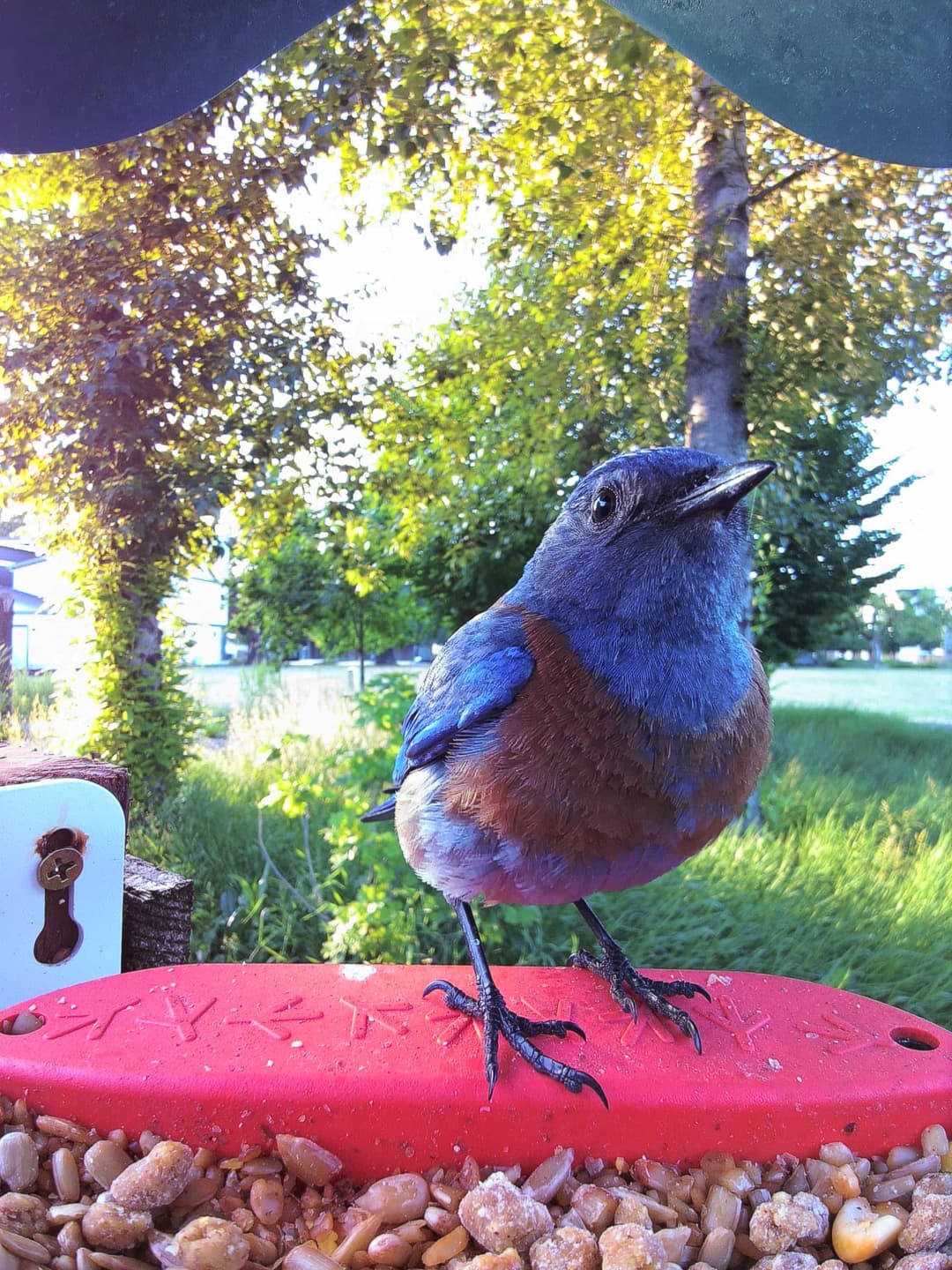
Eastern Bluebird vs Mountain Bluebird
Indigo Bunting vs Painted Bunting
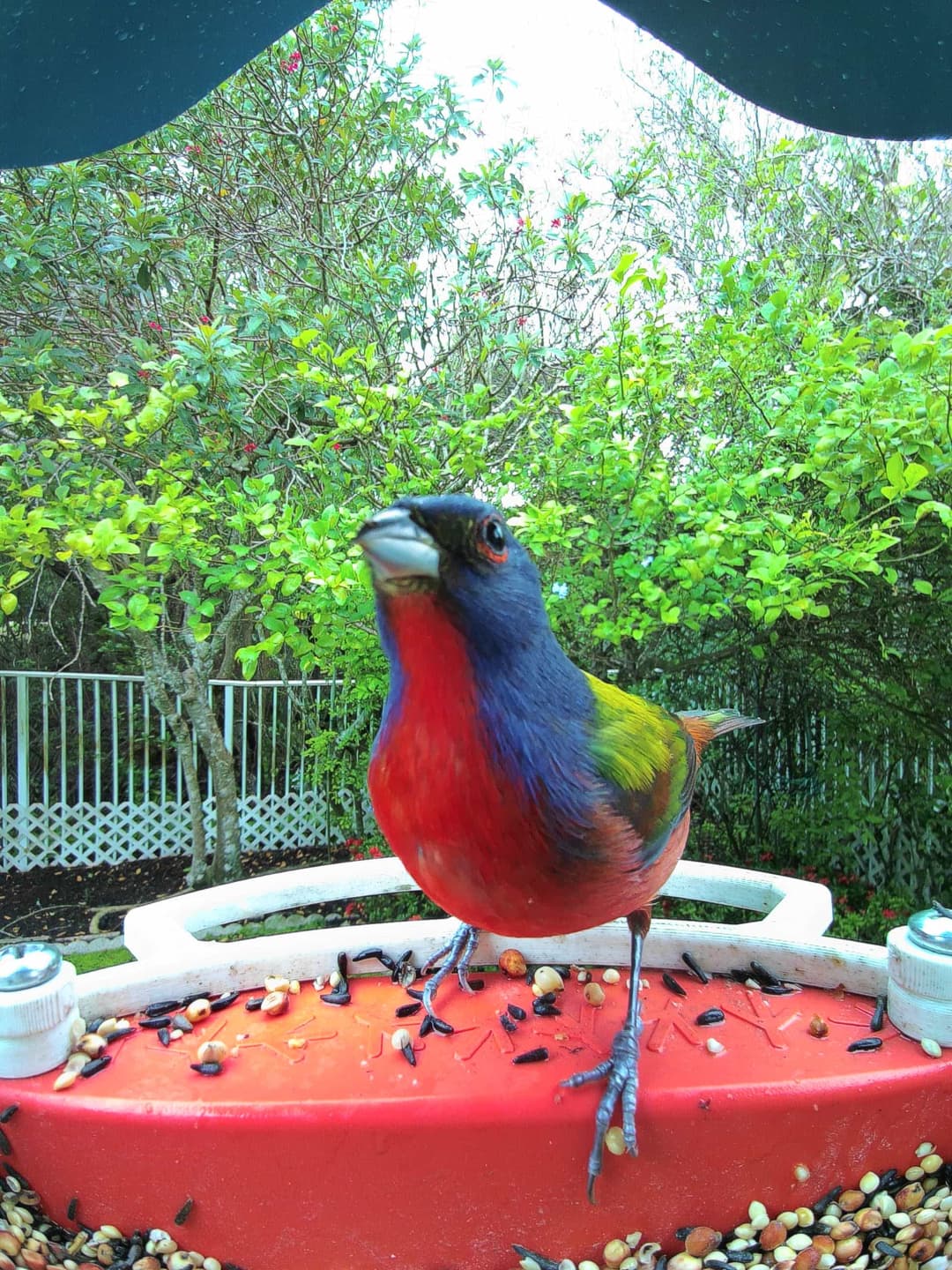
Indigo Bunting vs House Sparrow
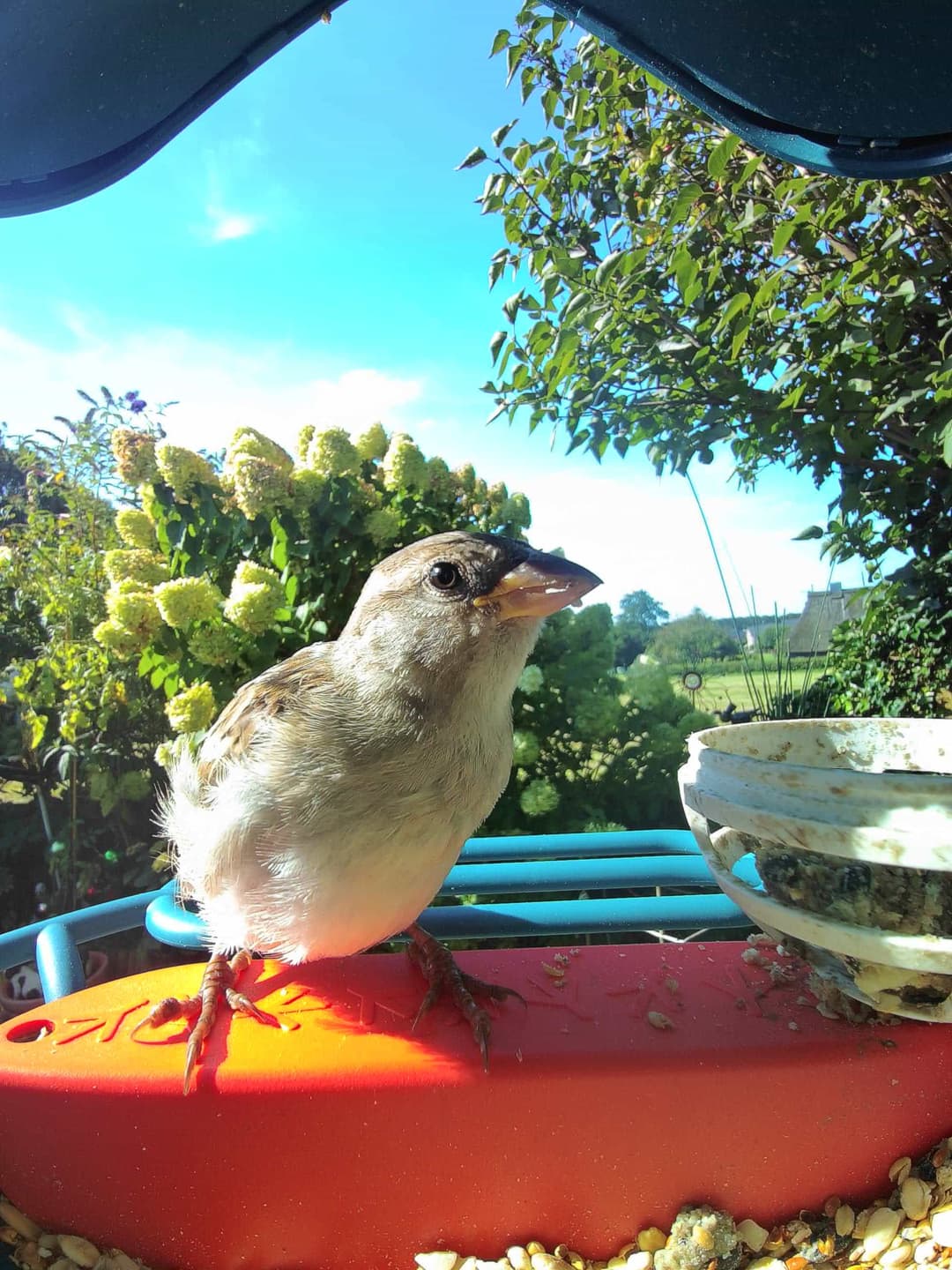
Eastern Bluebird vs [Select a bird]

[Select a bird]
Pick a bird to compare
Indigo Bunting vs [Select a bird]
[Select a bird]
Pick a bird to compare