Indigo Bunting or Blue Grosbeak?
Here's how to tell the difference


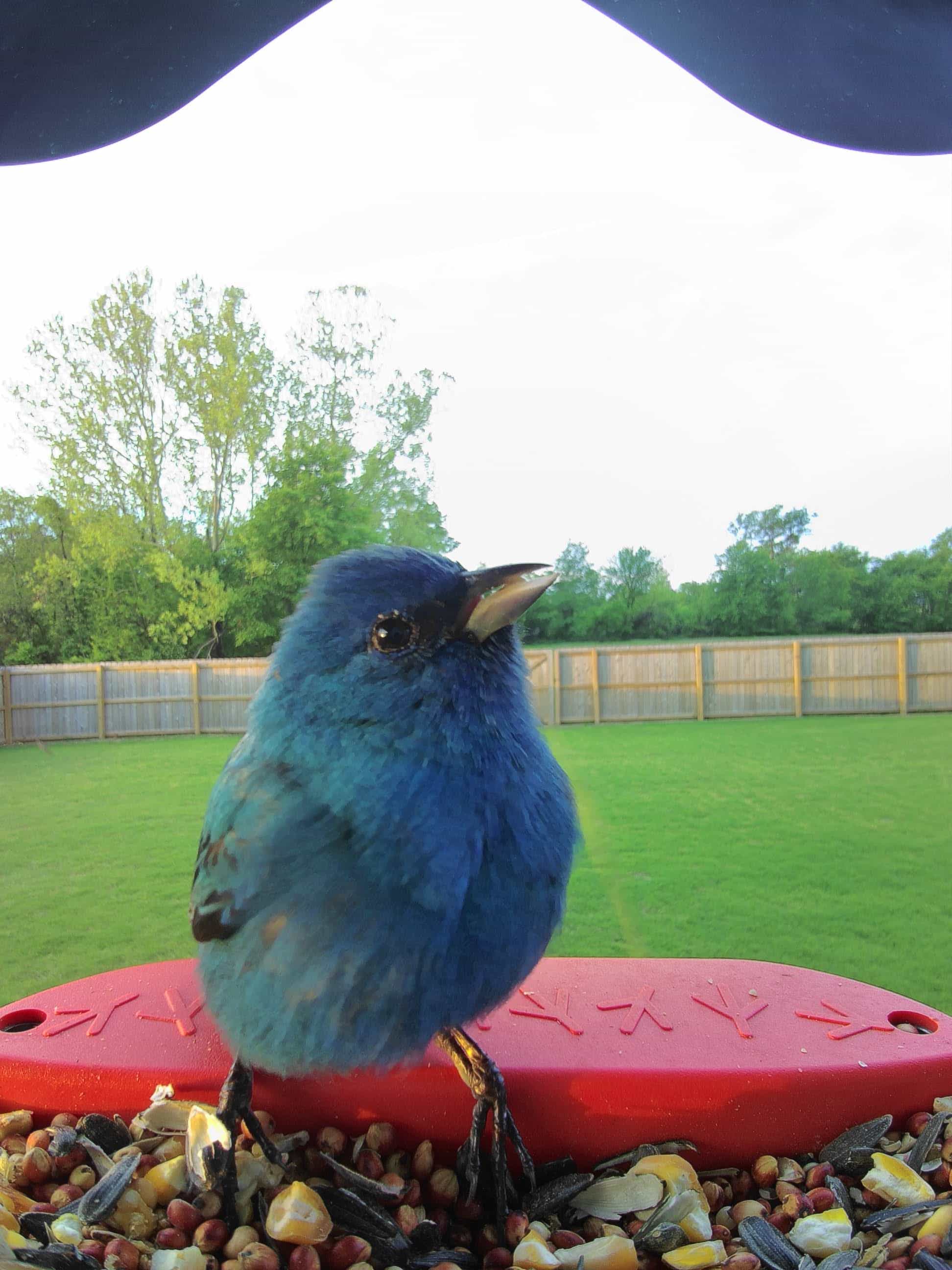


Indigo Bunting
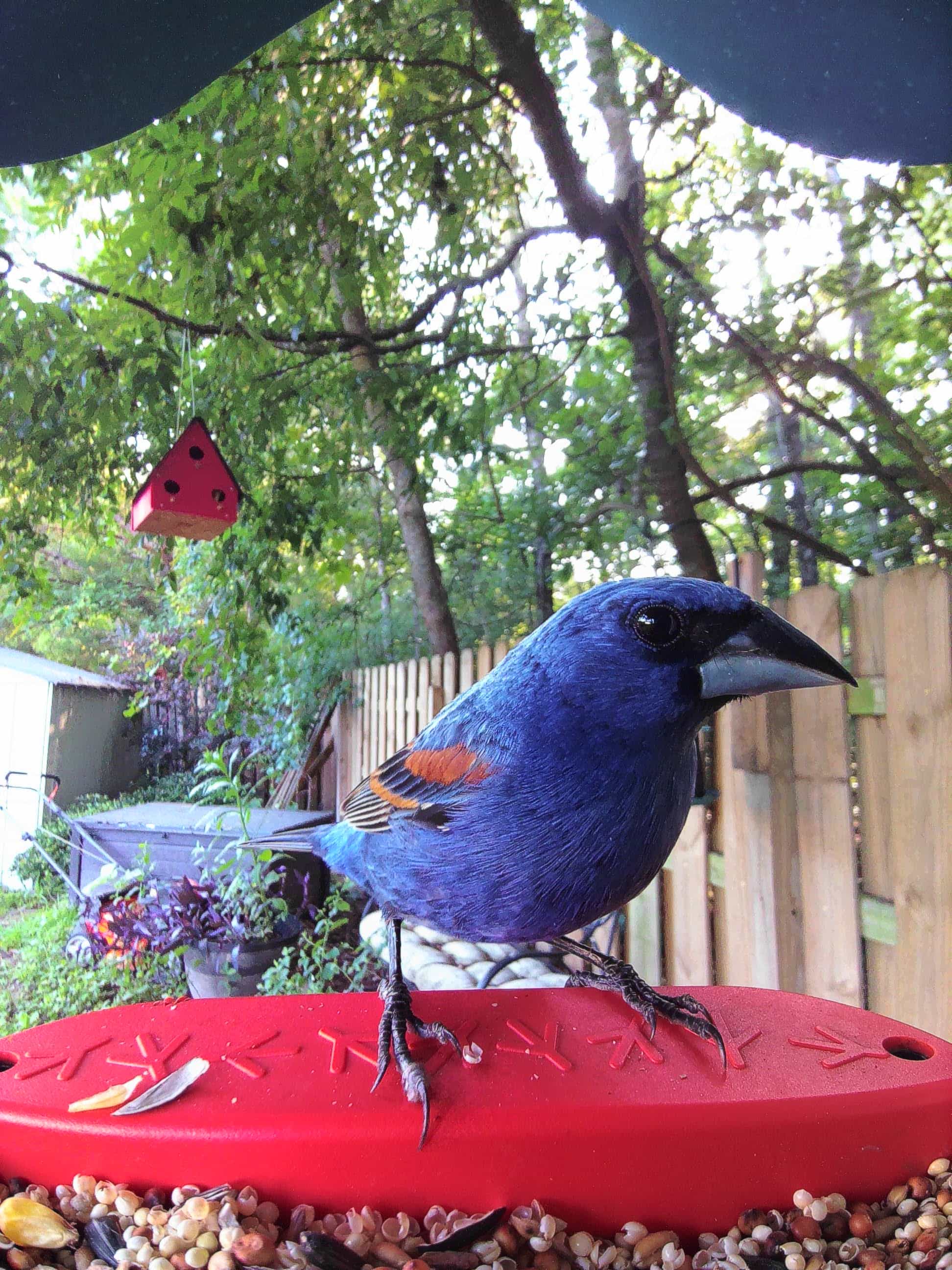


Blue Grosbeak
Indigo Bunting
Passerina cyanea
General appearance
The Indigo Bunting is characterized by a size comparable to a Sparrow, around 5 1/2 inches or 14 cm. Its main features include a rounded wing shape and a tail which can be notched, squared or rounded. Some seasonal variations can influence its coloration.
Male vs female
Adult males stand out with a dark blue color in spring/summer. However, during autumn, males along with females transition to a brown tone. They normally exhibit fine streaks on their chest and a blue tinge on their tail.
Juvenile
One-year-old males during summer could exhibit a distinctive marking, taking on a blue shade interspersed with a white belly. This can make them unique compared to their adult counterparts.
Size
4.7 - 5.1 in/0.4 - 0.6 oz
There's more to learn about Indigo Bunting
View full detailsBlue Grosbeak
Passerina caerulea
General appearance
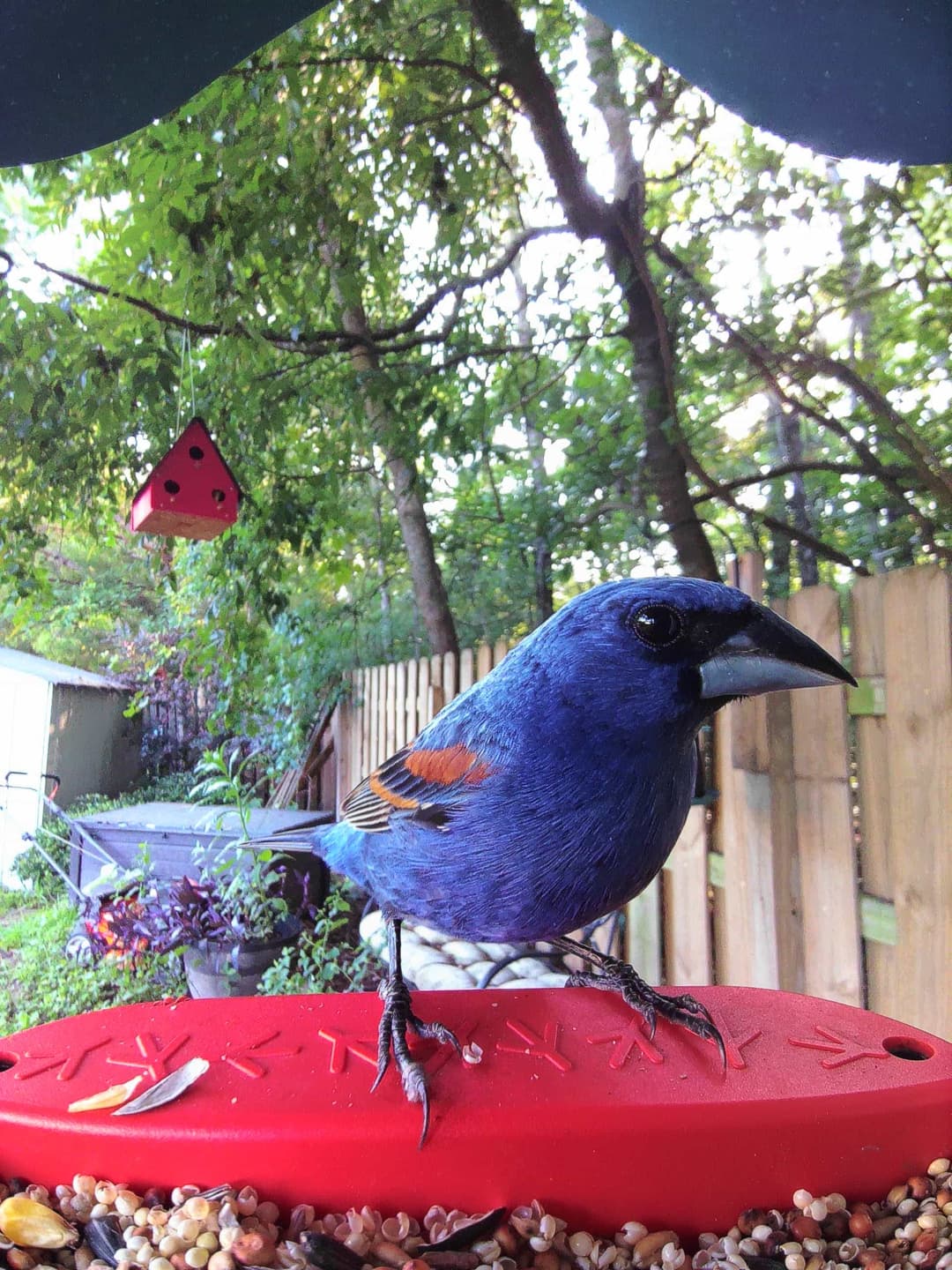
The blue grosbeak is a medium-sized songbird renowned for its striking coloration. It exhibits a robust build with a large, conical bill apt for seed-cracking. Typically, the species displays rich blue plumage that stands out due to its vibrant hue. Observed mostly in habitats like thickets and forest edges, they are often recognized by their melodic song composed of rich warbles and trills.
Male vs female
The male blue grosbeak is distinguished by its deep, bright blue plumage with chestnut-brown wing bars, making it more visually striking compared to the female. In contrast, females exhibit a more subdued coloration, primarily rich brown with subtle hints of blue in their wings and tail, aiding in camouflage. Both sexes, however, share the characteristic stout bill and are similarly sized.
Juvenile
Juvenile blue grosbeaks resemble the adult female more closely, with overall brownish plumage. Unlike adults, juveniles lack the pronounced blue tones and wing bars. As they mature, young males gradually acquire their signature blue coloring during their first fall molt. Seasonal variations are mostly evident in males, accentuating their iridescent blue during the breeding season.
Size
5.9 - 6.3 in/0.9 - 1.1 oz
There's more to learn about Blue Grosbeak
View full detailsHow to tell the Indigo Bunting from the Blue Grosbeak
Visual differences
The Indigo Bunting is smaller, about 5.5 inches long, with a sparrow-like size and rounded wing shape. Males are bright blue in summer, brown with a blue tinge in fall. Their beak is finer. The Blue Grosbeak is larger, 6-6.3 inches, with a robust build and a large, conical bill. Males have vivid blue plumage and chestnut wing bars. Blue Grosbeak females are brown with subtle blue, while Indigo Bunting females are mostly brown.
Key differences and behavior
The Indigo Bunting and Blue Grosbeak exhibit distinct behaviors despite both being seed and insect eaters. Indigo Buntings, smaller at about 5.5 inches, use stars for nocturnal migration and males sing to establish territories, sometimes hosting multiple mates. Nests, built by females, are low in shrubs. In contrast, the Blue Grosbeak, larger at 6-6.3 inches, prefers ground foraging, forming social flocks. Only males sing, using vocal displays to attract mates and deter rivals, while nests may incorporate snakeskin and unusual materials, often placed higher in shrubs or trees. While both inhabit brushy areas and woodland edges, Blue Grosbeaks are commonly near water. Thus, Indigo Buntings are noted for their navigational skills and solitary nesting, whereas Blue Grosbeaks highlight social behaviors and versatile nest materials.
Still not sure? Here are more lookalikes!
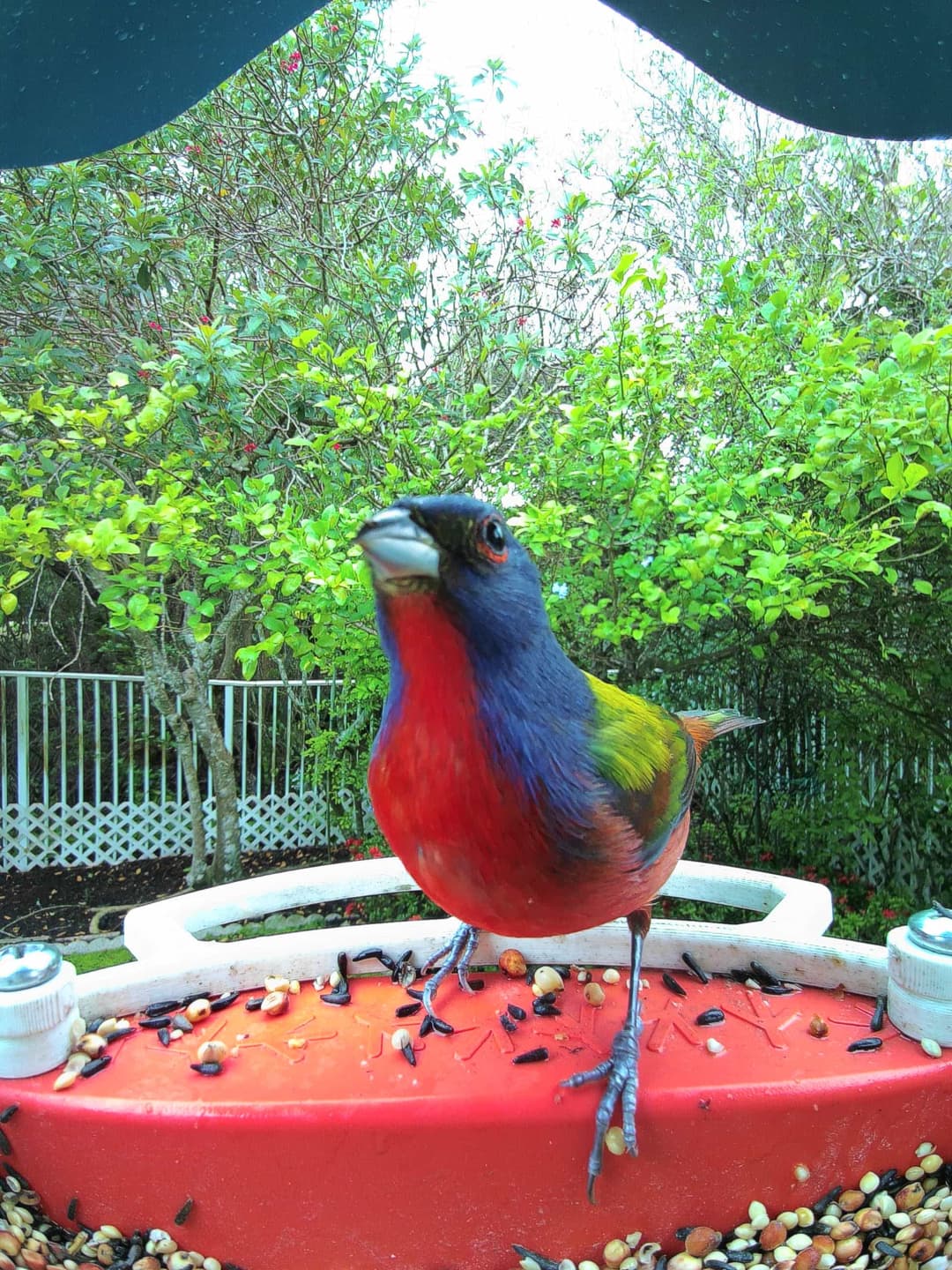
Indigo Bunting vs Painted Bunting
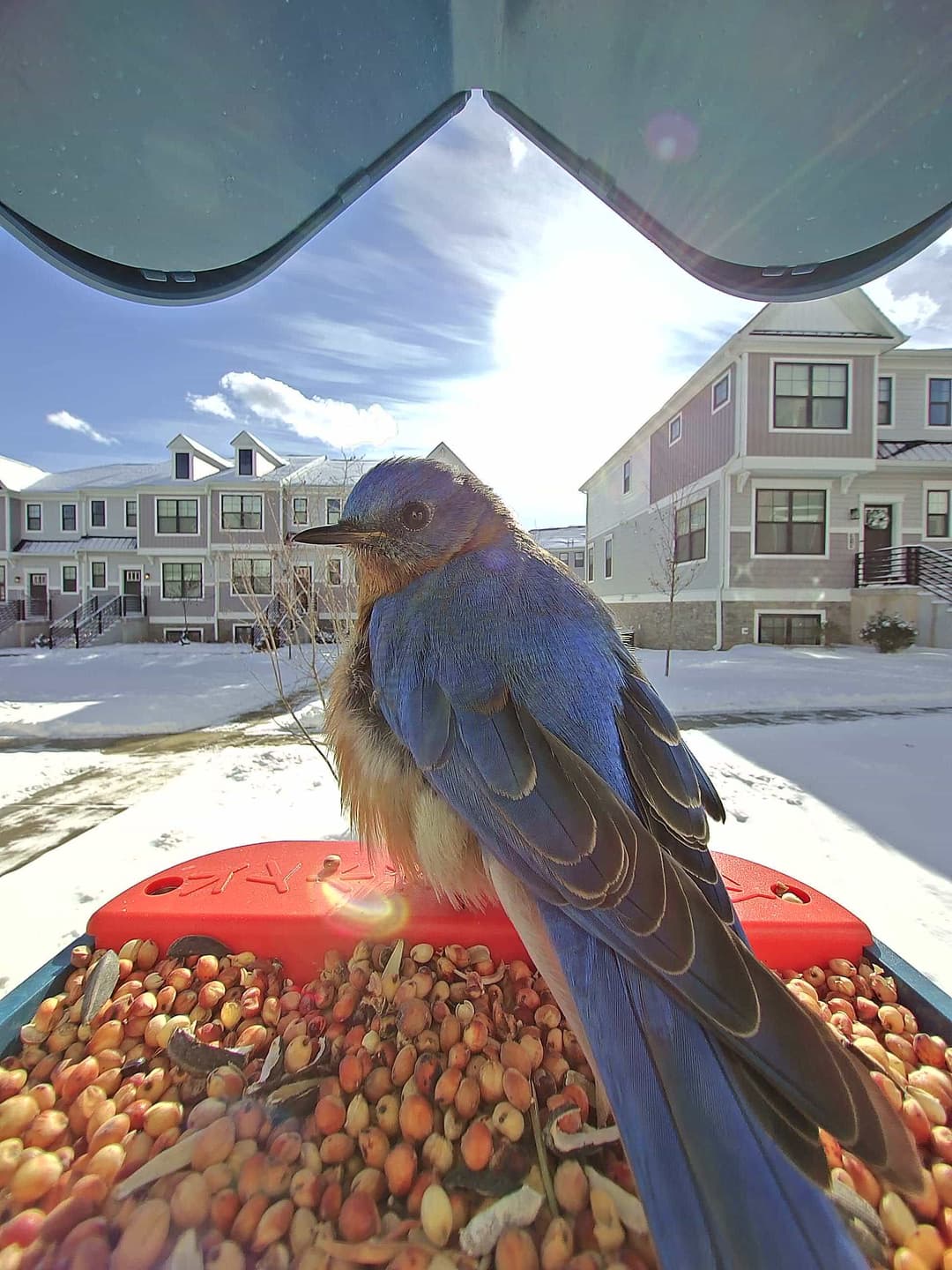
Indigo Bunting vs Eastern Bluebird
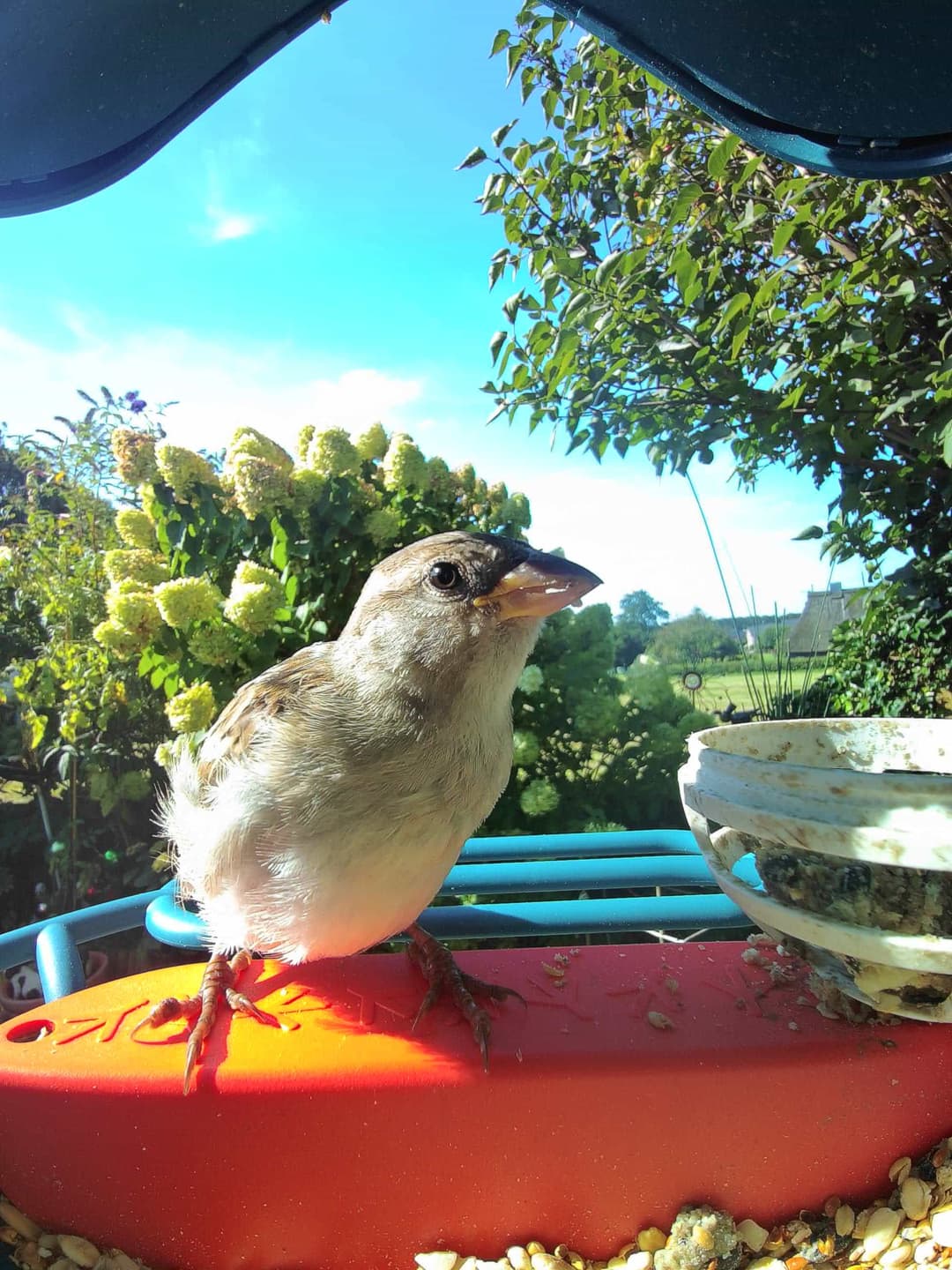
Indigo Bunting vs House Sparrow
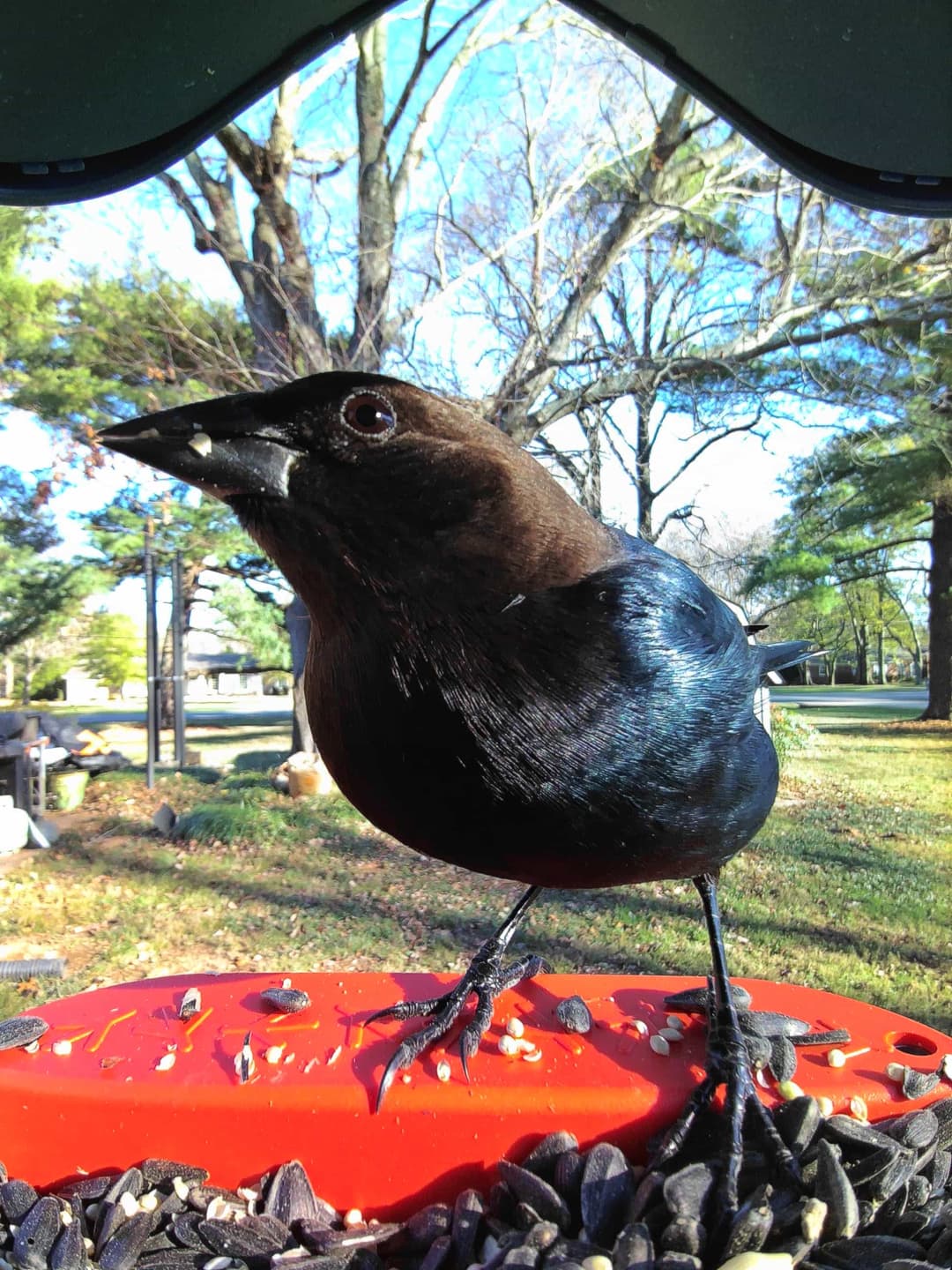
Blue Grosbeak vs Brown-Headed Cowbird
Indigo Bunting vs [Select a bird]

[Select a bird]
Pick a bird to compare
Blue Grosbeak vs [Select a bird]
[Select a bird]
Pick a bird to compare