Eastern Bluebird or Western Bluebird?
Here's how to tell the difference
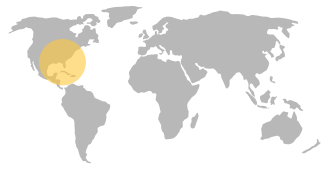
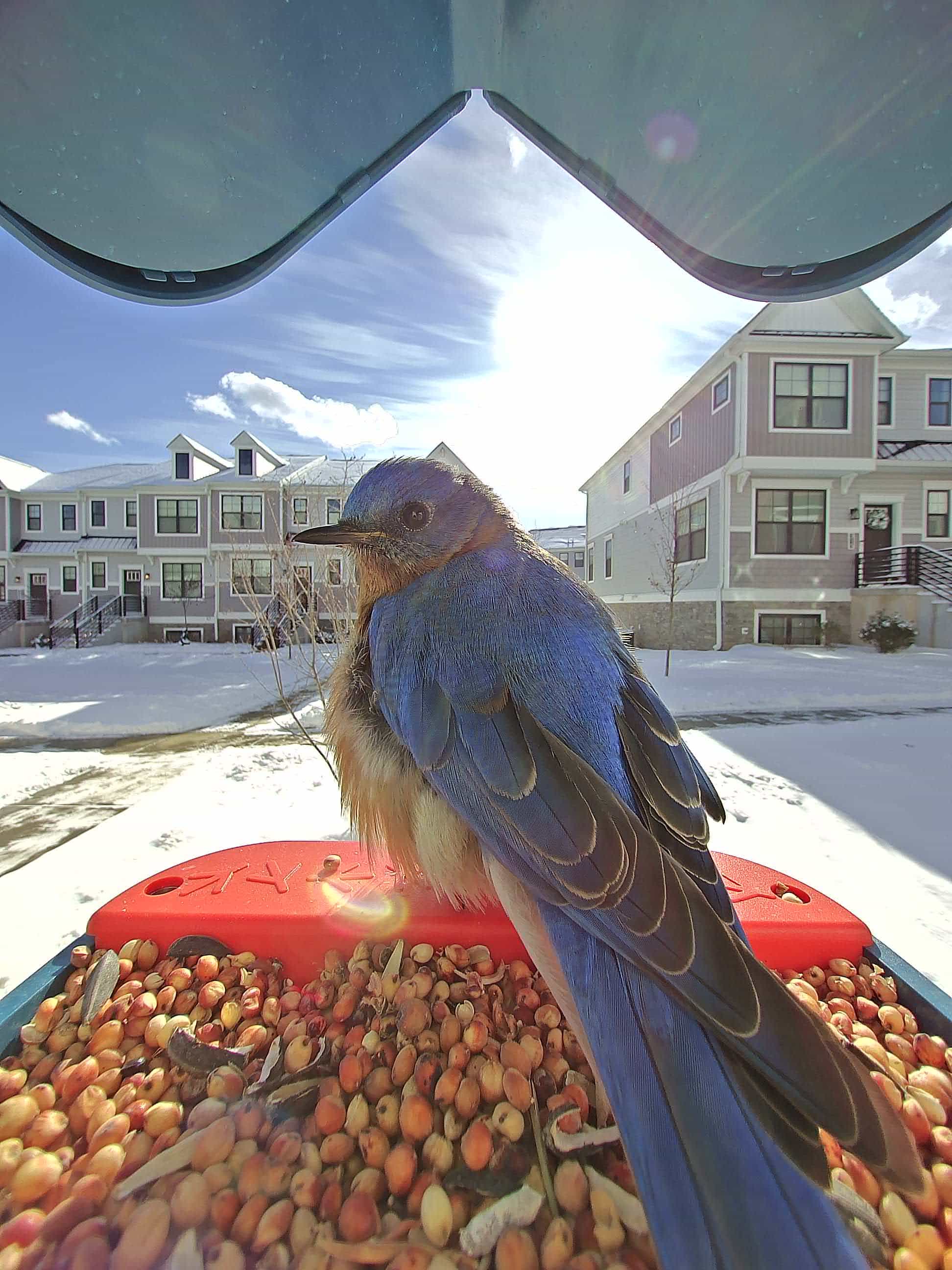


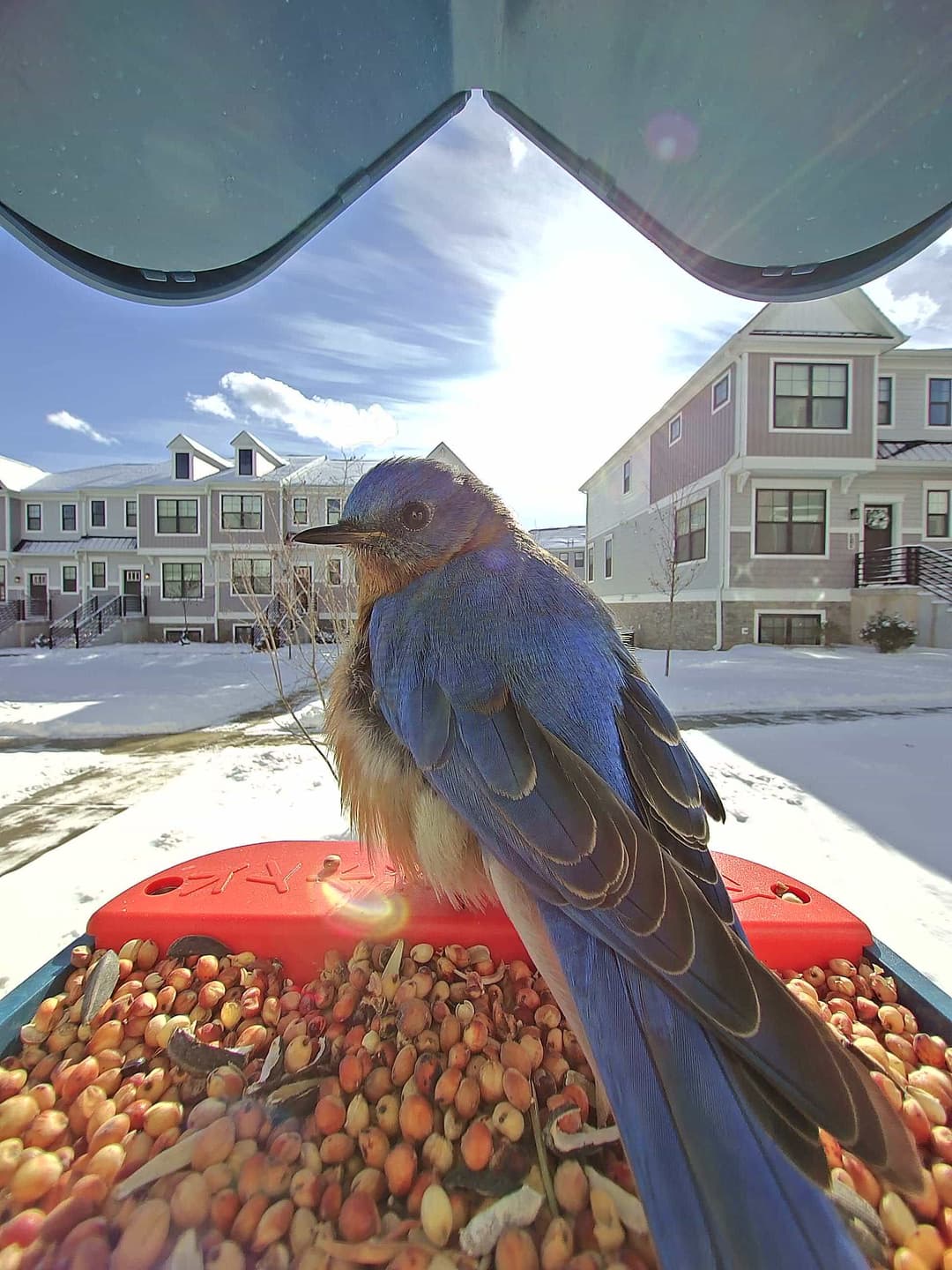
Eastern Bluebird
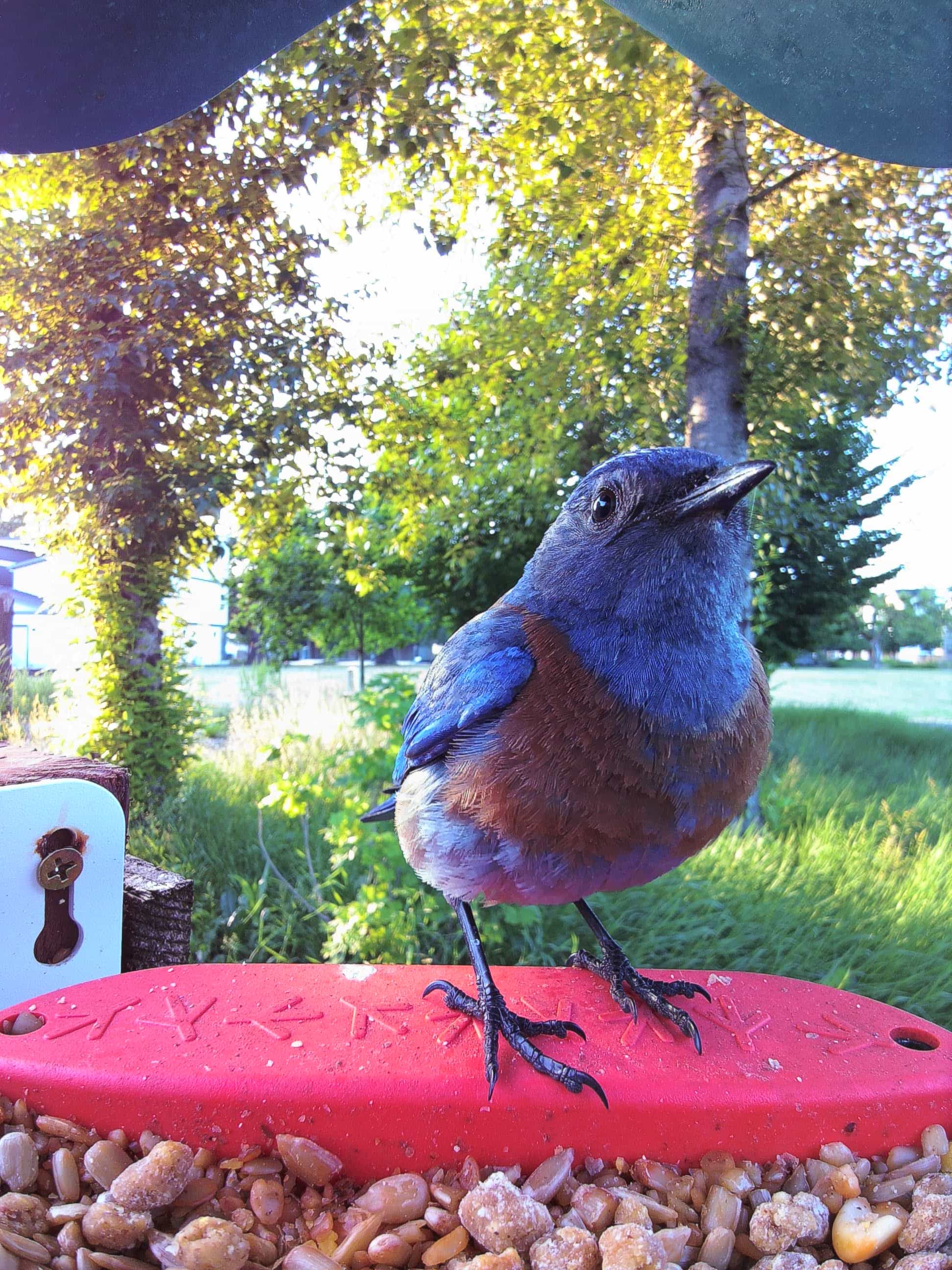


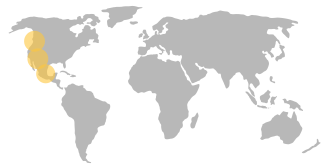
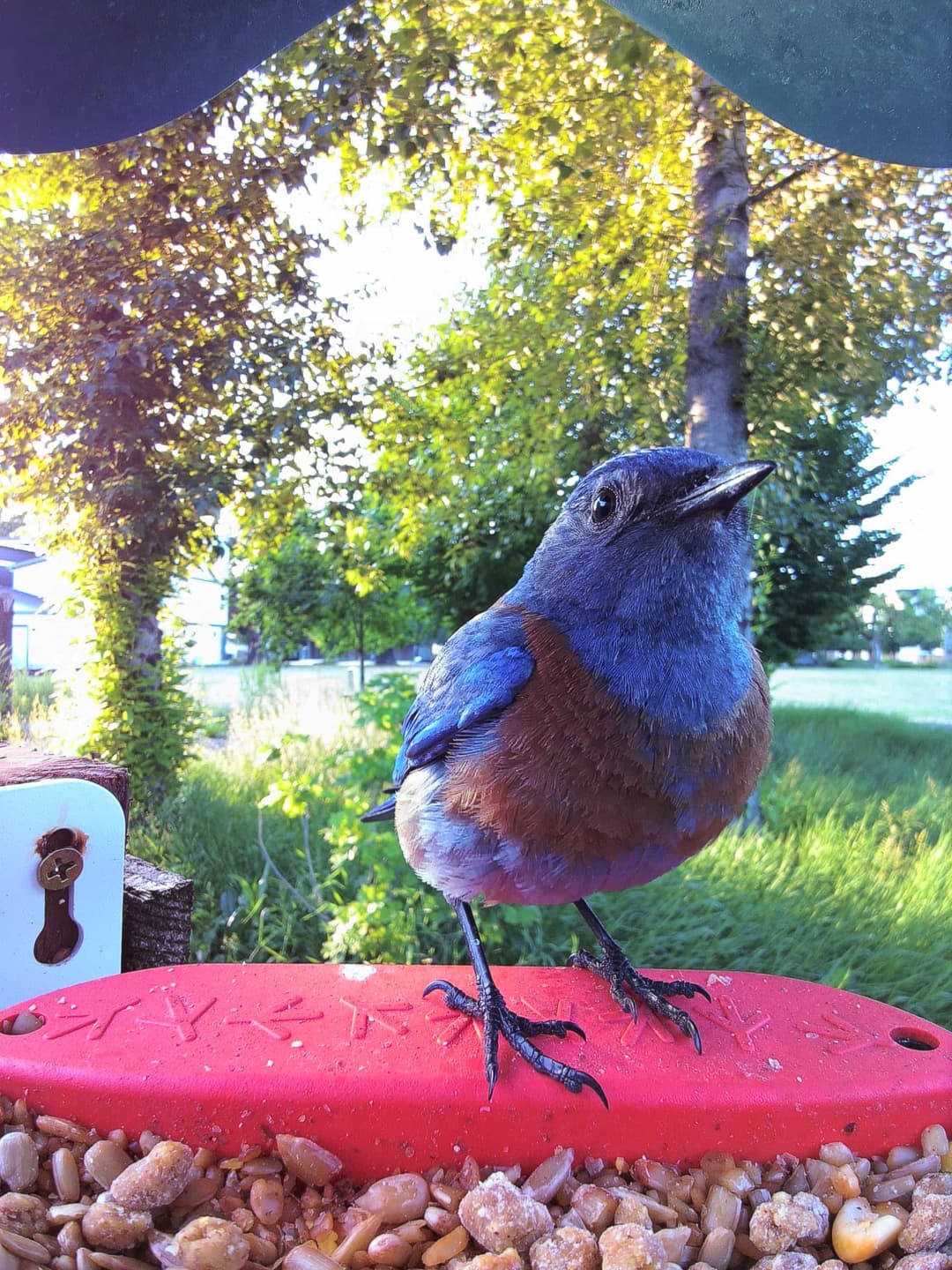
Western Bluebird
Eastern Bluebird
Sialia sialis
General appearance
The eastern bluebird is a small bird around 17cm long, roughly the size of a Robin or a Sparrow. Its most distinctive features are its bright blue back and wings and its reddish-brown throat and chest. The bird's belly is white with the overall wing shape being rounded. Its tail is either notched or ends with a square tip.
Male vs female
Both male and female eastern bluebirds share the same general features, though the female is generally paler and duller than the male. Delicate variations in hues are a key way to differentiate between the sexes.
Juvenile
Juvenile eastern bluebirds can be identified by their spotted appearance, which is significantly heavier than that of adults. They also have tell-tale traces of blue above, indicative of the bright blue coloration they will develop as adults.
Size
6.3 - 8.3 in/1.0 - 1.1 oz
There's more to learn about Eastern Bluebird
View full detailsWestern Bluebird
Sialia mexicana
General appearance
The Western Bluebird measures 6-7 inches or 15-18 cm in size, roughly the same as a Sparrow or a Robin. The bird exhibits a color palette of blue, gray, and orange. Its wing shape is rounded and its tail shape has a notched, square tip. Another specific feature is the thicker bill of the Lazuli Bunting.
Male vs female
In terms of coloration, males are a deep purplish-blue on their upper parts and throat, with reddish-brown on their chest and sometimes at the center of their back. Their belly is a distinguishing gray color, different from the blue throat of the Eastern Bluebird. In contrast, female Western Bluebirds are much less colorful. They are duller and grayer than males, possessing a solid gray throat.
Juvenile
Juvenile Western Bluebirds have a notably different appearance from adult bluebirds. Most notably, young birds are dotted or spotted, reflecting their immature development. As they grow, they will gain the adult coloration of their respective genders.
Size
6.5 - 7.5 in/0.8 - 1.1 oz
There's more to learn about Western Bluebird
View full detailsHow to tell the Eastern Bluebird from the Western Bluebird
Visual differences
Eastern Bluebirds are typically 6.3-8.3 inches long, with bright blue backs, wings, and reddish-brown throats and chests. Their bellies are white, and their wing shape is rounded with either a notched or square-tipped tail. Western Bluebirds are slightly smaller at 6-7 inches. Males have a deep purplish-blue upper body, reddish-brown chest, and gray belly, unlike the Eastern's blue throat. Females of both species are duller, with Western females showing a gray throat. The Western's thicker bill distinguishes it further from the Eastern. Juveniles of each species have spotted plumage but develop these distinct adult colors.
Key differences and behavior
Eastern and Western Bluebirds exhibit notable behavioral and habitat differences. Eastern Bluebirds inhabit open farmlands and suburban areas, while Western Bluebirds prefer open conifer forests and avoid dry regions. Both species engage in courtship feeding and fluttering displays. However, Western males establish territories alone first. Both nest in cavities, with nests typically low, but Eastern Bluebirds adapt readily to suburban settings. In diet, Eastern Bluebirds focus on insects and berries, including occasional small reptiles, while Western Bluebirds consume a diet rich in insects and mistletoe and elderberries. Neither bird frequently uses feeders, but they are attracted to mealworms and berries, with Eastern Bluebirds also enjoying suet. These differences aid in distinction apart from physical characteristics.
Still not sure? Here are more lookalikes!
Eastern Bluebird vs Mountain Bluebird
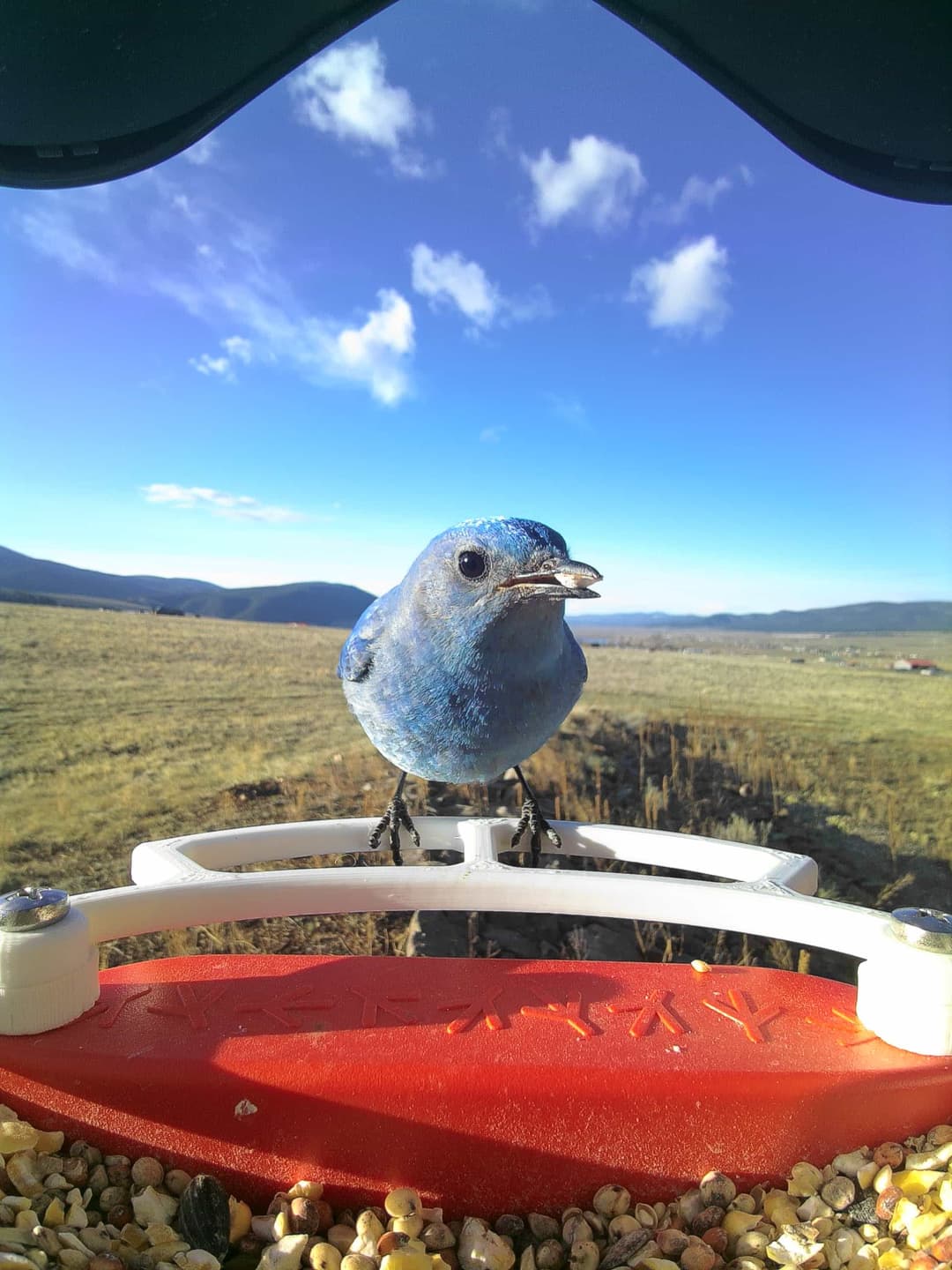
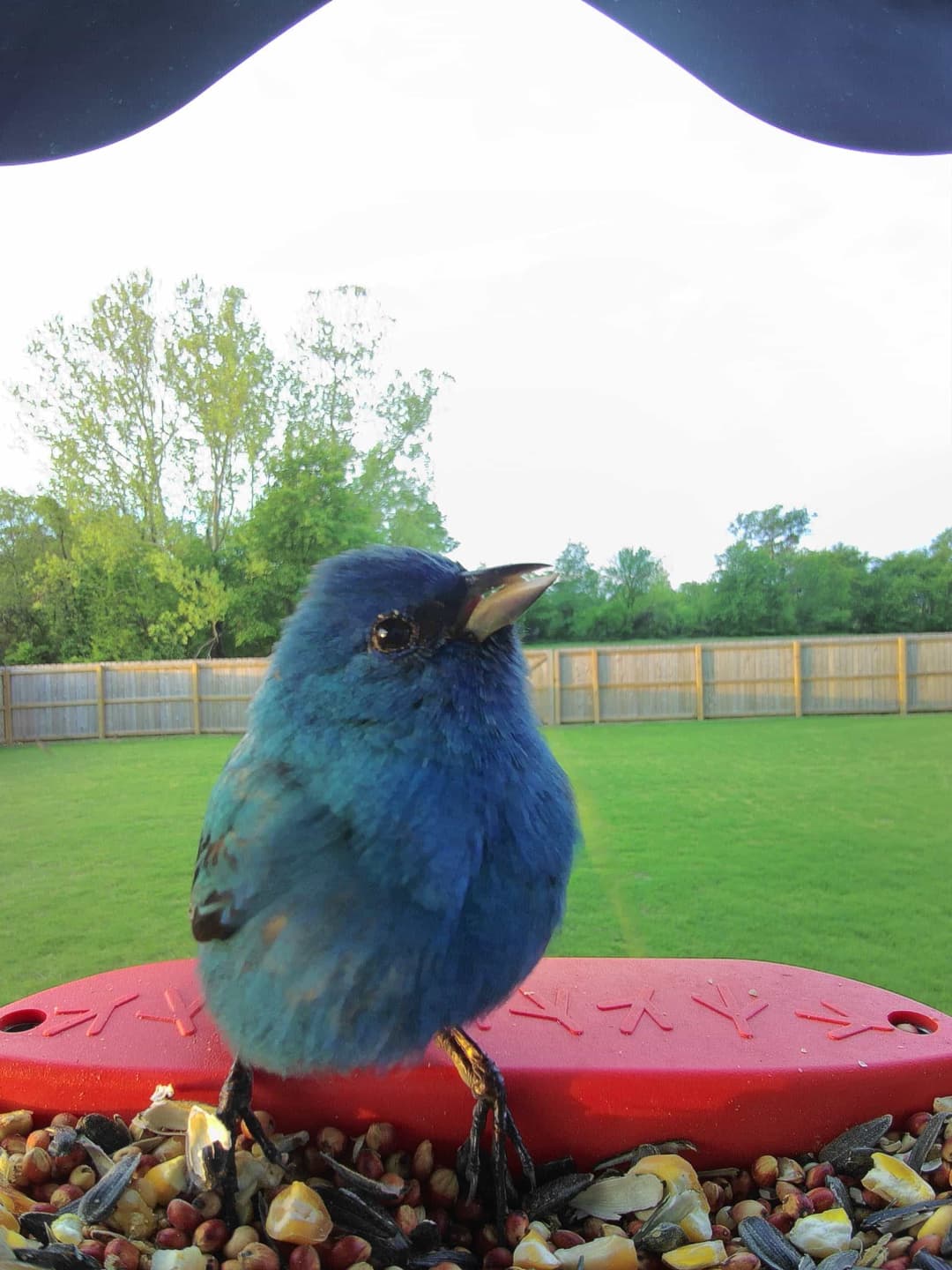
Eastern Bluebird vs Indigo Bunting
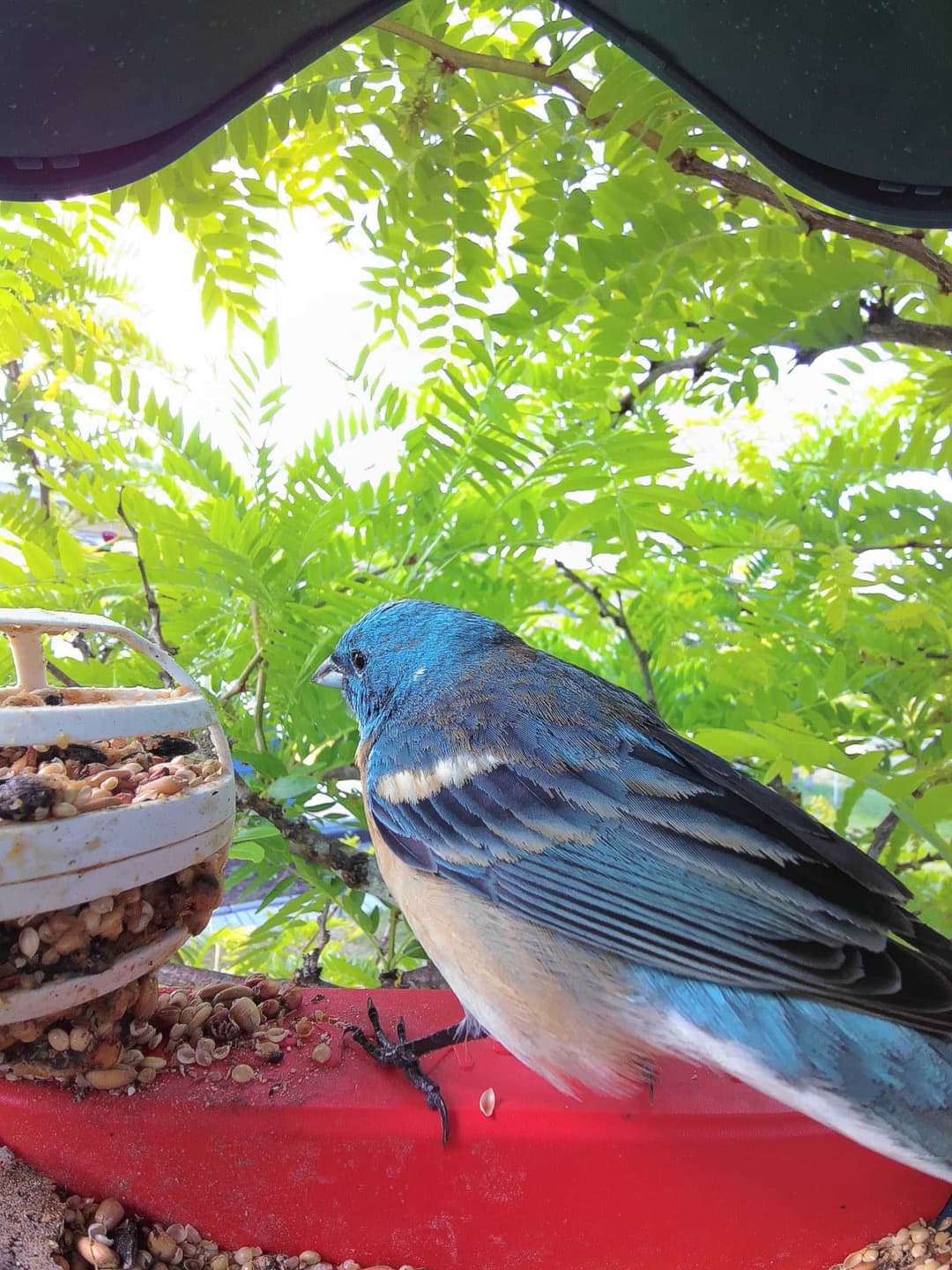
Western Bluebird vs California Scrub-Jay

Western Bluebird vs Woodhouse’s Scrub-Jay
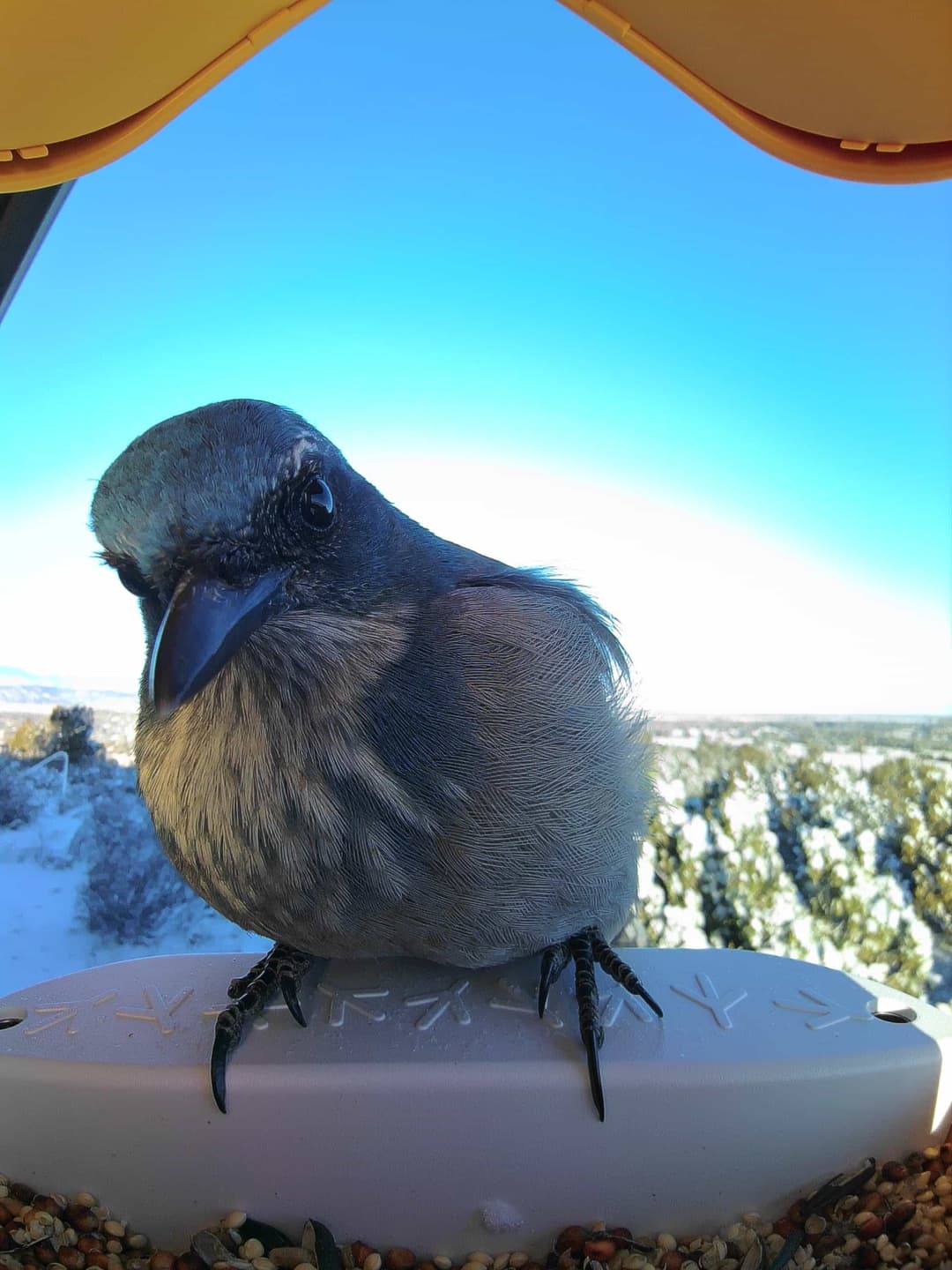
Western Bluebird vs Steller’s Jay
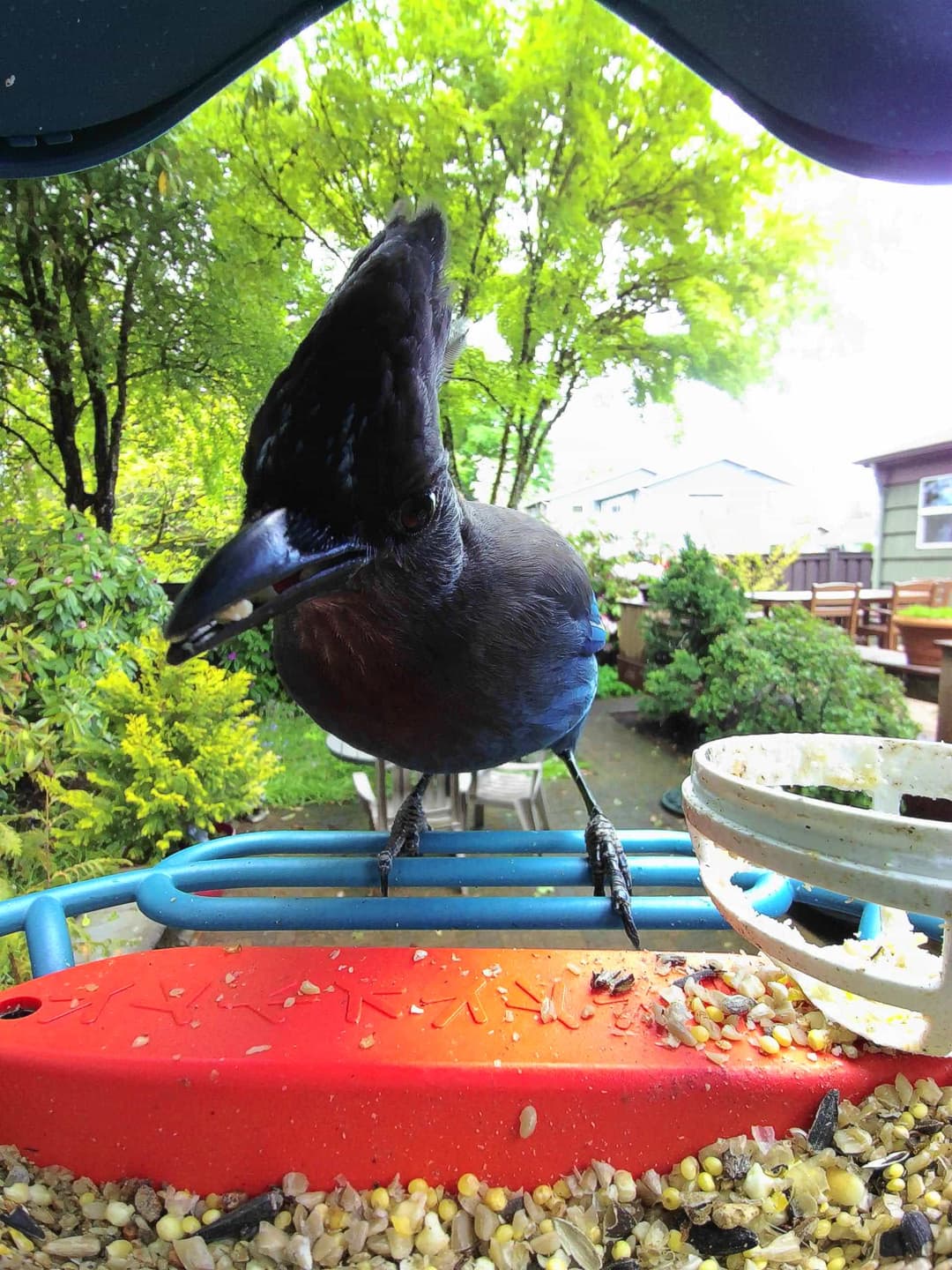
Eastern Bluebird vs [Select a bird]

[Select a bird]
Pick a bird to compare
Western Bluebird vs [Select a bird]
[Select a bird]
Pick a bird to compare