Common Reed Bunting or Eurasian Tree Sparrow?
Here's how to tell the difference
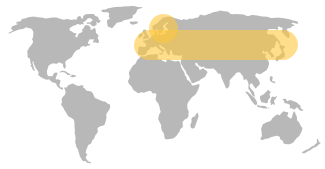


Common Reed Bunting
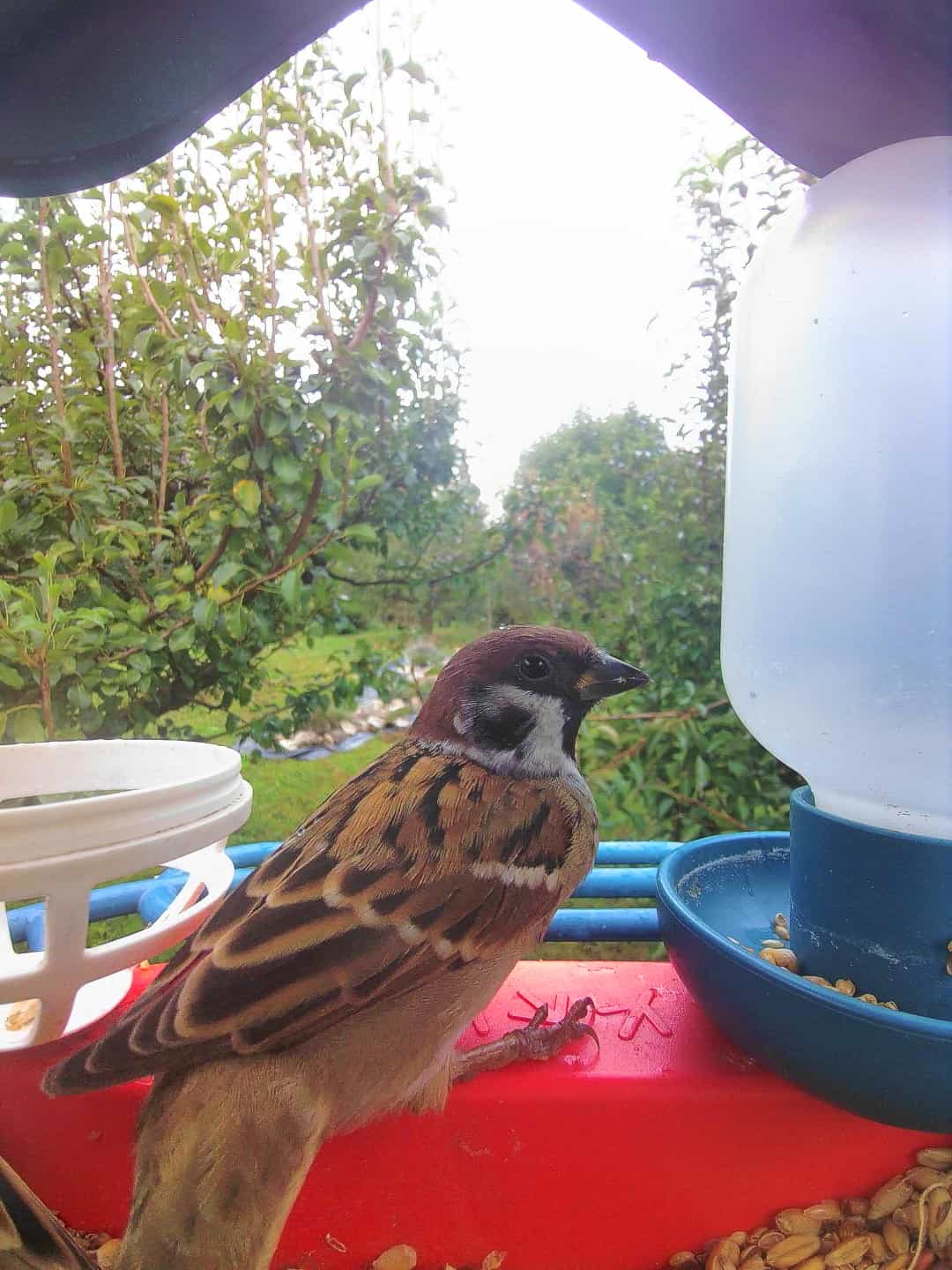


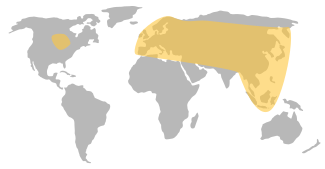
Eurasian Tree Sparrow
Common Reed Bunting
Emberiza schoeniclus
General appearance
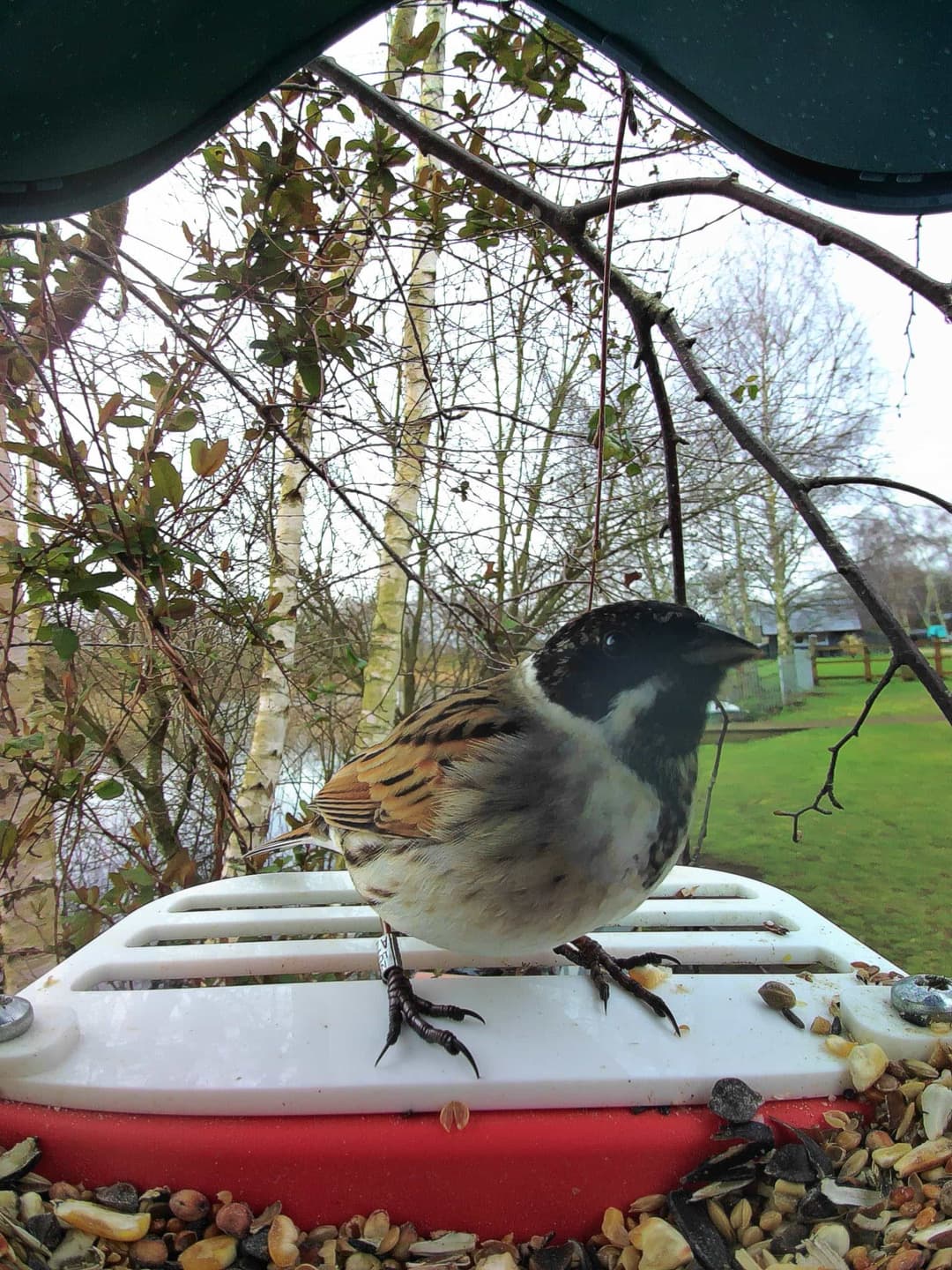
The Common Reed Bunting is a small bird species. It has a relatively hefty body, compared to a sparrow, with a sturdy beak. The bird is typically around 13.5-15.5 cm long, sporting a wingspan around 21-26 cm. Key colours are black, white, and a variety of browns. The plumage can be somewhat variable.
Male vs female
Male Reed Buntings tend to be more striking in appearance than their female counterparts. They possess a black head with white collar contrasted against a brown back, while females exhibit a more muted, uniform brown colour all over. The males lose their black colouring after the breeding season and resemble the females until the following spring.
Juvenile
Juvenile Reed Buntings look very similar to adult females. They have a mottled brown and cream appearance overall. Over time, they gradually develop into the more distinctive adult colourations as they mature.
Size
5.5 - 6.5 in/0.4 - 1.0 oz
There's more to learn about Common Reed Bunting
View full detailsEurasian Tree Sparrow
Passer montanus
Also known as: German Sparrow, Tree Sparrow
General appearance
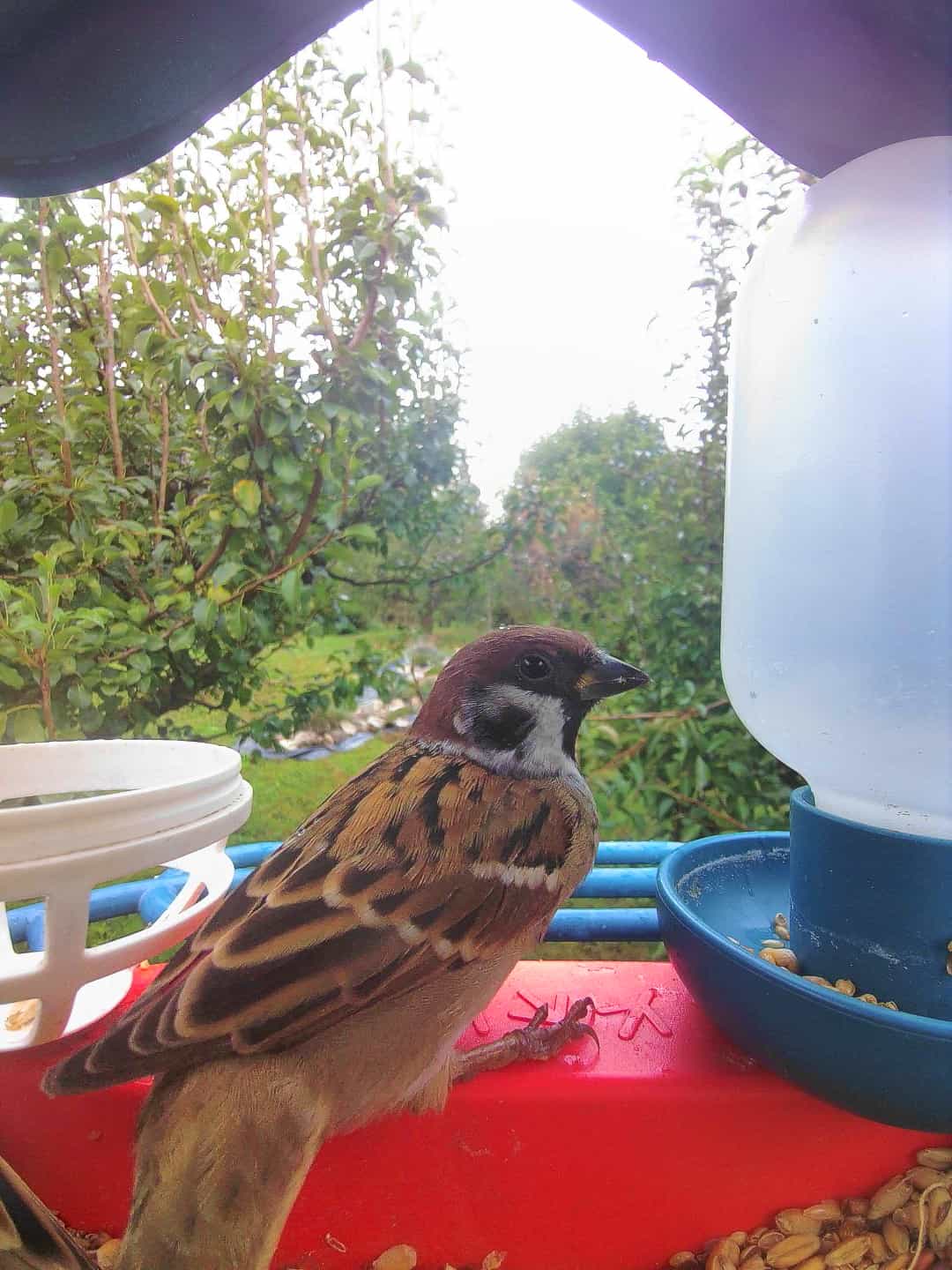
The Eurasian tree sparrow is about the size of a House Sparrow, roughly 15 cm or 6 inches long. Its wing shape is either fingered or rounded and its tail may be notched, rounded, or square-tipped. It has a combination of colors; black, brown, gray, tan, and white. One distinctive feature is the brown crown on its head, differing from the gray crown of the House Sparrow. It also has a black ear spot on a white cheek.
Male vs female
Both male and female Eurasian tree sparrows resemble the male House Sparrow, and there is no notable sexual dimorphism between them. This means that both sexes share similar features such as a brown crown, white cheeks with black ear spot, and usually a smaller black bib. This species does not show significant changes in appearance between seasons.
Juvenile
Juvenile Eurasian tree sparrows tend to look like adults but their colors are more muted, making them less conspicuous to predators. As they mature, their colors will become more pronounced. It is noteworthy, however, that size or color variations may occur depending on their diet and habitat condition.
Size
4.9 - 5.5 in/0.6 - 1.0 oz
There's more to learn about Eurasian Tree Sparrow
View full detailsHow to tell the Common Reed Bunting from the Eurasian Tree Sparrow
Visual differences
The Common Reed Bunting is larger (5.5-6.5 inches; 14-16.5 cm) with a bulkier body and a sturdy beak, while the Eurasian Tree Sparrow is slightly smaller (about 6 inches; 15 cm). Male Reed Buntings have a distinctive black head and white collar, whereas Tree Sparrows have a brown crown with white cheeks and a black ear spot. Reed Buntings exhibit more seasonal plumage changes, while Tree Sparrows appear similar year-round. Reed Buntings are more variable in browns, and sparrows show a consistent brown, black, gray, and tan pattern.
Key differences and behavior
The Common Reed Bunting and Eurasian Tree Sparrow display distinct behavioral traits and habitat preferences. Reed Buntings prefer wetland areas, roosting in reed beds where they're known for pretending to be hurt to distract predators. In contrast, Tree Sparrows inhabit semi-open habitats, including towns and farms, and use cavities for nesting. Both species consume seeds and insects, but Reed Buntings adjust seasonally, eating more insects during breeding and seeds in winter, while Tree Sparrows consistently eat seeds, with increased summer insect intake. Reed Buntings engage in striking courtship songs and displays; Tree Sparrows may form lifelong pairs, contributing together to nest building. Though both birds utilize bird feeders, their preferred habitats and breeding behaviors greatly differ.
Still not sure? Here are more lookalikes!
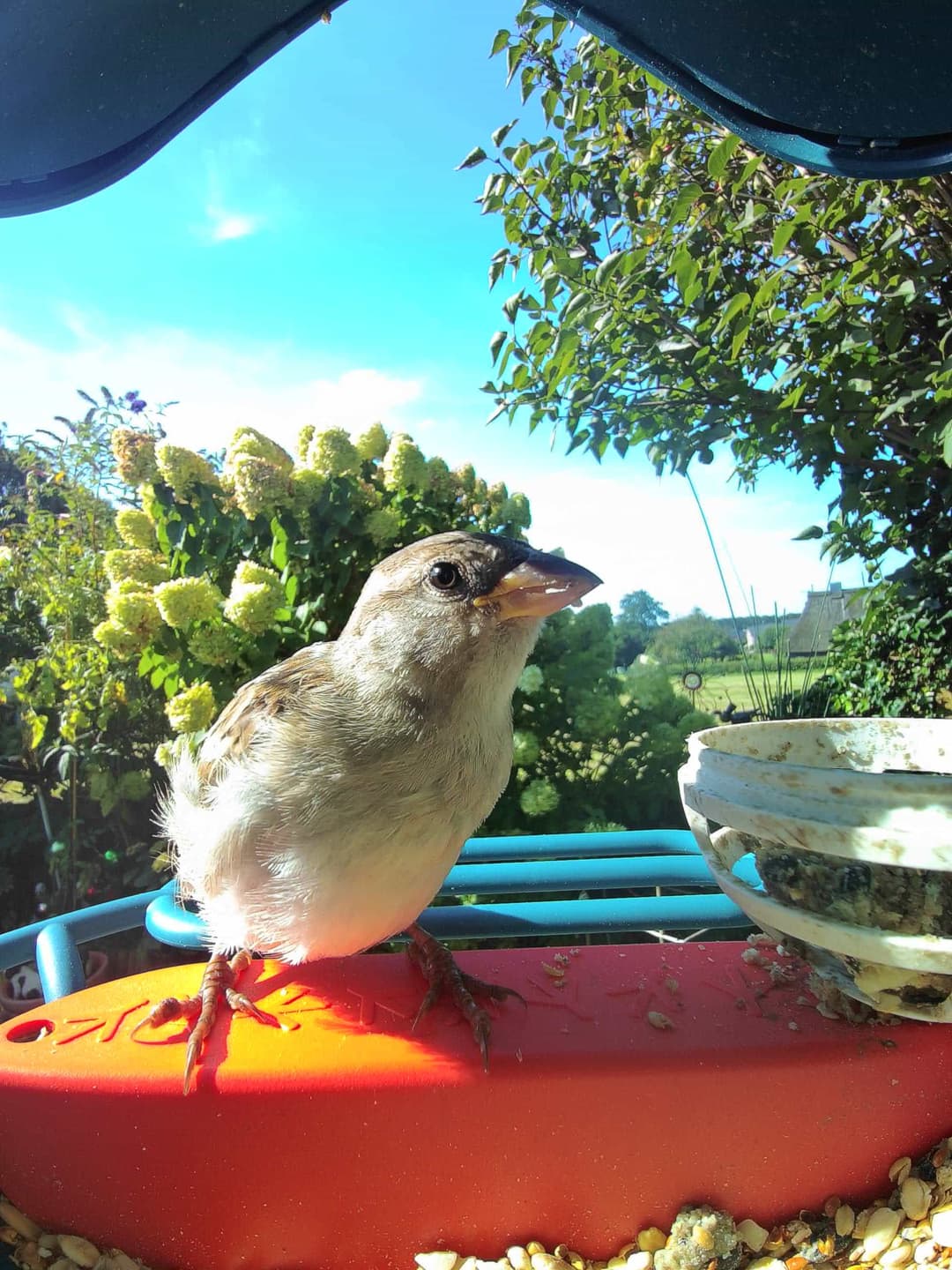
Common Reed Bunting vs House Sparrow
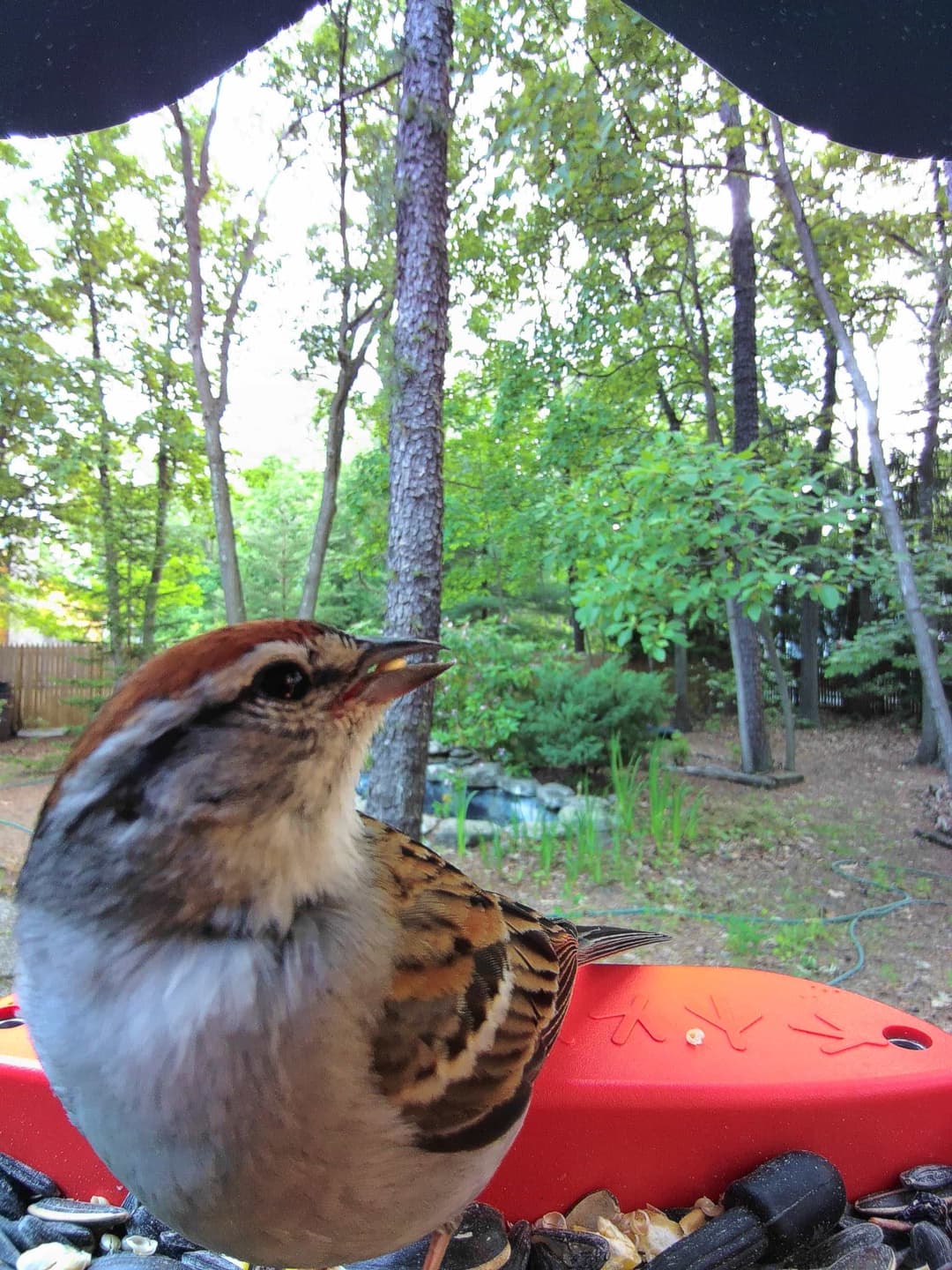
Common Reed Bunting vs Chipping Sparrow
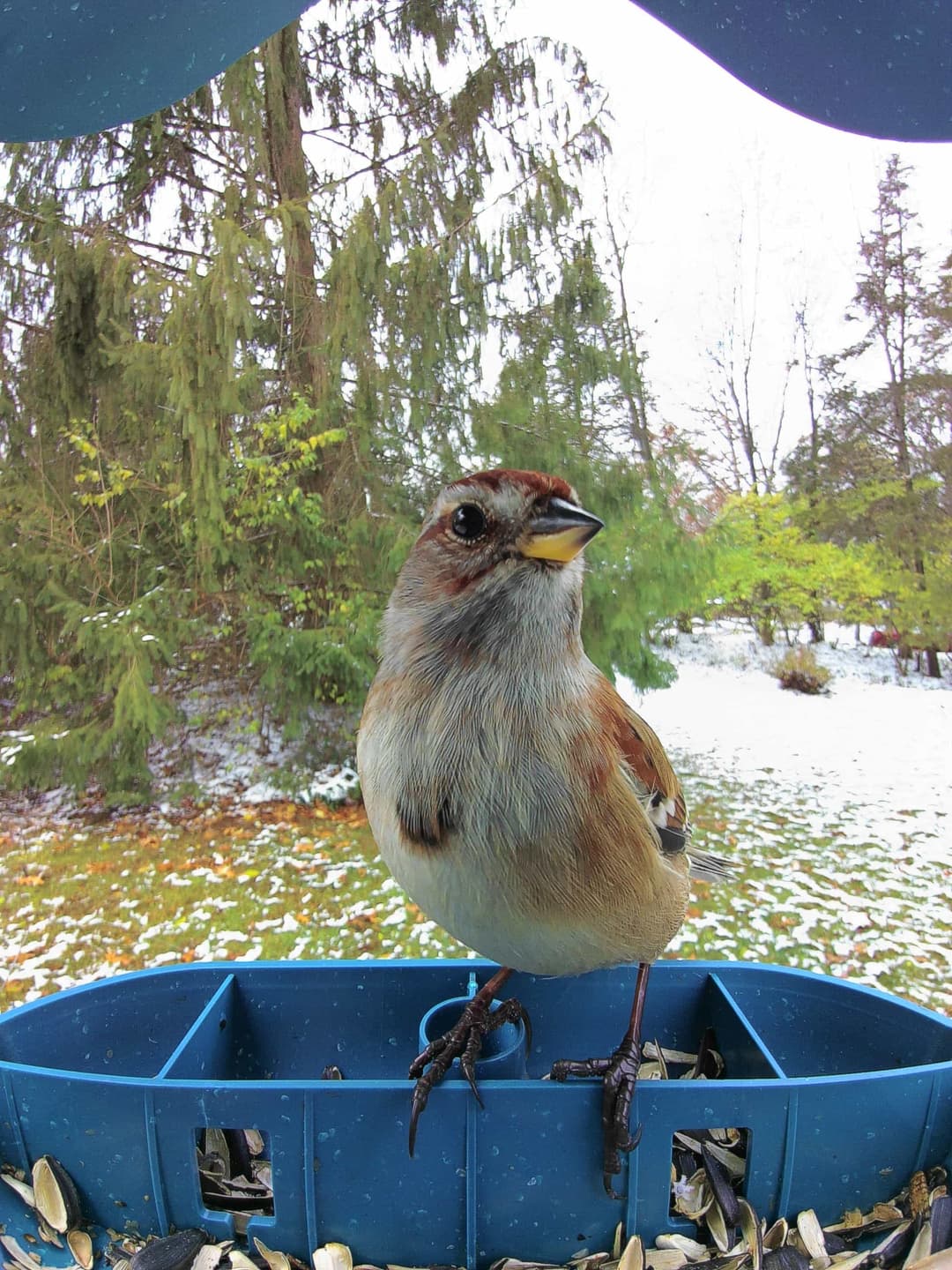
Common Reed Bunting vs American Tree Sparrow
Eurasian Tree Sparrow vs House Sparrow
Eurasian Tree Sparrow vs Chipping Sparrow
Common Reed Bunting vs [Select a bird]

[Select a bird]
Pick a bird to compare
Eurasian Tree Sparrow vs [Select a bird]
[Select a bird]
Pick a bird to compare