Hooded Grosbeak or Black-Headed Grosbeak?
Here's how to tell the difference


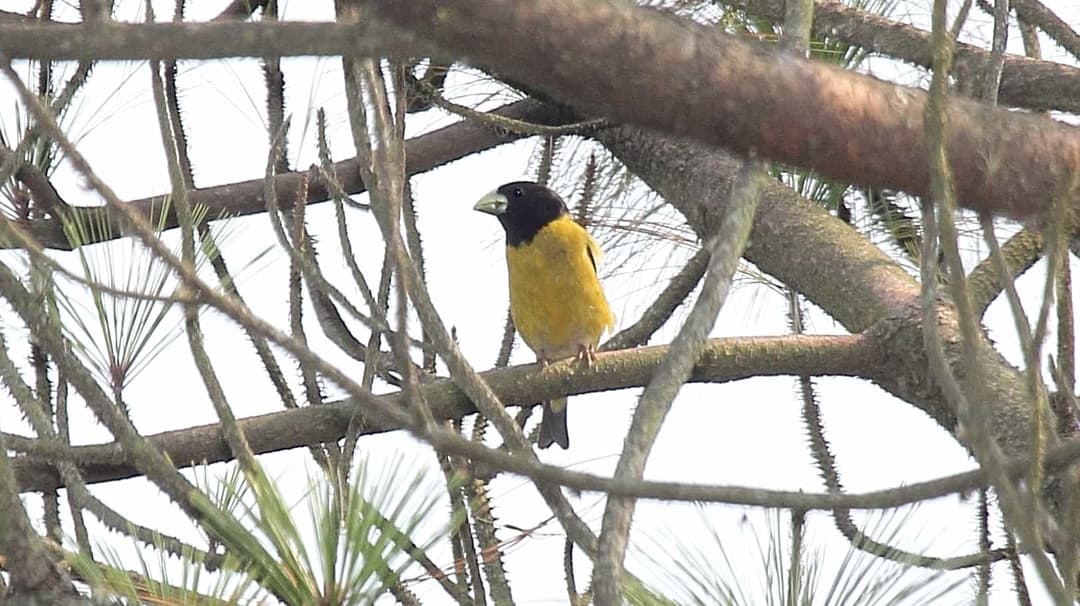
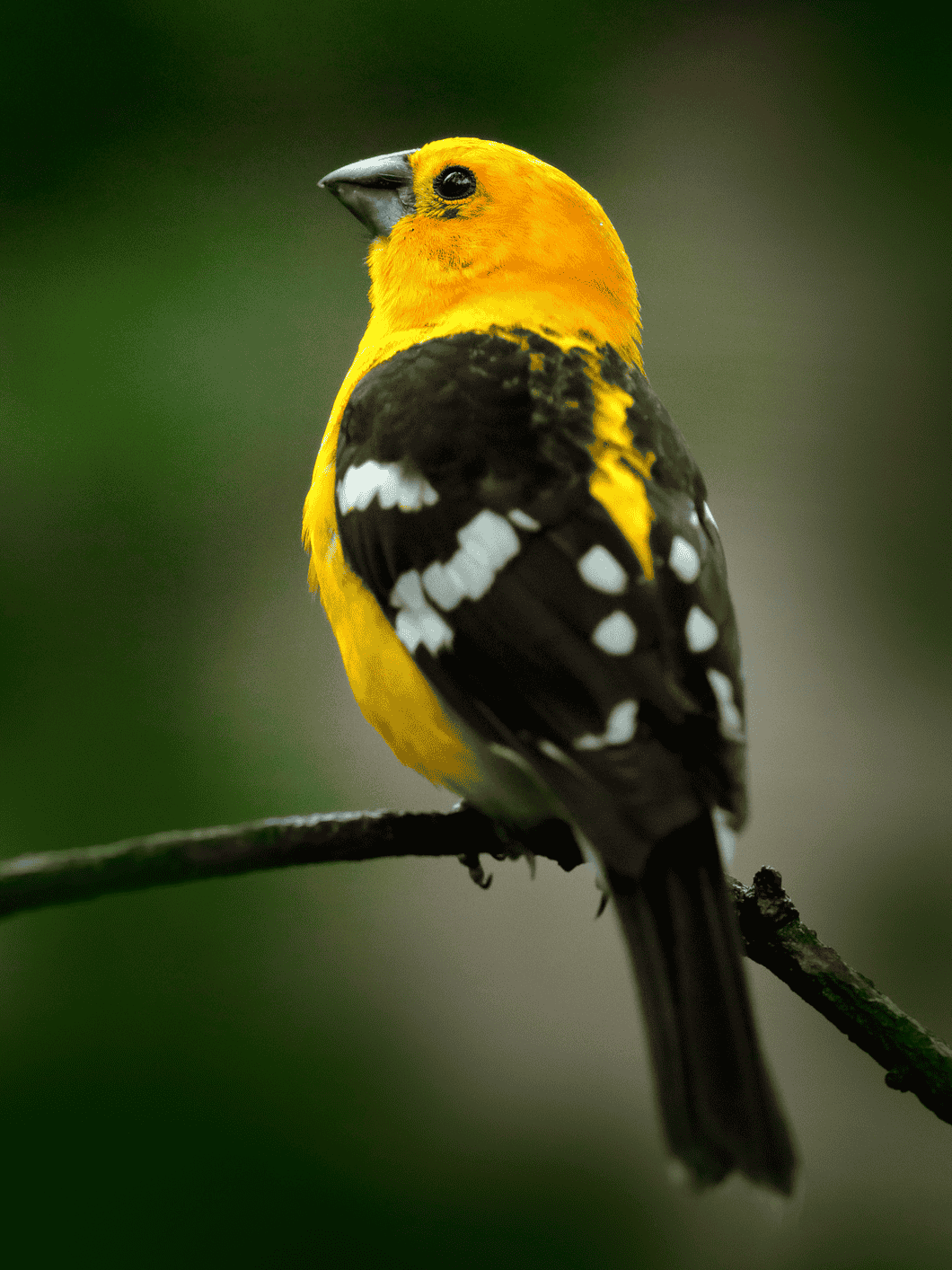
Hooded Grosbeak
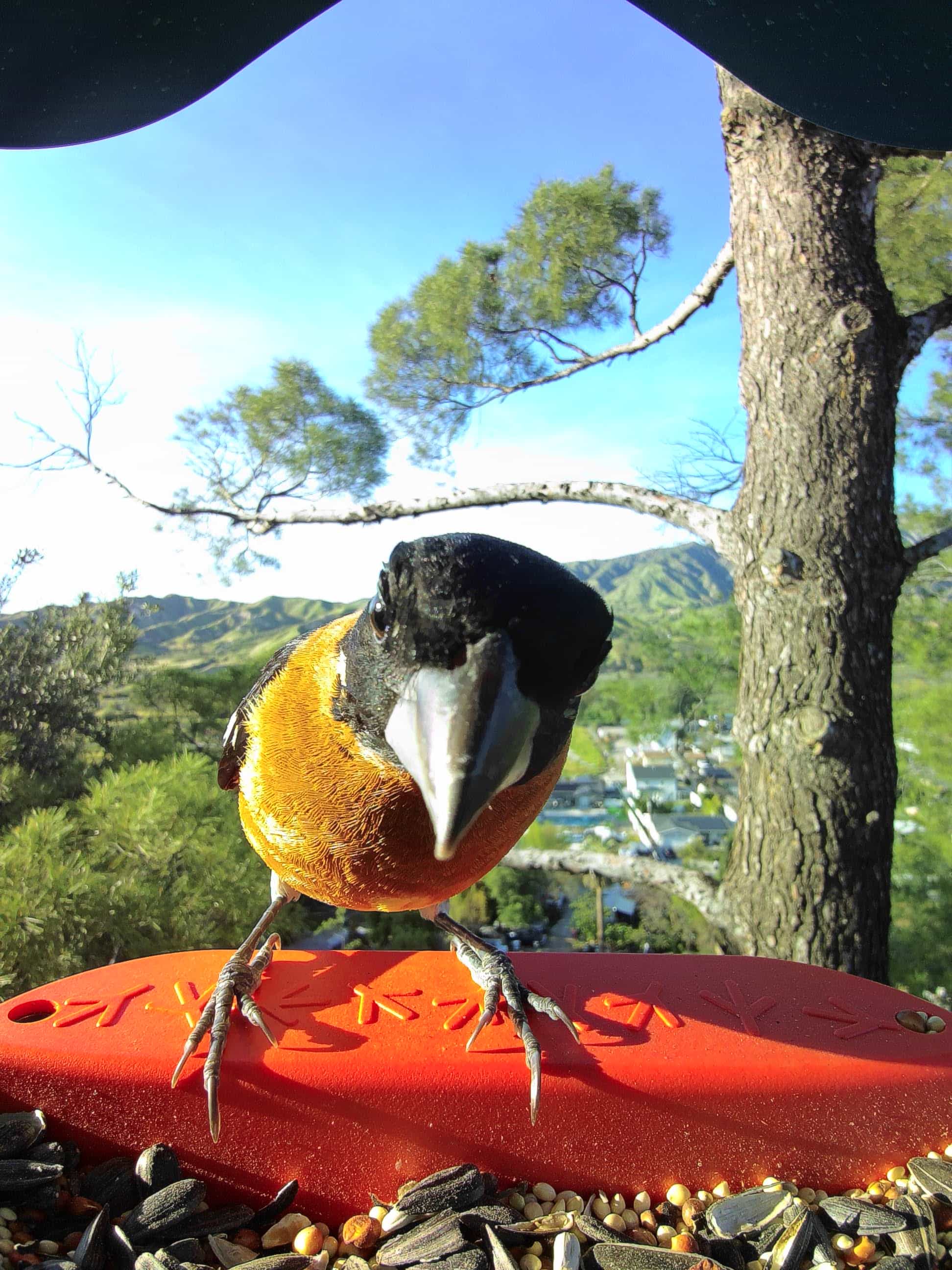


Black-Headed Grosbeak
Hooded Grosbeak
Hesperiphona abeillei
General appearance
The hooded grosbeak is medium-sized with strong, conical beaks. The most distinctive feature of this bird is its vibrant yellow chest and black head and back: hence the name 'hooded'. They possess broad wings which are dark with two white wing bars. Their tails are wide and have white patches on the ends that are seen more prominently during flight.
Male vs female
Male and female hooded grosbeaks possess similar coloration, making them less sexually dimorphic than other bird species. However, males are typically brighter with more sharply defined hood, while females have paler yellow underparts. Both genders display similar black and white patterns on the wings and tail.
Juvenile
Young hooded grosbeaks more closely resemble females in their coloration, but they are generally duller. With age, their plumage transitions gradually to the dark black hood and bright yellow chest of the adults. Juvenile males will typically exhibit their first signs of their black hood by their first fall season.
Size
5.9 - 7.7 in/1.6 - 1.8 oz
There's more to learn about Hooded Grosbeak
View full detailsBlack-Headed Grosbeak
Pheucticus melanocephalus
General appearance
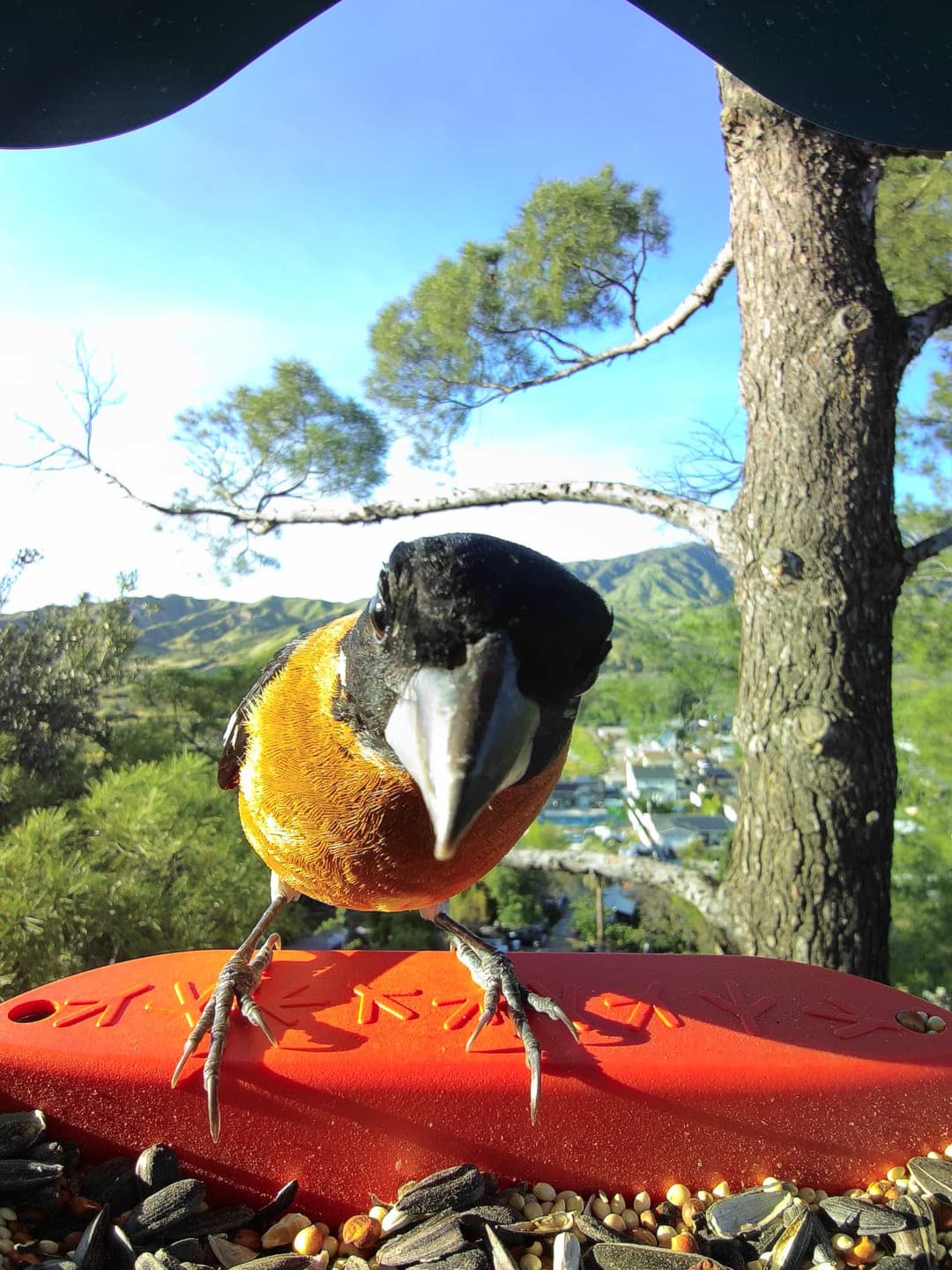
The black-headed grosbeak is a roughly robin-sized bird, measuring around 7 1/2 inches (19 cm). It displays characteristic colors such as black, brown, orange, tan, and white. Its wings are rounded, while its tail can be shaped, notched, squared, or rounded. The bird's notable features include markedly vibrant coloration and size.
Male vs female
For the black-headed grosbeak, the males tend to be dull orange-brown in color with a black head and black-and-white wings. On the other hand, females feature colors and patterns similar to the Rose-breasted Grosbeak but have more pronounced orange undertones beneath and less streaking. In addition, the females often have a darker bill.
Juvenile
Juvenile black-headed grosbeaks resemble the female but are tinged orange below, showing less streaking than their adult counterparts. They also have a bill that is often darker than the adults. Juveniles may experience a change in coloration during the season's transition.
Size
7.1 - 7.5 in/1.4 - 1.8 oz
There's more to learn about Black-Headed Grosbeak
View full detailsHow to tell the Hooded Grosbeak from the Black-Headed Grosbeak
Visual differences
Hooded Grosbeaks are 6-7.7 inches long, featuring a vibrant yellow chest and a black hood, with dark wings exhibiting two white bars and white-tipped tails. Black-Headed Grosbeaks, at about 7.5 inches, sport a dull orange-brown body for males, black heads, and black-and-white wings. Females have orange underpinnings and darker bills. While both have strong, conical beaks, the Hooded Grosbeak has broader wings. Juveniles of both resemble females but differ in streaking and color saturation.
Key differences and behavior
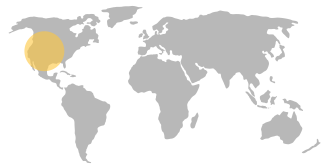
Hooded Grosbeaks and Black-headed Grosbeaks exhibit distinct behaviors and ecological preferences. Hooded Grosbeaks are non-migratory, inhabiting high-altitude subtropical forests in Central America, often found in pairs or small groups. They feed on seeds, fruits, and insects, engaging in intricate courtship with food offerings and song displays. Black-headed Grosbeaks, in contrast, are migratory, breeding in diverse North American woodlands and migrating to tropical open woods. Known for elaborate songs, females can mimic males to keep partners close. Feeding primarily on insects, seeds, and berries, both parents raise the young. Hooded Grosbeaks focus on cooler environments, while Black-headed Grosbeaks adapt to seasonal changes, preferring deciduous and mixed woodlands.
Still not sure? Here are more lookalikes!
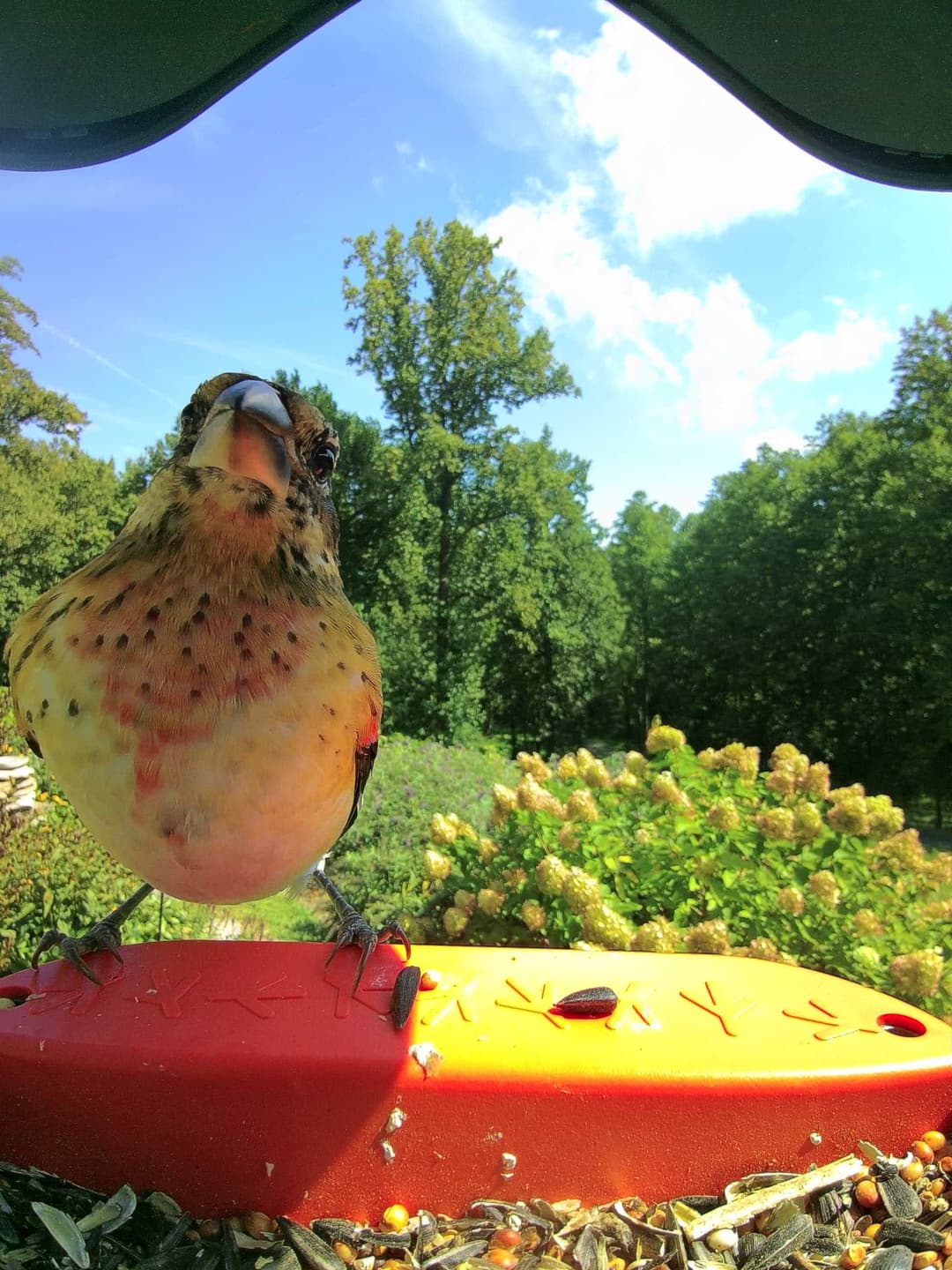
Hooded Grosbeak vs Rose-Breasted Grosbeak
Hooded Grosbeak vs Evening Grosbeak

Black-Headed Grosbeak vs Rose-Breasted Grosbeak
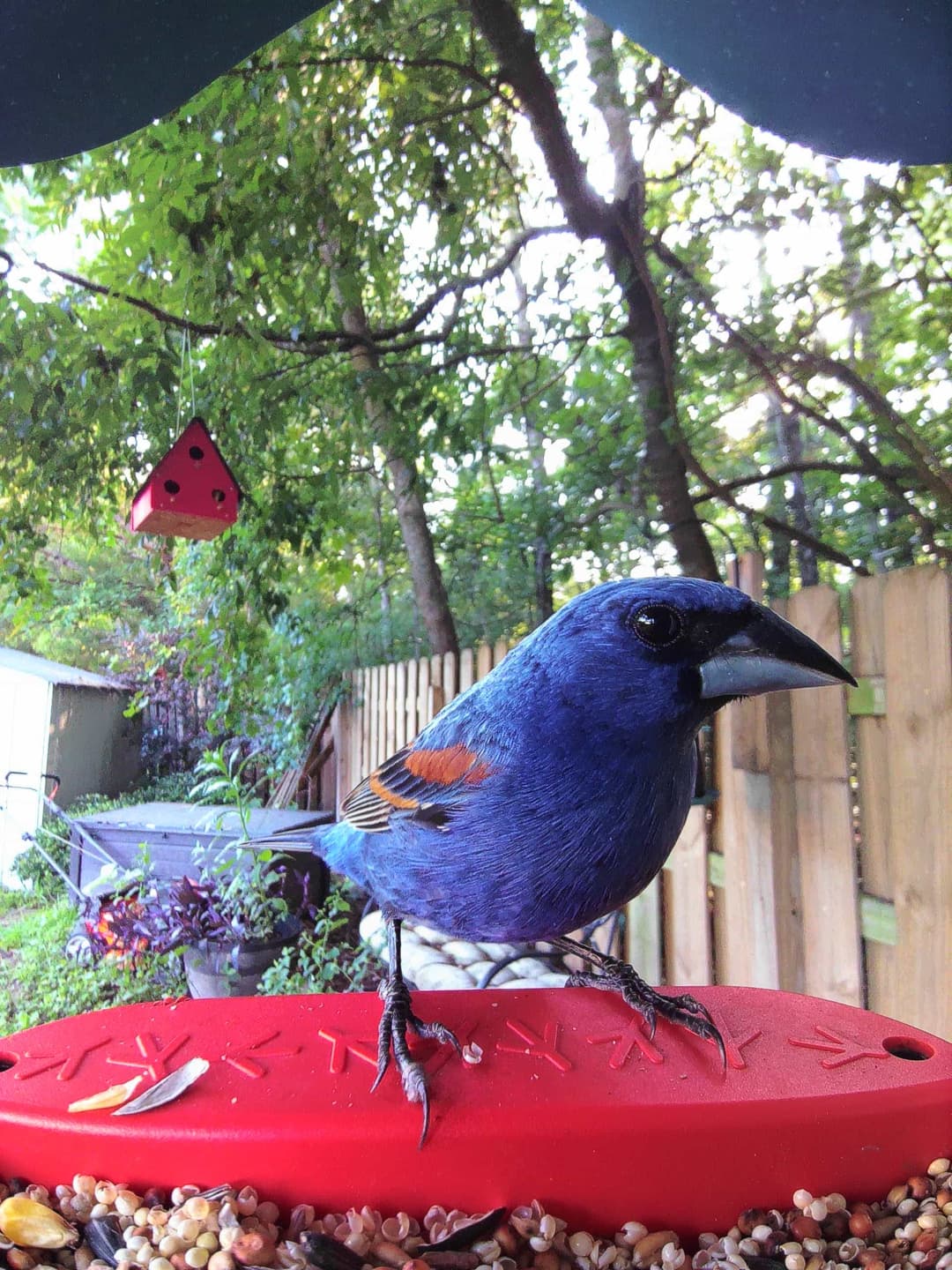
Black-Headed Grosbeak vs Blue Grosbeak
Black-Headed Grosbeak vs Spotted Towhee

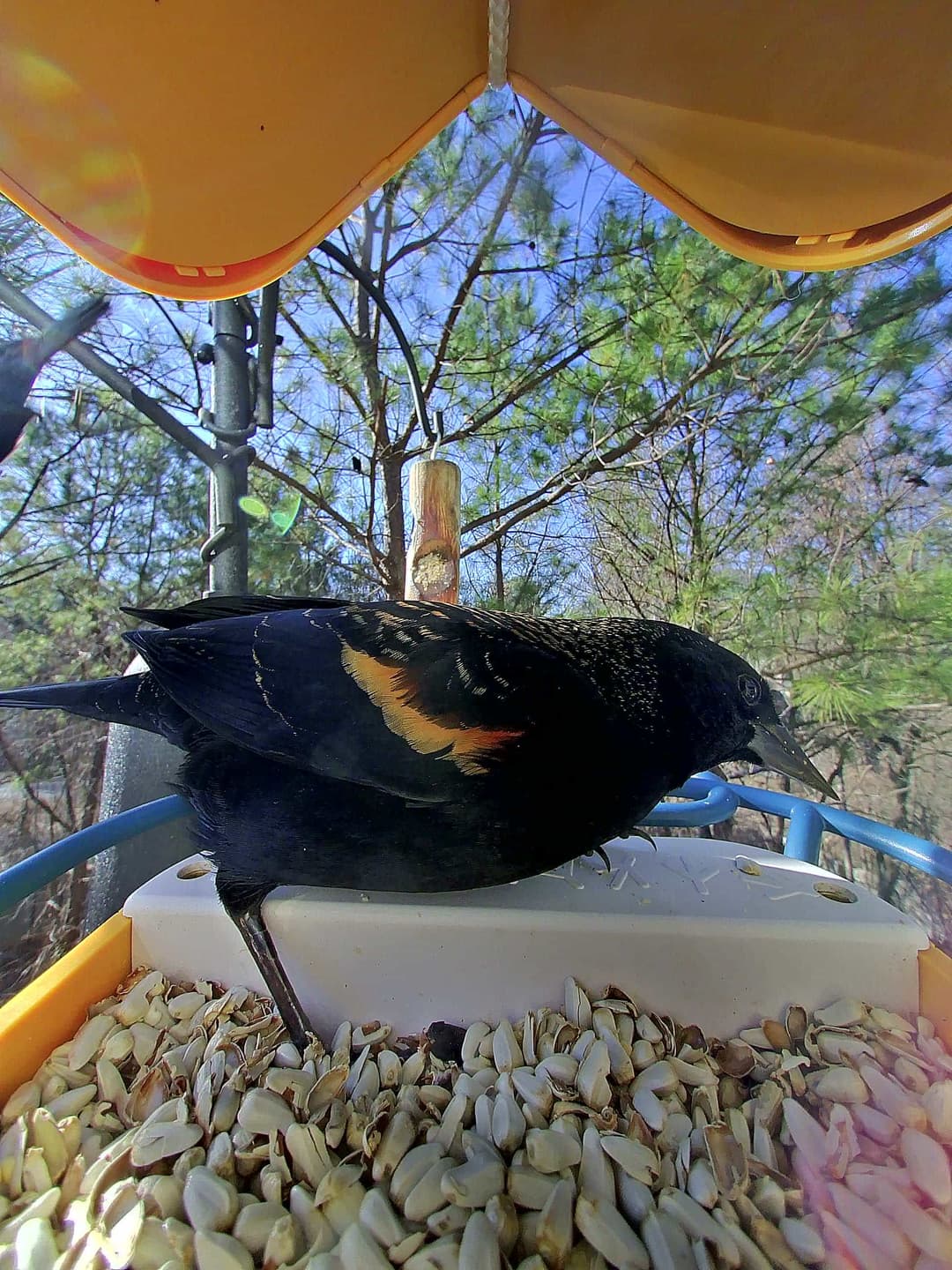
Black-Headed Grosbeak vs Red-Winged Blackbird
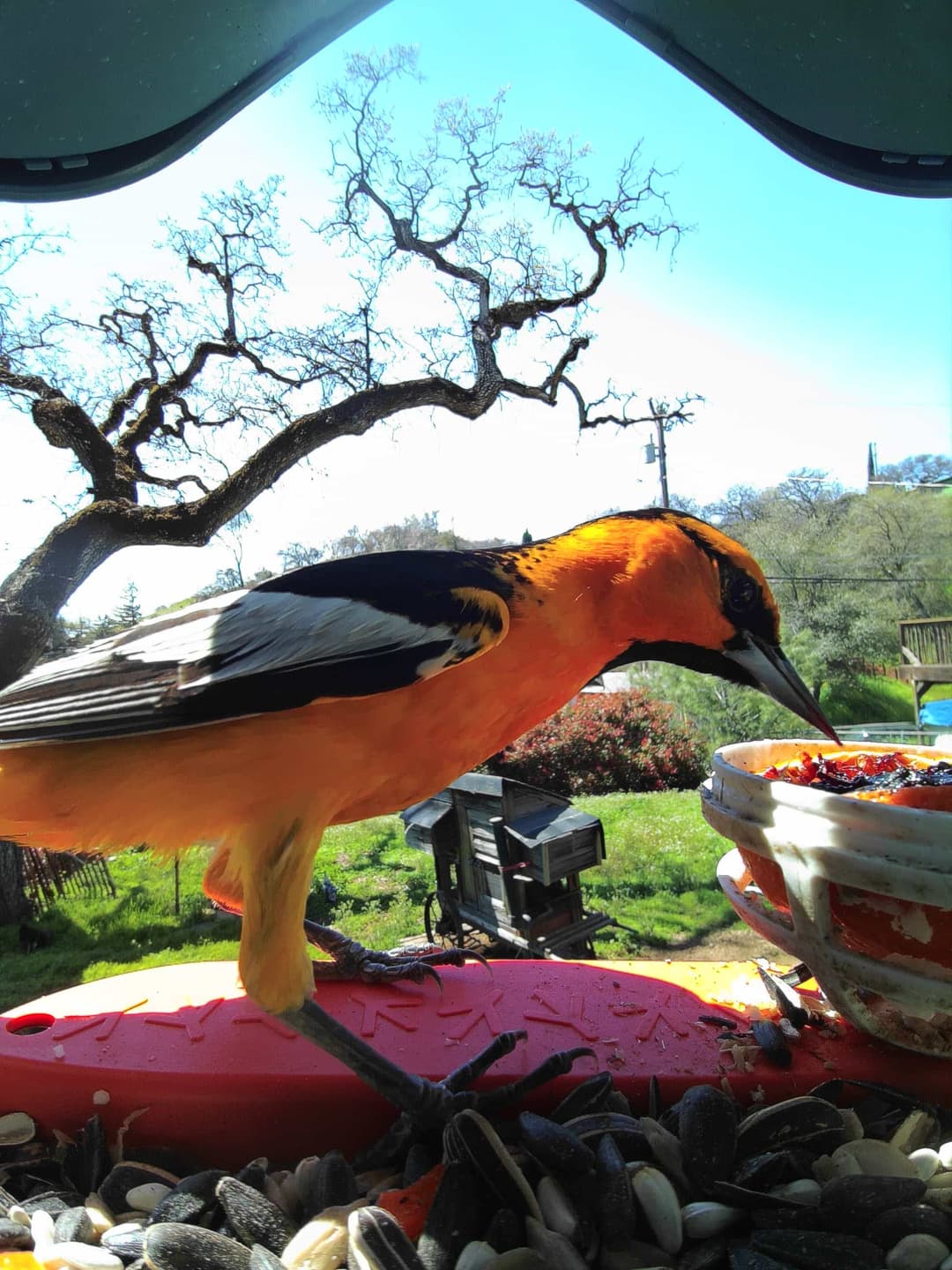
Black-Headed Grosbeak vs Bullock’s Oriole
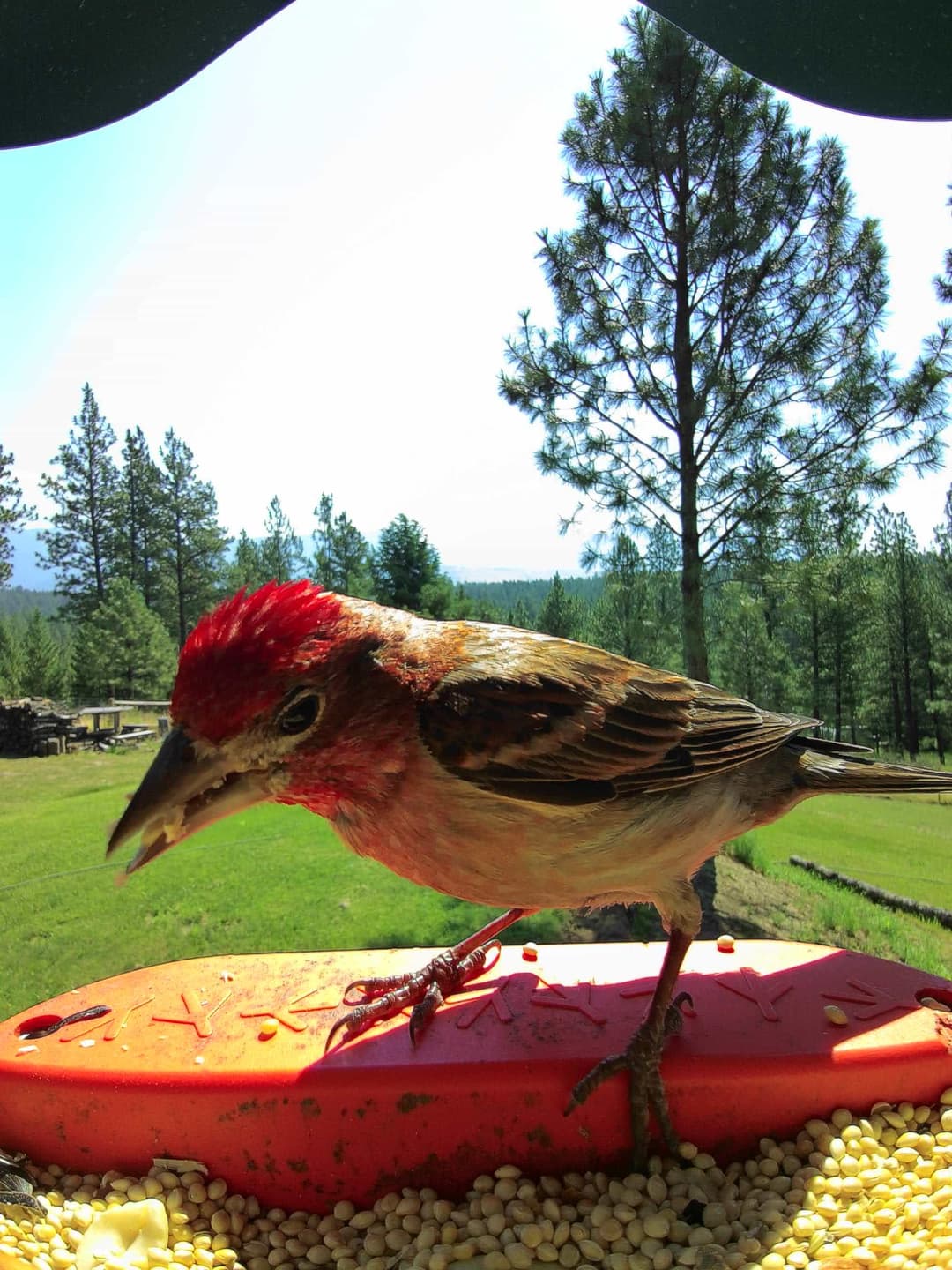
Black-Headed Grosbeak vs Cassin’s Finch
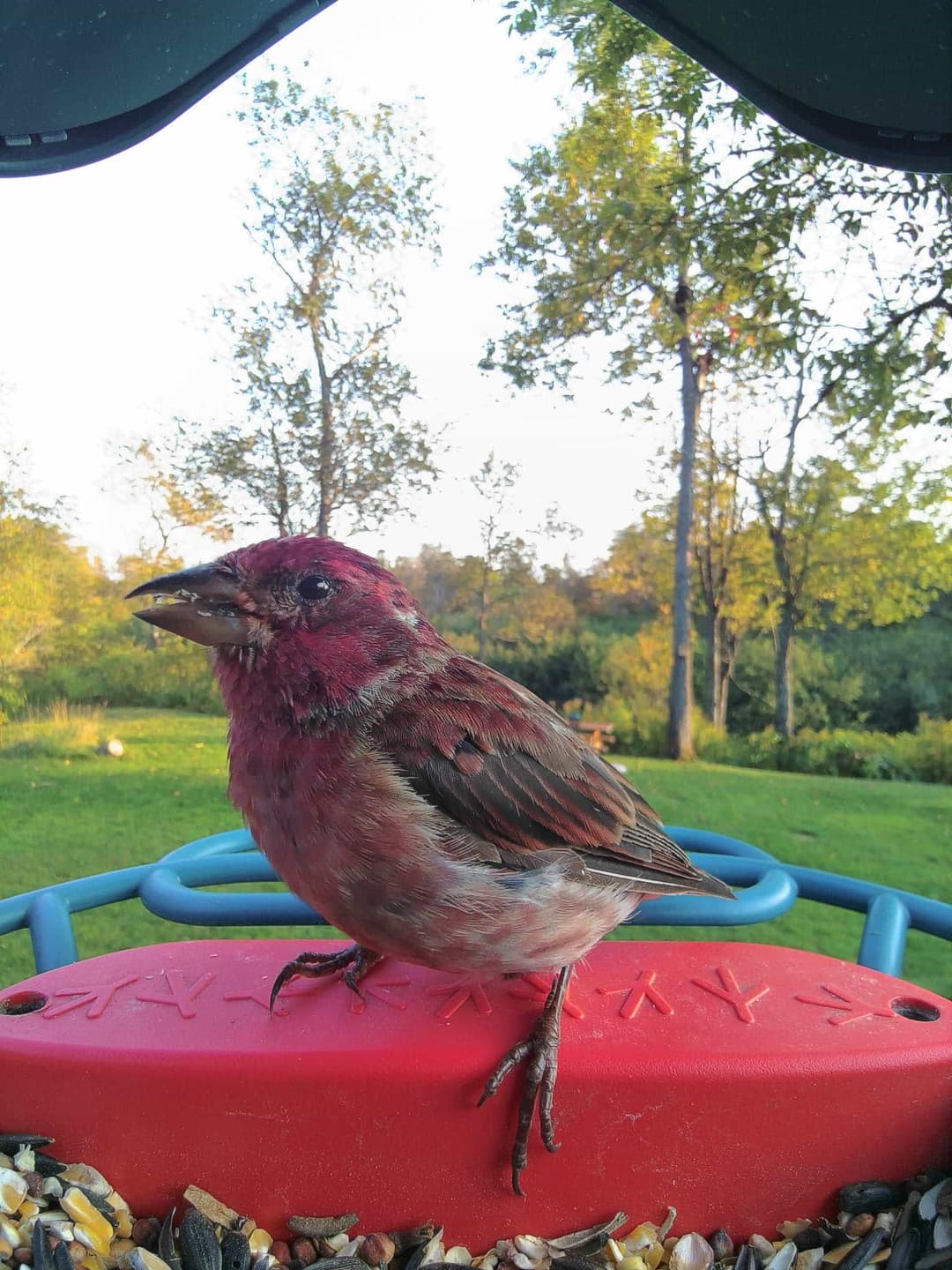
Black-Headed Grosbeak vs Purple Finch
Hooded Grosbeak vs [Select a bird]

[Select a bird]
Pick a bird to compare
Black-Headed Grosbeak vs [Select a bird]
[Select a bird]
Pick a bird to compare