Hooded Grosbeak or Rose-Breasted Grosbeak?
Here's how to tell the difference



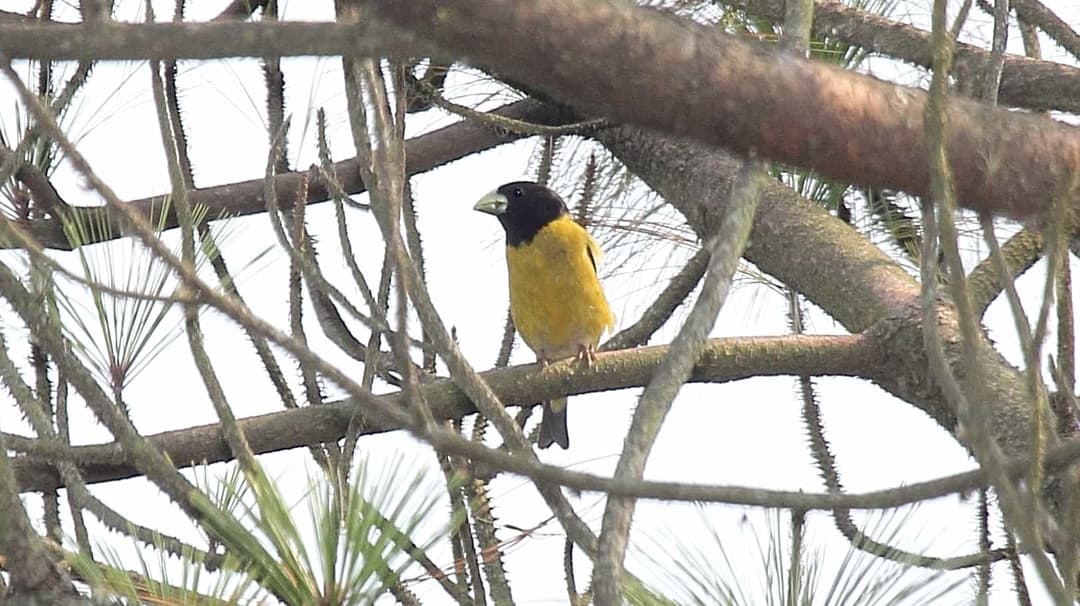
Hooded Grosbeak
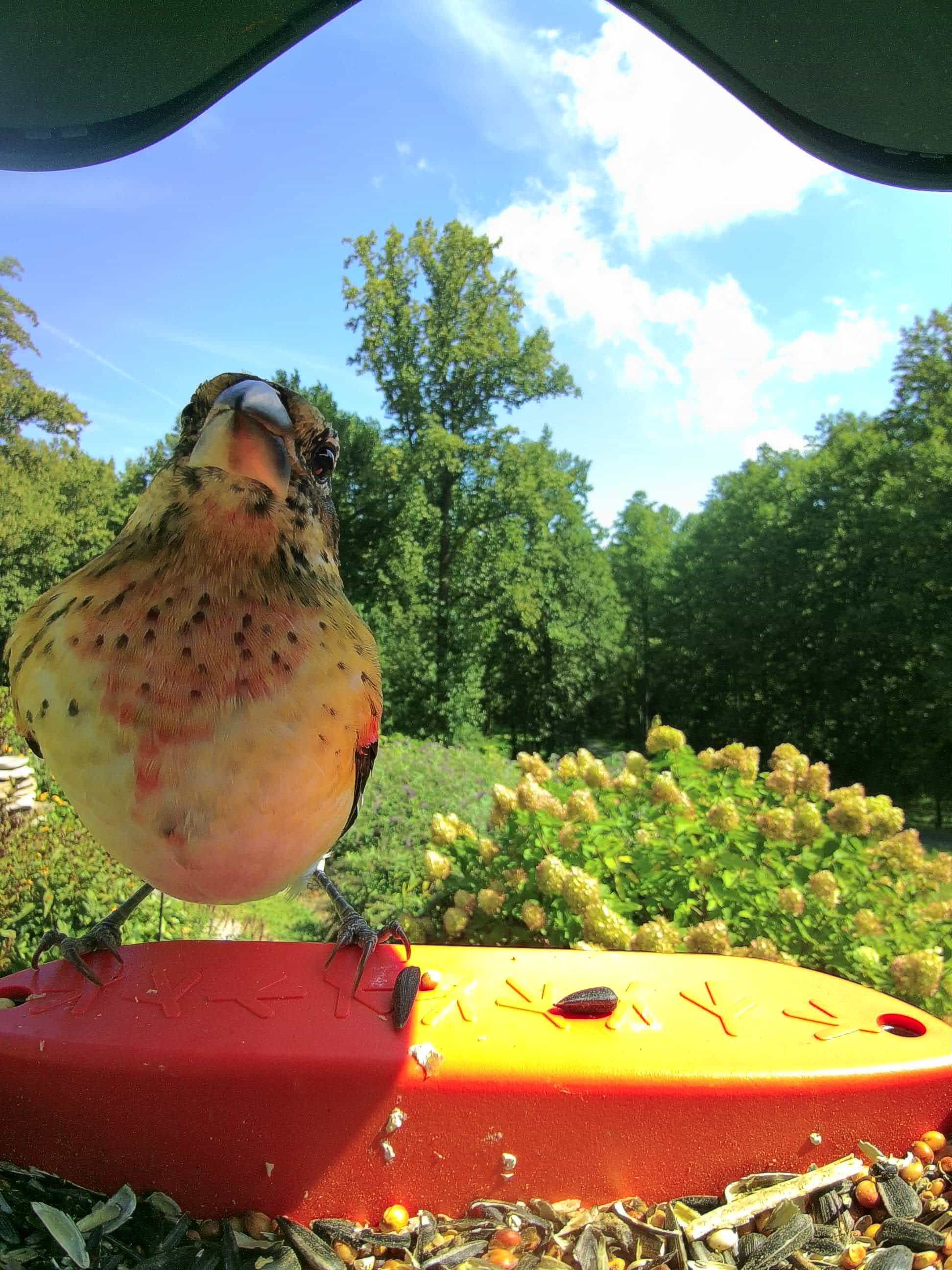


Rose-Breasted Grosbeak
Hooded Grosbeak
Hesperiphona abeillei
General appearance
The hooded grosbeak is medium-sized with strong, conical beaks. The most distinctive feature of this bird is its vibrant yellow chest and black head and back: hence the name 'hooded'. They possess broad wings which are dark with two white wing bars. Their tails are wide and have white patches on the ends that are seen more prominently during flight.
Male vs female
Male and female hooded grosbeaks possess similar coloration, making them less sexually dimorphic than other bird species. However, males are typically brighter with more sharply defined hood, while females have paler yellow underparts. Both genders display similar black and white patterns on the wings and tail.
Juvenile
Young hooded grosbeaks more closely resemble females in their coloration, but they are generally duller. With age, their plumage transitions gradually to the dark black hood and bright yellow chest of the adults. Juvenile males will typically exhibit their first signs of their black hood by their first fall season.
Size
5.9 - 7.7 in/1.6 - 1.8 oz
There's more to learn about Hooded Grosbeak
View full detailsRose-Breasted Grosbeak
Pheucticus ludovicianus
General appearance
The rose-breasted grosbeak is typically 20 cm in length, similar to the size of a robin. Their distinctive features include white spots in the wings, a heavy bill, and a strong face pattern. Their tail shapes could be notched, rounded, or square-tipped.
Male vs female
Male rose-breasted grosbeaks have a black head and a rosy triangle on the chest. Their wings bear large white spots which stand out against their black and orange coloring. Females, on the other hand, appear dark brown on the top, with stripes below. They resemble sparrows but can be distinguished by their heavy bill, bold white wings, and strong face pattern.
Juvenile
Young rose-breasted grosbeaks also look similar to sparrows, being dark brown above and striped below. However, they can be identified by their substantial bill, strong face pattern, and bold white wing markings. Their coloration may change with season, becoming notably brighter during the breeding period.
Size
7.1 - 7.9 in/1.4 - 1.7 oz
There's more to learn about Rose-Breasted Grosbeak
View full detailsHow to tell the Hooded Grosbeak from the Rose-Breasted Grosbeak
Visual differences
The Hooded Grosbeak (6-7.7 in, 1.6-1.8 oz) features a vibrant yellow chest and black hood, with two white wing bars and white patches on its tail. Both genders appear similar, showcasing bright plumage. The Rose-Breasted Grosbeak (7.9 in, 1.4-1.7 oz) has males with black heads, a rosy chest triangle, and large white wing spots. Females are dark brown with striped undersides. Juveniles of both species resemble females but have distinct face patterns and heavy bills, aiding in identification.
Key differences and behavior
Hooded Grosbeaks thrive in the high-altitude, mountainous regions of Central America, remaining non-migratory, while the Rose-Breasted Grosbeaks are migratory, prefer open deciduous woods, and winter in tropical areas. The Hooded Grosbeak tends to be more solitary, often found in pairs, whereas Rose-Breasted Grosbeaks are more vocal, known for their melodic songs even while nesting. While both species share dietary preferences for seeds and insects, Hooded Grosbeaks are more inclined to feed on conifer seeds, whereas Rose-Breasted Grosbeaks consume more insects and fruits. Both participate in raising offspring, but Rose-Breasted Grosbeaks are characterized by more communal nesting duties and vocal courtship displays. Lastly, Hooded Grosbeaks exhibit less sexual dimorphism with similar male and female plumage, contrasting with the more distinct gender differences in Rose-Breasted Grosbeaks.
Still not sure? Here are more lookalikes!
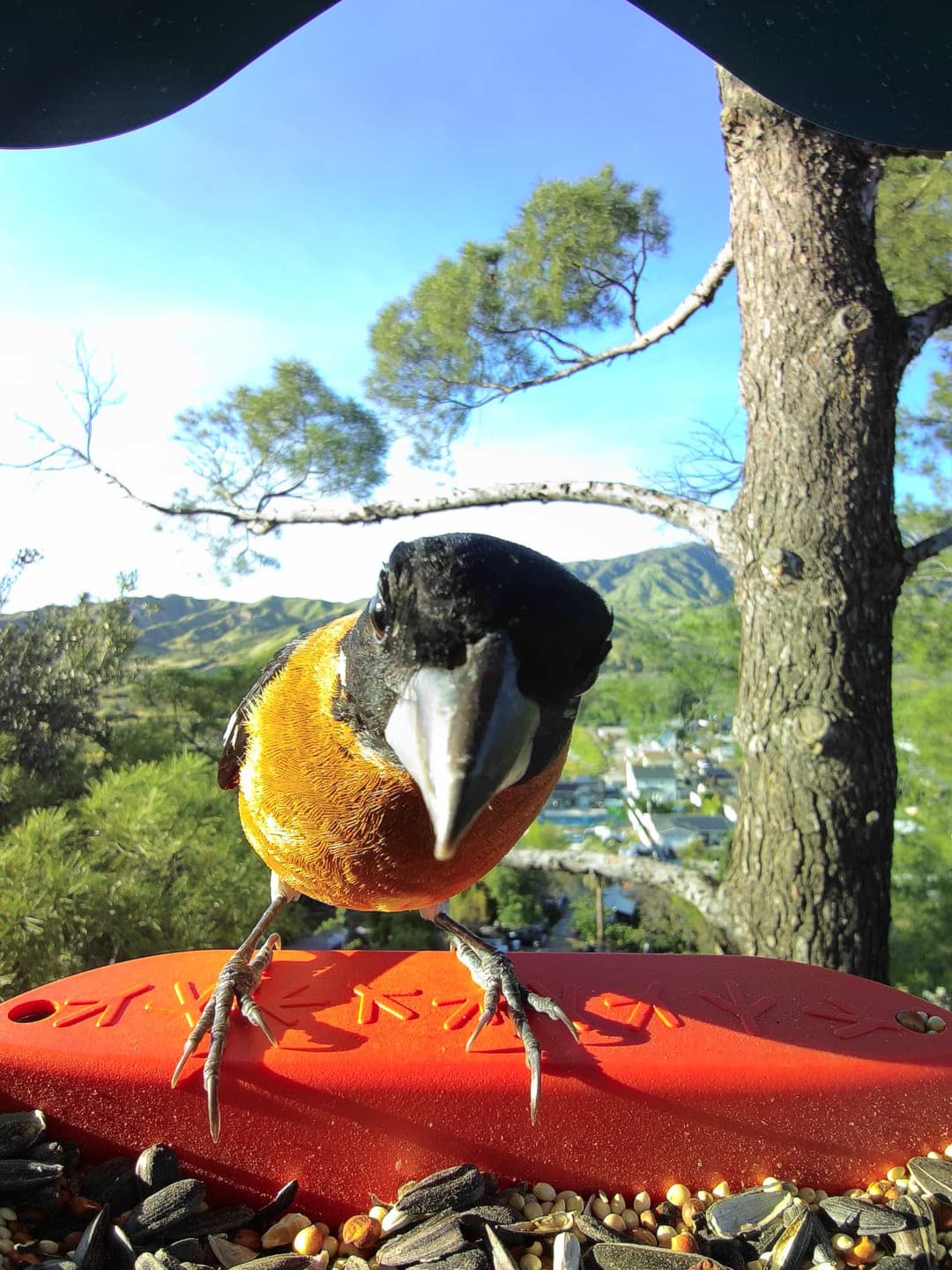
Hooded Grosbeak vs Black-Headed Grosbeak
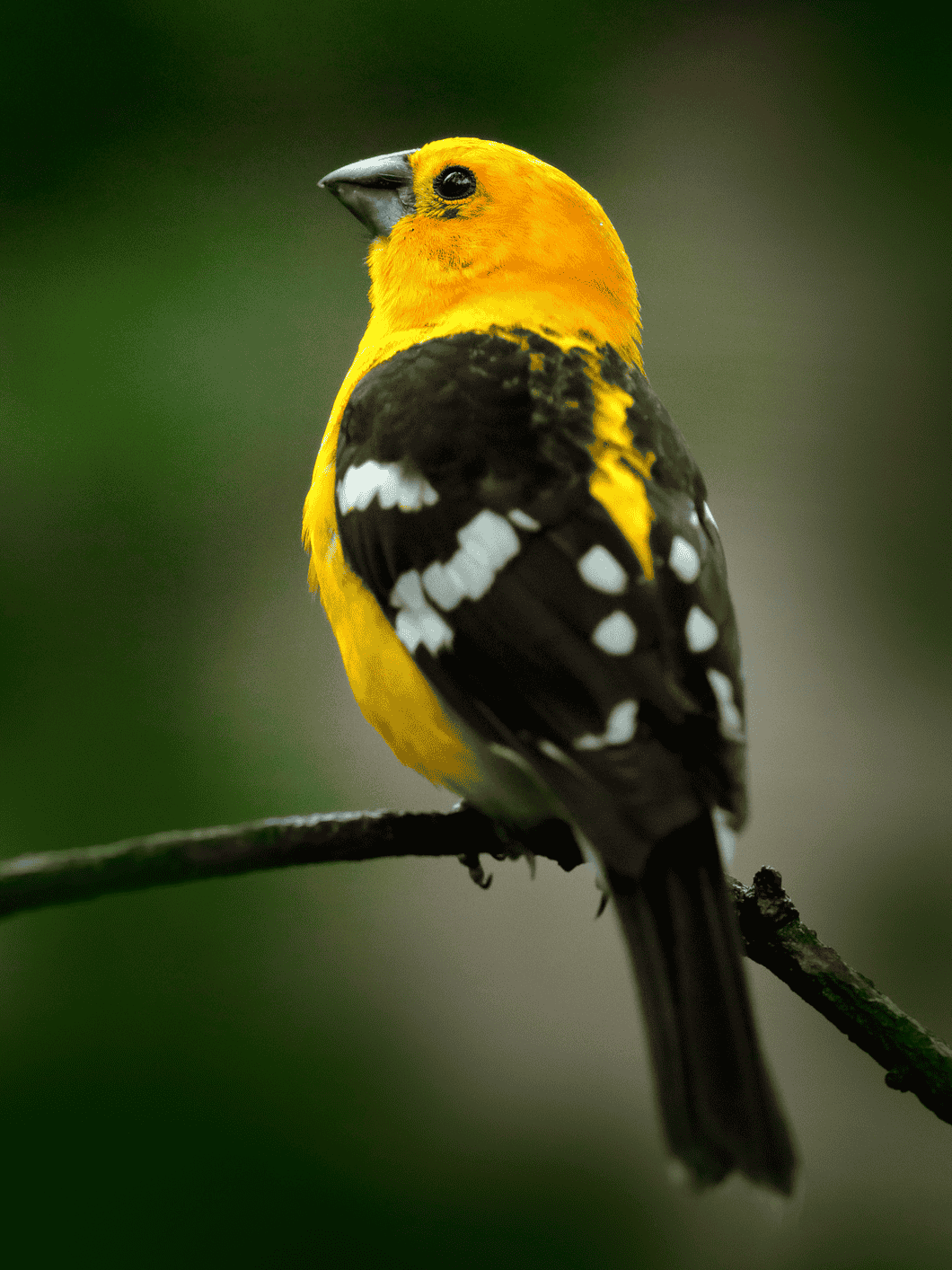
Hooded Grosbeak vs Evening Grosbeak

Rose-Breasted Grosbeak vs Black-Headed Grosbeak
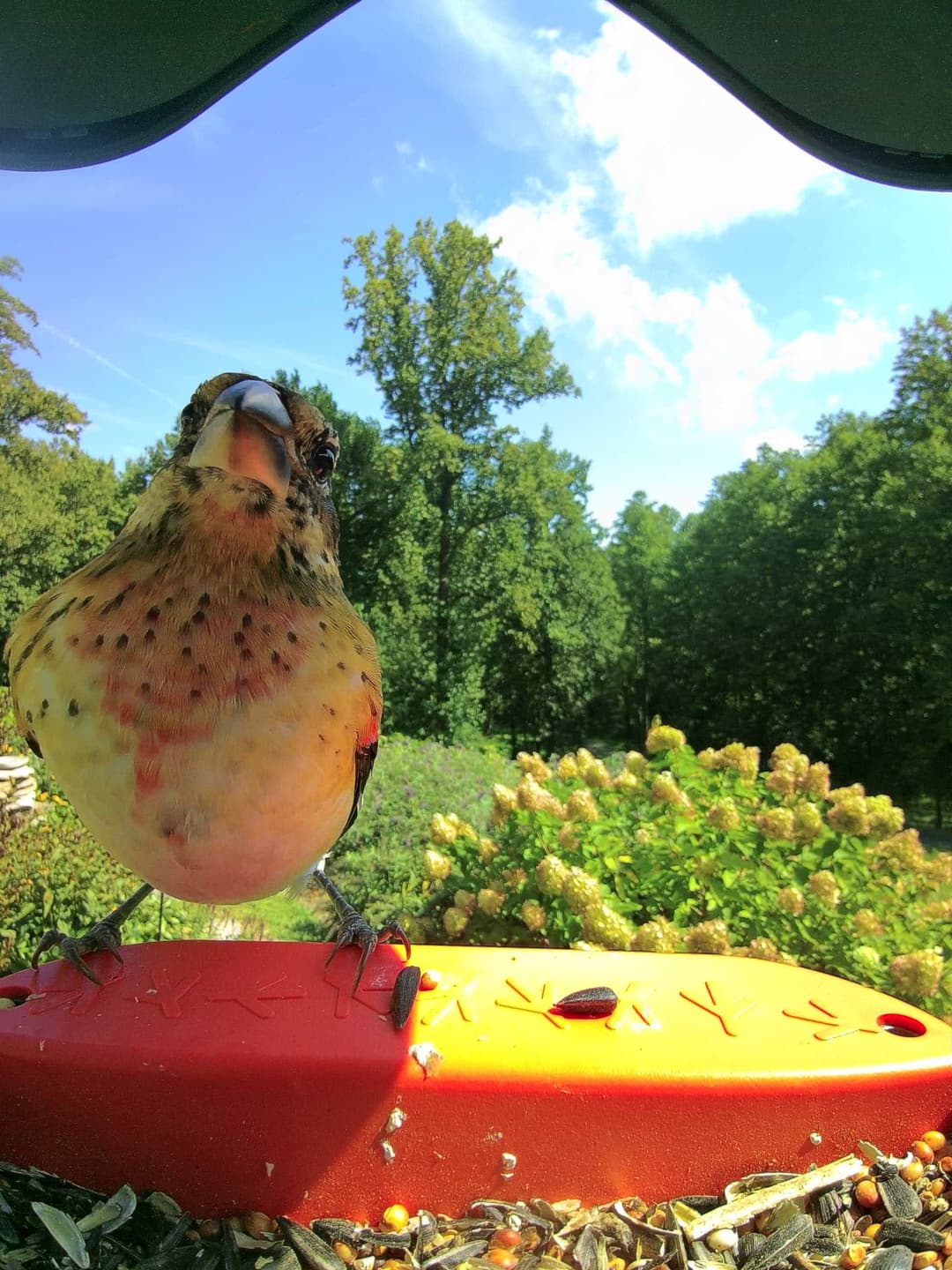
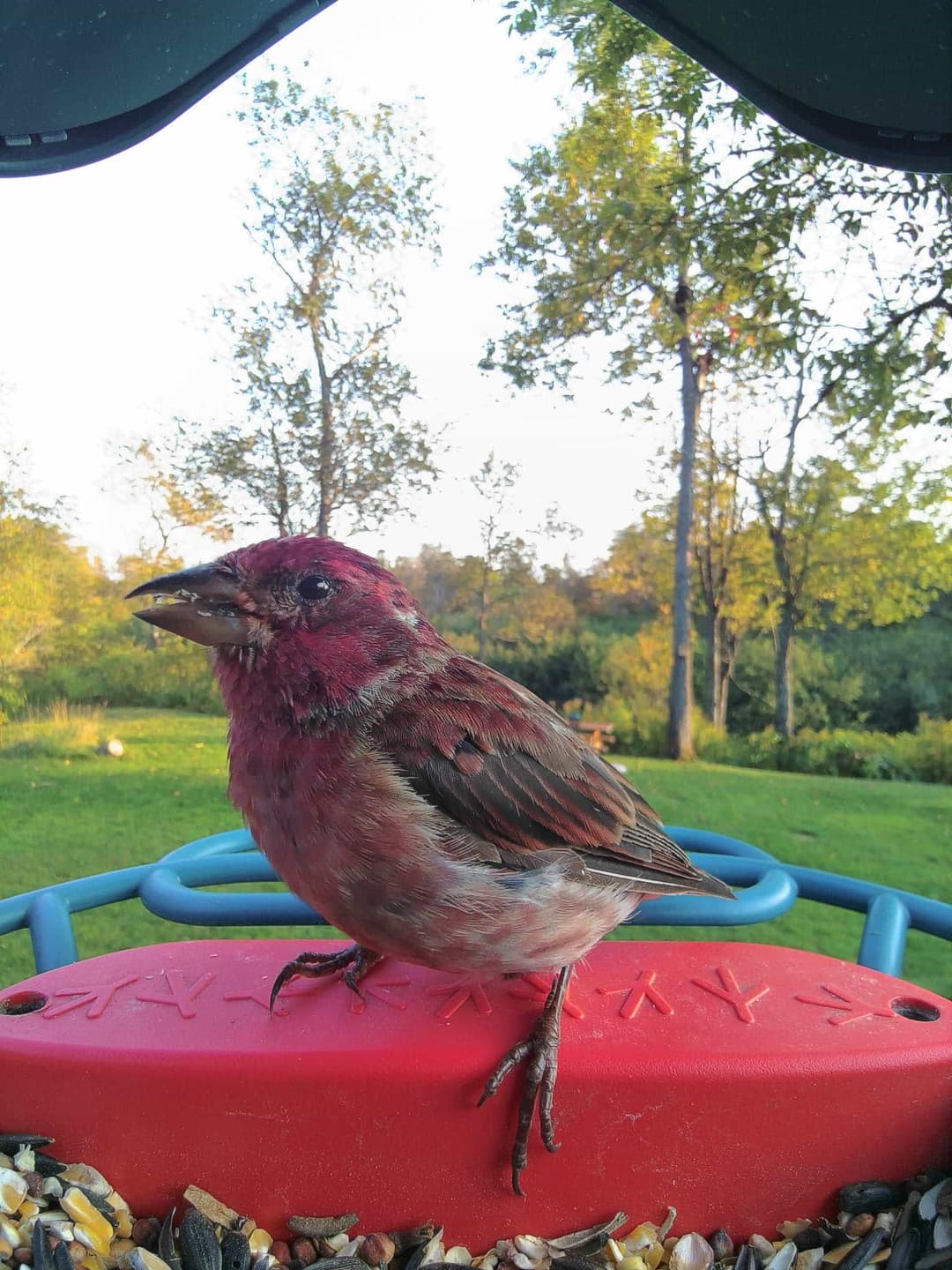
Rose-Breasted Grosbeak vs Purple Finch
Hooded Grosbeak vs [Select a bird]

[Select a bird]
Pick a bird to compare
Rose-Breasted Grosbeak vs [Select a bird]
[Select a bird]
Pick a bird to compare