Variable Oriole or Hooded Oriole?
Here's how to tell the difference
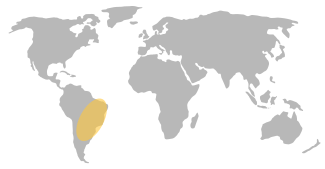


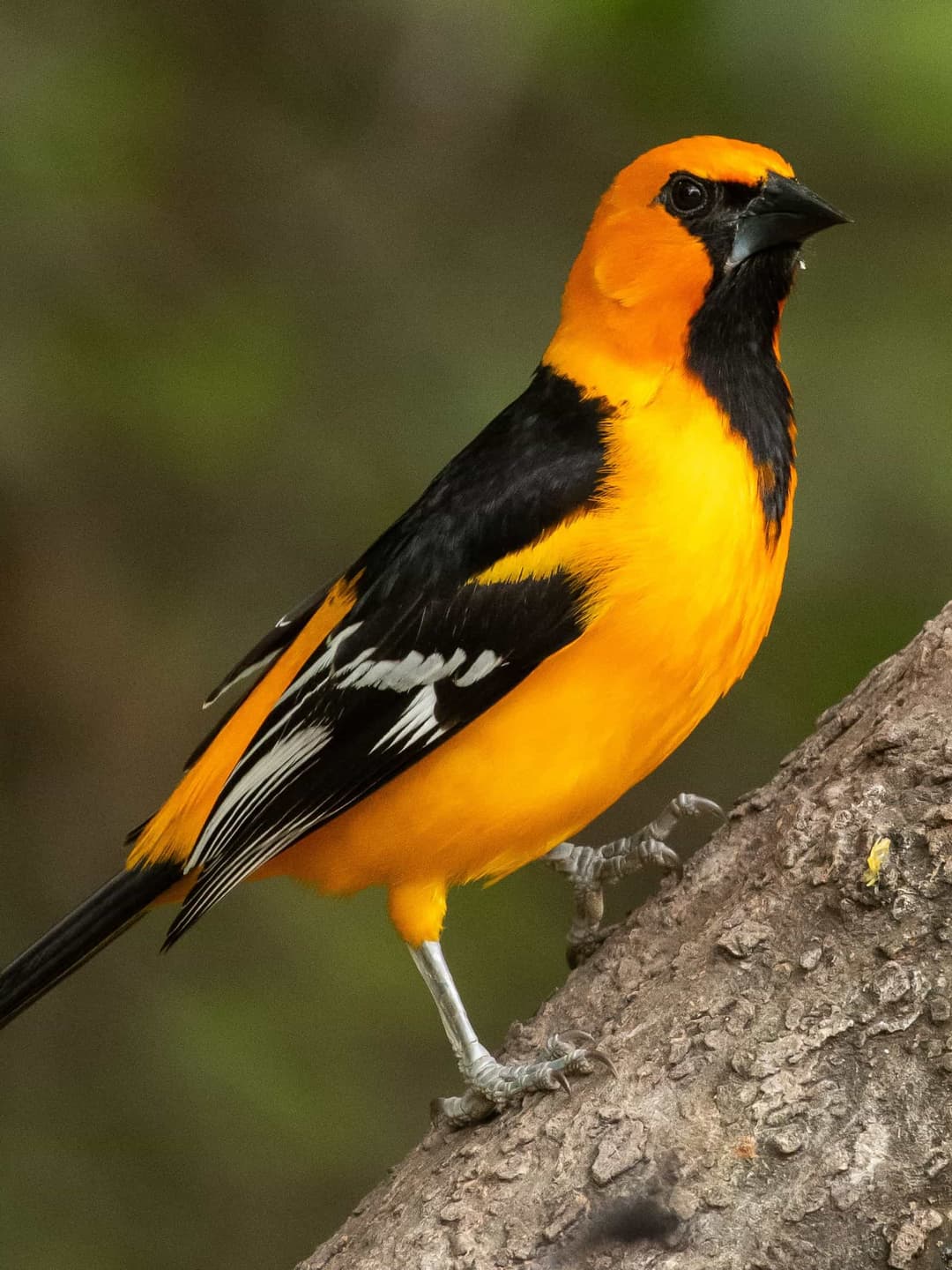
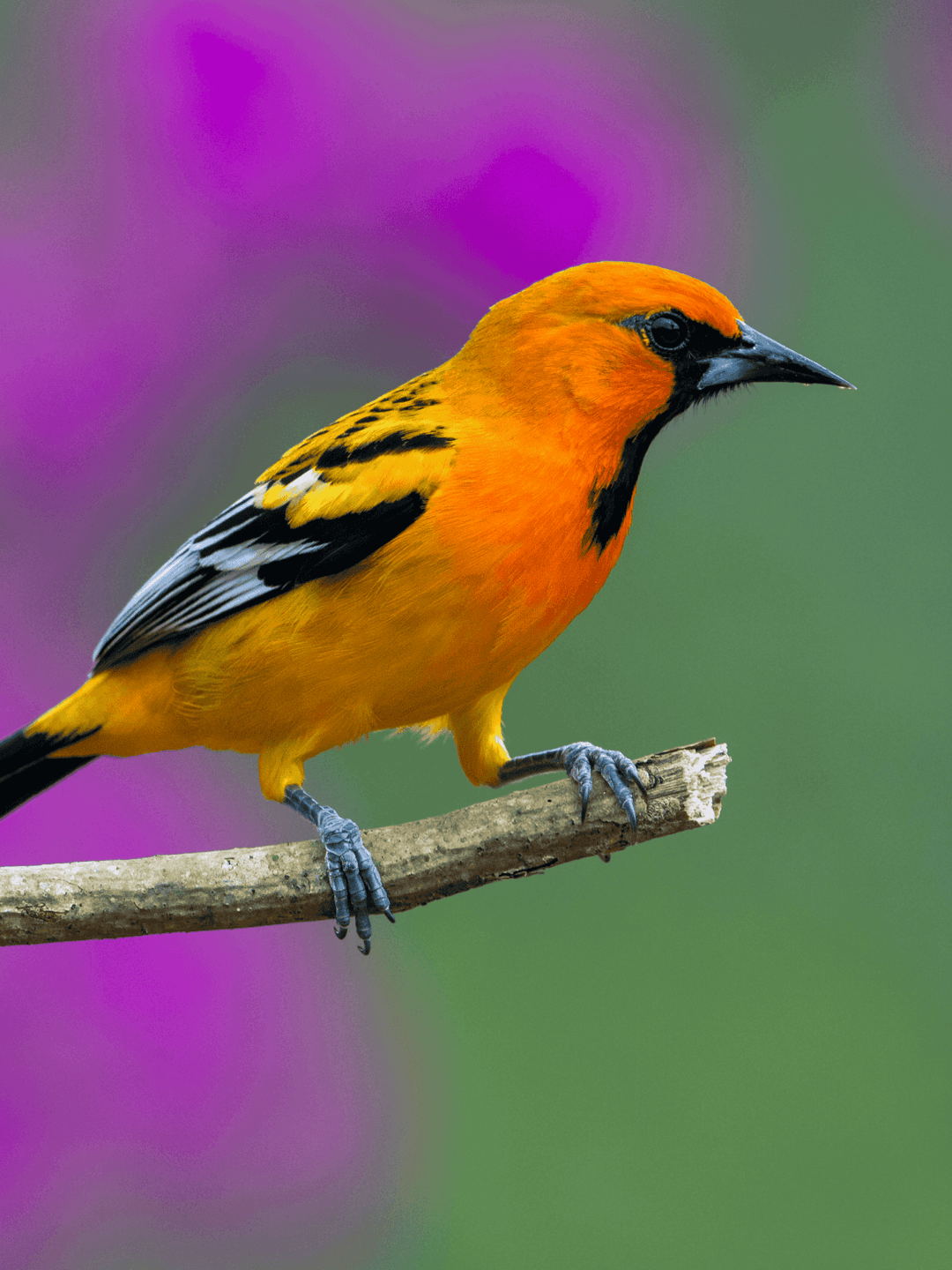
Variable Oriole


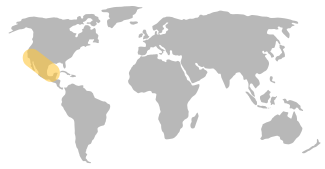
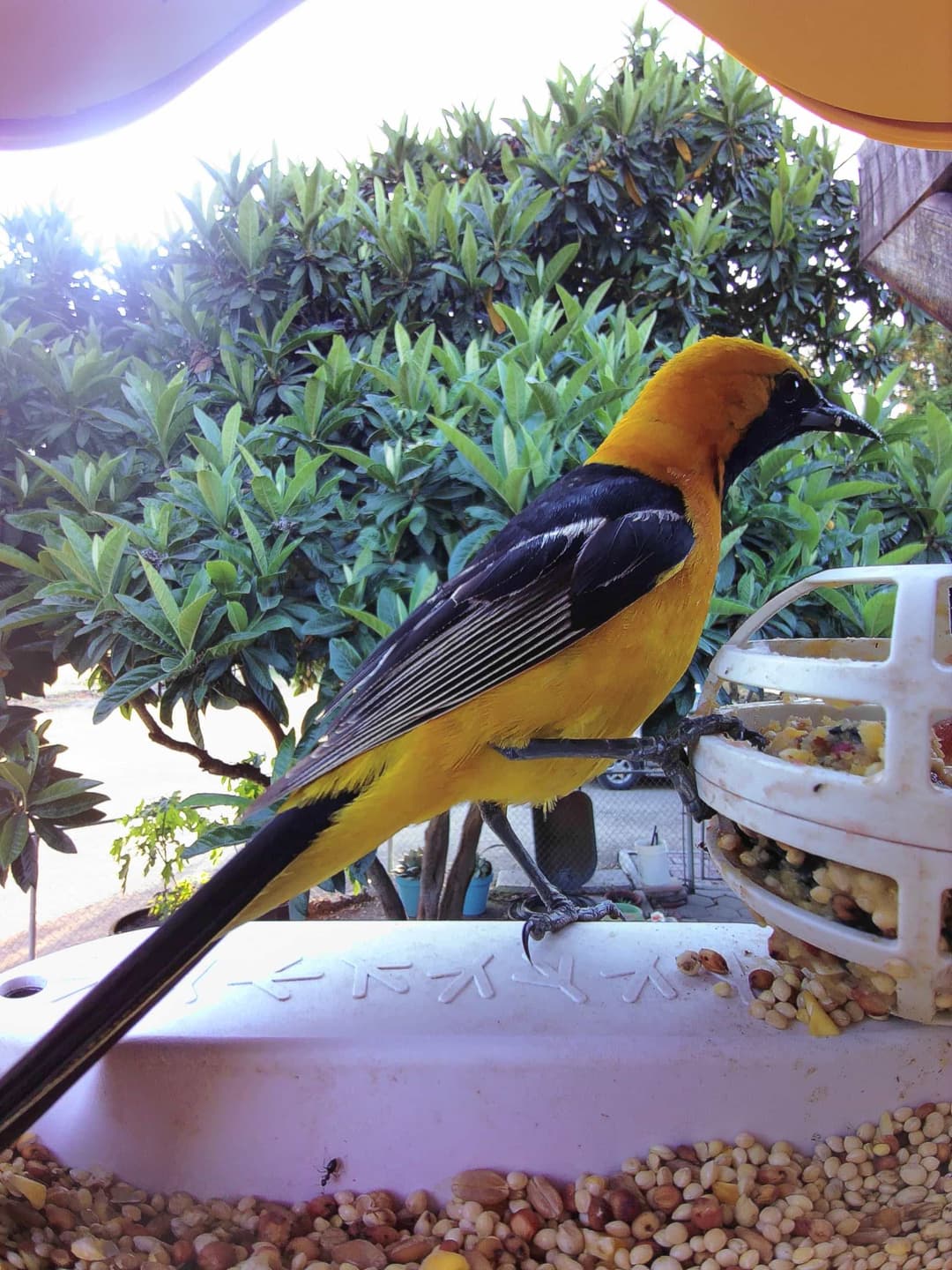
Hooded Oriole
Variable Oriole
Icterus pyrrhopterus
General appearance
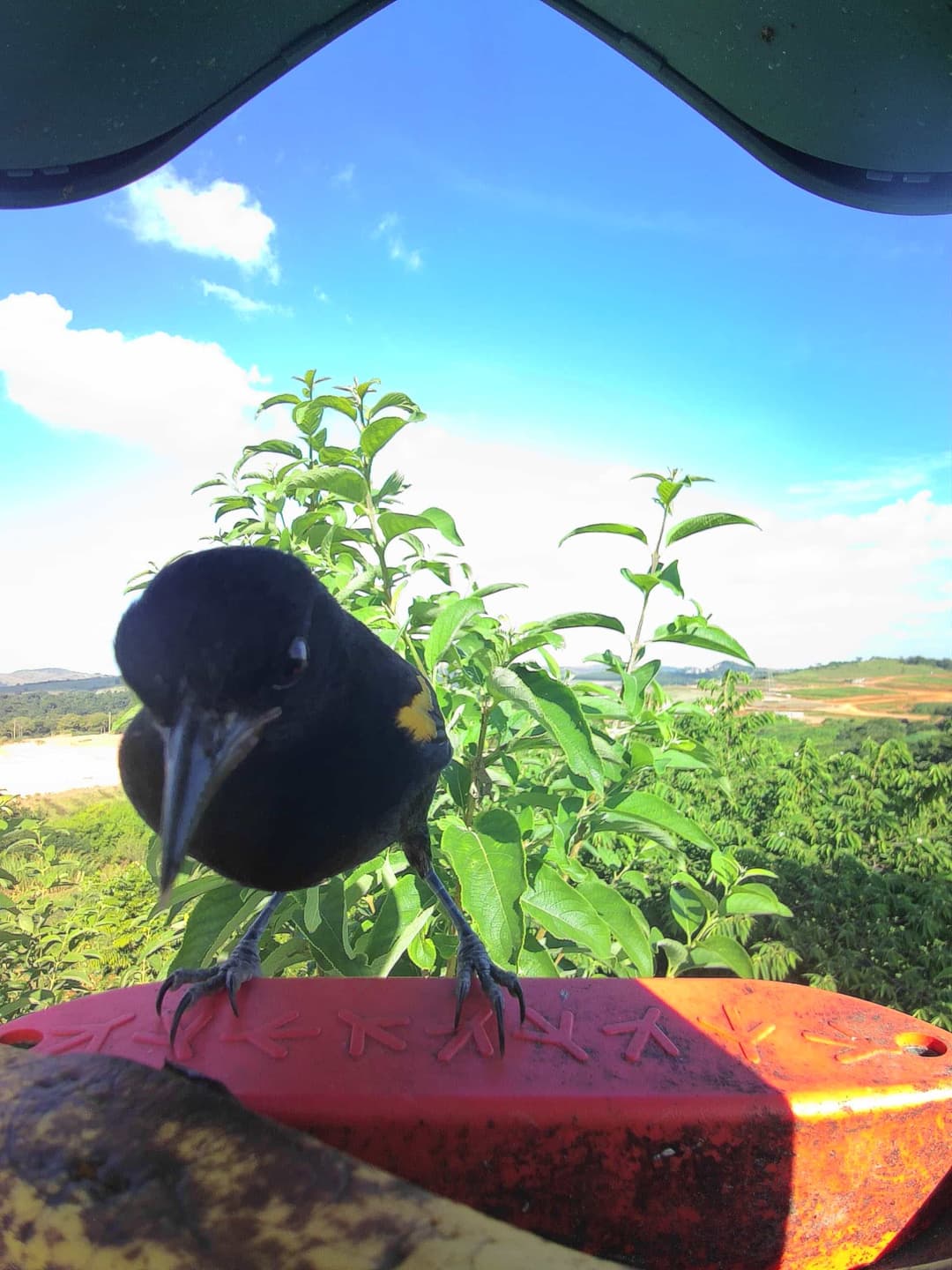
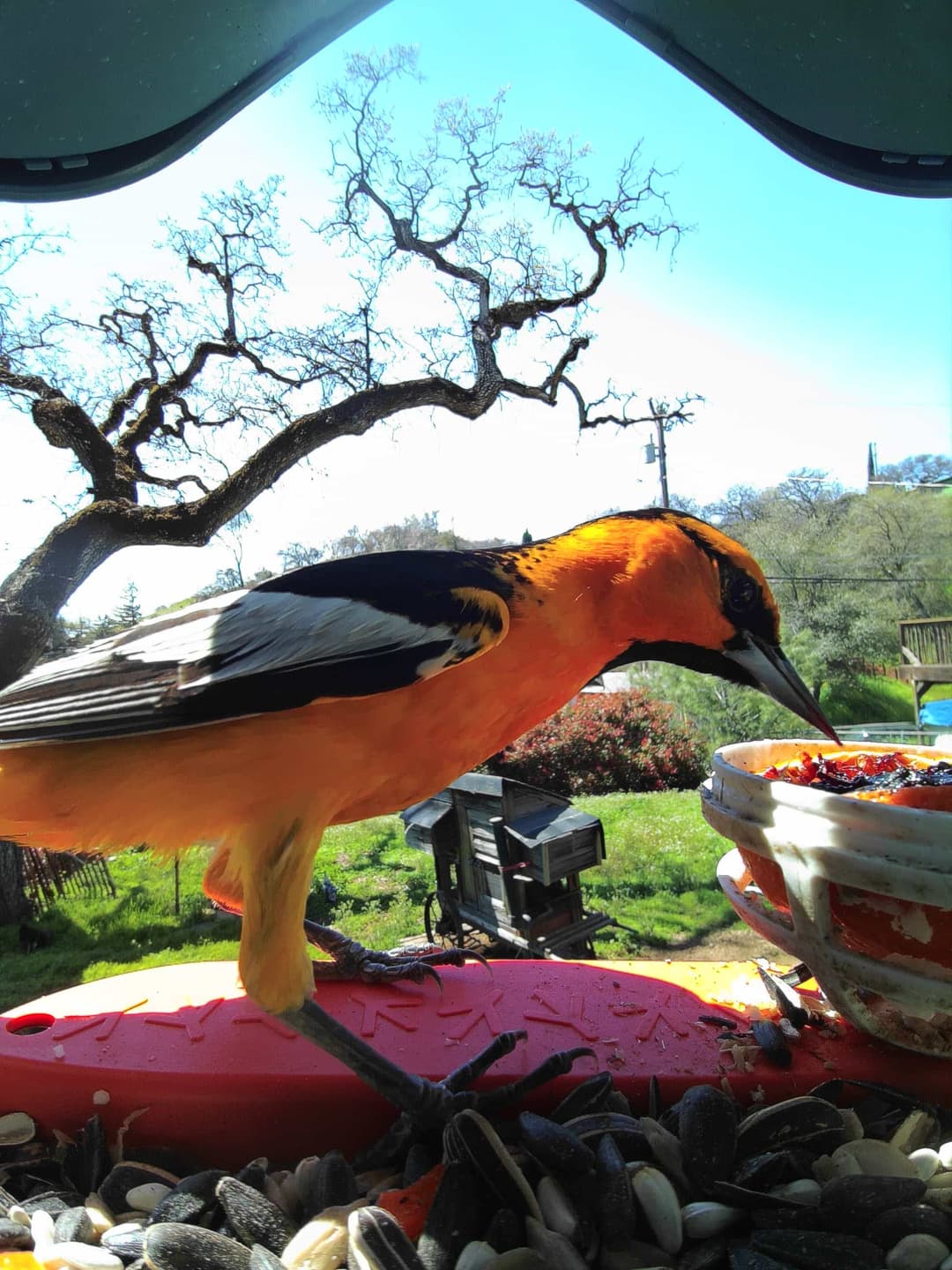
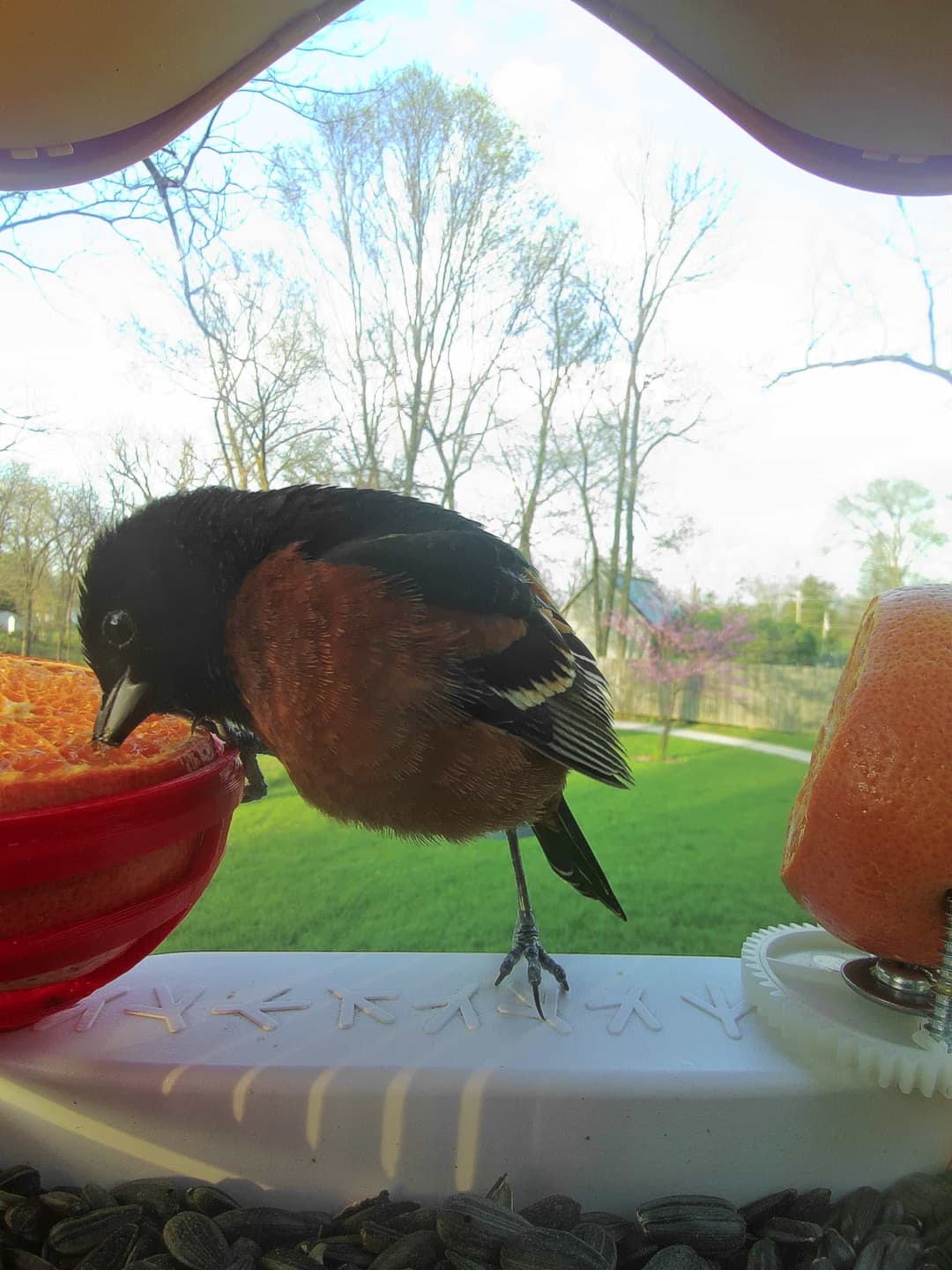
Variable Orioles exhibit striking coloration, primarily black and vibrant orange. Their physical traits include a relatively large size for an oriole, varying between 23-25 cm in length, a sturdy bill, and long tails. The wings and tail exhibit black color with white wings bars and edges.
Male vs female
Both males and females boast a vivid orange back, rump, and undertail, however, males often exhibit a darker, burnt orange compared to females. The wings are predominantly black in both sexes with the male having more extensive black on its underside. The female's underside is mainly orange whilst the male is largely black.
Juvenile
The juveniles are more modest in their coloration. They are primarily olive-brown with indistinct streaking on their underside. They lack the striking orange and black contrast of the adults till they mature to attain the full bright plumage.
Size
7.5 - 8.3 in/1.0 - 1.3 oz
There's more to learn about Variable Oriole
View full detailsHooded Oriole
Icterus cucullatus
General appearance
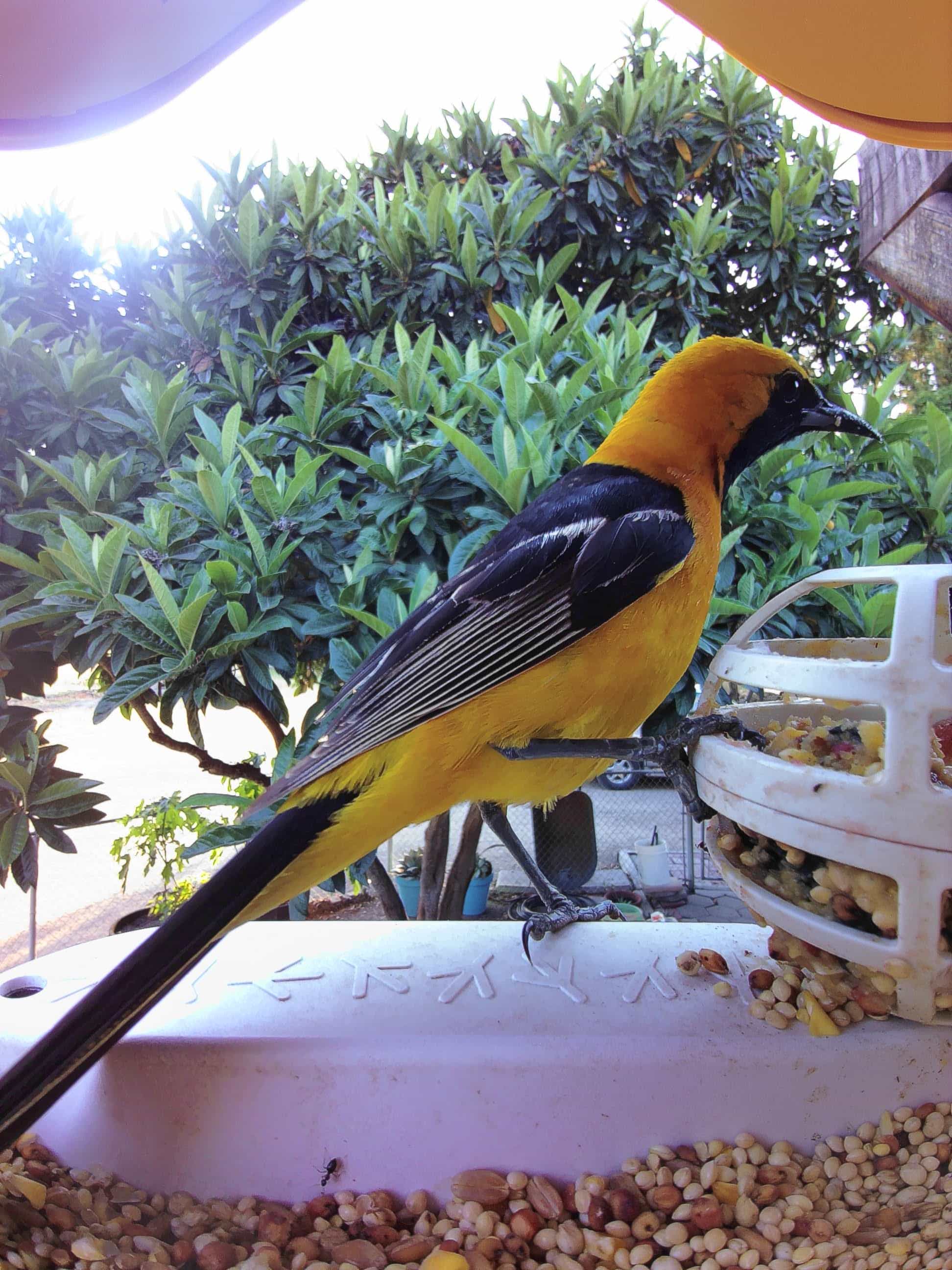
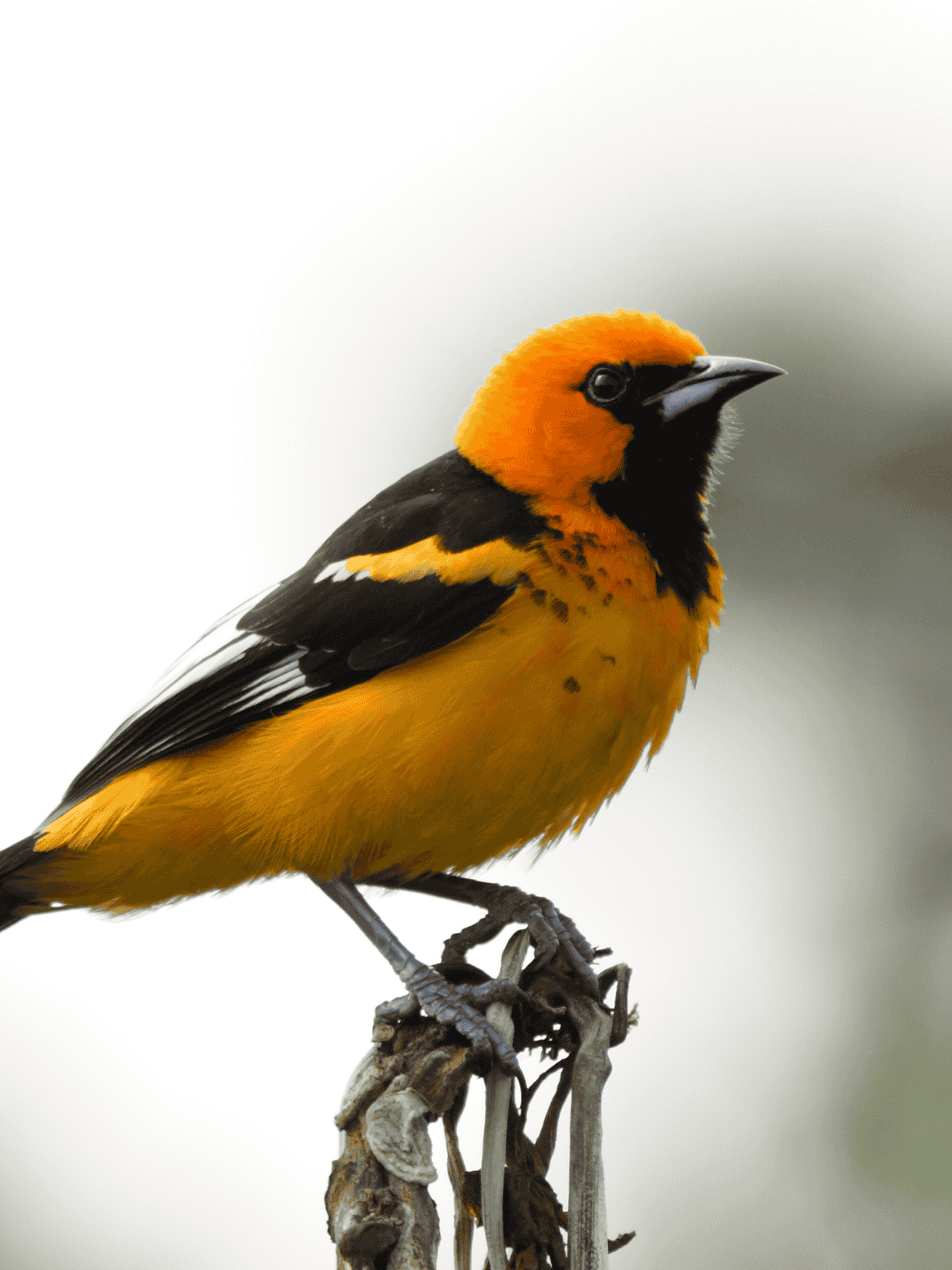
Hooded orioles are slender songbirds with long tails and slightly curved bills. They display a vibrant combination of orange-yellow and black, with distinctive hood-like coloring on the head and neck. The wings and back are predominantly black, creating a stark contrast with their bright bodies.
Male vs female
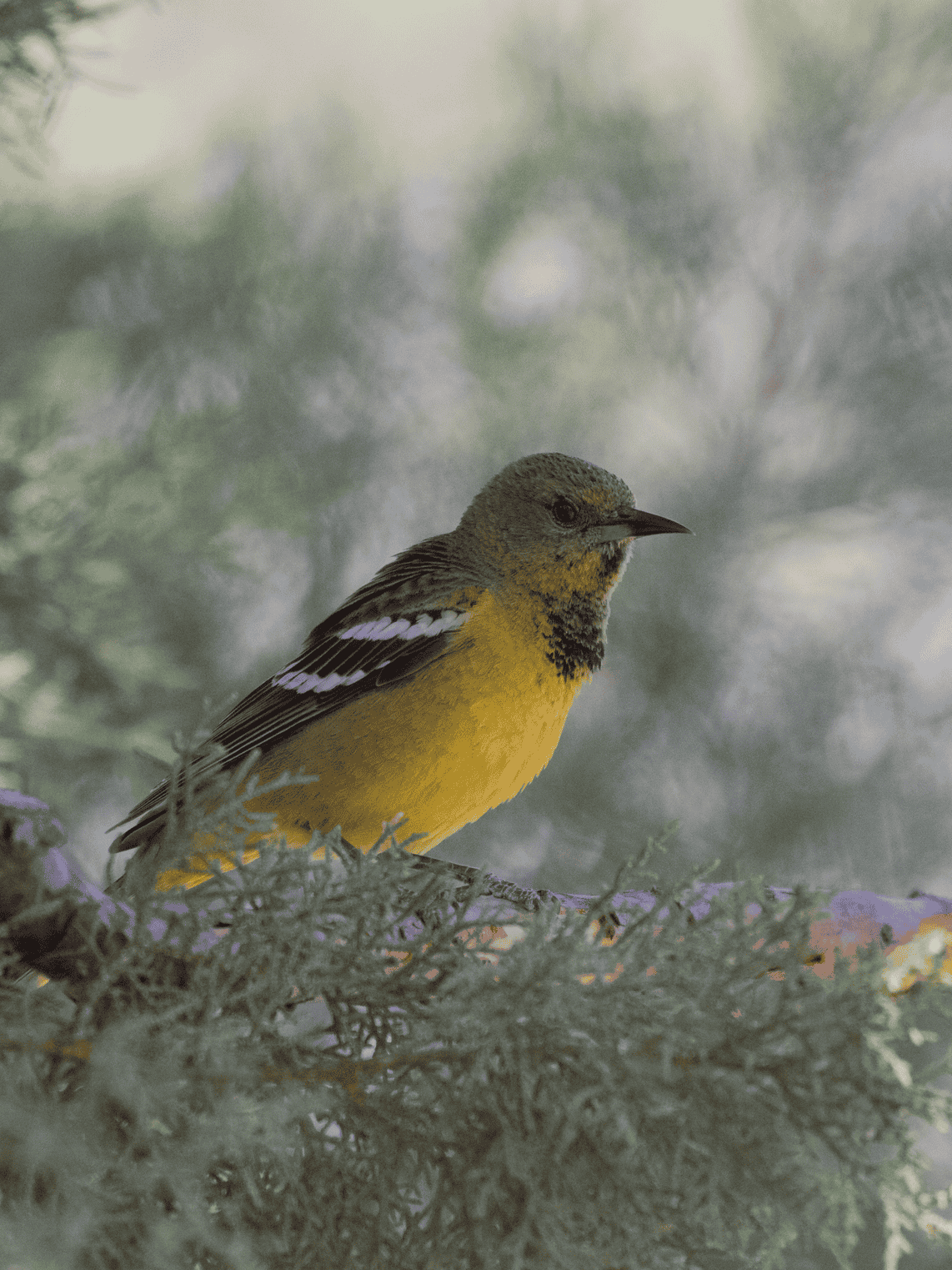
Male hooded orioles showcase a brighter orange-yellow color overall and have a more pronounced black cap and throat. Females are generally yellow to olive-yellow without the bold black markings found on males. They may exhibit some subtle grayish patterns on their wings, distinguishing them from juvenile males.
Juvenile
Juvenile hooded orioles resemble females in coloration with a yellowish-olive appearance. However, they can be distinguished by a slightly duller hue and inconsistently developed black facial markings. As they mature, young males gradually acquire brighter plumage and the distinctive black hood.
Size
7.1 - 7.9 in/0.7 - 1.2 oz
There's more to learn about Hooded Oriole
View full detailsHow to tell the Variable Oriole from the Hooded Oriole
Visual differences
The Variable Oriole is larger, measuring 7.5-8.3 inches with a stout bill, mainly black plumage with vibrant orange and chestnut shoulders. Males have extensive black undersides. In contrast, the Hooded Oriole is slightly smaller at 7.1-7.9 inches with a slender, curved bill. It has a distinctive orange-yellow hood and contrasting black wings. Males feature a black cap and throat, while females have yellow to olive-yellow bodies. Juveniles of both species are less vibrant, with Hooded Orioles displaying yellowish-olive tones and Variable Orioles showing olive-brown hues.
Key differences and behavior
The Variable Oriole and Hooded Oriole display distinct behavioral differences. Variable Orioles, often in large family groups, thrive in dense tropical habitats, including urban parks, while Hooded Orioles prefer open woods and palm groves, even in suburban areas. In courtship, Variable Orioles engage in complex song and aerial displays, whereas Hooded Orioles use ground displays with bows. Nesting habits differ: Variable Orioles build in tall trees using natural and man-made materials, while Hooded Orioles craft hanging nests from palm fronds. Both species feed on insects and fruits, but Variable Orioles also visit feeders for grape jelly. Hooded Orioles, known for athletic maneuvers, prefer sugar-water feeders. Variable Orioles, heavier and slightly larger, add a dash of vibrancy amid greenery, while Hooded Orioles elegantly navigate among palms.
Still not sure? Here are more lookalikes!
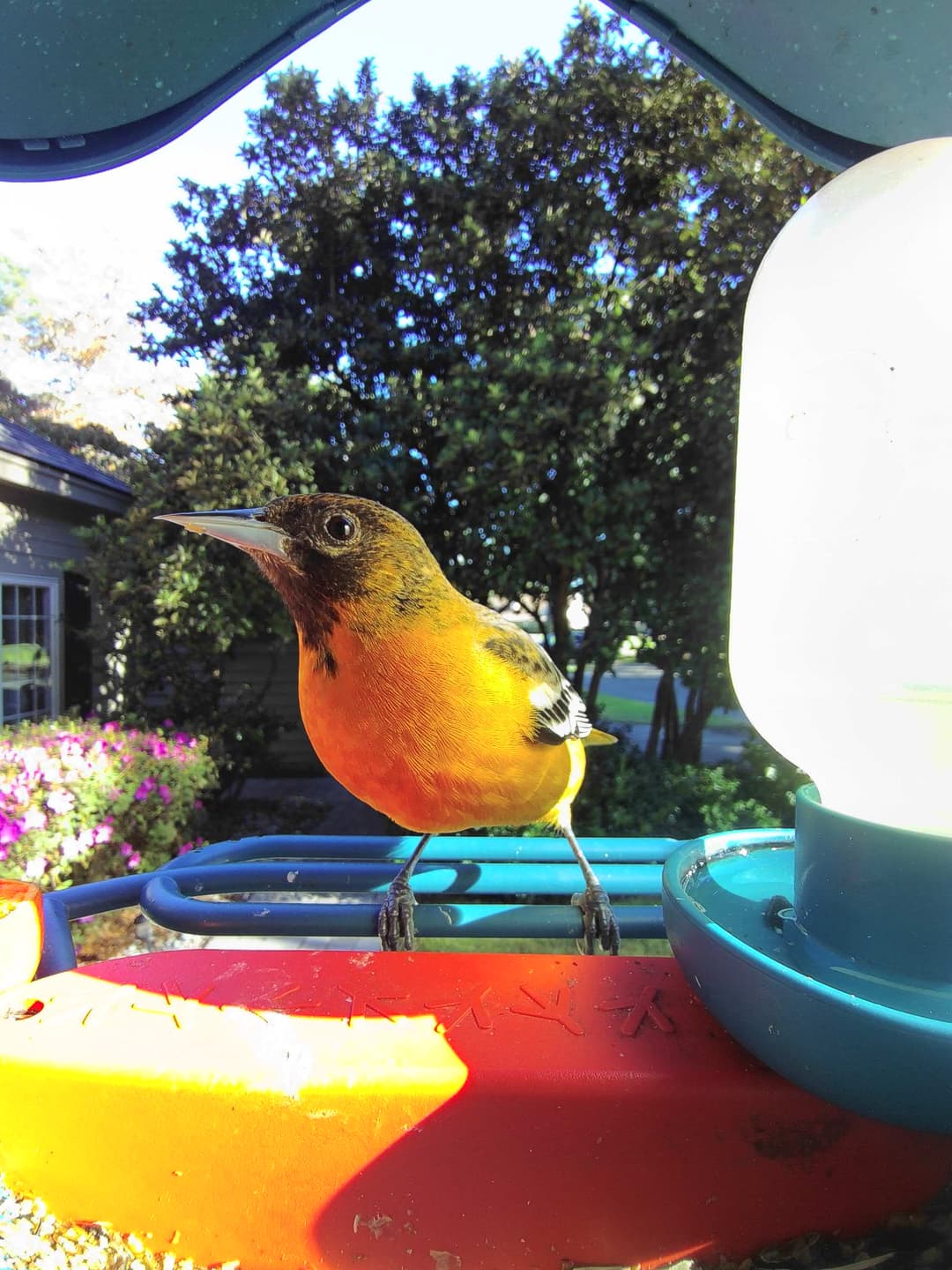
Variable Oriole vs Baltimore Oriole
Variable Oriole vs [Select a bird]

[Select a bird]
Pick a bird to compare
Hooded Oriole vs [Select a bird]
[Select a bird]
Pick a bird to compare