Variable Oriole or Spot-Breasted Oriole?
Here's how to tell the difference
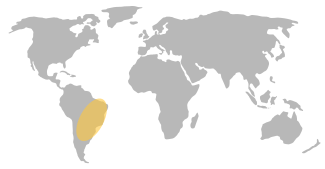



Variable Oriole
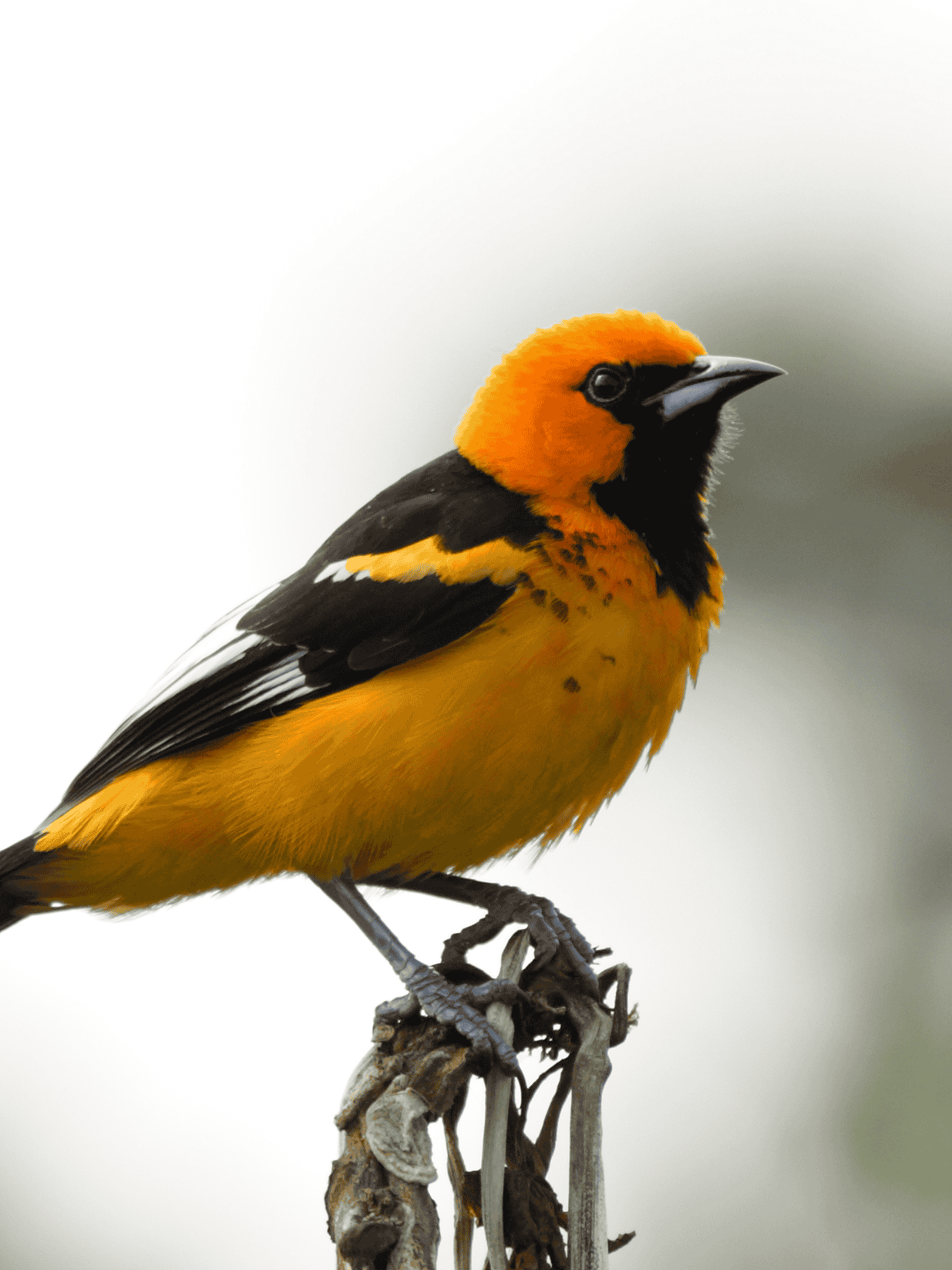


Spot-Breasted Oriole
Variable Oriole
Icterus pyrrhopterus
General appearance
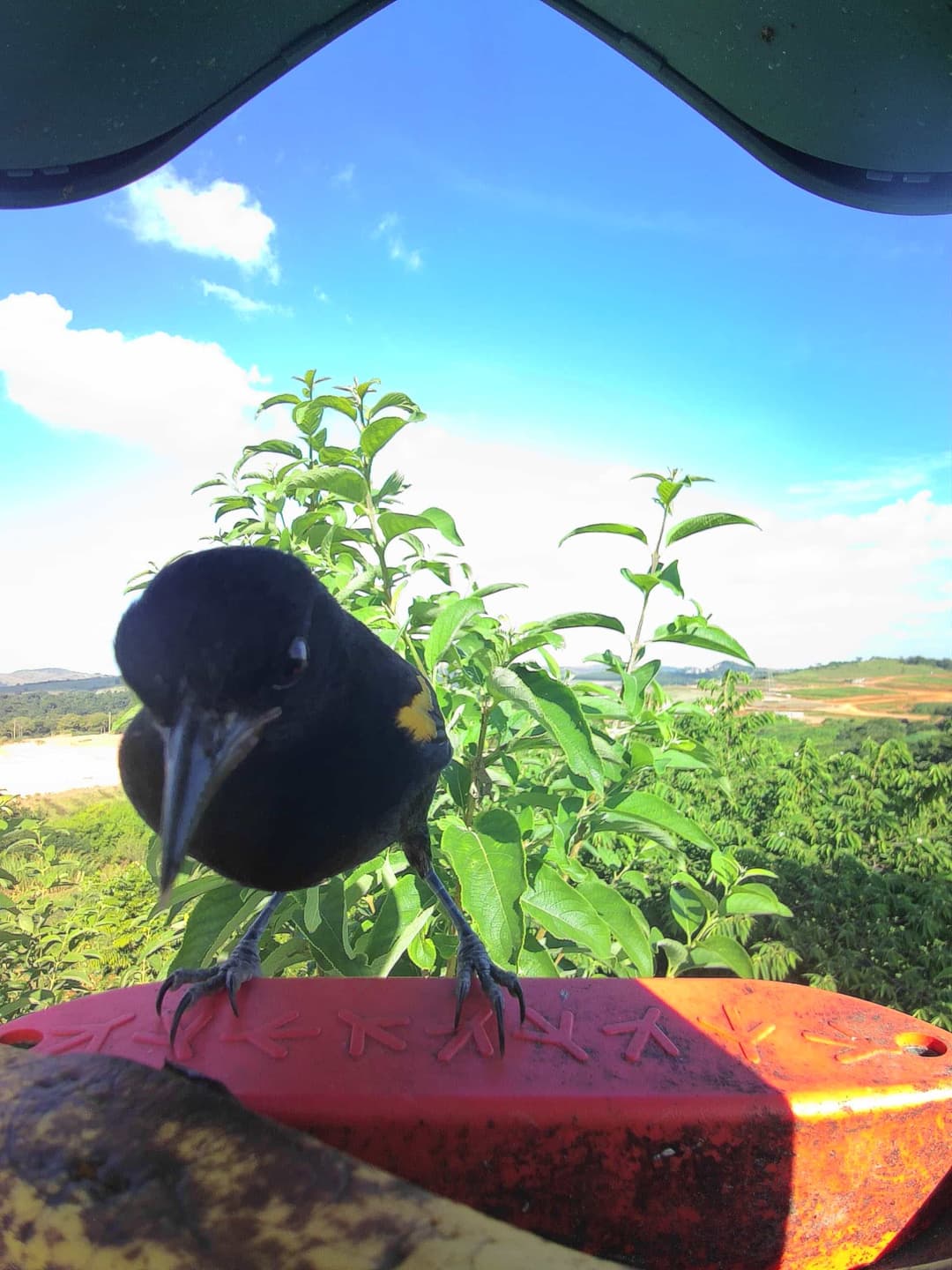
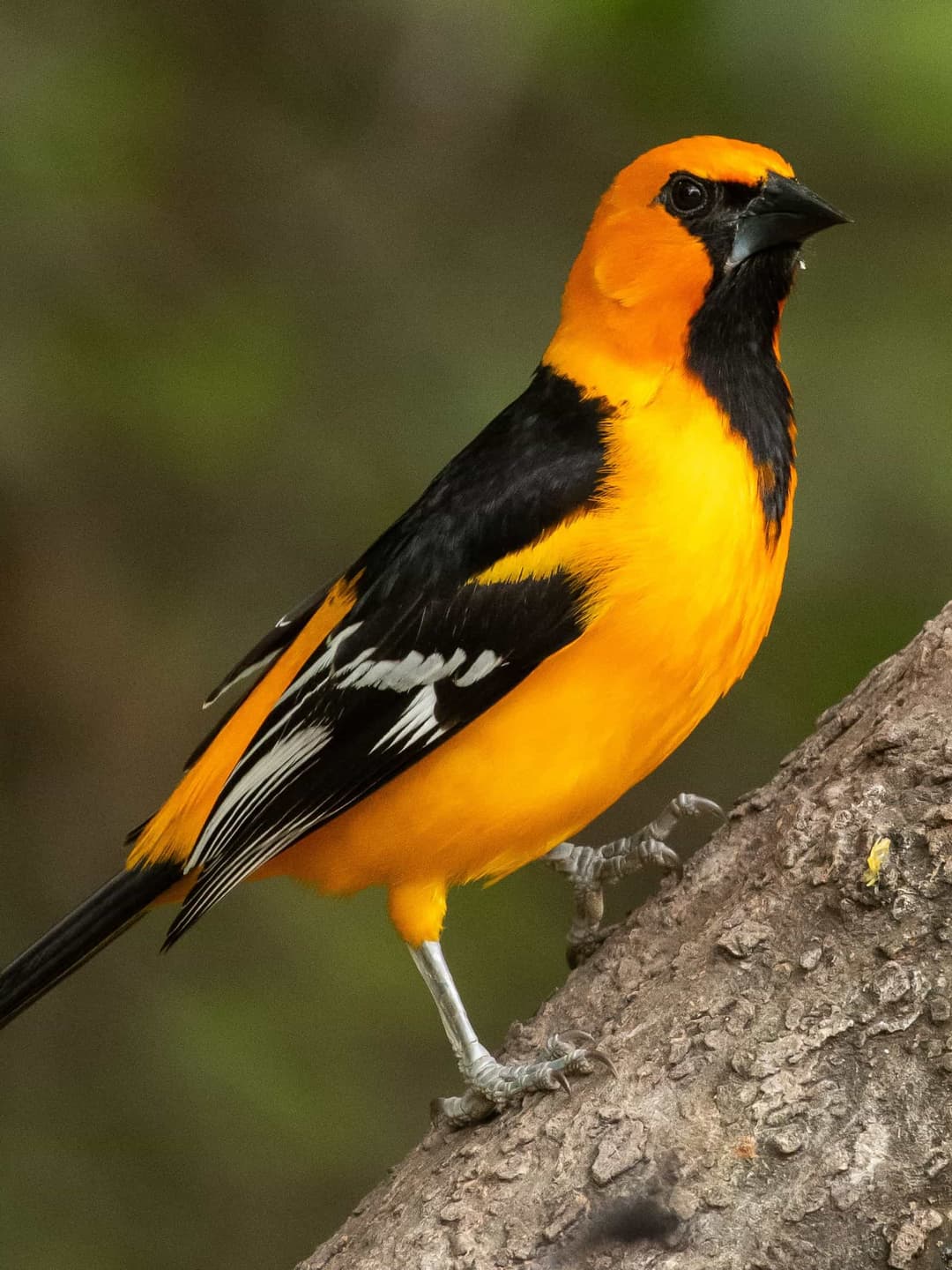
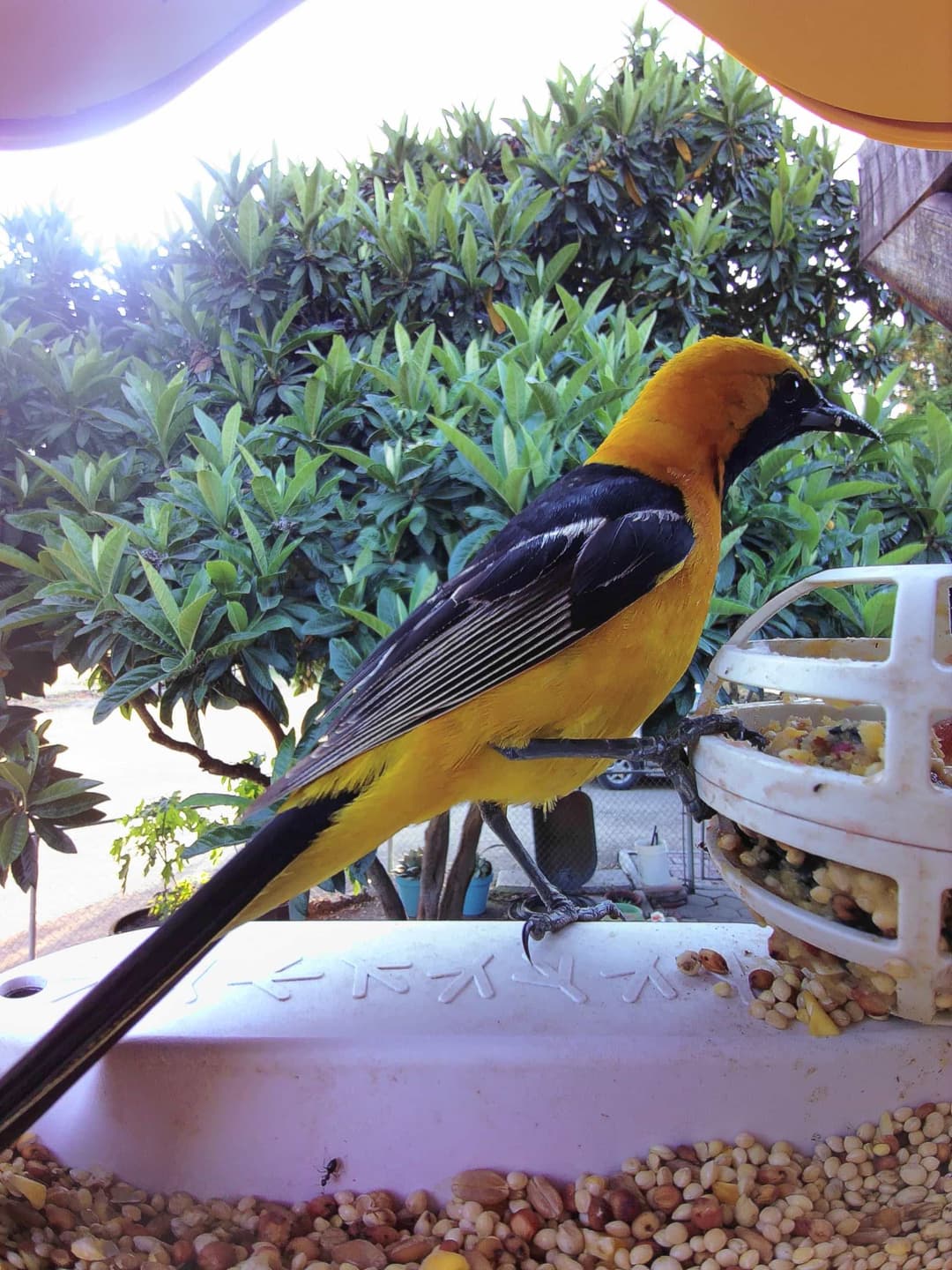
Variable Orioles exhibit striking coloration, primarily black and vibrant orange. Their physical traits include a relatively large size for an oriole, varying between 23-25 cm in length, a sturdy bill, and long tails. The wings and tail exhibit black color with white wings bars and edges.
Male vs female
Both males and females boast a vivid orange back, rump, and undertail, however, males often exhibit a darker, burnt orange compared to females. The wings are predominantly black in both sexes with the male having more extensive black on its underside. The female's underside is mainly orange whilst the male is largely black.
Juvenile
The juveniles are more modest in their coloration. They are primarily olive-brown with indistinct streaking on their underside. They lack the striking orange and black contrast of the adults till they mature to attain the full bright plumage.
Size
7.5 - 8.3 in/1.0 - 1.3 oz
There's more to learn about Variable Oriole
View full detailsSpot-Breasted Oriole
Icterus pectoralis
General appearance
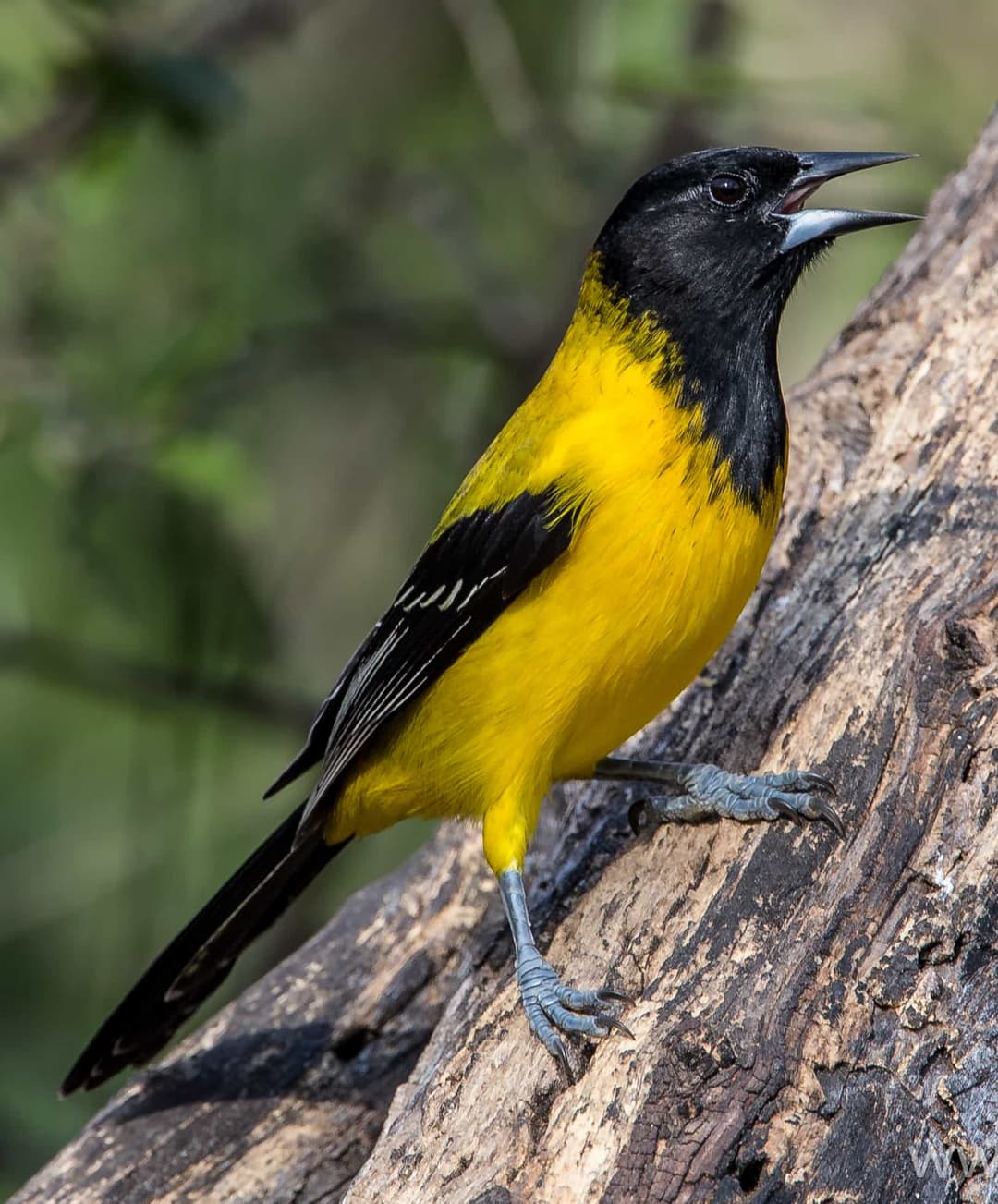
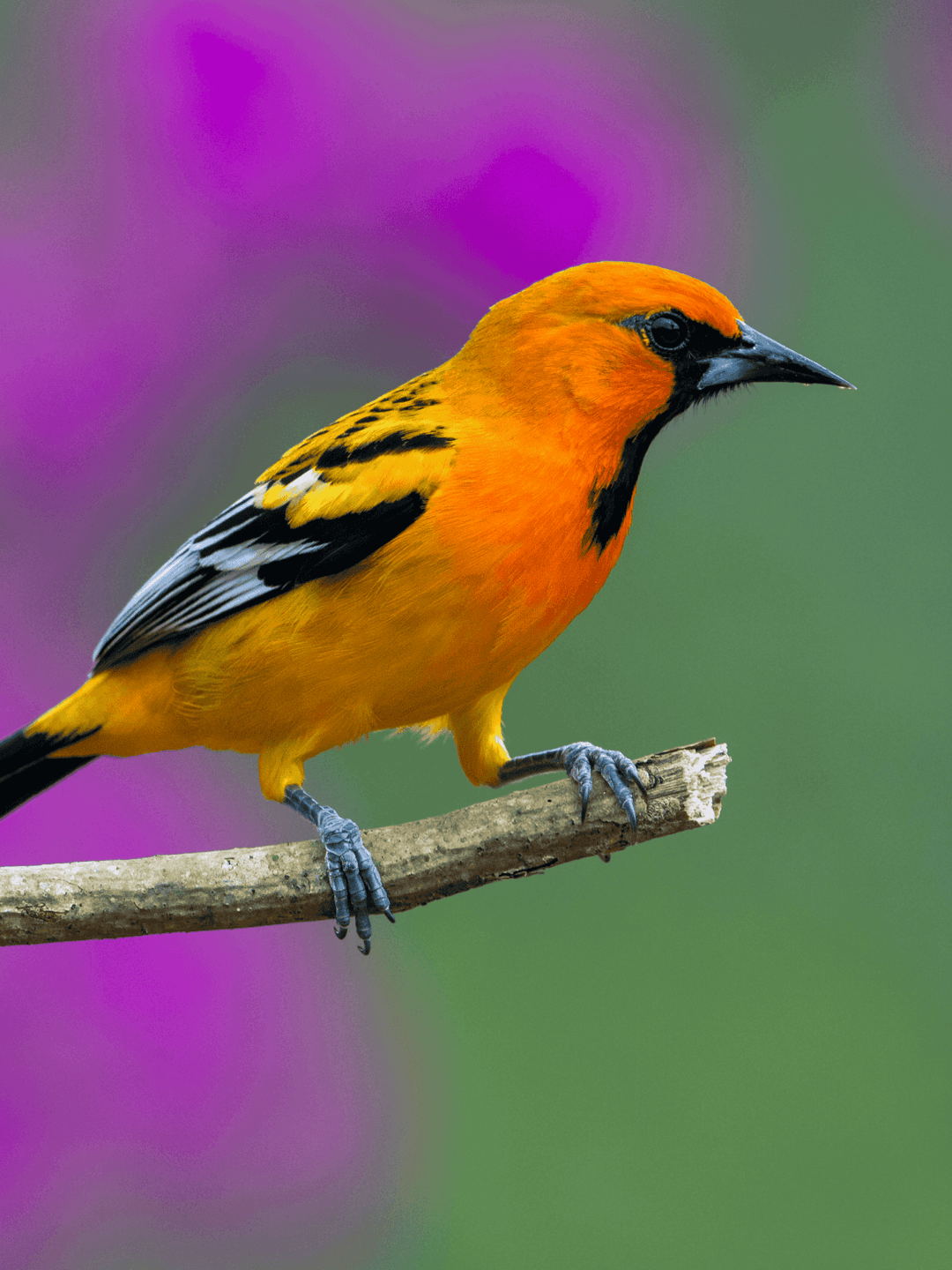
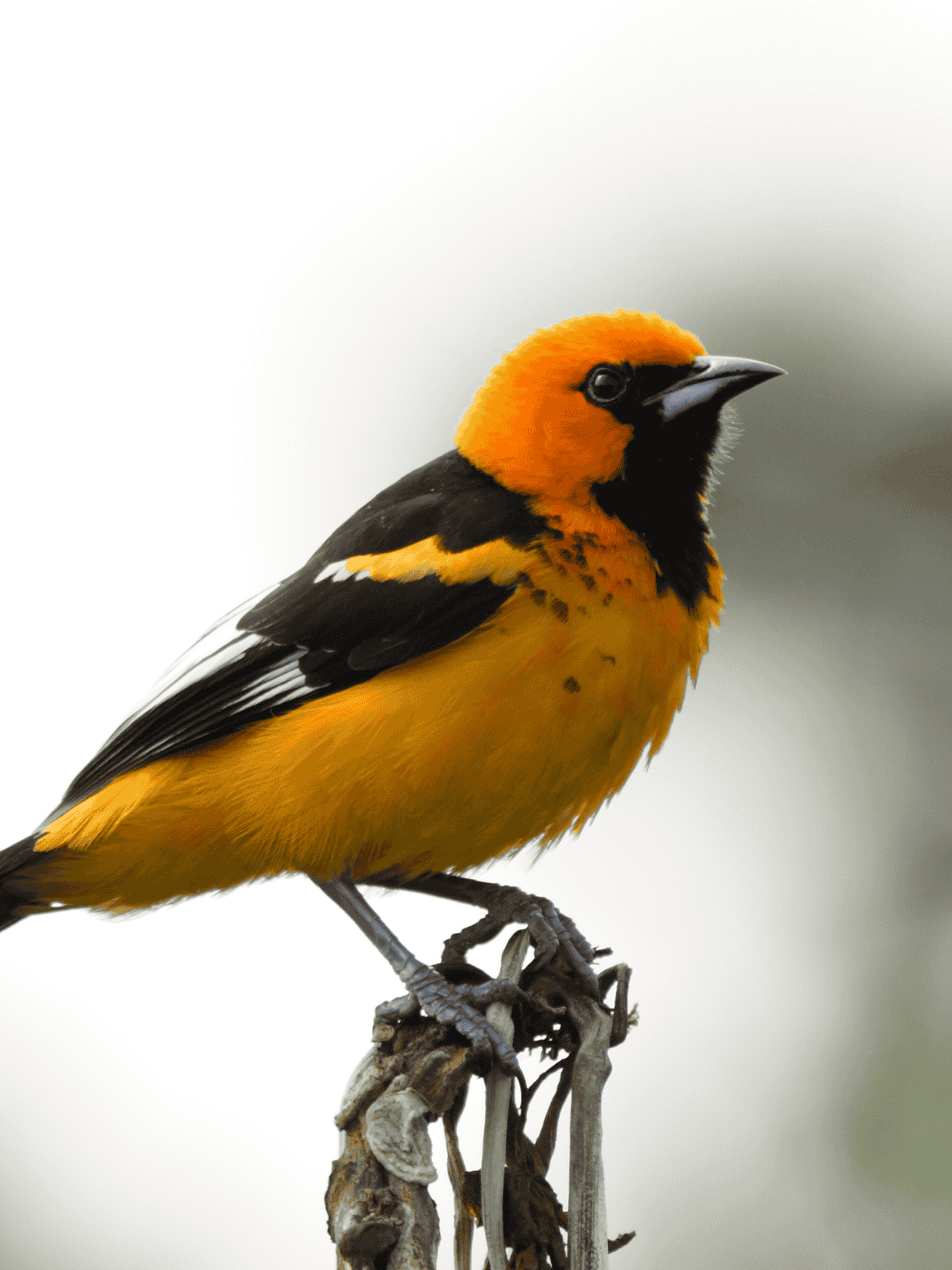
The Spot-breasted Oriole is a distinctive bird with a length of about 20 cm (8 inches). It is roughly the size of a robin. The species' standout features include a bright orange head, black throat, and spots on the sides of the chest. The black wings have generous amounts of white present, contributing to the bird's striking appearance. The bird's tail is both rounded and square-tipped, and the wings also possess a rounded shape.
Male vs female
The description does not specify any evident sexual dimorphism, meaning males and females look alike in terms of size and color. Both genders exhibit the same vibrant orange head and black throat features, as well as spots on the chest and significant amounts of white in their black wings.
Juvenile
Juveniles present a starkly different appearance compared to adults. When first hatched, they are all dull yellow in color. They lack the adult's distinctive spots and vibrant colors. As they mature, they gradually gain the distinctive adult markings, but are initially duller in colour.
Size
8.3 - 9.4 in/1.6 - 1.9 oz
There's more to learn about Spot-Breasted Oriole
View full detailsHow to tell the Variable Oriole from the Spot-Breasted Oriole
Visual differences
The Variable Oriole, slightly smaller at 7.5-8.3 inches, flaunts a vivid orange rump, back, and undertail with a predominantly black underside in males. It features chestnut shoulder patches and white wing bars. In contrast, the Spot-Breasted Oriole, about 8 inches, displays a bright orange head with distinctive black throat spots and heavily white-marked black wings. Both sexes are alike. The Spot-Breasted Oriole's rounded tail contrasts with the Variable's longer tail, and the former is slightly bulkier at 1.6-1.9 ounces compared to the Variable's 1-1.3 ounces.
Key differences and behavior
The Variable Oriole (Icterus pyrrhopterus) often inhabits lush jungles and urban areas, forming large family groups, while the Spot-Breasted Oriole (Icterus pectoralis) prefers suburban environments and spends time in smaller family units. Both species engage in elaborate courtship with males displaying plumage and song, but Spot-Breasted Orioles also utilize calls and chasing. Variable Orioles nest in tall trees using grasses and man-made materials, whereas Spot-Breasted Orioles choose secluded spots near water. In terms of diet, both species consume insects and fruits, but Spot-Breasted Orioles focus more on berries and nectar. At feeders, both enjoy sweet offerings like fruits and sugar water. Variable Orioles are smaller (0.9-1.2 oz, 7.5-8 inches) than Spot-Breasted Orioles (1.6-1.9 oz, 8-9.5 inches).
Still not sure? Here are more lookalikes!
Variable Oriole vs Baltimore Oriole
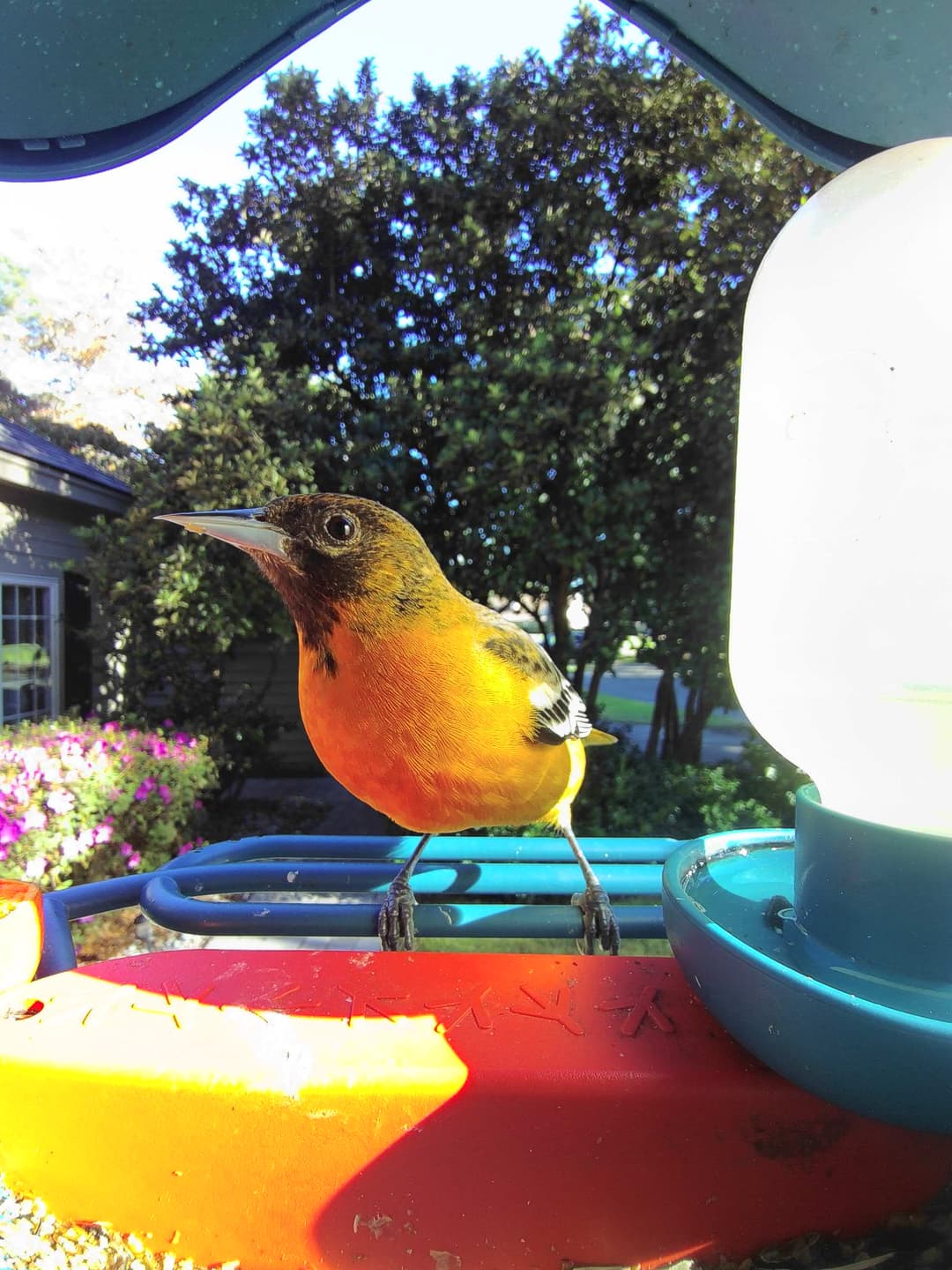
Spot-Breasted Oriole vs Baltimore Oriole
Variable Oriole vs [Select a bird]

[Select a bird]
Pick a bird to compare
Spot-Breasted Oriole vs [Select a bird]
[Select a bird]
Pick a bird to compare