Variable Oriole or Audubon’s Oriole?
Here's how to tell the difference
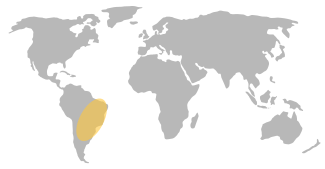


Variable Oriole

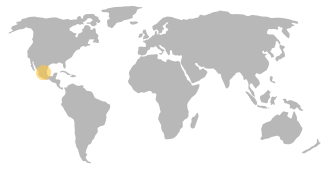
Audubon’s Oriole
Variable Oriole
Icterus pyrrhopterus
General appearance
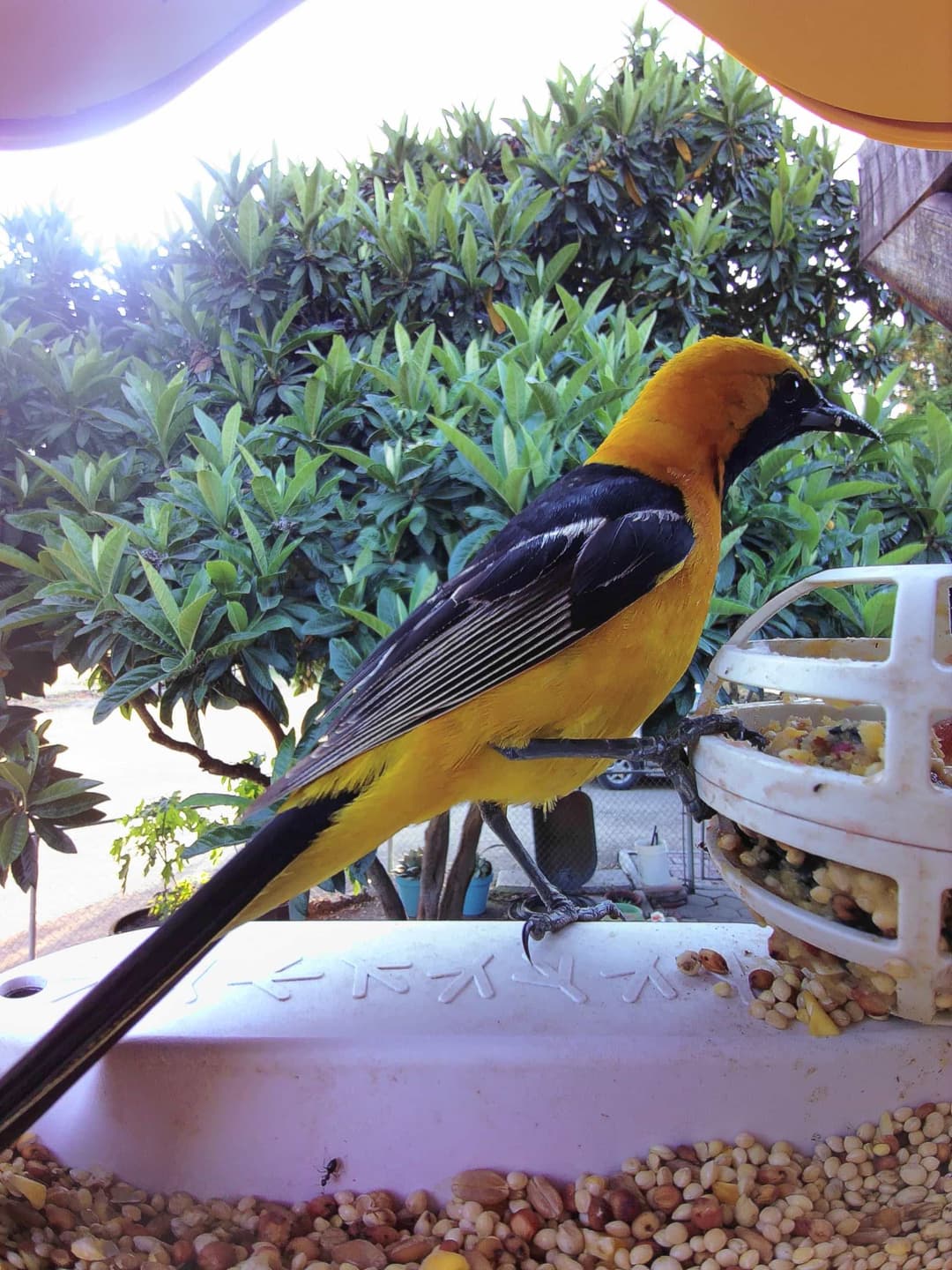
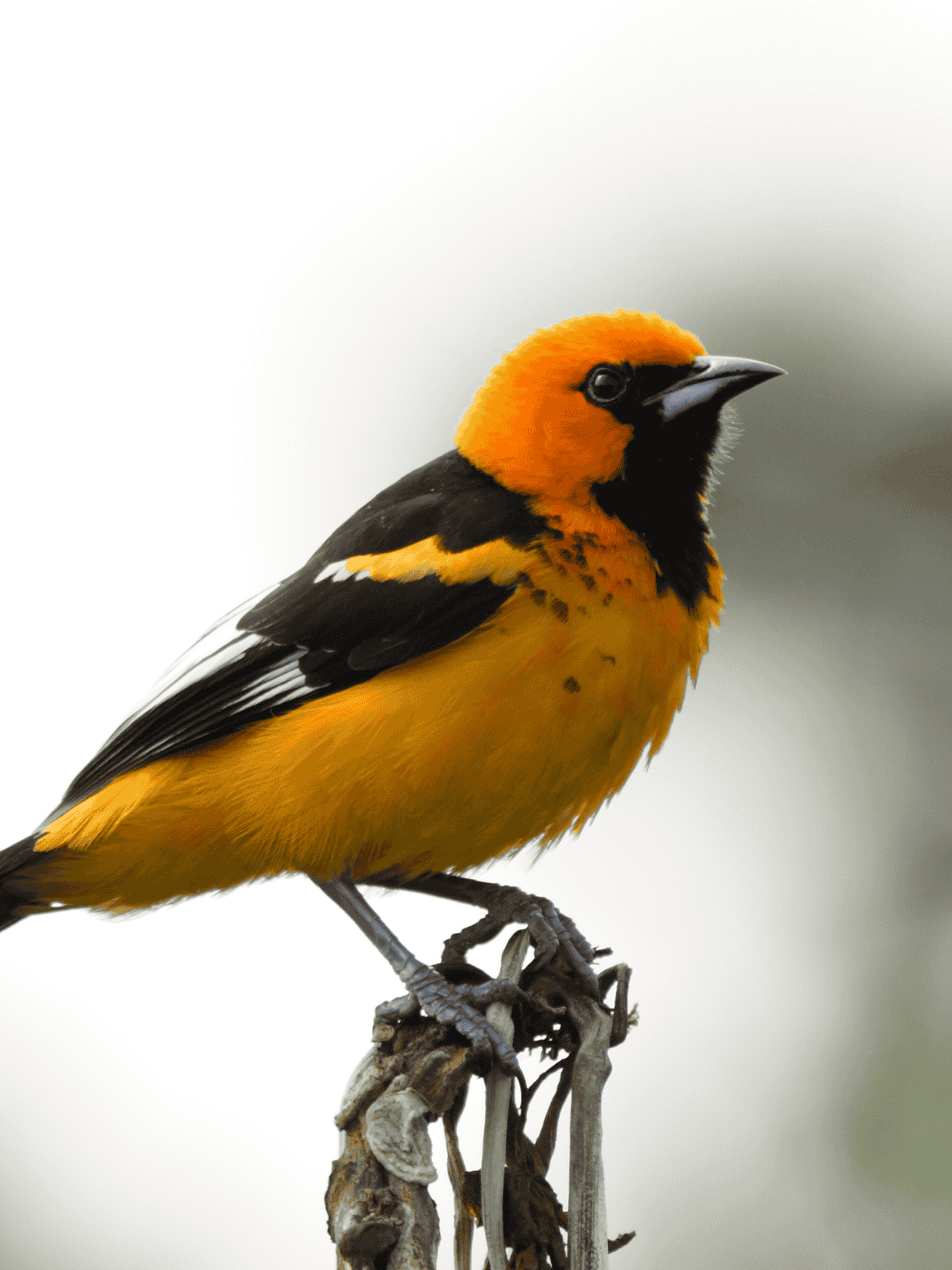
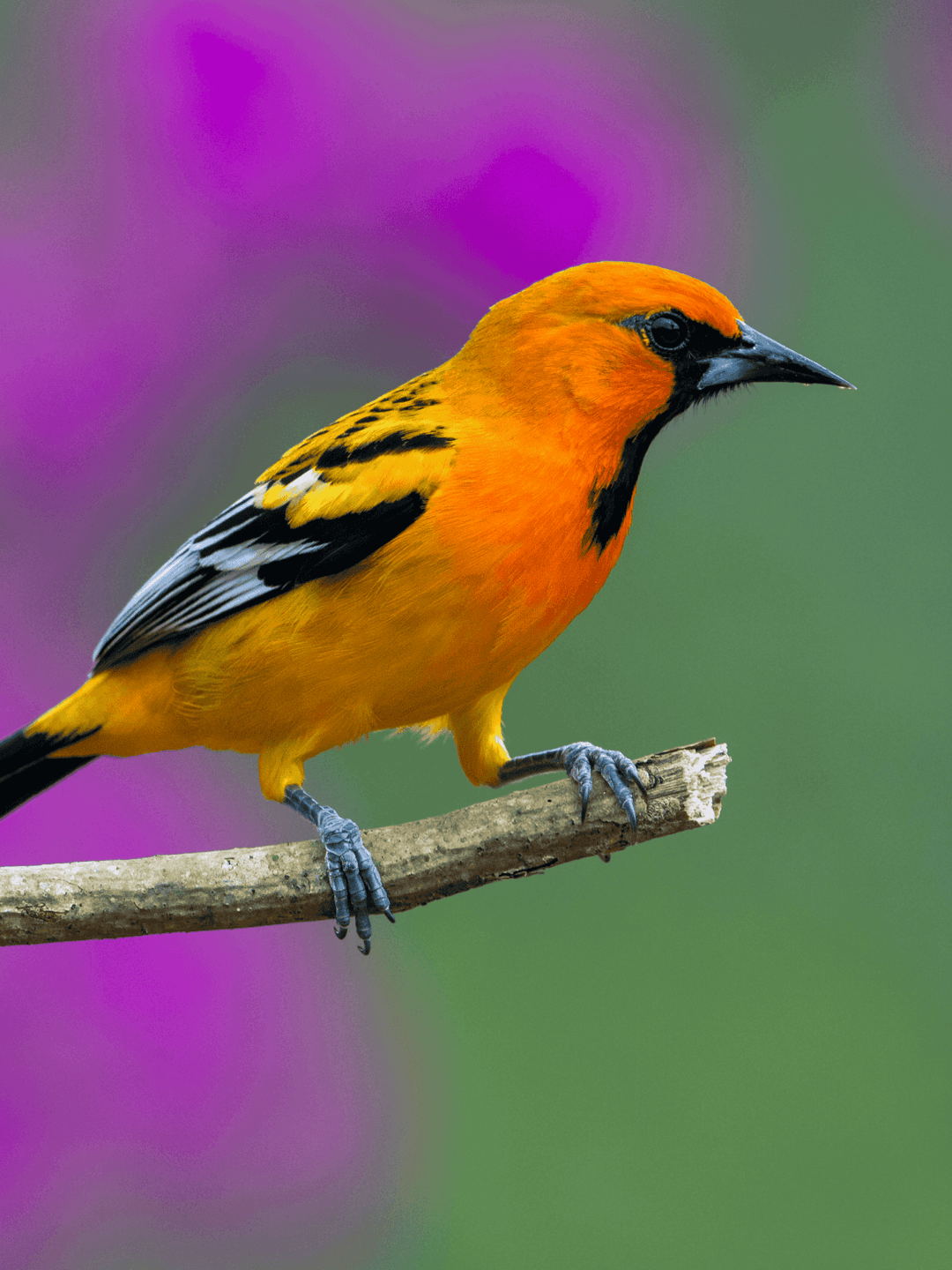
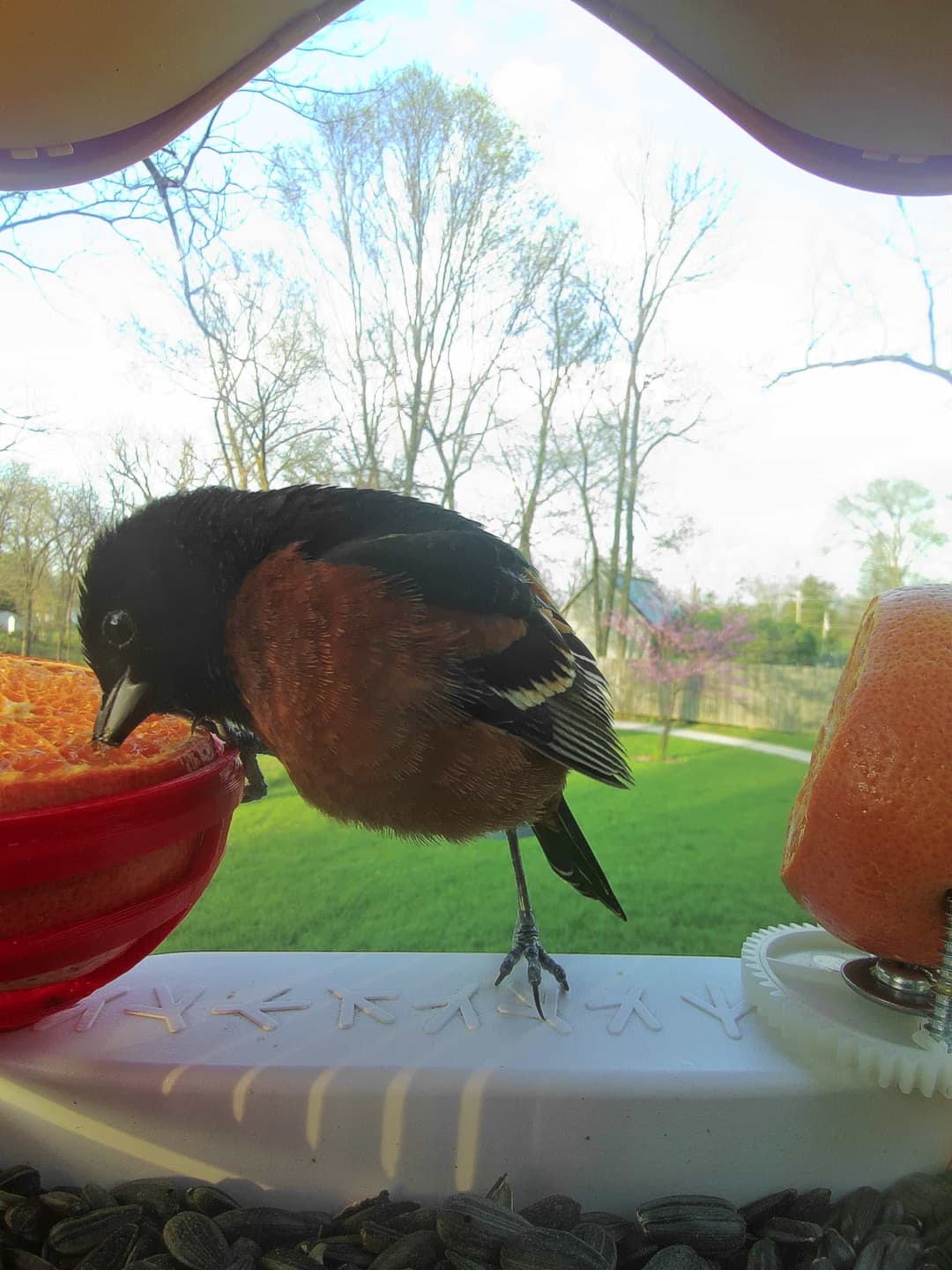
Variable Orioles exhibit striking coloration, primarily black and vibrant orange. Their physical traits include a relatively large size for an oriole, varying between 23-25 cm in length, a sturdy bill, and long tails. The wings and tail exhibit black color with white wings bars and edges.
Male vs female
Both males and females boast a vivid orange back, rump, and undertail, however, males often exhibit a darker, burnt orange compared to females. The wings are predominantly black in both sexes with the male having more extensive black on its underside. The female's underside is mainly orange whilst the male is largely black.
Juvenile
The juveniles are more modest in their coloration. They are primarily olive-brown with indistinct streaking on their underside. They lack the striking orange and black contrast of the adults till they mature to attain the full bright plumage.
Size
7.5 - 8.3 in/1.0 - 1.3 oz
There's more to learn about Variable Oriole
View full detailsAudubon’s Oriole
Icterus graduacauda
Also known as: Black-Headed Oriole
General appearance
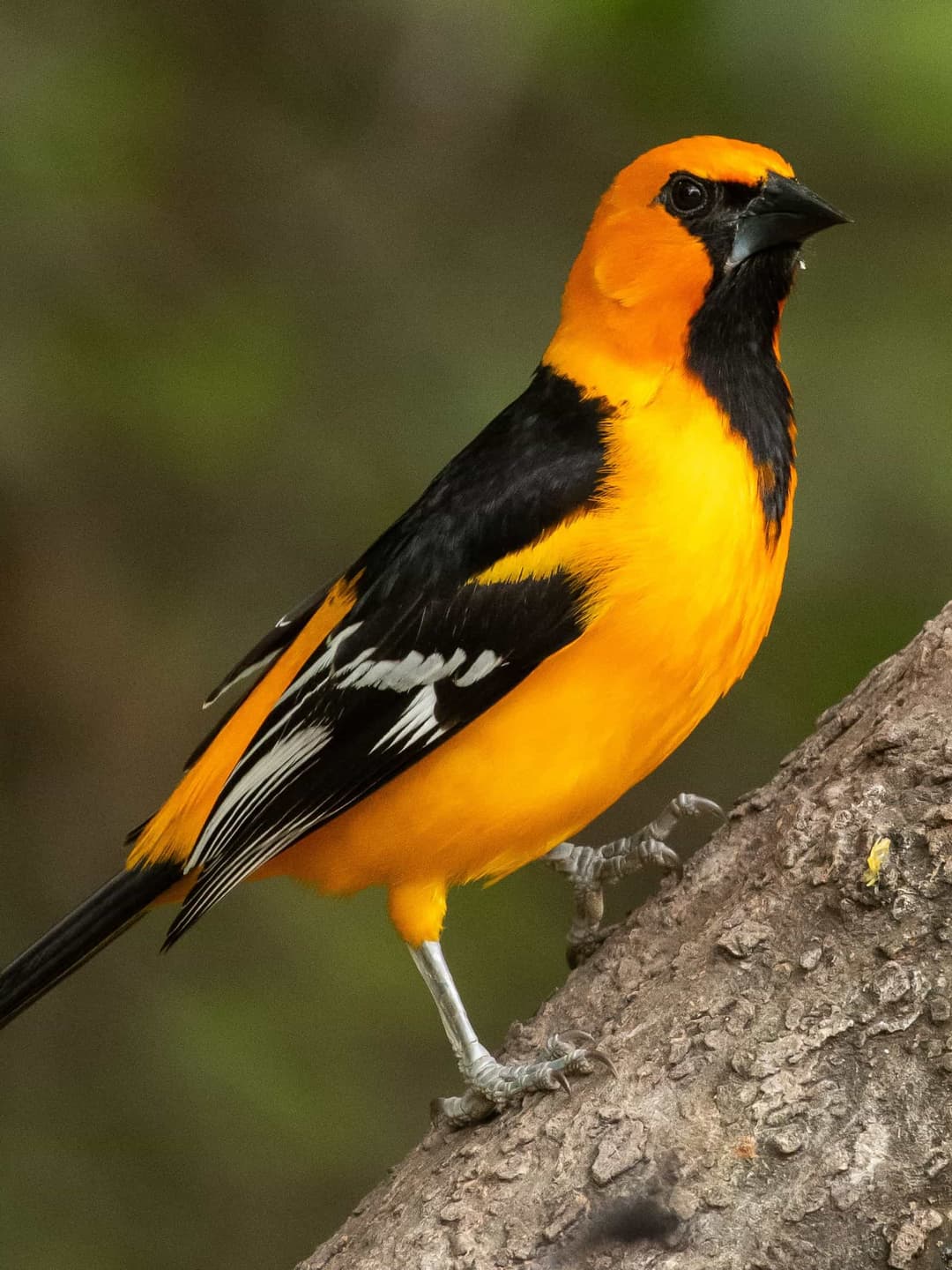
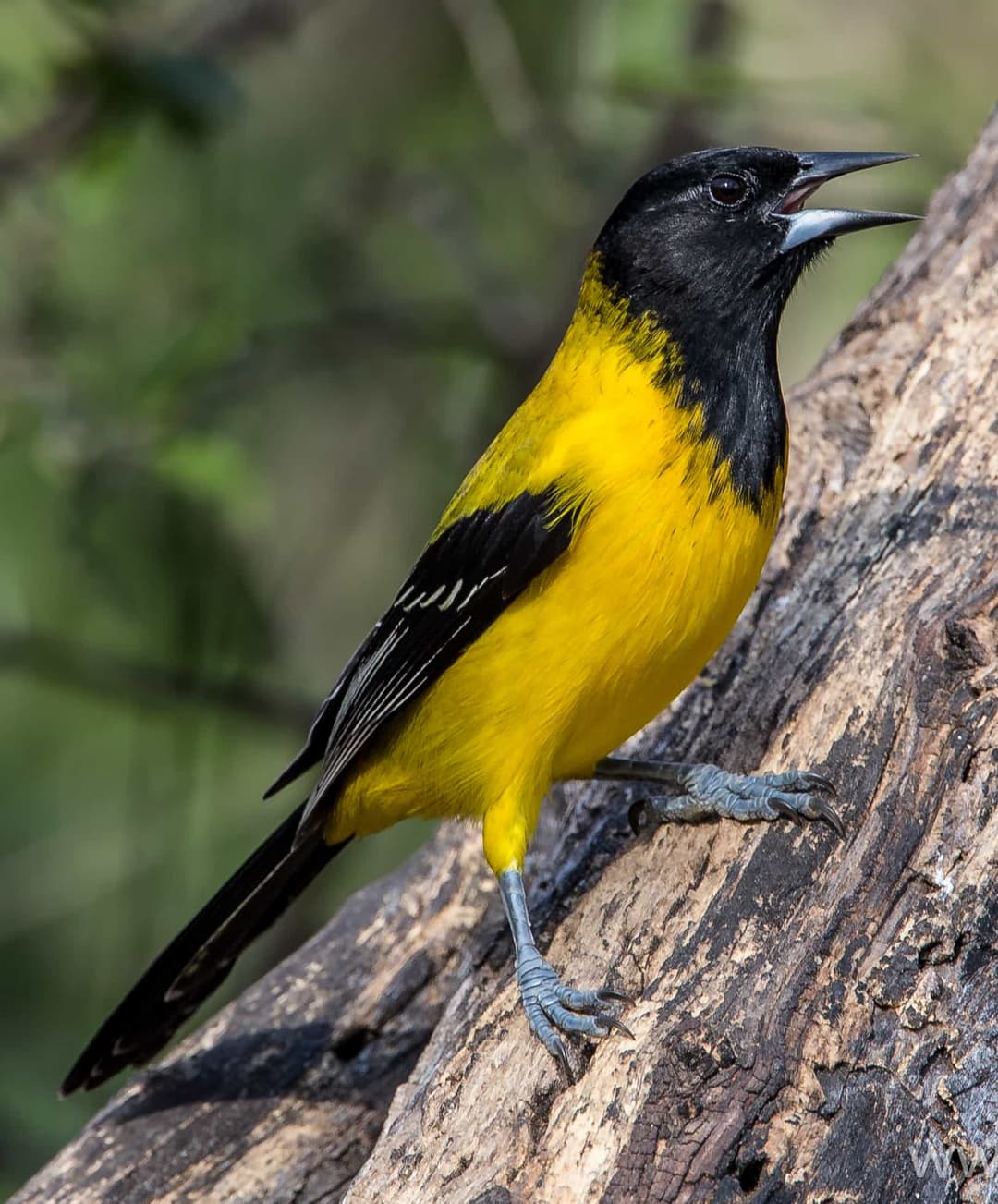
The Audubon’s oriole is a medium-sized bird approximately the size of a Robin or 9 1/2 inches (24 cm) in length. Its most distinct feature is the stark contrast of colors with a solid black hood, black tail and mostly black wings against a yellow-green back. The bird's wing and tail shapes are rounded with a wedge-like appearance
Male vs female
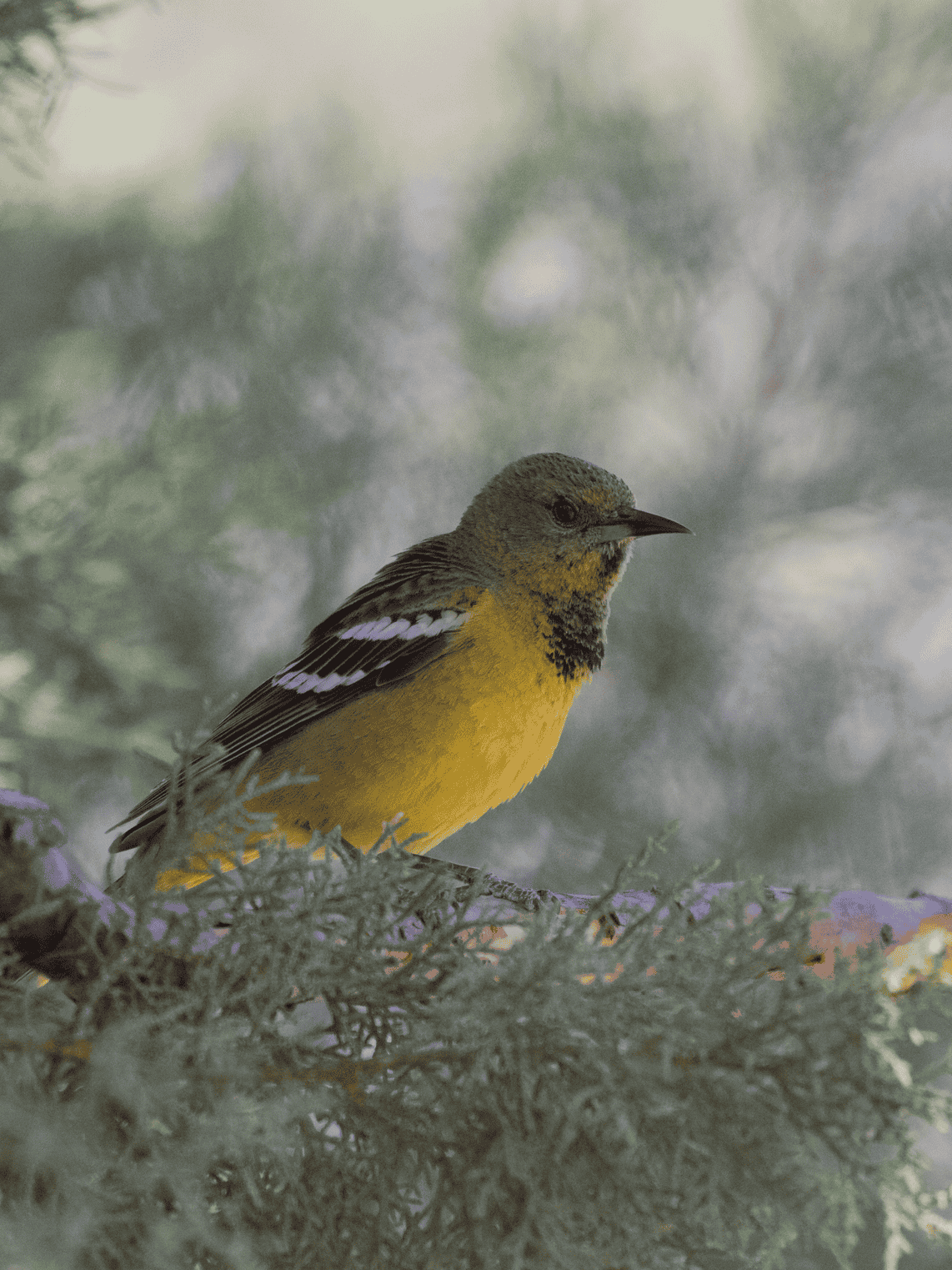
Male and female Audubon’s orioles share similar coloration, but the female is slightly duller than the male. Notwithstanding, they both bear the distinctive yellow-green back strongly contrasting with their black regions.
Juvenile
Young Audubon’s orioles present a much duller color scheme than adults, mainly lacking the solid black found on mature birds. Over time, their plumage develops to resemble that of adults, thus indicating sexual maturity.
Size
7.5 - 9.4 in/1.1 - 1.8 oz
There's more to learn about Audubon’s Oriole
View full detailsHow to tell the Variable Oriole from the Audubon’s Oriole
Visual differences
The Variable Oriole (Icterus pyrrhopterus) features a vivid orange and black plumage, with chestnut shoulder pads, a sturdy bill, and black wings with white bars. It measures 7.5 to 8.3 inches in length. In contrast, Audubon's Oriole (Icterus graduacauda) displays distinct black hoods and tails with a yellow-green back, rounded wings, and a wedge-like tail, measuring about 9.5 inches in length. Both sexes in each species are similar in coloration, with Audubon's having a duller shade in females and juveniles of both species less vibrant.
Key differences and behavior
Variable Orioles and Audubon's Orioles exhibit distinct behavioral differences useful for field identification. Variable Orioles, often found in tropical jungles and urban parks, are social, often forming large family groups of up to 30 birds. They engage in aerial courtship displays and are adaptable to various habitats. Their diet includes insects, fruits, and nectar, with a preference for sweet offerings at feeders. Conversely, the shyer Audubon's Orioles reside in woodlands and thickets, particularly in southern Texas and Mexico. Pairs may remain together year-round, and they often fall prey to nest parasitism from Bronzed Cowbirds. Their diet also consists of insects and berries, and they enjoy duetting. Both orioles frequent bird feeders for fruits and nectar but differ in social behavior and habitat preference.
Still not sure? Here are more lookalikes!
Variable Oriole vs Baltimore Oriole
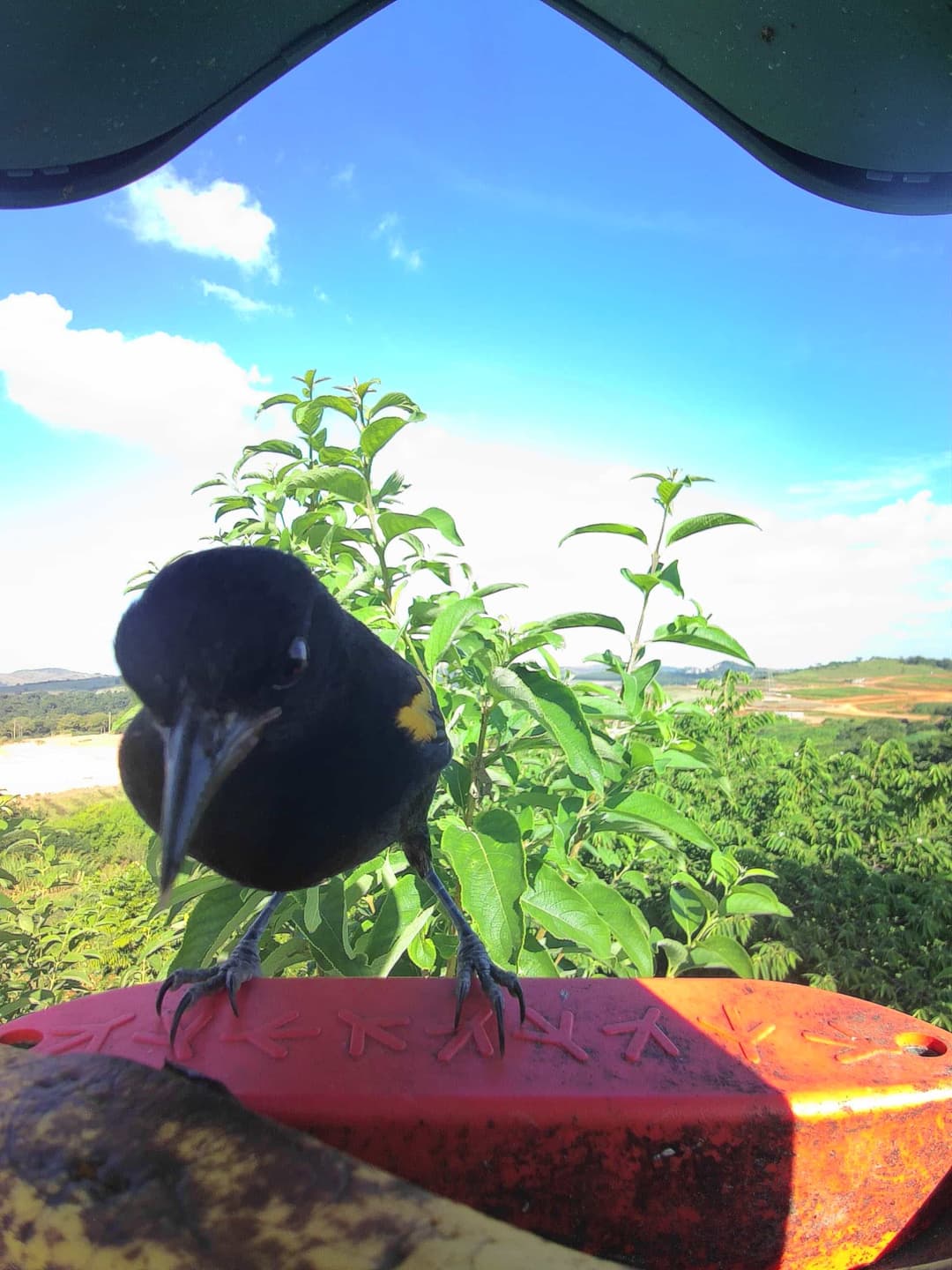
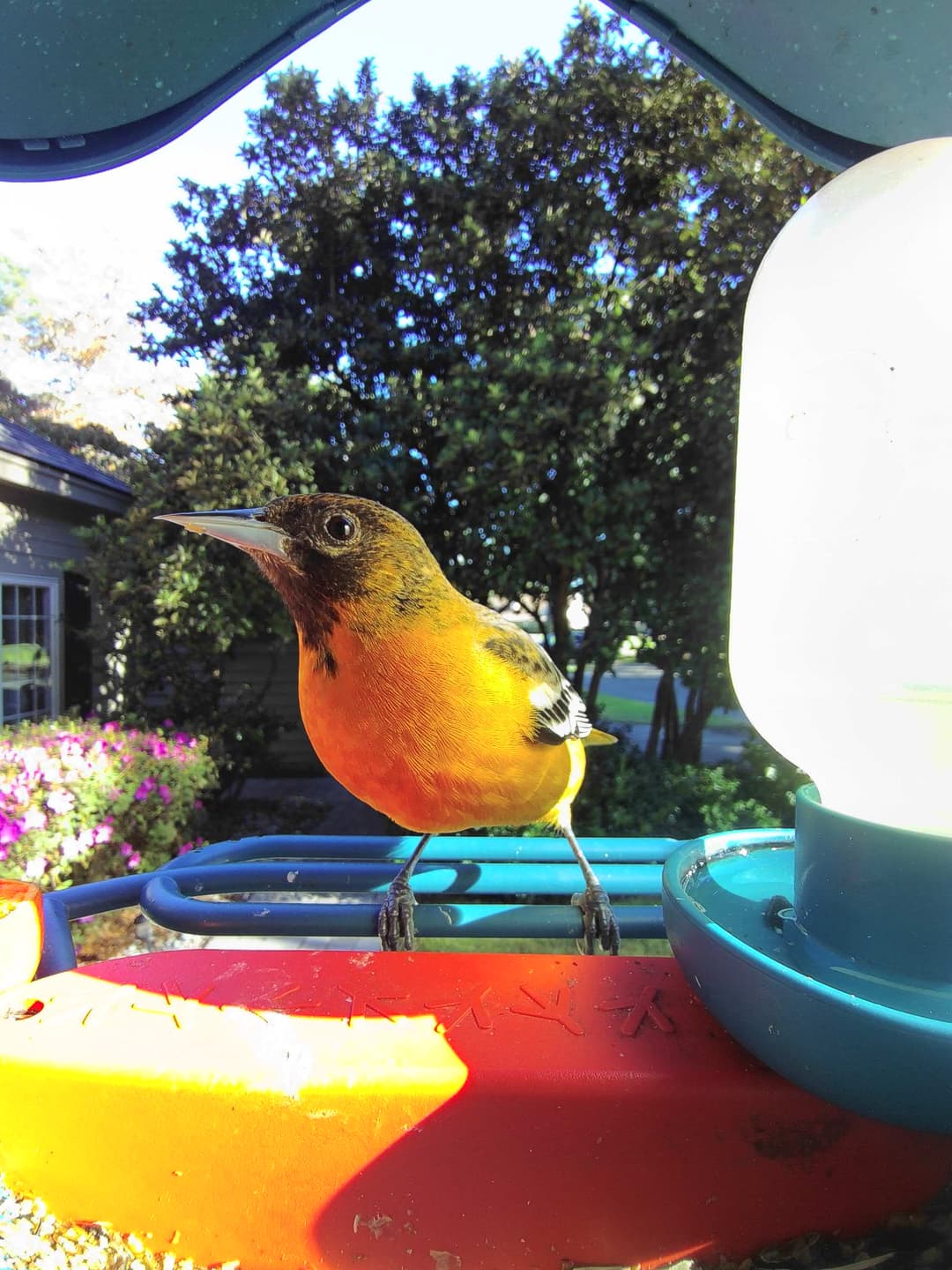
Variable Oriole vs [Select a bird]

[Select a bird]
Pick a bird to compare
Audubon’s Oriole vs [Select a bird]
[Select a bird]
Pick a bird to compare