Variable Oriole or Altamira Oriole?
Here's how to tell the difference
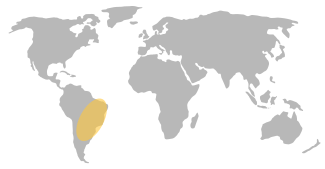


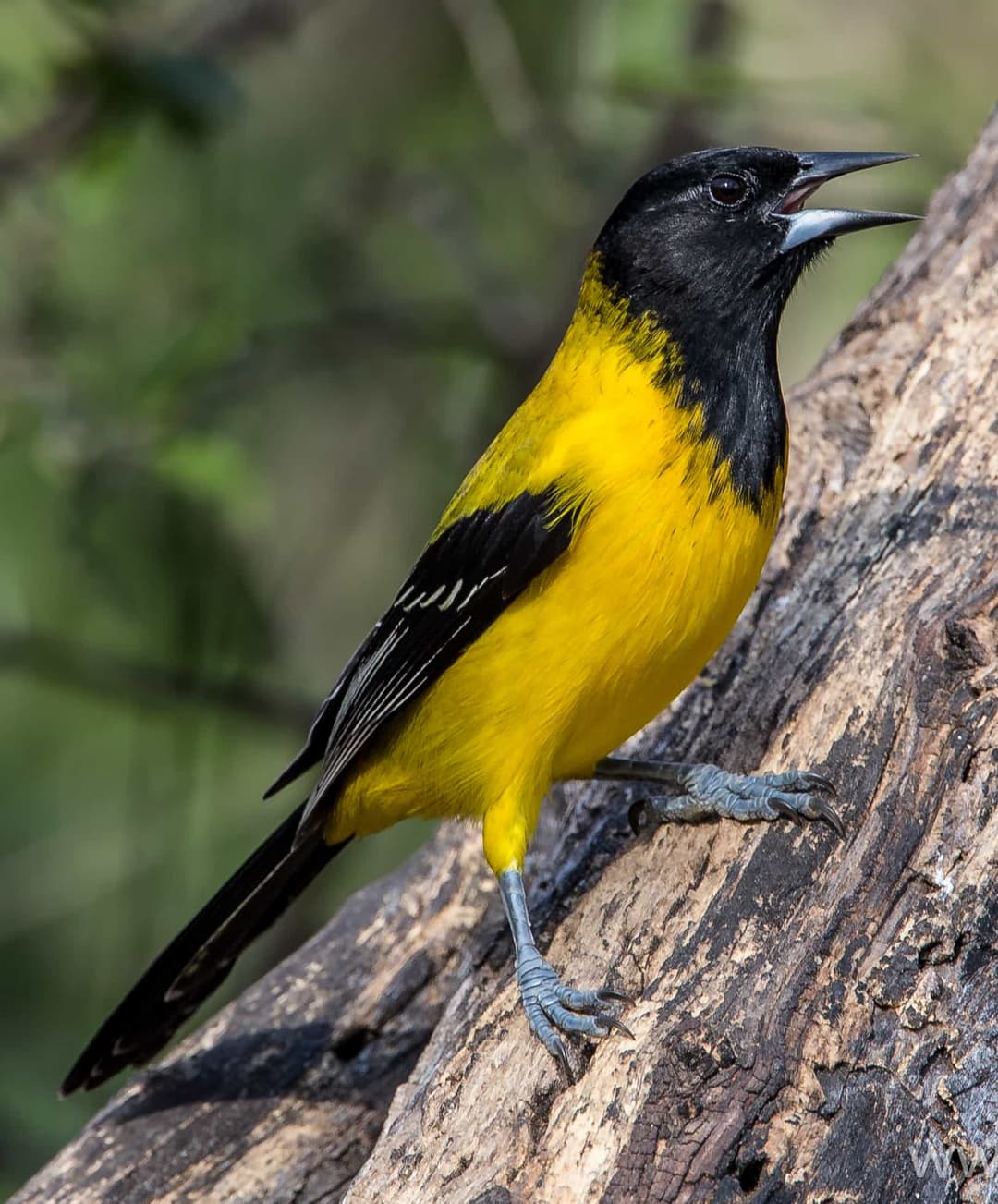
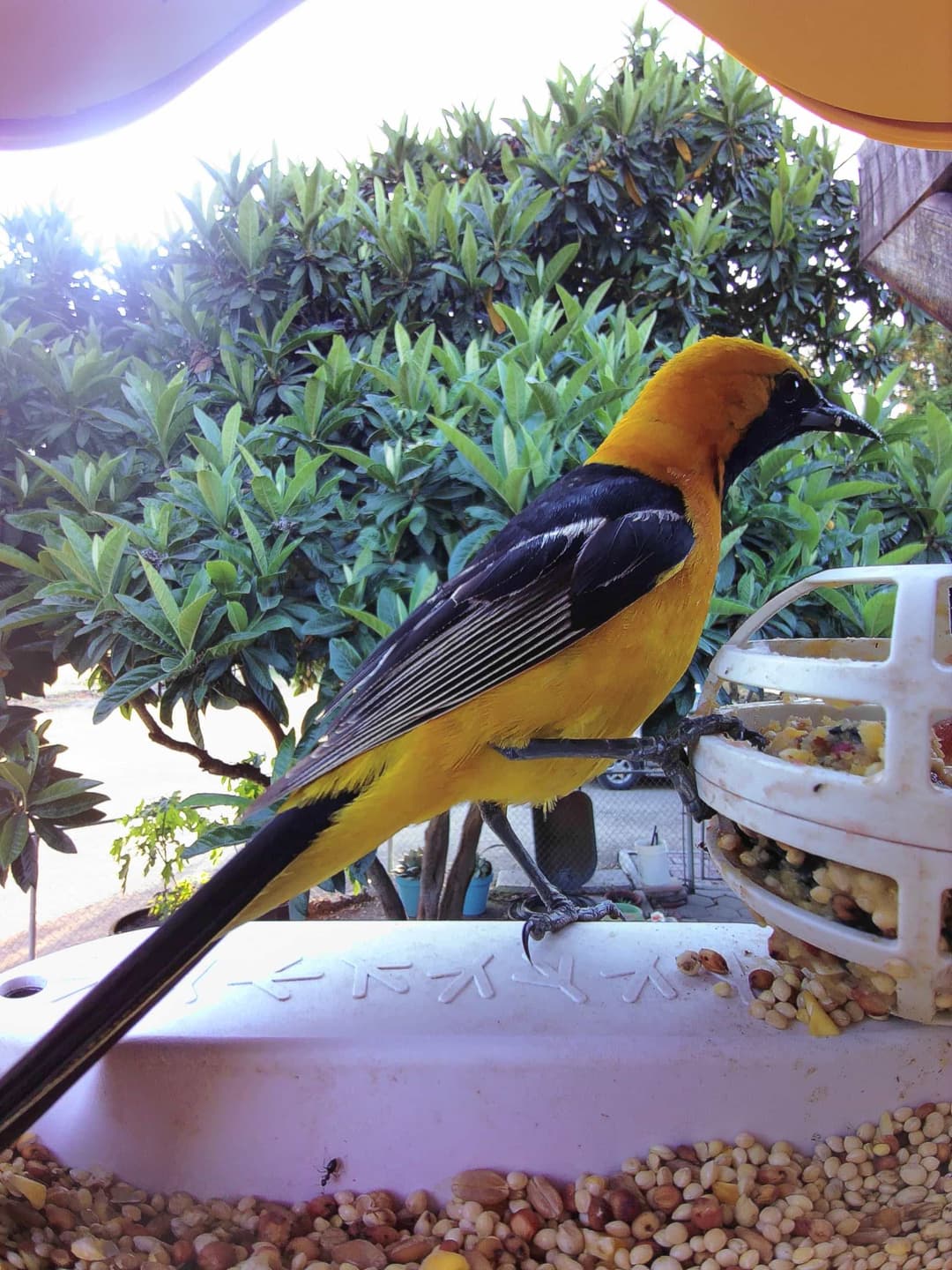
Variable Oriole

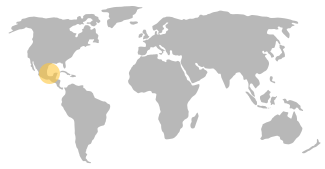
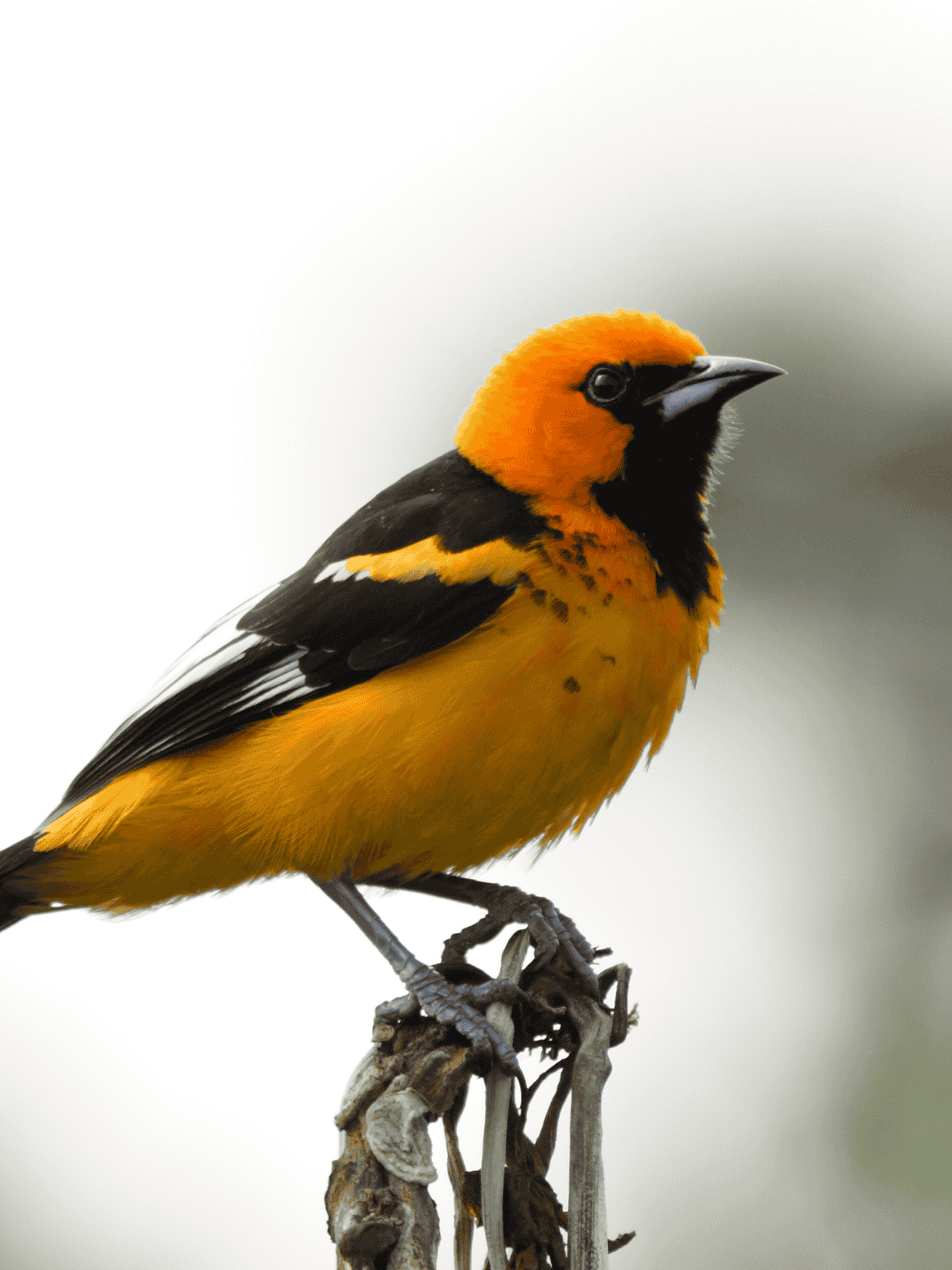
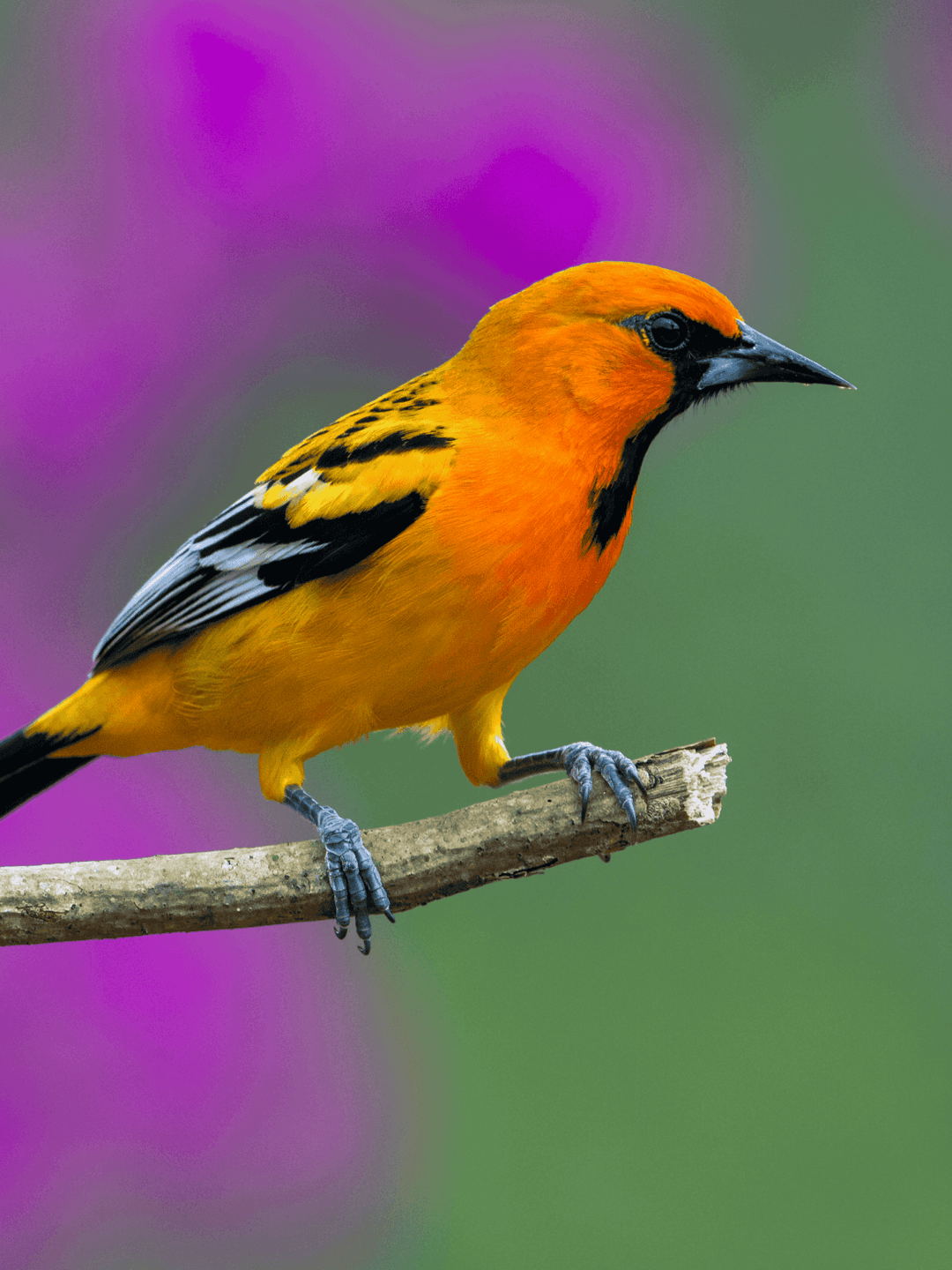
Altamira Oriole
Variable Oriole
Icterus pyrrhopterus
General appearance
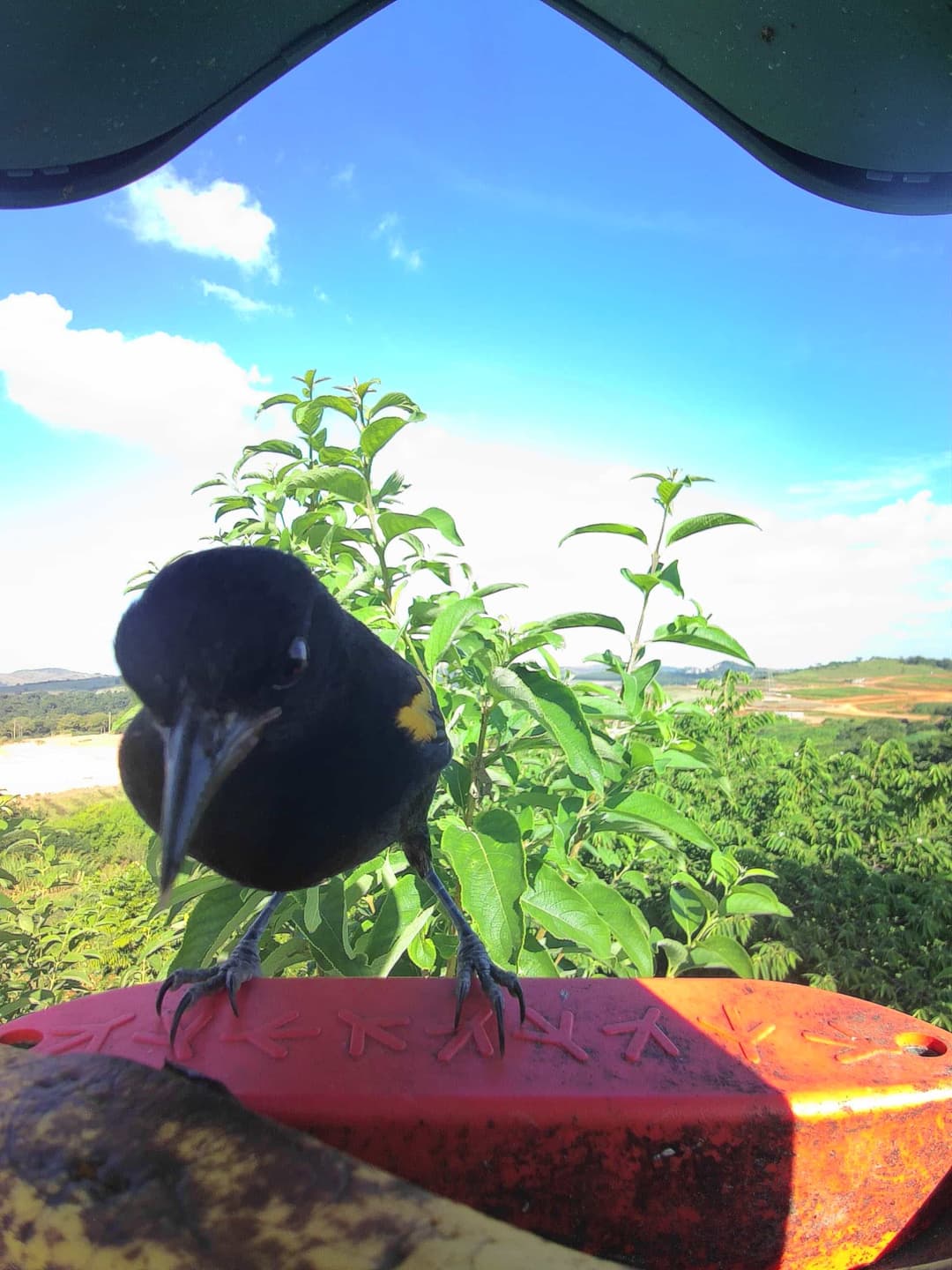
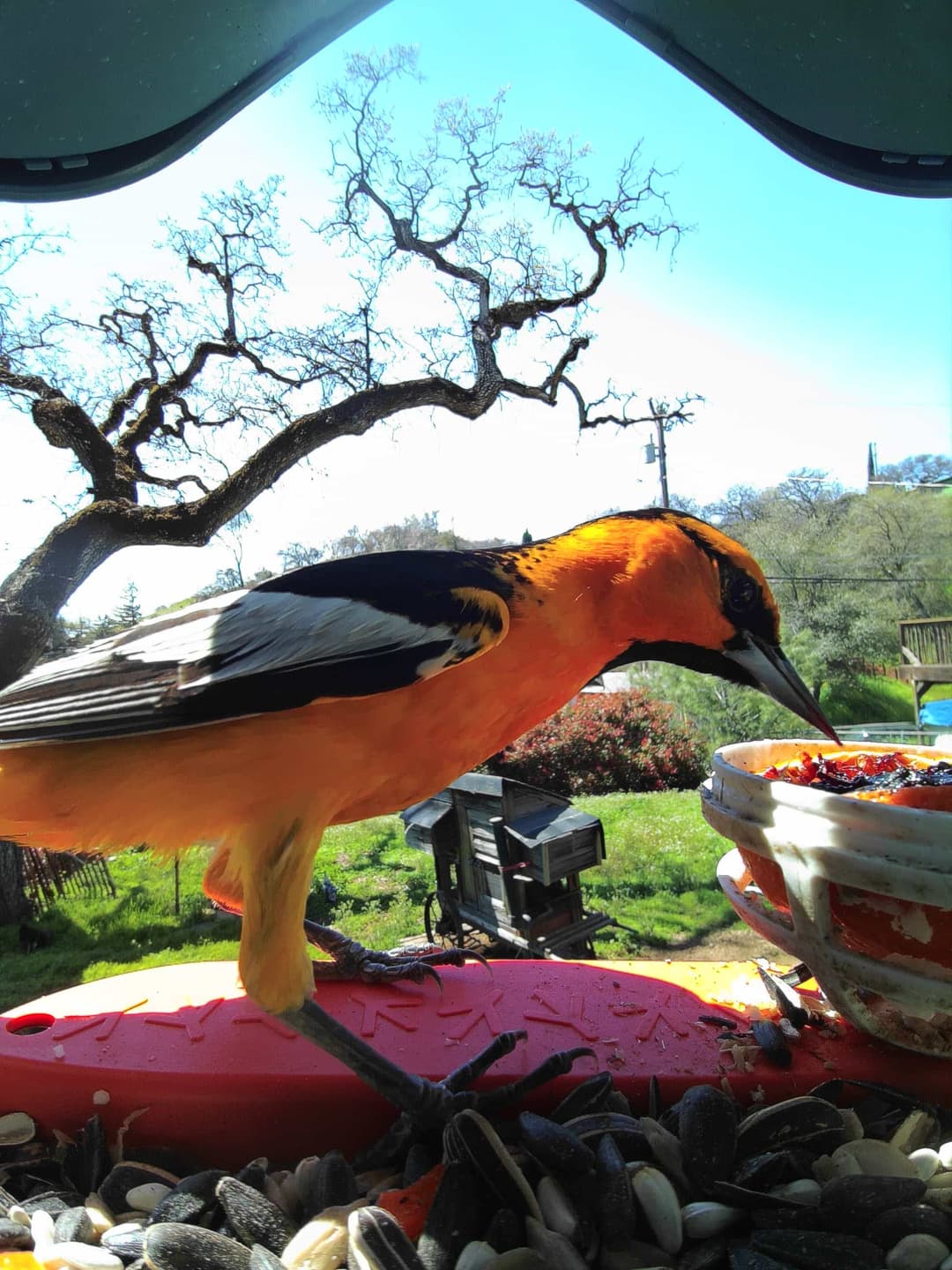
Variable Orioles exhibit striking coloration, primarily black and vibrant orange. Their physical traits include a relatively large size for an oriole, varying between 23-25 cm in length, a sturdy bill, and long tails. The wings and tail exhibit black color with white wings bars and edges.
Male vs female
Both males and females boast a vivid orange back, rump, and undertail, however, males often exhibit a darker, burnt orange compared to females. The wings are predominantly black in both sexes with the male having more extensive black on its underside. The female's underside is mainly orange whilst the male is largely black.
Juvenile
The juveniles are more modest in their coloration. They are primarily olive-brown with indistinct streaking on their underside. They lack the striking orange and black contrast of the adults till they mature to attain the full bright plumage.
Size
7.5 - 8.3 in/1.0 - 1.3 oz
There's more to learn about Variable Oriole
View full detailsAltamira Oriole
Icterus gularis
General appearance
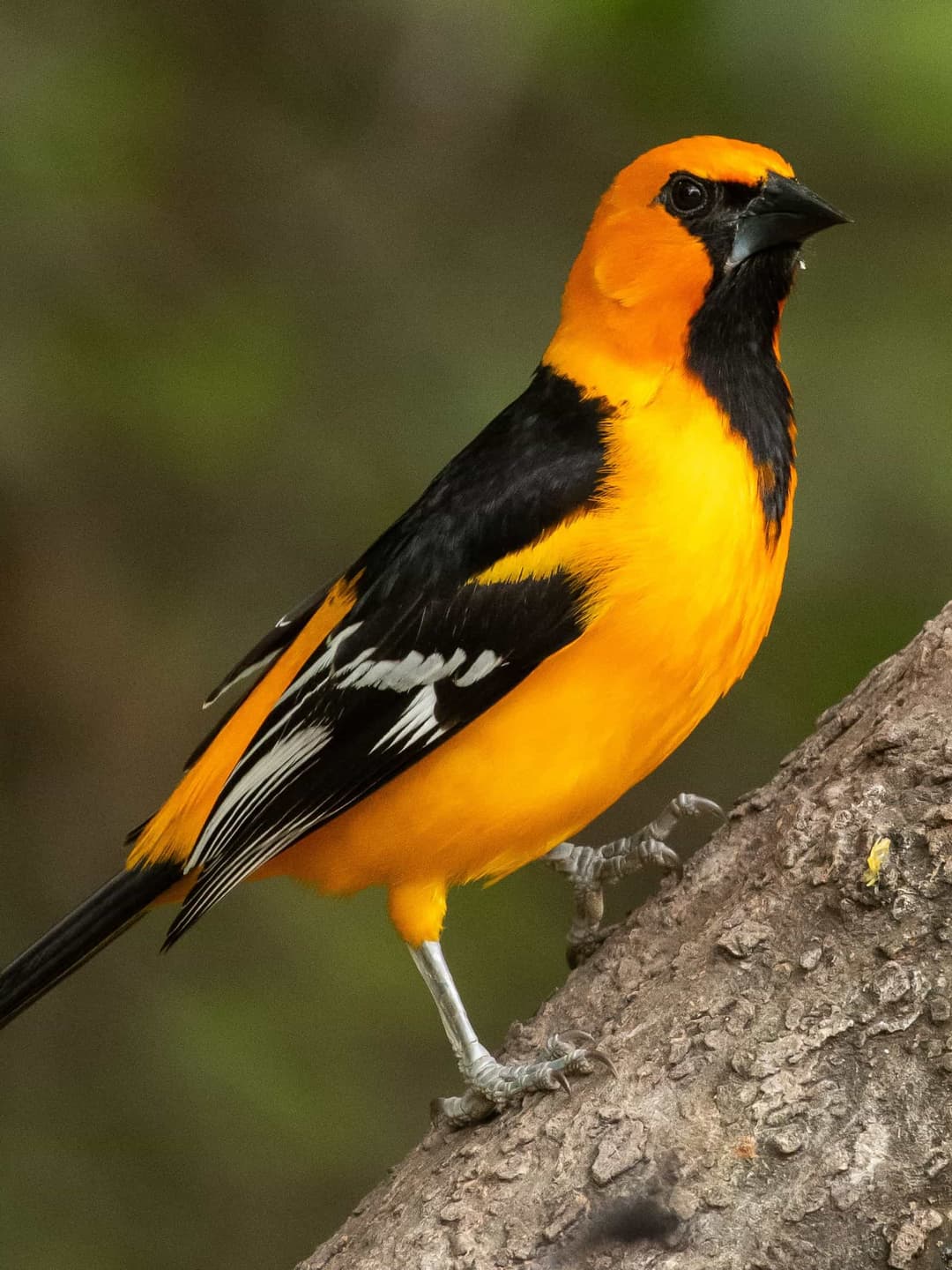
The Altamira oriole is a strikingly colorful bird native to southern Texas and parts of Mexico. It is easily identifiable by its vivid orange-yellow body, contrasting with black wings and tail. The bird's face features a distinctive black throat and eye mask. Its robust build, measuring about 9-10 inches in length, includes a long, slightly curved bill.
Male vs female
Males and females of the Altamira oriole species are similar in appearance, both showcasing the bright orange-yellow and black coloration. However, females may be slightly duller in hue than males, although this difference can be subtle. Both sexes retain their coloration year-round, without significant seasonal variation.
Juvenile
Juvenile Altamira orioles have a more subdued appearance compared to adults. They exhibit a duller yellow-orange plumage and less defined black markings, particularly around the face and throat. As they mature, their coloration gradually intensifies, and the distinctive black facial features become more pronounced.
Size
8.3 - 9.8 in/1.7 - 2.3 oz
There's more to learn about Altamira Oriole
View full detailsHow to tell the Variable Oriole from the Altamira Oriole
Visual differences
The Variable Oriole is slightly smaller, measuring 7.5-8.3 inches, compared to the Altamira Oriole's 9-10 inches. Variable Orioles display vivid orange and black plumage with chestnut shoulder pads and white wing bars, while Altamira Orioles have an orange-yellow body with a black mask and throat. The Variable Oriole's beak is sturdy, whereas the Altamira's is long and slightly curved. Altamira juveniles are dull yellow-orange with undefined facial markings, whereas Variable juveniles are olive-brown with streaking.
Key differences and behavior
The Variable Oriole (19-21 in) and Altamira Oriole (9-10 in) differ behaviorally. Variable Orioles are social, gathering in family groups up to 30, and adapt well to urban environments, while Altamira Orioles prefer open woodlands and maintain distance between nests, about 300 yards apart. In courtship, Variable Orioles perform aerial displays, while Altamiras engage in vocalizations and preening. Both species consume insects, fruits, and nectar, but Altamiras are key pollinators due to their preference for specific fruits like figs. During breeding, both participate in feeding, though Altamiras are known for their elaborate hanging nests built by females. Quantity-wise, Variable Orioles lay 2-4 eggs, with Altamiras' egg-laying specifics not highlighted.
Still not sure? Here are more lookalikes!
Variable Oriole vs Baltimore Oriole
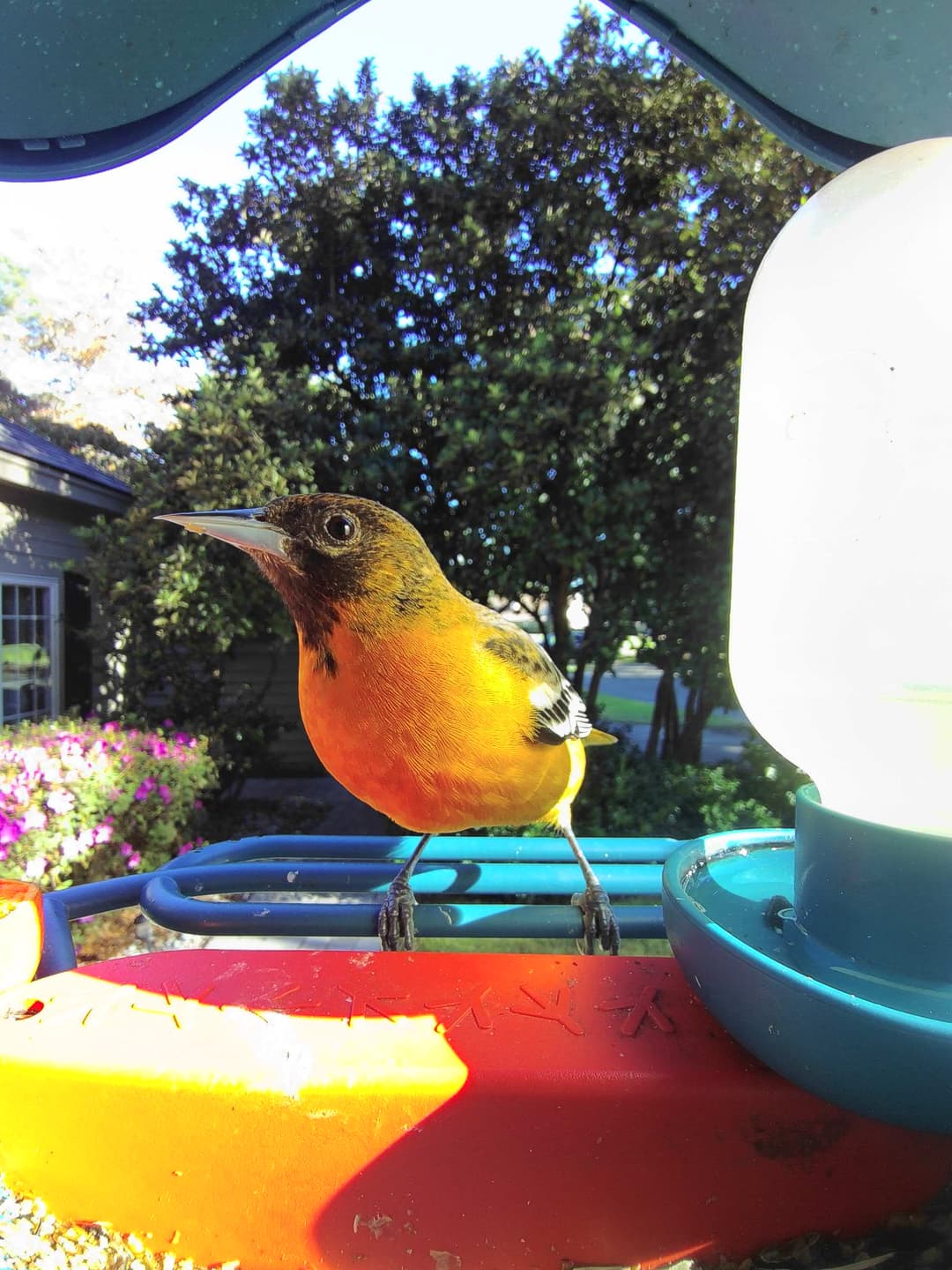
Altamira Oriole vs Baltimore Oriole
Variable Oriole vs [Select a bird]

[Select a bird]
Pick a bird to compare
Altamira Oriole vs [Select a bird]
[Select a bird]
Pick a bird to compare