Dark-Capped Bulbul or Himalayan Bulbul?
Here's how to tell the difference


Dark-Capped Bulbul


Himalayan Bulbul
Dark-Capped Bulbul
Pycnonotus tricolor
Also known as: Tricolored Bulbul
General appearance
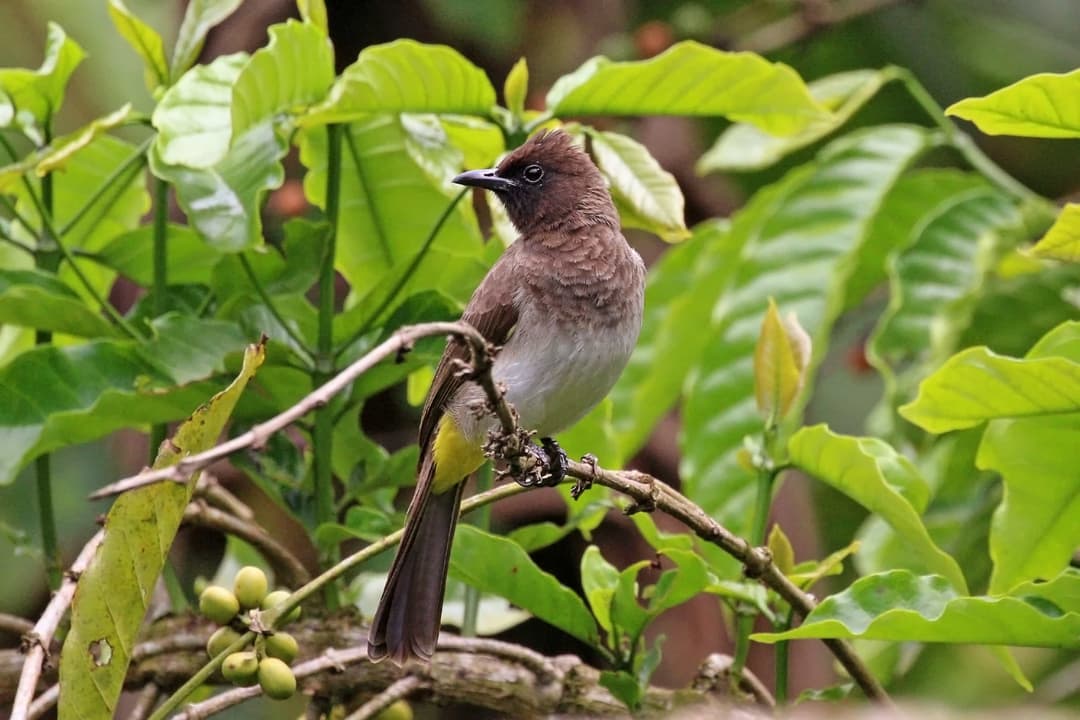
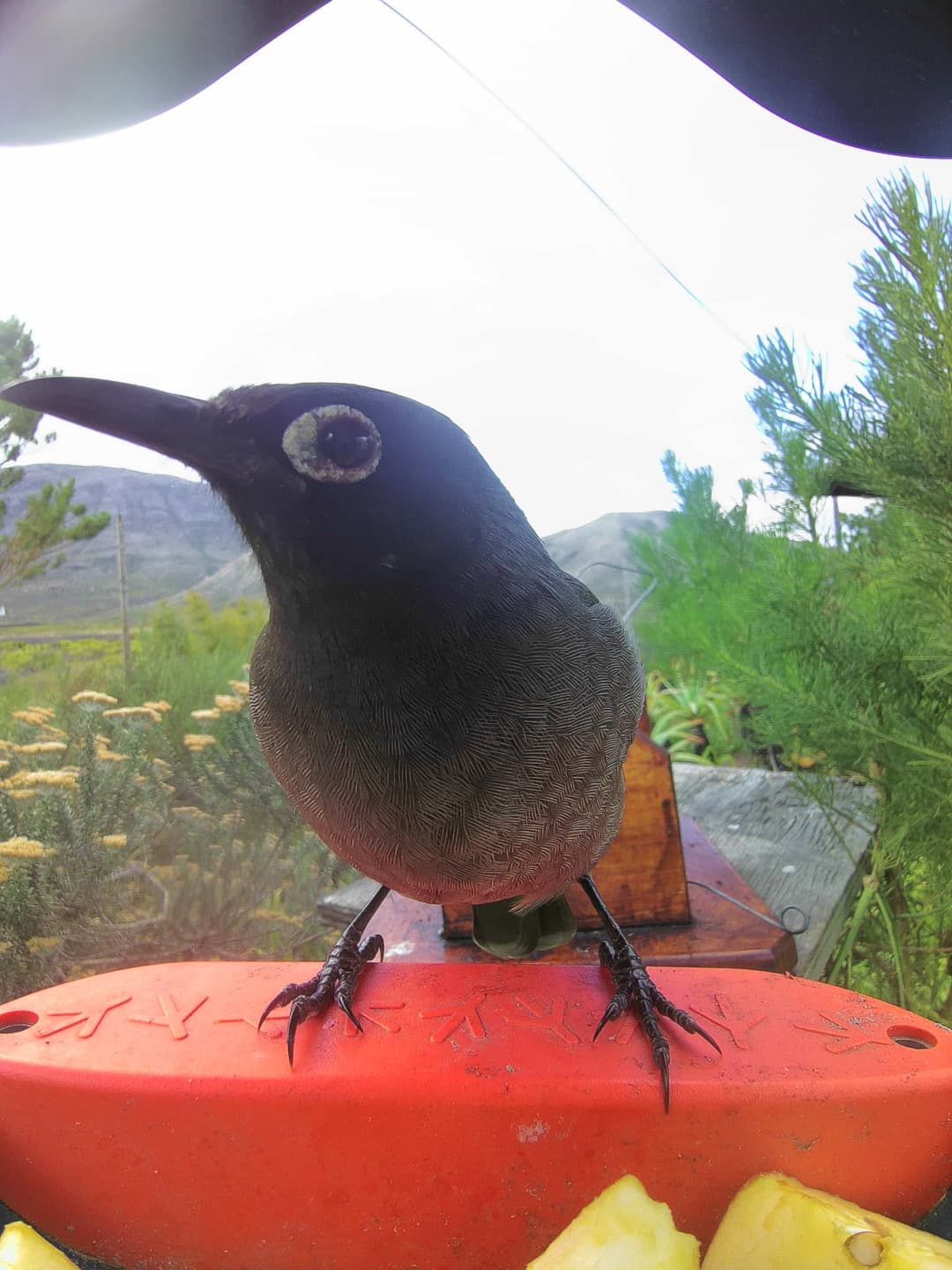
Dark-capped bulbuls have a blackish-brown upper body and light-grayish underparts. Their tails and wings are brown, while their heads bear a pronounced dark cap. They boast a distinctive red undertail, and sharp yellow eyes with an elegant black eye ring. They are generally medium-sized, averaging about 20cm in length.
Male vs female
Male and females Dark-capped bulbuls exhibit no noticeable sexual dimorphism in their physical appearance. Both sexes share the same distinct coloration and size. Thus, it's challenging to identify the sex visually in the wild.
Juvenile
Juvenile dark-capped bulbuls are similar to adults albeit a more modest and less contrasting coloration. Their caps are more brown than black, and their underparts are more whitish. Additionally, their eyes are brownish before maturing to the adult's distinctive yellow. Juveniles also lack the crimson-red undertail seen in adults.
Size
5.9 - 7.9 in/1.0 - 1.7 oz
There's more to learn about Dark-Capped Bulbul
View full detailsHimalayan Bulbul
Pycnonotus leucogenys
Also known as: White-Cheeked Bulbul
General appearance
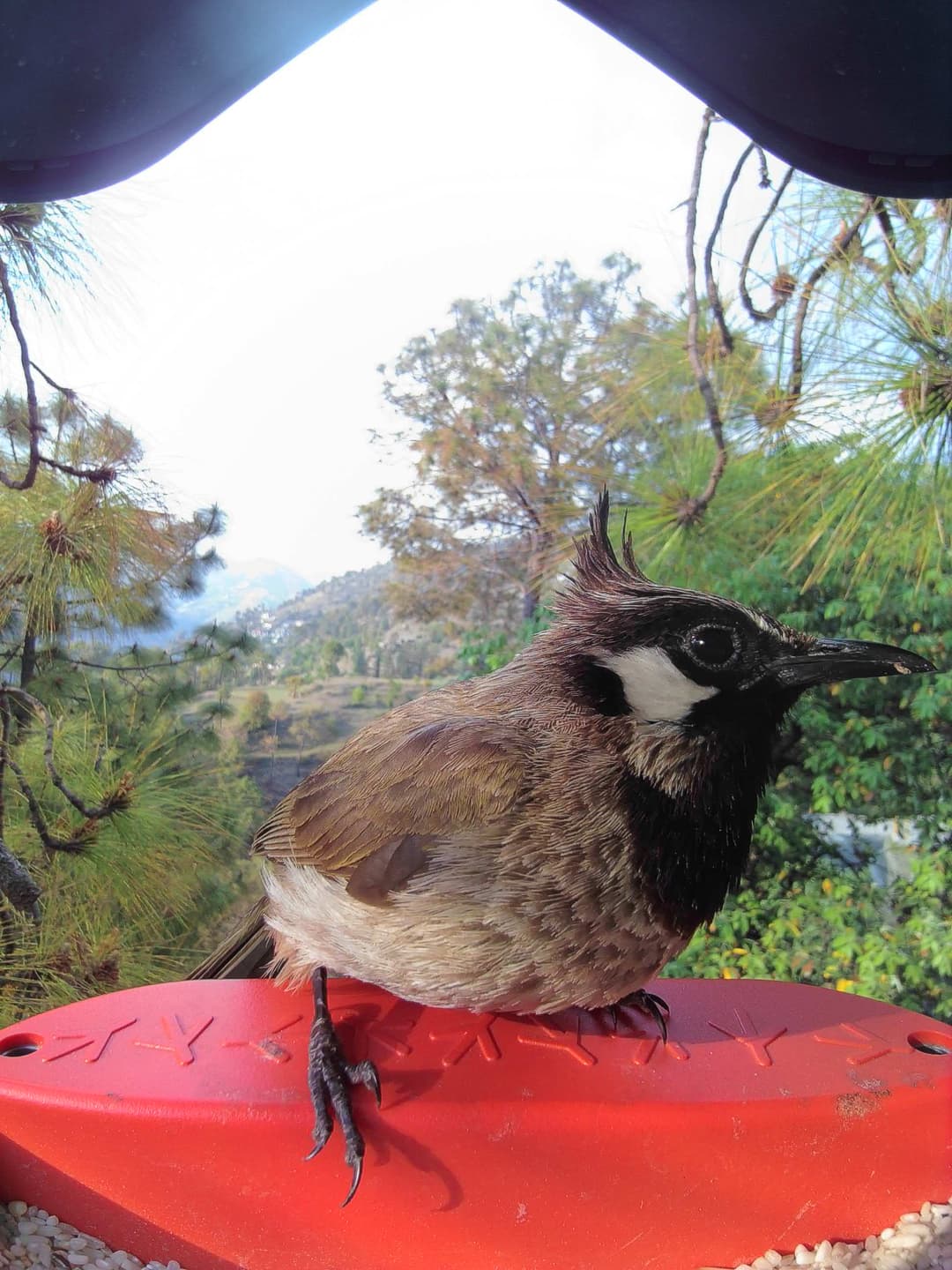
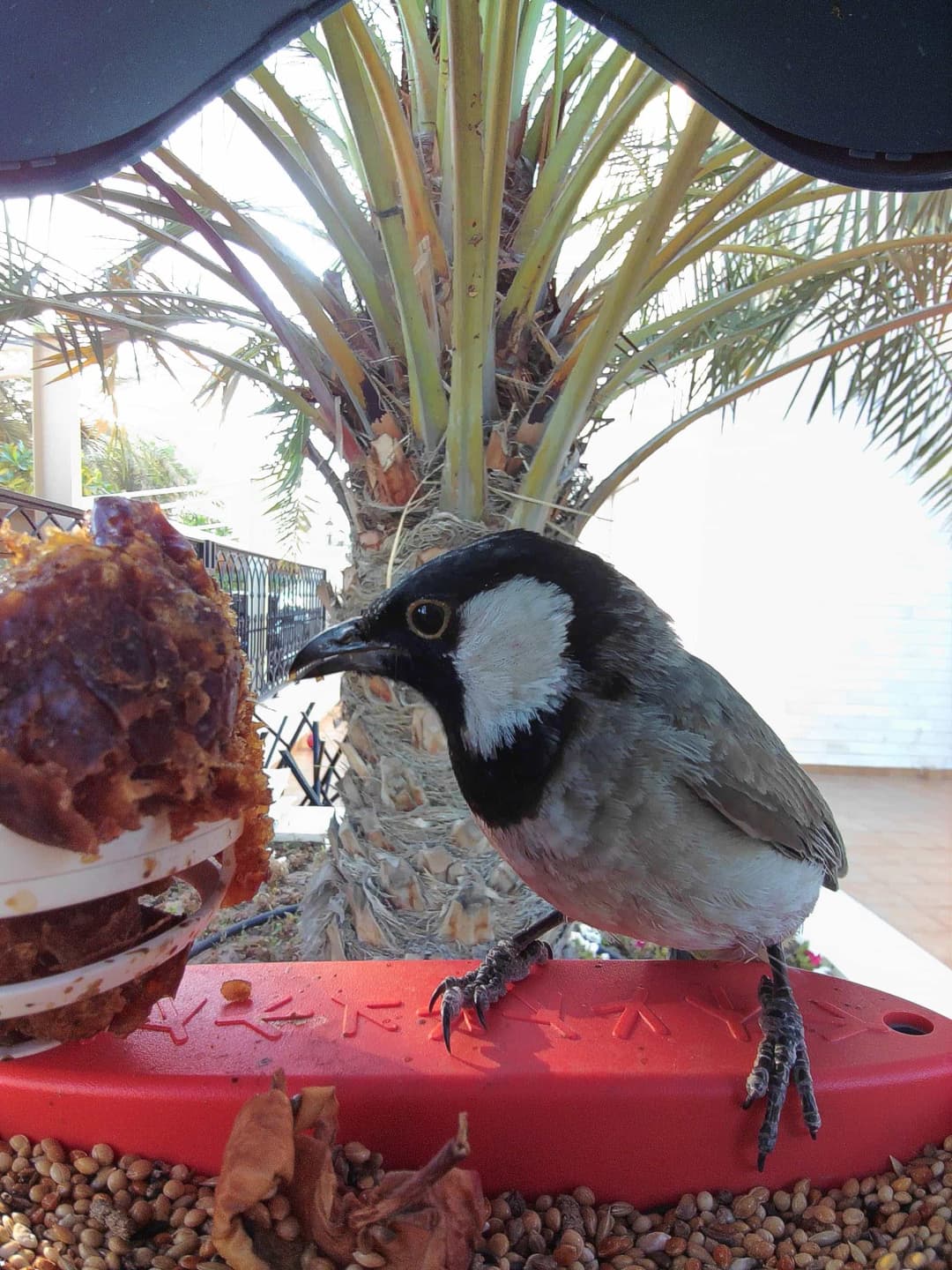
The Himalayan bulbul, or white-cheeked bulbul, is a species of songbird with a distinctive crest on the head. They exhibit a dove grey above with whitish underparts, a black crest, and white patches on the cheek and underside of the tail. They have a medium size, averaging around 20 cm long, and are known for their melodious song.
Male vs female
For the Himalayan bulbul, sexual dimorphism is not significantly pronounced, and both males and females have similar physical appearances. Both genders exhibit the same colorations and physical traits, making it difficult to distinguish between them based on appearance.
Juvenile
Juveniles exhibit similar body shape to adults, though their coloration may be duller. The signature crest is shorter and their cheek patches are not as starkly white. As they grow, they gradually attain the more distinctive adult coloration.
Size
7.5 - 7.9 in/1.2 - 1.3 oz
There's more to learn about Himalayan Bulbul
View full detailsHow to tell the Dark-Capped Bulbul from the Himalayan Bulbul
Visual differences
The Dark-Capped Bulbul has a pronounced dark cap on a blackish-brown head and light-grayish underparts, featuring a distinctive red undertail with sharp yellow eyes and black eye ring. In contrast, the Himalayan Bulbul sports a black crest, white cheek patches, and whitish underparts. Both birds are similar in size at about 7.5-8 inches long, but the Dark-Capped Bulbul lacks a crest and the Himalayan Bulbul lacks the red undertail and yellow eyes. The Himalayan's visual signature lies in its striking cheek contrast.
Key differences and behavior
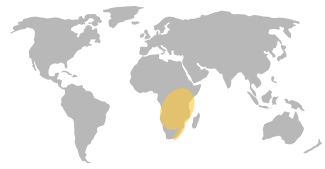
The Dark-Capped Bulbul and Himalayan Bulbul display distinct behavioral differences that aid in differentiating them in the field. Dark-Capped Bulbuls favor habitats near water in southeastern Africa, showcasing acrobatics while foraging, often seen in woodland edges and gardens. Conversely, Himalayan Bulbuls reside in the Himalayas, within dense undergrowth of subtropical and temperate forests, thriving from 2,600-9,800 feet in elevation. Both species initiate complex courtship displays, but Himalayan bulbuls are noted for vocal duets, while Dark-Capped engage in flashy fluttering flights. Diet-wise, both enjoy fruits, seeds, and insects, yet Dark-Capped Bulbuls prefer nectar more and often visit sugar-water feeders. Breeding behaviors are similar; both build cup-shaped nests and share parental care, but Himalayan Bulbul fledglings remain dependent longer. The former species is more kin to gardens and arid regions, while the latter is adapted to mountainous, wetter climates.
Still not sure? Here are more lookalikes!
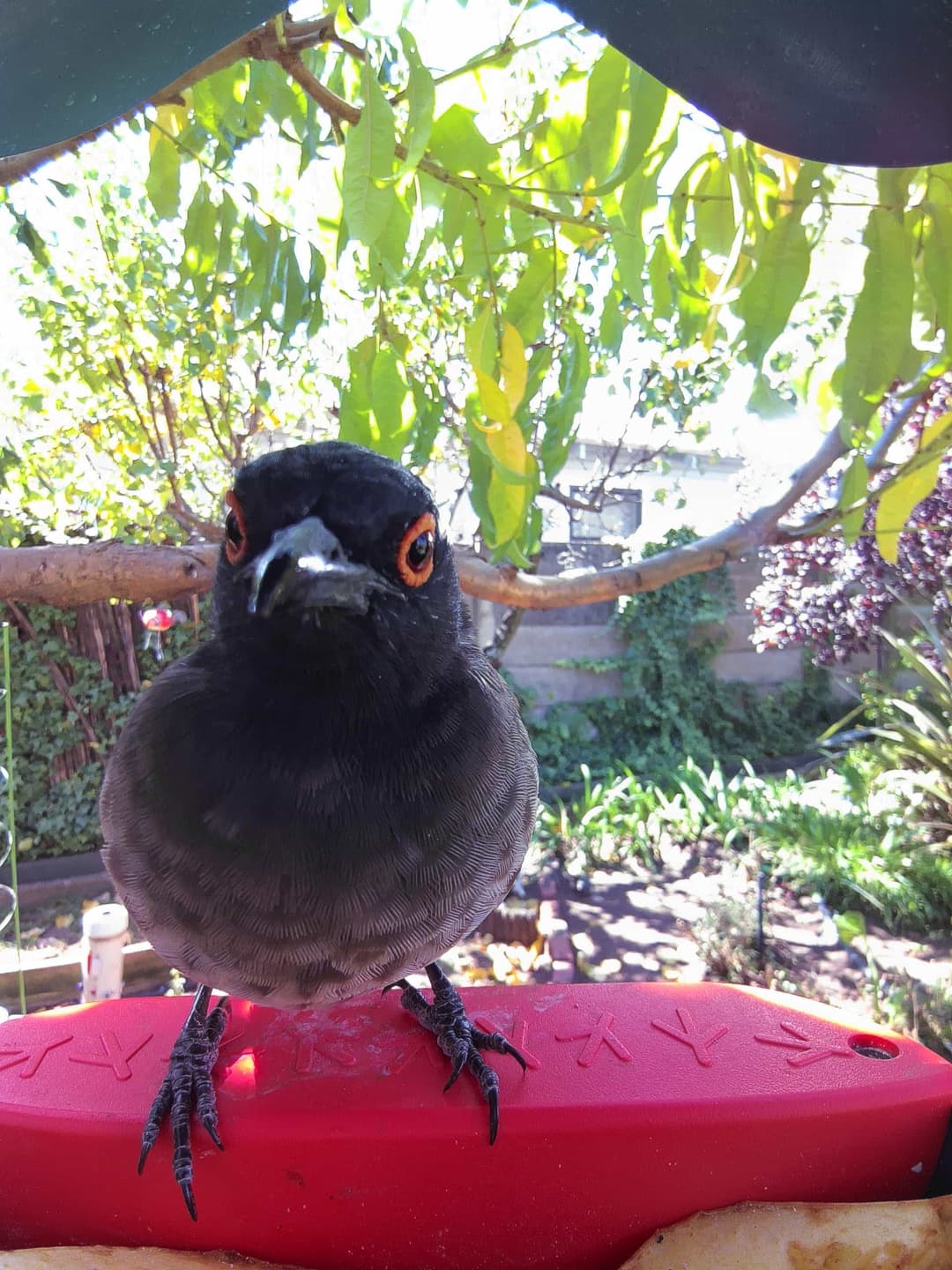
Dark-Capped Bulbul vs African Red-Eyed Bulbul
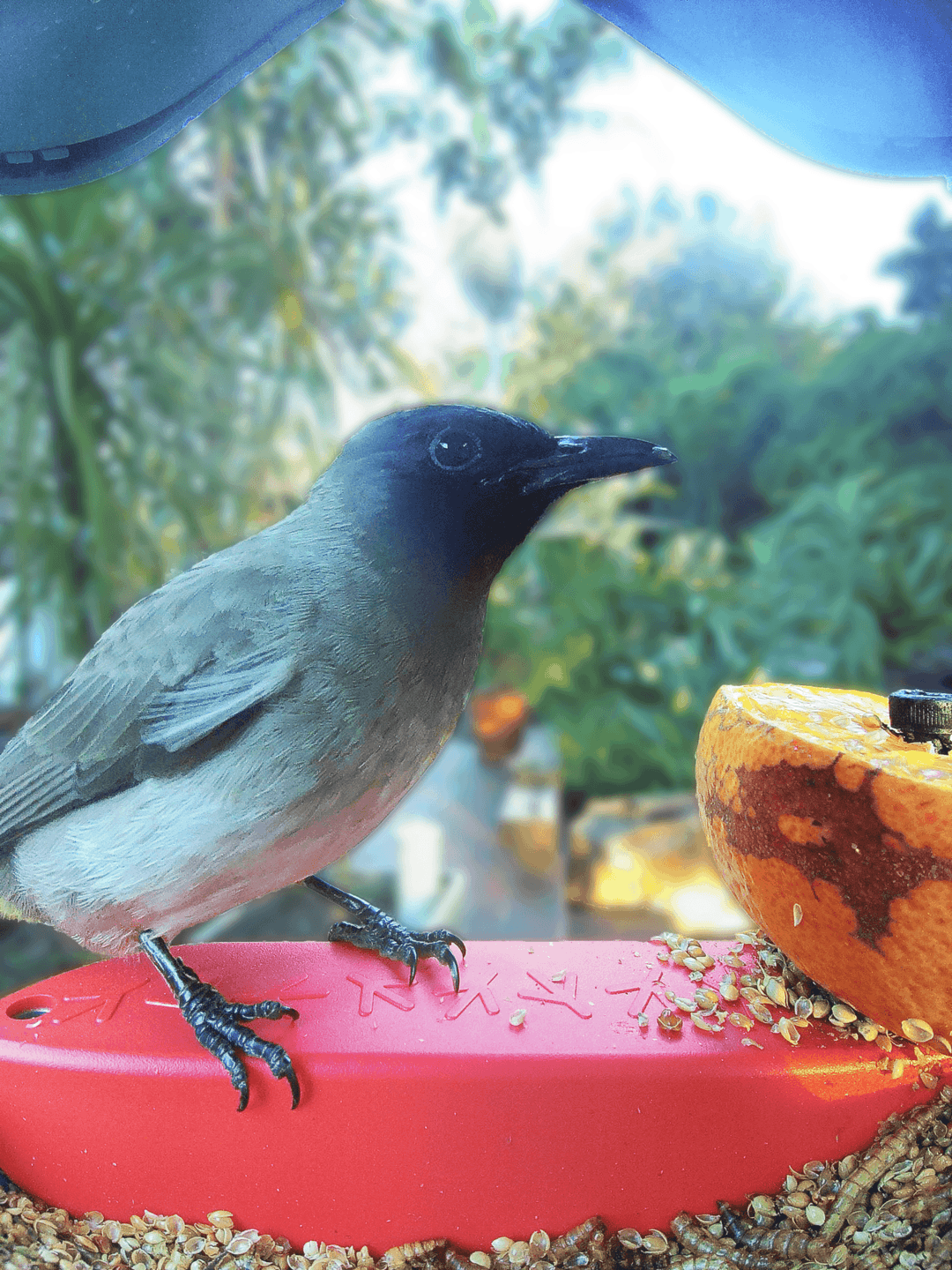
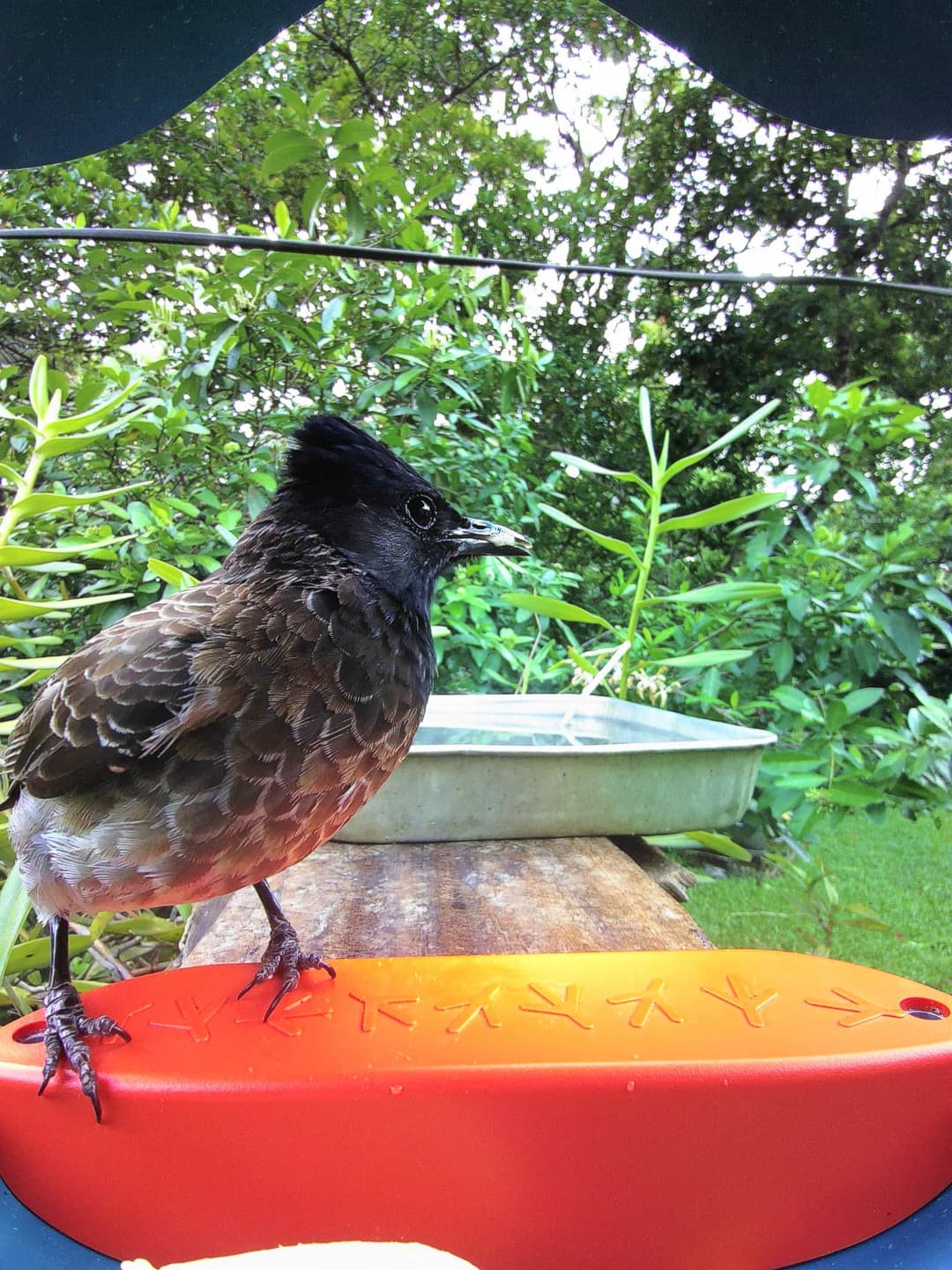
Himalayan Bulbul vs Red-Vented Bulbul
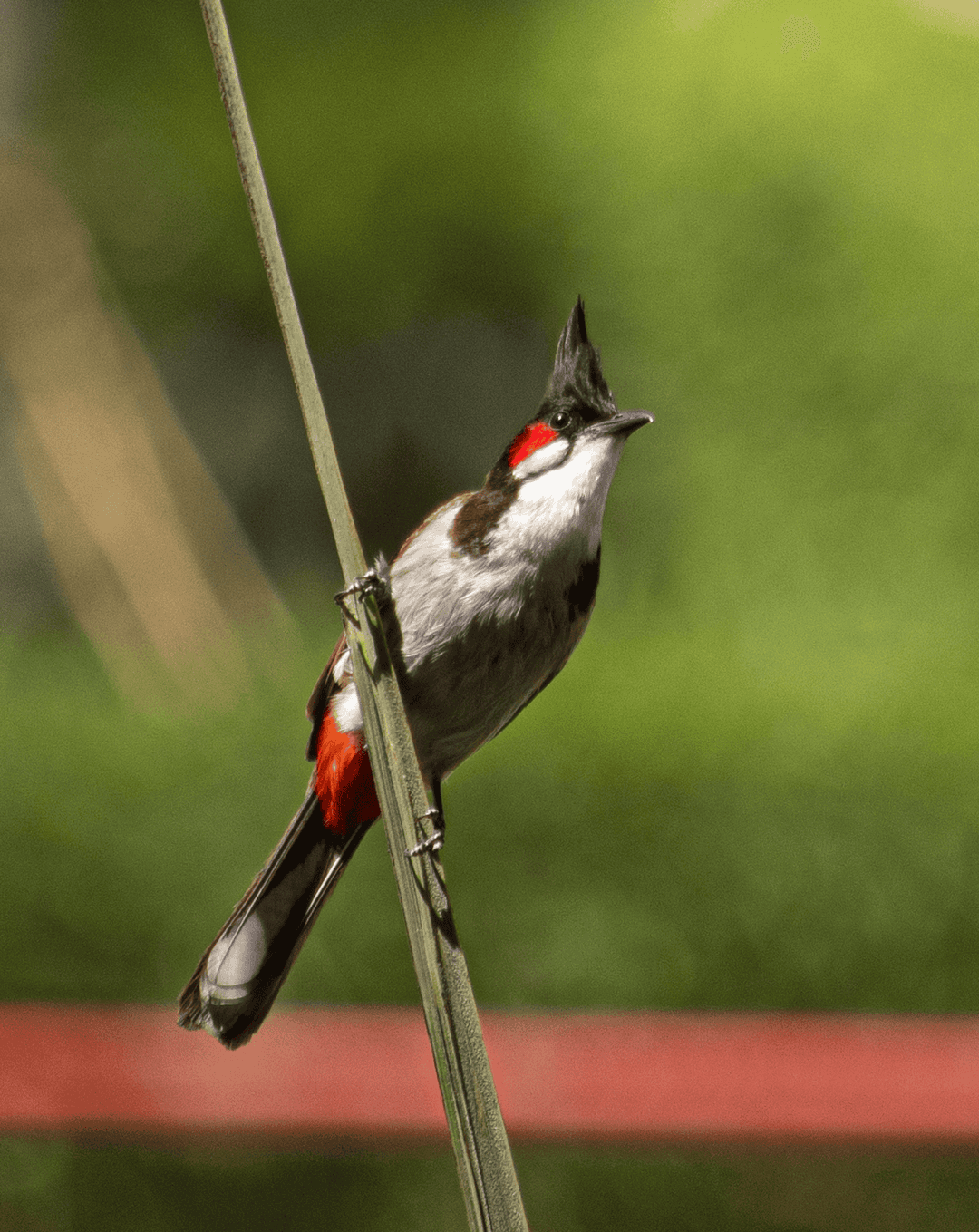
Himalayan Bulbul vs Red-Whiskered Bulbul
Himalayan Bulbul vs White-Eared Bulbul
Dark-Capped Bulbul vs [Select a bird]

[Select a bird]
Pick a bird to compare
Himalayan Bulbul vs [Select a bird]
[Select a bird]
Pick a bird to compare