Lincoln’s Sparrow or Swamp Sparrow?
Here's how to tell the difference

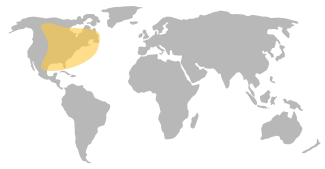
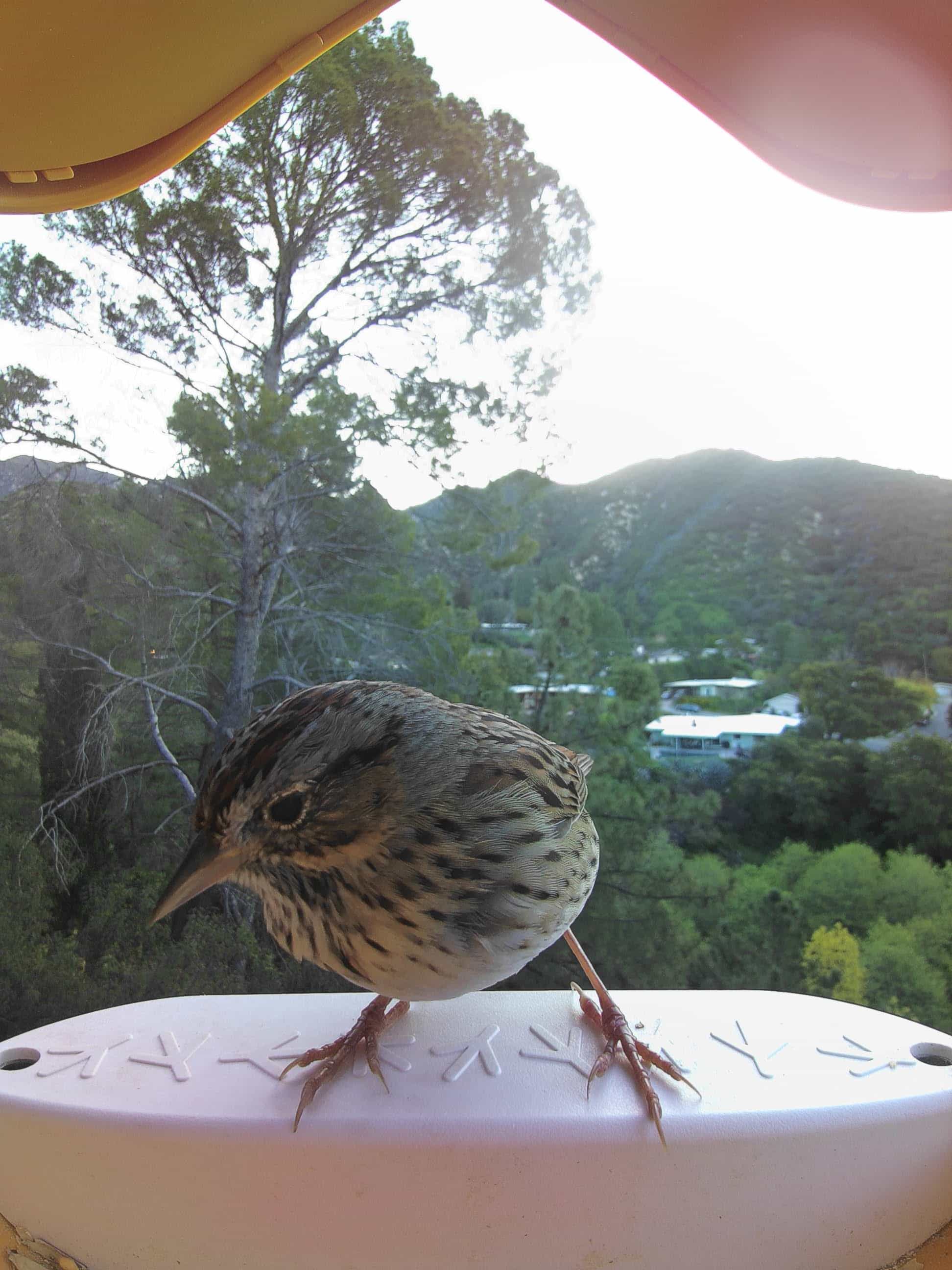


Lincoln’s Sparrow
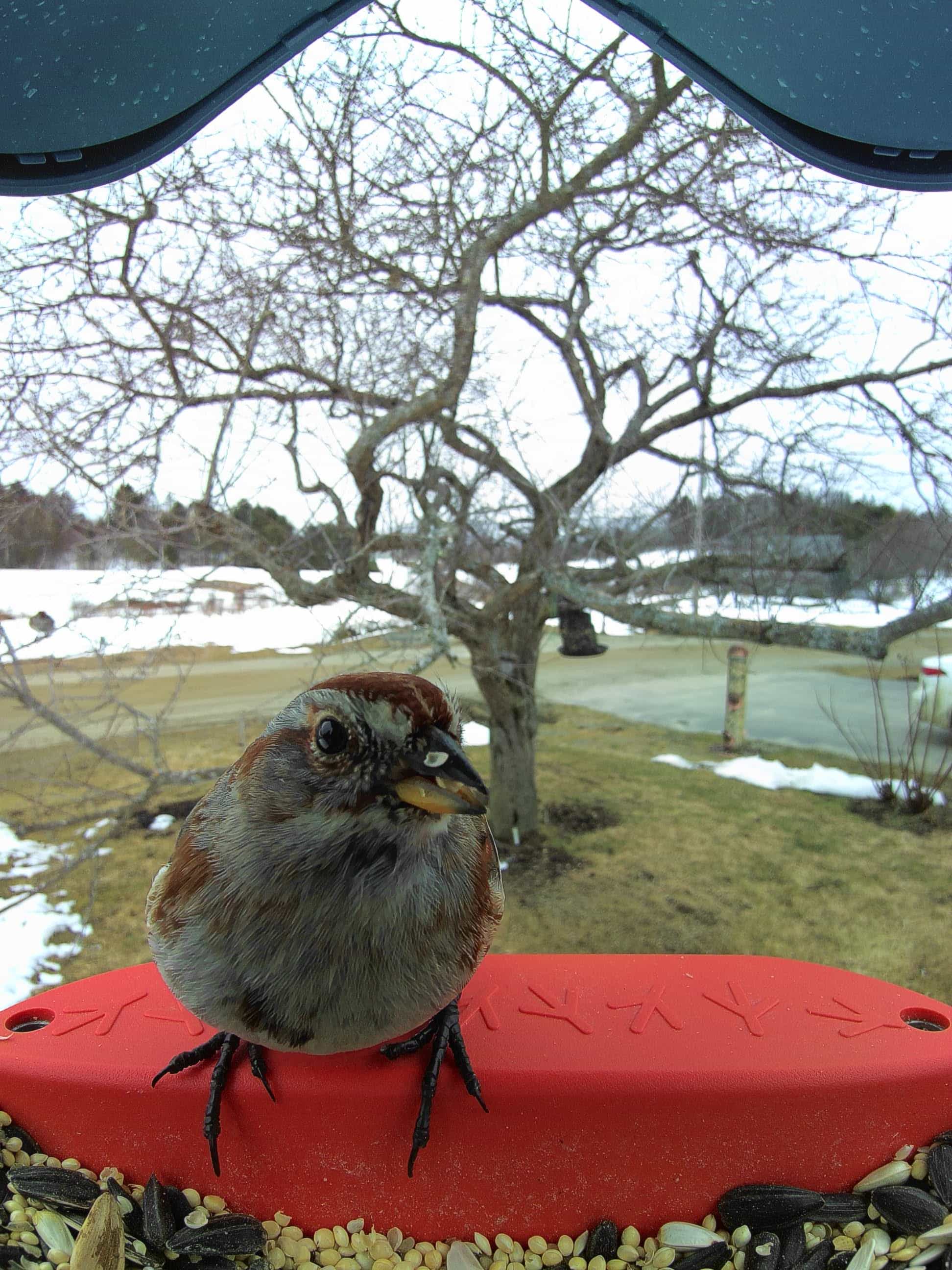


Swamp Sparrow
Lincoln’s Sparrow
Melospiza lincolnii
General appearance
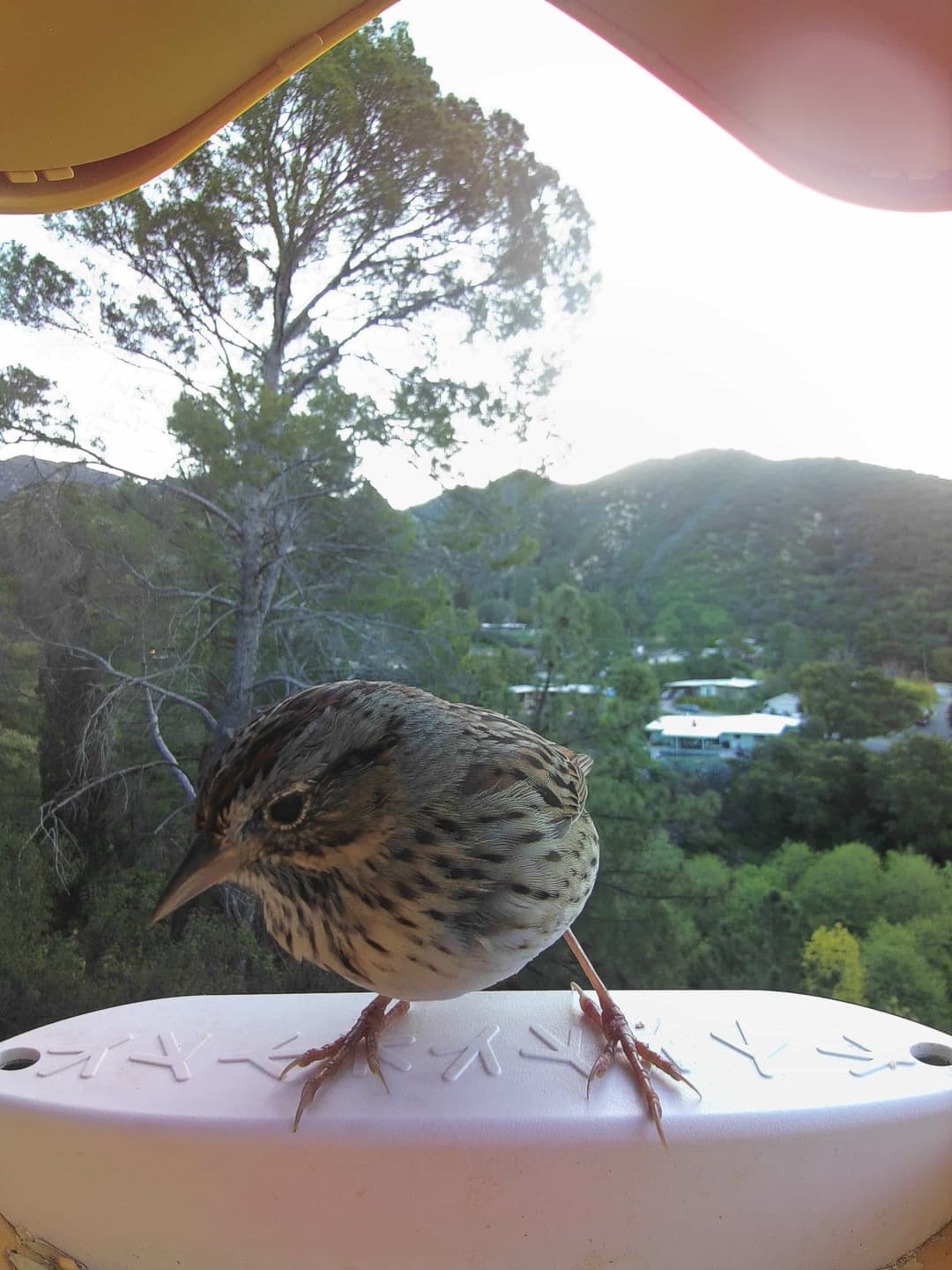
The Lincoln’s Sparrow is about the size of a common Sparrow, measuring 5-6 inches, which is equivalent to 13-15 cm. They are characterized by contrasting face colors including a buff-colored 'whisker', gray eyebrows, as well as brown cheeks and crown. Their chest is richly buff, finely streaked with narrow black lines. Their wings are broad in shape, and they have a notched, rounded, or square-tipped tail. Their colors range from black, brown, and gray, to tan and white.
Male vs female
There is no distinctive coloration or physical trait differences between male and female Lincoln’s Sparrows as they are similar in both size and colors. Both sexes possess the distinctive buff-whisker and brown cheeks making gender identification challenging in the wild.
Juvenile
Juvenile Lincoln’s Sparrows can be mistaken for juvenile Song Sparrows in the summer due to their buffy color and narrow streaks. However, these young sparrows will usually take on the distinctive adult coloring and streaking as they mature.
Size
5.1 - 5.9 in/0.6 - 0.8 oz
There's more to learn about Lincoln’s Sparrow
View full detailsSwamp Sparrow
Melospiza georgiana
General appearance
The swamp sparrow is a medium-sized sparrow with a stout build. Notable features include a rich chestnut crown, gray face, and rusty wings. Their underparts are primarily gray with some brown streaks. The back is brown with black streaks. They possess a relatively short tail and a robust, conical bill, ideal for seed-eating.
Male vs female
Male and female swamp sparrows are similar in appearance, both featuring the characteristic rusty and gray color palette. However, males might exhibit slightly brighter plumage, particularly during the breeding season, with more vivid chestnut tones on the cap. Females tend to have a more subdued coloration year-round.
Juvenile
Juvenile swamp sparrows are duller than adults, with more brown and less distinct markings. The crown is typically more streaked rather than solid chestnut. As juveniles molt into adult plumage, the vibrant chestnut crown and gray face become more pronounced. Juveniles lack the fully developed rusty wings of adults initially.
Size
4.9 - 5.7 in/0.4 - 0.8 oz
There's more to learn about Swamp Sparrow
View full detailsHow to tell the Lincoln’s Sparrow from the Swamp Sparrow
Visual differences
Lincoln's Sparrow is slightly larger (5-6 inches) with a buff-colored 'whisker', gray eyebrows, and a finely streaked buff chest. It has a broad, square-tipped tail. In contrast, the Swamp Sparrow measures 5-5.75 inches, has a rich chestnut crown, gray face, and rusty wings. It features a stout build with a robust, conical bill and a short tail. While Lincoln's Sparrow exhibits a more intricate streaked chest pattern, the Swamp Sparrow is notable for its rust-colored wings and gray underparts.
Key differences and behavior
Lincoln's and Swamp Sparrows exhibit distinct behaviors and habitat preferences. Lincoln's Sparrows favor dense, wet, mountainous regions, constructing well-hidden ground nests; they are less aggressive in territorial defense due to competition with Song Sparrows. Contrastingly, Swamp Sparrows thrive in freshwater marshes, building elevated nests above water, often from cattail heights, and exhibit strong territorial singing both day and night. In colder climates, Lincoln’s Sparrows shift to dense thickets, while Swamp Sparrows remain in marshes and weedy fields. Dietarily, both sparrows consume insects and seeds, yet Swamp Sparrows have a higher reliance on insects. Lincoln's males attract mates by singing in colder mornings, whereas Swamp Sparrows sing persistently from pre-dawn into the night.
Still not sure? Here are more lookalikes!
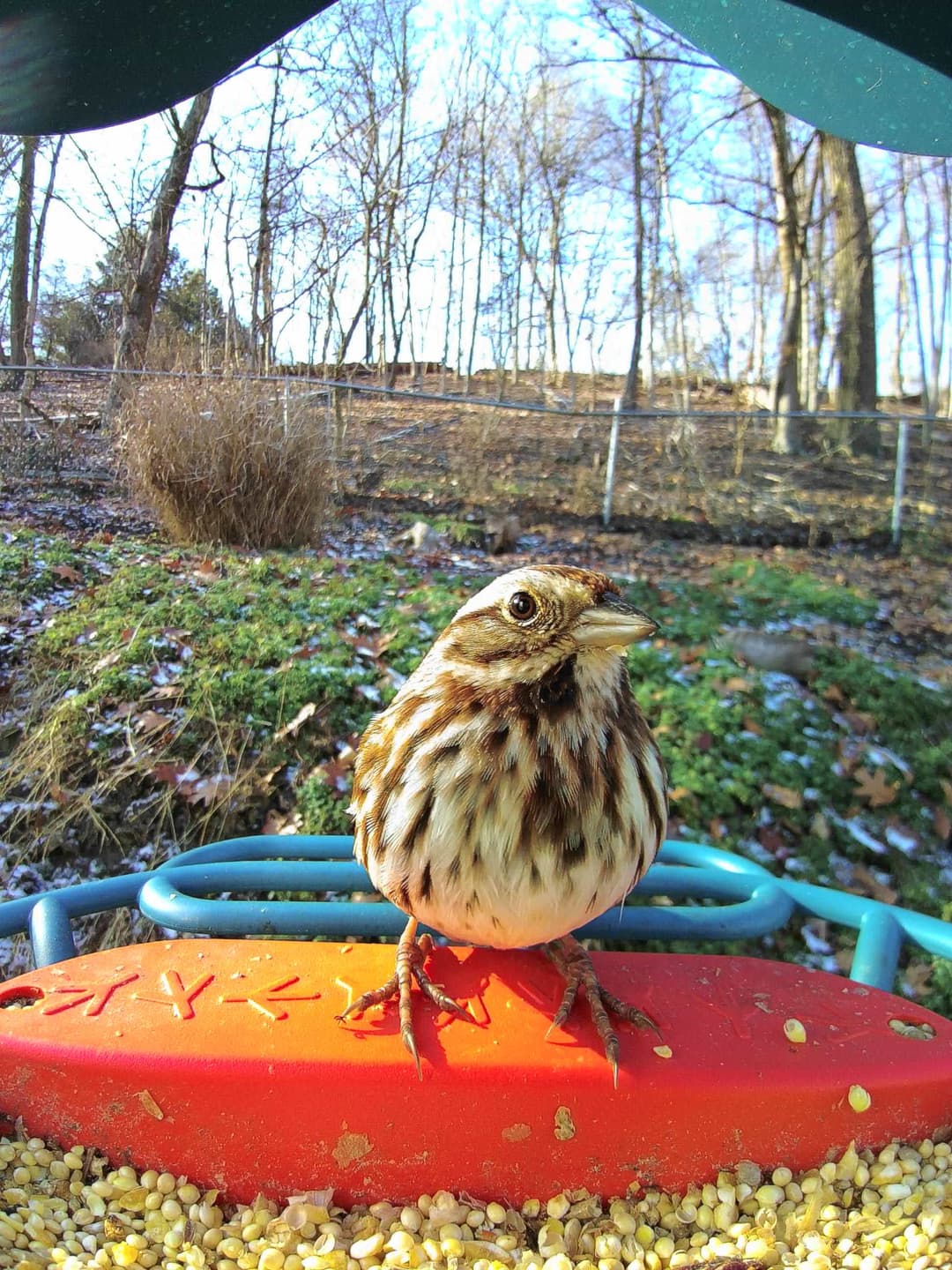
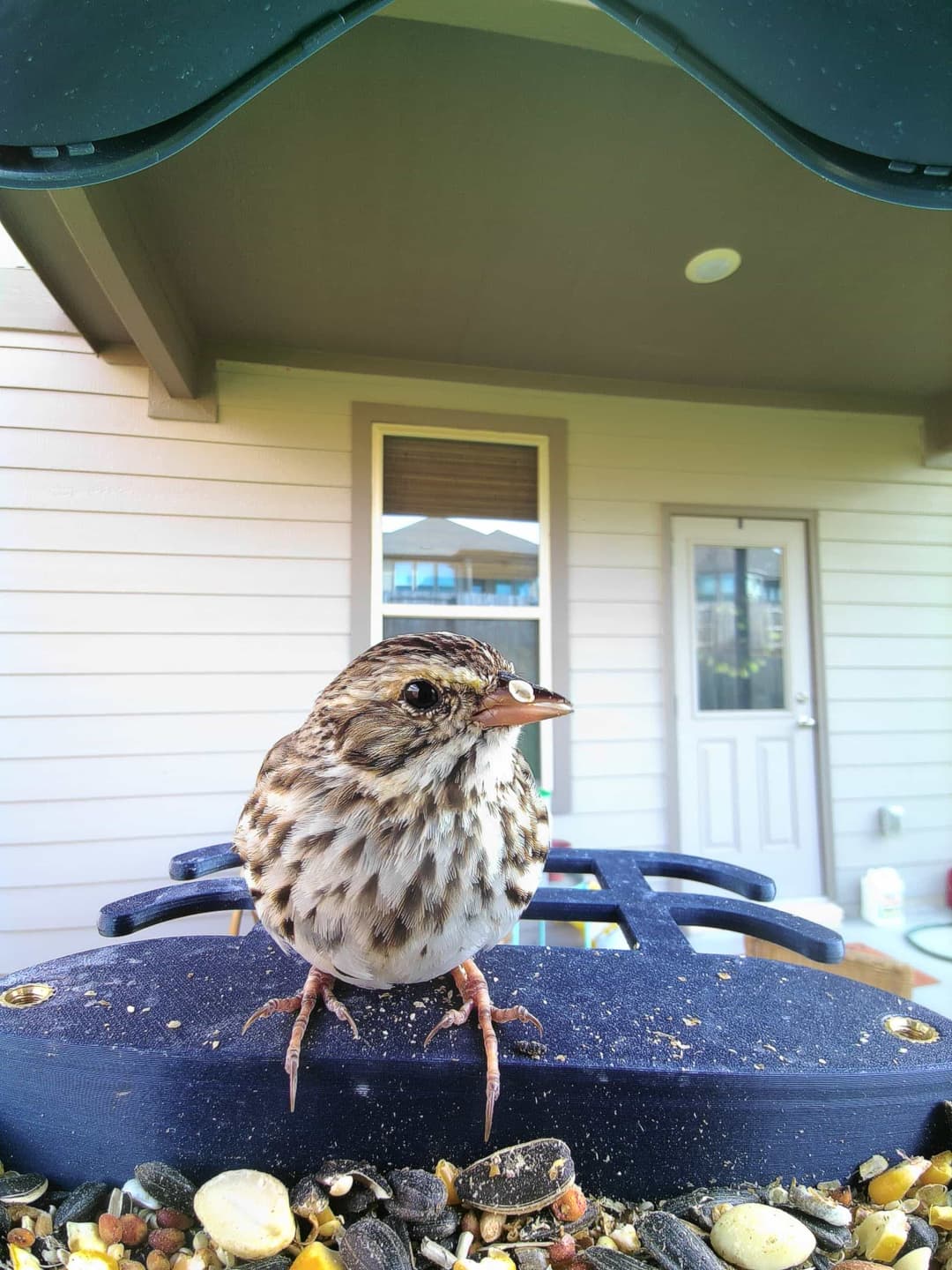
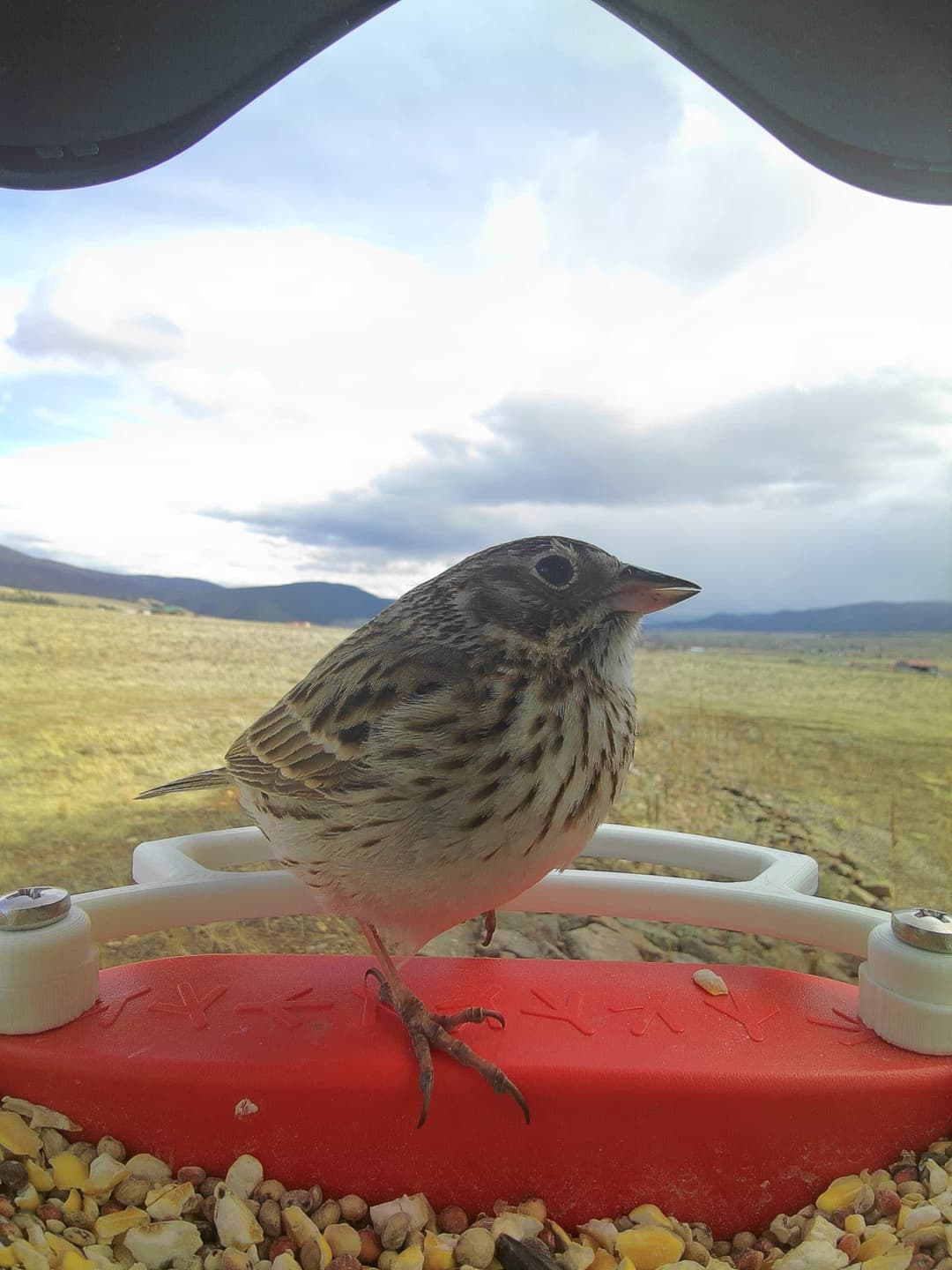
Lincoln’s Sparrow vs Song Sparrow
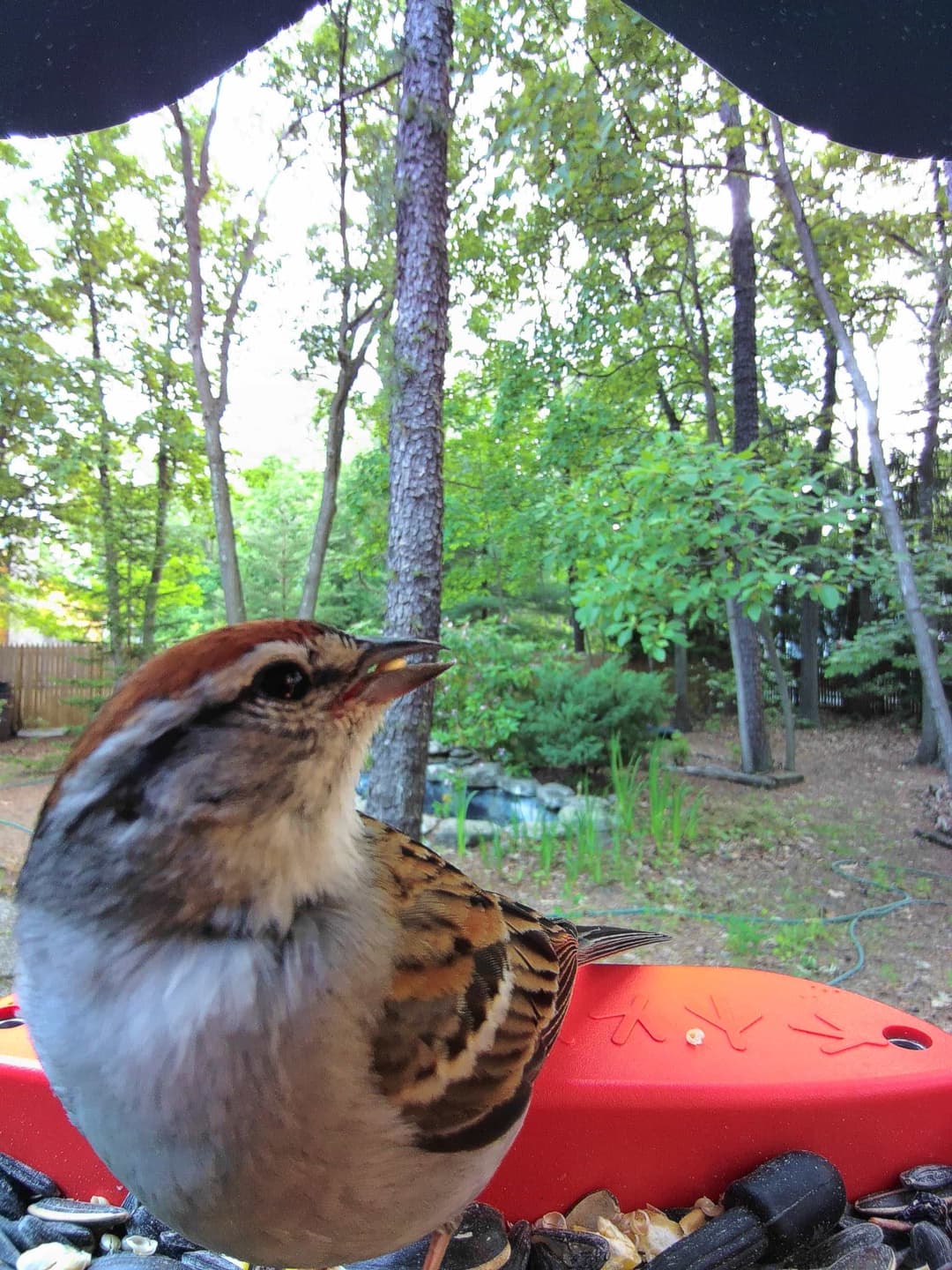
Swamp Sparrow vs Chipping Sparrow
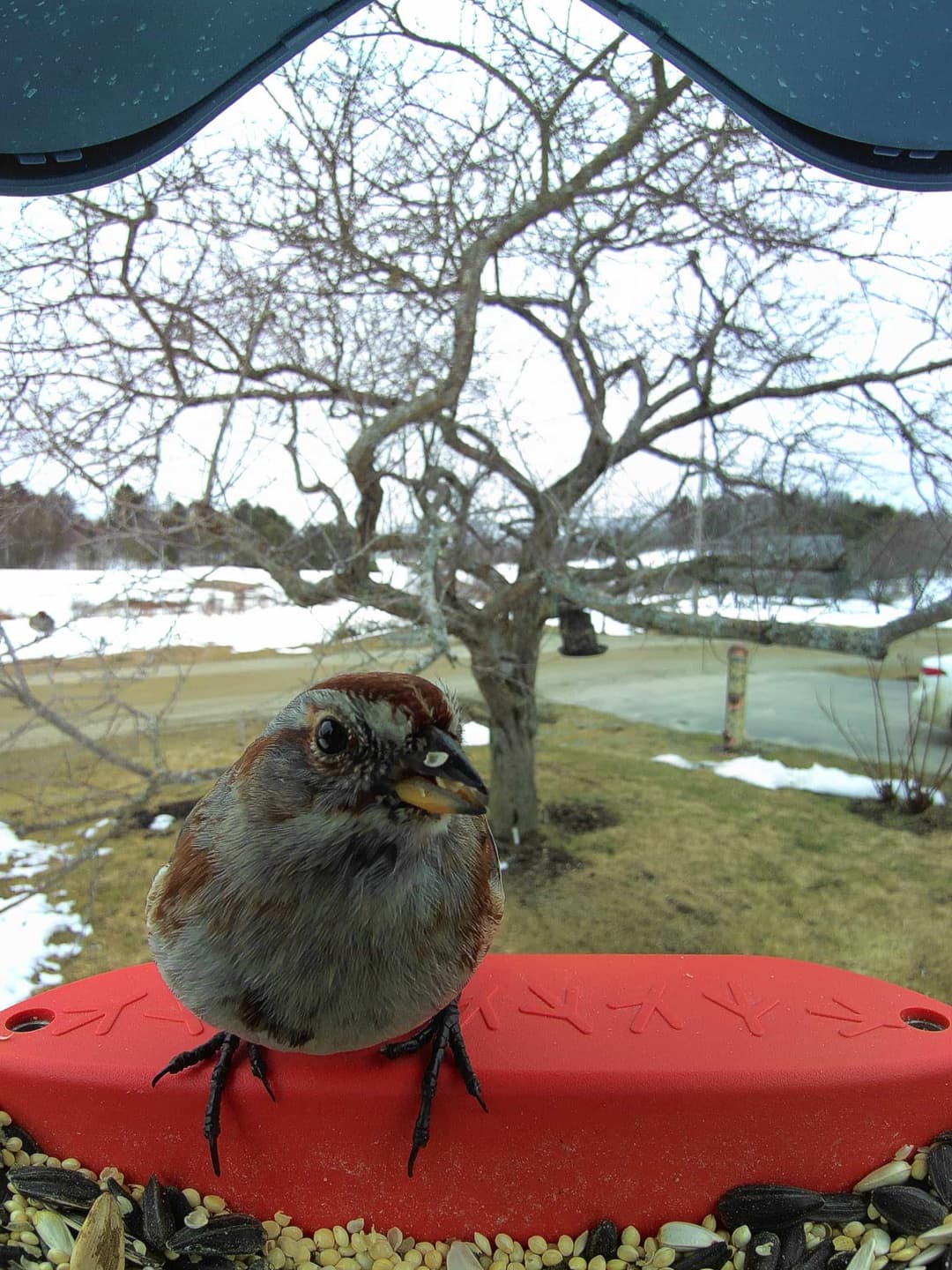
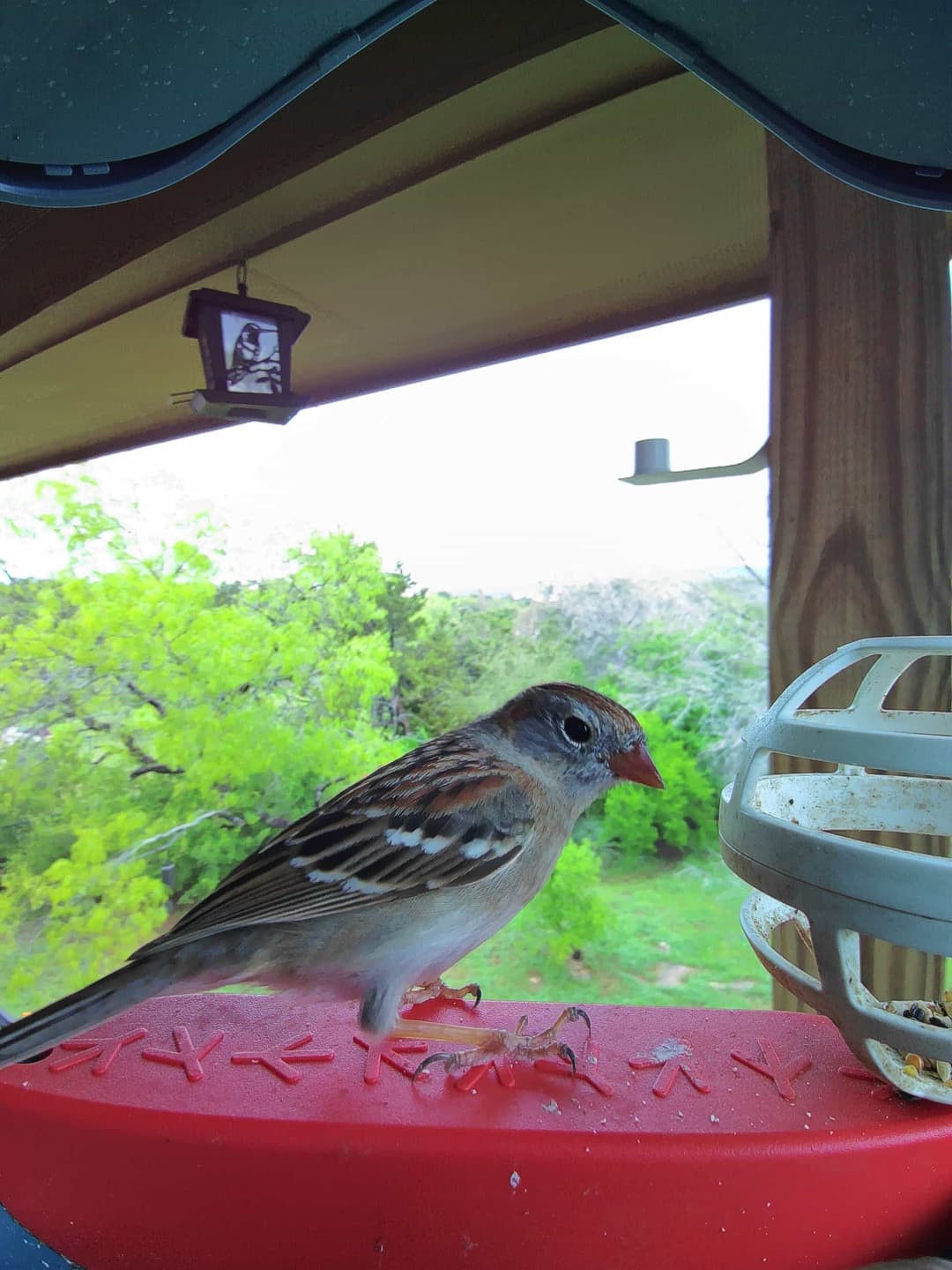
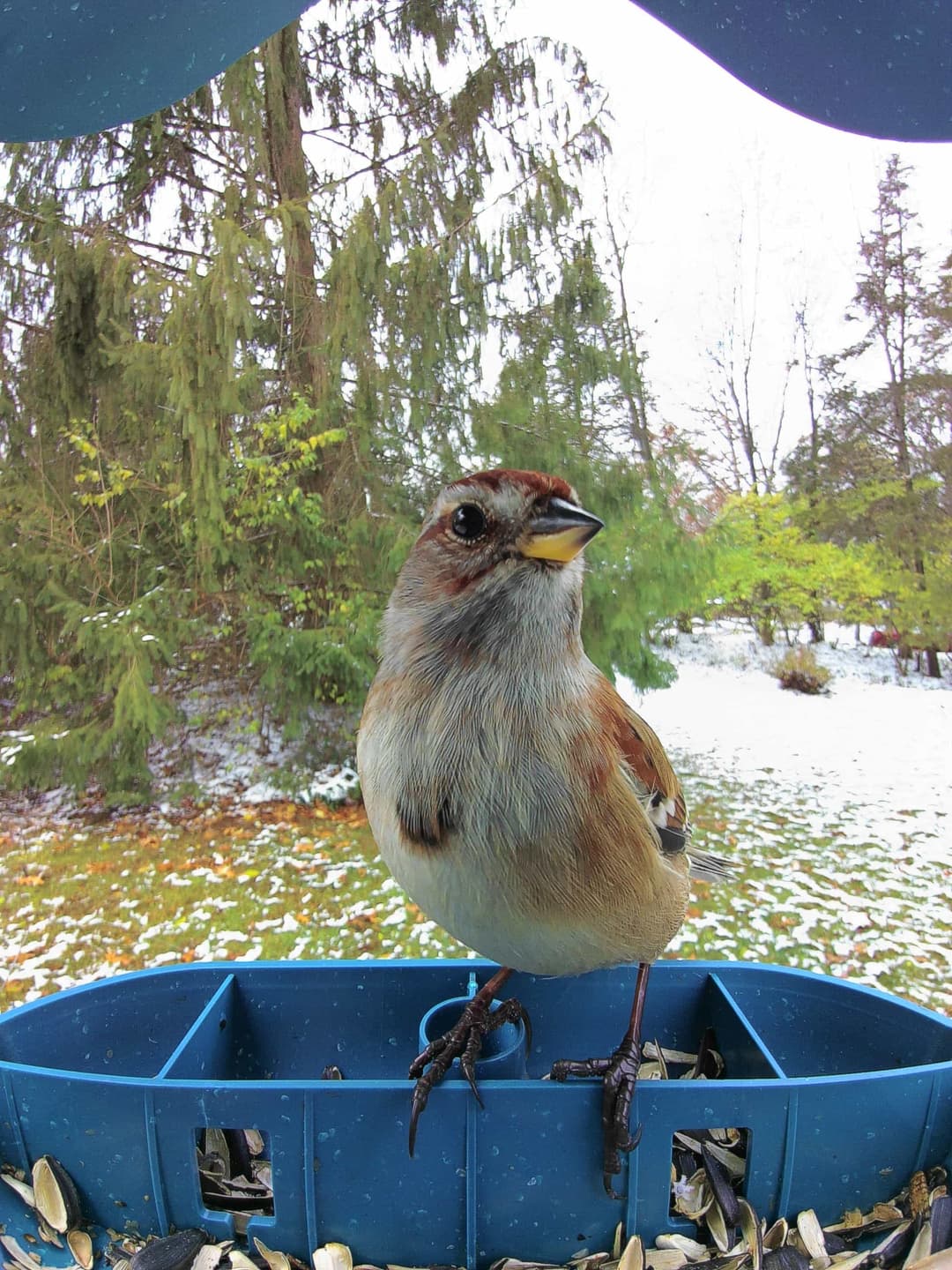
Swamp Sparrow vs American Tree Sparrow
Lincoln’s Sparrow vs [Select a bird]

[Select a bird]
Pick a bird to compare
Swamp Sparrow vs [Select a bird]
[Select a bird]
Pick a bird to compare