Lincoln’s Sparrow or Savannah Sparrow?
Here's how to tell the difference


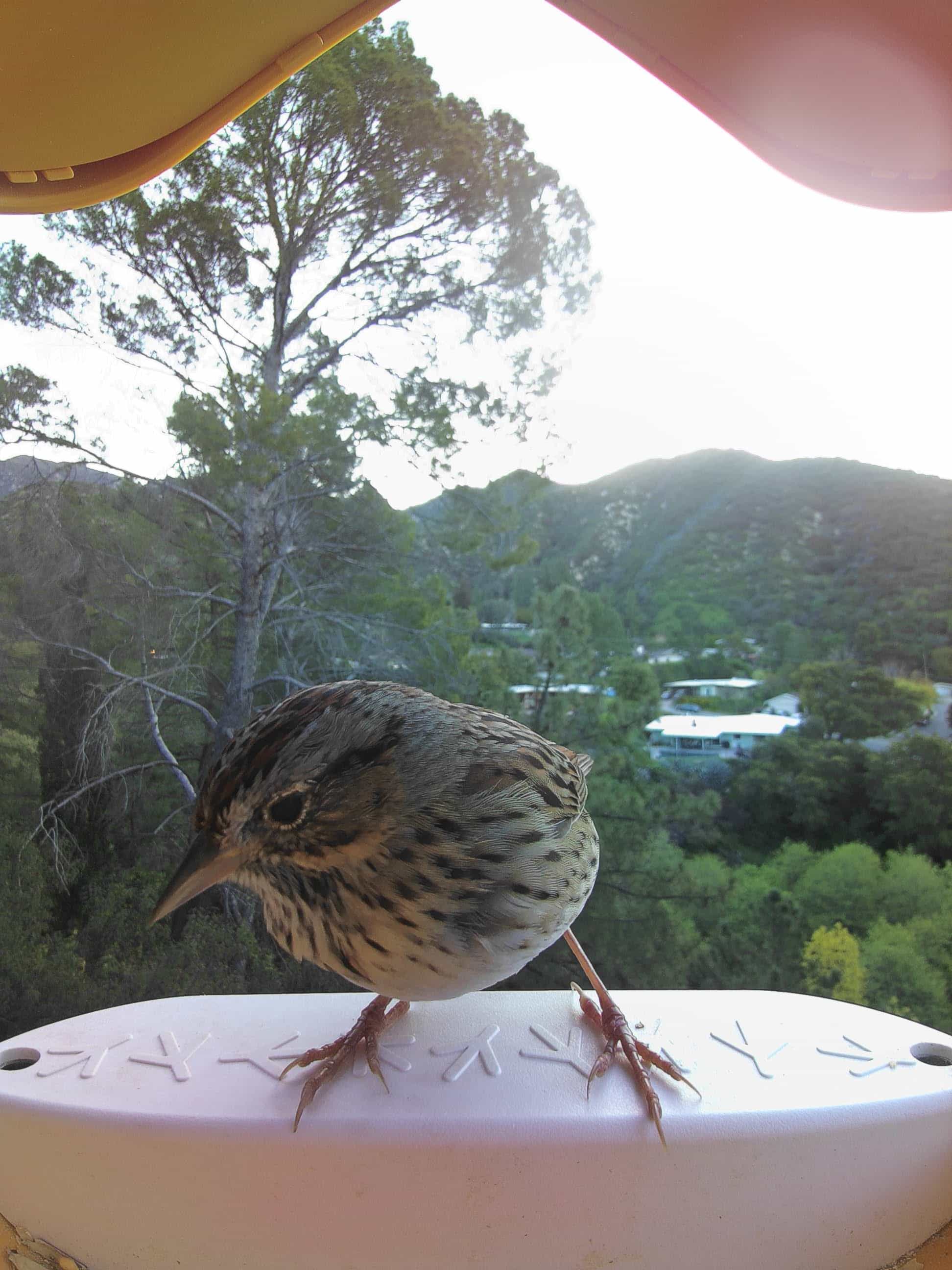


Lincoln’s Sparrow


Savannah Sparrow
Lincoln’s Sparrow
Melospiza lincolnii
General appearance
The Lincoln’s Sparrow is about the size of a common Sparrow, measuring 5-6 inches, which is equivalent to 13-15 cm. They are characterized by contrasting face colors including a buff-colored 'whisker', gray eyebrows, as well as brown cheeks and crown. Their chest is richly buff, finely streaked with narrow black lines. Their wings are broad in shape, and they have a notched, rounded, or square-tipped tail. Their colors range from black, brown, and gray, to tan and white.
Male vs female
There is no distinctive coloration or physical trait differences between male and female Lincoln’s Sparrows as they are similar in both size and colors. Both sexes possess the distinctive buff-whisker and brown cheeks making gender identification challenging in the wild.
Juvenile
Juvenile Lincoln’s Sparrows can be mistaken for juvenile Song Sparrows in the summer due to their buffy color and narrow streaks. However, these young sparrows will usually take on the distinctive adult coloring and streaking as they mature.
Size
5.1 - 5.9 in/0.6 - 0.8 oz
There's more to learn about Lincoln’s Sparrow
View full detailsSavannah Sparrow
Passerculus sandwichensis
General appearance
The savannah sparrow is a small, streaked songbird with a short tail and a distinguishing yellow spot between the eye and beak. Its back and wings are brown with heavy streaking, while the underparts are white with dark streaks. The bill is typically short and conical.
Male vs female
Males and females are similar in appearance, but males often exhibit slightly brighter and more contrasting plumage during the breeding season. Both sexes feature a similar patterning and coloration throughout the year.
Juvenile
Juvenile savannah sparrows resemble adults but have a more subdued coloration and streaking. The yellow spot may be less pronounced in juveniles. As they mature, their plumage becomes more defined, resembling adult birds.
Size
4.3 - 5.9 in/0.5 - 1.0 oz
There's more to learn about Savannah Sparrow
View full detailsHow to tell the Lincoln’s Sparrow from the Savannah Sparrow
Visual differences
The Lincoln's Sparrow (5-6 inches) has a buff-colored 'whisker', gray eyebrows, and brown cheeks, with finely streaked buff chests and broad wings. The Savannah Sparrow (4.5-6 inches) features a notable yellow spot between the eye and beak, brown back with heavy streaking, and white underparts with dark streaks. Lincoln's has a more contrasting brown and buff color pattern, while Savannah often shows a brighter yellow, especially above the eyes. Both have conical bills, but the Savannah's tail is shorter, and Lincoln's tail can be notched or square-tipped.
Key differences and behavior
Lincoln's Sparrows typically prefer dense, moist habitats like wet coniferous forests and streamside willows, whereas Savannah Sparrows favor open fields and marshes. Both species nest on the ground, but Lincoln's Sparrows prefer concealed spots, while Savannah Sparrows use tall grasses for cover. Males of both species defend territories through singing, but Lincoln's Sparrows are unique as females show preference for males that sing in colder conditions, indicating vitality. In diet, both sparrows feed on insects in summer and seeds in winter, but Savannah Sparrows also eat crustaceans and mollusks in coastal areas. Savannah Sparrows involve both parents in chick-rearing, contrasting with the sparse data on Lincoln's Sparrows' parental roles. While Savannah Sparrows can be more vocal due to their numerous population, Lincoln's Sparrows rely more on visual recognition in habitats with overlapping species like Song Sparrows.
Still not sure? Here are more lookalikes!
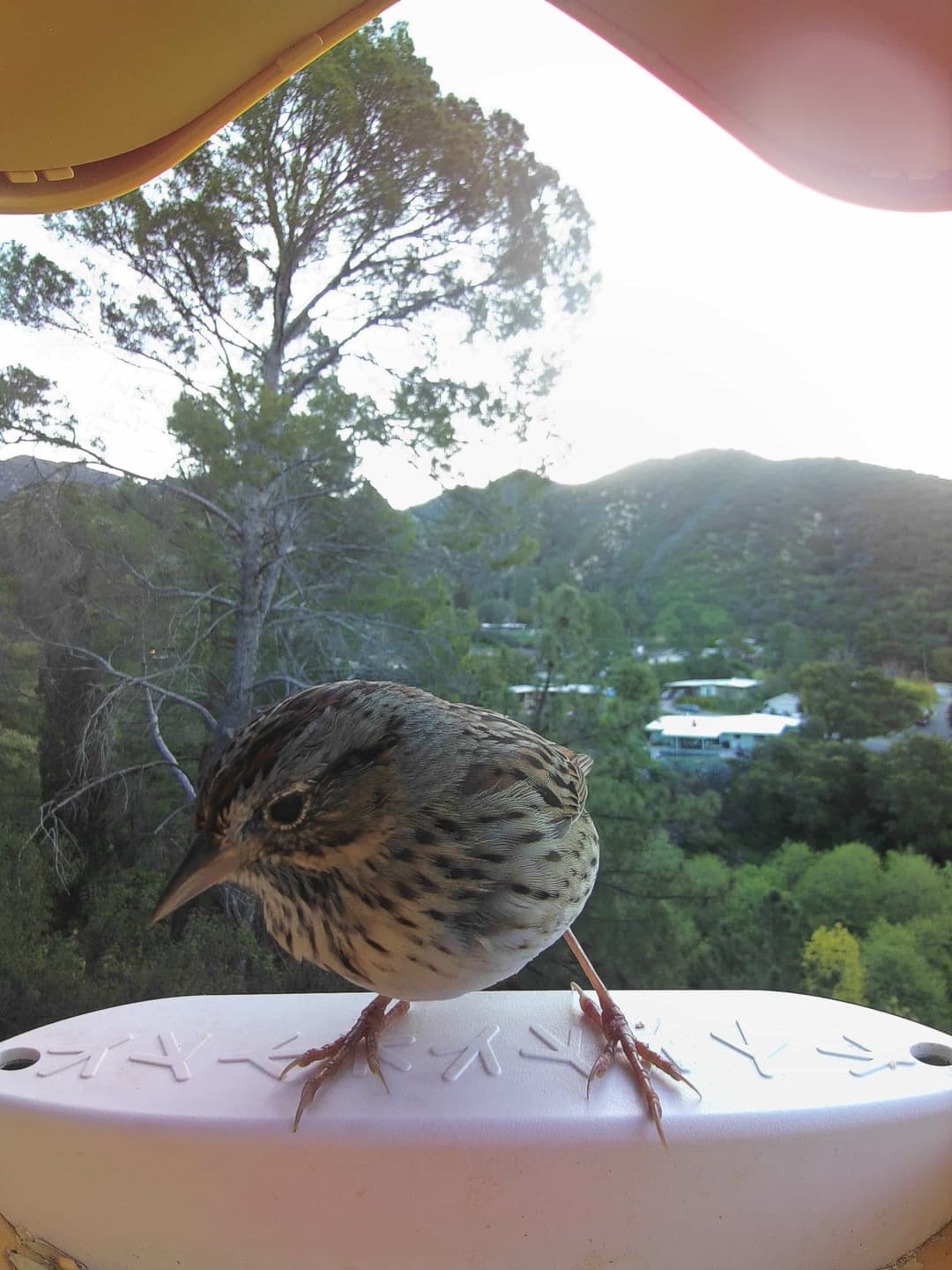
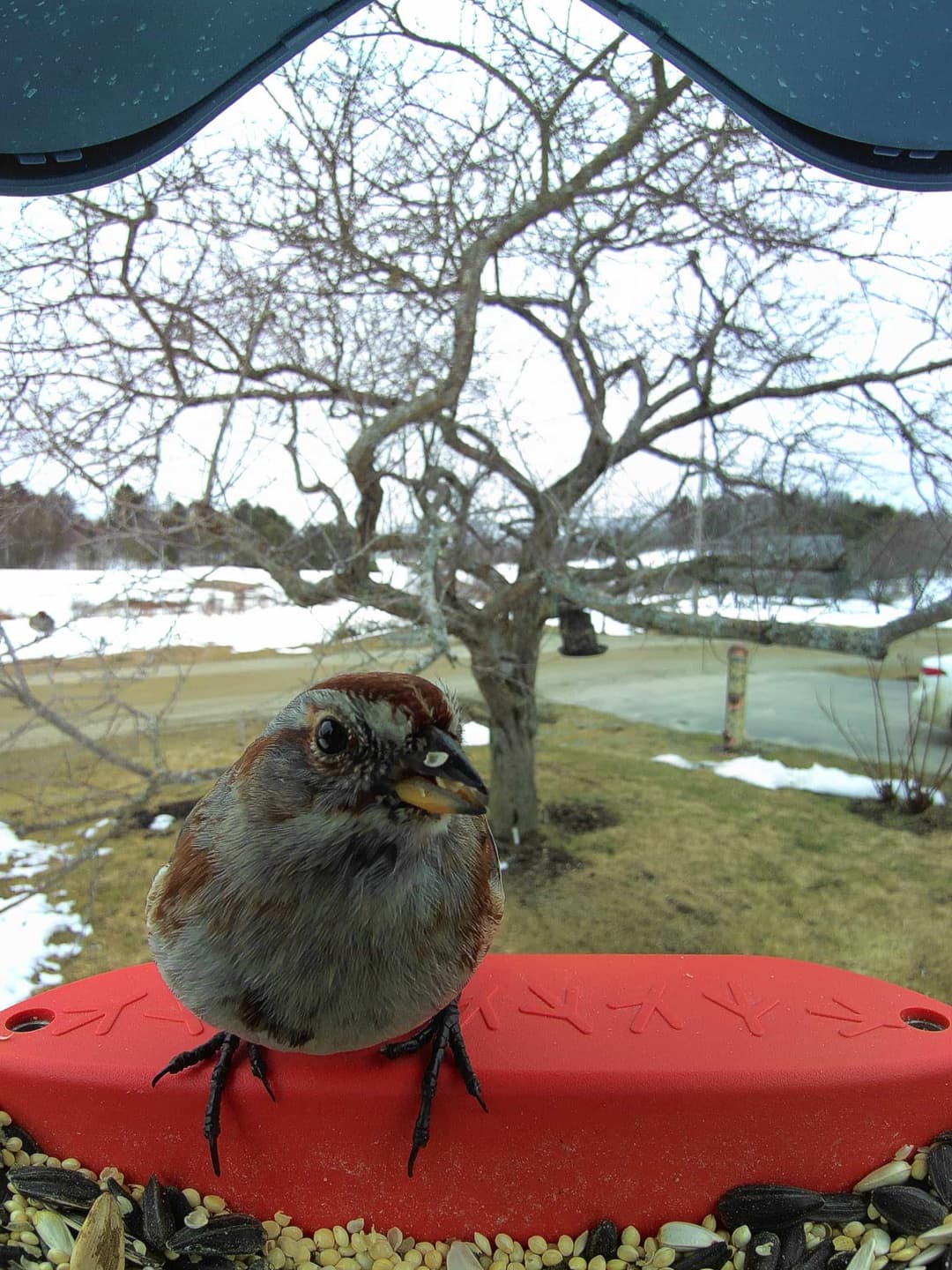
Lincoln’s Sparrow vs Song Sparrow
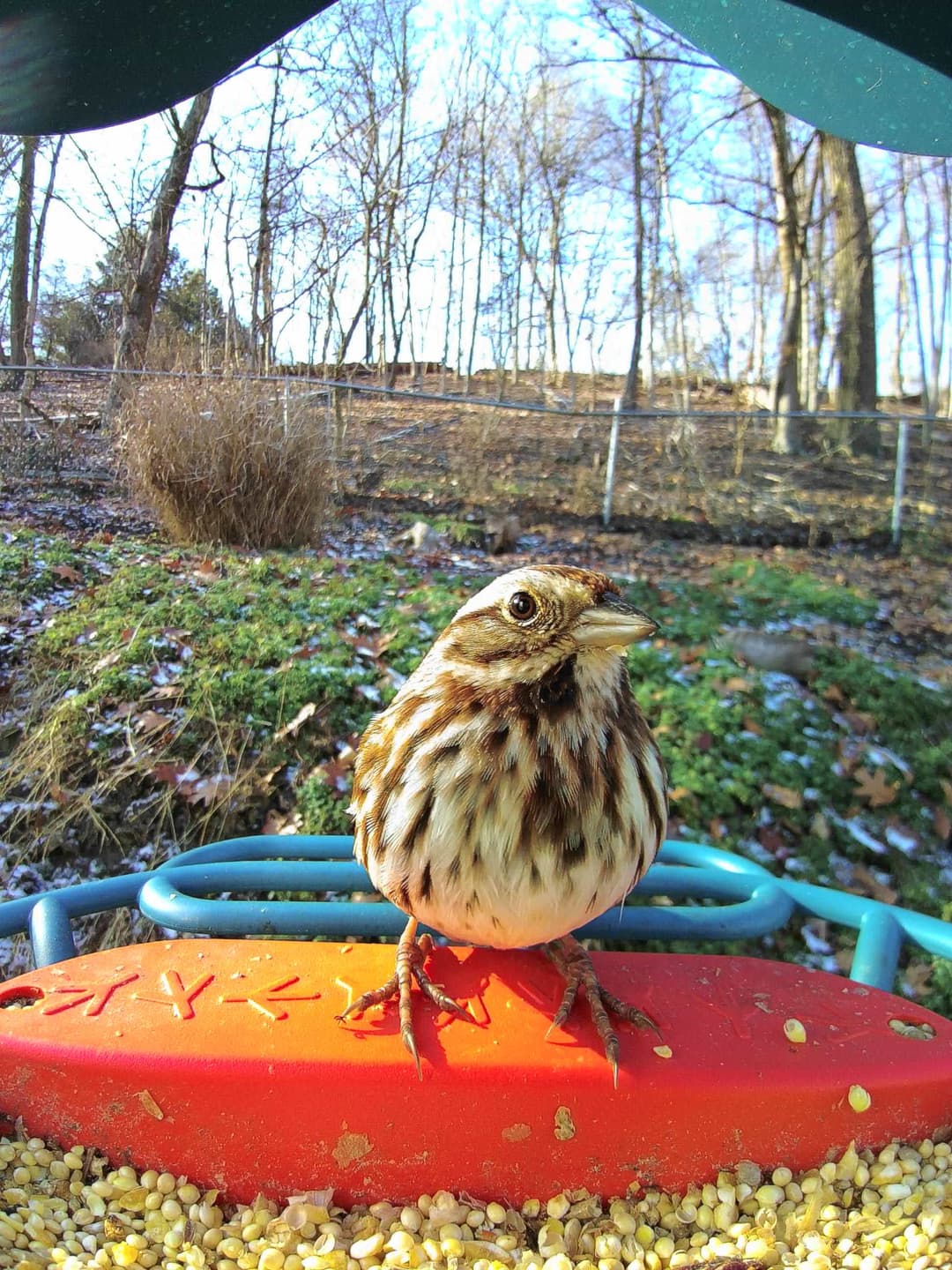

Savannah Sparrow vs Song Sparrow
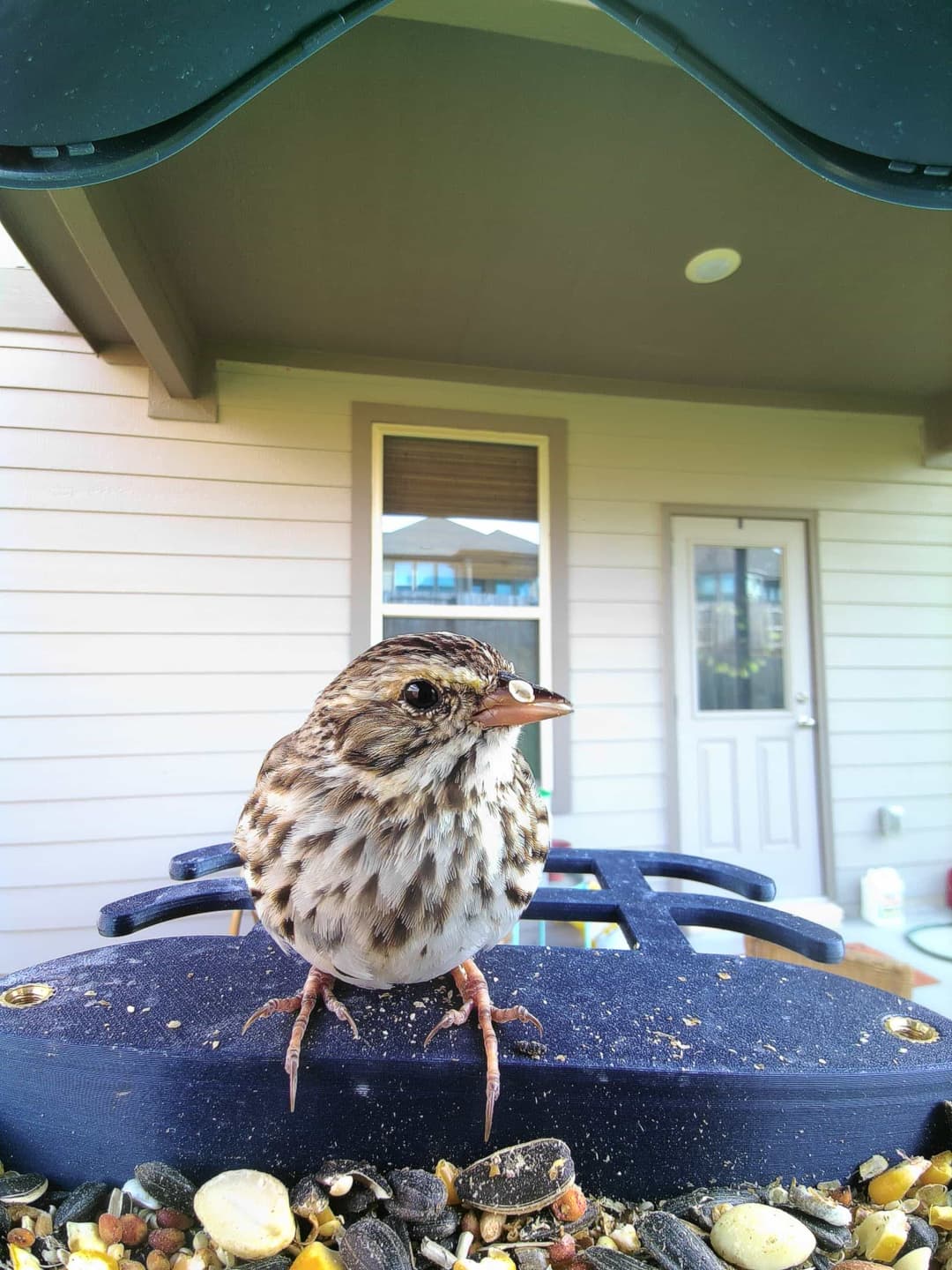
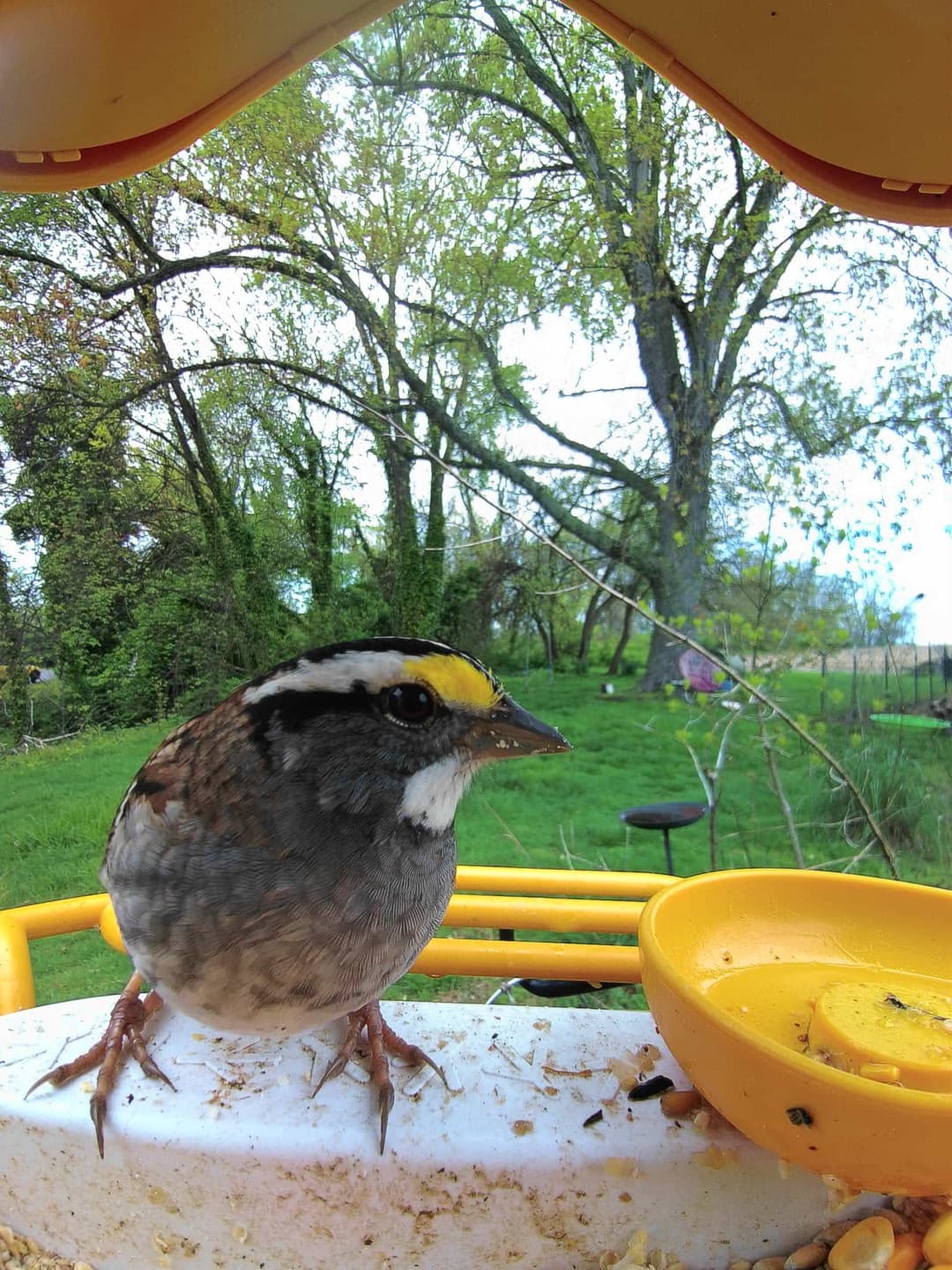
Savannah Sparrow vs White-Throated Sparrow
Lincoln’s Sparrow vs [Select a bird]

[Select a bird]
Pick a bird to compare
Savannah Sparrow vs [Select a bird]
[Select a bird]
Pick a bird to compare