Swamp Sparrow or Chipping Sparrow?
Here's how to tell the difference
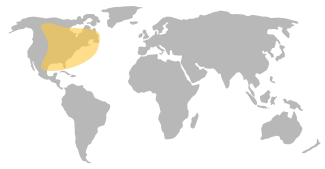

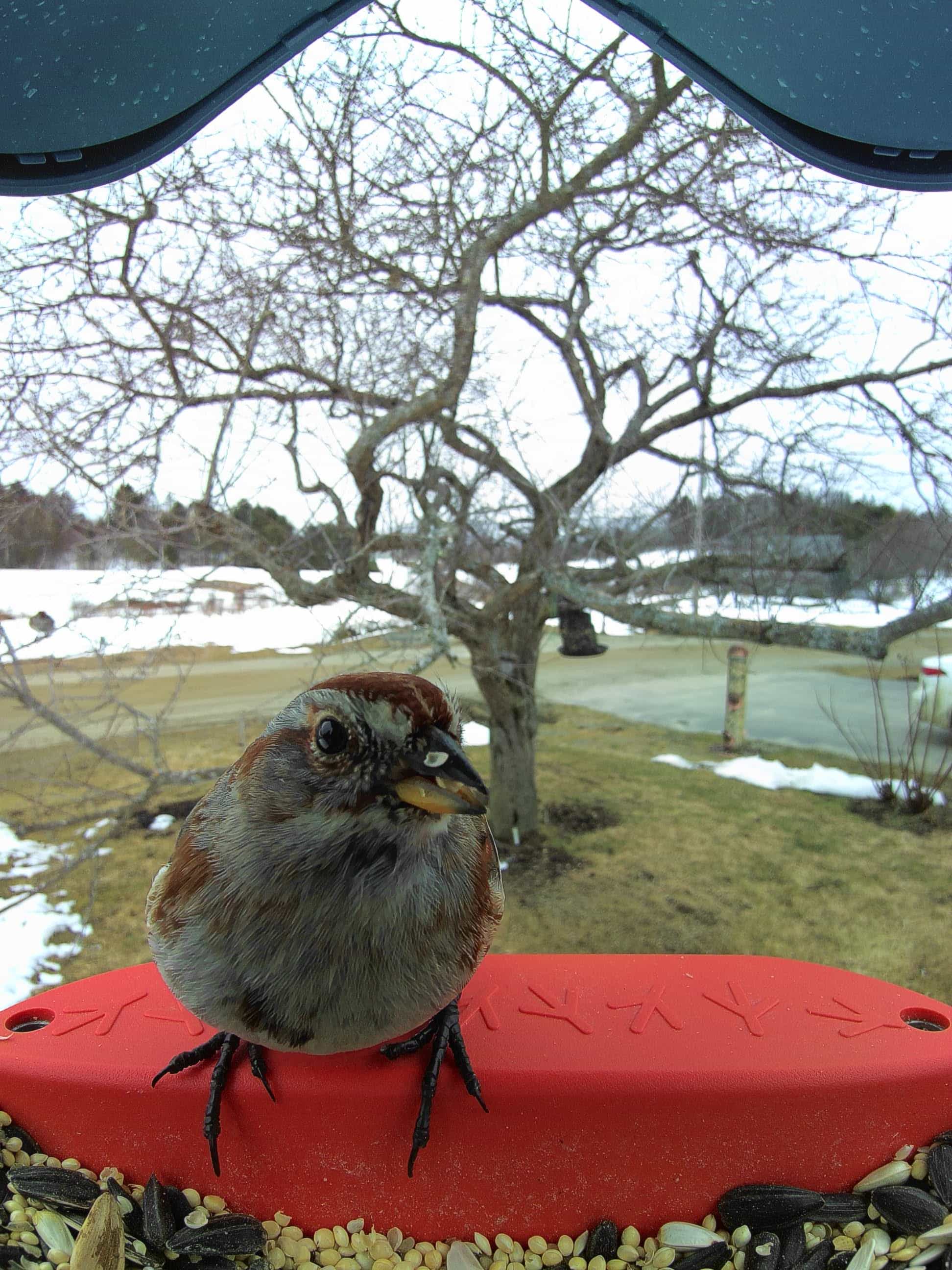


Swamp Sparrow
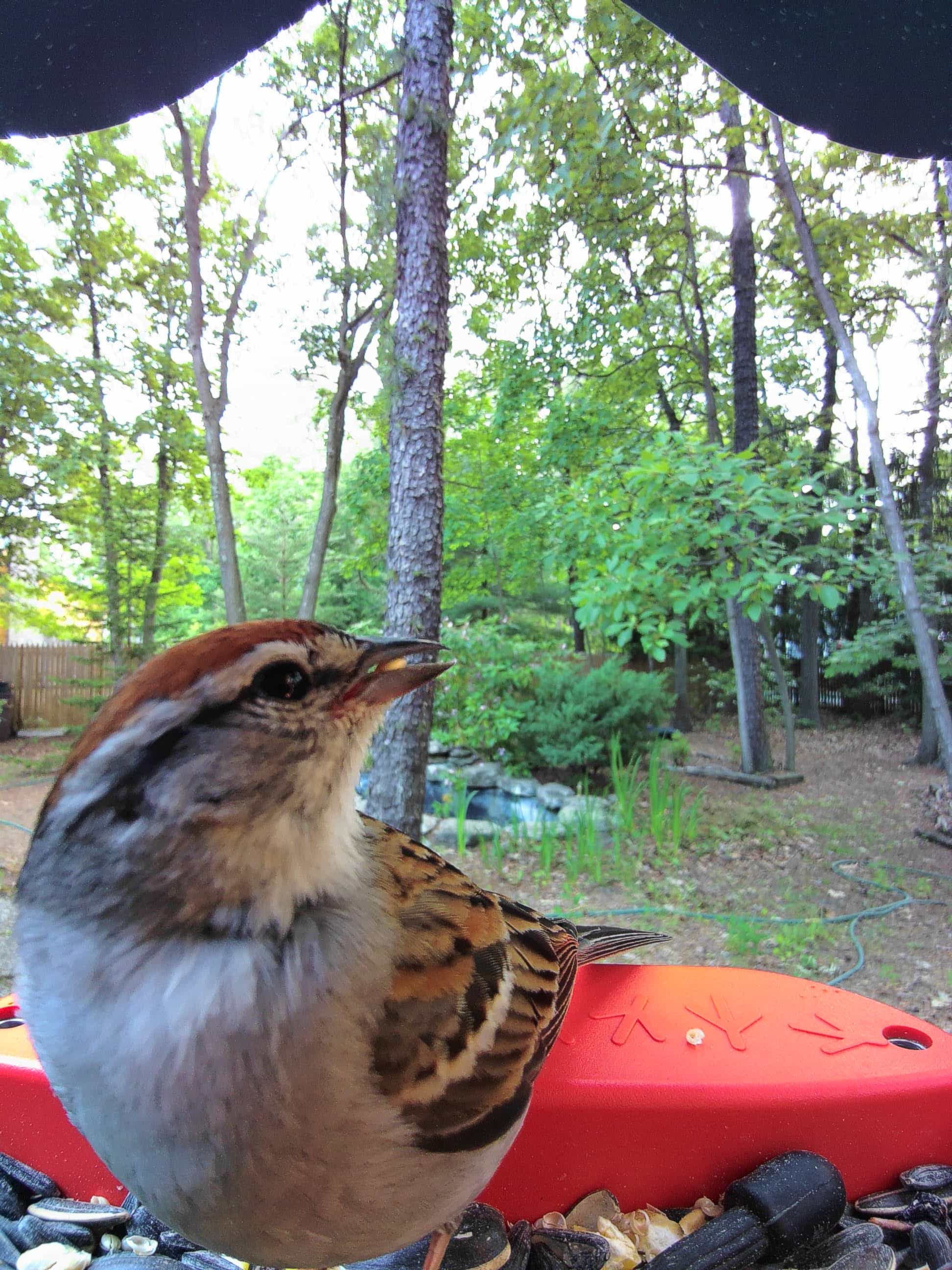


Chipping Sparrow
Swamp Sparrow
Melospiza georgiana
General appearance
The swamp sparrow is a medium-sized sparrow with a stout build. Notable features include a rich chestnut crown, gray face, and rusty wings. Their underparts are primarily gray with some brown streaks. The back is brown with black streaks. They possess a relatively short tail and a robust, conical bill, ideal for seed-eating.
Male vs female
Male and female swamp sparrows are similar in appearance, both featuring the characteristic rusty and gray color palette. However, males might exhibit slightly brighter plumage, particularly during the breeding season, with more vivid chestnut tones on the cap. Females tend to have a more subdued coloration year-round.
Juvenile
Juvenile swamp sparrows are duller than adults, with more brown and less distinct markings. The crown is typically more streaked rather than solid chestnut. As juveniles molt into adult plumage, the vibrant chestnut crown and gray face become more pronounced. Juveniles lack the fully developed rusty wings of adults initially.
Size
4.9 - 5.7 in/0.4 - 0.8 oz
There's more to learn about Swamp Sparrow
View full detailsChipping Sparrow
Spizella passerina
General appearance
The Chipping Sparrow is a small 5-5 1/2 inch bird, equivalent to 13-14 cm. Sporting a blend of black, brown, gray, red, and white colors, it has a distinctive chestnut cap, white eyebrow, and black eyeline. Its wings are broad and the tail shape varies from notched, rounded to square-tipped. The bird's rump is gray, distinguishing it from Clay-Colored and Brewer's Sparrows that have brown rumps.
Male vs female
The Chipping Sparrow doesn't exhibit significant sexual dimorphism, meaning males and females have similar appearance. They both have less contrast in winter with their chestnut color partly obscured.
Juvenile
Young Chipping Sparrows are initially streaky and retain some of these streaks into fall. Dull fall juveniles can suggest Clay-Colored Sparrow and Brewer's Sparrow, but the gray rump identifies them as Chipping Sparrows. As they age, they acquire the characteristic colors and patterns of adult Chipping Sparrows.
Size
4.7 - 5.9 in/0.4 - 0.6 oz
There's more to learn about Chipping Sparrow
View full detailsHow to tell the Swamp Sparrow from the Chipping Sparrow
Visual differences
Swamp Sparrows and Chipping Sparrows have several visual differences. Swamp Sparrows are medium-sized with a stout build, showing a rich chestnut crown, gray face, and rusty wings, and possess a robust, conical bill. In contrast, Chipping Sparrows are smaller with a distinctive chestnut cap, white eyebrow, and black eyeline, and have a gray rump. Additionally, the Swamp Sparrow's tail is shorter and its plumage includes brown streaks, while the Chipping Sparrow tends to have a more defined pattern and varies in tail shape from notched to square-tipped.
Key differences and behavior
Swamp Sparrows (Melospiza georgiana) and Chipping Sparrows (Spizella passerina) exhibit distinct behaviors. Swamp Sparrows, with their longer legs, are adept waders, often found in marshes hunting for insects and seeds and occasionally visiting bird feeders. They are prolific singers, defending territories day and night. Their nests are marsh-based, usually above water, and primarily built by females. In contrast, Chipping Sparrows adapt to diverse habitats, including urban areas. They practice polygamy, with males courting multiple females, and nest in trees or on the ground. Nests are crafted from natural materials, and both parents feed chicks. They rely on insects in summer, shifting to seeds in colder months, frequenting bird feeders more consistently. While similar in size, Chipping Sparrows are generally found in drier landscapes compared to the wetter habitats of Swamp Sparrows.
Still not sure? Here are more lookalikes!
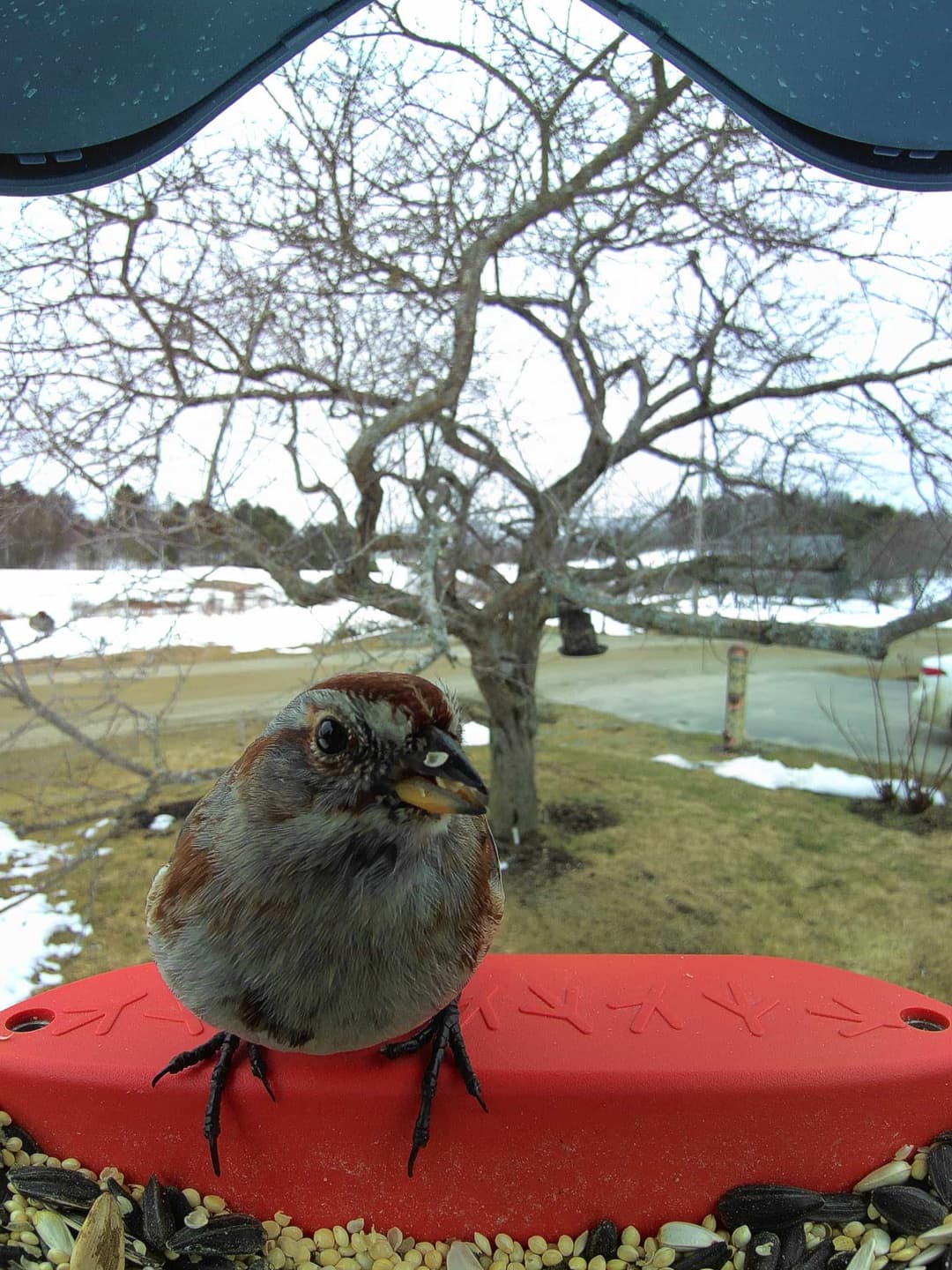
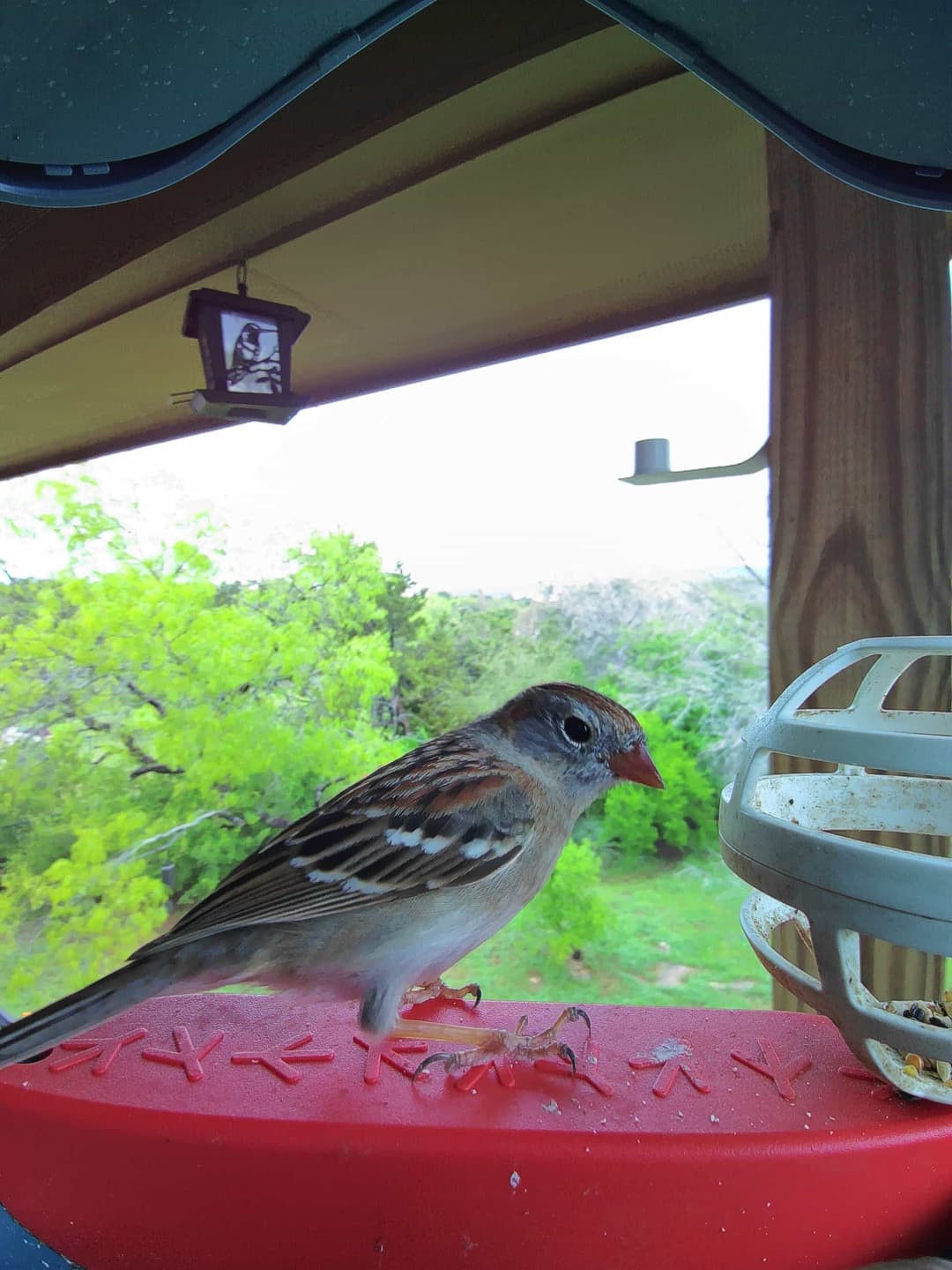
Swamp Sparrow vs American Tree Sparrow
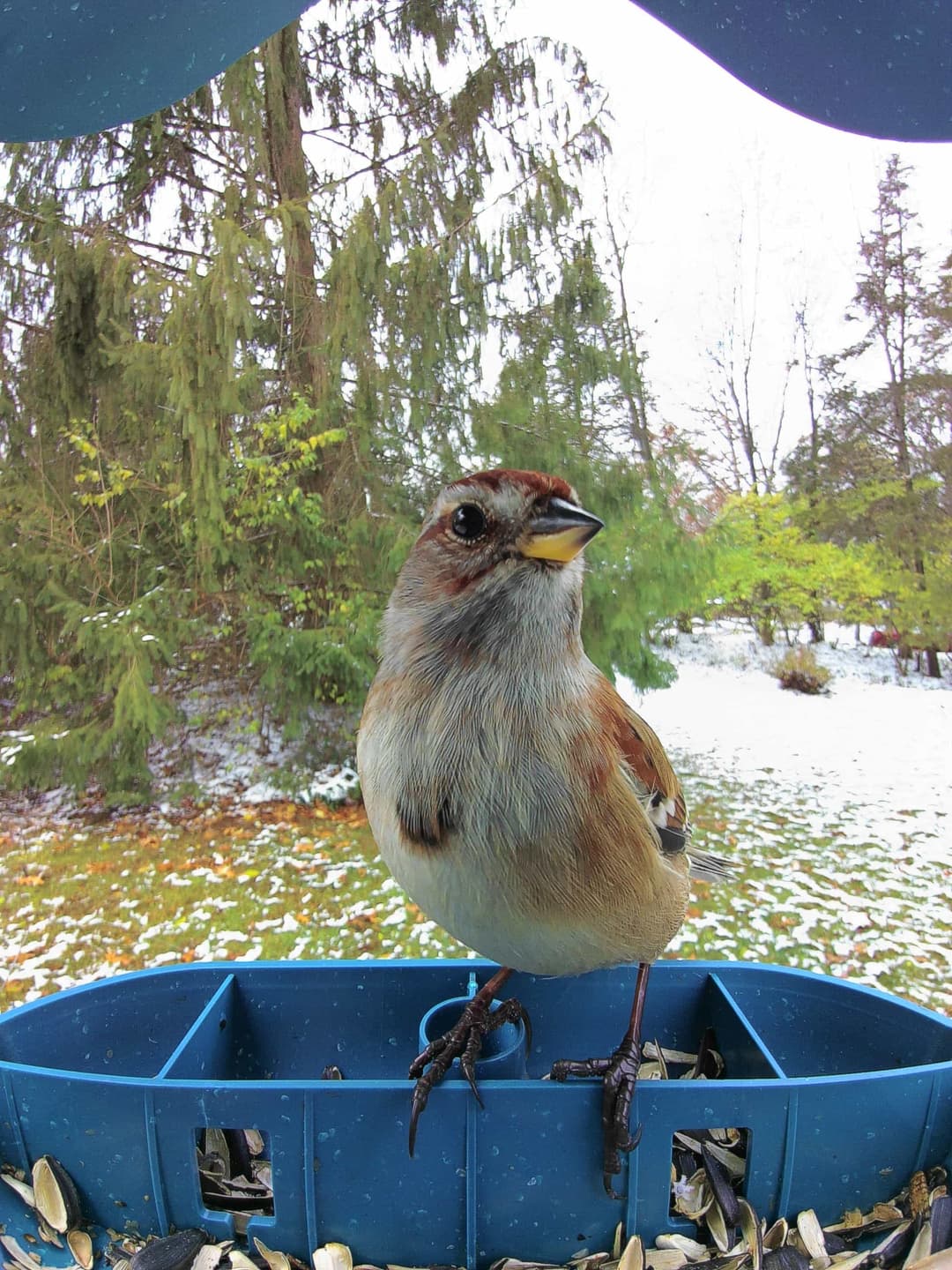
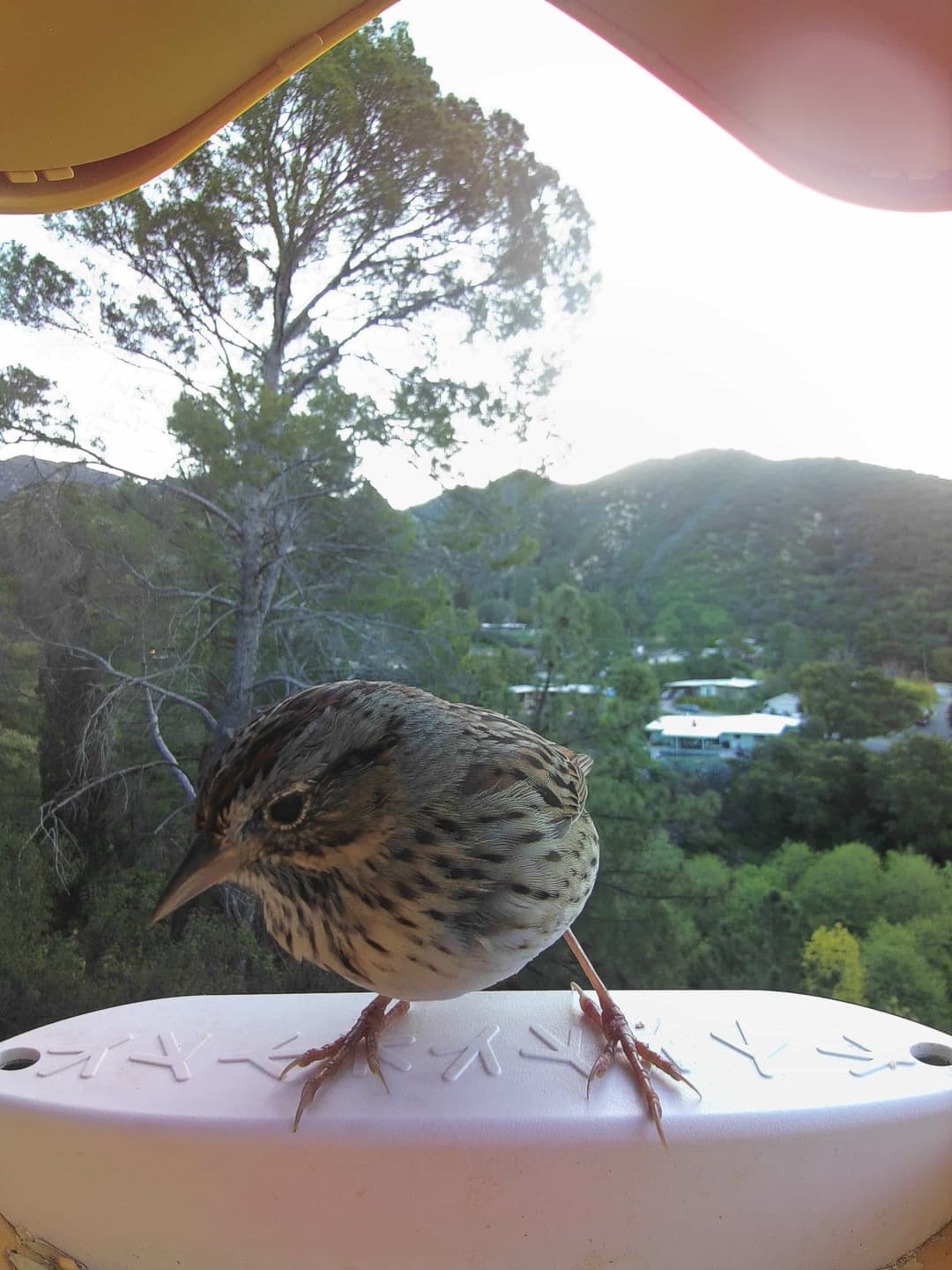
Chipping Sparrow vs American Tree Sparrow
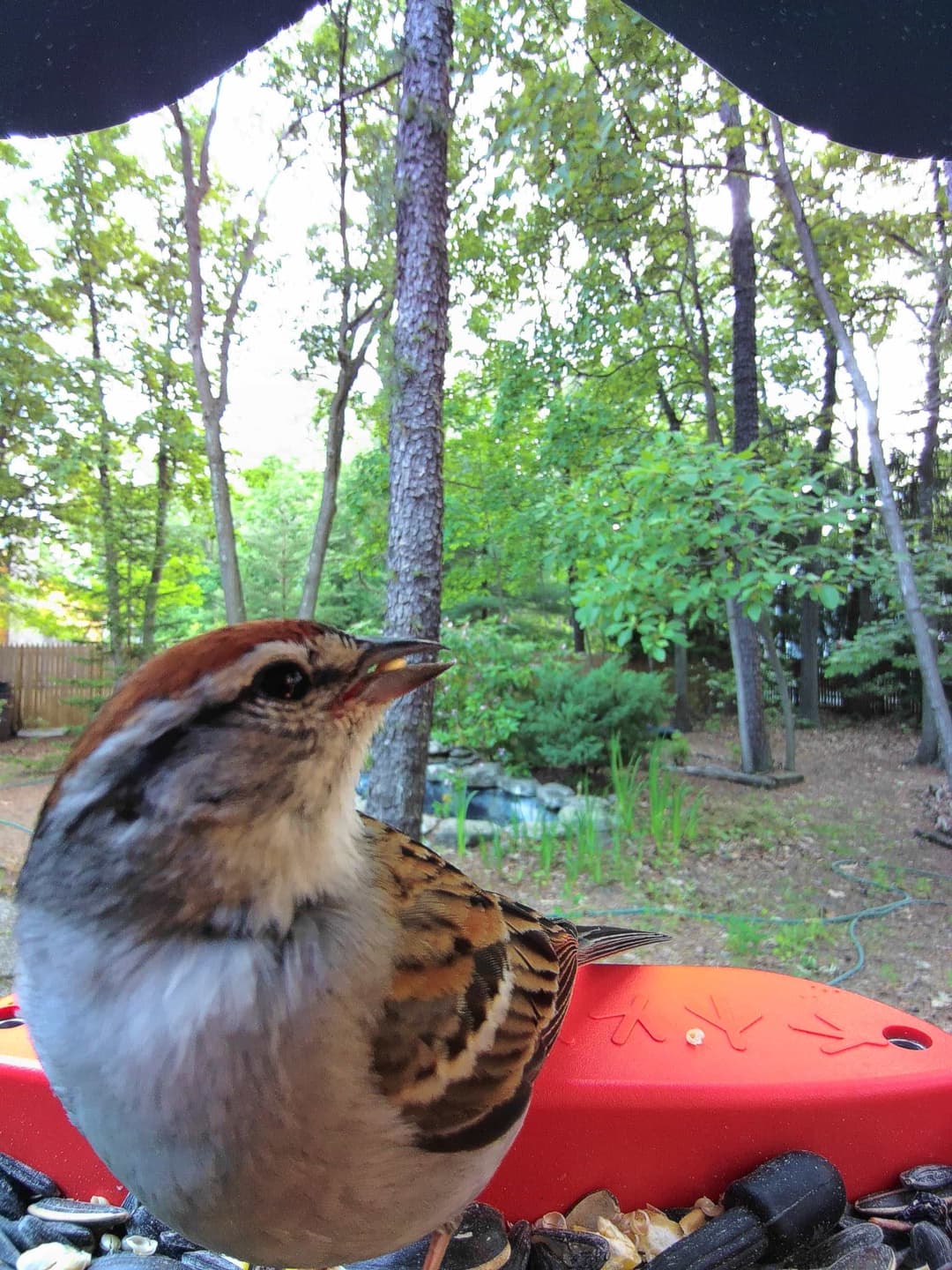
Chipping Sparrow vs Field Sparrow
Swamp Sparrow vs [Select a bird]

[Select a bird]
Pick a bird to compare
Chipping Sparrow vs [Select a bird]
[Select a bird]
Pick a bird to compare