Lazuli Bunting or Varied Bunting?
Here's how to tell the difference


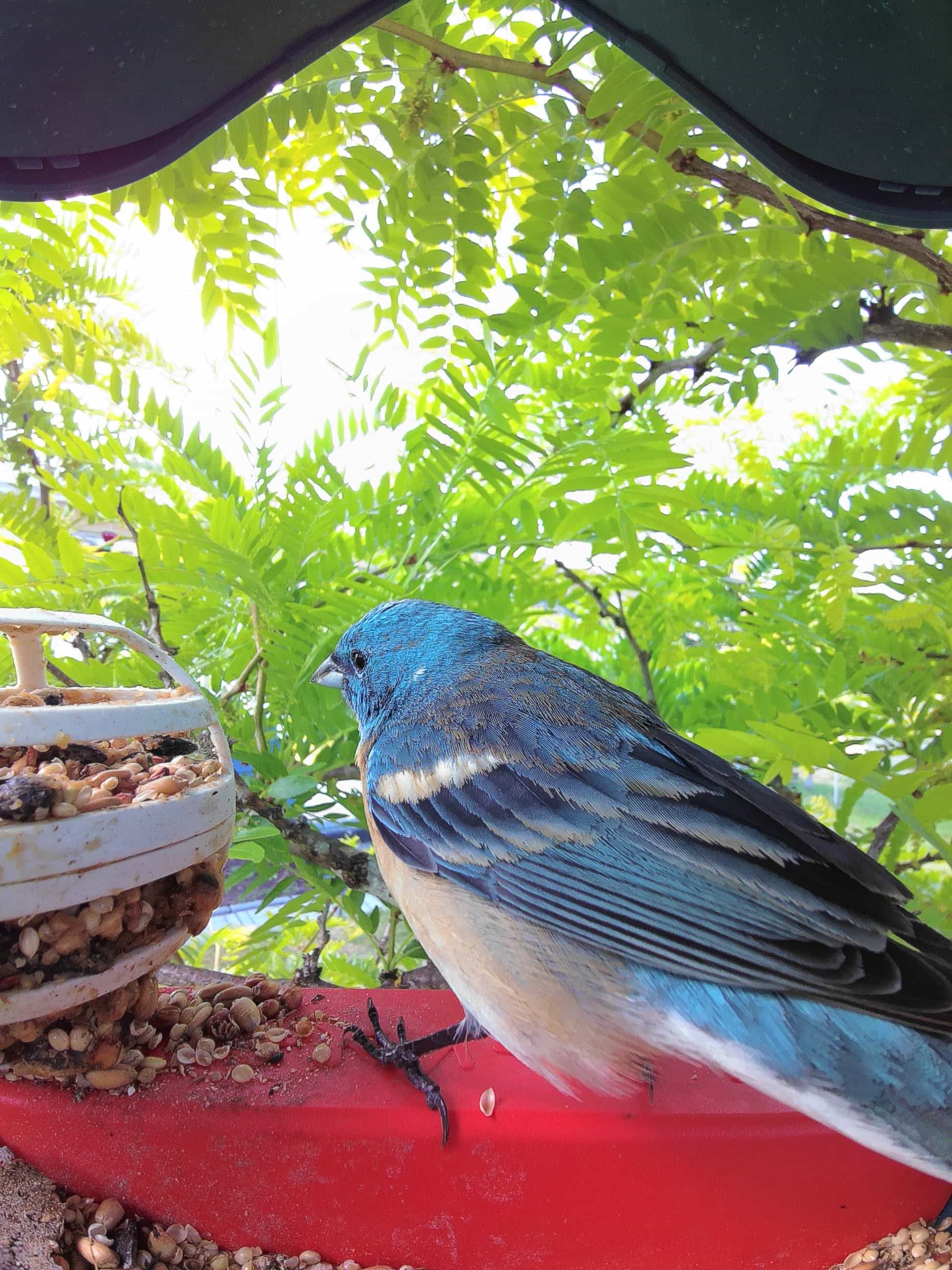


Lazuli Bunting
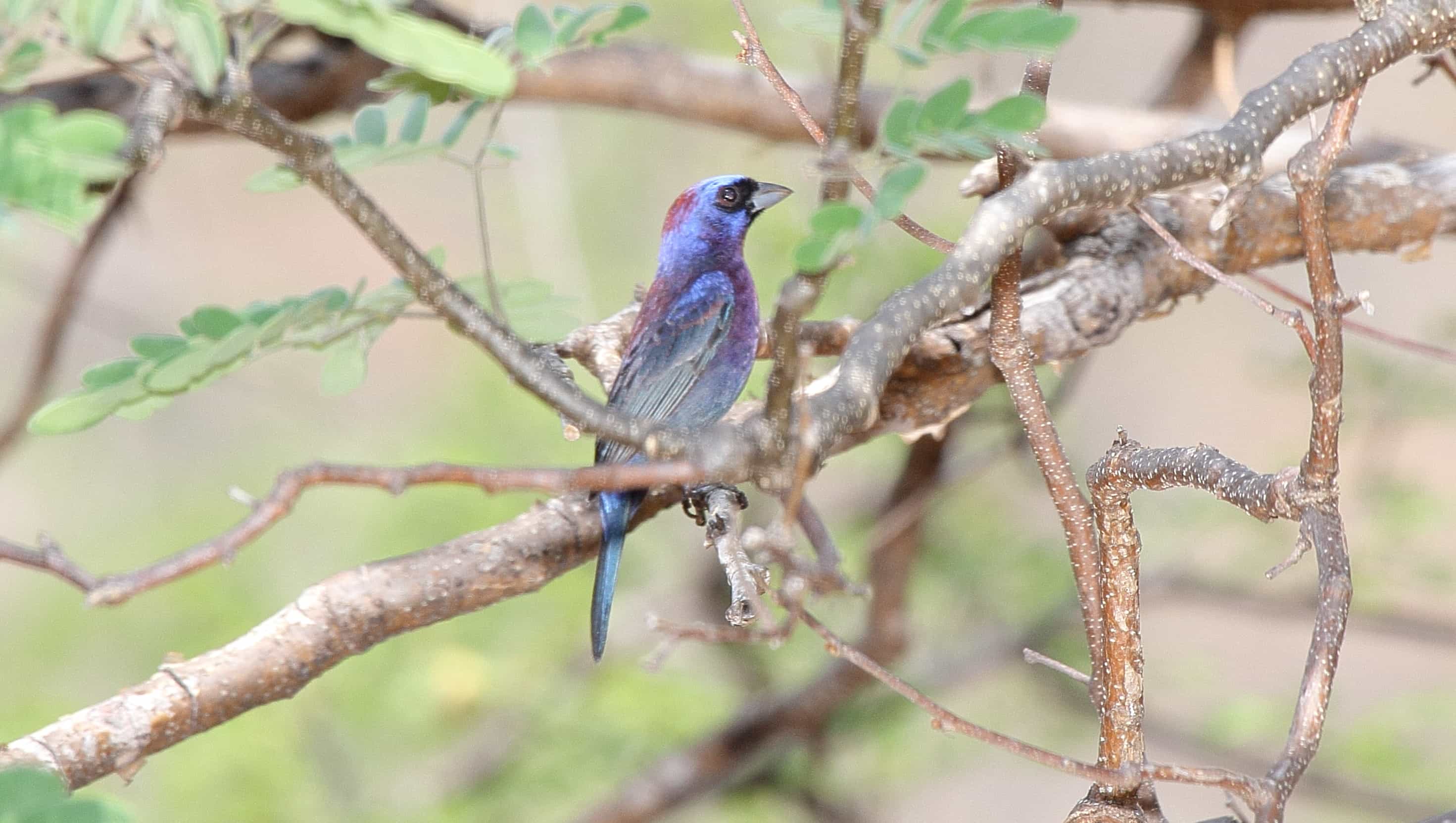
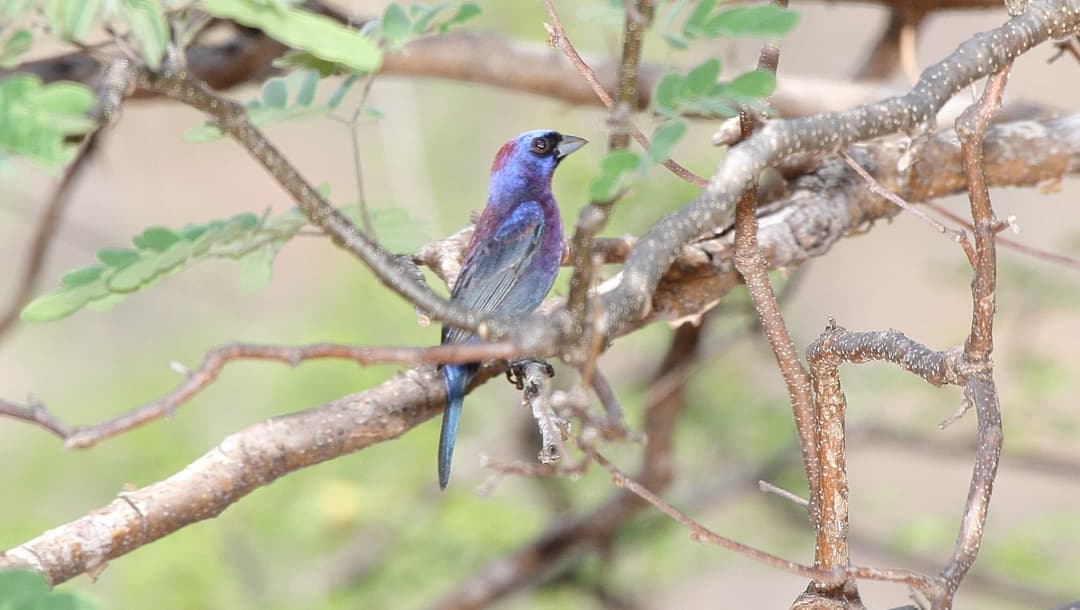
Varied Bunting
Lazuli Bunting
Passerina amoena
General appearance
The lazuli bunting is a small passerine bird with a compact body and a distinctive blue and orange coloration. Its short, conical bill is well-suited for seed-eating. The bird's wings and tail feathers are dark with bluish edges, offering a striking contrast to its vibrant body colors.
Male vs female
Males are renowned for their bright blue plumage on the head and back, contrasting with a vivid orange breast and white belly. Females, however, are more subdued with brownish tones overall, tinges of blue on the wings and tail, and paler underparts. This sexual dimorphism helps in easy identification.
Juvenile
Juvenile lazuli buntings resemble females in their coloration with predominantly brown feathers. As they mature, young males gradually develop the characteristic blue and orange plumage seen in adults. During this transition, they may exhibit a patchy mix of brown and emerging blue feathers.
Size
5.1 - 5.9 in/0.5 - 0.6 oz
There's more to learn about Lazuli Bunting
View full detailsVaried Bunting
Passerina versicolor
General appearance
The Varied Bunting is a small bird measuring 4 1/2-5 1/2 inches (11-14 cm), about the size of a Sparrow. Its distinctive coloration includes hues of black, blue, brown, and red. The bird's wing shape tends to be rounded, and the tail shape can range from notched, rounded to square-tipped.
Male vs female
Males are distinguishable by their darker appearance from a distance, appearing almost black. In good light, their plumage consists of dull purple coupled with a red nape and blue forehead. Their colors are obscurely hidden by brown edging in the fall. Females, on the other hand, are a plain brown and lack any wing-bars or chest streaks, making them relatively less colorful than their male counterparts.
Juvenile
The description does not provide specific details on the juvenile Varied Bunting. However, similar bird species often look like the females until their adult plumage develops, associating them with a duller, brown coloration.
Size
4.3 - 5.5 in/0.4 - 0.5 oz
There's more to learn about Varied Bunting
View full detailsHow to tell the Lazuli Bunting from the Varied Bunting
Visual differences
Lazuli Buntings are slightly larger (5-6 inches) and heavier (0.46-0.63 oz) than Varied Buntings (4.5-5.5 inches, 0.39-0.46 oz). Male Lazuli Buntings are bright blue with orange breasts, while Varied Bunting males appear darker, with purple-blue and red hues. Female Lazuli are brownish with light blue tinges, contrasting with the plain brown female Varied without wing-bars. Lazuli have dark wings with bluish edges, whereas Varied's plumage is more uniformly blended. Lazuli Buntings have a short, conical bill, suitable for seeds, similar to Varied Buntings.
Key differences and behavior
Lazuli Buntings (Passerina amoena) and Varied Buntings (Passerina versicolor) are both small, seed and insect-eating birds, but they exhibit distinct behavioral differences. Lazuli Buntings, which develop unique songs recognizable by their peers, are highly territorial and form song neighborhoods, often found in open, brushy areas. They participate in mutual territory defense with Indigo Buntings where ranges overlap. Varied Buntings, preferring dense, thorny brush near water, are less territorial and engage in elaborate courtship displays. Lazuli Buntings are occasionally attracted to feeders, unlike the elusive Varied Bunting, which avoids populated areas, making it a challenge for birders to spot. Lazuli Buntings nest low in shrubs, while Varied Buntings nest in dense foliage, with both parents nurturing their young.
Still not sure? Here are more lookalikes!
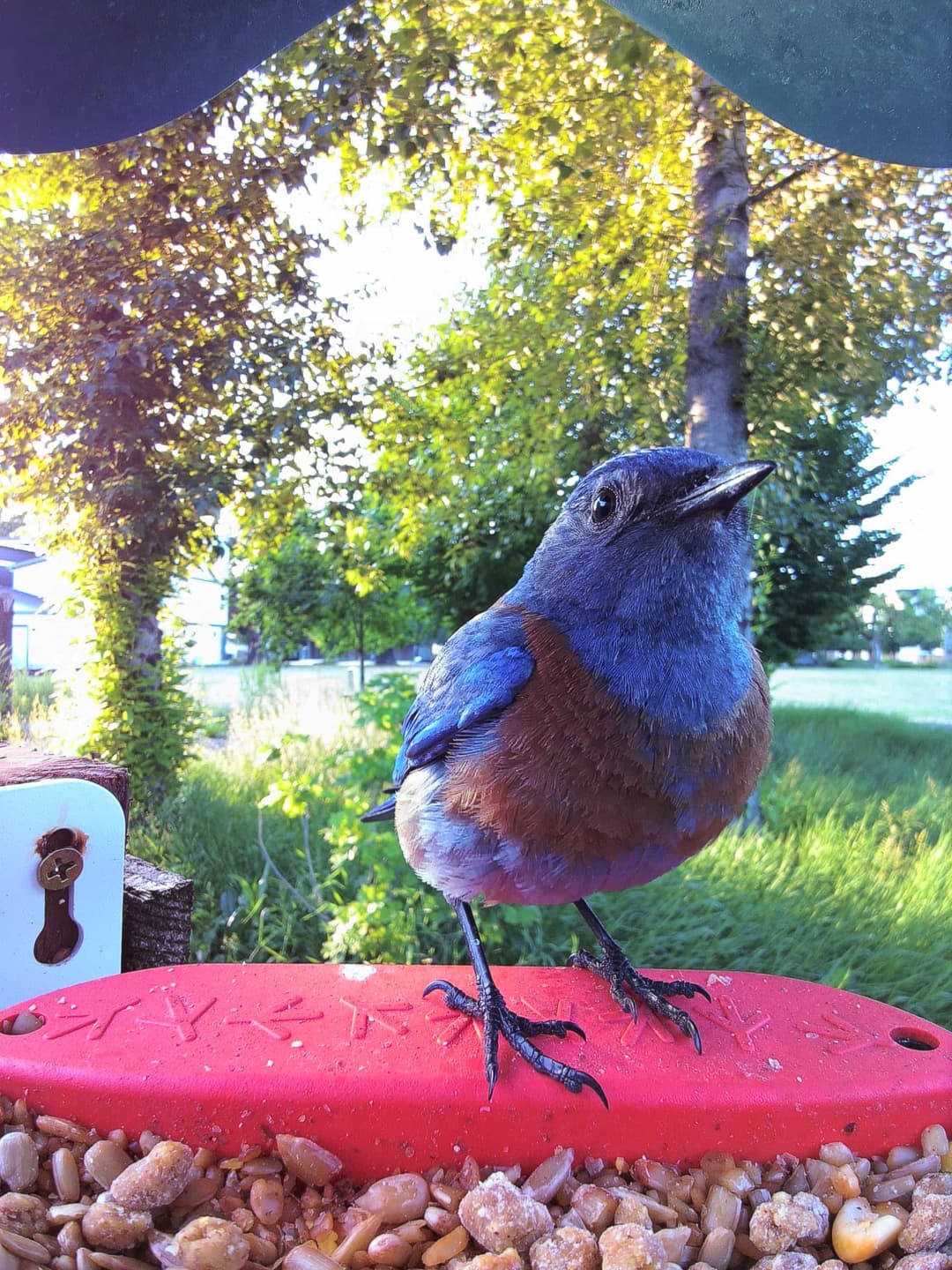
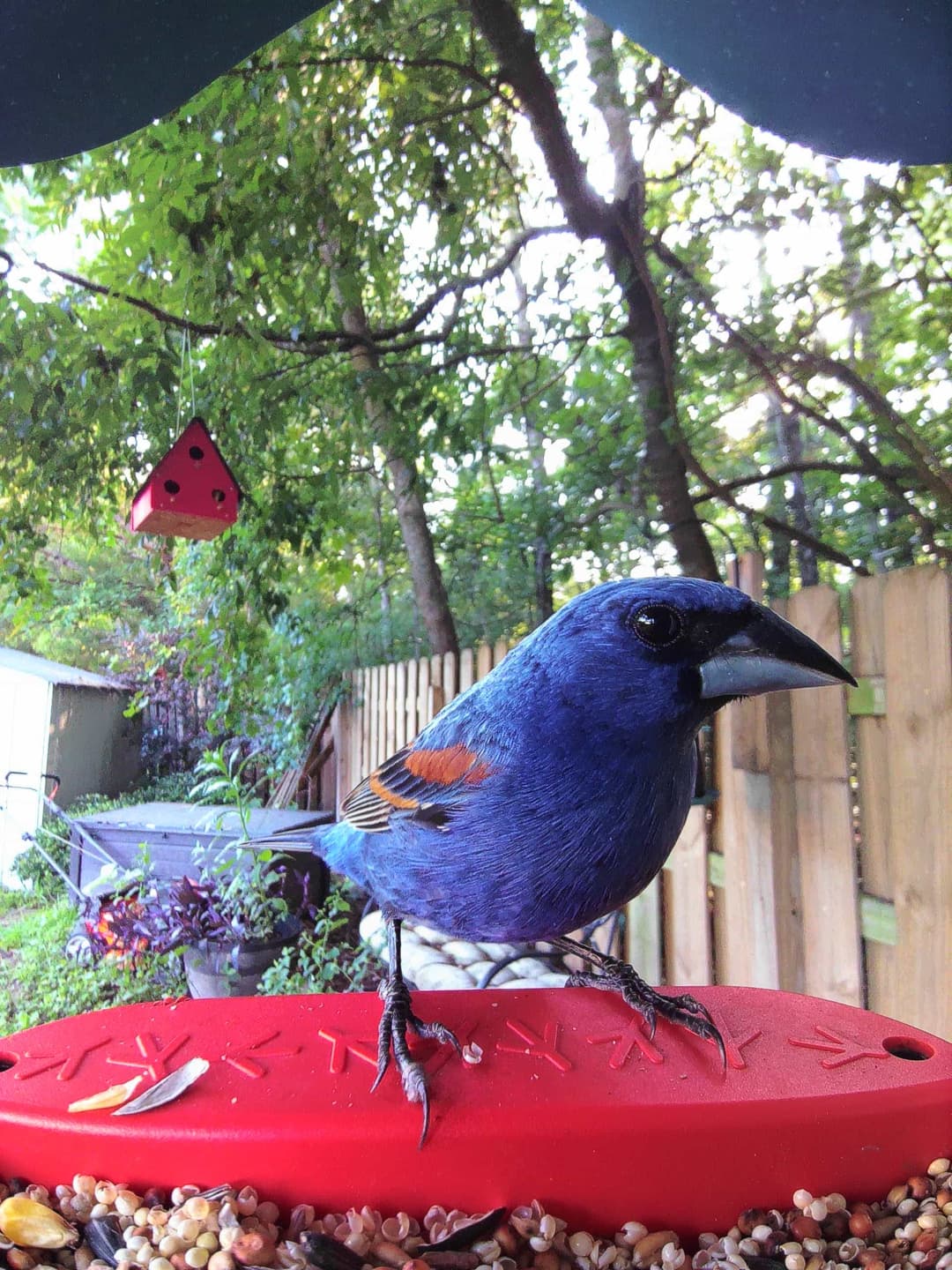
Lazuli Bunting vs Brown-Headed Cowbird
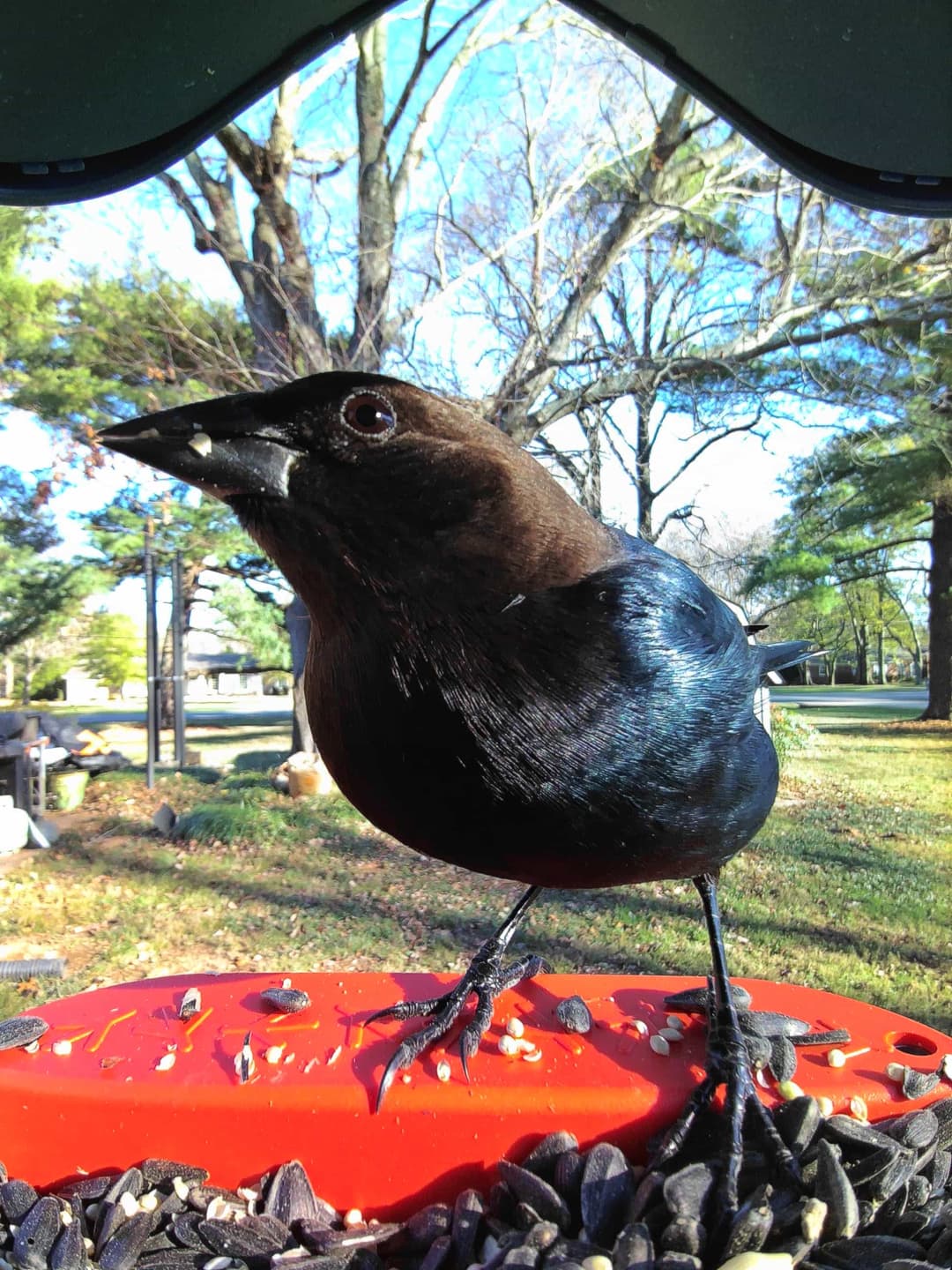
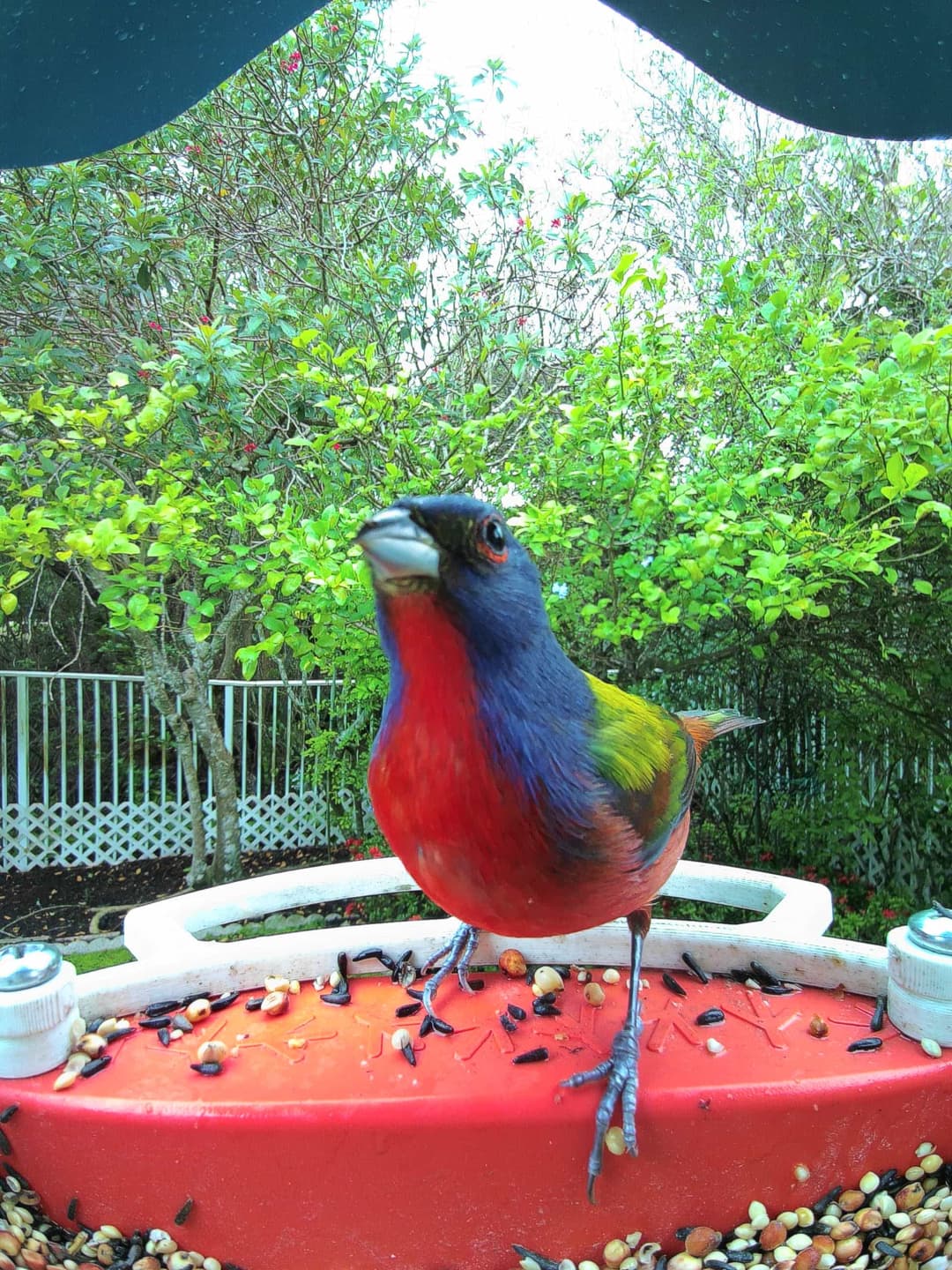
Varied Bunting vs Painted Bunting
Lazuli Bunting vs [Select a bird]

[Select a bird]
Pick a bird to compare
Varied Bunting vs [Select a bird]
[Select a bird]
Pick a bird to compare