New World Oriole or Hooded Oriole?
Here's how to tell the difference

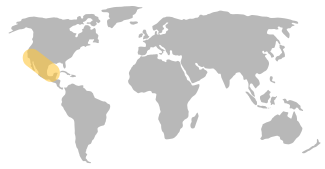

New World Oriole
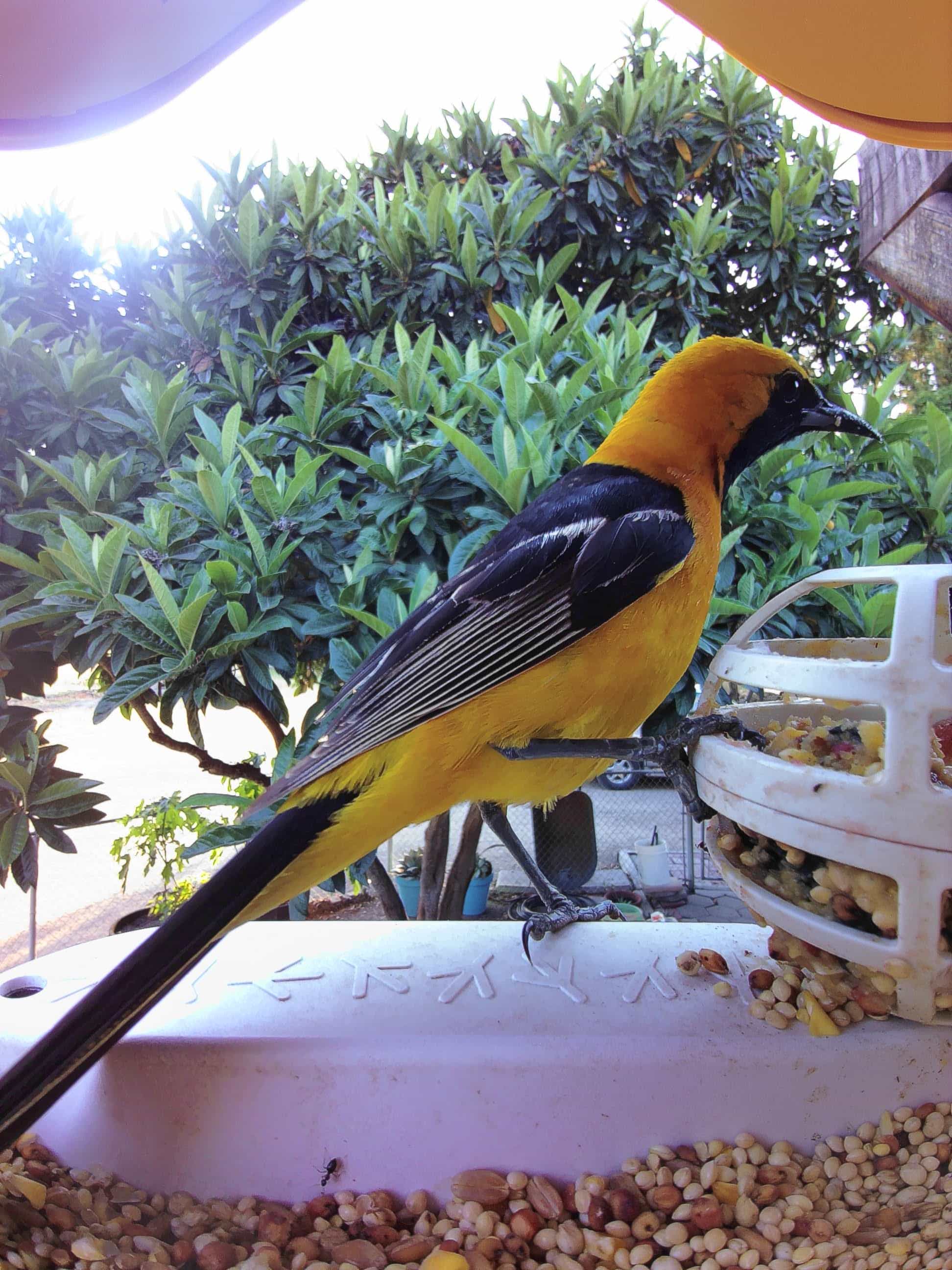


Hooded Oriole
New World Oriole
Icterus
General appearance
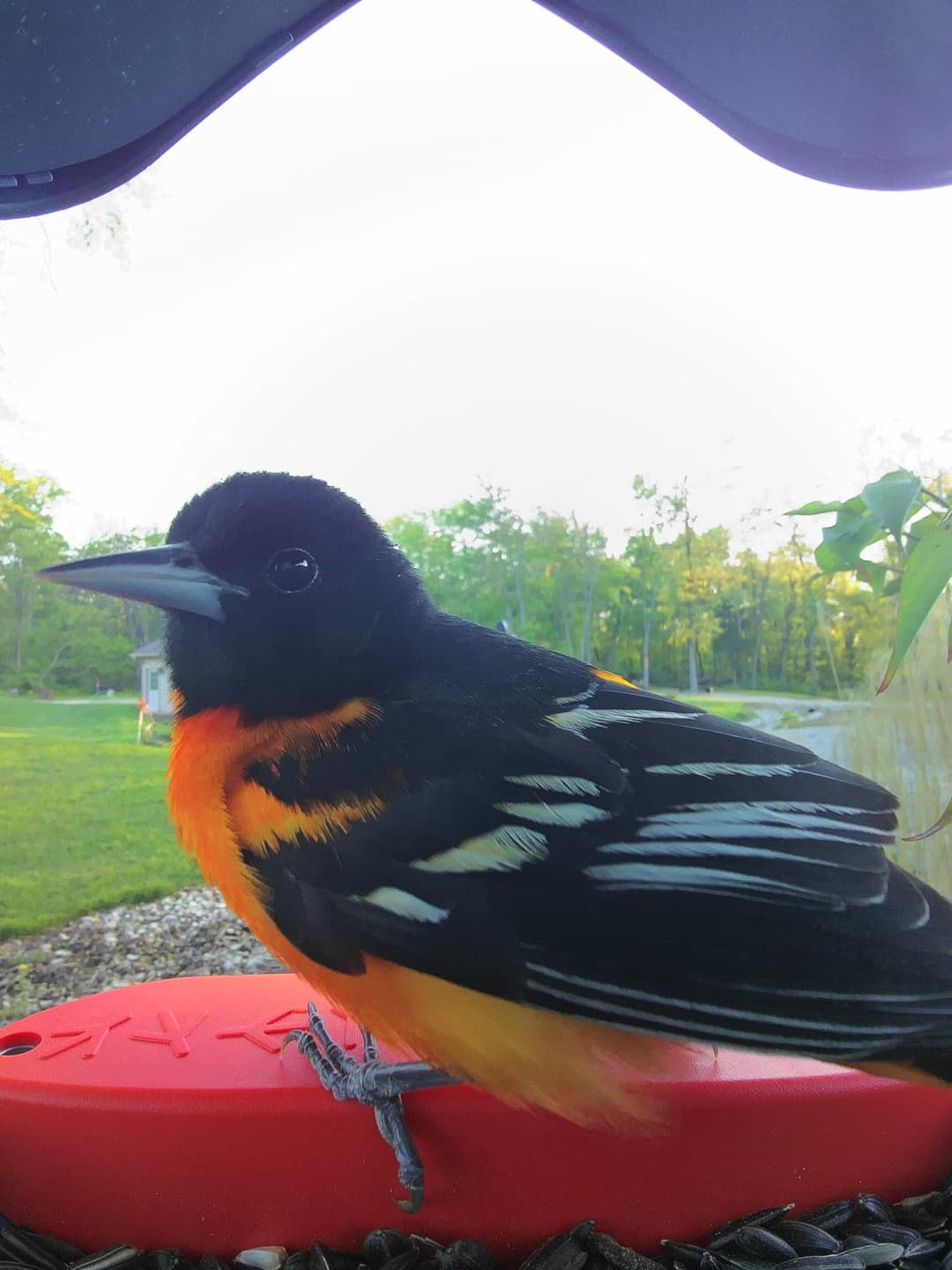
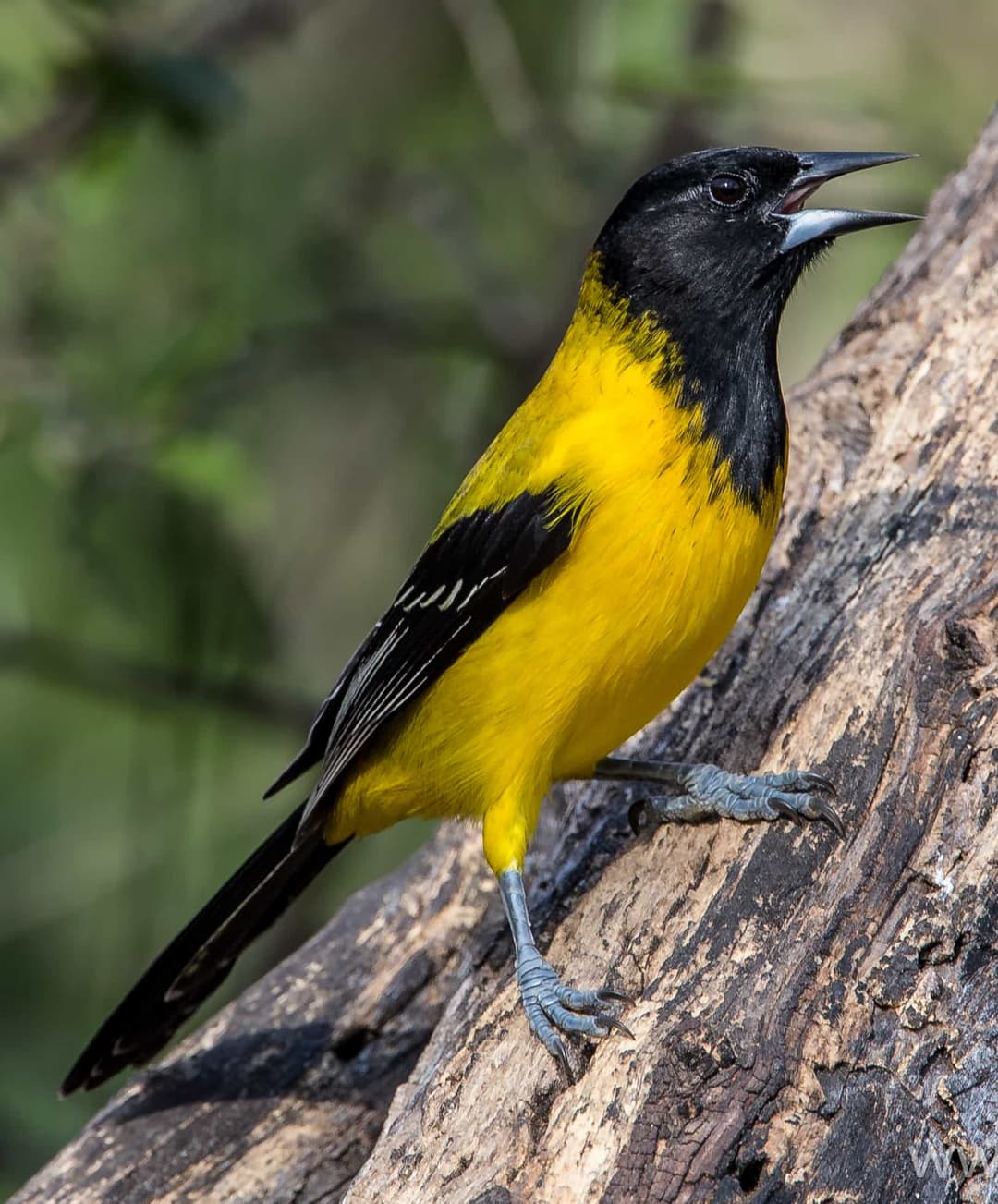
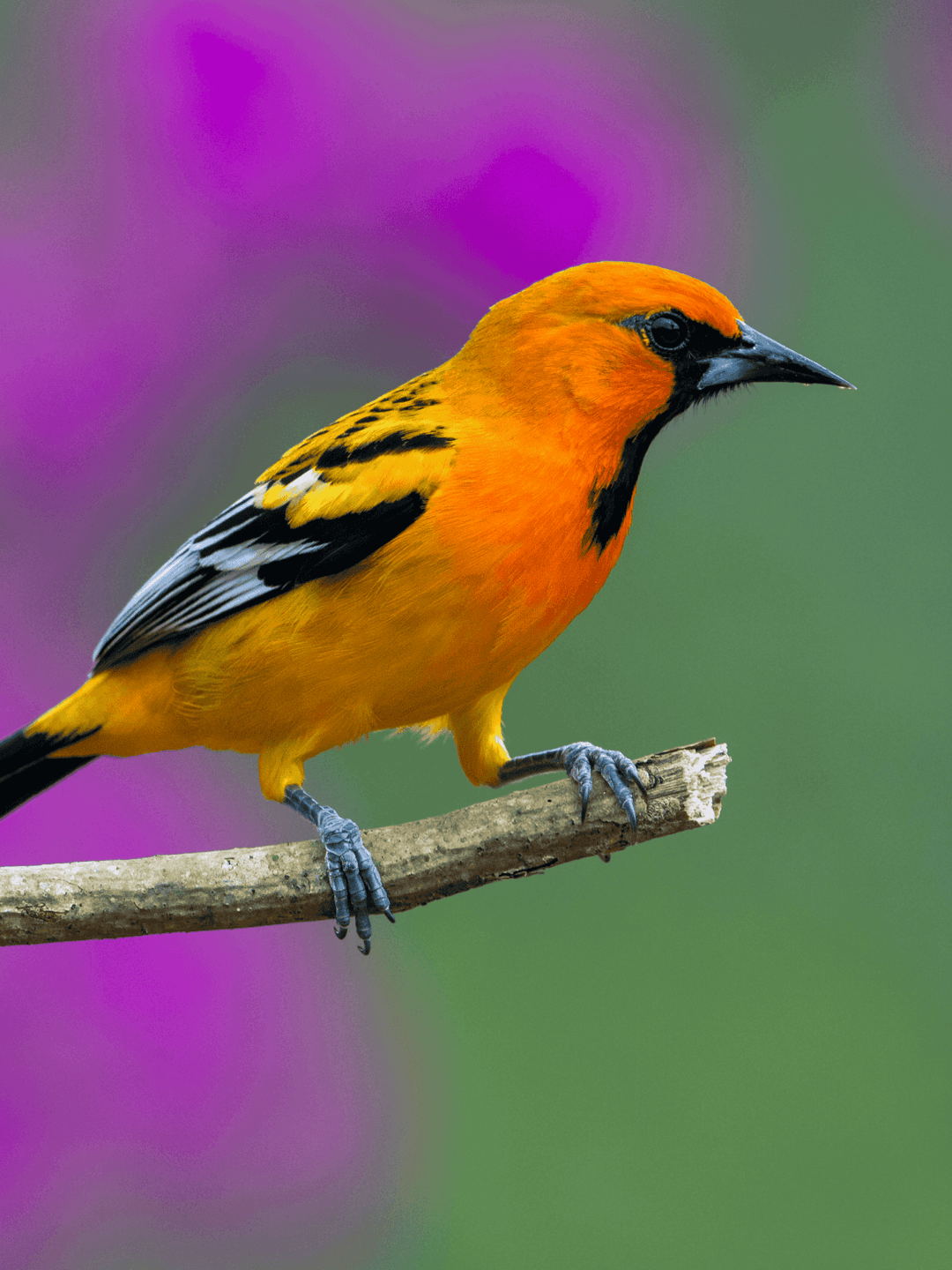
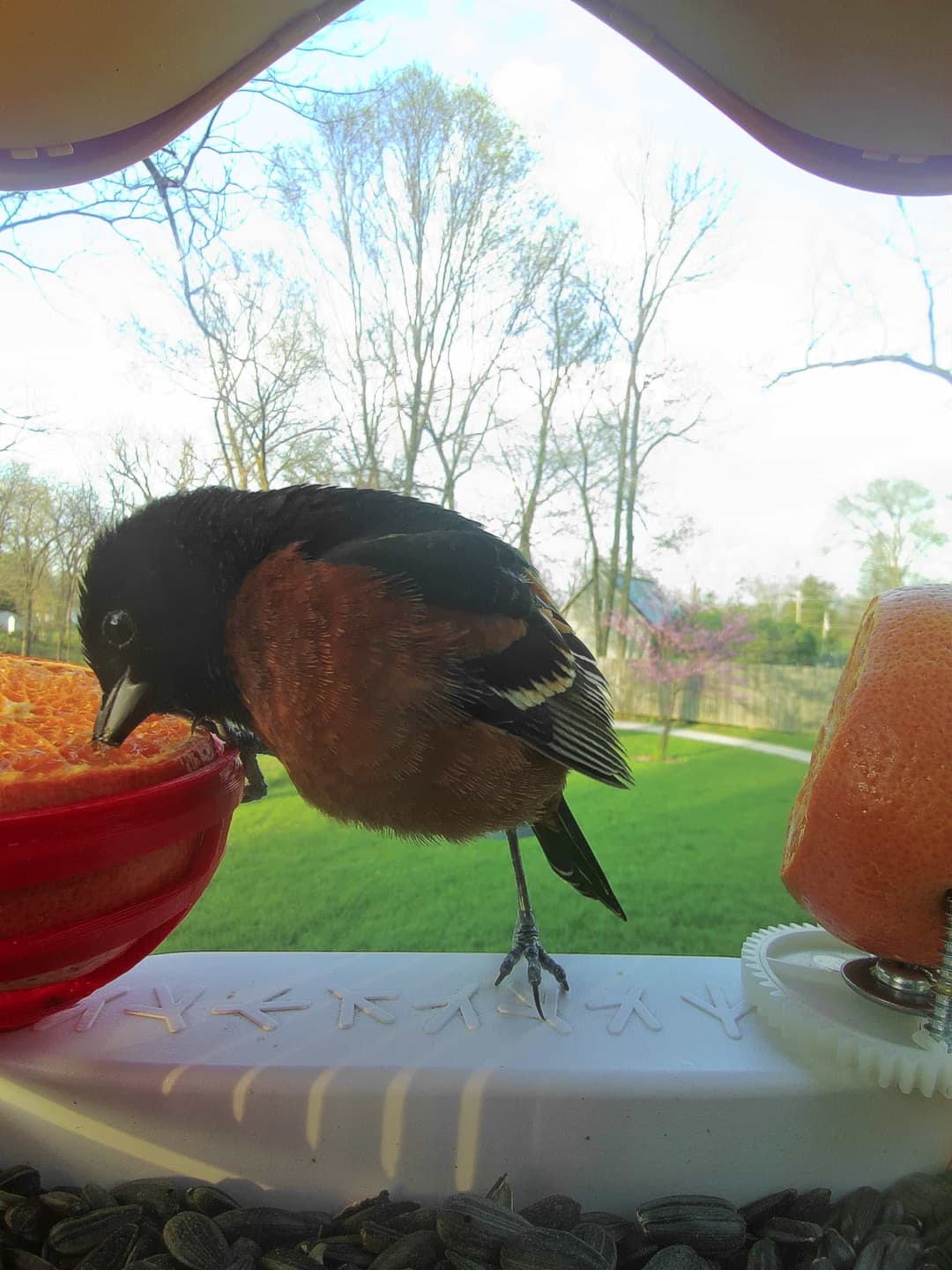
New World orioles are medium-sized birds with a slender body and a long tail. They exhibit a bright coloration, typically a mix of yellow or orange with black, white, or grey. They have pointed wings and strong legs and feet. Their bill is straight and sharply pointed, ideal for their insectivorous and frugivorous diet.
Male vs female
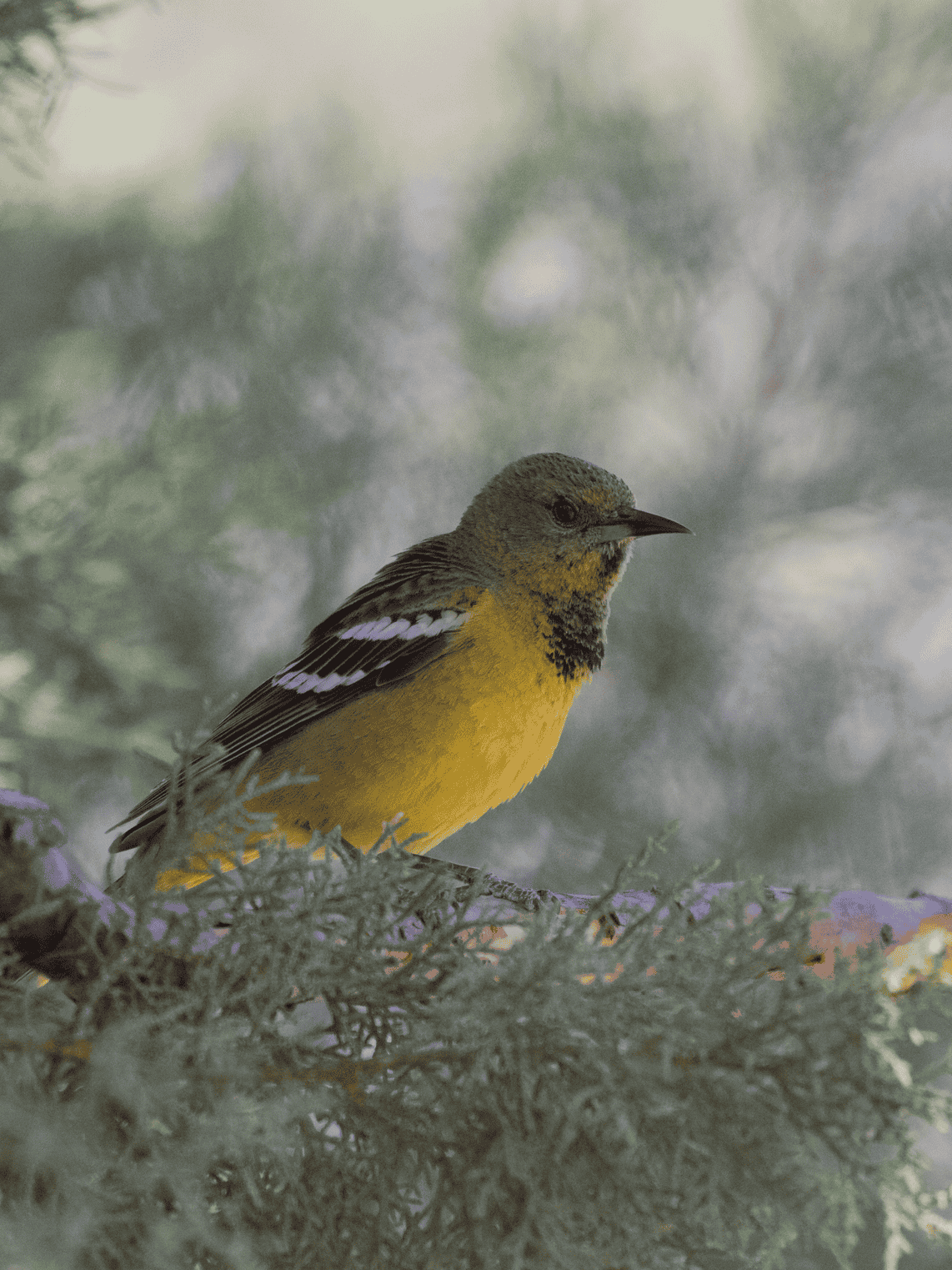
Typically, males tend to be more vibrant in color than females, showcasing a striking contrast of bright orange/yellow and black, while the females are usually more olive, yellow or brown, allowing them to blend in with their surroundings for protection. Their sizes are similar though males may slightly be larger than females.
Juvenile
Juvenile orioles tend to have even more muted coloration than females, often browner. This provides added camouflage from predators. As they mature, they will gradually molt into their adult plumage. The molting season usually corresponds to the end of the breeding season and may result in less vibrant colors in adults as well.
Size
5.9 - 10.6 in/0.4 - 3.1 oz
There's more to learn about New World Oriole
View full detailsHooded Oriole
Icterus cucullatus
General appearance
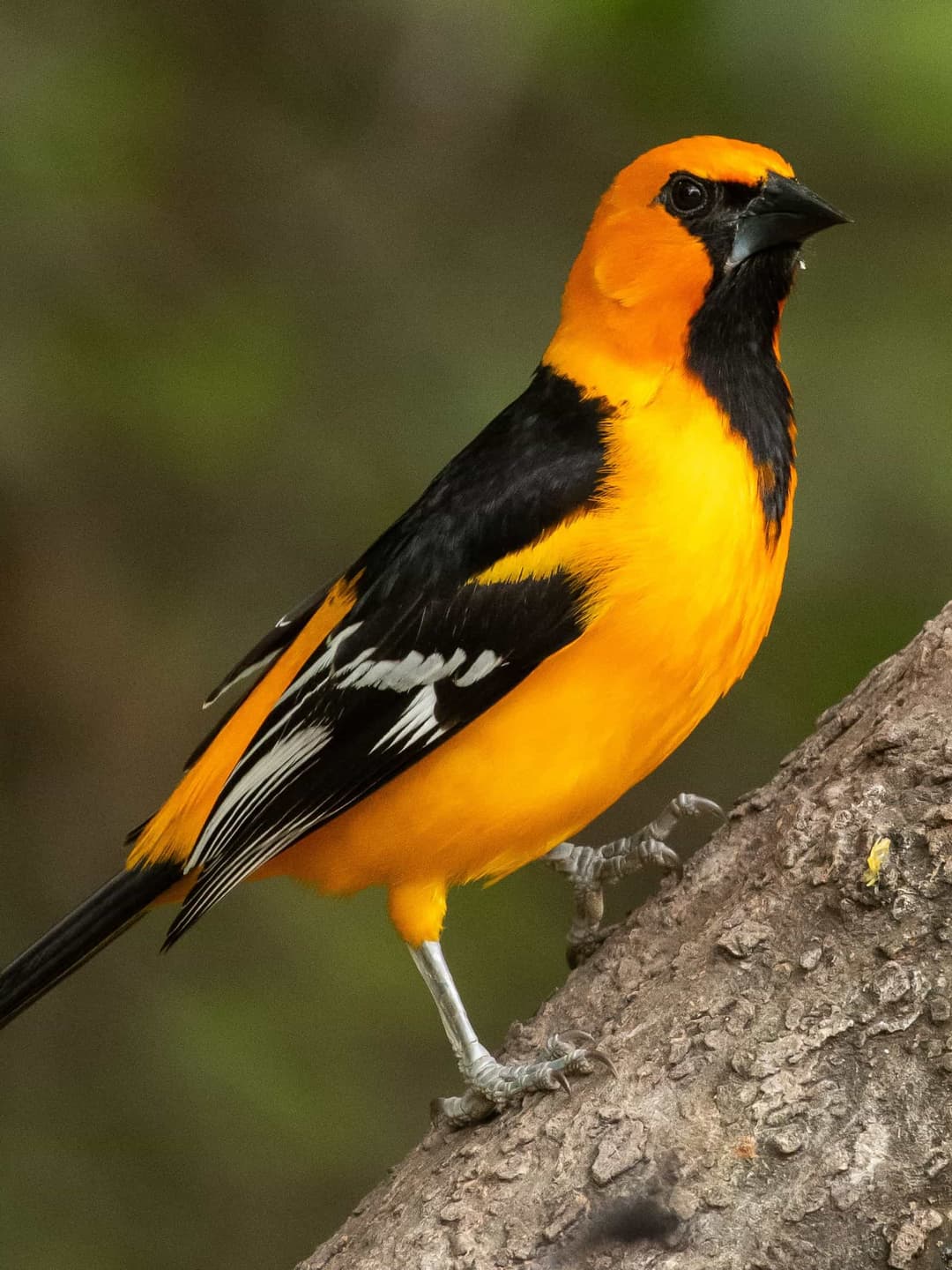
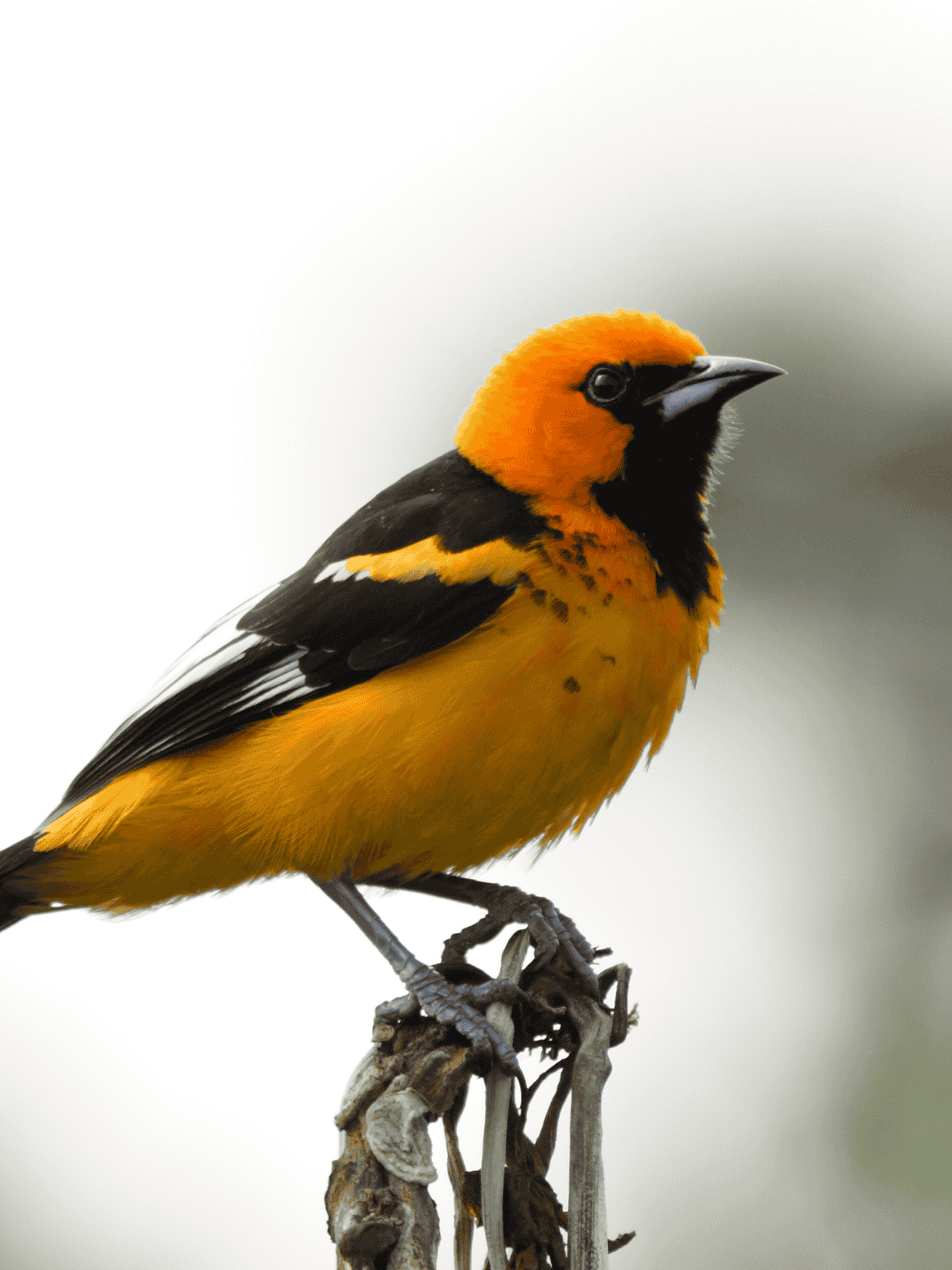
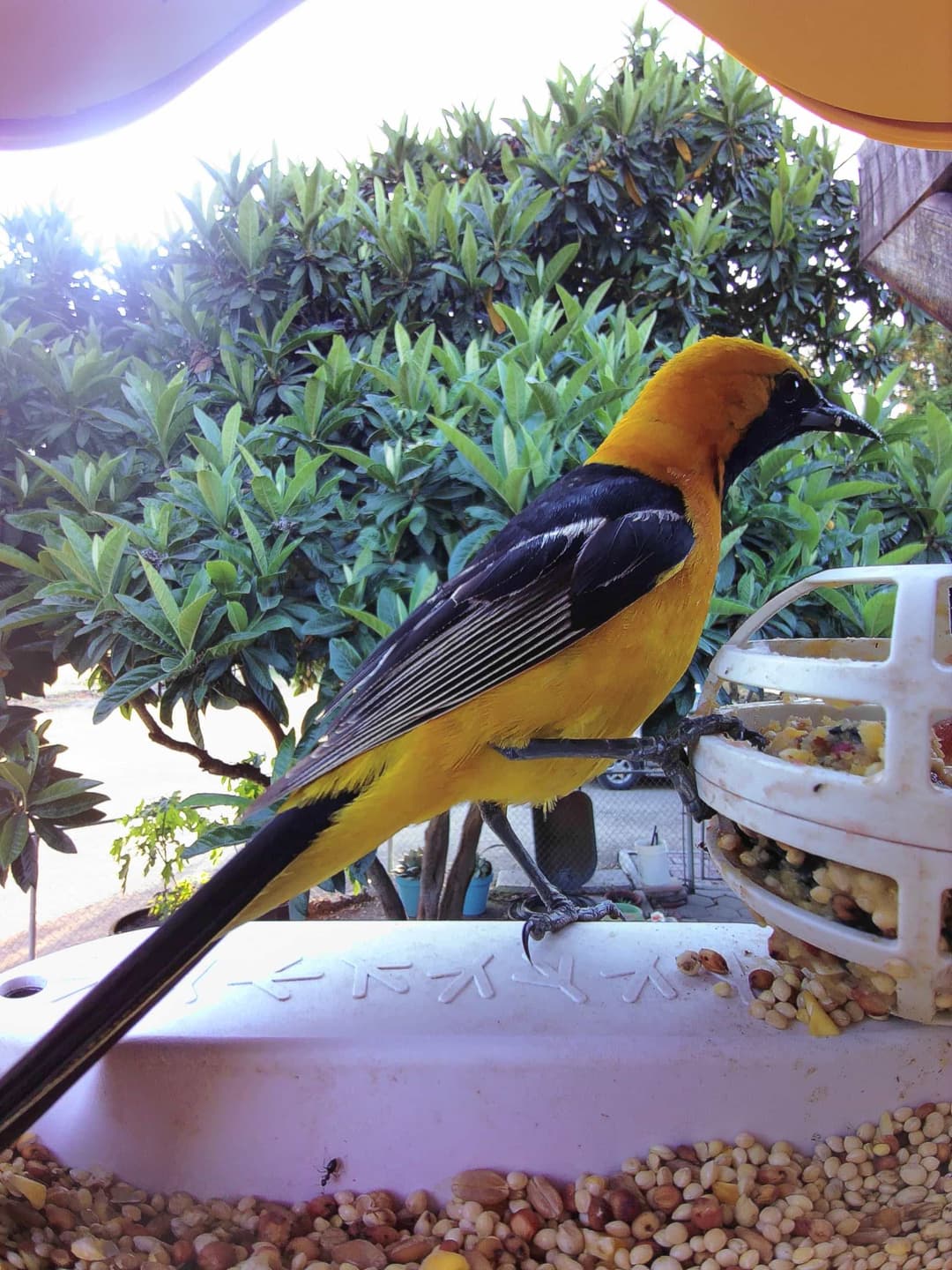
Hooded orioles are slender songbirds with long tails and slightly curved bills. They display a vibrant combination of orange-yellow and black, with distinctive hood-like coloring on the head and neck. The wings and back are predominantly black, creating a stark contrast with their bright bodies.
Male vs female
Male hooded orioles showcase a brighter orange-yellow color overall and have a more pronounced black cap and throat. Females are generally yellow to olive-yellow without the bold black markings found on males. They may exhibit some subtle grayish patterns on their wings, distinguishing them from juvenile males.
Juvenile
Juvenile hooded orioles resemble females in coloration with a yellowish-olive appearance. However, they can be distinguished by a slightly duller hue and inconsistently developed black facial markings. As they mature, young males gradually acquire brighter plumage and the distinctive black hood.
Size
7.1 - 7.9 in/0.7 - 1.2 oz
There's more to learn about Hooded Oriole
View full detailsHow to tell the New World Oriole from the Hooded Oriole
Visual differences
New World Orioles are medium-sized with a pointed bill, bright orange/yellow mixed with black, and varying black and white patterns. They range from 6 to 11 inches in length. Hooded Orioles, 7 to 8 inches long, have a slenderer build with a slightly curved bill and a distinctive hood-like marking. Males are vibrant orange-yellow with a pronounced black cap and throat, while females appear more olive-yellow. Both species exhibit sexual dimorphism, but the Hooded Oriole's contrasting hood pattern is a key differentiator.
Key differences and behavior
New World Orioles and Hooded Orioles show noticeable behavioral and ecological differences. While both are adept songsters and build woven nests, New World Orioles inhabit broader environments such as open woodlands and orchards, and migrate seasonally, while Hooded Orioles prefer palm groves and are found in urban areas like city parks. In courtship, New World Orioles engage in elaborate singing and aerial displays, unlike the Hooded Orioles, who perform face-to-face displays with gentle moves. Diets are similar, focusing on insects, fruits, and nectar, but New World Orioles are more commonly seen at bird feeders. Breeding habits are alike, yet Hooded Orioles uniquely construct nests under palm fronds. They also excel at gymnastic foraging, a trait less emphasized in New World Orioles. Both species share parental roles in feeding chicks.
Still not sure? Here are more lookalikes!
New World Oriole vs Baltimore Oriole


New World Oriole vs [Select a bird]

[Select a bird]
Pick a bird to compare
Hooded Oriole vs [Select a bird]
[Select a bird]
Pick a bird to compare