New World Oriole or Spot-Breasted Oriole?
Here's how to tell the difference



New World Oriole
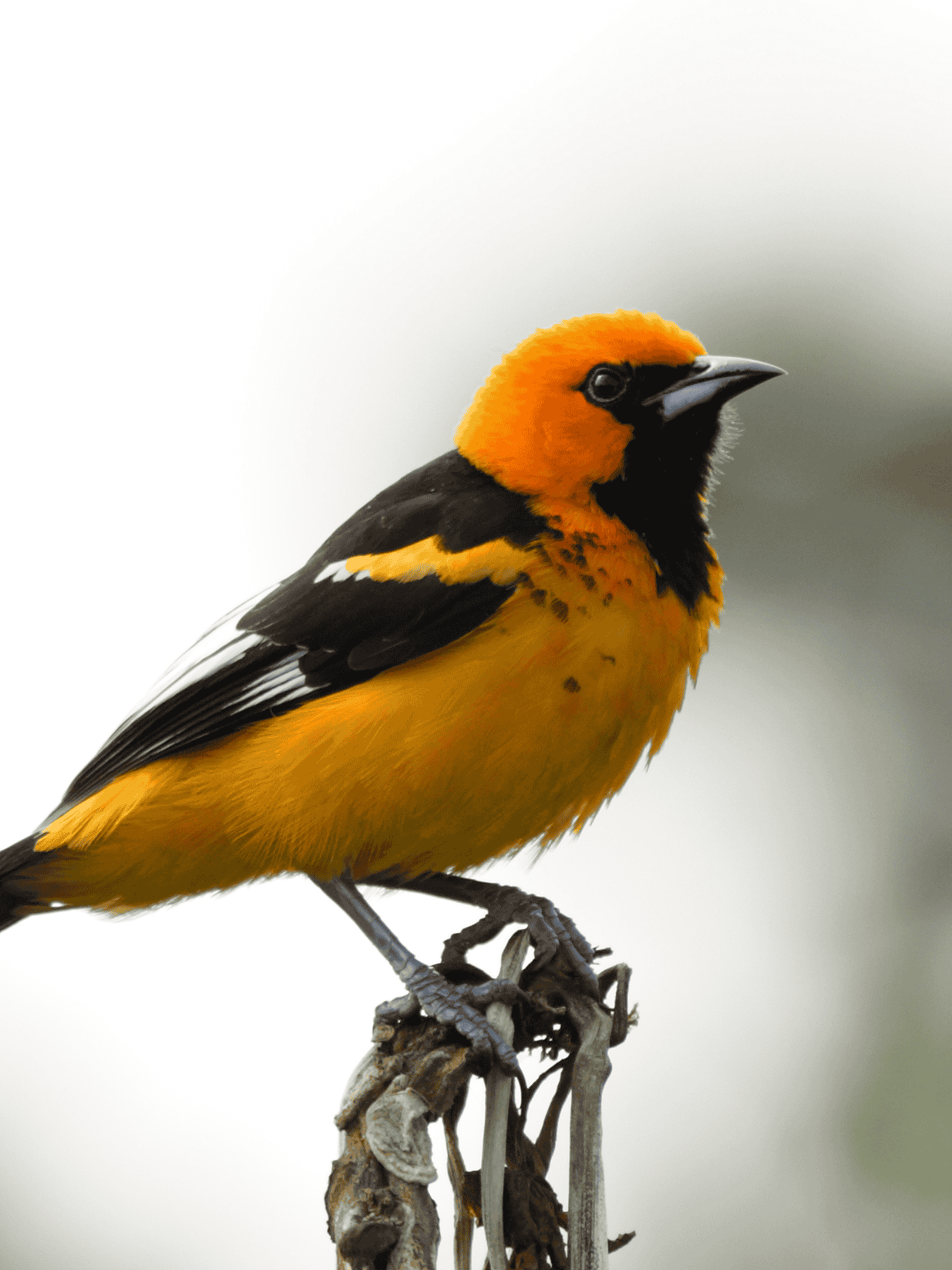


Spot-Breasted Oriole
New World Oriole
Icterus
General appearance
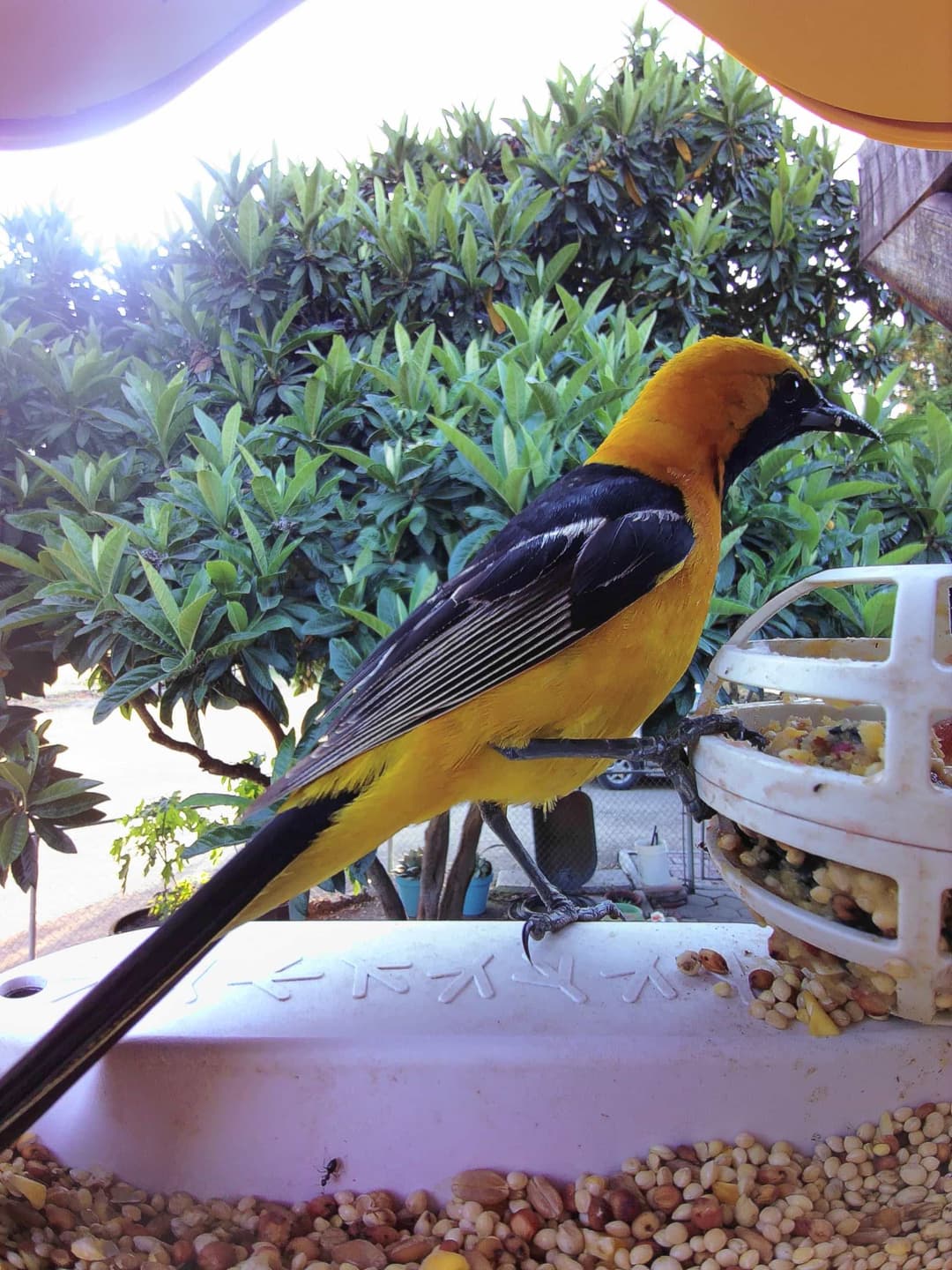
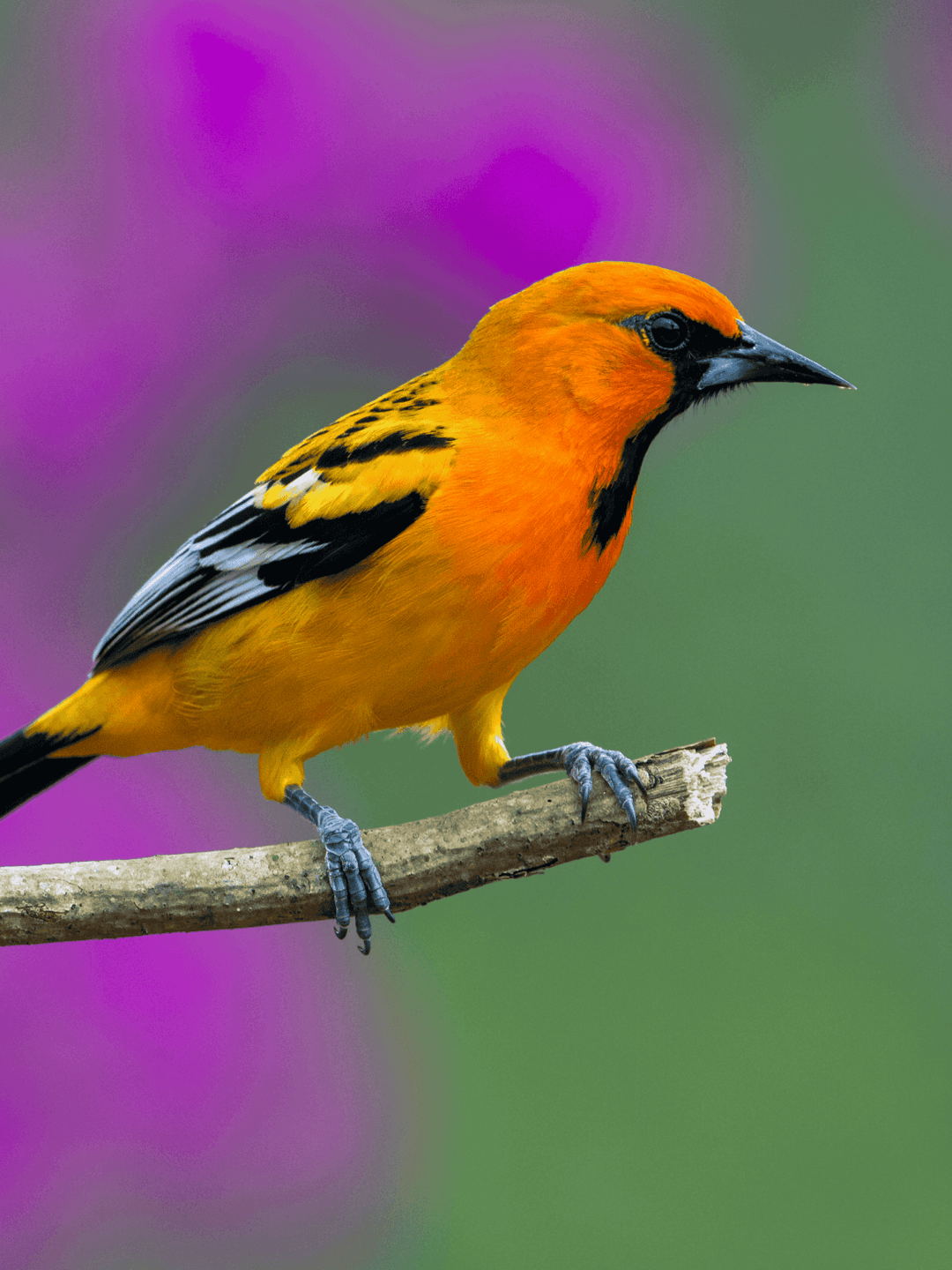
New World orioles are medium-sized birds with a slender body and a long tail. They exhibit a bright coloration, typically a mix of yellow or orange with black, white, or grey. They have pointed wings and strong legs and feet. Their bill is straight and sharply pointed, ideal for their insectivorous and frugivorous diet.
Male vs female
Typically, males tend to be more vibrant in color than females, showcasing a striking contrast of bright orange/yellow and black, while the females are usually more olive, yellow or brown, allowing them to blend in with their surroundings for protection. Their sizes are similar though males may slightly be larger than females.
Juvenile
Juvenile orioles tend to have even more muted coloration than females, often browner. This provides added camouflage from predators. As they mature, they will gradually molt into their adult plumage. The molting season usually corresponds to the end of the breeding season and may result in less vibrant colors in adults as well.
Size
5.9 - 10.6 in/0.4 - 3.1 oz
There's more to learn about New World Oriole
View full detailsSpot-Breasted Oriole
Icterus pectoralis
General appearance
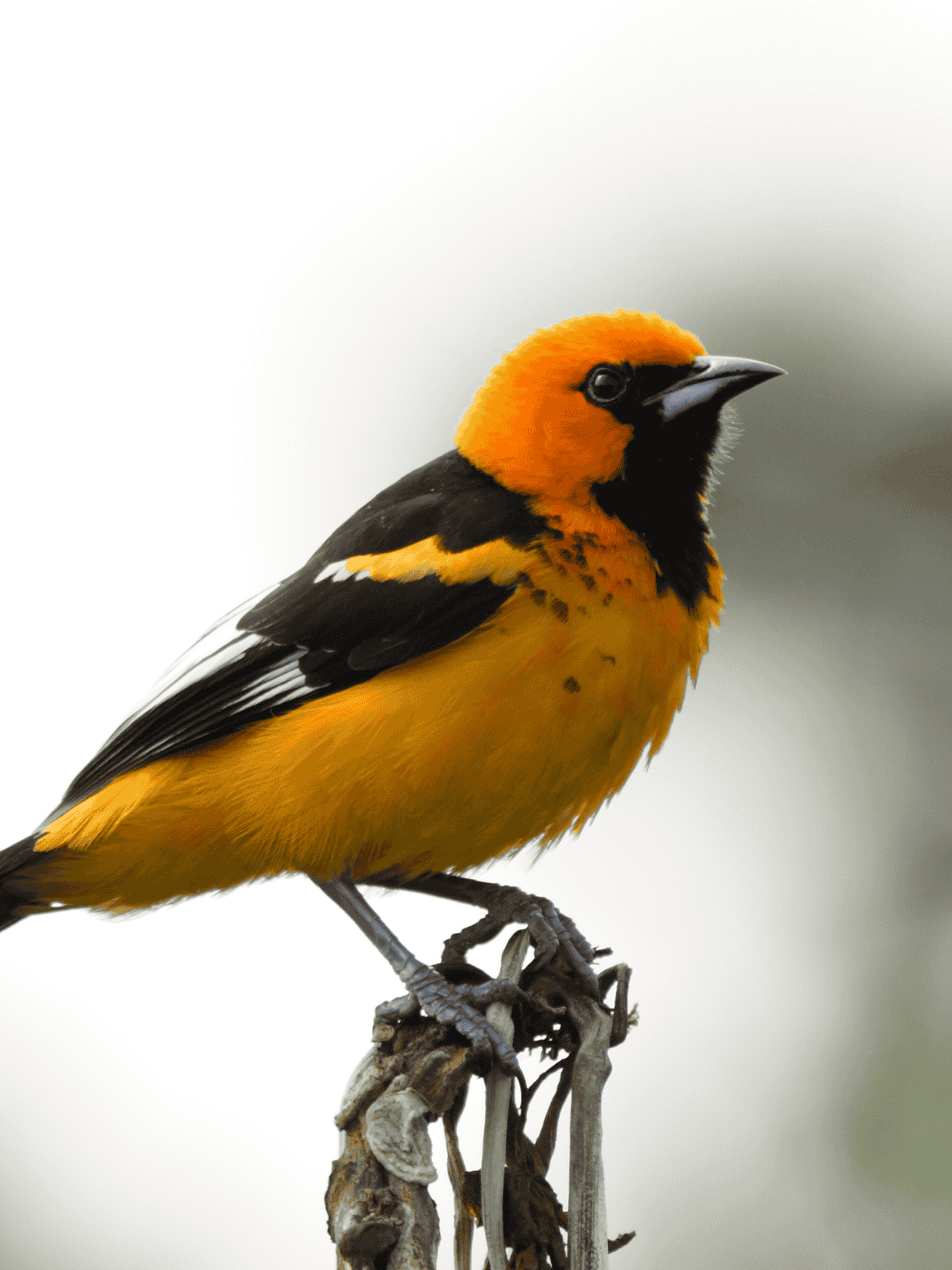
The Spot-breasted Oriole is a distinctive bird with a length of about 20 cm (8 inches). It is roughly the size of a robin. The species' standout features include a bright orange head, black throat, and spots on the sides of the chest. The black wings have generous amounts of white present, contributing to the bird's striking appearance. The bird's tail is both rounded and square-tipped, and the wings also possess a rounded shape.
Male vs female
The description does not specify any evident sexual dimorphism, meaning males and females look alike in terms of size and color. Both genders exhibit the same vibrant orange head and black throat features, as well as spots on the chest and significant amounts of white in their black wings.
Juvenile
Juveniles present a starkly different appearance compared to adults. When first hatched, they are all dull yellow in color. They lack the adult's distinctive spots and vibrant colors. As they mature, they gradually gain the distinctive adult markings, but are initially duller in colour.
Size
8.3 - 9.4 in/1.6 - 1.9 oz
There's more to learn about Spot-Breasted Oriole
View full detailsHow to tell the New World Oriole from the Spot-Breasted Oriole
Visual differences
The New World Oriole is medium-sized (6-10 in, 0.4-3.1 oz), with bright yellow/orange mixed with black or white, and a straight, pointed beak. Males are more vibrant than females, who are olive or yellow-brown. The Spot-Breasted Oriole is about 8 inches long (1.6-1.9 oz), with a distinctive orange head and black throat, featuring black wings with white and spotted chest sides. Males and females look alike in Spot-Breasted Orioles. Notably, the Spot-Breasted has a rounded tail and wings, while the New World has a long tail and pointed wings.
Key differences and behavior
New World Orioles inhabit open woodlands and gardens across the Americas and engage in melodious courtship songs and aerial displays, building intricate hanging nests. In contrast, Spot-Breasted Orioles are more suburban, thriving in Southern Florida's neighborhoods and exhibiting vibrant courtship displays with both males and females singing. Both species build woven, hanging nests, but Spot-Breasted Orioles often choose secluded or over-water locations. New World Orioles have a diverse diet of insects, fruits, and nectar, frequenting feeders for oranges and grape jelly. Spot-Breasted Orioles primarily consume berries and nectar, possibly ingesting flower parts, and are less documented at feeders. Males and females of Spot-Breasted Orioles are similarly colored, unlike New World Orioles, where females are less vibrant. Juveniles of both species lack mature plumage initially.
Still not sure? Here are more lookalikes!
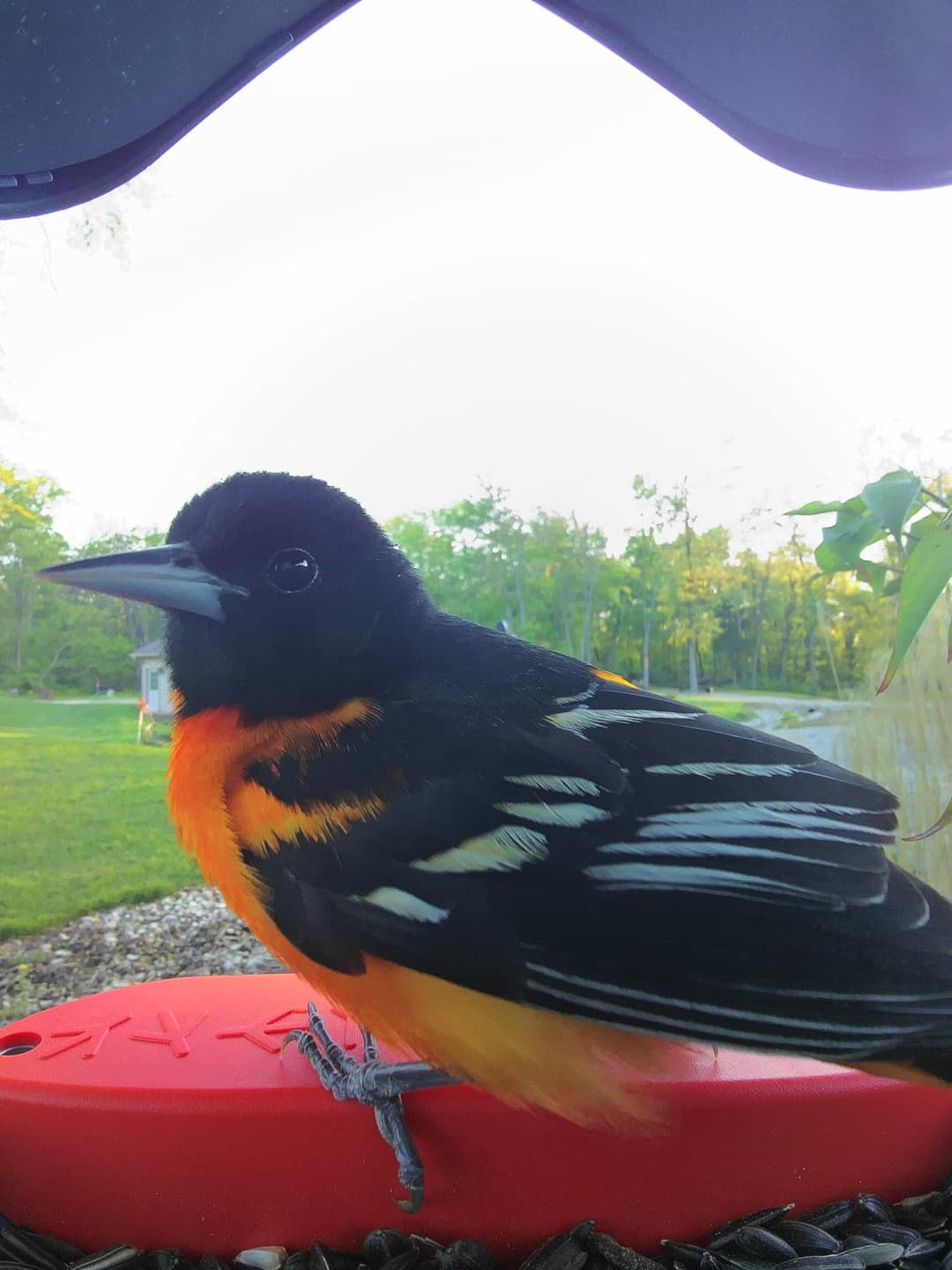
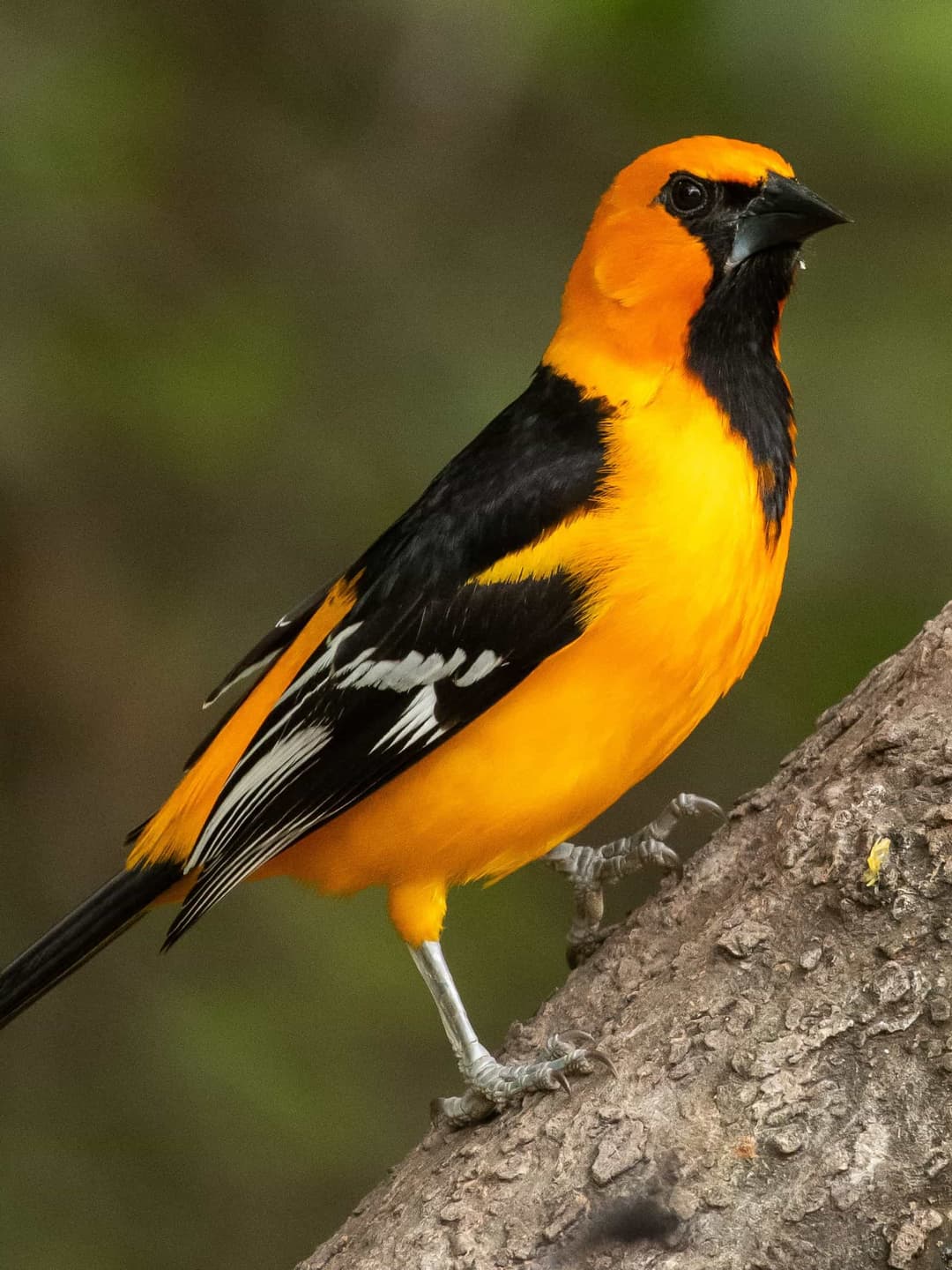
New World Oriole vs Baltimore Oriole

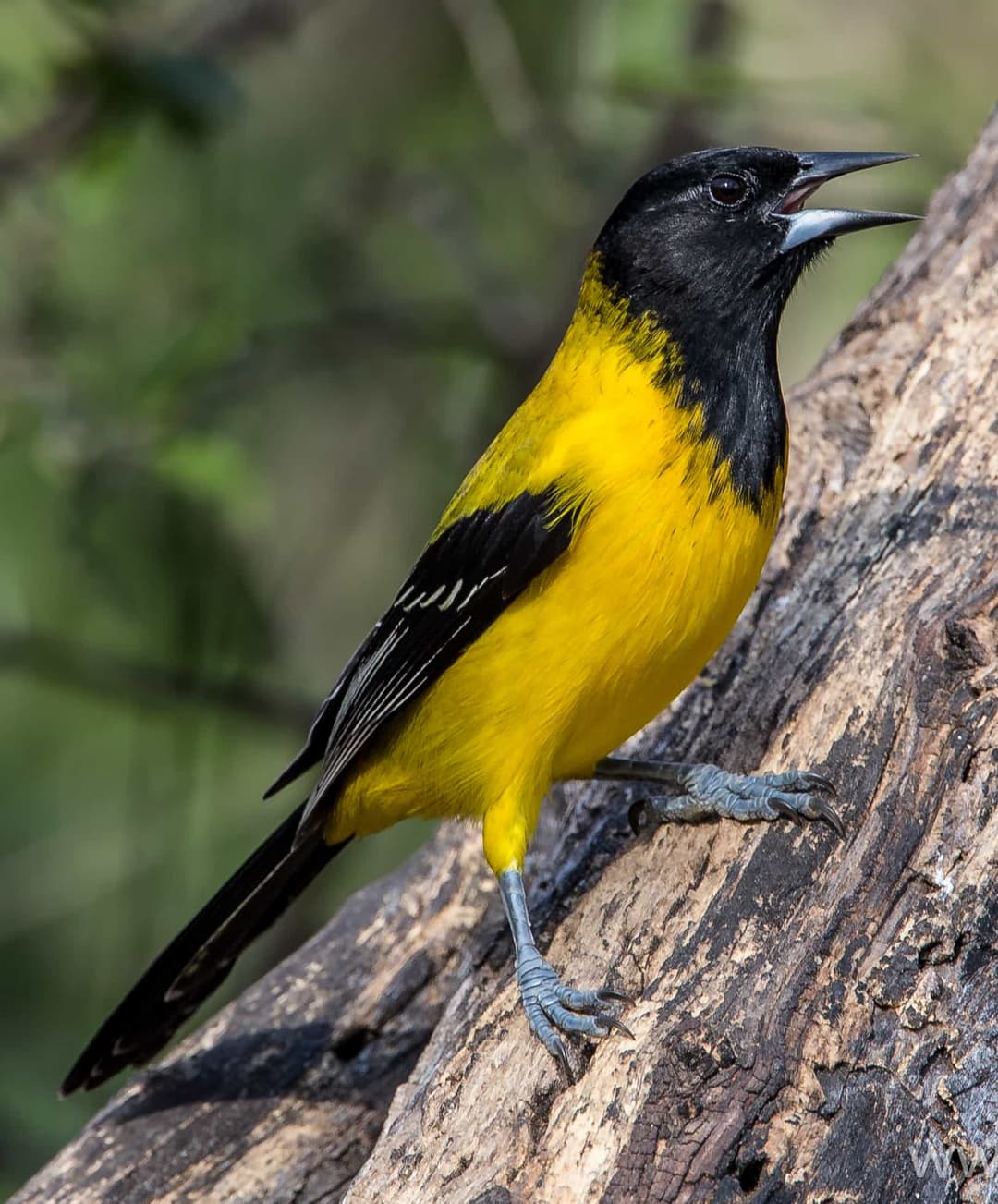

Spot-Breasted Oriole vs Baltimore Oriole
New World Oriole vs [Select a bird]

[Select a bird]
Pick a bird to compare
Spot-Breasted Oriole vs [Select a bird]
[Select a bird]
Pick a bird to compare