New World Oriole or Audubon’s Oriole?
Here's how to tell the difference
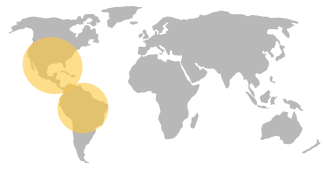


New World Oriole

Audubon’s Oriole
New World Oriole
Icterus
General appearance
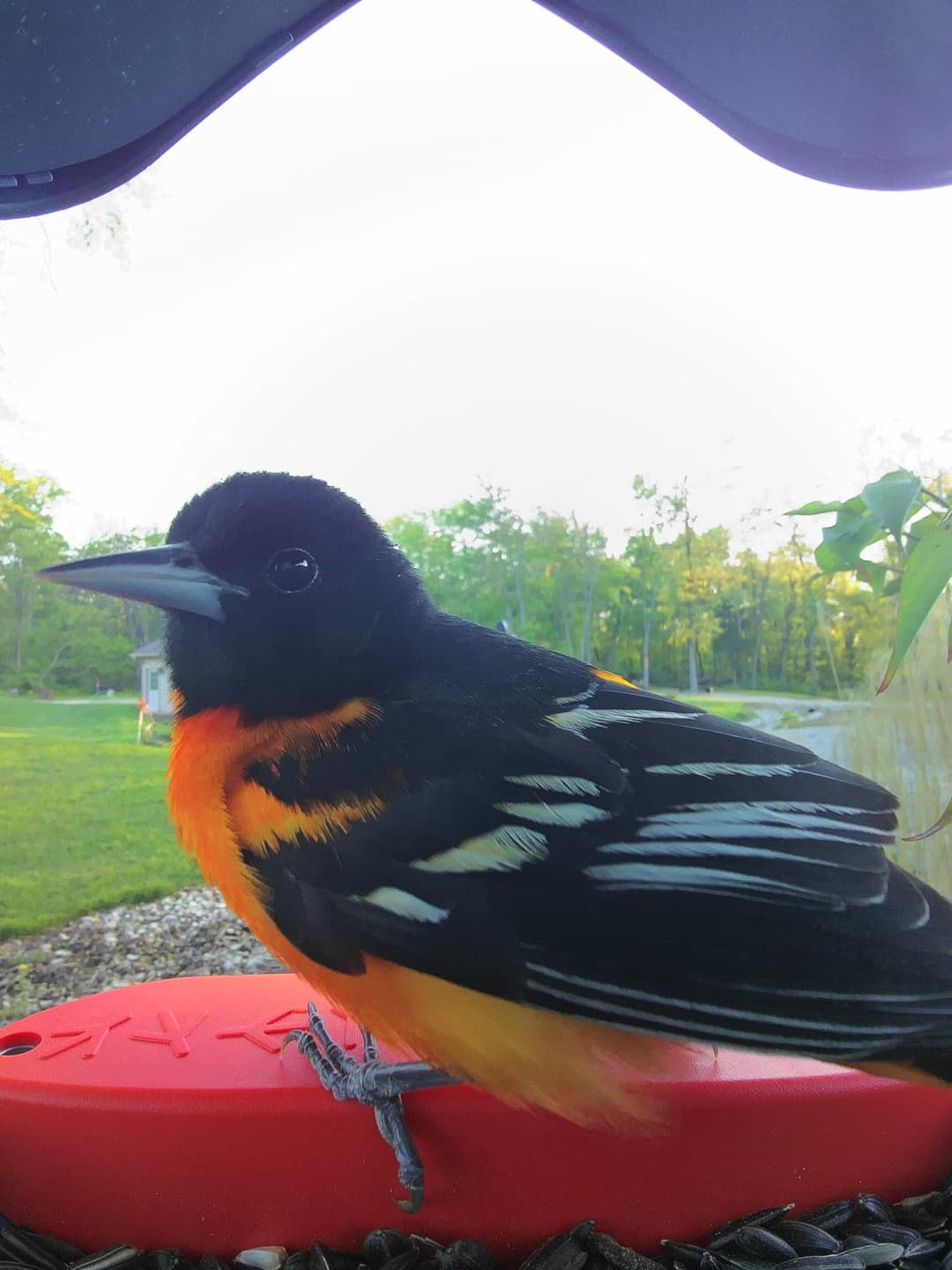
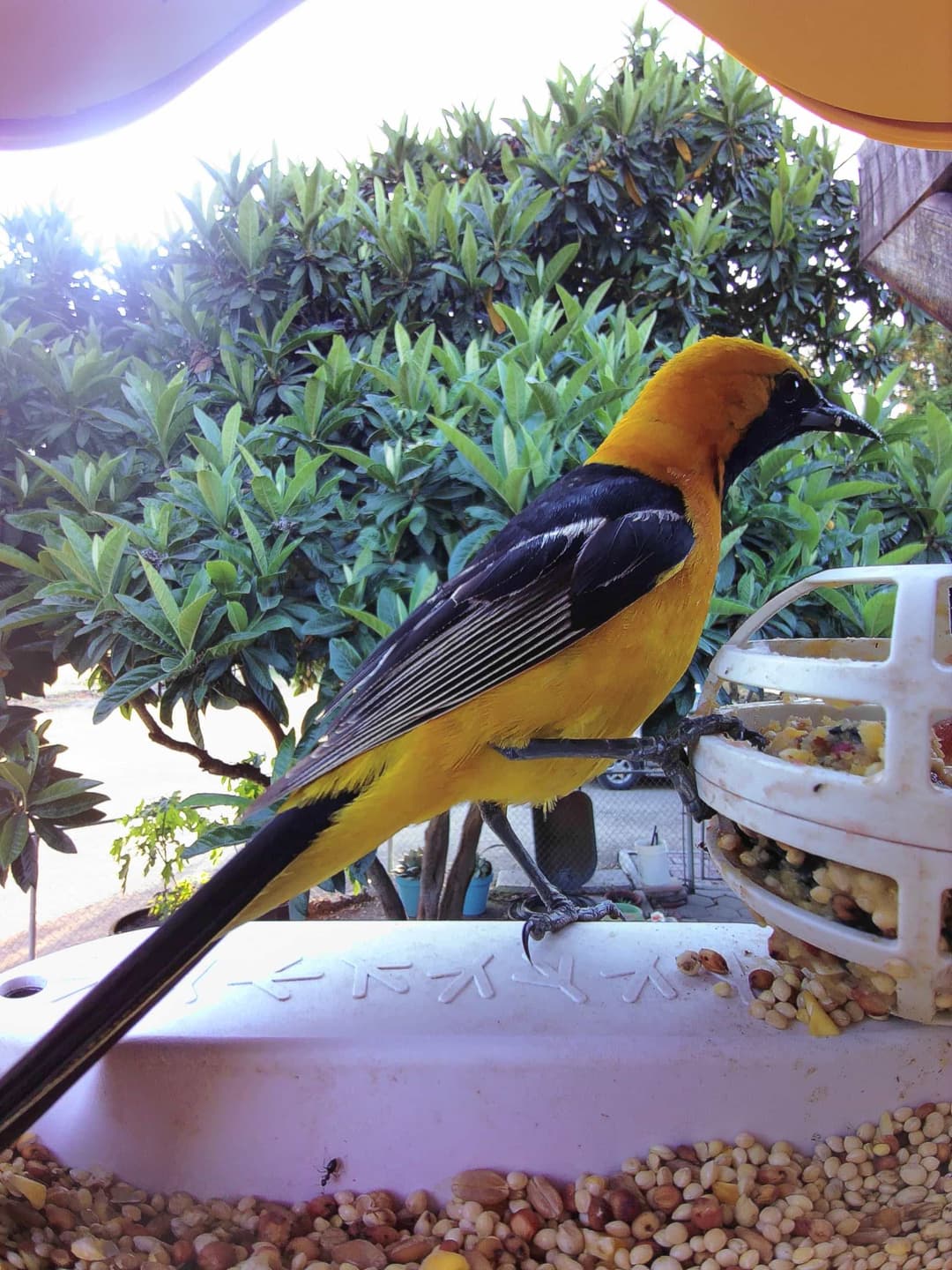
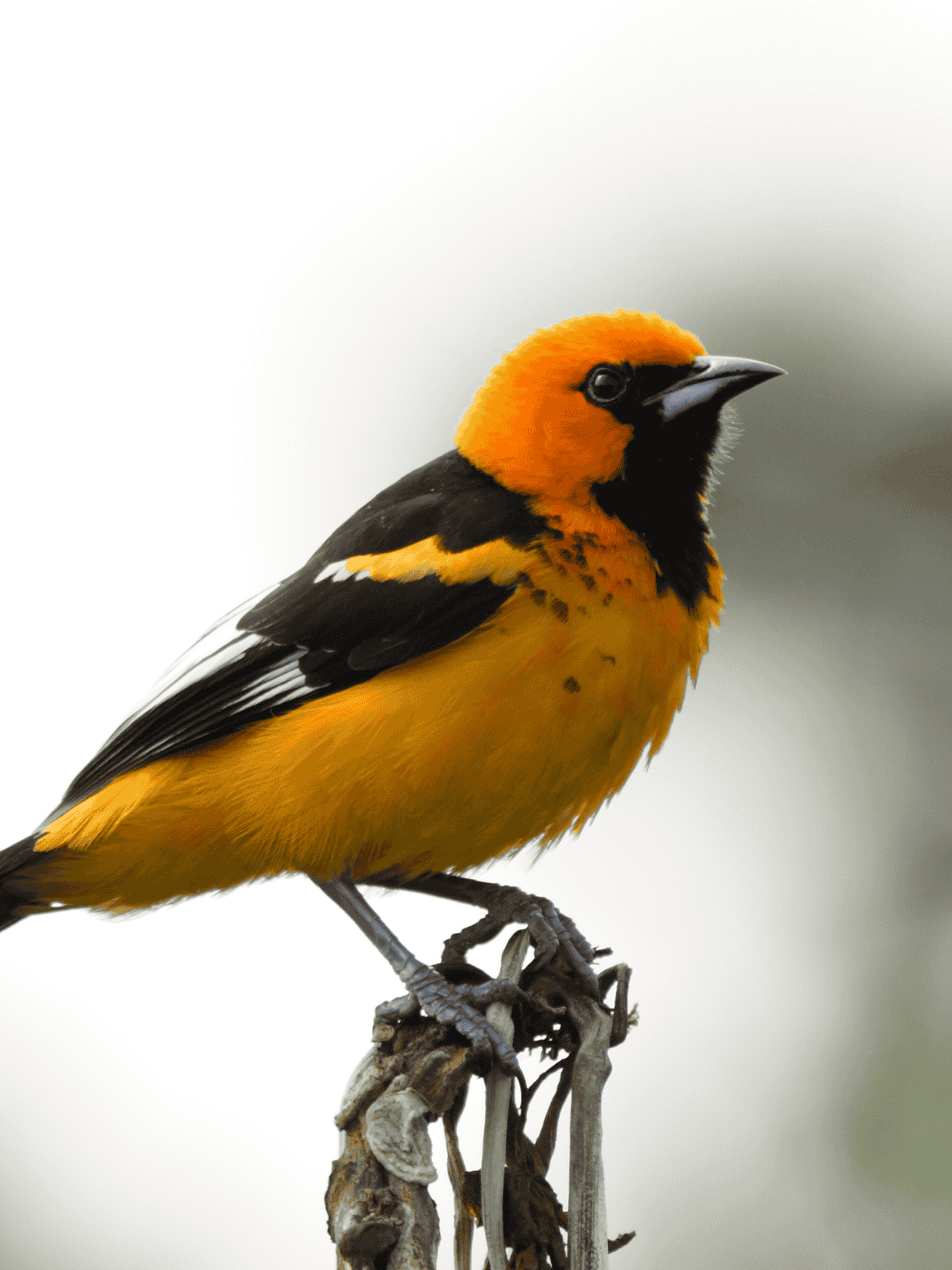
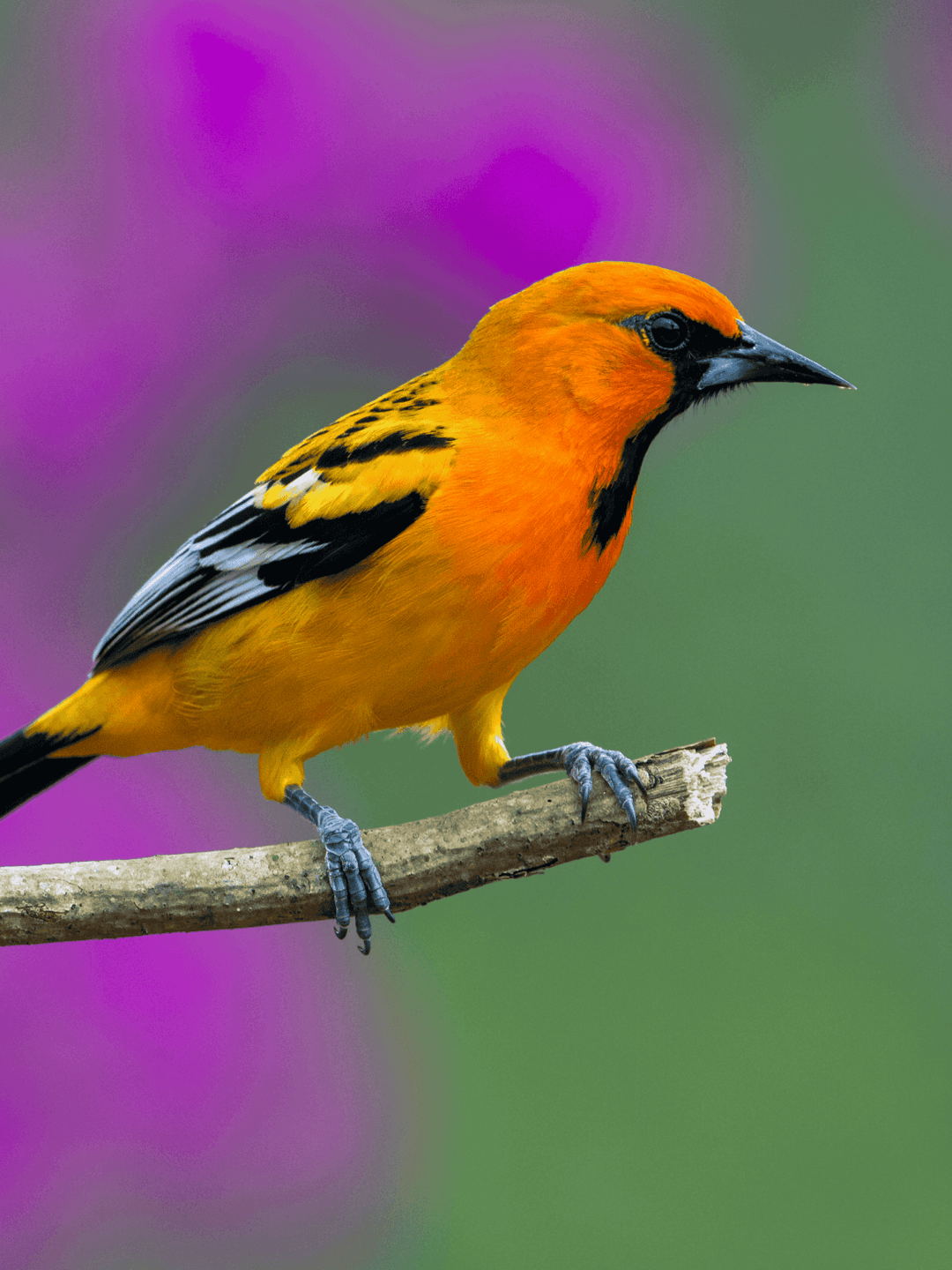
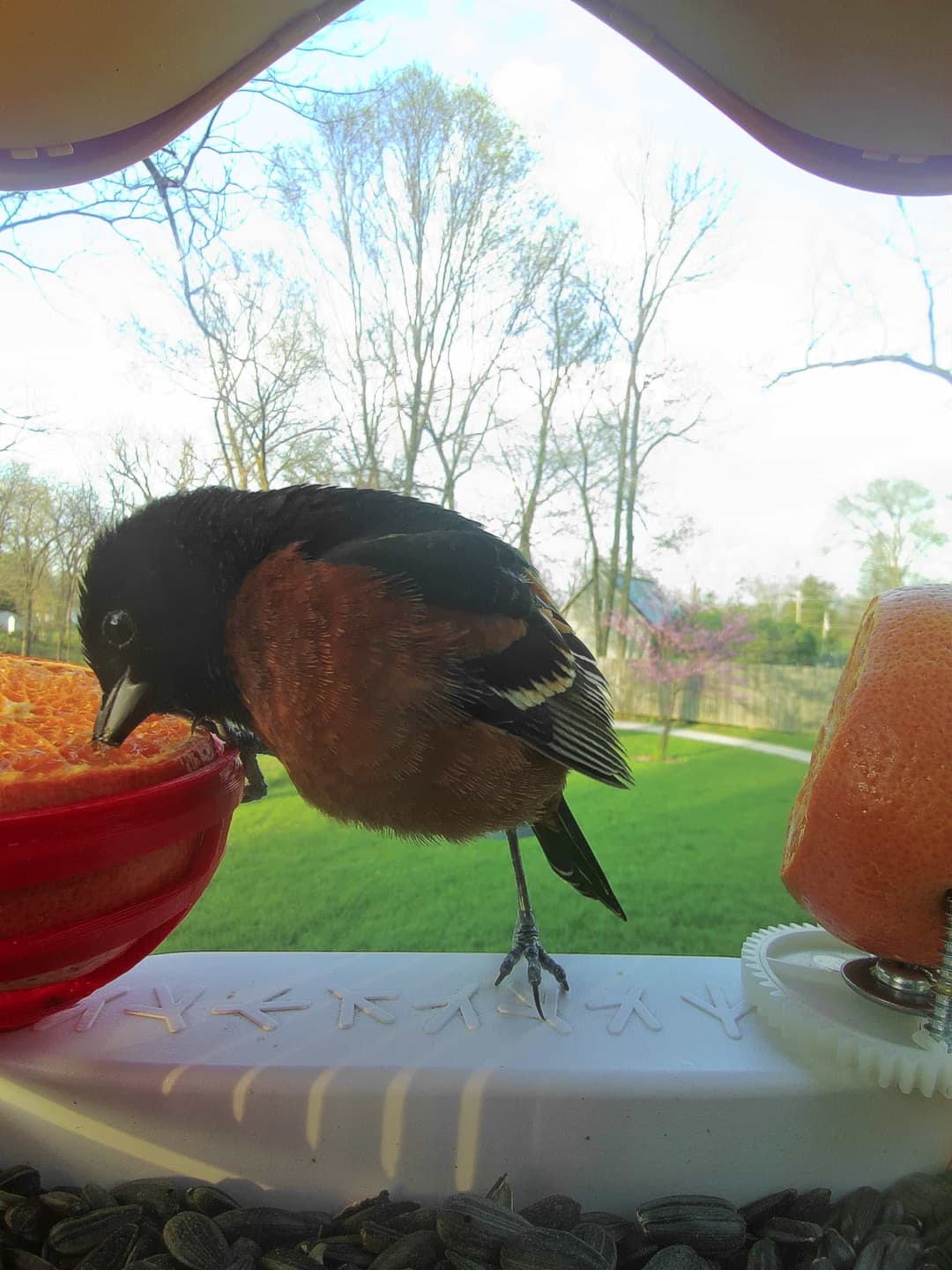
New World orioles are medium-sized birds with a slender body and a long tail. They exhibit a bright coloration, typically a mix of yellow or orange with black, white, or grey. They have pointed wings and strong legs and feet. Their bill is straight and sharply pointed, ideal for their insectivorous and frugivorous diet.
Male vs female
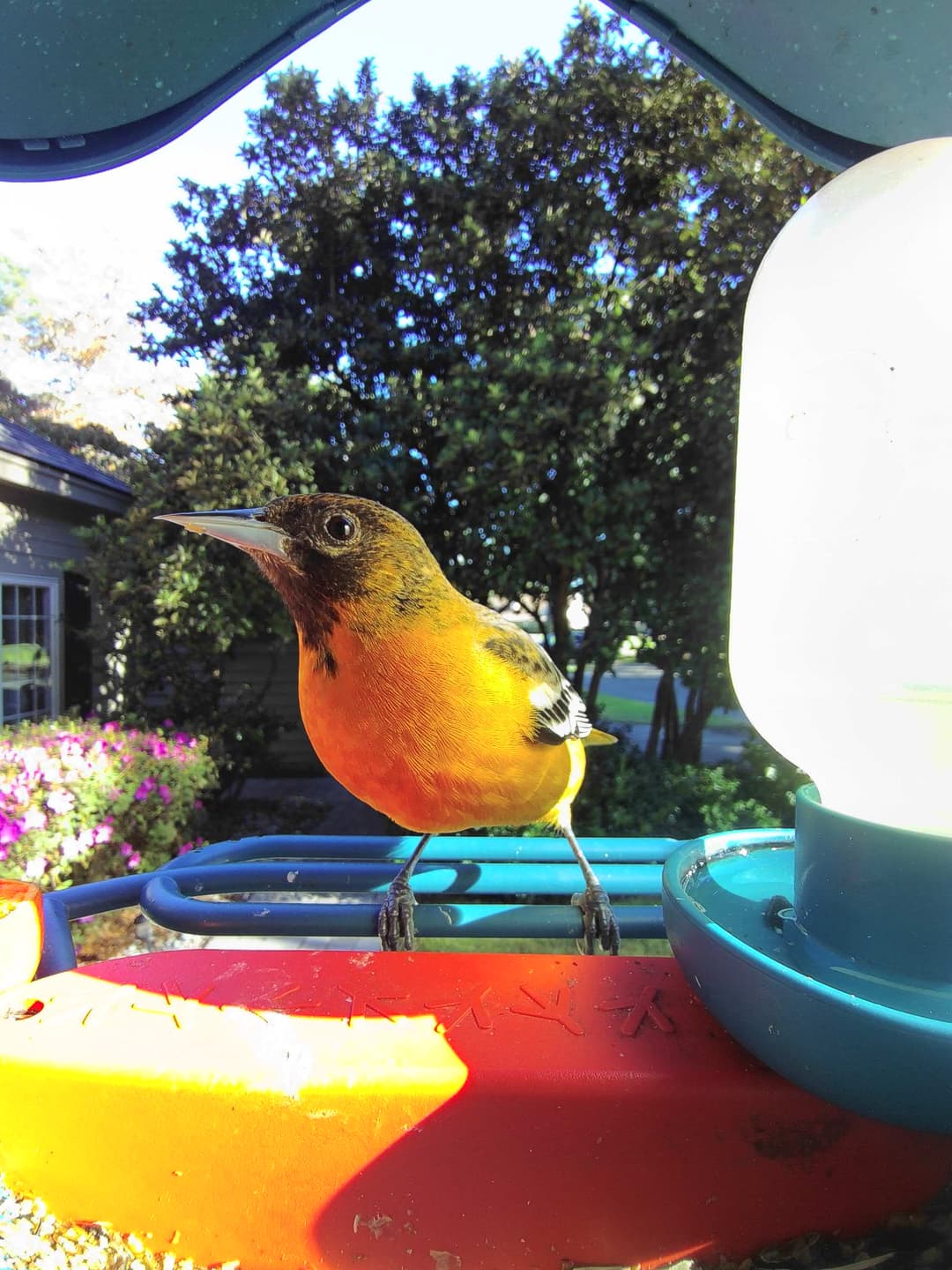
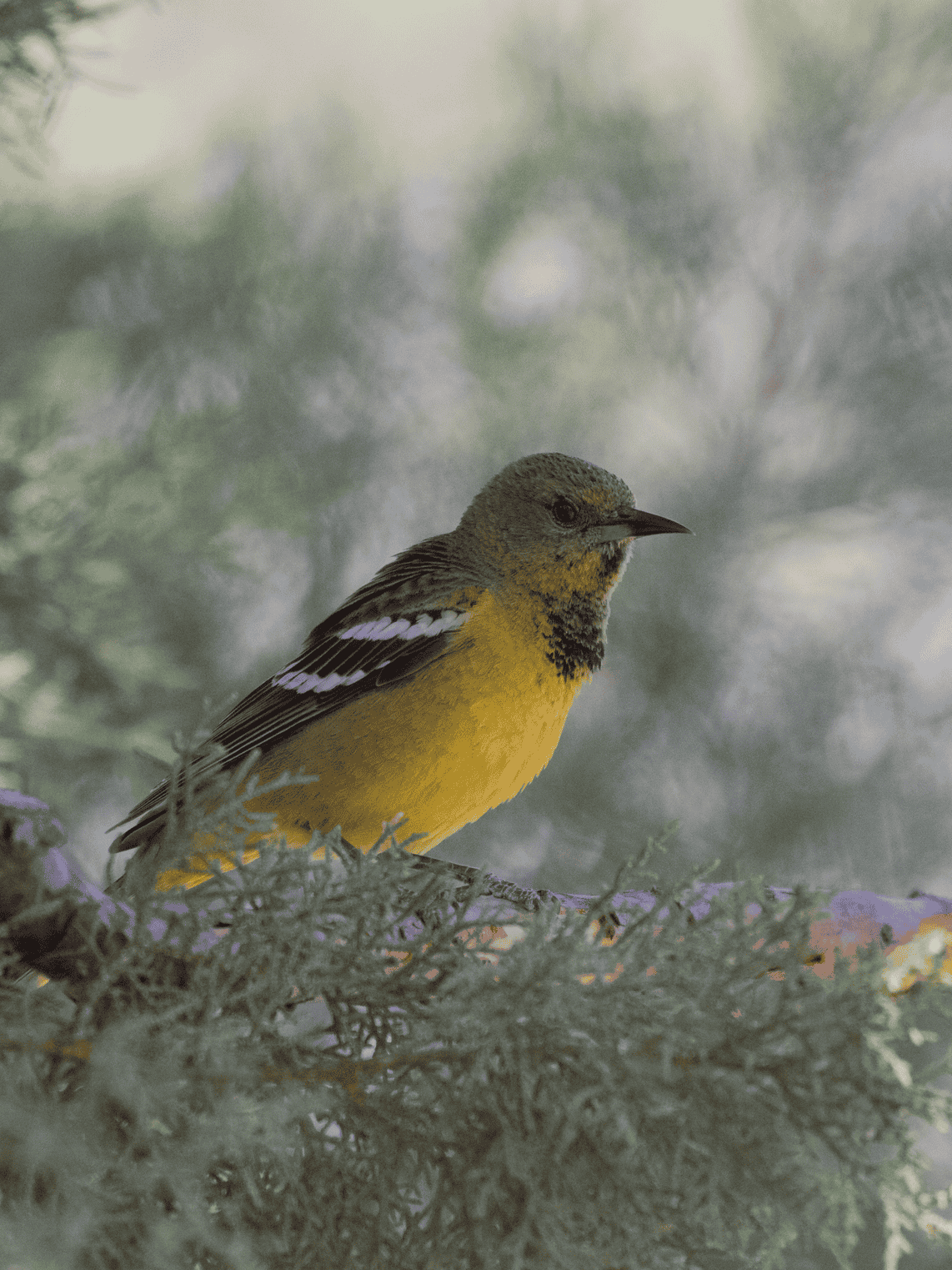
Typically, males tend to be more vibrant in color than females, showcasing a striking contrast of bright orange/yellow and black, while the females are usually more olive, yellow or brown, allowing them to blend in with their surroundings for protection. Their sizes are similar though males may slightly be larger than females.
Juvenile
Juvenile orioles tend to have even more muted coloration than females, often browner. This provides added camouflage from predators. As they mature, they will gradually molt into their adult plumage. The molting season usually corresponds to the end of the breeding season and may result in less vibrant colors in adults as well.
Size
5.9 - 10.6 in/0.4 - 3.1 oz
There's more to learn about New World Oriole
View full detailsAudubon’s Oriole
Icterus graduacauda
Also known as: Black-Headed Oriole
General appearance
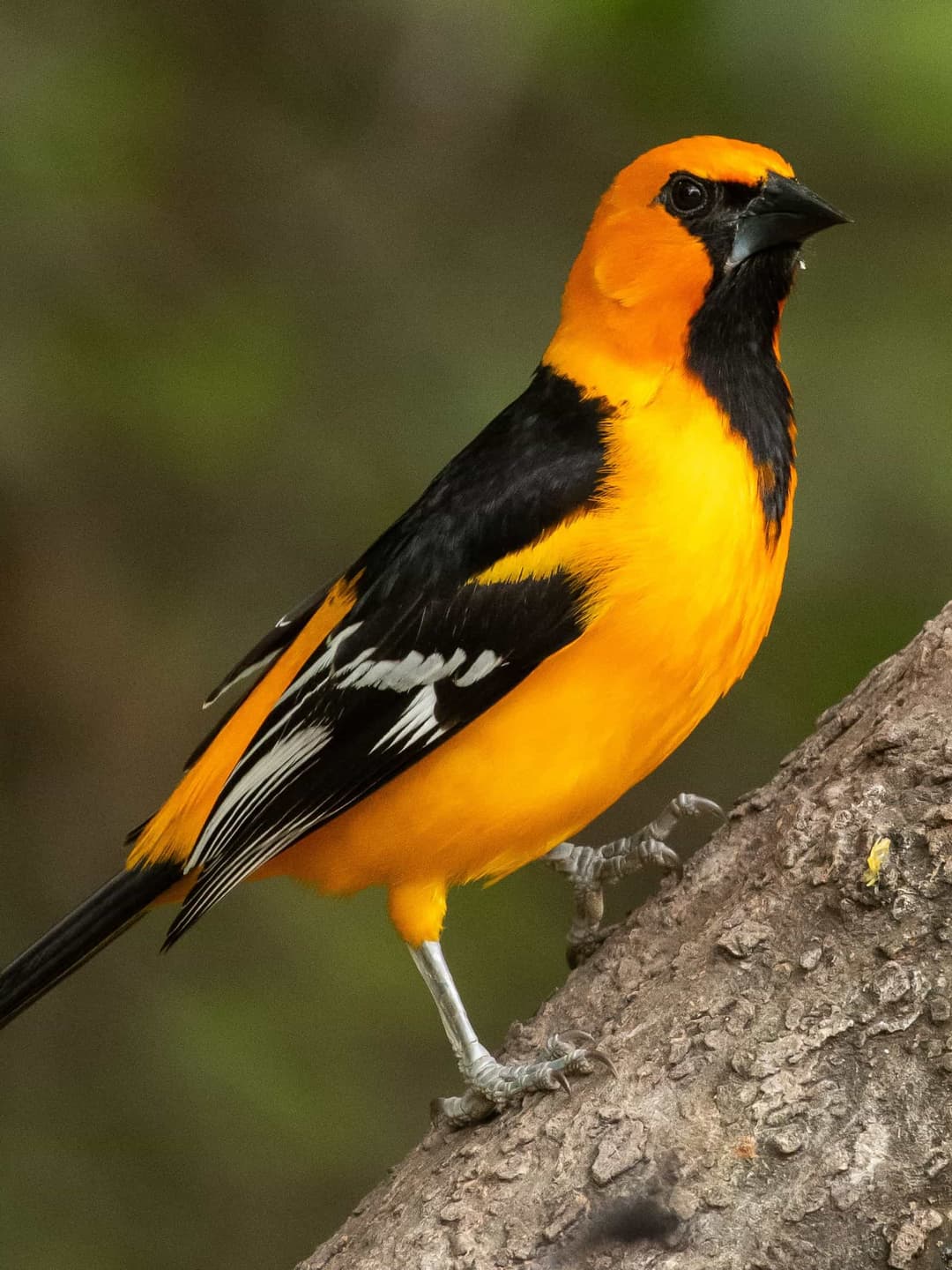
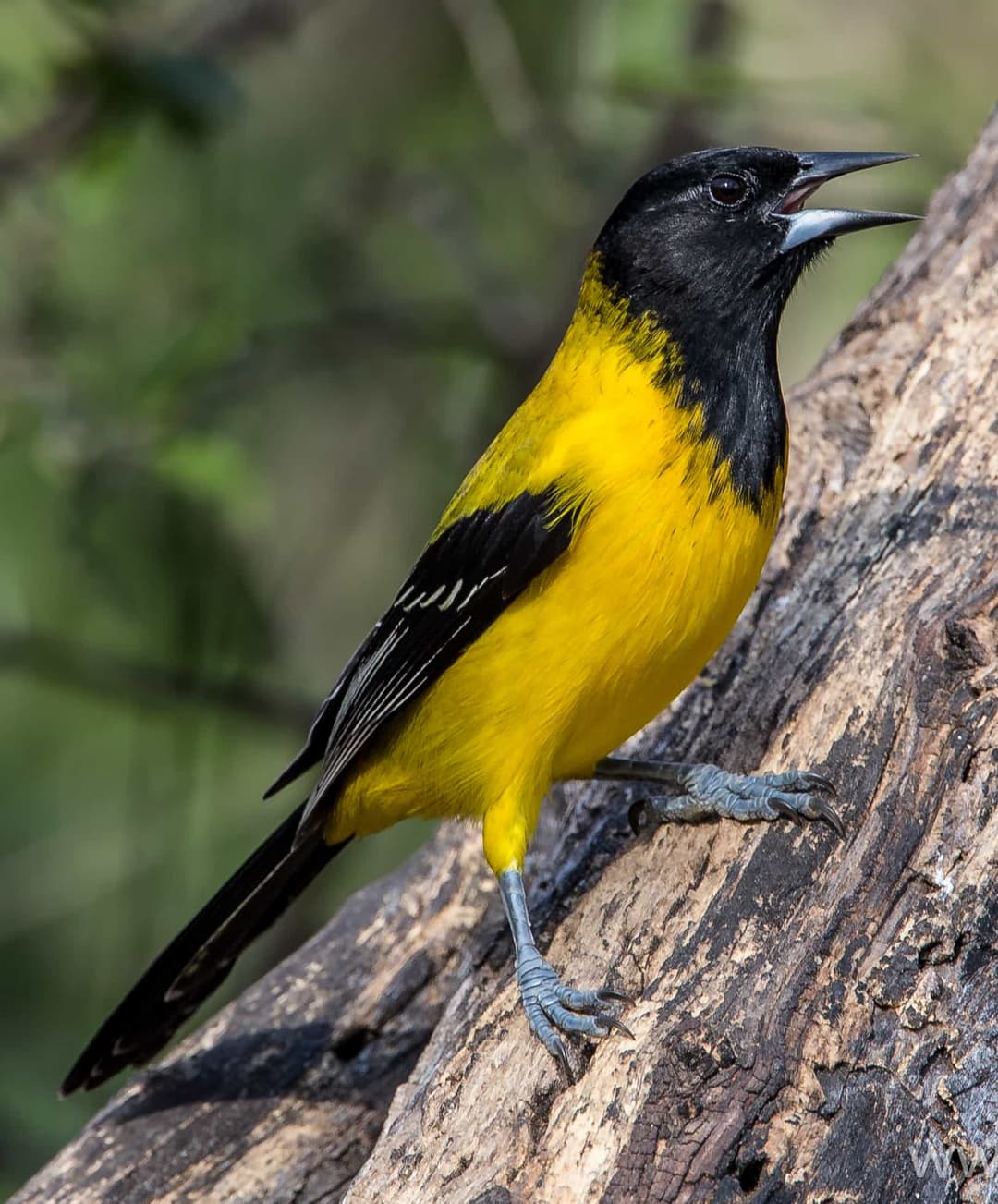
The Audubon’s oriole is a medium-sized bird approximately the size of a Robin or 9 1/2 inches (24 cm) in length. Its most distinct feature is the stark contrast of colors with a solid black hood, black tail and mostly black wings against a yellow-green back. The bird's wing and tail shapes are rounded with a wedge-like appearance
Male vs female
Male and female Audubon’s orioles share similar coloration, but the female is slightly duller than the male. Notwithstanding, they both bear the distinctive yellow-green back strongly contrasting with their black regions.
Juvenile
Young Audubon’s orioles present a much duller color scheme than adults, mainly lacking the solid black found on mature birds. Over time, their plumage develops to resemble that of adults, thus indicating sexual maturity.
Size
7.5 - 9.4 in/1.1 - 1.8 oz
There's more to learn about Audubon’s Oriole
View full detailsHow to tell the New World Oriole from the Audubon’s Oriole
Visual differences
The New World Oriole, weighing 0.42-3.1 oz and measuring 6-10.6 inches long, showcases a vibrant mix of yellow/orange with black, white, or gray. It has a straight, sharply pointed bill and a slender body. Conversely, Audubon's Oriole, slightly heavier at 1.1-1.8 oz and around 9.5 inches in length, features a distinctive yellow-green back, solid black hood, tail, and mostly black wings. Both sexes share similar colors, but females are duller. The key differences are in the contrasting color patterns and Audubon's oriole's rounder, wedge-like wing and tail shapes.
Key differences and behavior
New World Orioles and Audubon's Orioles differ in several key behaviors and ecological preferences. New World Orioles are notable for their wide migratory range, inhabiting North to South America during migration, whereas Audubon's Orioles are more region-specific, staying in southern Texas and parts of Mexico. Both enjoy a diet of insects and fruits but New World Orioles also prominently consume nectar, often from flowering plants, while Audubon's have a less documented diet but frequent feeders. Socially, New World Orioles engage in elaborate courtship songs and aerial displays, while Audubon's are more shy yet sing duets, often remaining in pairs year-round. Nesting for both involves weaving intricate hanging nests, but New World's are higher and more varied in location. Additionally, New World Orioles exhibit significant color dimorphism and varied juvenile plumage, while Audubon's males and females are similarly colored. Both, though, face brood parasitism challenges.
Still not sure? Here are more lookalikes!
New World Oriole vs Baltimore Oriole
New World Oriole vs [Select a bird]

[Select a bird]
Pick a bird to compare
Audubon’s Oriole vs [Select a bird]
[Select a bird]
Pick a bird to compare