Himalayan Bulbul or White-Eared Bulbul?
Here's how to tell the difference

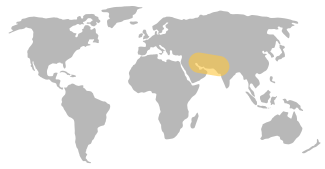


Himalayan Bulbul


White-Eared Bulbul
Himalayan Bulbul
Pycnonotus leucogenys
Also known as: White-Cheeked Bulbul
General appearance
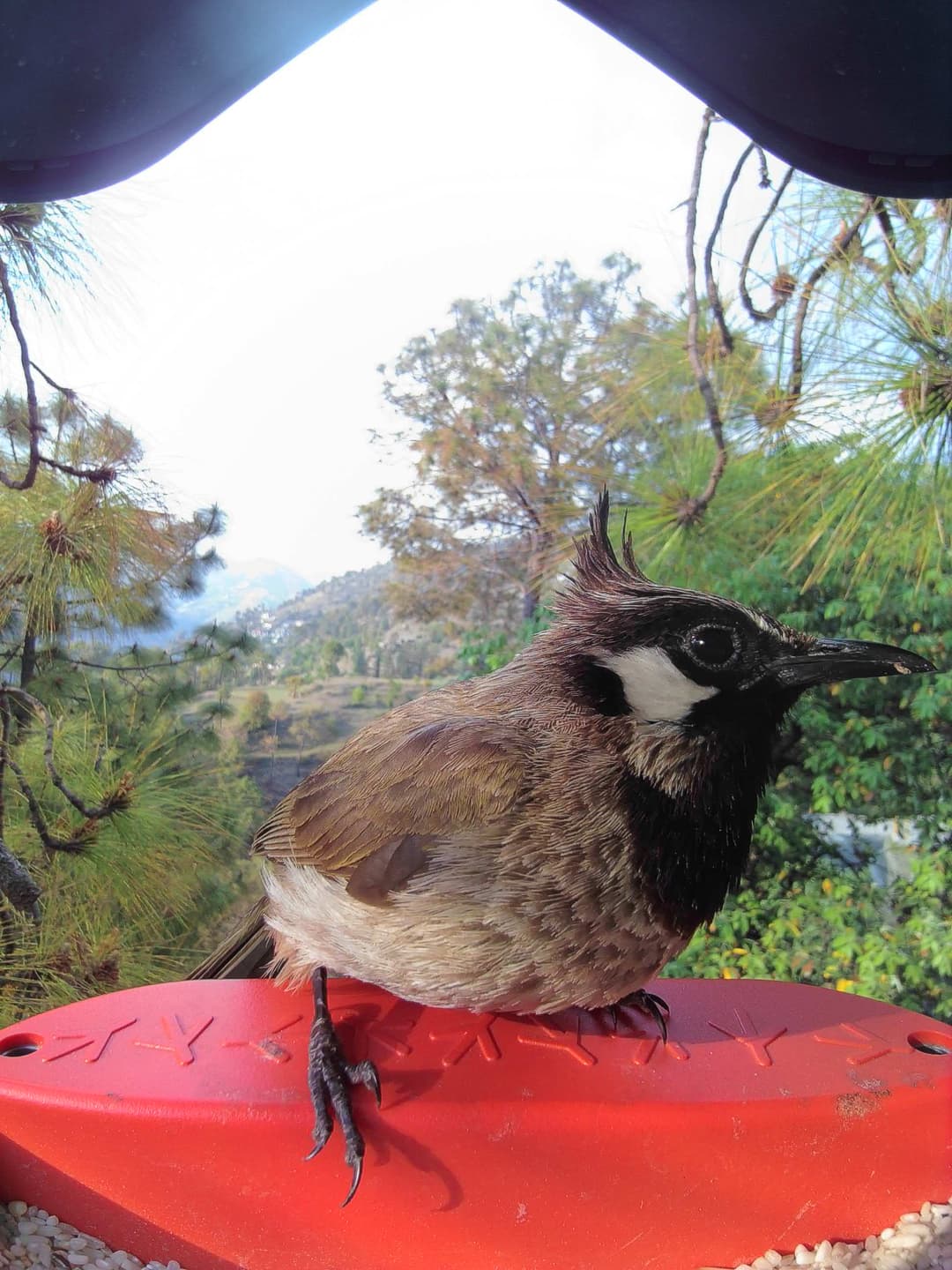
The Himalayan bulbul, or white-cheeked bulbul, is a species of songbird with a distinctive crest on the head. They exhibit a dove grey above with whitish underparts, a black crest, and white patches on the cheek and underside of the tail. They have a medium size, averaging around 20 cm long, and are known for their melodious song.
Male vs female
For the Himalayan bulbul, sexual dimorphism is not significantly pronounced, and both males and females have similar physical appearances. Both genders exhibit the same colorations and physical traits, making it difficult to distinguish between them based on appearance.
Juvenile
Juveniles exhibit similar body shape to adults, though their coloration may be duller. The signature crest is shorter and their cheek patches are not as starkly white. As they grow, they gradually attain the more distinctive adult coloration.
Size
7.5 - 7.9 in/1.2 - 1.3 oz
There's more to learn about Himalayan Bulbul
View full detailsWhite-Eared Bulbul
Pycnonotus leucotis
Also known as: White-Cheeked Bulbul, Iraqi Bulbul
General appearance
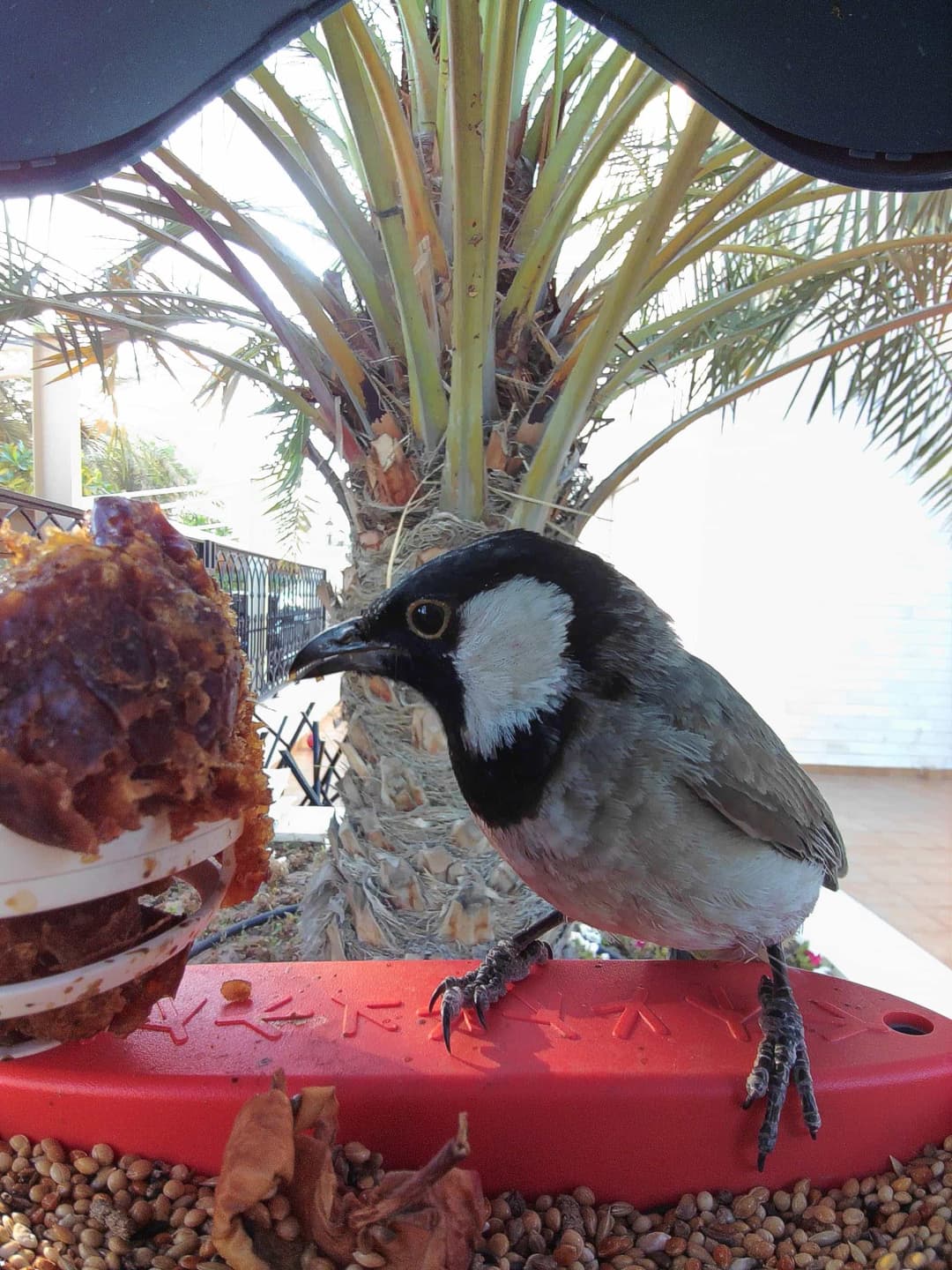
The white-eared bulbul, identifiable by a white patch around its ear, has a predominantly dark grey body, with a light underbelly. The bird has a white-tipped tail, and a lighter colored tuft of feathers on its throat with a sharp, pointed beak, typical of bulbul species.
Male vs female
Males and females of the white-eared bulbul species are similar in appearance, exhibiting little sexual dimorphism. Both have similar coloration and physical traits; key differences are difficult to discern without closer observation or expert knowledge.
Juvenile
Juvenile bulbuls resemble adults but have a more subdued color scheme. The distinctive white patch around the ear is less prominent compared to adults and develops gradually as they mature.
Size
6.9 - 7.5 in/0.6 - 1.2 oz
There's more to learn about White-Eared Bulbul
View full detailsHow to tell the Himalayan Bulbul from the White-Eared Bulbul
Visual differences
The Himalayan Bulbul measures approximately 7.5 to 7.9 inches with a black crest, white cheek patches, and a white underside of the tail. Its plumage is dove grey above and whitish below. In contrast, the White-Eared Bulbul is slightly smaller at 6.9 to 7.5 inches, sporting a dark grey body with a light underbelly, and a distinct white ear patch and throat tuft. The Himalayan has a medium build, while the White-Eared appears more plump and has a sharp, pointed beak.
Key differences and behavior
The Himalayan Bulbul and White-Eared Bulbul exhibit notable behavioral differences. Himalayan Bulbuls, active and agile, are famous for their complex courtship displays and melodious early morning whistling songs. They thrive in subtropical forests across the Himalayas, feeding on a varied diet of insects, fruits, and berries. Conversely, White-Eared Bulbuls are more social, often forming trios during breeding and larger flocks outside it. These birds flourish in sun-drenched scrublands and urban settings, adapting well to semi-desert climates. They have a fruit-centered diet, supplemented by insects and nectar. In urban areas, both species frequent bird feeders but display distinct preferences: Himalayans prefer seeds and suet, while White-Eareds favor fruits and bread. Both species perform fluttering courtship flights and share nest-building responsibilities, yet have unique adaptations to their respective habitats. Himalayan Bulbuls weigh around 1.2-1.3 oz (19-20 cm long), while White-Eared Bulbuls weigh 0.6-1.2 oz (17.5-19 cm long).
Still not sure? Here are more lookalikes!
Himalayan Bulbul vs Red-Vented Bulbul

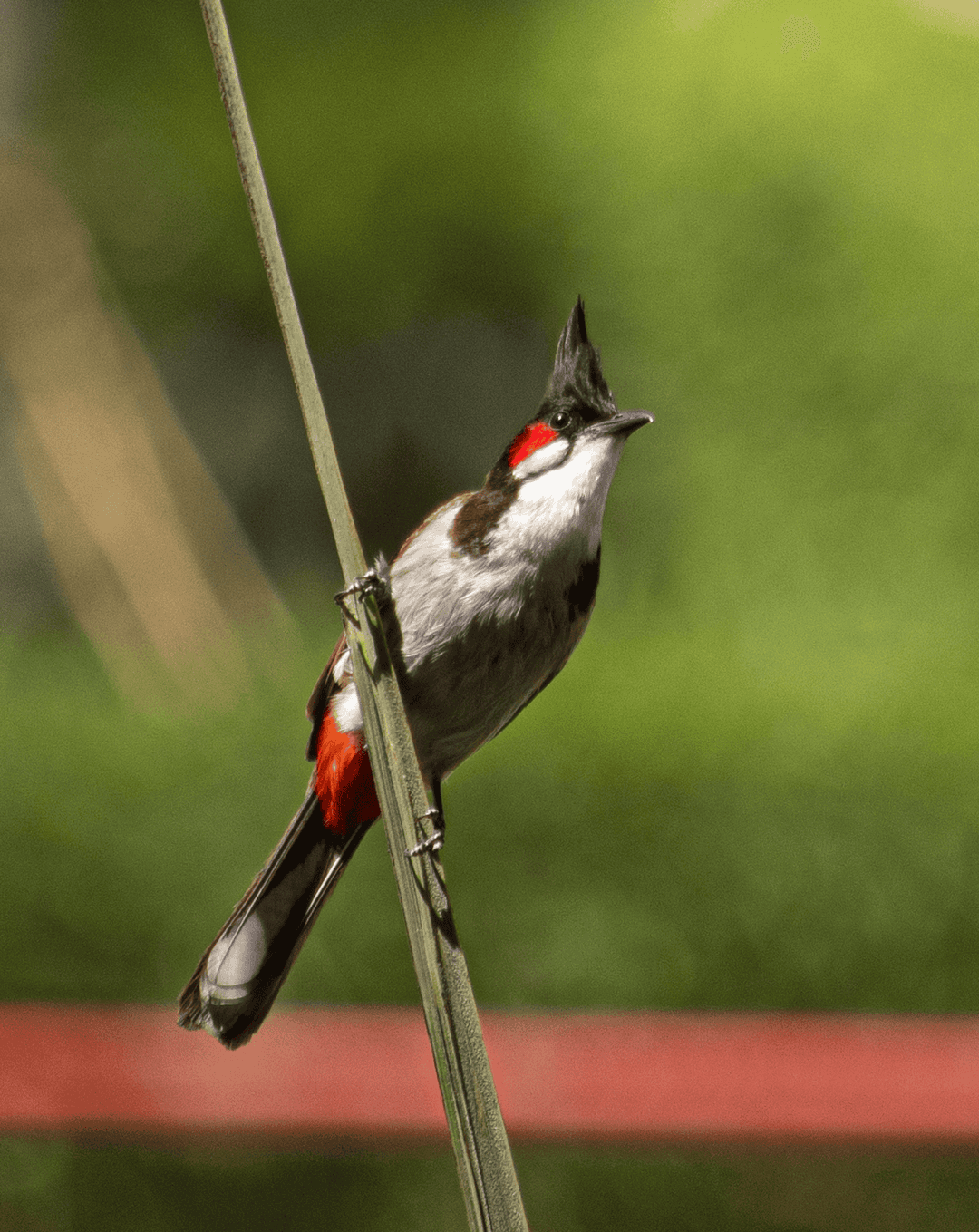
Himalayan Bulbul vs Red-Whiskered Bulbul
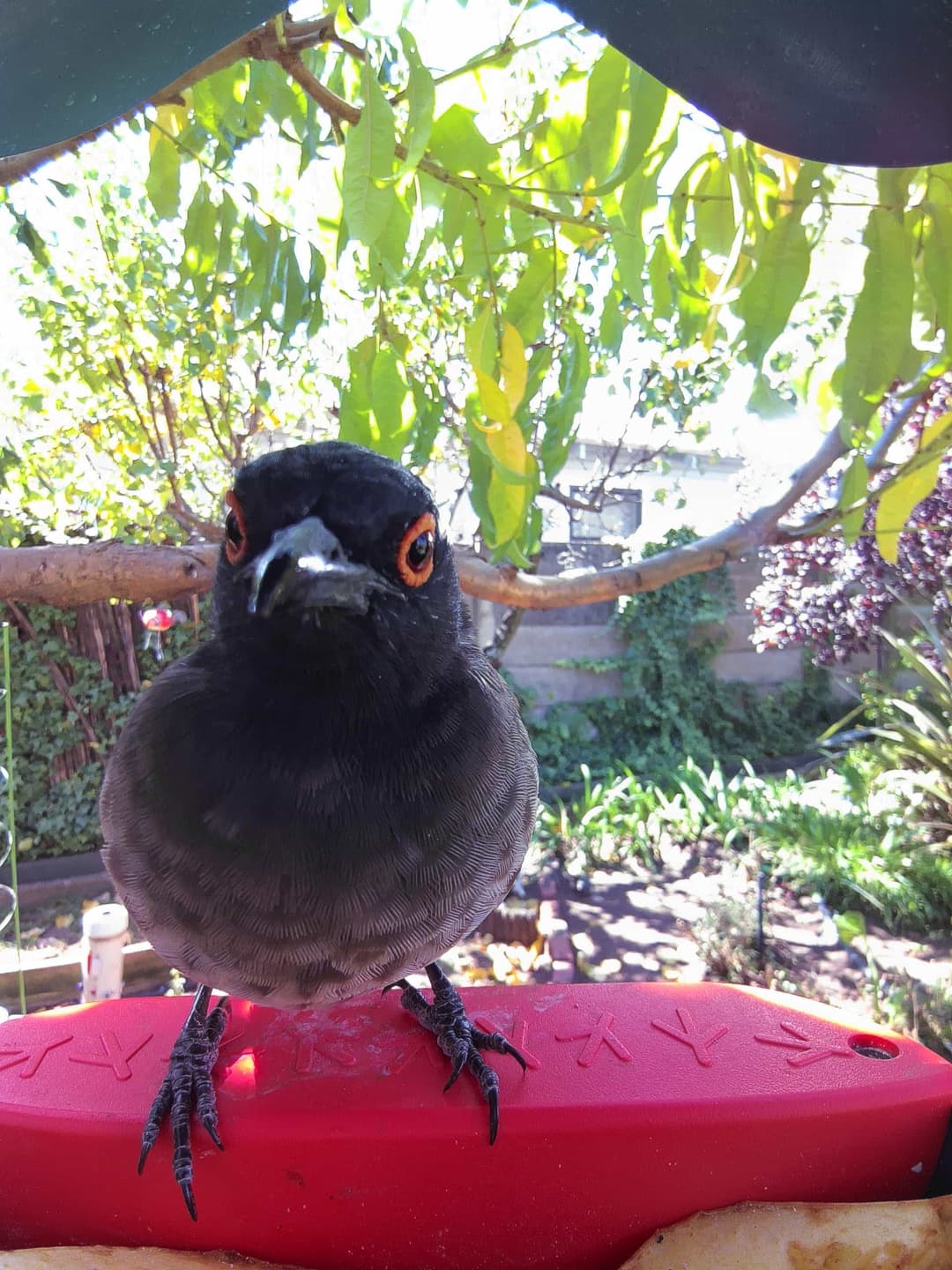
White-Eared Bulbul vs African Red-Eyed Bulbul
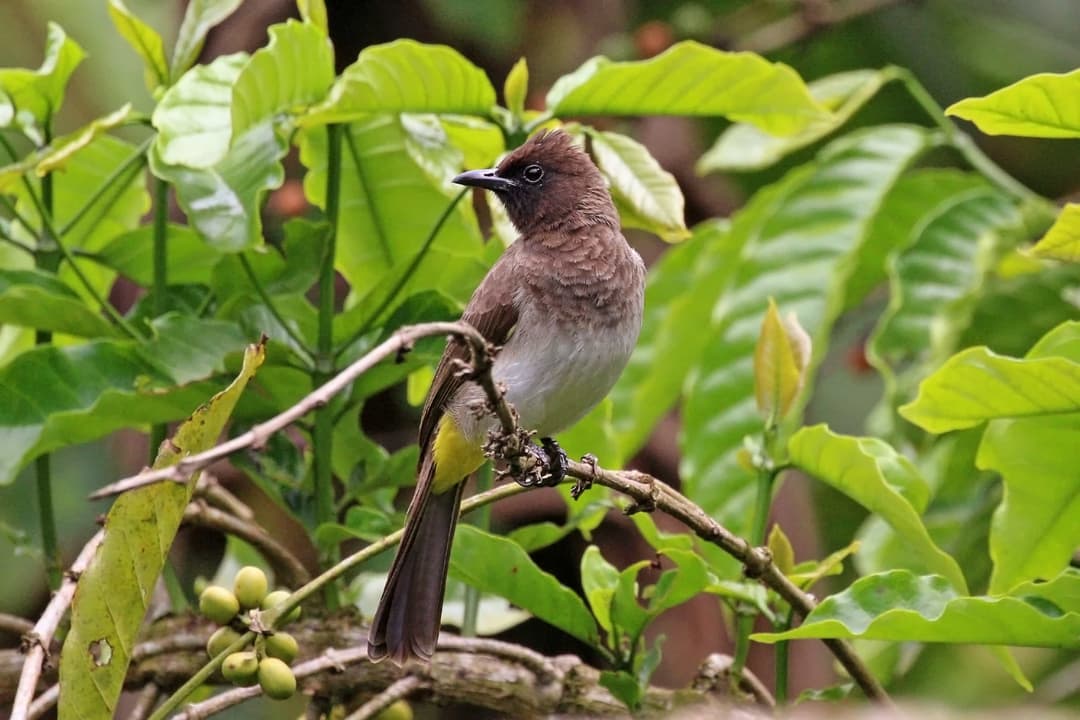
White-Eared Bulbul vs Light-Vented Bulbul

White-Eared Bulbul vs Red-Whiskered Bulbul
White-Eared Bulbul vs White-Spectacled Bulbul
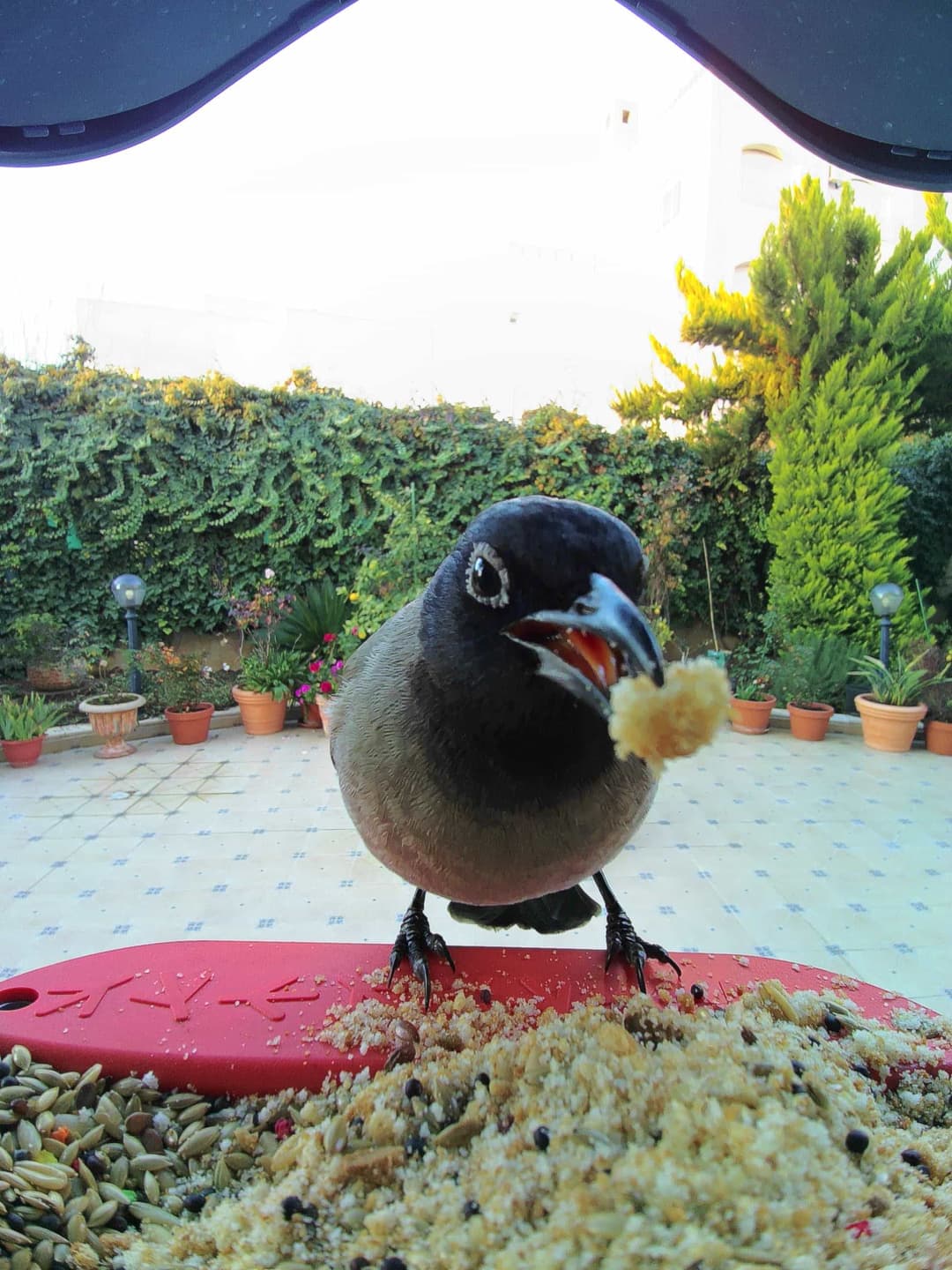
Himalayan Bulbul vs [Select a bird]

[Select a bird]
Pick a bird to compare
White-Eared Bulbul vs [Select a bird]
[Select a bird]
Pick a bird to compare