Himalayan Bulbul or Red-Whiskered Bulbul?
Here's how to tell the difference



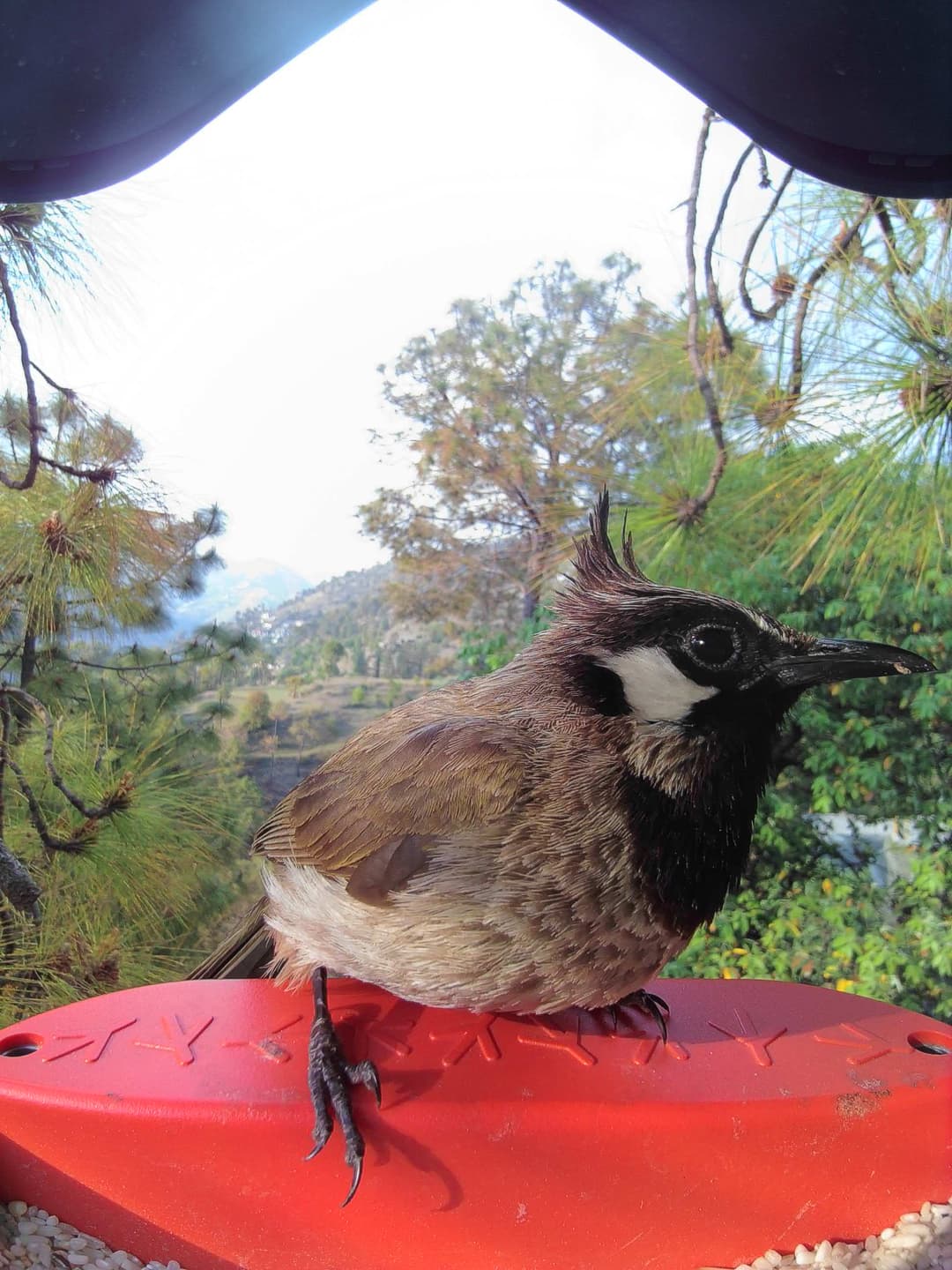
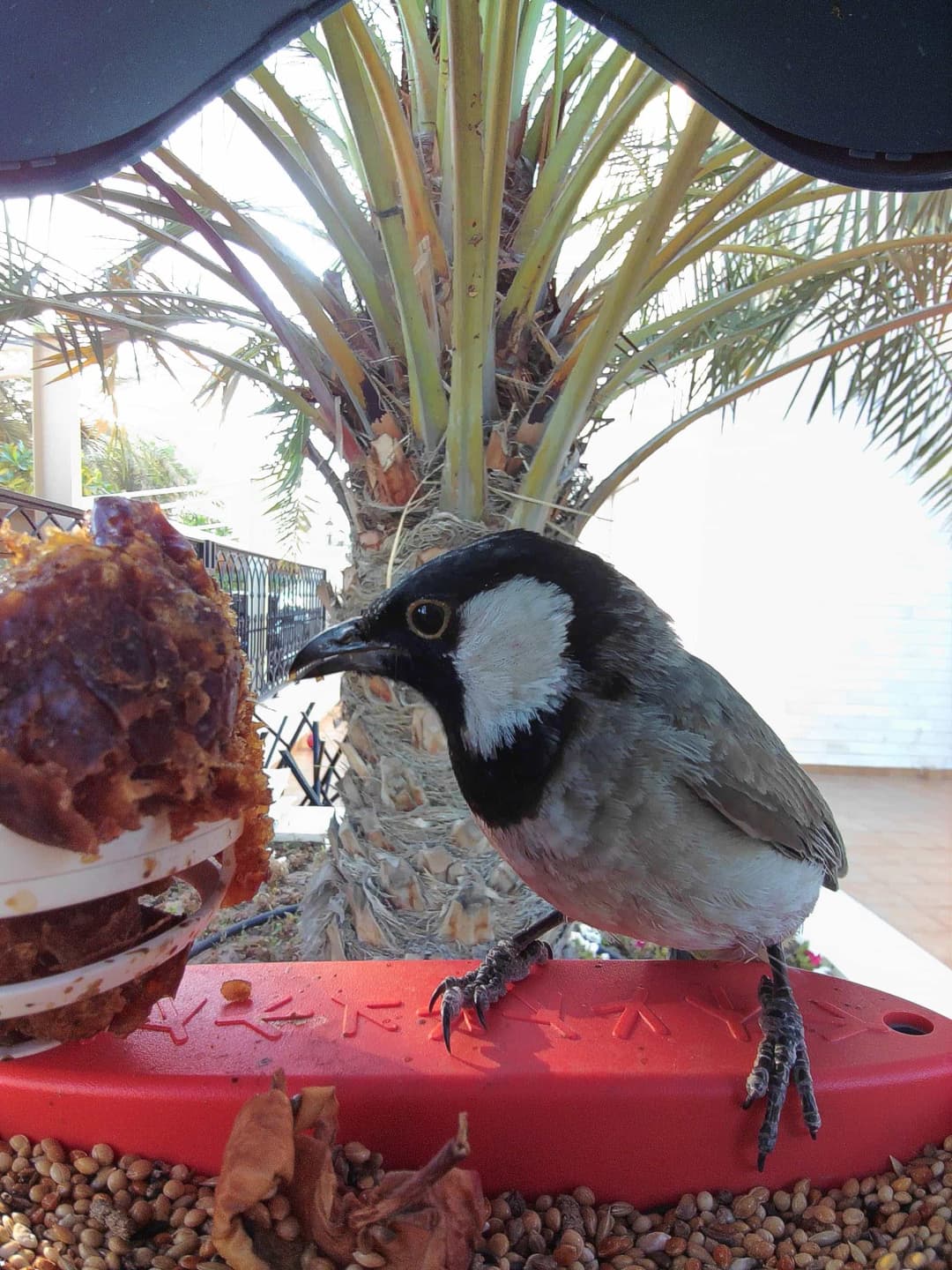
Himalayan Bulbul
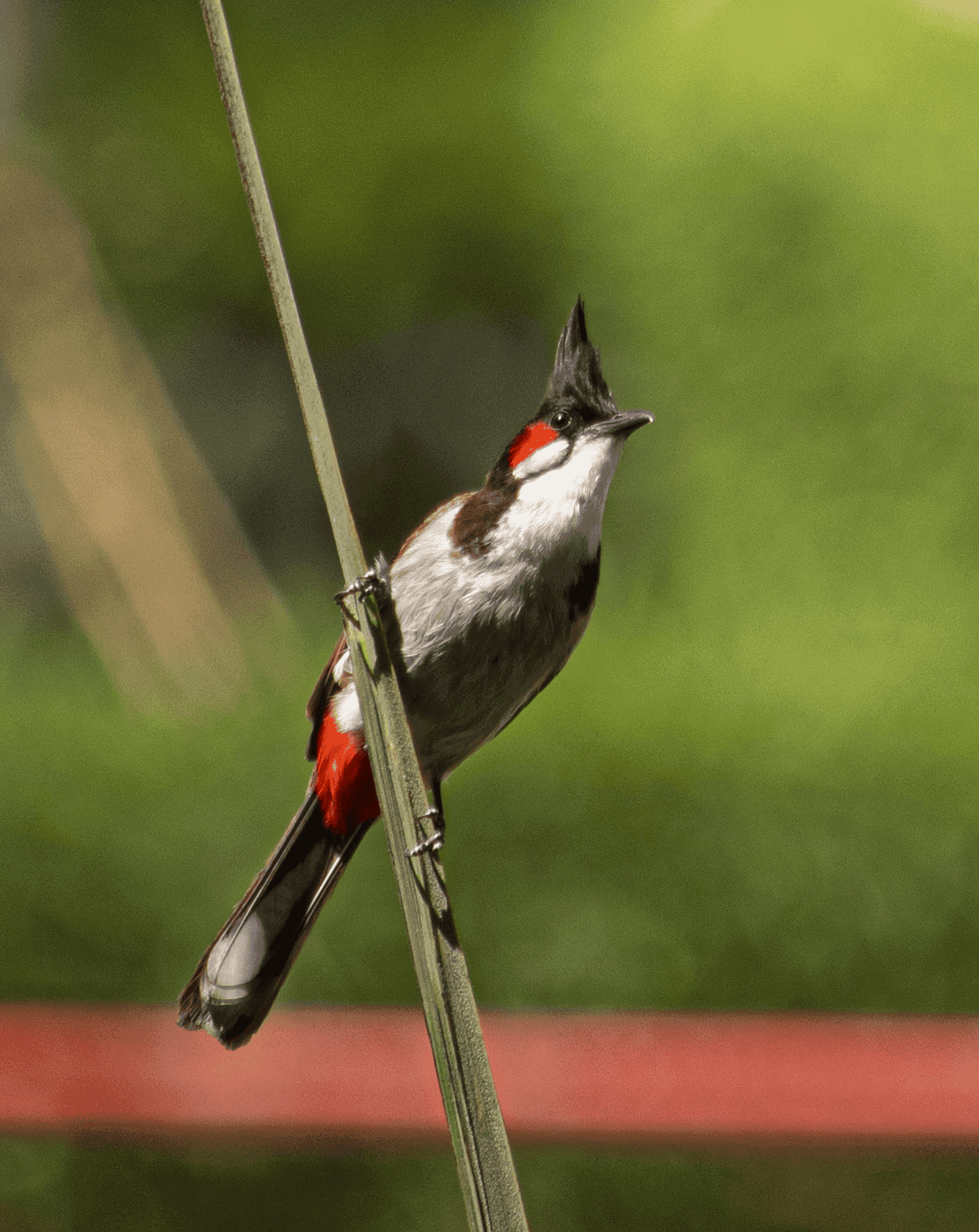


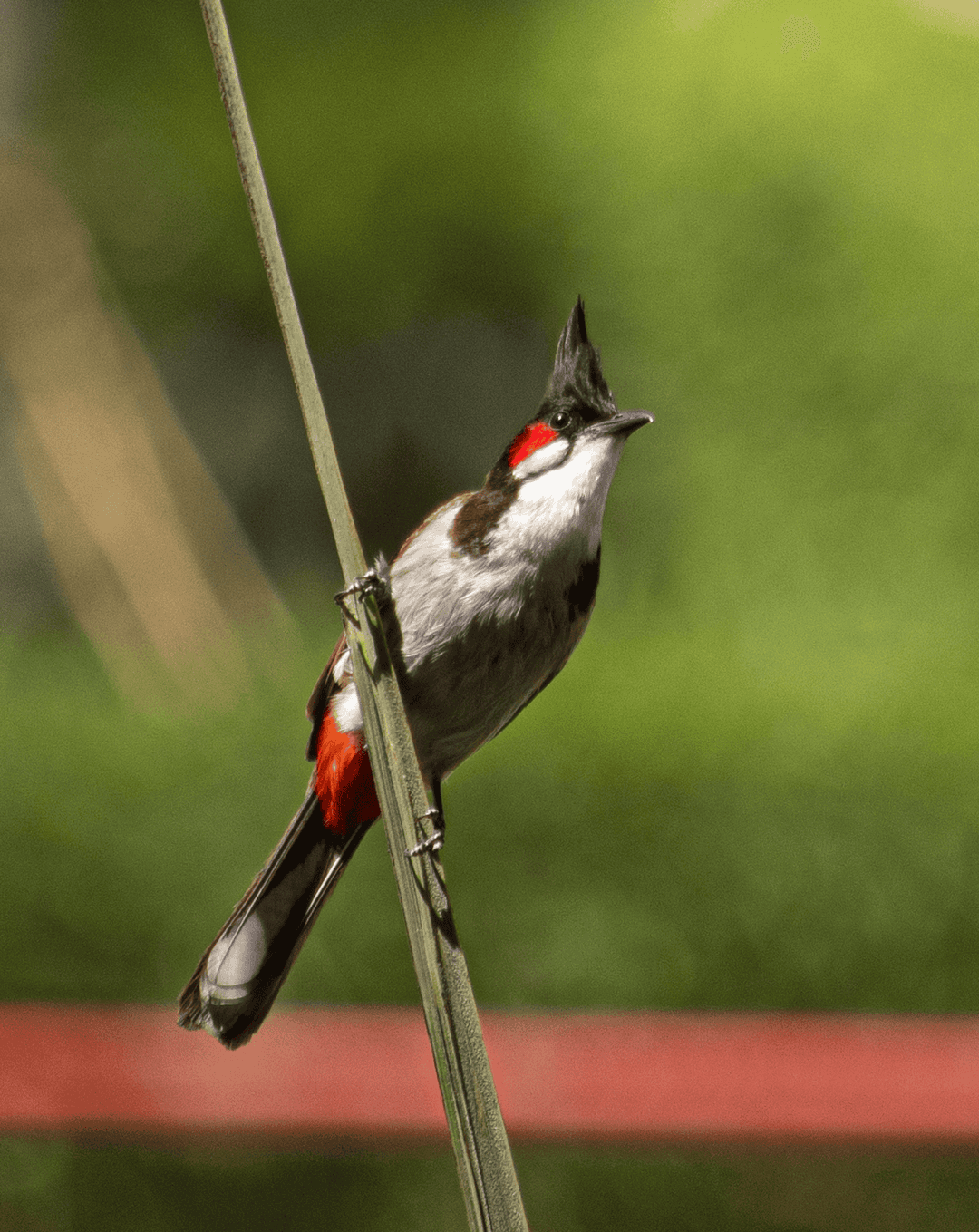
Red-Whiskered Bulbul
Himalayan Bulbul
Pycnonotus leucogenys
Also known as: White-Cheeked Bulbul
General appearance
The Himalayan bulbul, or white-cheeked bulbul, is a species of songbird with a distinctive crest on the head. They exhibit a dove grey above with whitish underparts, a black crest, and white patches on the cheek and underside of the tail. They have a medium size, averaging around 20 cm long, and are known for their melodious song.
Male vs female
For the Himalayan bulbul, sexual dimorphism is not significantly pronounced, and both males and females have similar physical appearances. Both genders exhibit the same colorations and physical traits, making it difficult to distinguish between them based on appearance.
Juvenile
Juveniles exhibit similar body shape to adults, though their coloration may be duller. The signature crest is shorter and their cheek patches are not as starkly white. As they grow, they gradually attain the more distinctive adult coloration.
Size
7.5 - 7.9 in/1.2 - 1.3 oz
There's more to learn about Himalayan Bulbul
View full detailsRed-Whiskered Bulbul
Pycnonotus jocosus
Also known as: Crested Bulbul
General appearance
The Red-whiskered bulbul is a distinctive bird approximately 20cm in size, about the size of a Robin. It exhibits broad, rounded wings, and its tail can be notched, rounded or square-tipped. Most noticeable are its black crest, and a pair of red and white 'whiskers' or patches on the cheeks. The bird primarily showcases a black, brown, grey and white color palette, with red undertail coverts.
Male vs female
Male and female Red-whiskered bulbuls are similar in appearance, with both sexes displaying the same coloration and patterns. Hence, visually, it might be challenging to distinguish between males and females.
Juvenile
Juvenile Red-whiskered bulbuls resemble the adults in size but have less prominent 'whiskers' and their coloration is generally more subdued. The red undertail coverts may not be as vibrant as in adults. Their crest is less developed, giving them a more rounded appearance.
Size
6.7 - 9.1 in/0.8 - 1.1 oz
There's more to learn about Red-Whiskered Bulbul
View full detailsHow to tell the Himalayan Bulbul from the Red-Whiskered Bulbul
Visual differences
The Himalayan Bulbul and Red-Whiskered Bulbul both measure around 8 inches but differ visually. The Himalayan has a distinctive black crest, white cheek patches, and white tail undersides, with dove grey above. In contrast, the Red-Whiskered features a black crest, red and white cheek "whiskers," and red undertail coverts, with a color palette of black, brown, grey, and white. Both sexes in both species appear similar, and juveniles are duller. The Himalayan is around 1.2-1.3 oz, whereas the Red-Whiskered is lighter at 0.8-1.1 oz.
Key differences and behavior
Himalayan and Red-Whiskered Bulbuls both exhibit vibrant vocal behaviors, but while the Himalayan Bulbul is known for its acrobatic flights and melodious morning songs reminiscent of a quicker Eurasian golden oriole, the Red-Whiskered Bulbul's call is more sociable yet elusive, often heard in urban gardens. The Himalayan prefers subtropical forests within 2,600 – 9,800 feet in the Himalayas, showing adaptability to urban areas. In contrast, the Red-Whiskered thrives in exotic tree-filled suburbs or forest edges in southern Asia. Mating involves duet songs and flight displays for the Himalayan, while the Red-Whiskered uses crest movements. Both share parental duties during breeding. Diets overlap with fruits and insects, but the Himalayan may also enjoy flower nectar, whereas the Red-Whiskered includes overripe fruits and flowers. These nuances can help birders distinguish them in the field by behavior rather than appearance.
Still not sure? Here are more lookalikes!
Himalayan Bulbul vs Red-Vented Bulbul
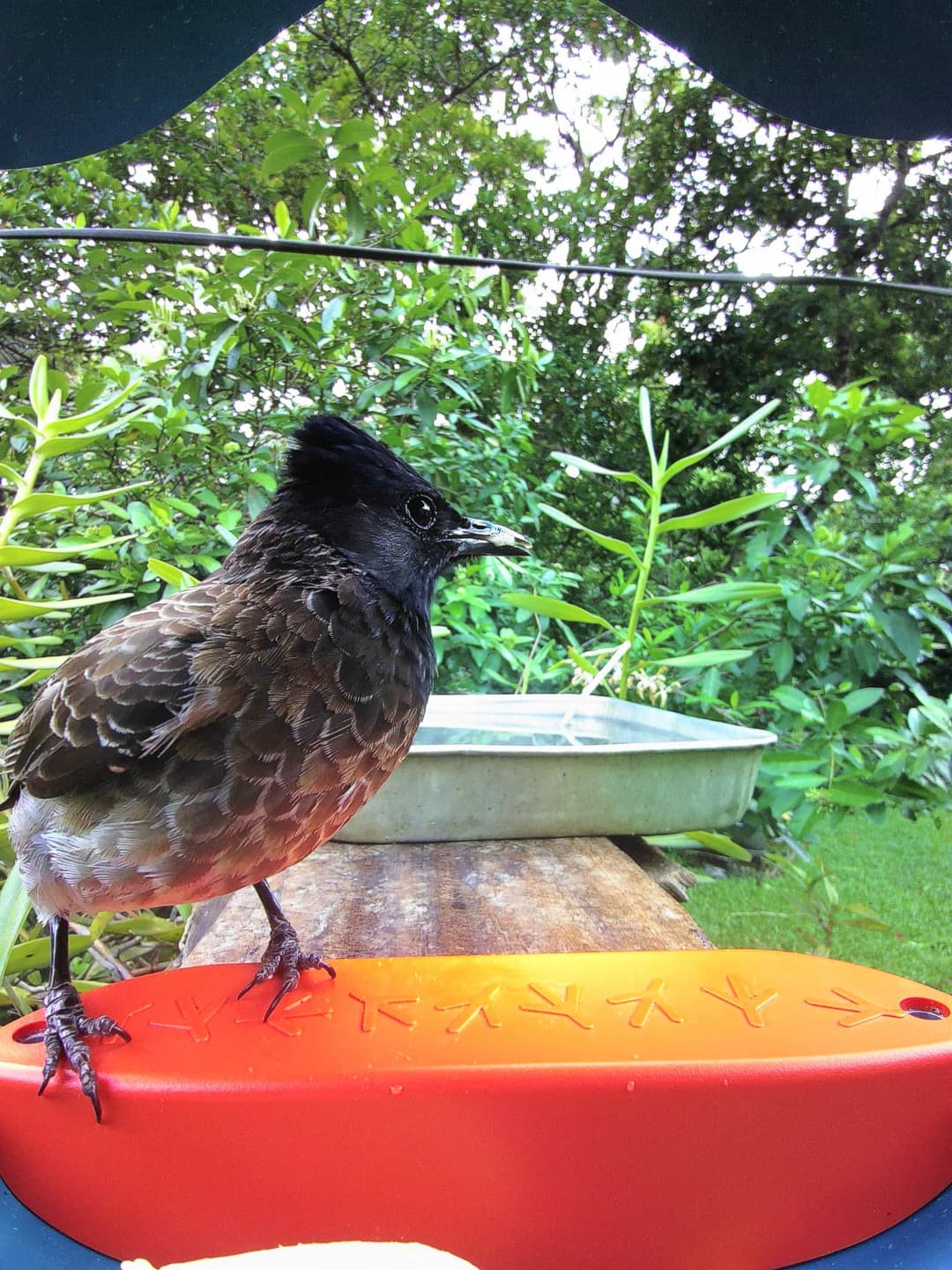
Himalayan Bulbul vs White-Eared Bulbul
Himalayan Bulbul vs [Select a bird]

[Select a bird]
Pick a bird to compare
Red-Whiskered Bulbul vs [Select a bird]
[Select a bird]
Pick a bird to compare