Eurasian Nuthatch or White-Breasted Nuthatch?
Here's how to tell the difference
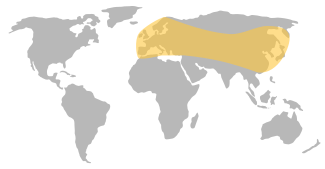


Eurasian Nuthatch
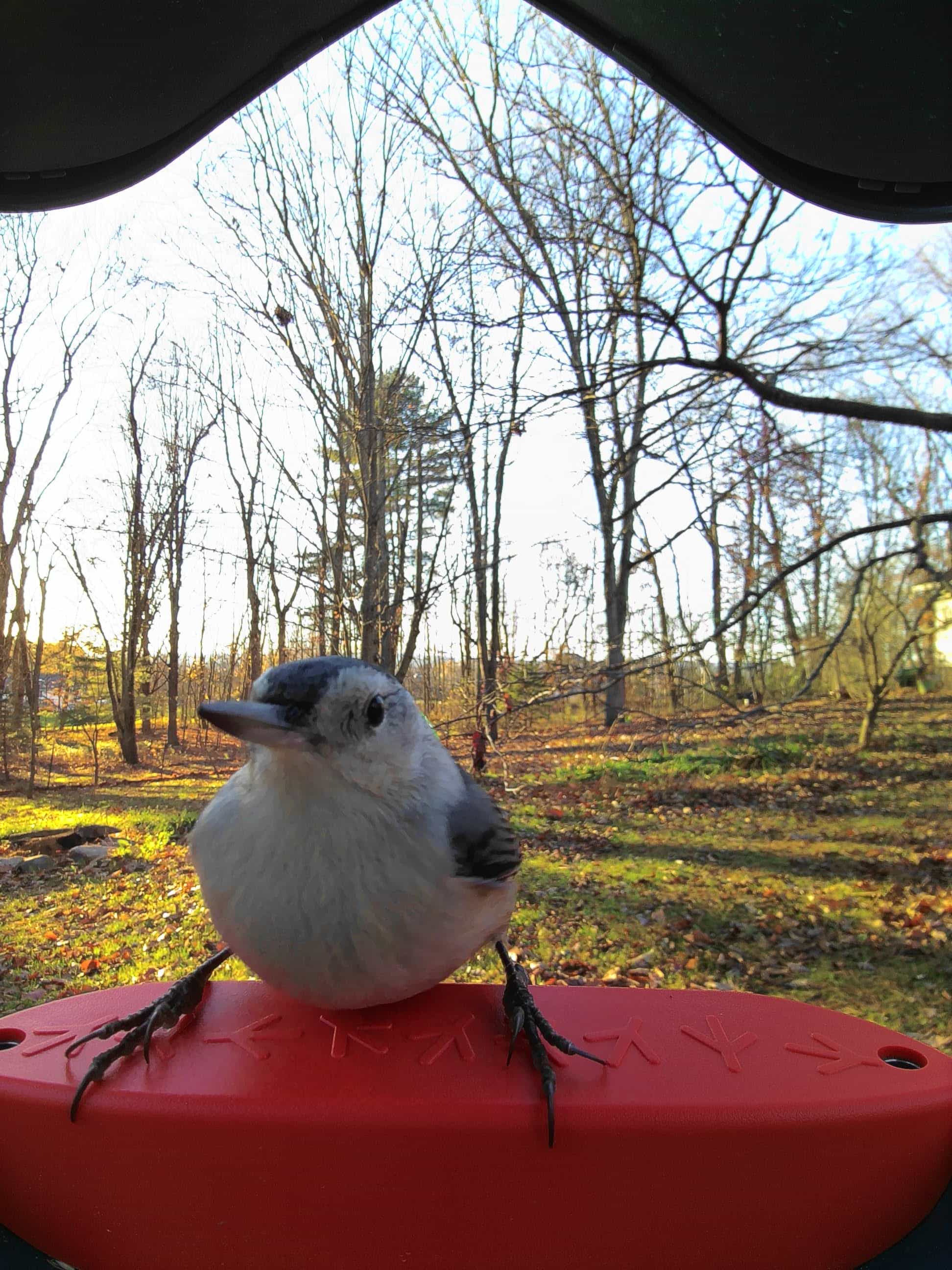


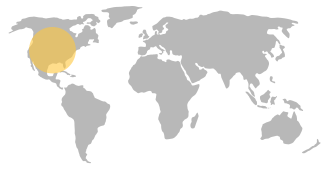
White-Breasted Nuthatch
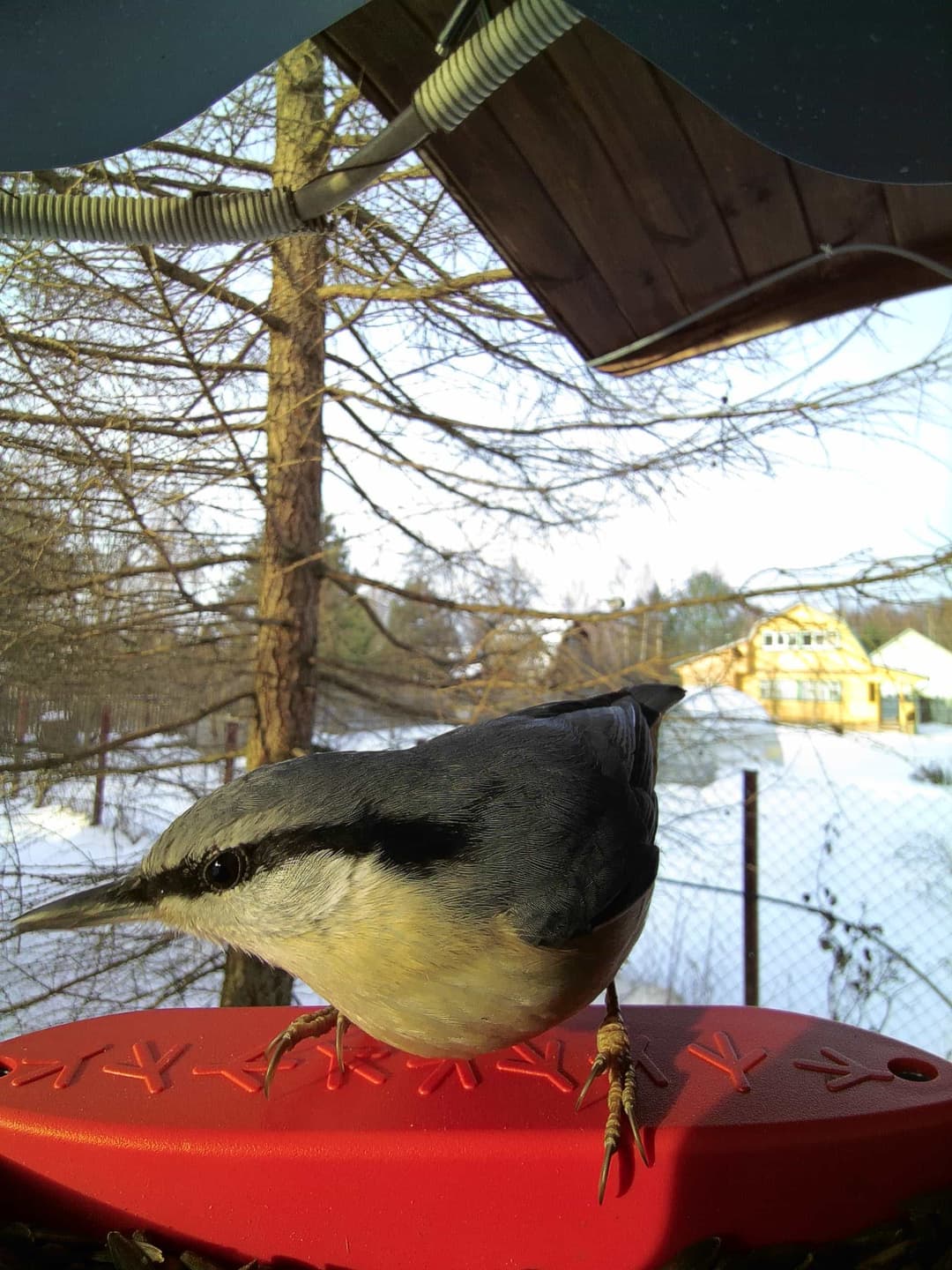
Eurasian Nuthatch
Sitta europaea
Also known as: Wood Nuthatch, Nuthatch
General appearance
The Eurasian nuthatch is a small passerine bird known for its agility, compact body shape, and short tail. Their most distinguishing physical trait is their sharp, pointed beak which is unique for crawling upside down and sideways on tree trunks. They exhibit a strong body coloration of a cool blue-grey upper part contrasted with a warmer chestnut lower part, while their cheeks are white, and they have a characteristic black eye stripe.
Male vs female
Male and female Eurasian nuthatches are similar in size and shape, but males tend to have a slightly brighter plumage than females. Specifically, males have a more vivid chestnut color on their flanks and under parts, while females display a more subdued, paler chestnut shade. This subtle color differentiation provides a useful clue in identifying sex in the wild.
Juvenile
The juvenile Eurasian nuthatch differs subtly from adults, bearing paler and less contrasting colors. They possess a greyer tone on their back and a less pronounced black eye stripe. Their general coloration tends to darken and become more distinctive with maturity, providing a cue to their age.
Size
4.7 - 6.7 in/0.6 - 1.0 oz
There's more to learn about Eurasian Nuthatch
View full detailsWhite-Breasted Nuthatch
Sitta carolinensis
General appearance
The white-breasted nuthatch has a chunky body and measures 5-6 inches (13-15 cm) in length. It has a short, square-tipped tail and a thin bill. The bird has a beady black eye that stands out against its white face and chest. Its coloration consists of black, grey, and white and it can show much orange-brown on its lower belly. The wing and tail shapes are rounded.
Male vs female
The male and female white-breasted nuthatch have similar appearances, but there are slight differences. They both have a narrow dark crown stripe, but while it's black on males, it's often gray on females.
Juvenile
Not much information is provided about the juvenile white-breasted nuthatch. Based on general bird development, they would likely have softer, less vivid coloration than adults. More specific characteristics would need further research.
Size
5.1 - 5.5 in/0.6 - 1.0 oz
There's more to learn about White-Breasted Nuthatch
View full detailsHow to tell the Eurasian Nuthatch from the White-Breasted Nuthatch
Visual differences
The Eurasian Nuthatch features a cool blue-grey upper body and warm chestnut lower parts, contrasting with a white face and black eye stripe. It is 4.7-6.7 inches long. In comparison, the White-Breasted Nuthatch is 5-6 inches long, with a mainly white face and chest, a dark crown stripe, and a grey and black body. Both have pointed beaks, but the Eurasian Nuthatch has more vivid coloration differences between sexes than the White-Breasted Nuthatch. The White-Breasted Nuthatch often displays orange-brown on its lower belly.
Key differences and behavior
Eurasian (Sitta europaea) and White-Breasted Nuthatches (Sitta carolinensis) display notable behavioral distinctions. Eurasian Nuthatches exhibit boldness, often standing up to larger birds and are known for mud-plastering nest entrances. They're found in temperate and boreal forests, even in cold climates, and cache food like seeds in winter. Meanwhile, White-Breasted Nuthatches prefer deciduous or mixed forests in milder areas, avoiding pure coniferous ones. They often visit bird feeders and have a distinctive upside-down feeding style. In terms of nesting, both species use tree cavities but Eurasian males participate in courtship food offerings whereas White-Breasted males engage in calls and wing-flicking displays. Both nuthatches shift from insects in summer to seeds in winter; however, White-Breasted Nuthatches consume peanut-butter and suet from feeders.
Still not sure? Here are more lookalikes!
Eurasian Nuthatch vs Red-Breasted Nuthatch
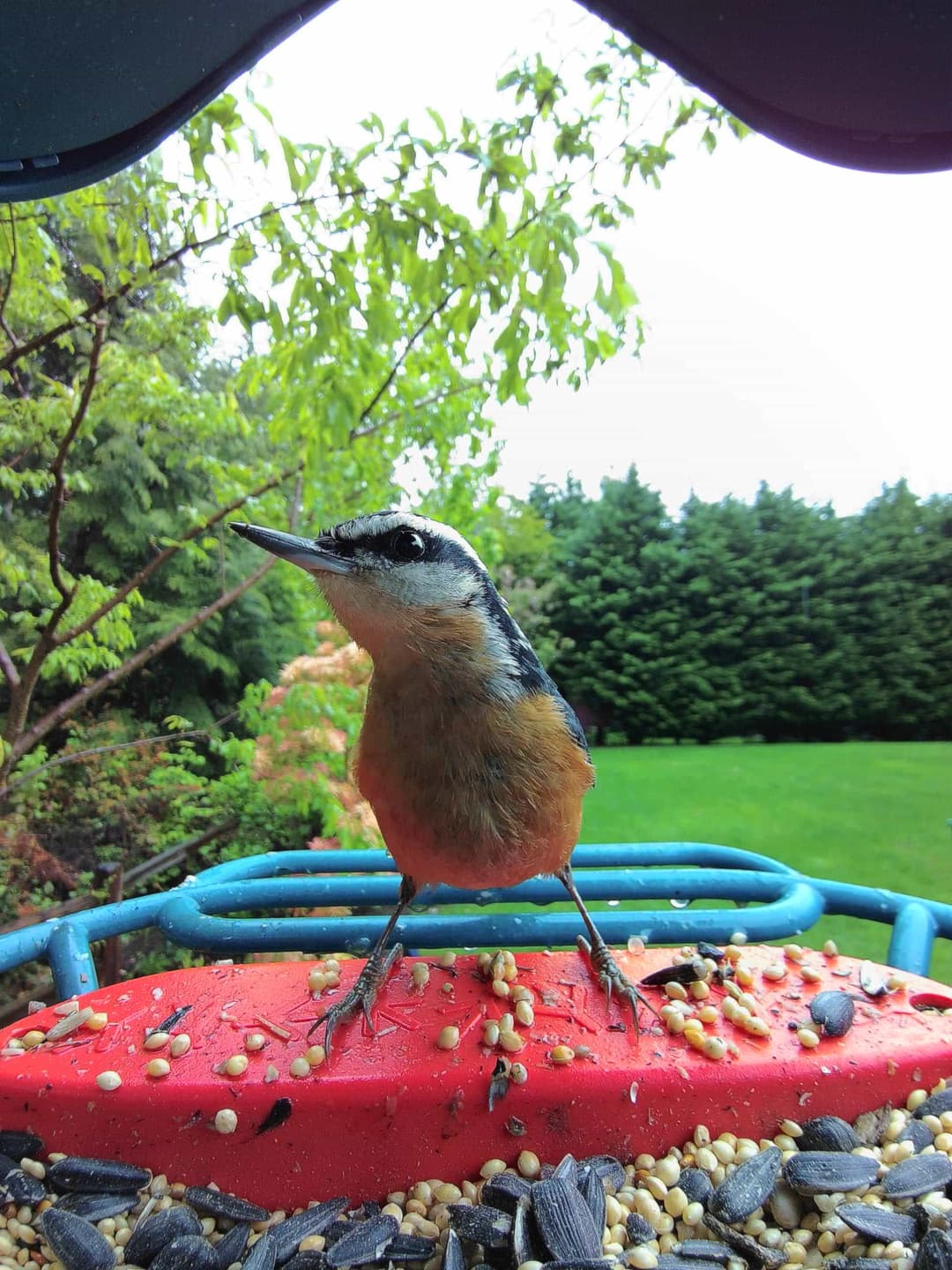
White-Breasted Nuthatch vs Red-Breasted Nuthatch
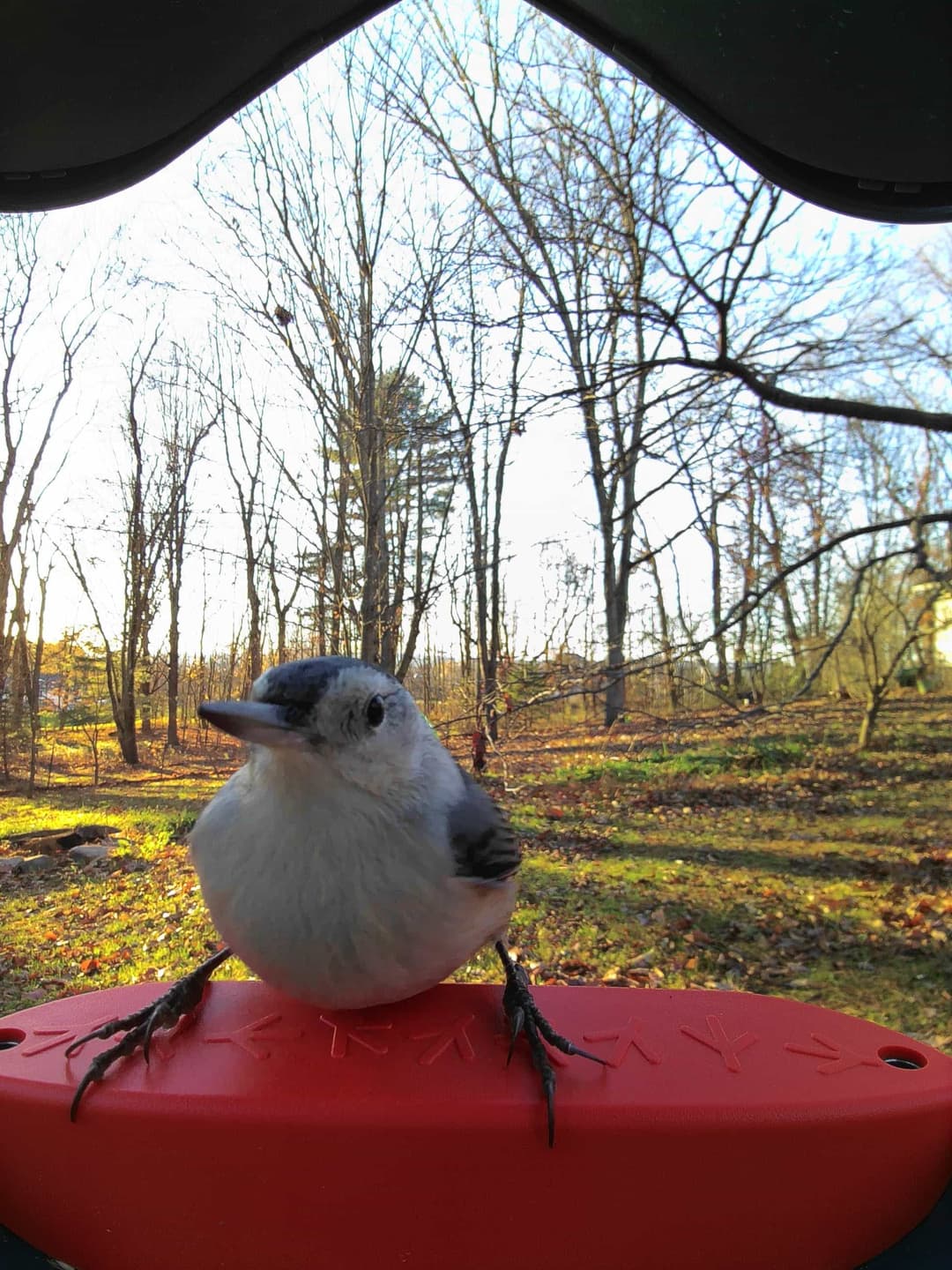
White-Breasted Nuthatch vs Brown-Headed Nuthatch
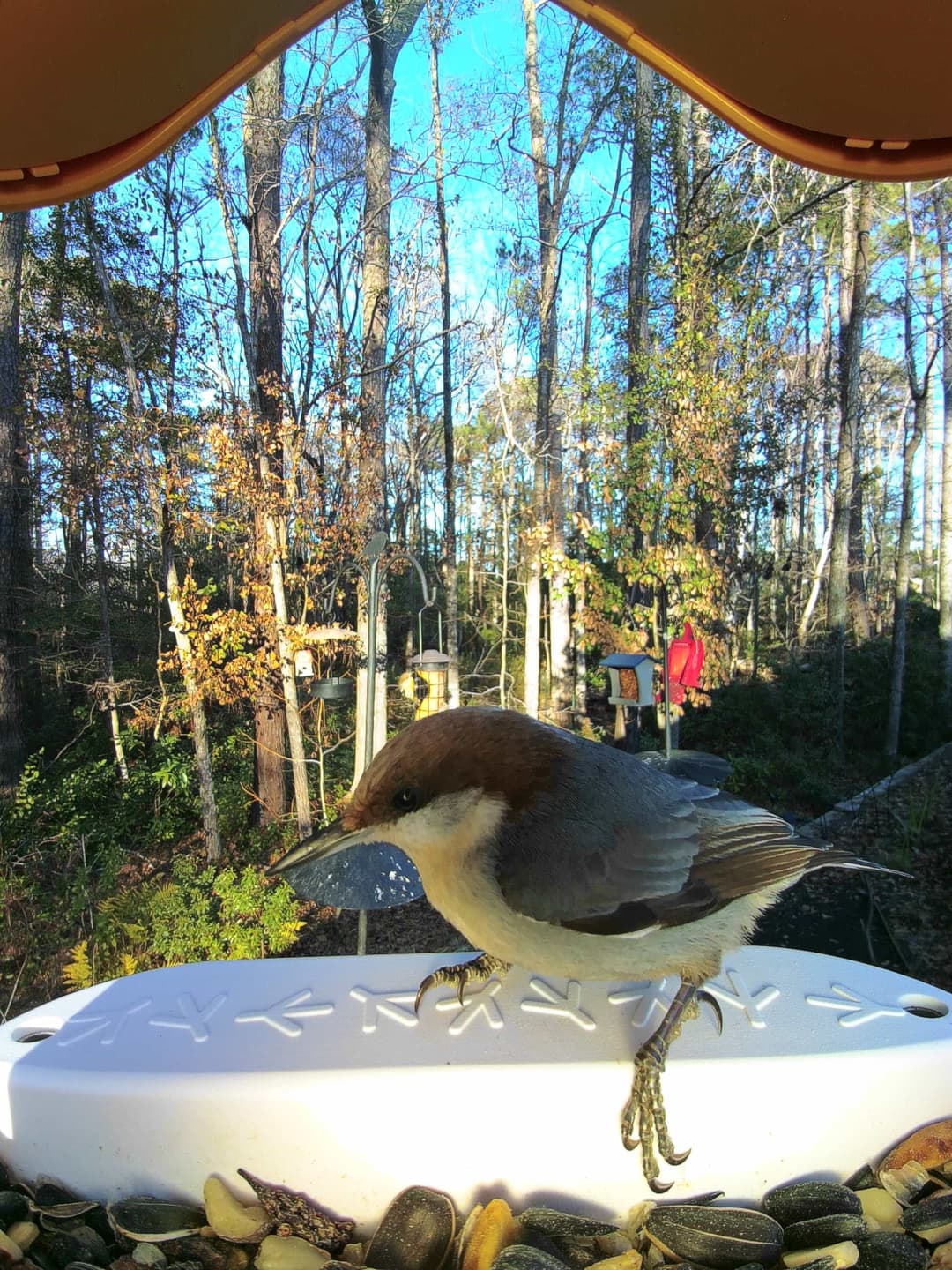
White-Breasted Nuthatch vs Pygmy Nuthatch
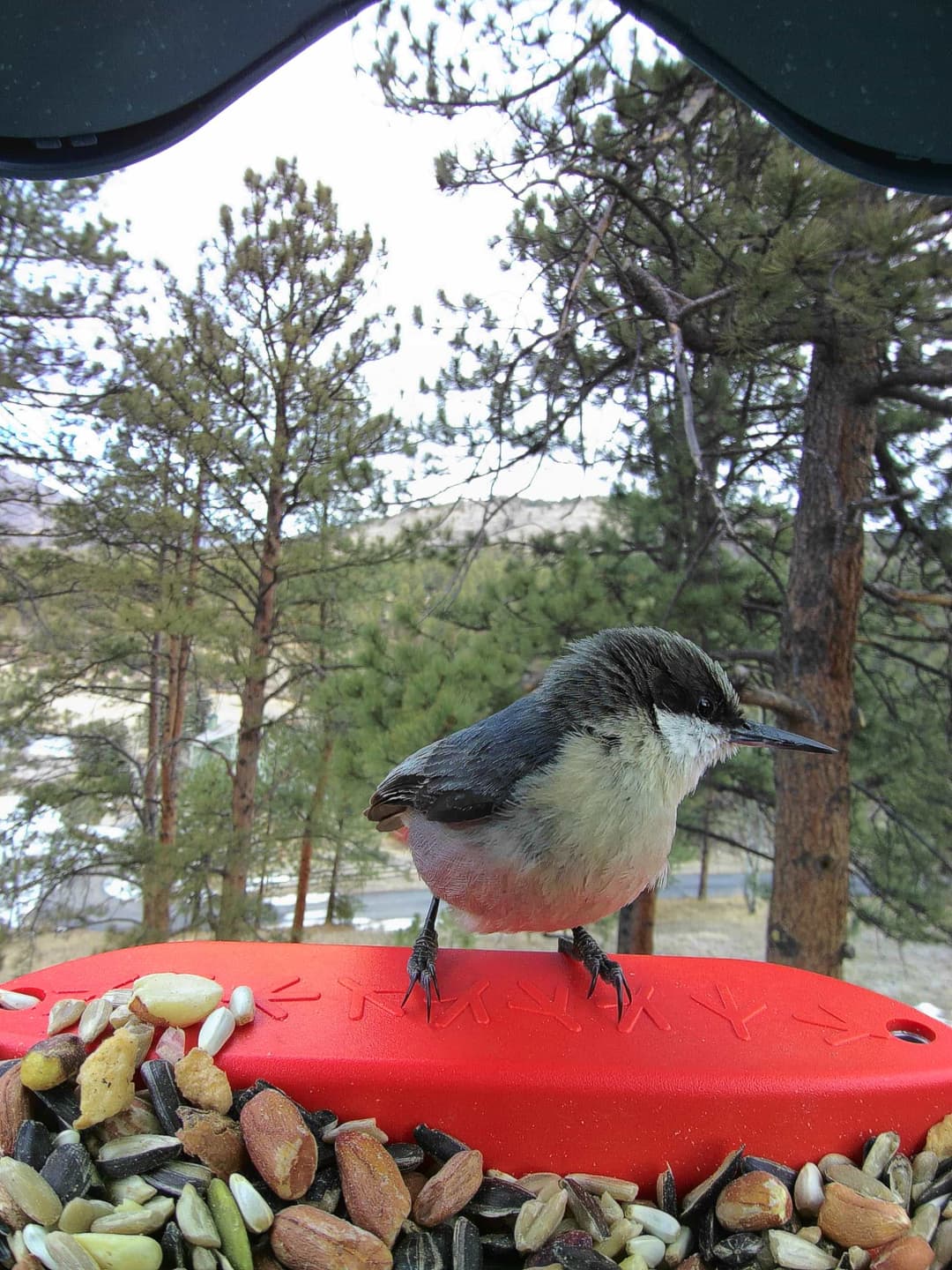
White-Breasted Nuthatch vs Tufted Titmouse
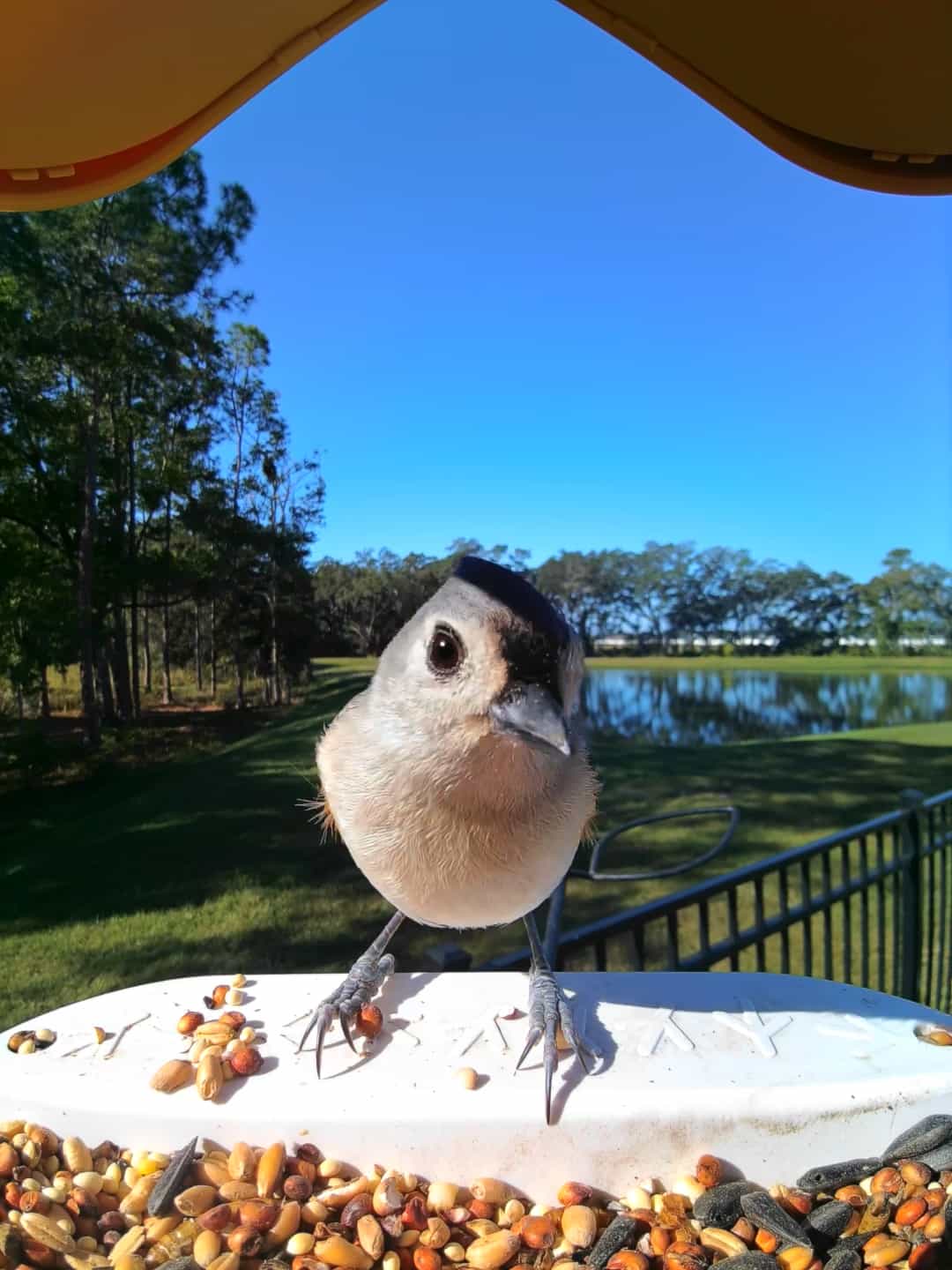
White-Breasted Nuthatch vs Brown Creeper
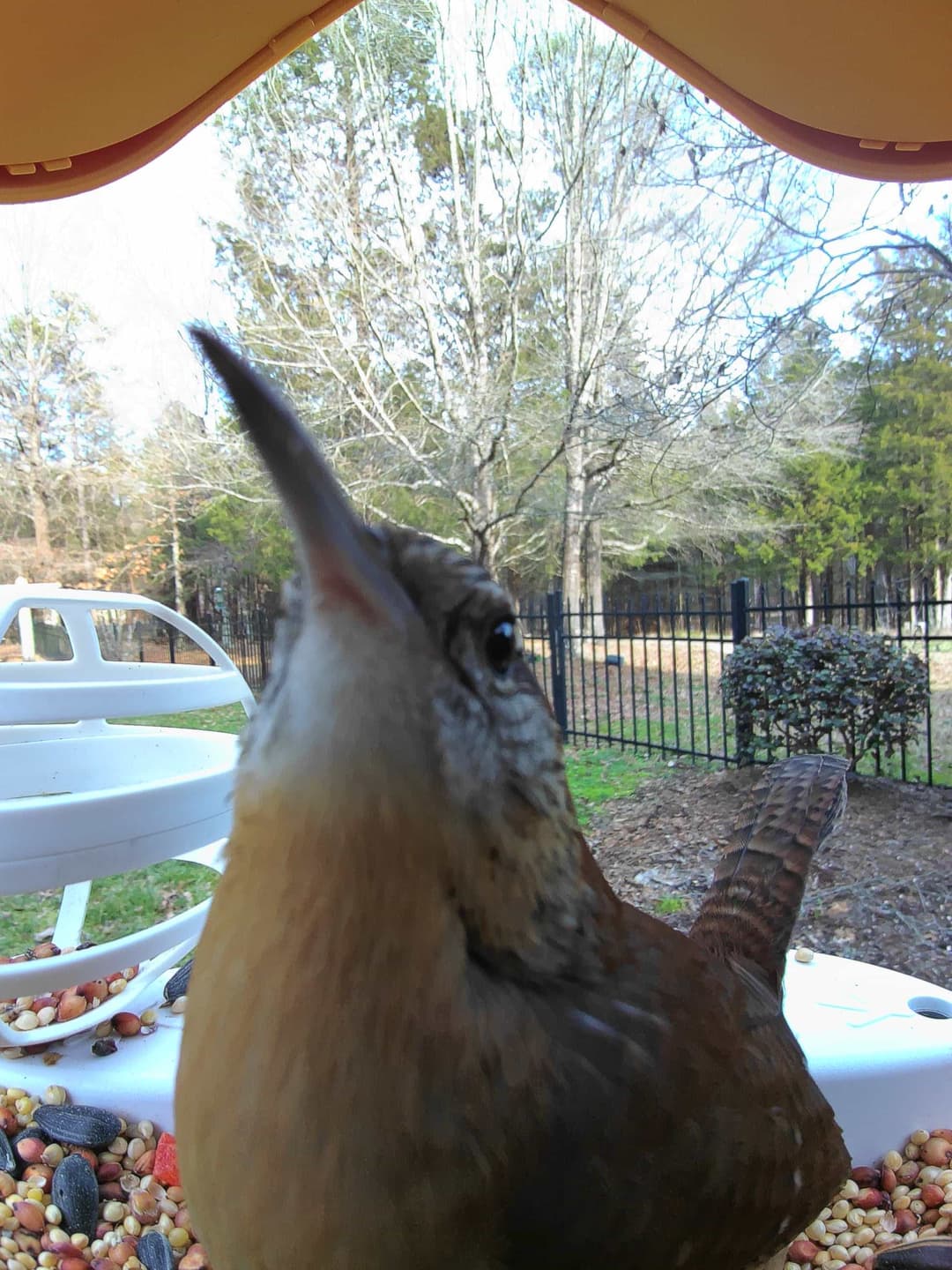
White-Breasted Nuthatch vs Black-Capped Chickadee
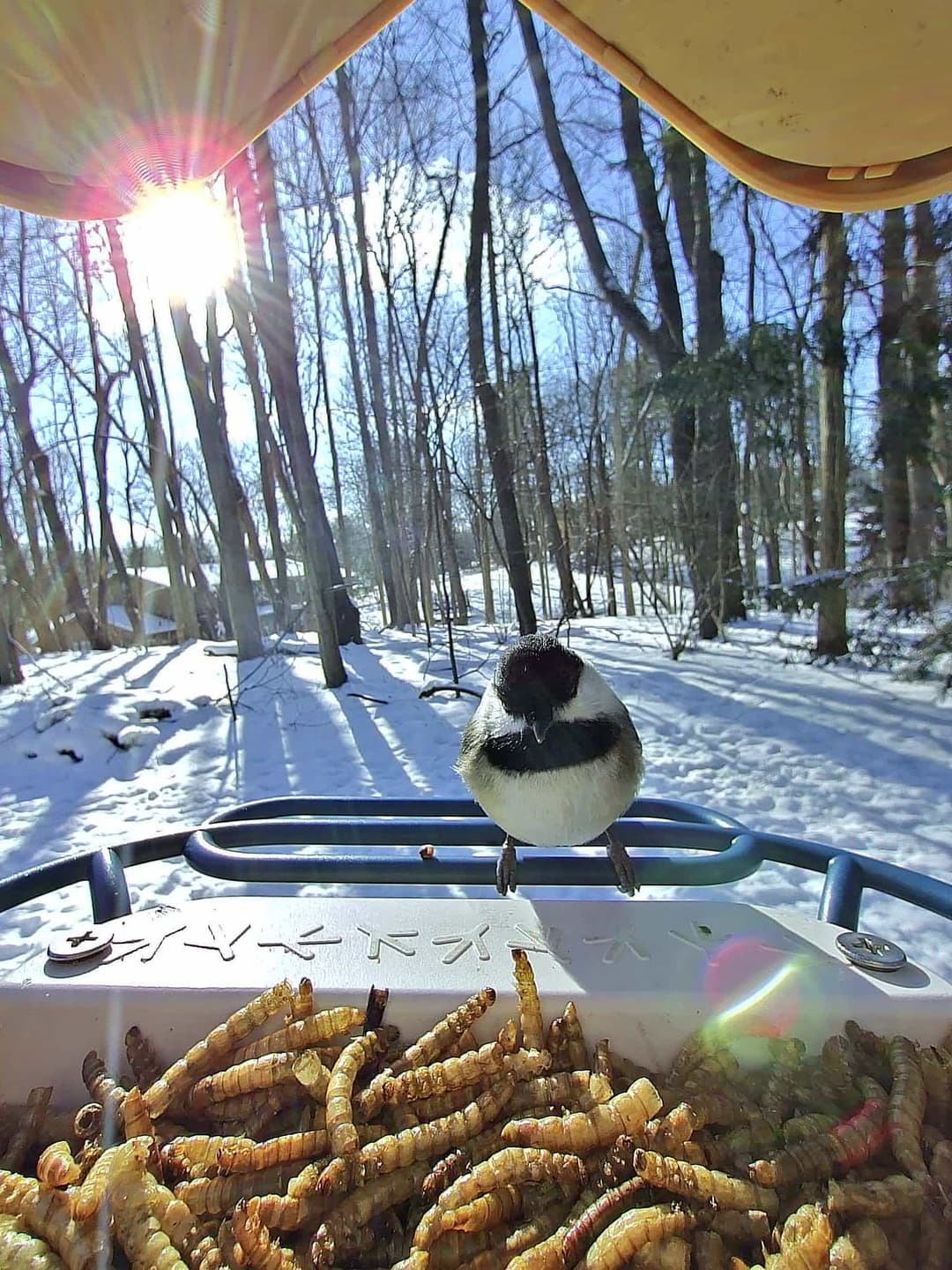
White-Breasted Nuthatch vs Carolina Chickadee
Eurasian Nuthatch vs [Select a bird]

[Select a bird]
Pick a bird to compare
White-Breasted Nuthatch vs [Select a bird]
[Select a bird]
Pick a bird to compare