Common Linnet or House Finch?
Here's how to tell the difference
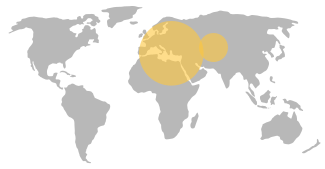


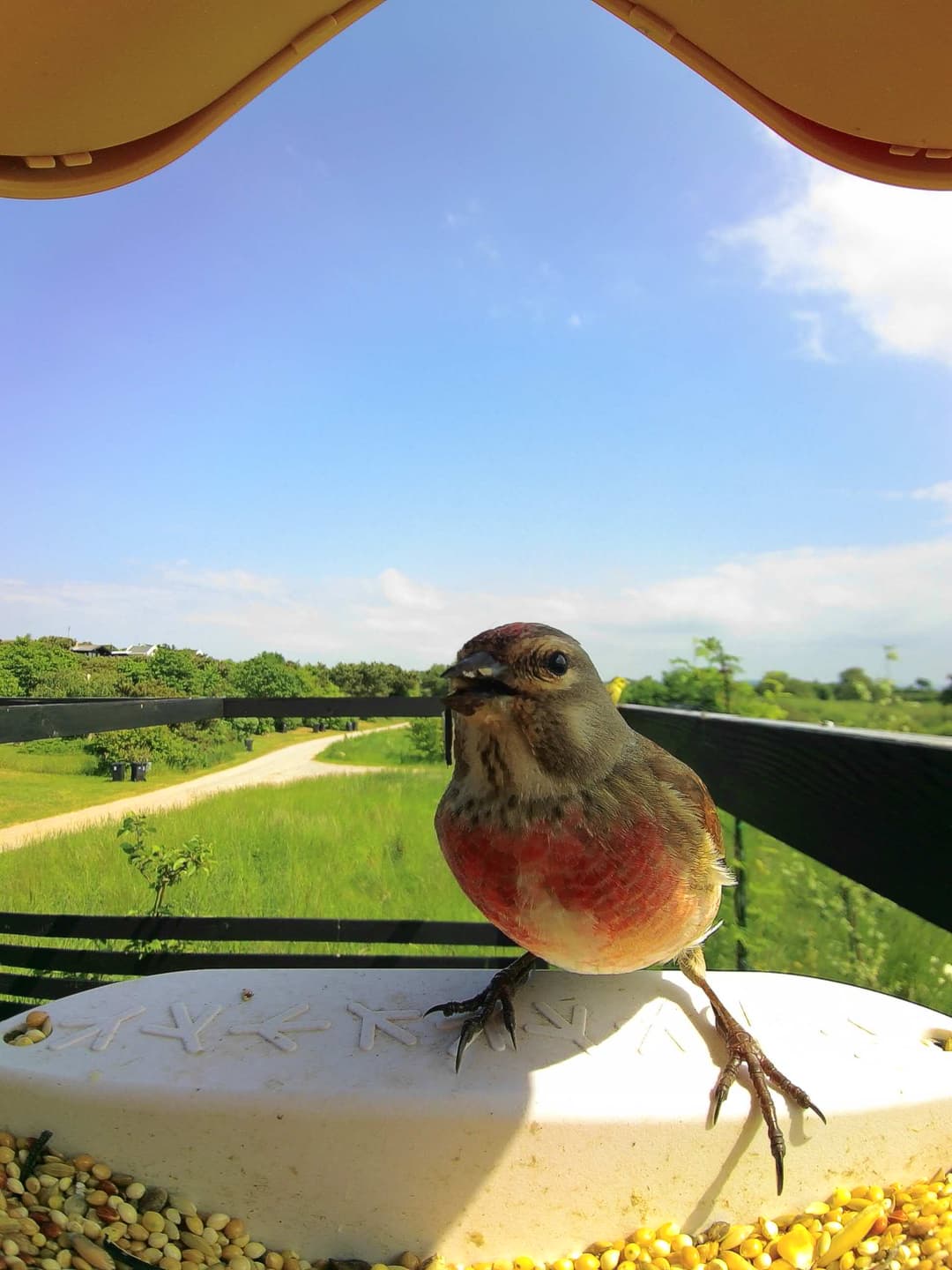
Common Linnet
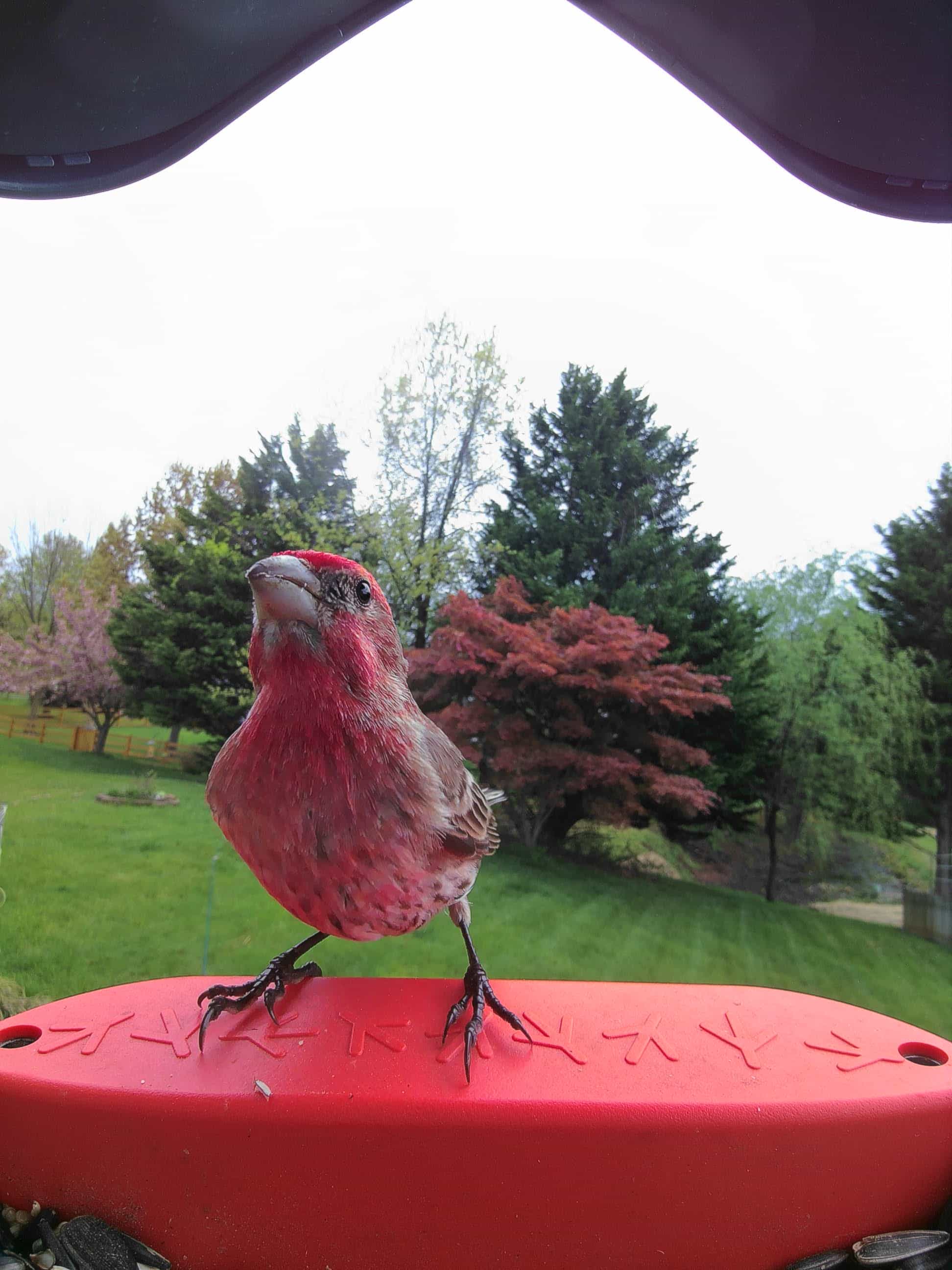


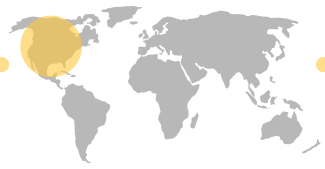
House Finch
Common Linnet
Linaria cannabina
General appearance
The common linnet, a small passerine bird, has a delicate bill and slender body. Its plumage is mainly brown, its belly white, and it has a distinctive red forehead and chest. It sports black streaks on its upper parts and wings, and a black tail with white edges. The linnet’s size ranges between 11-14cm, and weight around 15-20g.
Male vs female
Male commons linnets are more colorful, featuring a brighter red patch on their chest and forehead, especially during mating season. The female’s contrast is less striking, almost brown with paler underparts. Males also have a slightly more pronounced song, featuring faster notes and chirruping sounds.
Juvenile
Juvenile linnets are similar to females but lack the red chest and forehead. They display a buff tone on their upper parts, streaked with black, and have a plain underbody. Once they reach adulthood, males exhibit the red patches that distinguish the species.
Size
5.1 - 5.5 in/0.5 - 0.8 oz
There's more to learn about Common Linnet
View full detailsHouse Finch
Haemorhous mexicanus
General appearance
House finches are about the size of a sparrow at 5-6 inches long (13-15 cm). They possess a rounded wing shape and a notched, square-tipped tail. The prominent colorations include brown, orange, red, and white. Their underparts are pale with blurry stripes all over, and sides feature dark stripes.
Male vs female
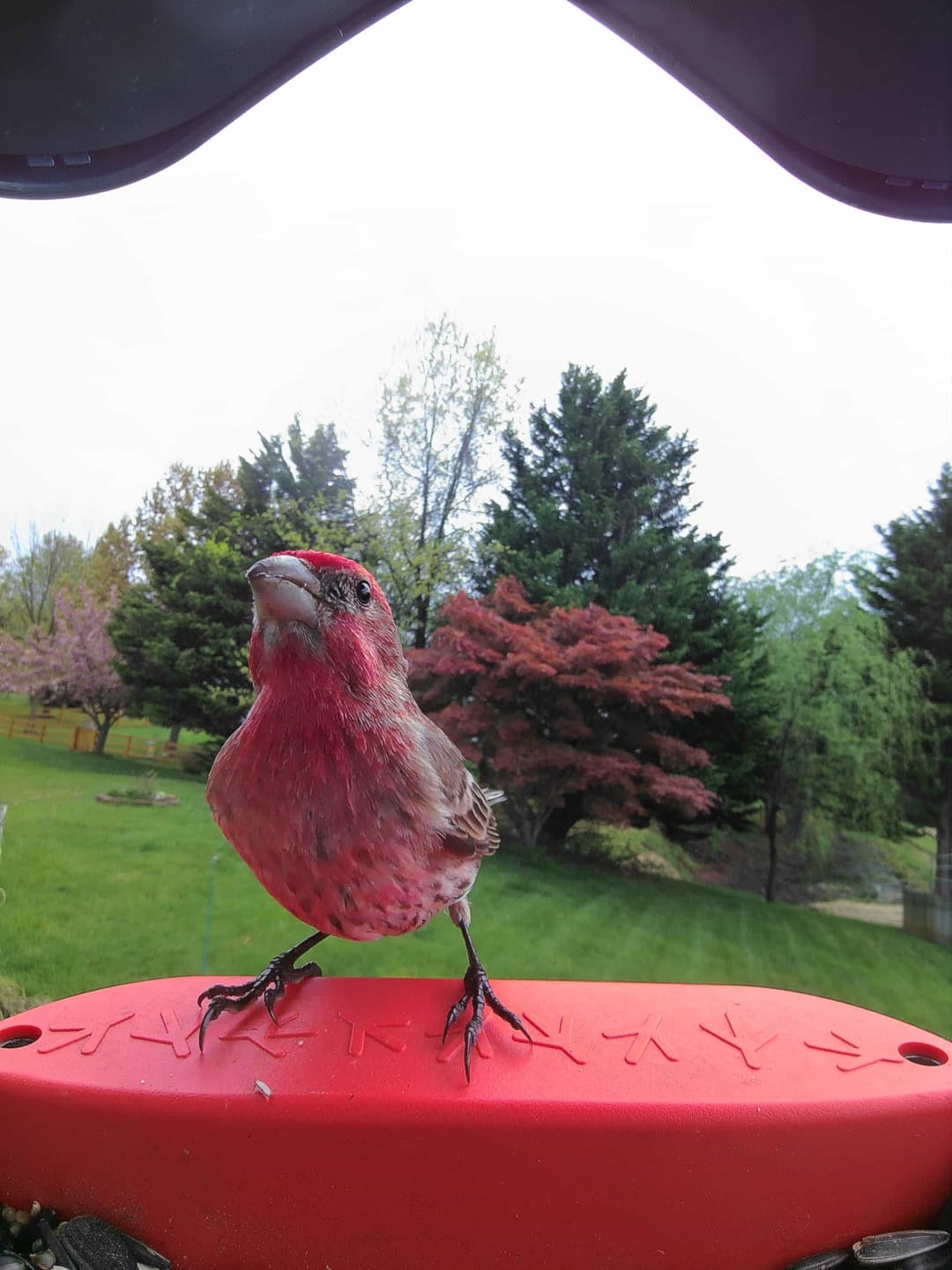
Female and young house finches flaunt a rather plain brown face, creating a stark contrast with the males who showcase a red eyebrow and forehead that contrasts with a brown cap. The males also have a red throat and chest, with their lower underparts being whitish. The red coloration in some males can be replaced by orange or yellow which adds to their distinctive appearance.
Juvenile
Young house finches, similar to females, display a plain brown face. However, they display sharper stripes all over their pale underparts. This provides a distinctive mark to identify juveniles from adults. These birds also lack the stripes of house sparrows and different patterns of native sparrows.
Size
4.9 - 5.9 in/0.7 - 0.8 oz
There's more to learn about House Finch
View full detailsHow to tell the Common Linnet from the House Finch
Visual differences
The Common Linnet (4.3-5.5 inches) is slightly smaller than the House Finch (5-6 inches) and features a more slender body and delicate bill. Linnets have primarily brown plumage with a distinctive red forehead and chest in males, and a black tail with white edges. House Finches display more diverse coloration, with males showing red, orange, or yellow foreheads and throats, while females are plainer with blurry stripes on pale underparts. Both species exhibit sexual dimorphism, but the Linnet males have more pronounced, consistent red patches compared to the variable hues in male House Finches.
Key differences and behavior
The Common Linnet and House Finch have distinct behavioral differences. Common Linnets are noted for their melodious songs and prefer open habitats like farmlands and heathlands, occasionally visiting urban feeders. They primarily consume seeds and insects during breeding. Linnet males perform aerial displays and form seasonal pairs, nesting in bushes or trees. Conversely, House Finches are versatile, thriving in diverse environments from urban areas to woodlands. Their diet mainly consists of seeds, fruits, and buds, frequently visiting feeders. House Finch pairs form in winter, and males perform flight-song displays, sometimes feeding females even during incubation. They nest broadly, using urban structures, with both parents feeding young. While both finches appreciate feeders, Linnets are choosier, and House Finches are more urban-adapted and less selective, favoring readily available commercial seeds.
Still not sure? Here are more lookalikes!
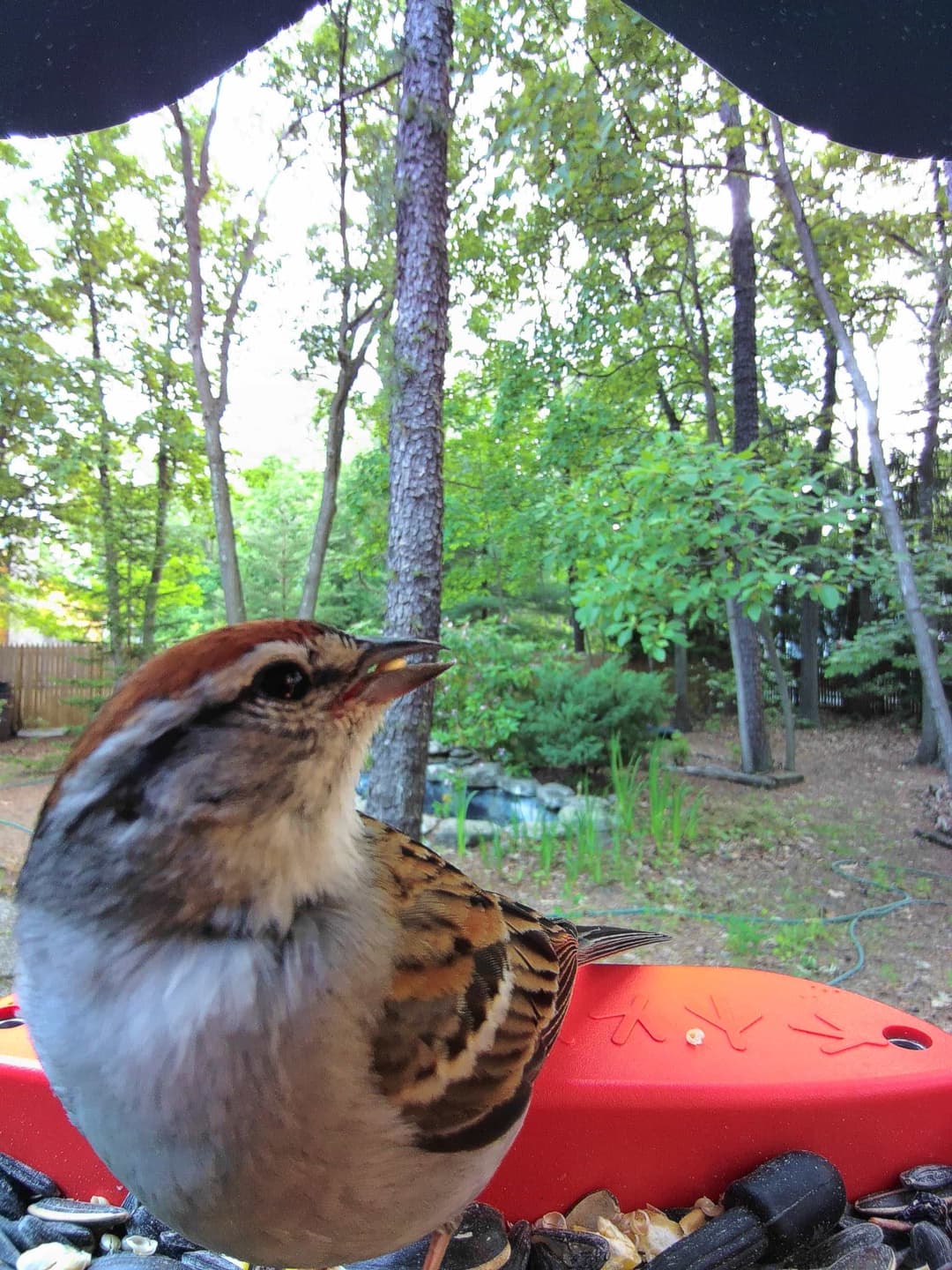
Common Linnet vs Chipping Sparrow
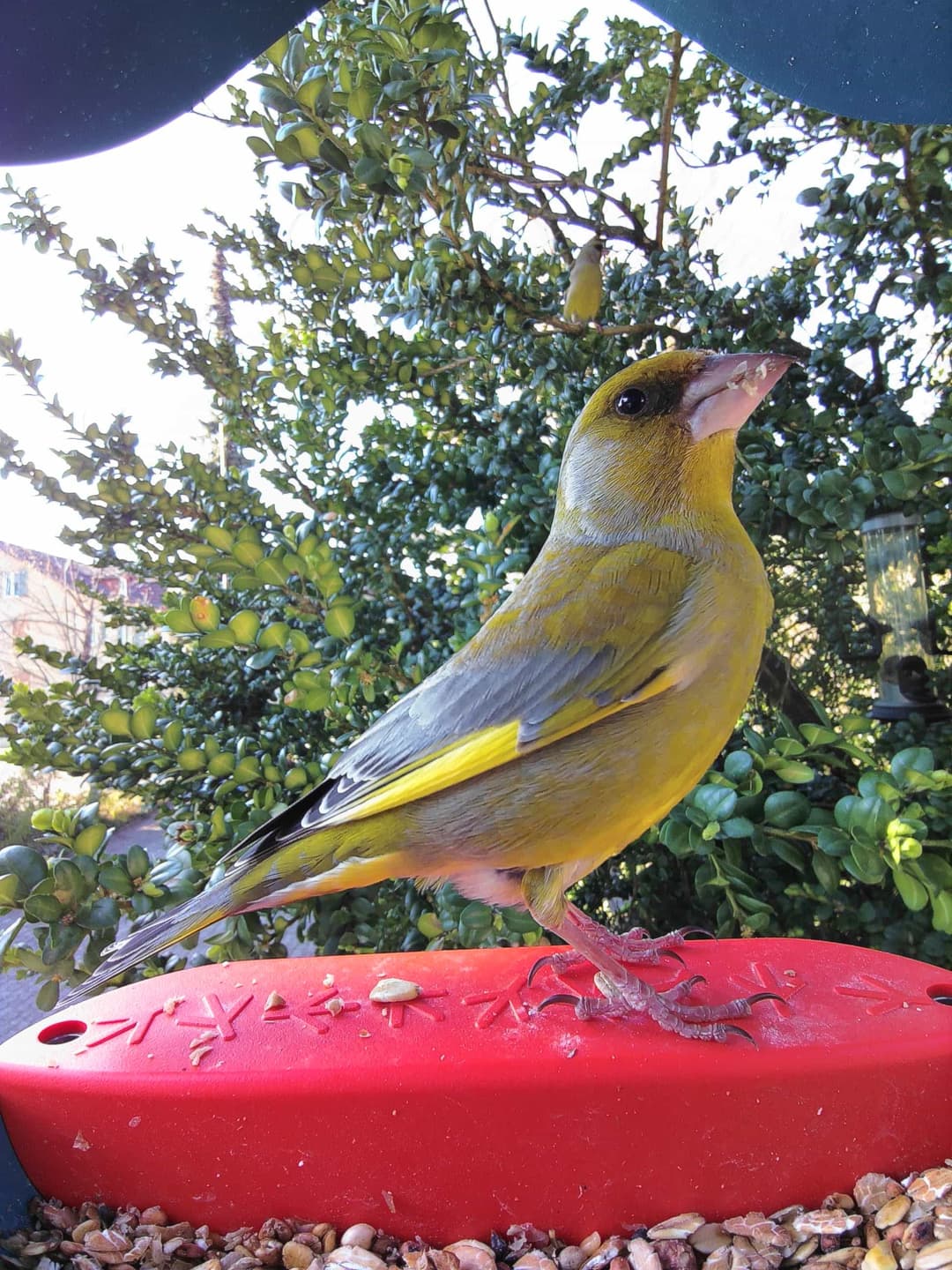
Common Linnet vs European Greenfinch
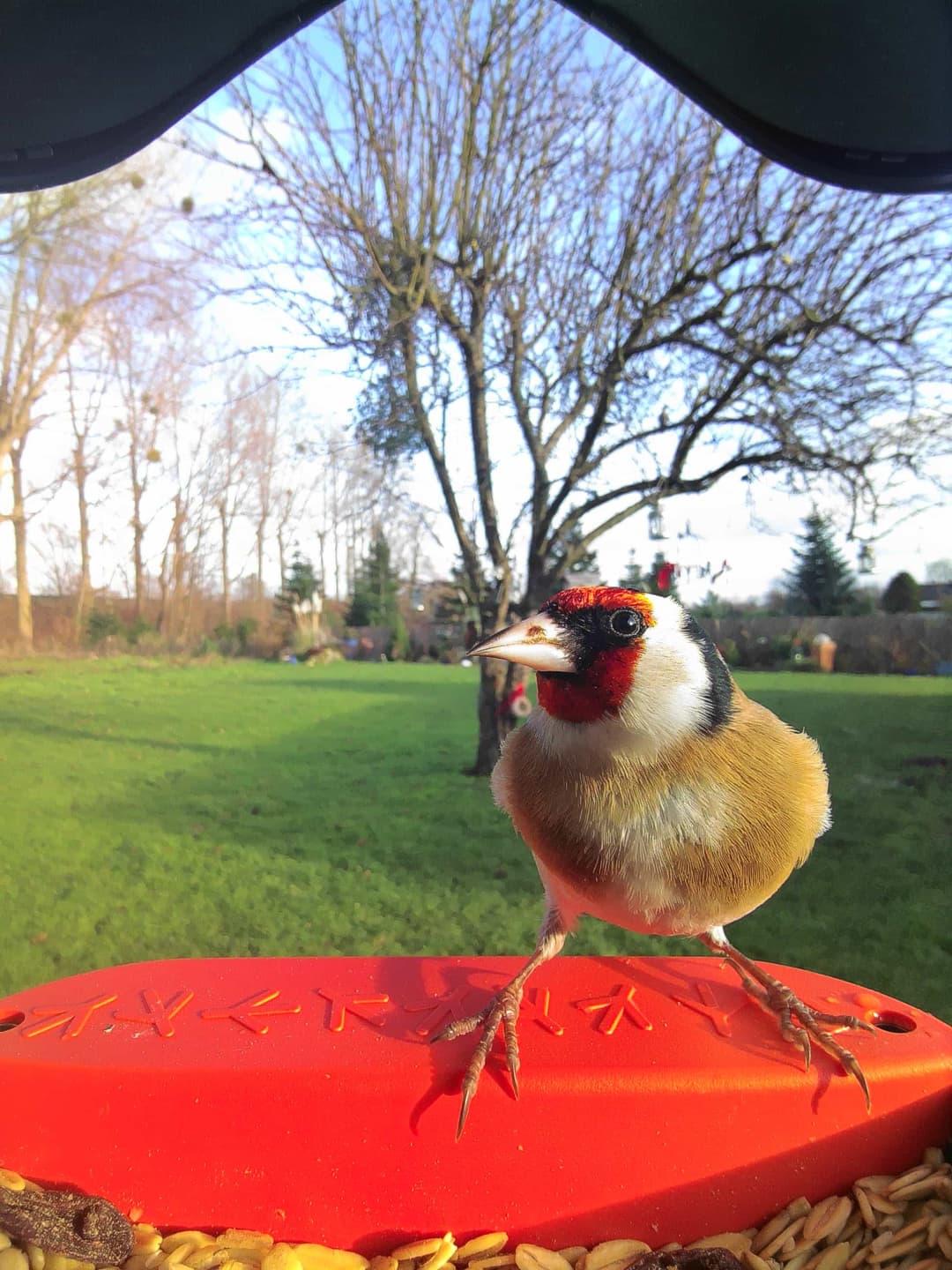
Common Linnet vs European Goldfinch
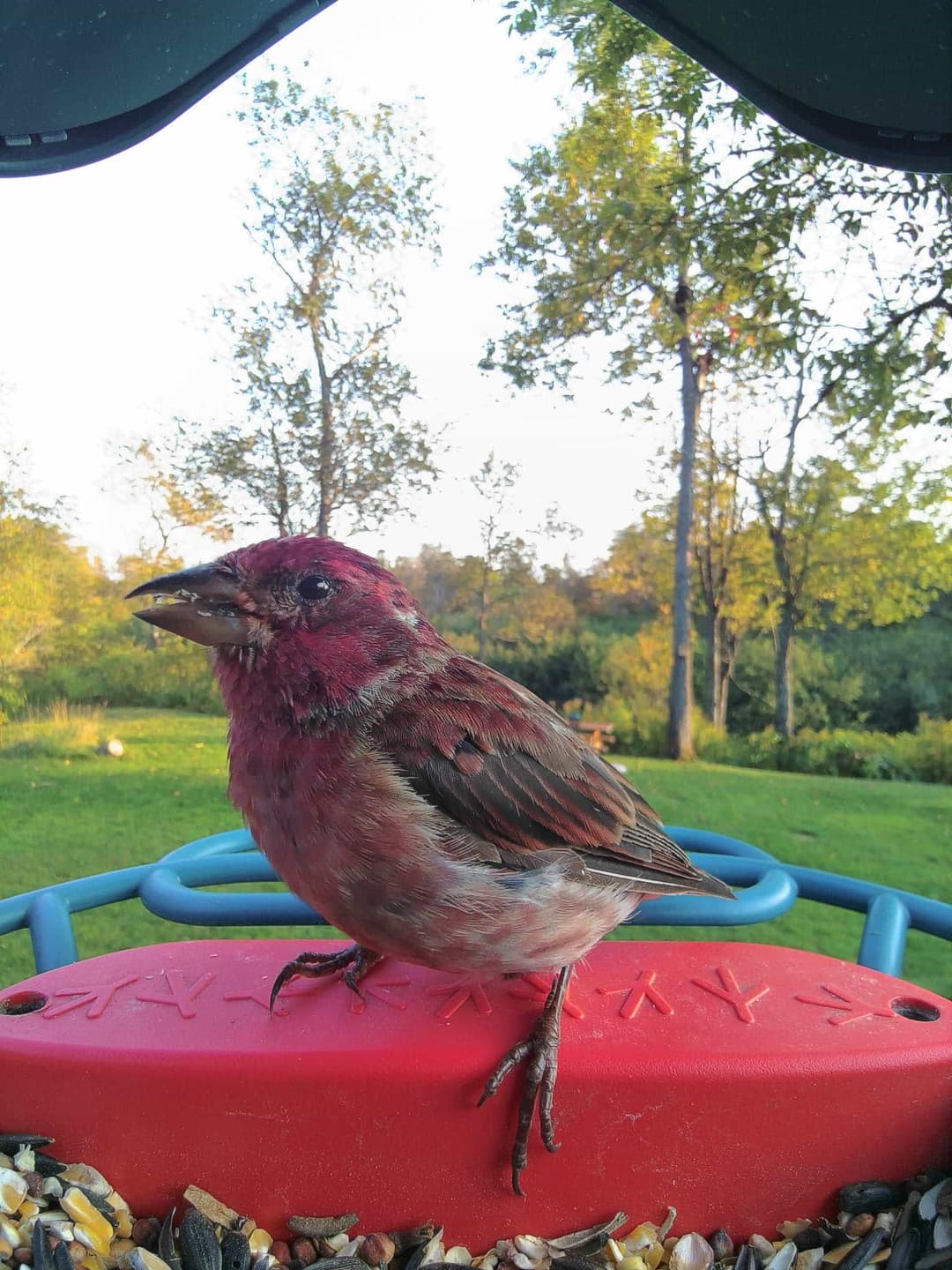
House Finch vs Purple Finch
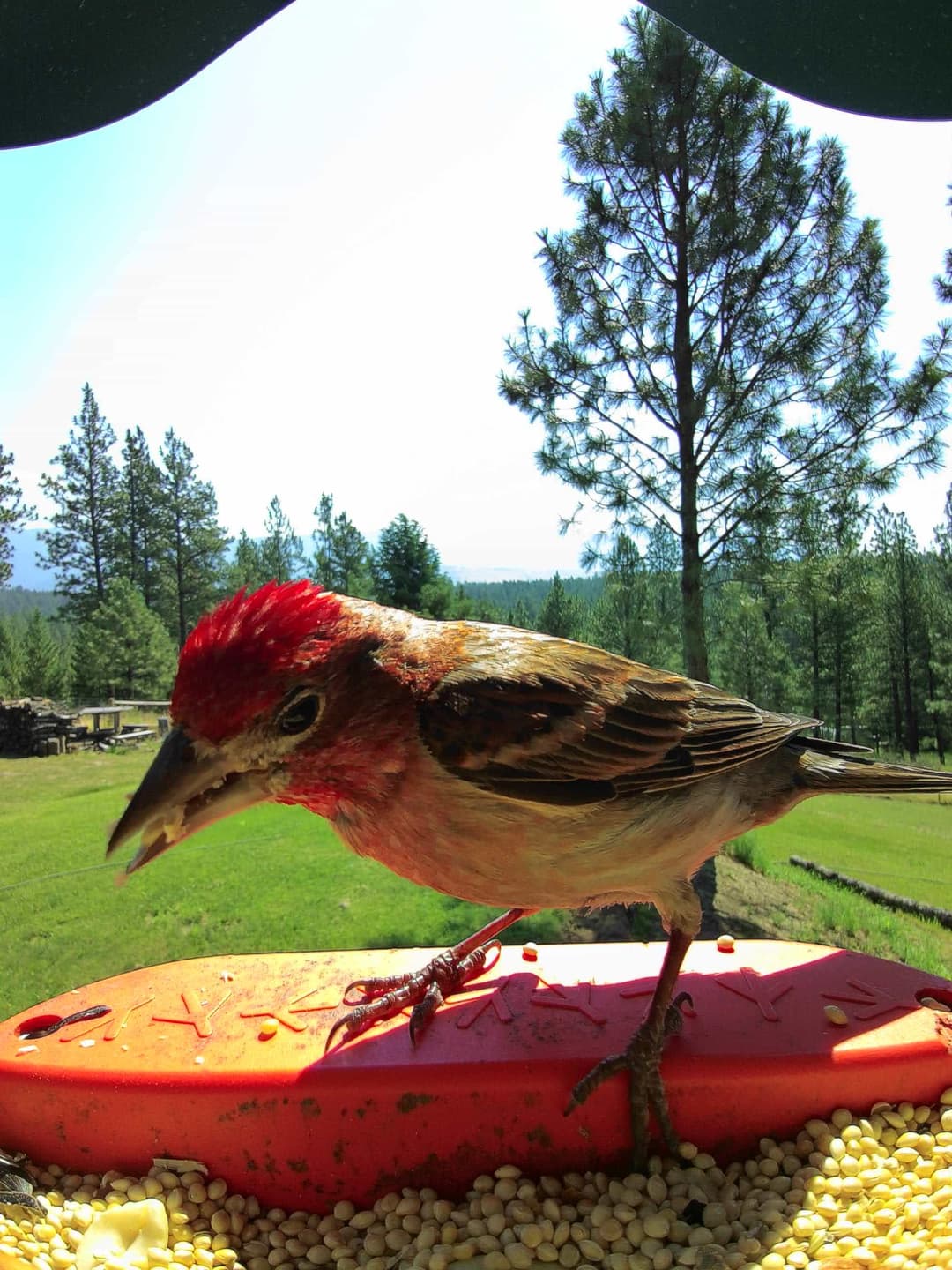
House Finch vs Cassin’s Finch
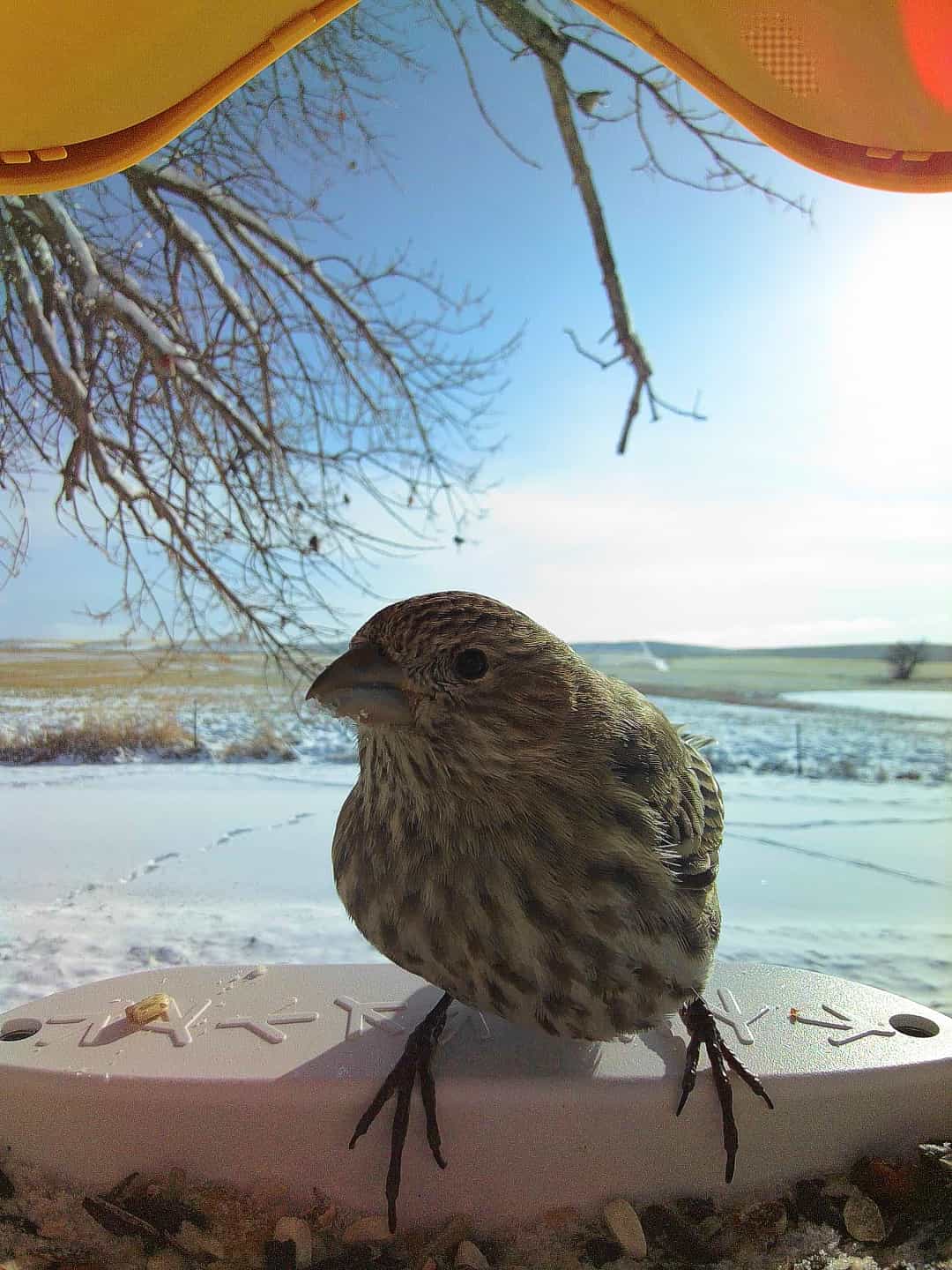
House Finch vs Pine Siskin
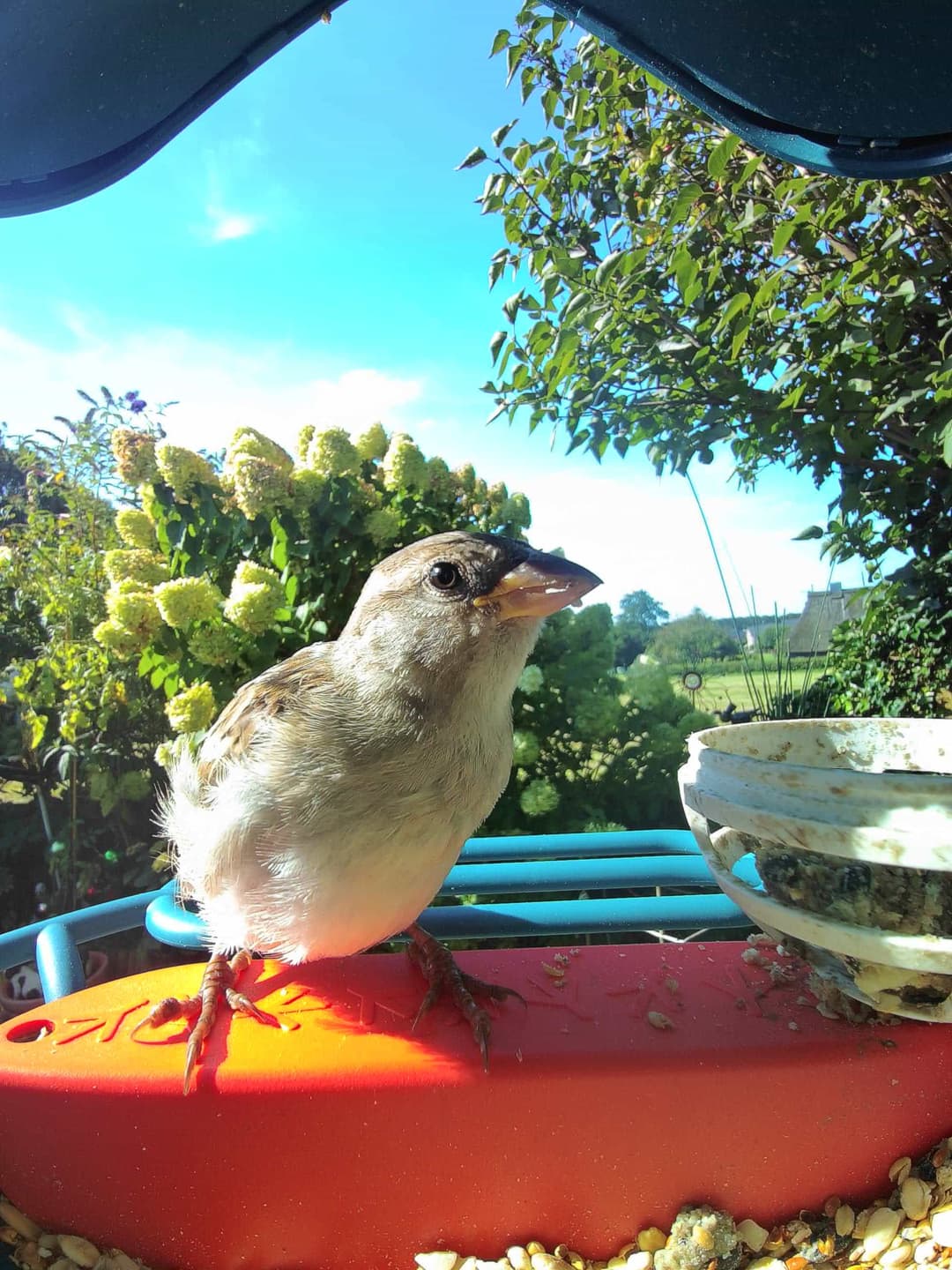
Common Linnet vs [Select a bird]

[Select a bird]
Pick a bird to compare
House Finch vs [Select a bird]
[Select a bird]
Pick a bird to compare