Common Linnet or European Greenfinch?
Here's how to tell the difference
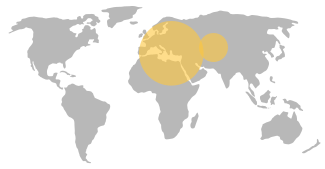


Common Linnet


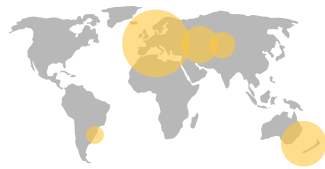
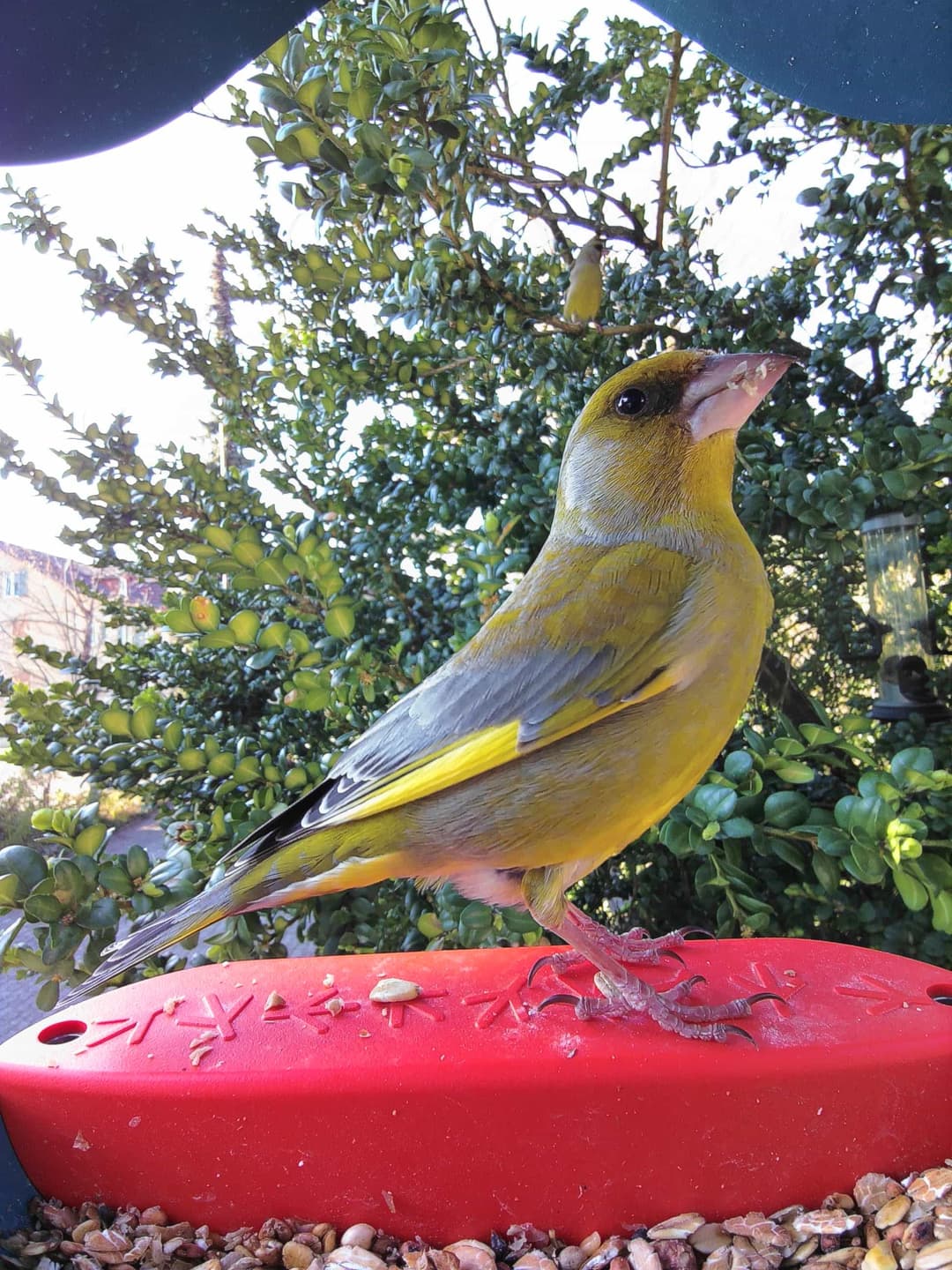
European Greenfinch
Common Linnet
Linaria cannabina
General appearance
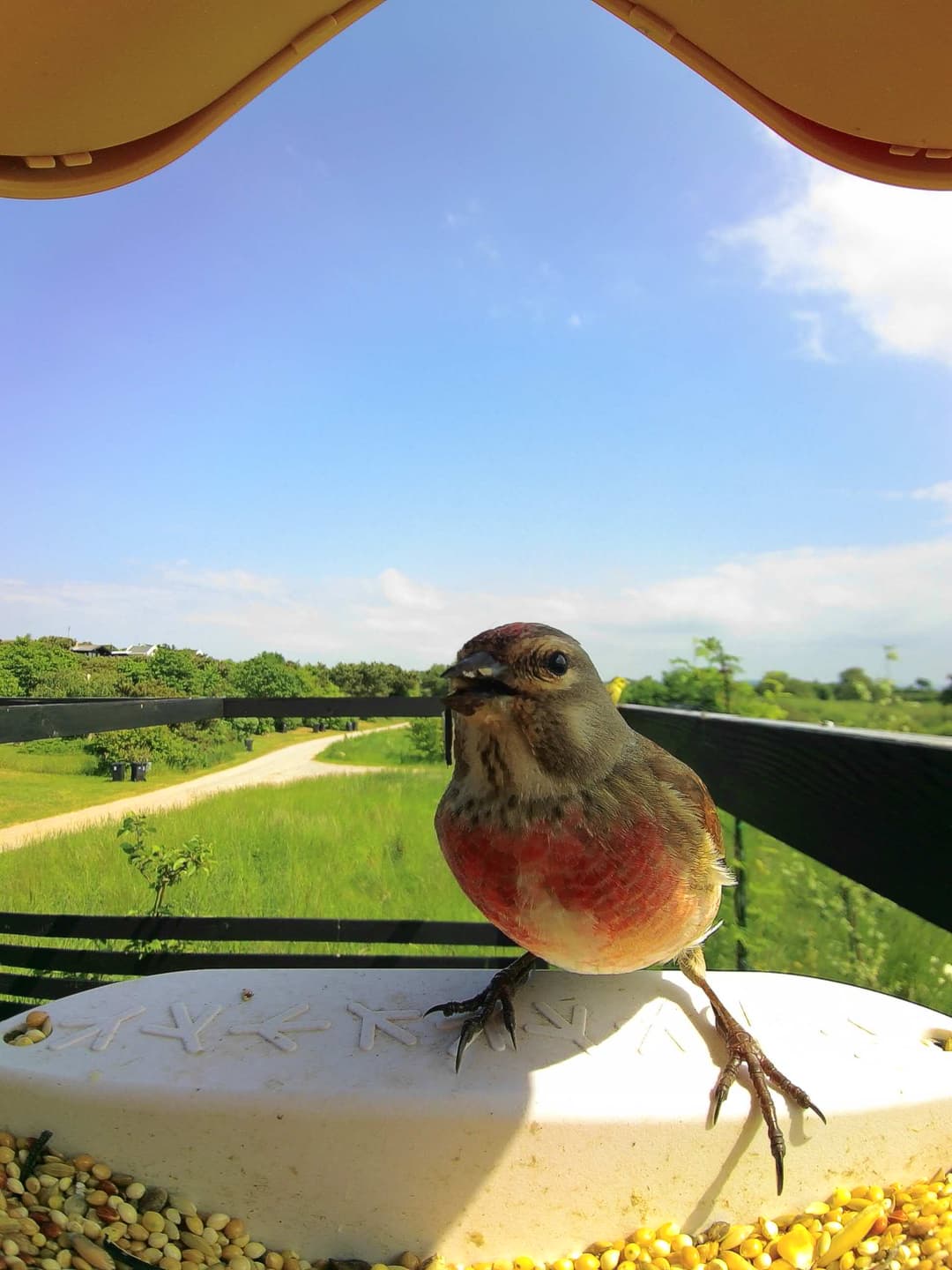
The common linnet, a small passerine bird, has a delicate bill and slender body. Its plumage is mainly brown, its belly white, and it has a distinctive red forehead and chest. It sports black streaks on its upper parts and wings, and a black tail with white edges. The linnet’s size ranges between 11-14cm, and weight around 15-20g.
Male vs female
Male commons linnets are more colorful, featuring a brighter red patch on their chest and forehead, especially during mating season. The female’s contrast is less striking, almost brown with paler underparts. Males also have a slightly more pronounced song, featuring faster notes and chirruping sounds.
Juvenile
Juvenile linnets are similar to females but lack the red chest and forehead. They display a buff tone on their upper parts, streaked with black, and have a plain underbody. Once they reach adulthood, males exhibit the red patches that distinguish the species.
Size
5.1 - 5.5 in/0.5 - 0.8 oz
There's more to learn about Common Linnet
View full detailsEuropean Greenfinch
Chloris chloris
Also known as: Greenfinch
General appearance
The European greenfinch, or Chloris chloris, is a small bird mainly recognized for its greenish-yellow plumage. They have a robust physique with forked tails and powerful, conical beaks suitable for consuming seeds. Seasonally, plumage tends to dull to a more brownish-green color.
Male vs female
Males are brighter and more vibrant in their lime-green coloring, particularly during breeding season, while females and non-breeding males have more subdued colors, leaning towards olive-green. Males also feature splashes of yellow in their wings and tail feathers.
Juvenile
Juvenile greenfinches bear a greyish-brown coloration, distinct from adults. As they mature, their plumage gradually transforms to the more common green, a transition that occurs faster in males.
Size
5.7 - 6.3 in/0.9 - 1.2 oz
There's more to learn about European Greenfinch
View full detailsHow to tell the Common Linnet from the European Greenfinch
Visual differences
The Common Linnet is smaller and slenderer, measuring approximately 4.3-5.5 inches and weighing 0.5-0.7 ounces. It features mainly brown plumage with a striking red forehead and chest in males. In contrast, the European Greenfinch is larger, about 5.7-6.3 inches and 0.9-1.2 ounces, with robust, greenish-yellow plumage and a powerful conical beak. Male Greenfinches are vibrant lime-green with yellow wing and tail splashes, while females appear duller. Both species have distinct tail shapes: linnets with a black tail with white edges, and greenfinches with forked tails.
Key differences and behavior
The Common Linnet and the European Greenfinch exhibit distinct behavioral differences aiding field identification. The Linnet (0.5-0.7 oz, 5.1-5.5 in) prefers open landscapes like heathlands and gardens and is less common at feeders, while the Greenfinch (0.9-1.2 oz, 5.7-6.3 in) thrives in wooded areas, gardens, and thrives at feeders. Linnets have a diet focused on small seeds like flax and hemp, supplementing with insects during breeding, whereas Greenfinches favor larger seeds like sunflower and consume more buds and shoots. Both species show elaborate courtship displays, but Linnets focus on singing and aerial maneuvers, while Greenfinch males are noted for continuous singing. Linnet nests are in hedges or shrubs, while Greenfinches nest higher in trees or shrubs. Monk connections during the breeding season in both species emphasize the importance of dense vegetation and feeders to support their populations.
Still not sure? Here are more lookalikes!
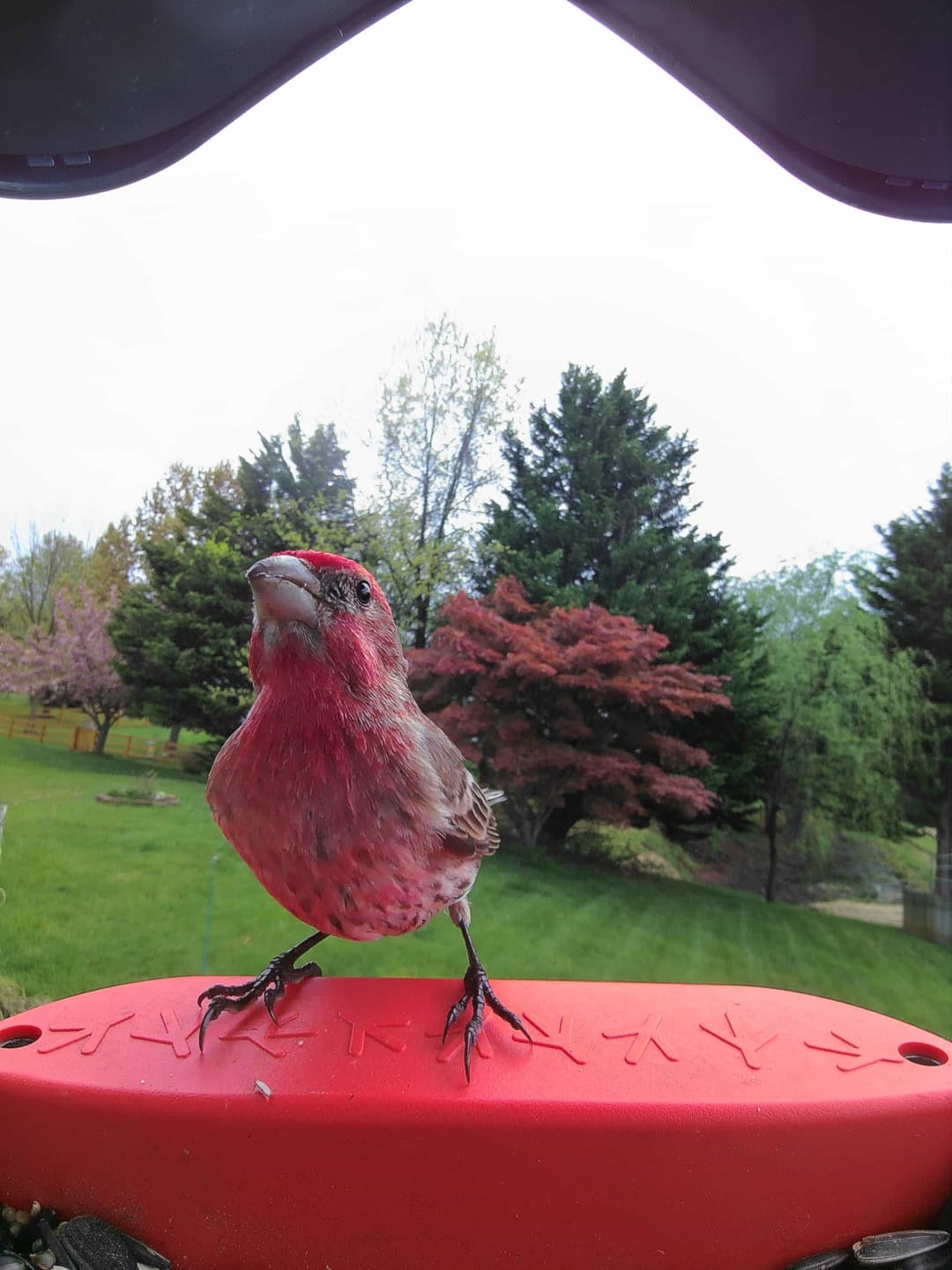
Common Linnet vs House Finch
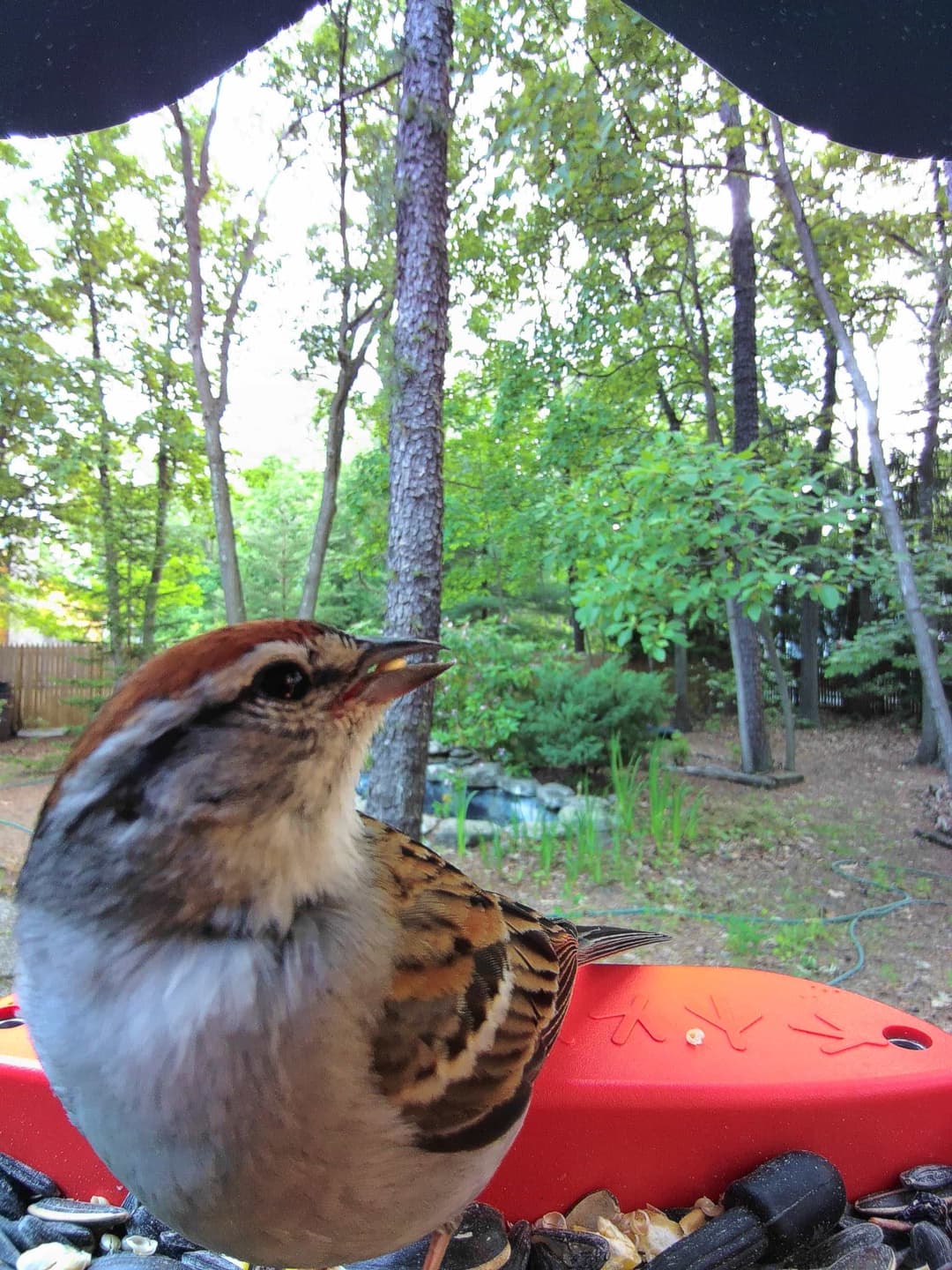
Common Linnet vs Chipping Sparrow
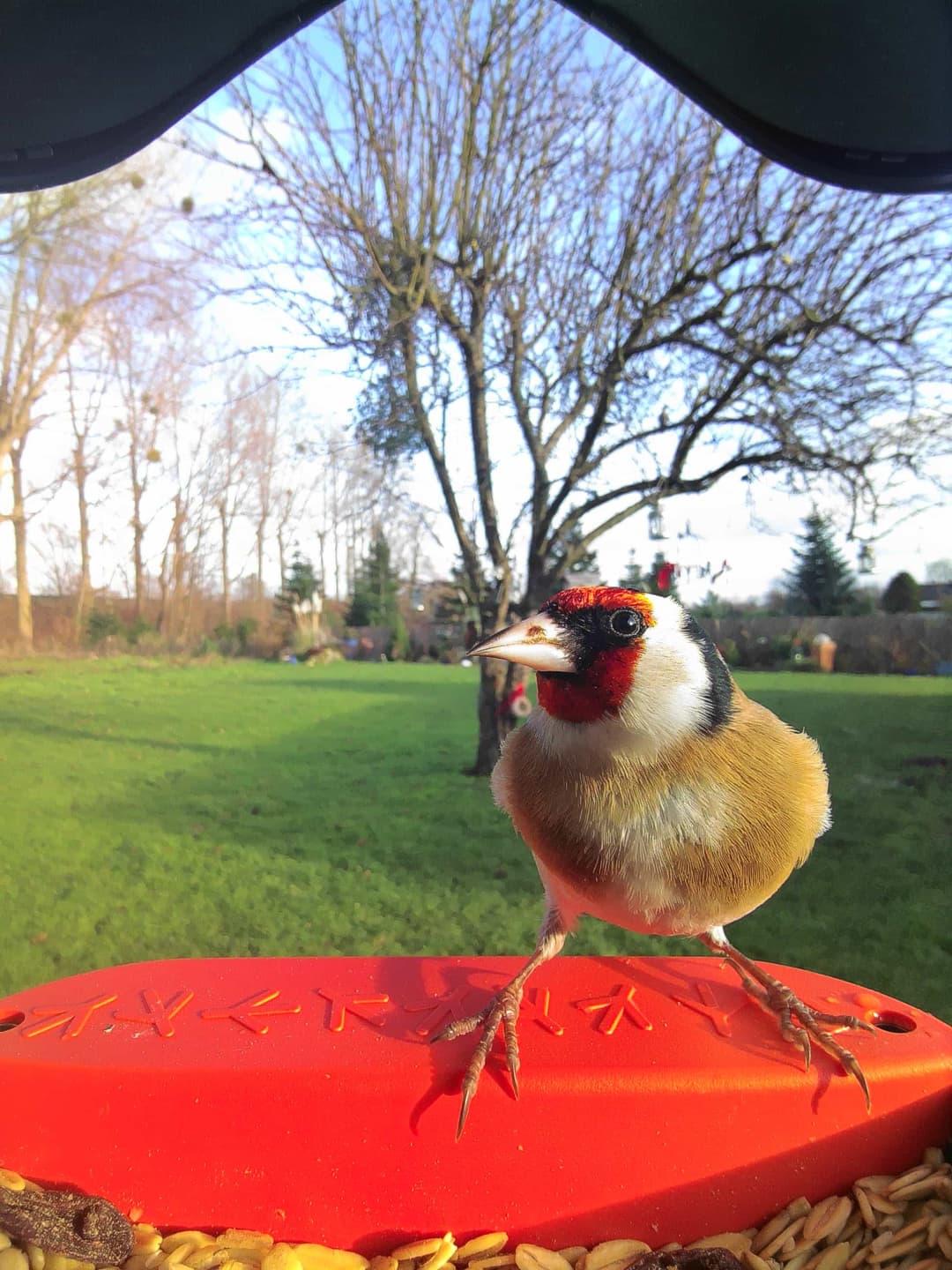
Common Linnet vs European Goldfinch
European Greenfinch vs American Goldfinch
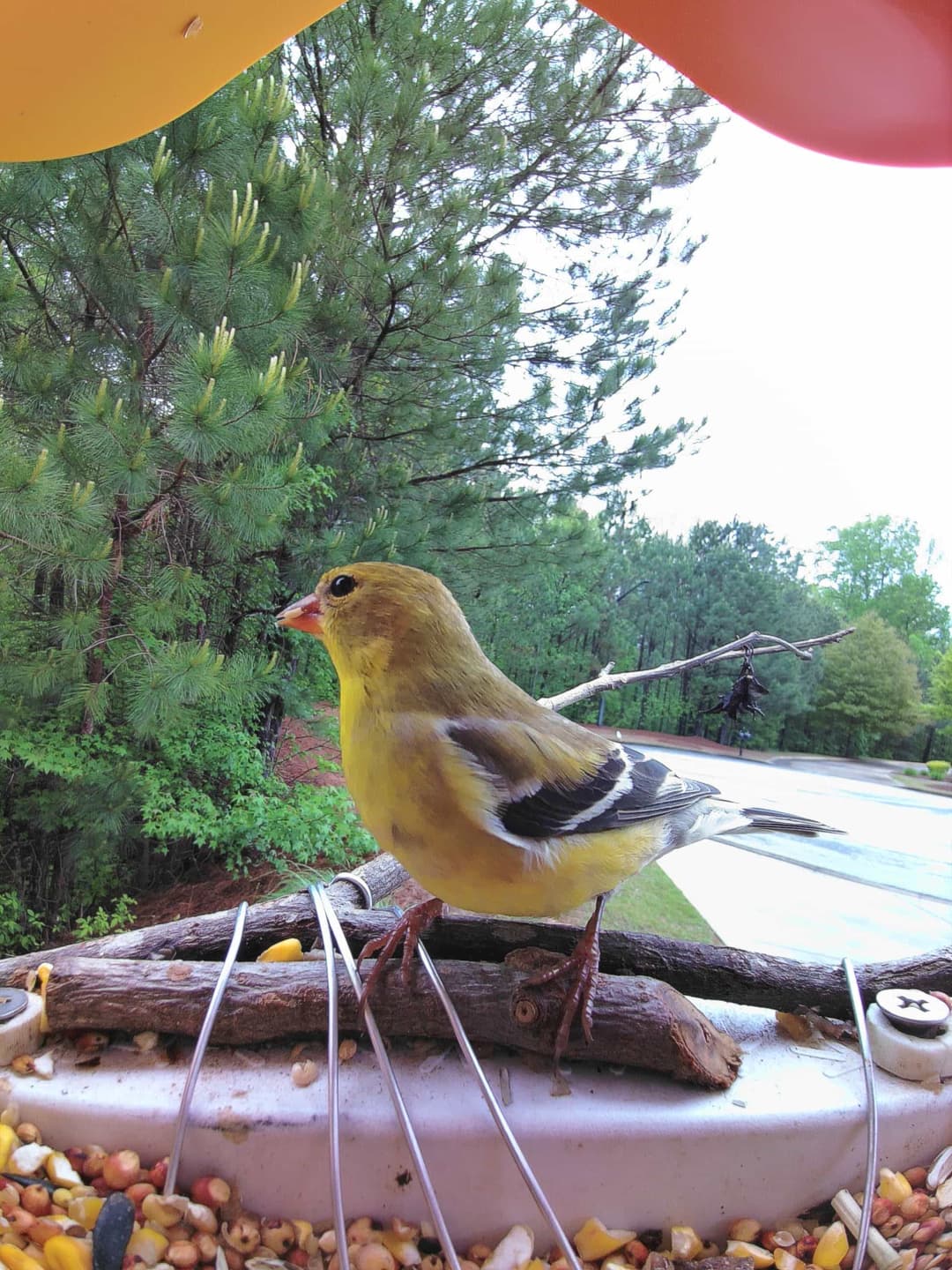
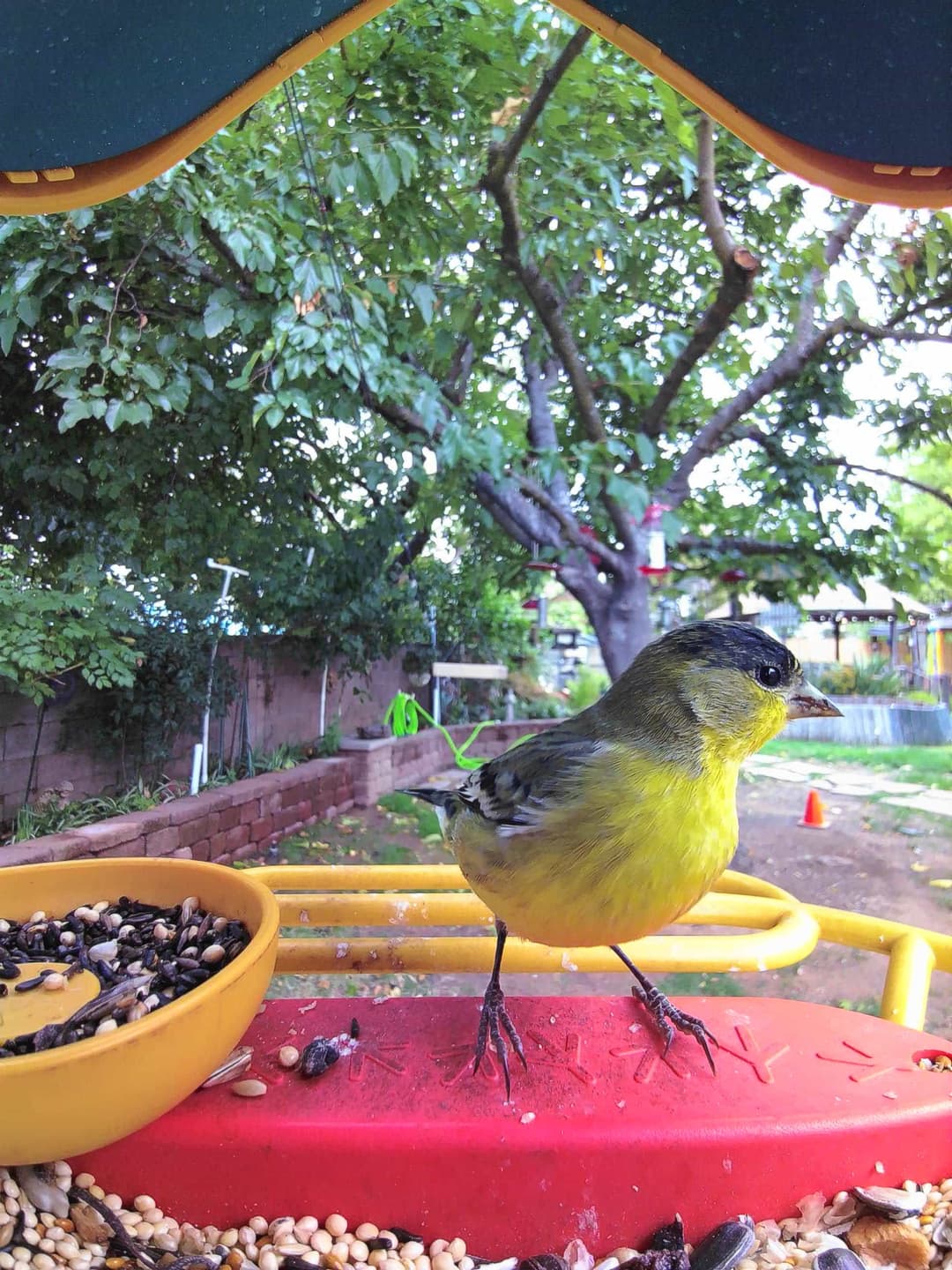
European Greenfinch vs Lesser Goldfinch
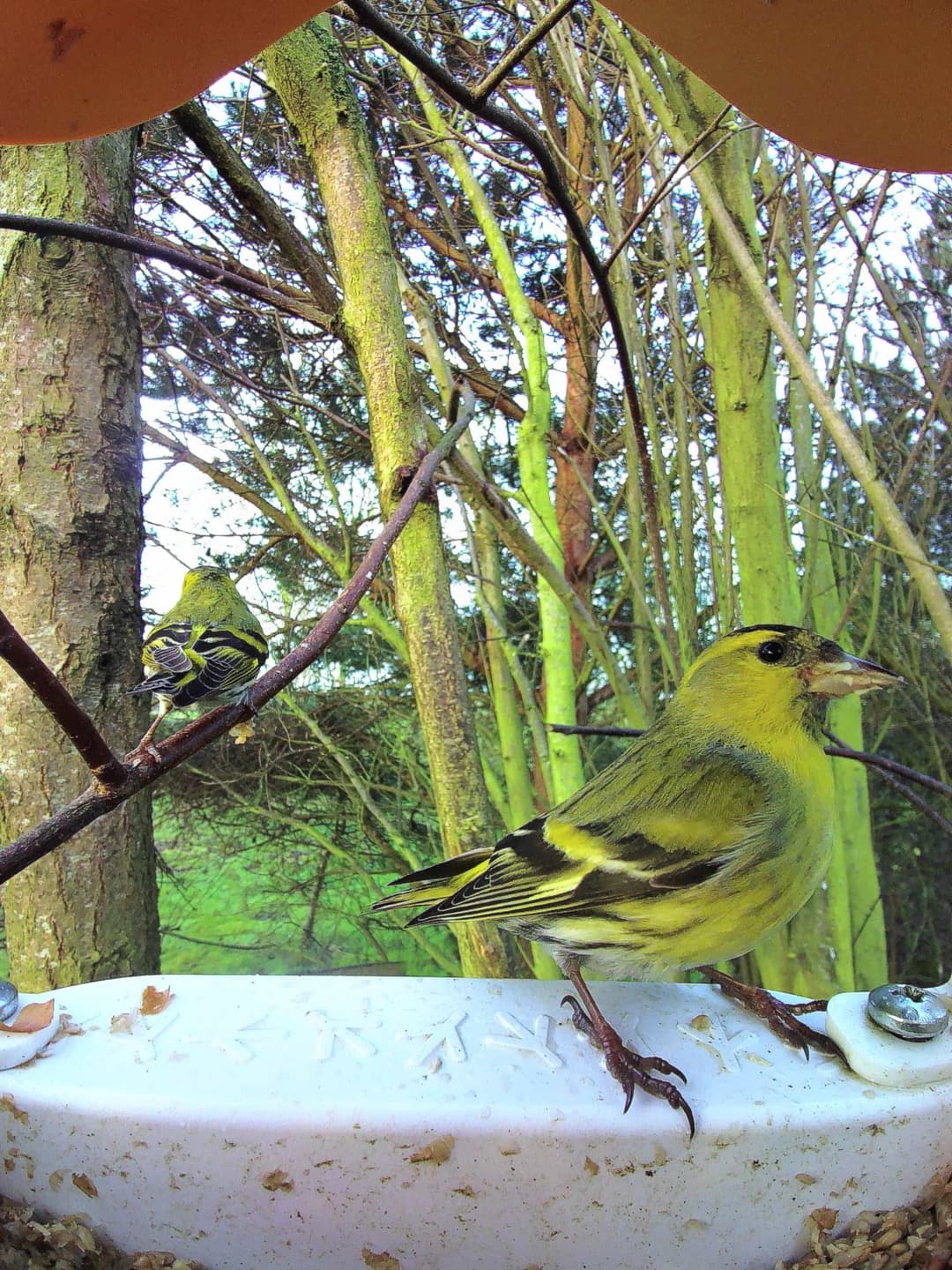
European Greenfinch vs Eurasian Siskin
Common Linnet vs [Select a bird]

[Select a bird]
Pick a bird to compare
European Greenfinch vs [Select a bird]
[Select a bird]
Pick a bird to compare