Common Linnet or European Goldfinch?
Here's how to tell the difference
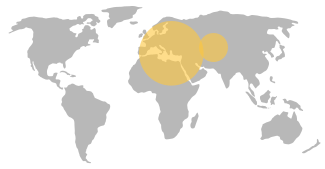


Common Linnet


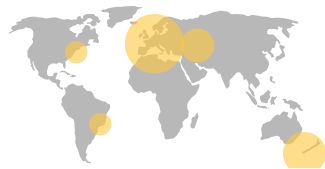
European Goldfinch
Common Linnet
Linaria cannabina
General appearance
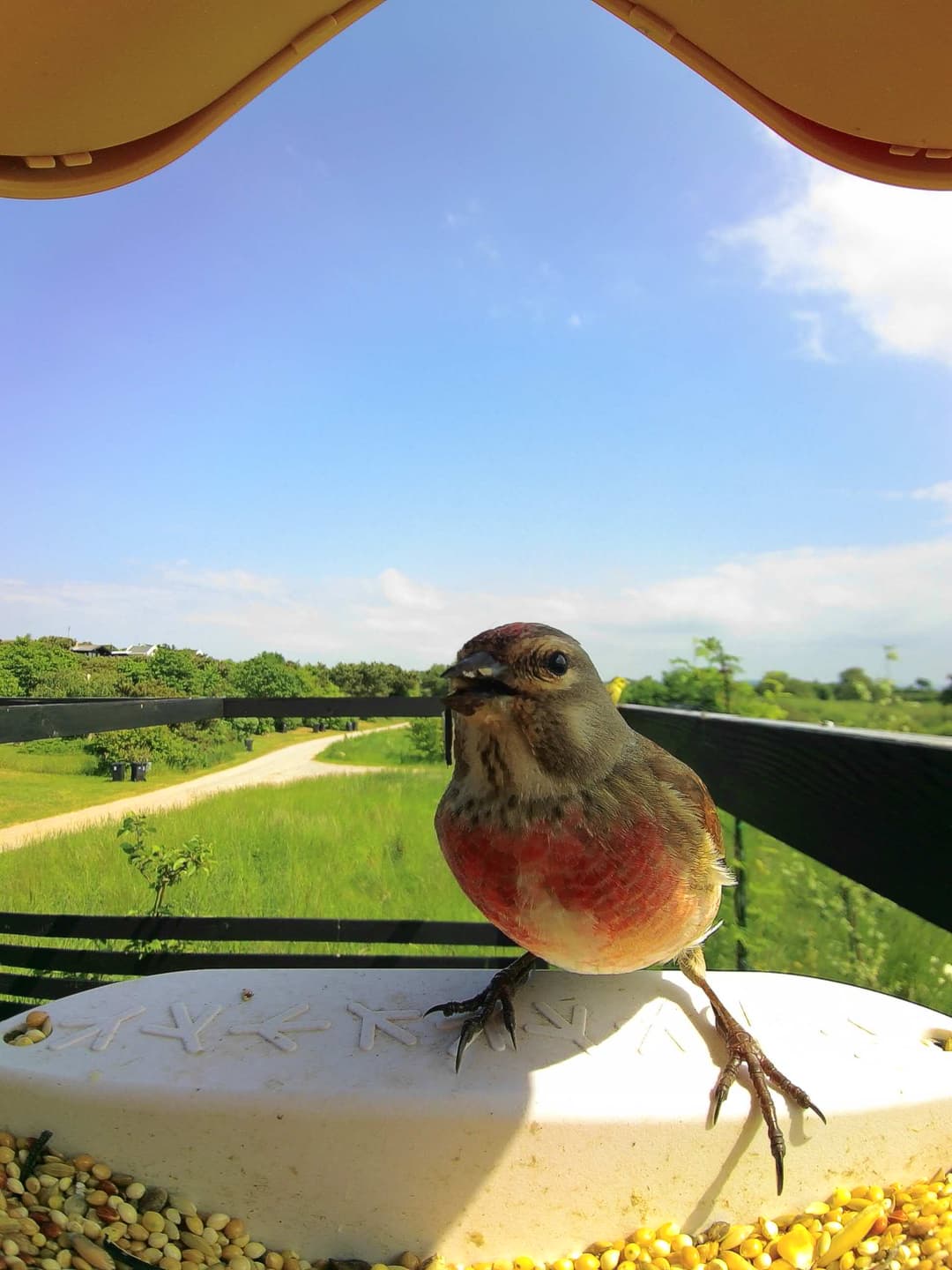
The common linnet, a small passerine bird, has a delicate bill and slender body. Its plumage is mainly brown, its belly white, and it has a distinctive red forehead and chest. It sports black streaks on its upper parts and wings, and a black tail with white edges. The linnet’s size ranges between 11-14cm, and weight around 15-20g.
Male vs female
Male commons linnets are more colorful, featuring a brighter red patch on their chest and forehead, especially during mating season. The female’s contrast is less striking, almost brown with paler underparts. Males also have a slightly more pronounced song, featuring faster notes and chirruping sounds.
Juvenile
Juvenile linnets are similar to females but lack the red chest and forehead. They display a buff tone on their upper parts, streaked with black, and have a plain underbody. Once they reach adulthood, males exhibit the red patches that distinguish the species.
Size
5.1 - 5.5 in/0.5 - 0.8 oz
There's more to learn about Common Linnet
View full detailsEuropean Goldfinch
Carduelis carduelis
Also known as: Goldfinch
General appearance
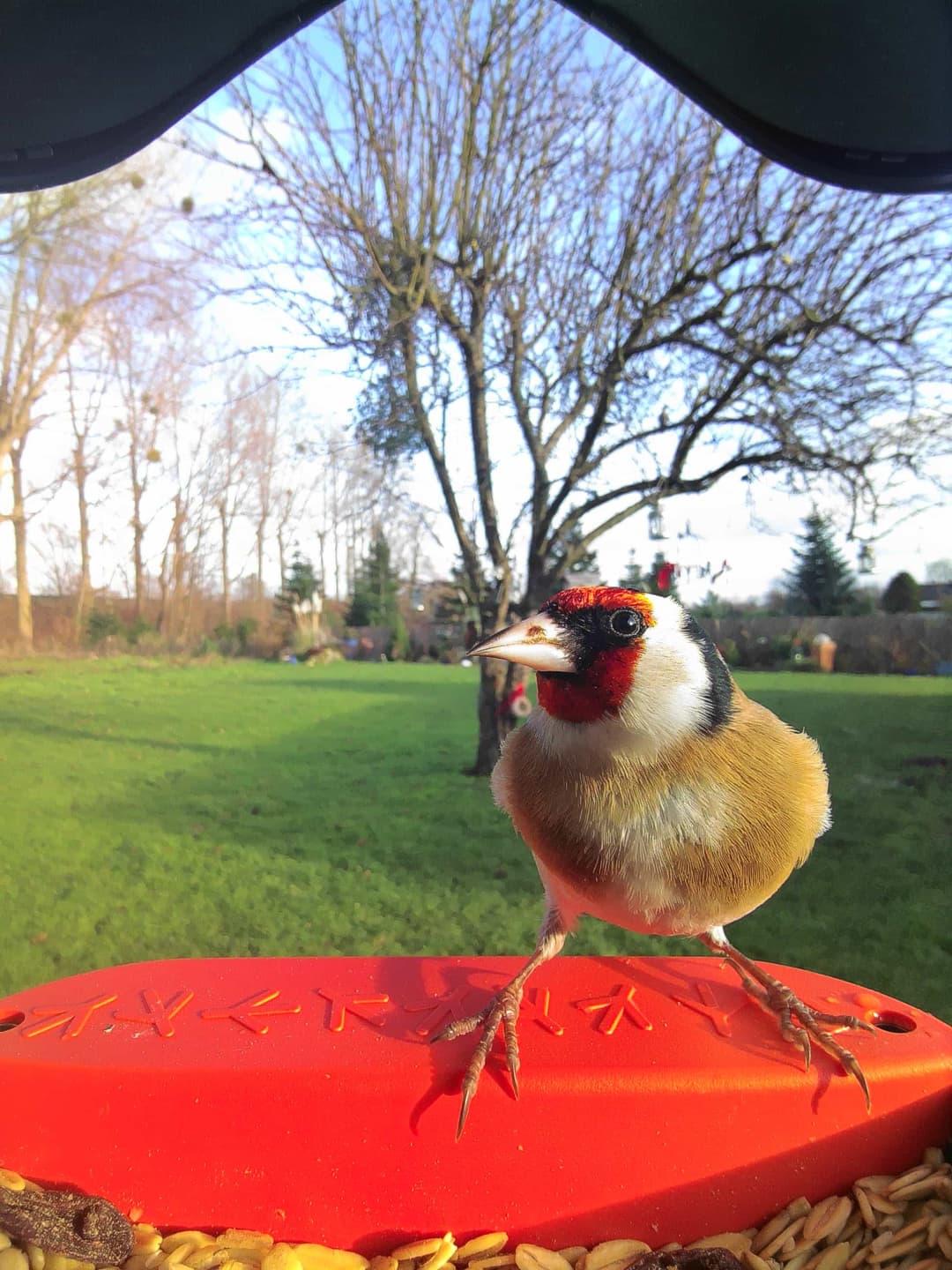
The European Goldfinch is a small bird with a striking coloration. It has a red face and a black and white head. The back is brown, and the wings are black with brilliant yellow bars. The belly is white, and the beak is long, sharp and suited for seed extraction.
Male vs female
Both sexes of European Goldfinches have similar plumage, making them challenging to tell apart merely by looking. Both genders sport red faces, black and white heads, bright yellow wing bars, and white bellies. However, males may have slightly wider red faces.
Juvenile
Juvenile European Goldfinches do not have the adult's distinctive red, black and white head pattern. Instead, they have a more uniform grey-brown head and body coloration. Their wings, however, do feature the vivid yellow bar, giving a hint to their adult plumage.
Size
4.1 - 5.3 in/0.5 - 0.8 oz
There's more to learn about European Goldfinch
View full detailsHow to tell the Common Linnet from the European Goldfinch
Visual differences
The Common Linnet (4.3-5.5 inches, 0.5-0.7 oz) has a slender build, brown plumage with black streaks, and distinctive red forehead and chest. Its beak is delicate. The European Goldfinch (4.1-5.3 inches, 0.5-0.8 oz) boasts a striking look with a red face, black and white head, and vivid yellow wing bars. Both sexes appear similar, featuring a thicker bill suited for seed extraction. In comparison, the Goldfinch's colorful patterns and bright contrasts are more vivid than the linnet's subtler tones.
Key differences and behavior
The Common Linnet and European Goldfinch exhibit unique behaviors and habitats. Both are small, social finches fond of seeds and partial to human environments. While Linnets frequent open fields and urban parks, Goldfinches prefer semi-wooded areas and gardens. During breeding, Linnet males perform elaborate aerial displays and sing to attract mates, constructing nests in hedges and shrubs. Similarly, Goldfinch males engage in vibrant courtship, offering food and favoring trees and tall shrubs for nesting. Both species lay 4-6 eggs, sharing chick-rearing duties. Linnets lean towards flax and hemp seeds, while Goldfinches favor thistles and teasels, also visiting feeders for millet and sunflower seeds. Linnets weigh about 0.5–0.7 oz and measure 5–5.5 inches long, while Goldfinches weigh around 0.5–0.8 oz and are 4–5.3 inches long. Both supplement diets with insects during breeding, but differences in dietary preferences help distinguish them in field observations.
Still not sure? Here are more lookalikes!
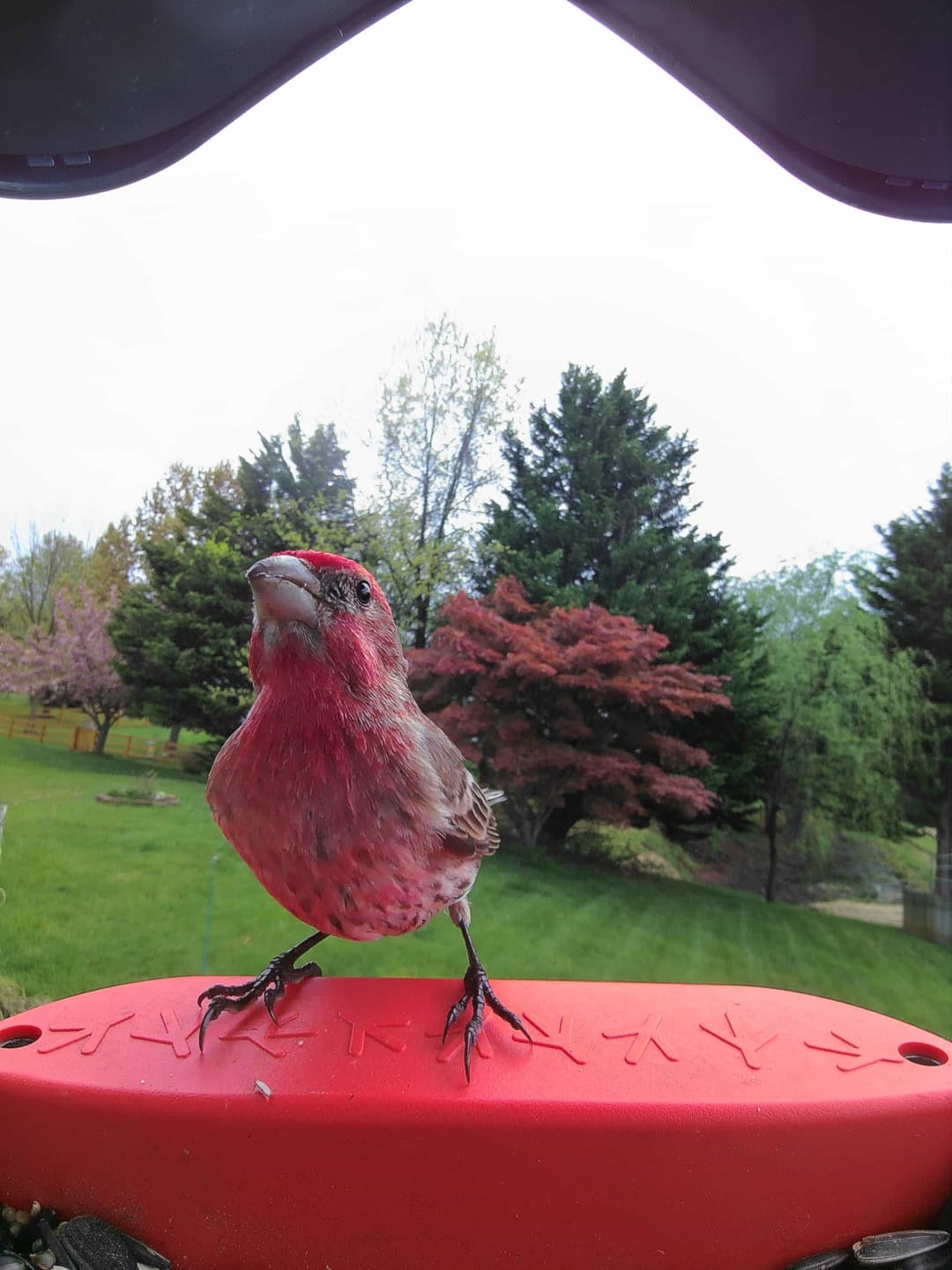
Common Linnet vs House Finch
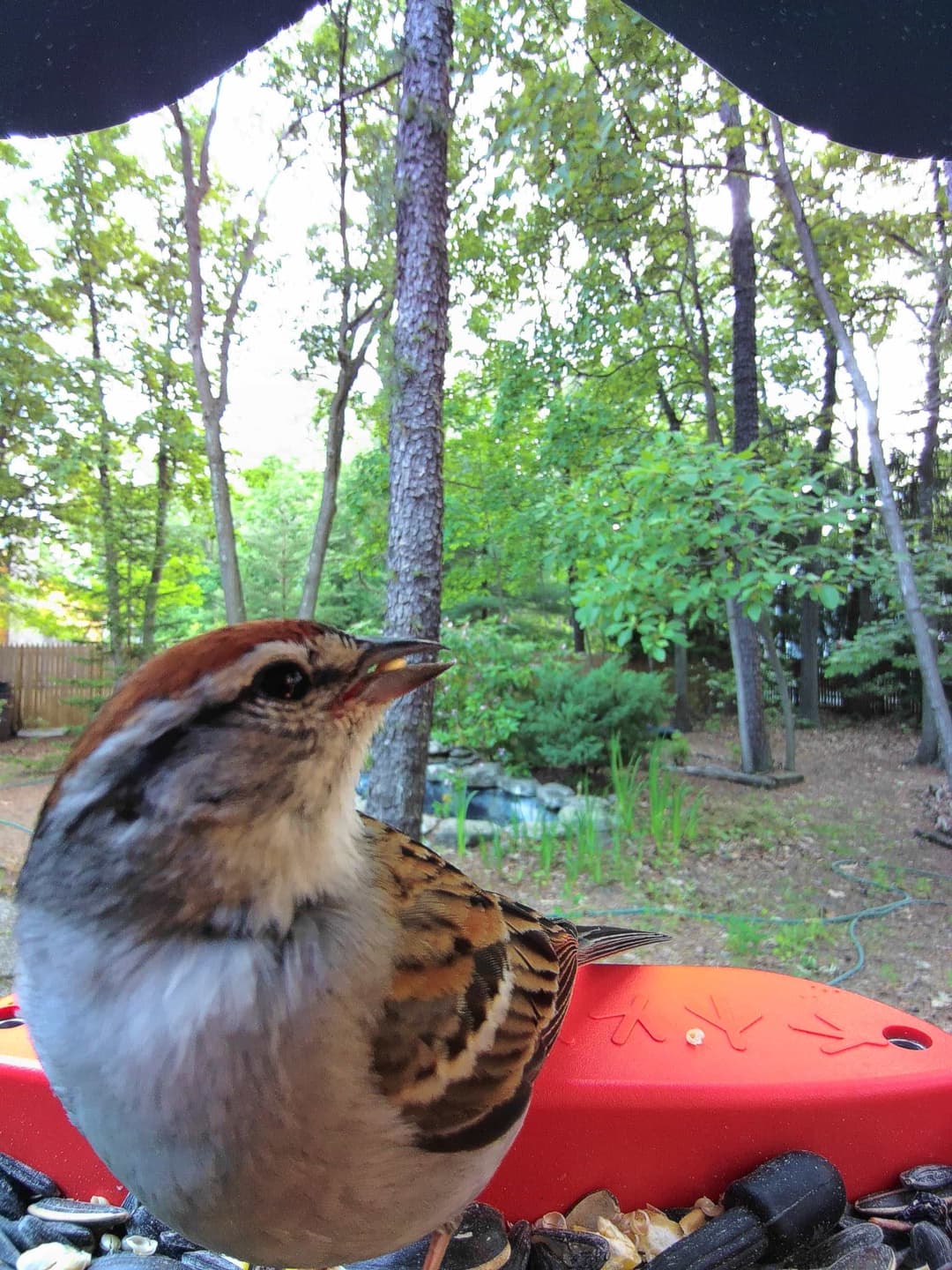
Common Linnet vs Chipping Sparrow
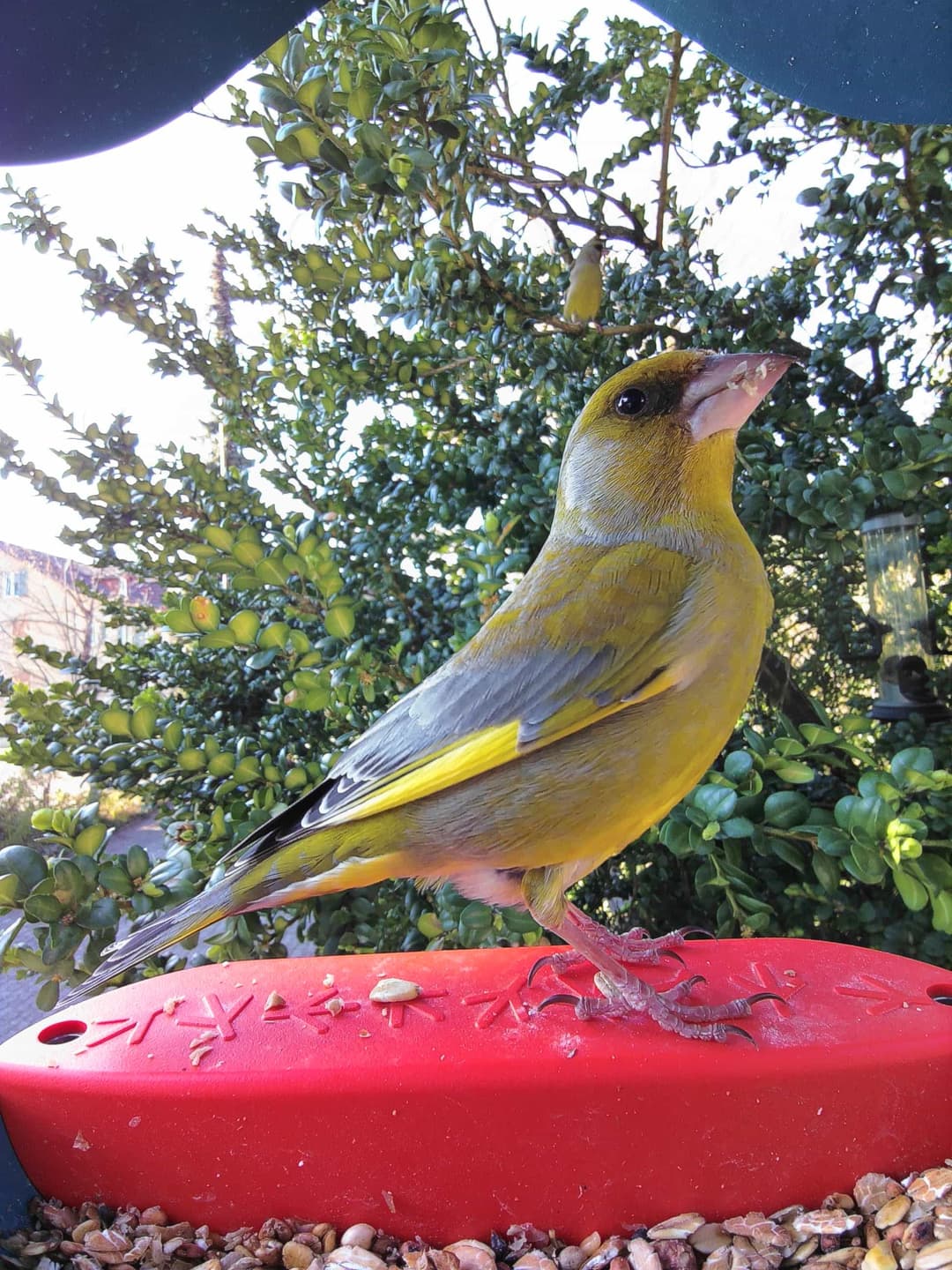
Common Linnet vs European Greenfinch
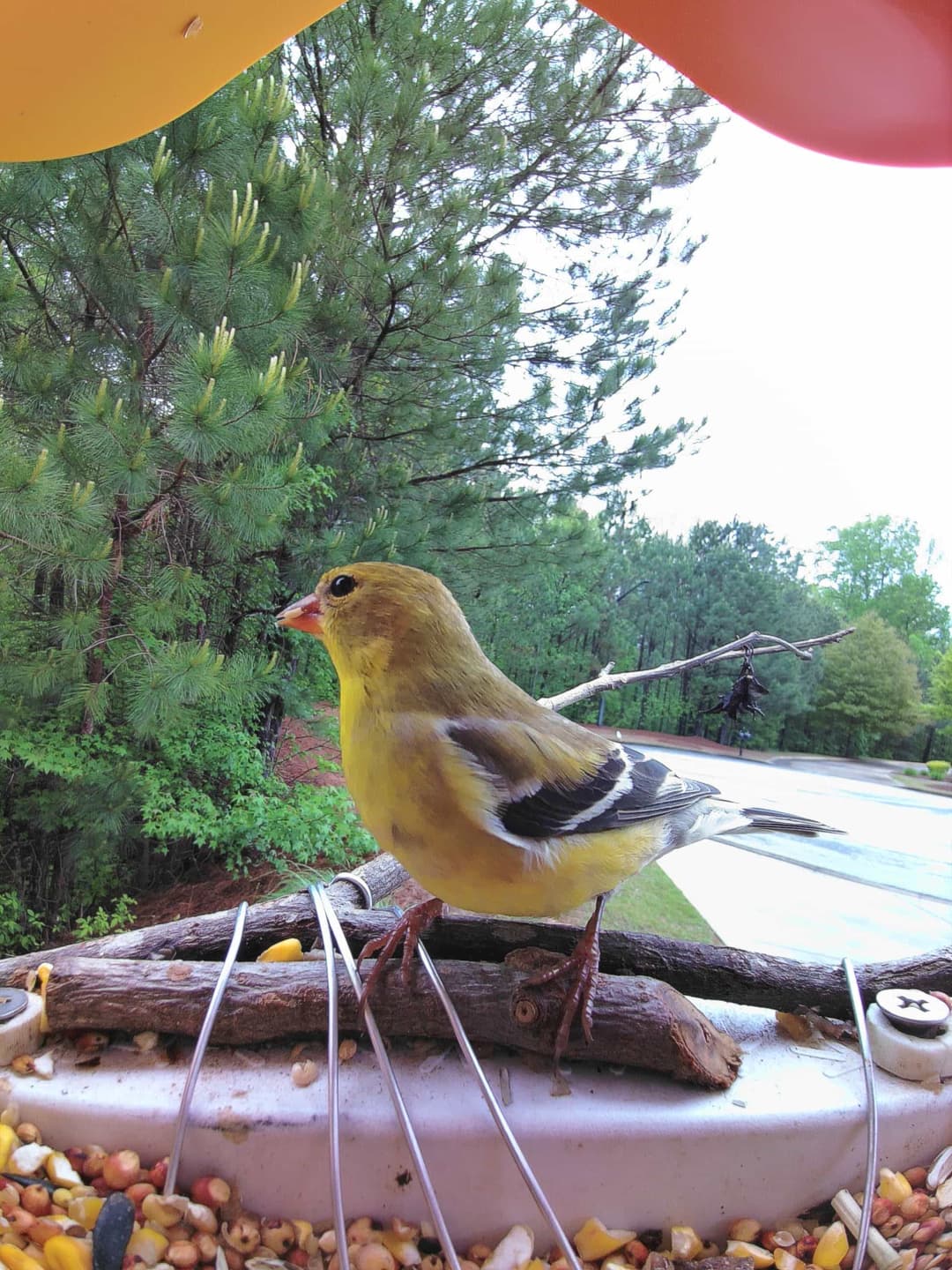
European Goldfinch vs American Goldfinch
European Goldfinch vs Lesser Goldfinch
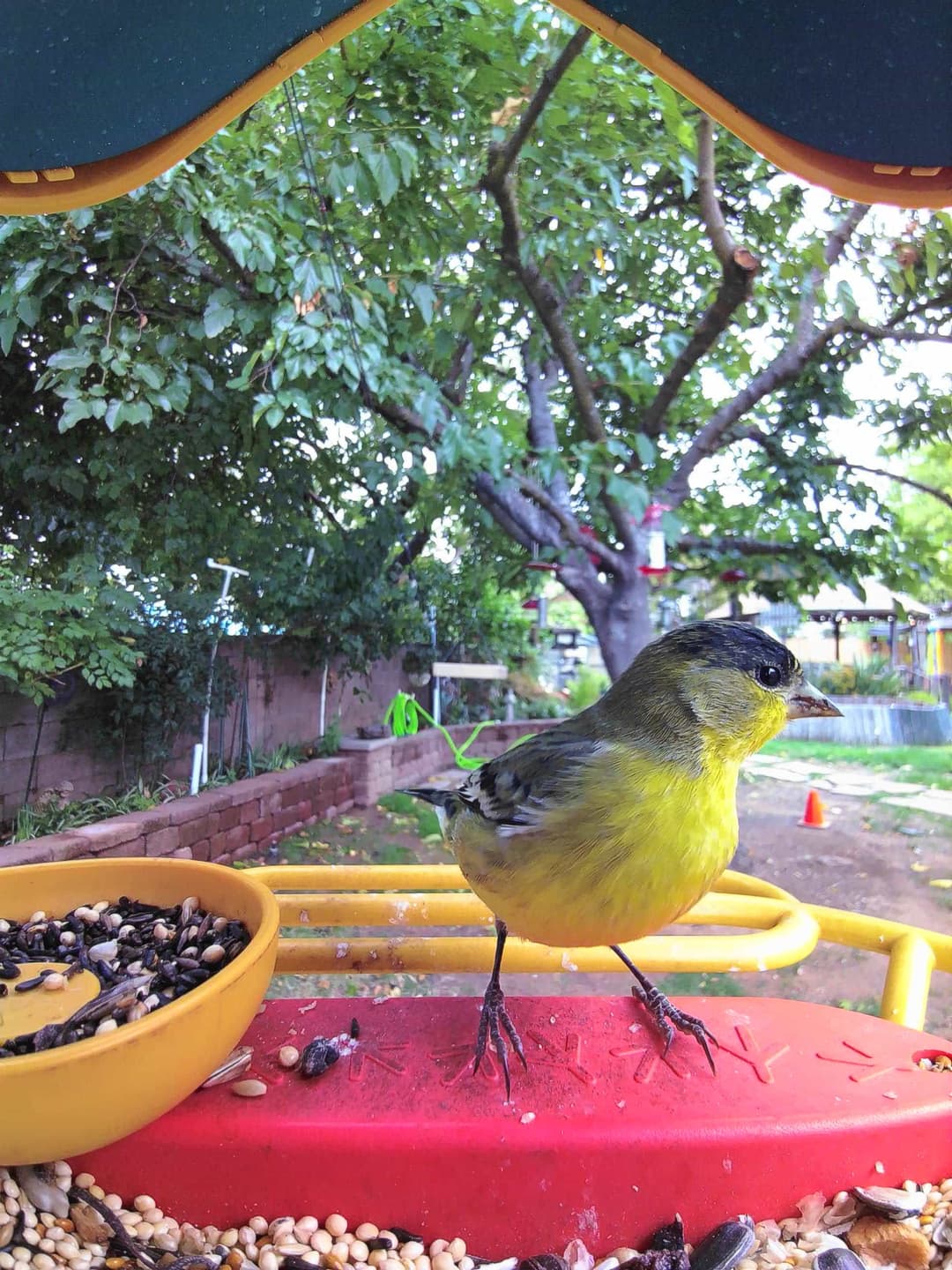
European Goldfinch vs Lawrence’s Goldfinch
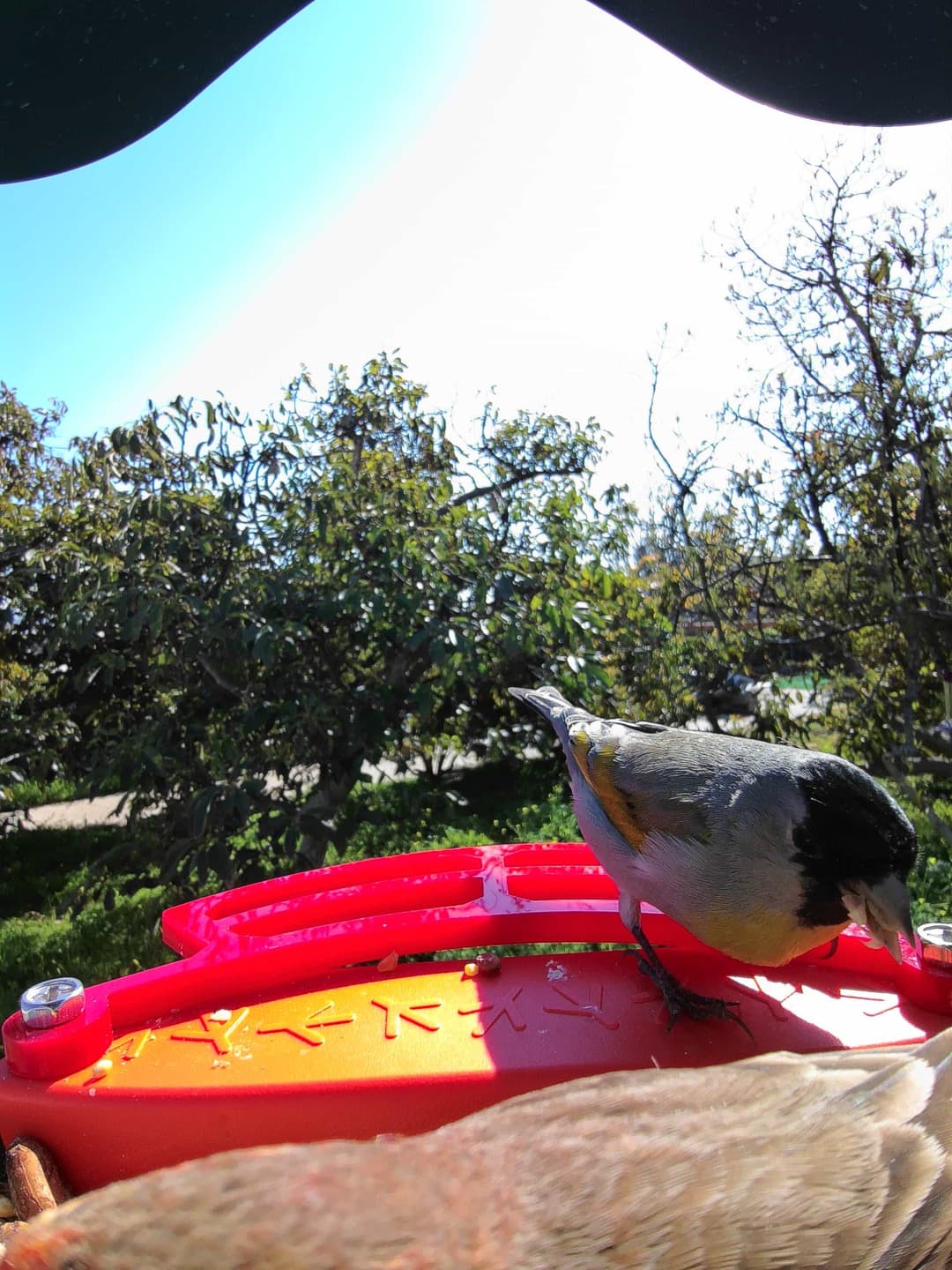
Common Linnet vs [Select a bird]

[Select a bird]
Pick a bird to compare
European Goldfinch vs [Select a bird]
[Select a bird]
Pick a bird to compare