Carolina Chickadee or Black-Capped Chickadee?
Here's how to tell the difference


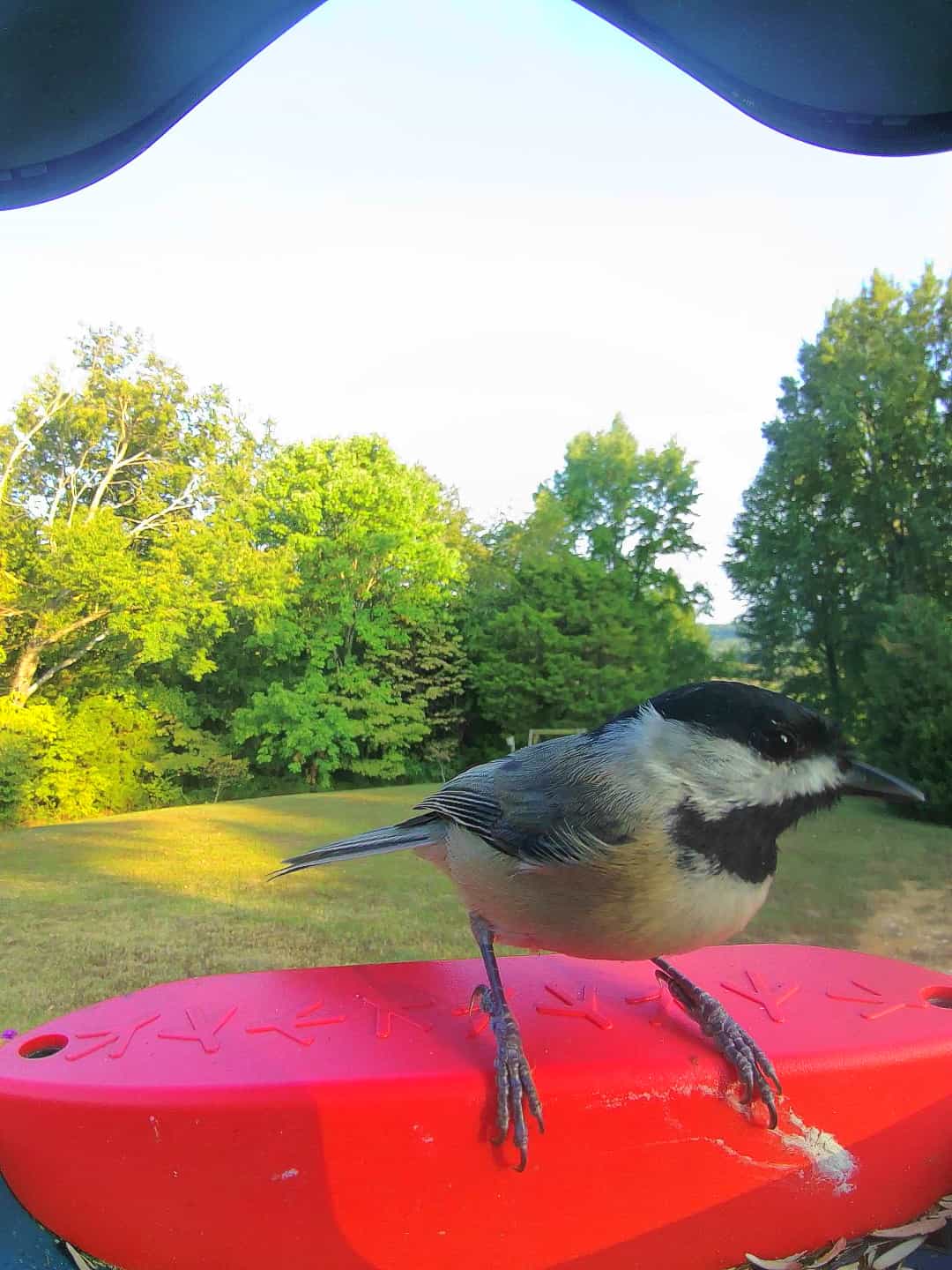


Carolina Chickadee
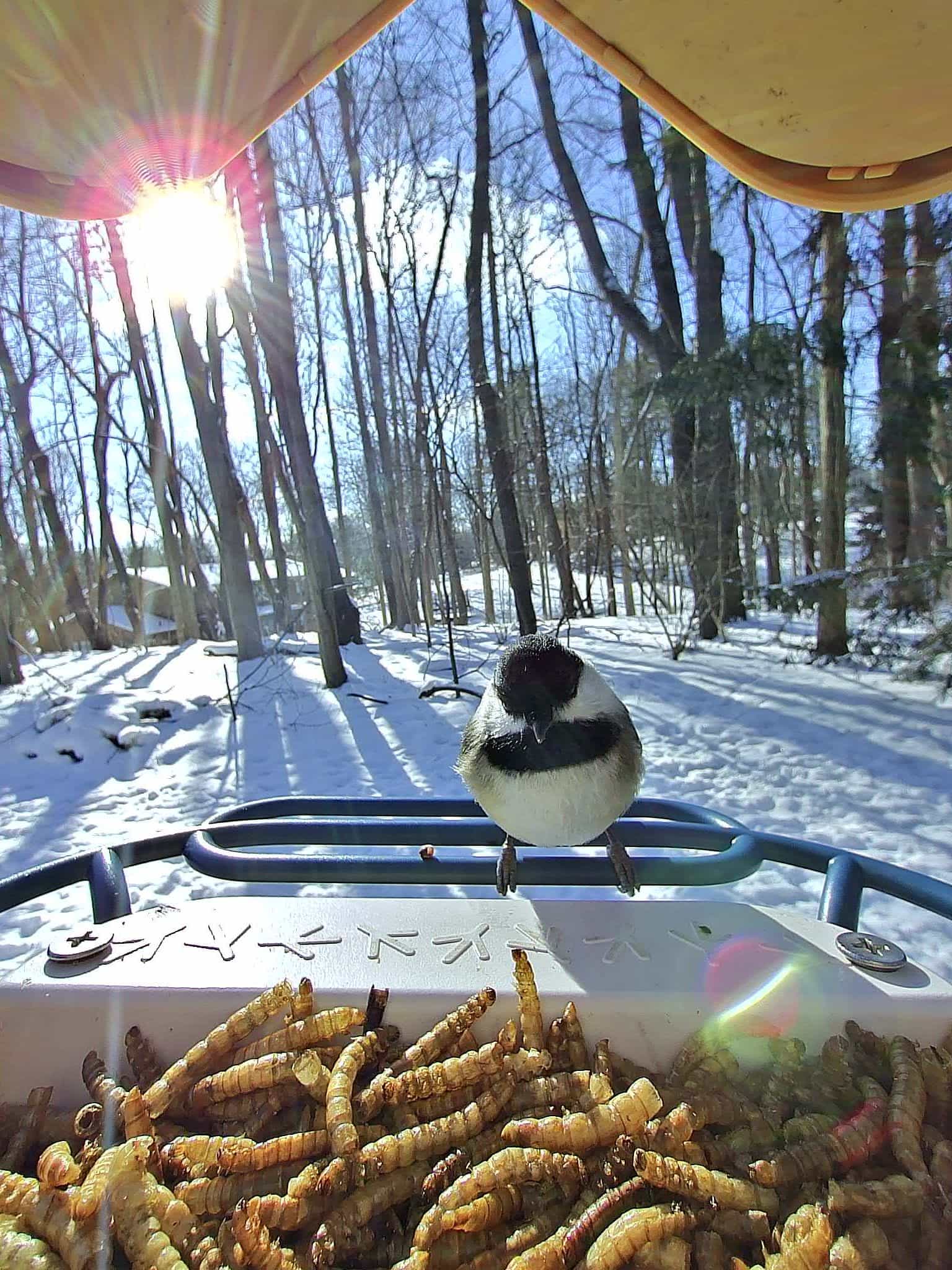


Black-Capped Chickadee
Carolina Chickadee
Poecile carolinensis
General appearance
The Carolina chickadee is a small songbird, about 4.5 to 5 inches long with a wingspan of 6 to 8 inches. Its most distinctive features include a black cap and bib, white cheeks, and a soft gray back. The underparts are mostly pale gray with a slightly buffy hue on the sides. They have short, stout bills and rounded wings. Spotting them in the wild, one can often notice their characteristic calls and acrobatic movements through tree branches.
Male vs female
Males and females of the Carolina chickadee are very similar in appearance, making them difficult to differentiate by plumage alone. Both sexes share the same coloration pattern, lacking distinctive sexual dimorphism. Behavioral observations during the breeding season, such as males being more vocal and active in territory defense, may help distinguish them.
Juvenile
Juvenile Carolina chickadees resemble adults but with duller and less distinct coloration. Their black cap and bib may appear slightly browner, and their overall plumage is softer and fluffier. As they mature, these differences gradually fade, and they develop the crisp contrast seen in adults. Juveniles learn to forage and join mixed-species flocks after fledging.
Size
4.5 - 5.1 in/0.3 - 0.4 oz
There's more to learn about Carolina Chickadee
View full detailsBlack-Capped Chickadee
Poecile atricapillus
General appearance
The black-capped chickadee is a small, plump bird with a distinctive black cap and bib, contrasting sharply with its white cheeks. Its back is soft gray, and it has subtle, buffy flanks. Its bill is short and pointed, and its wings and tail have white edges. The bird exhibits an acrobatic flight, often flitting around trees and feeders.
Male vs female
Males and females are visually similar, making it challenging to differentiate based on appearance. Both share the same black cap, bib, and white cheek pattern. However, males may appear slightly larger and have a more vibrant coloration, specifically noted during mating displays, though generally, such differences are subtle.
Juvenile
Juvenile black-capped chickadees resemble adults but with duller plumage. The black cap and bib are less pronounced, and their flanks may appear a lighter shade. As they mature, juveniles attain the crisp black and white patterning typical of adults. In juveniles, the bill base remains slightly flesh-colored before turning fully black.
Size
4.7 - 5.9 in/0.4 - 0.5 oz
There's more to learn about Black-Capped Chickadee
View full detailsHow to tell the Carolina Chickadee from the Black-Capped Chickadee
Visual differences
The Carolina Chickadee measures 4.5 to 5 inches long with a wingspan of 6 to 8 inches, featuring a soft gray back, black cap, bib, and white cheeks, with slightly buffy sides. The Black-Capped Chickadee is larger, 4.7 to 5.9 inches long, with a black cap and bib contrasting with brighter white cheeks, and subtle buffy flanks. Black-capped's wing and tail have white edges. Both have short, stout bills, but the black-capped may appear slightly larger and more vibrantly colored. Juveniles of both species display duller plumage.
Key differences and behavior
Carolina Chickadees (4.5-5 inches long) form nearly permanent flocks but occasionally switch groups to find a preferred one, reflecting their adaptable and social nature. In contrast, Black-Capped Chickadees (typically found in bands) have a strict social hierarchy. While both species favor mixed and deciduous forests, Carolina Chickadees prefer lower elevations in the Appalachians. Both species form pairs in fall, share nest duties, and use similar nesting sites, though Black-Capped Chickadees often include moss in nest construction. Regarding diet, both shift from insects in summer to seeds/berries in winter, but Black-Capped Chickadees consume more animal fat. At feeders, both enjoy sunflower seeds and suet, with Black-Capped Chickadees also favoring peanuts. Carolina Chickadees are curious and hybridize with Black-Capped Chickadees, while Black-Capped Chickadees maintain a more predictable social structure with identified dominance.
Still not sure? Here are more lookalikes!
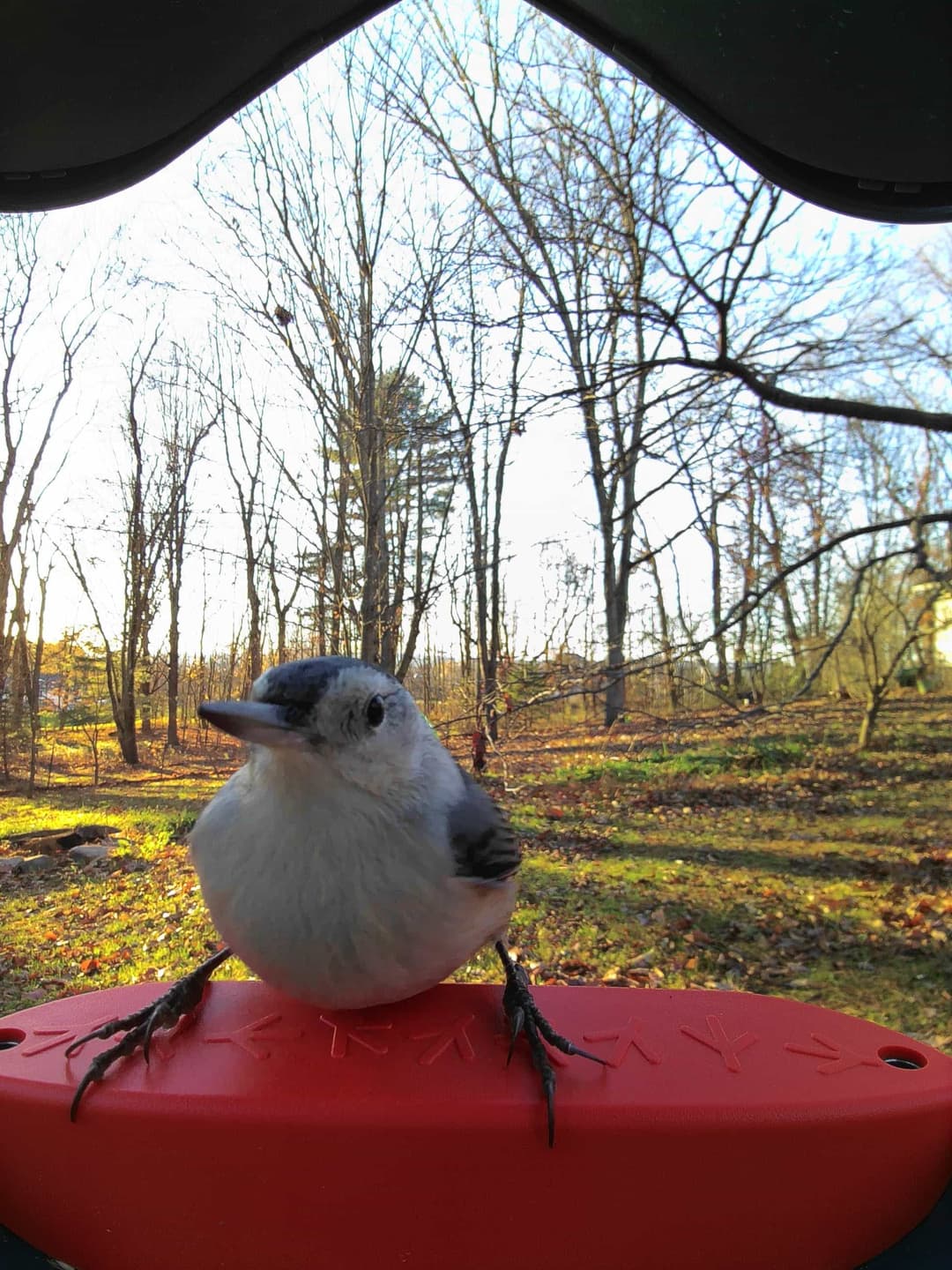
Carolina Chickadee vs White-Breasted Nuthatch
Black-Capped Chickadee vs Mountain Chickadee
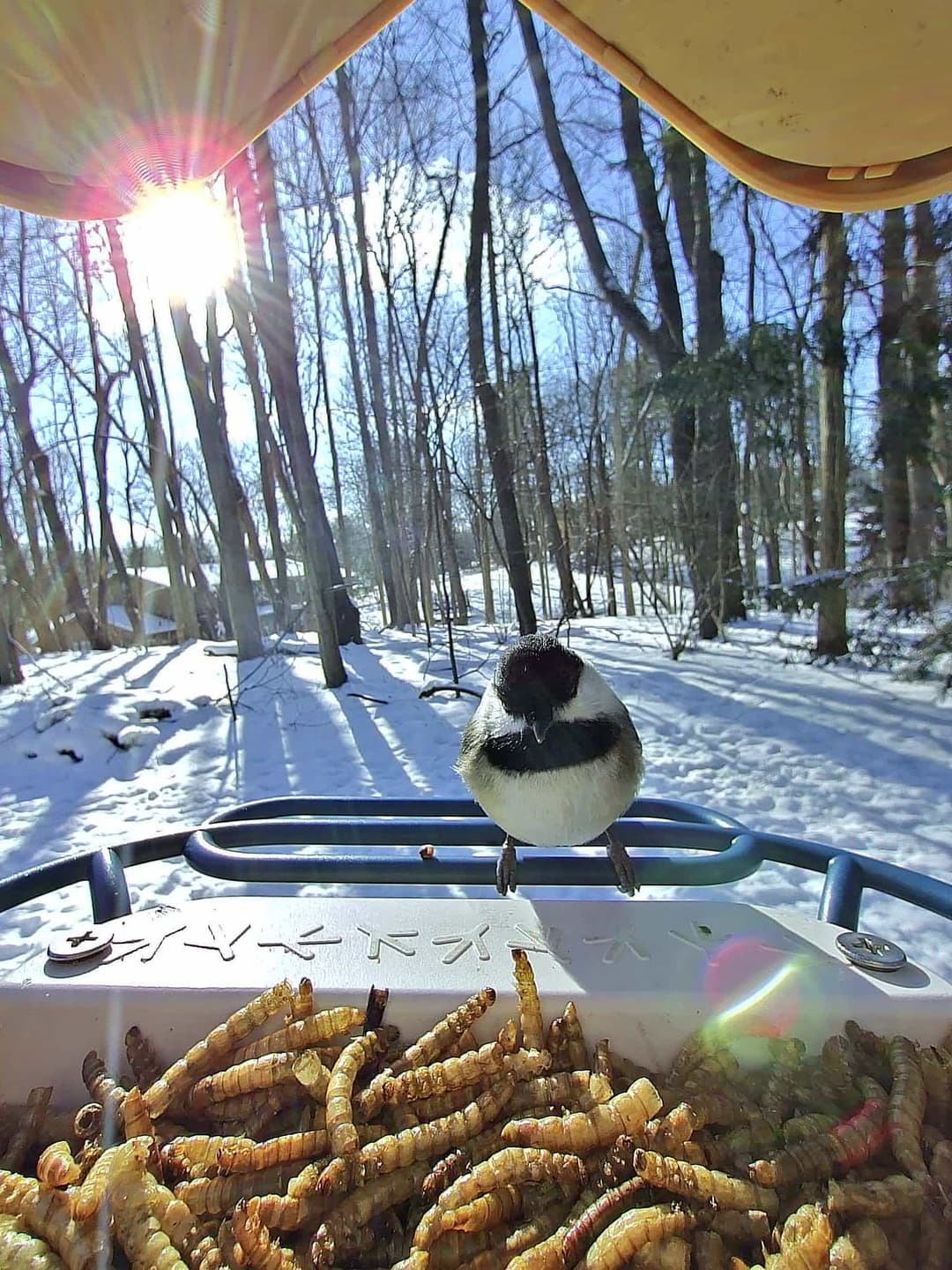
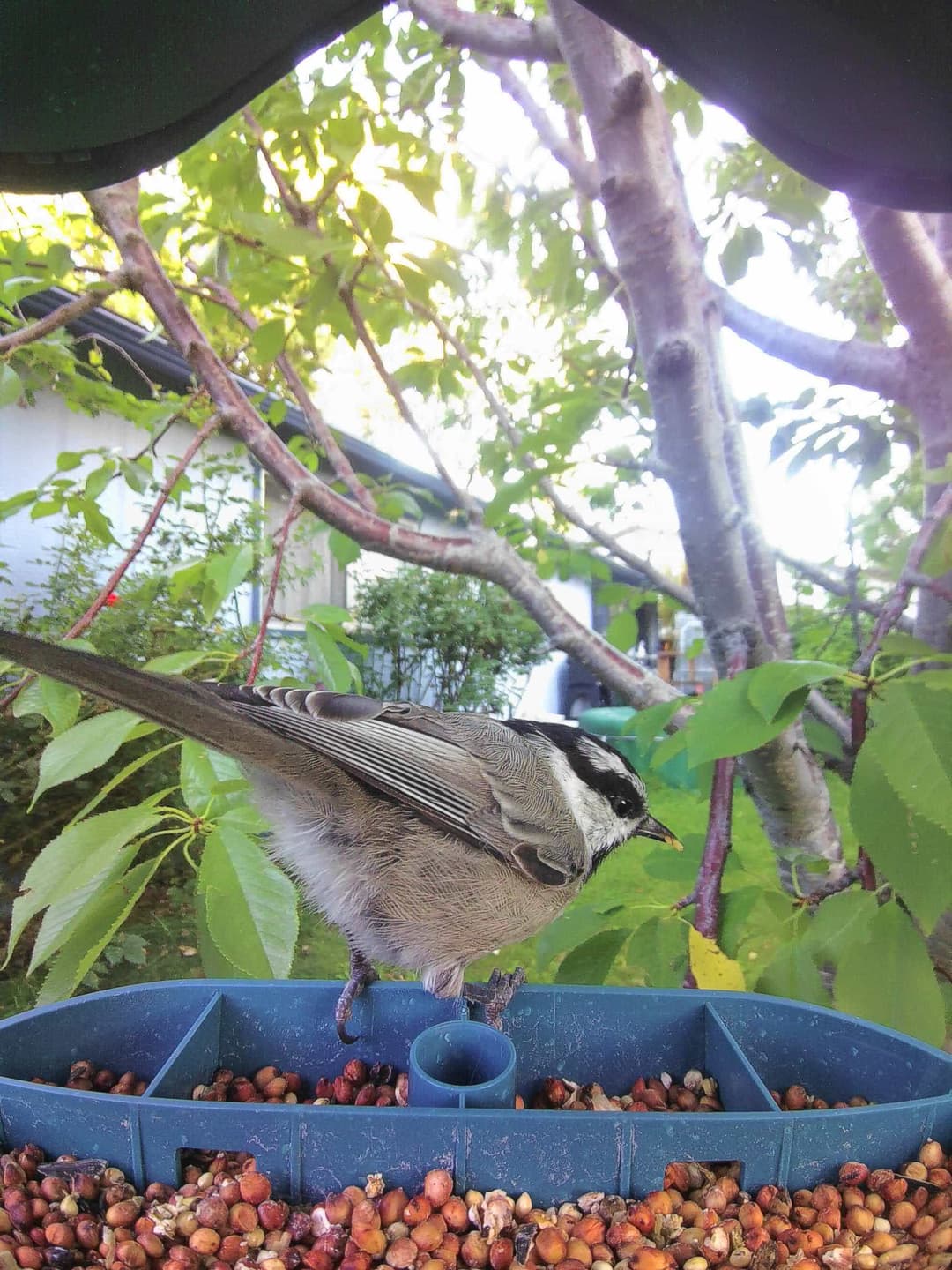
Black-Capped Chickadee vs Boreal Chickadee
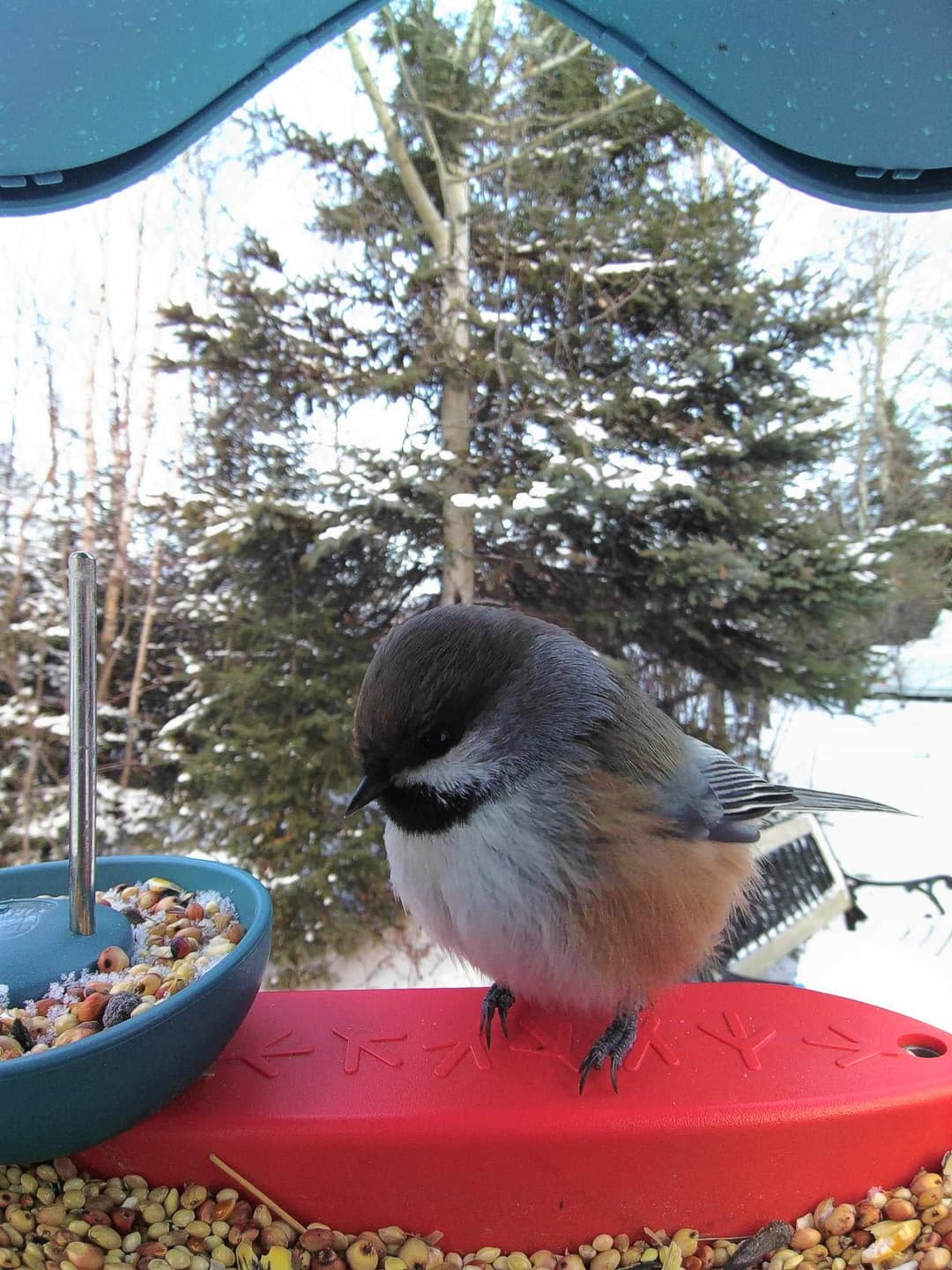
Black-Capped Chickadee vs Chestnut-Backed Chickadee
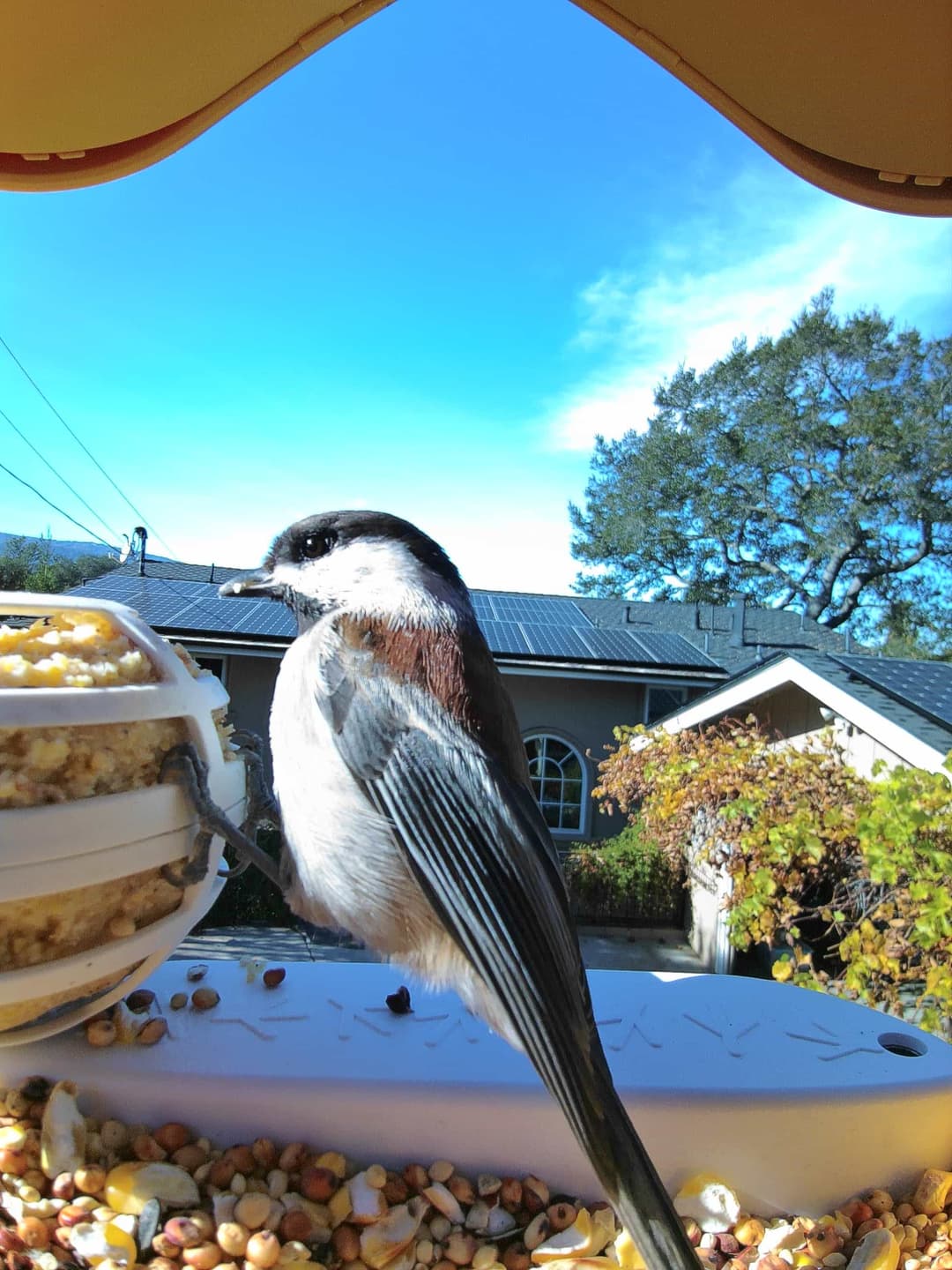
Black-Capped Chickadee vs White-Breasted Nuthatch
Carolina Chickadee vs [Select a bird]

[Select a bird]
Pick a bird to compare
Black-Capped Chickadee vs [Select a bird]
[Select a bird]
Pick a bird to compare