Audubon’s Oriole or Orchard Oriole?
Here's how to tell the difference
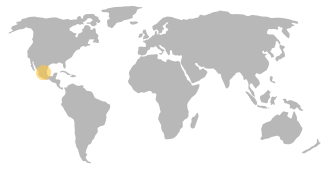
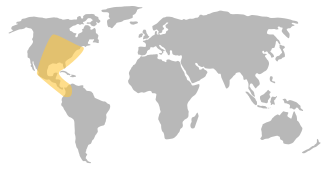

Audubon’s Oriole
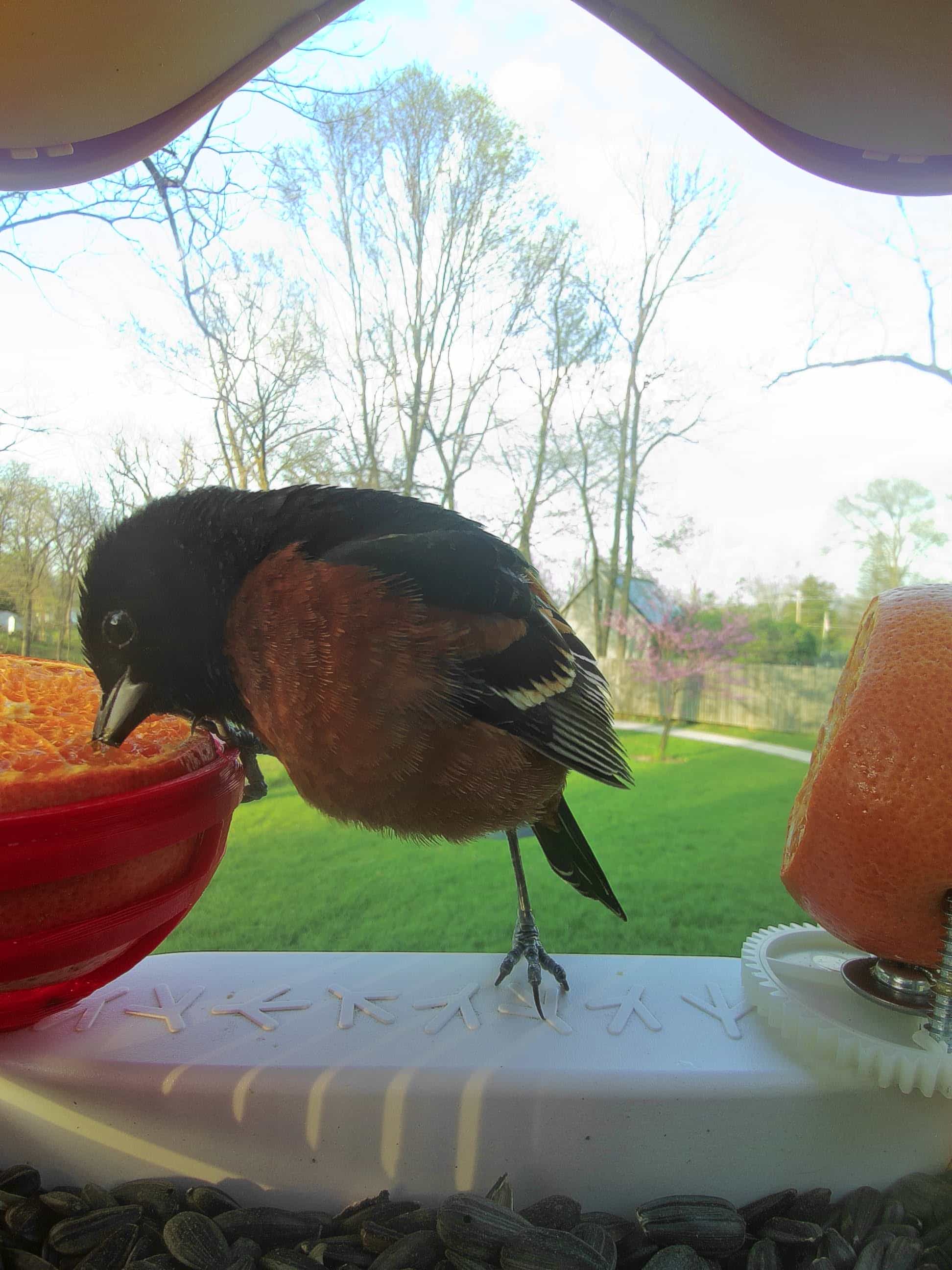


Orchard Oriole
Audubon’s Oriole
Icterus graduacauda
Also known as: Black-Headed Oriole
General appearance
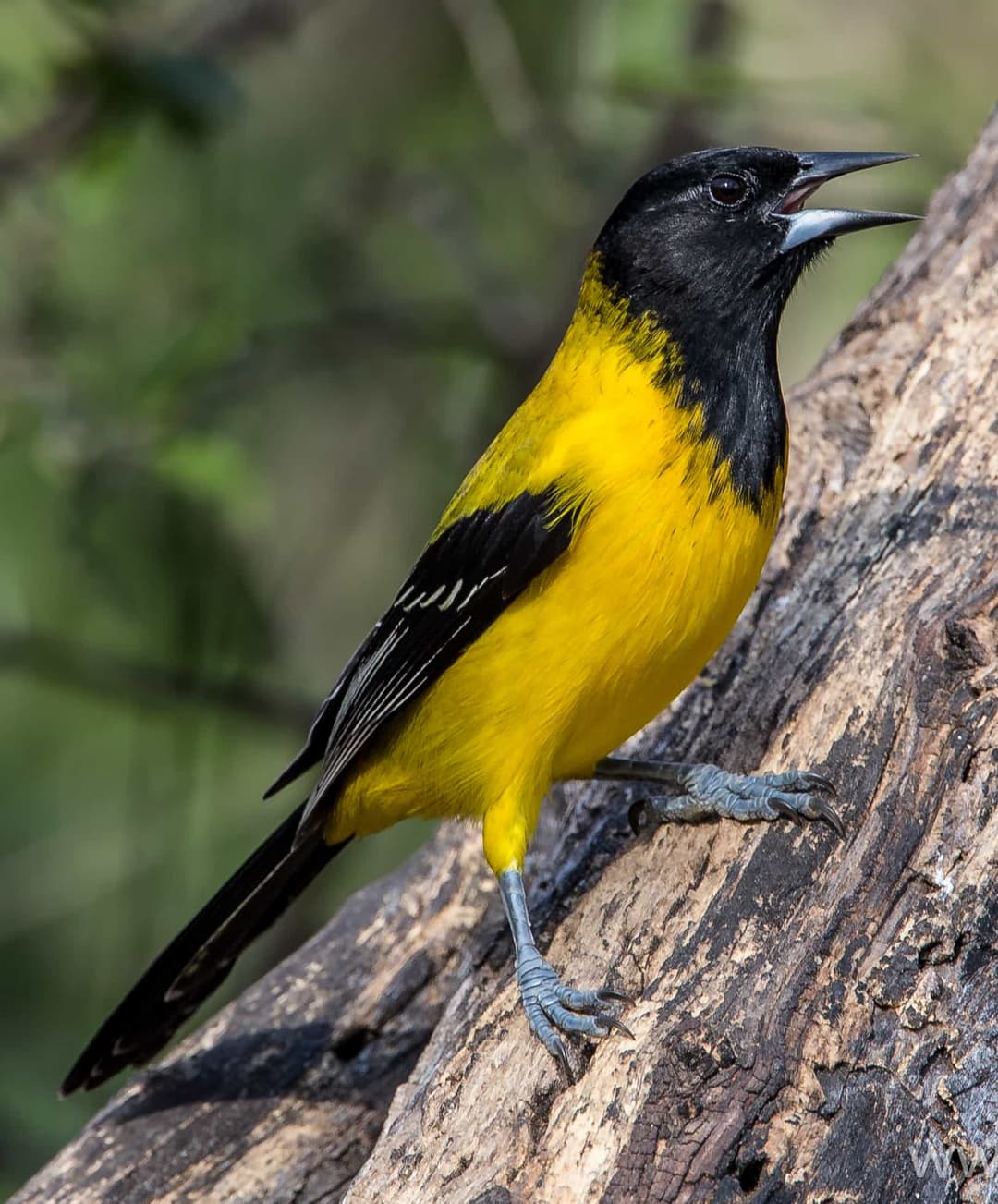
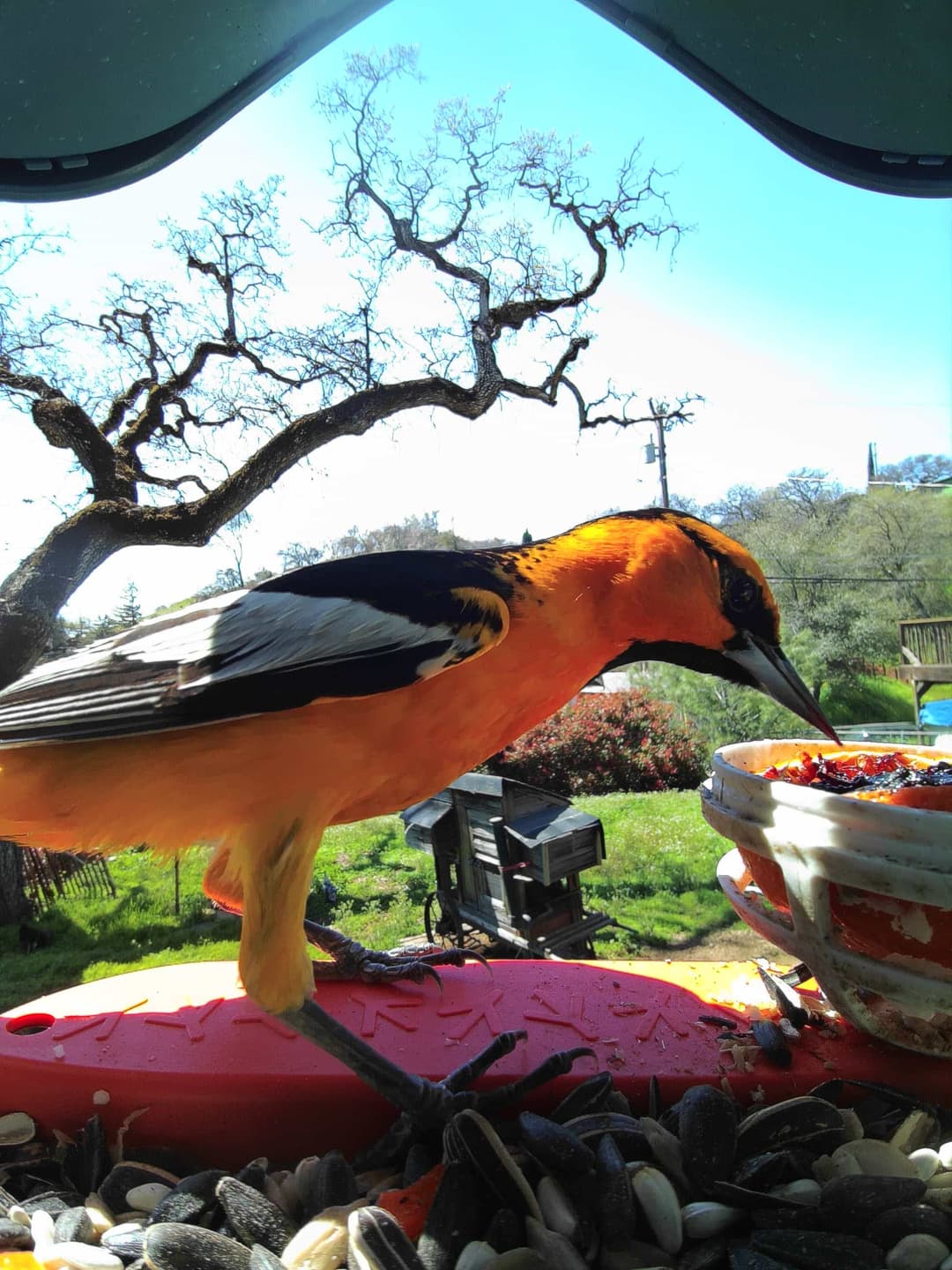
The Audubon’s oriole is a medium-sized bird approximately the size of a Robin or 9 1/2 inches (24 cm) in length. Its most distinct feature is the stark contrast of colors with a solid black hood, black tail and mostly black wings against a yellow-green back. The bird's wing and tail shapes are rounded with a wedge-like appearance
Male vs female
Male and female Audubon’s orioles share similar coloration, but the female is slightly duller than the male. Notwithstanding, they both bear the distinctive yellow-green back strongly contrasting with their black regions.
Juvenile
Young Audubon’s orioles present a much duller color scheme than adults, mainly lacking the solid black found on mature birds. Over time, their plumage develops to resemble that of adults, thus indicating sexual maturity.
Size
7.5 - 9.4 in/1.1 - 1.8 oz
There's more to learn about Audubon’s Oriole
View full detailsOrchard Oriole
Icterus spurius
General appearance
The orchard oriole is a small bird about the size of a robin. It is smaller than the Baltimore Oriole, with a unique rounded wing shape and rounded, square-tipped tail shape. The bird's size is characterized as 7, measured in 18cm. The oriole’s colour palette consists of black, green, orange, red, white, and yellow.
Male vs female
There are noticeable differences between males and females. The adult male orchard oriole is unmistakable with its striking black and chestnut coloration. On the other hand, the female is smaller and flaunts an all yellow-green appearance. They lack the orange tone seen in the female Baltimore and Bullock's Orioles and have a shorter bill compared to Hooded Oriole.
Juvenile
One-year-old males, or juveniles, resemble the females but have a distinguishing black throat. This characteristic is one of the earliest signs to distinguish between young males and females.
Size
5.9 - 7.1 in/0.6 - 0.9 oz
There's more to learn about Orchard Oriole
View full detailsHow to tell the Audubon’s Oriole from the Orchard Oriole
Visual differences
The Audubon's Oriole, approximately 9.5 inches long, is larger than the 7-inch Orchard Oriole. Audubon's features a distinctive black hood and tail with a yellow-green back, while the adult male Orchard sports a striking black and chestnut body, and females exhibit an all-yellow-green plumage. The juvenile male Orchard has a black throat. Audubon's beak is more robust compared to the Orchard's shorter bill. Both birds show rounded wings, but the Orchard has a square-tipped tail, contrasting with Audubon's wedge-like tail.
Key differences and behavior
Audubon's and Orchard Orioles show distinct behavioral differences vital for field identification. Audubon's Oriole, larger and shyer, often visits feeders and is notable for its duets, maintaining year-round pairs in wooded areas of Texas and Mexico. In contrast, the smaller, migratory Orchard Oriole prefers semi-open habitats and travels at night. Unlike Audubon's, it is not strongly territorial, often nesting in proximity. Both species build hanging pouch nests, but Orchard Orioles can share trees with other bird species. Audubon's primarily consumes insects and berries, even at feeders, while Orchard Orioles favor caterpillars and nectar, infrequently appearing at feeders. Bronzed cowbirds often parasitize Audubon's nests, a concern less associated with Orchard Orioles.
Still not sure? Here are more lookalikes!
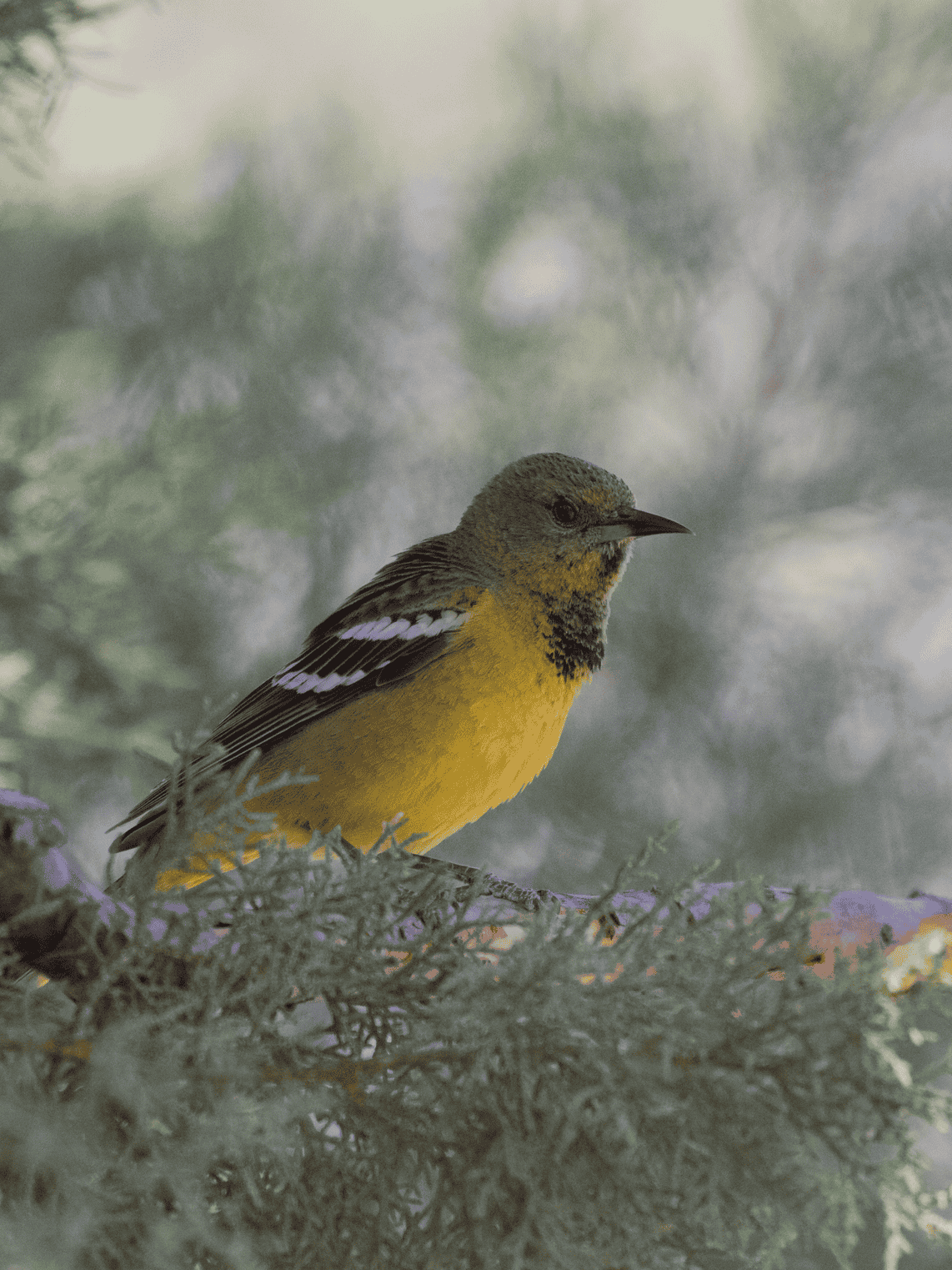
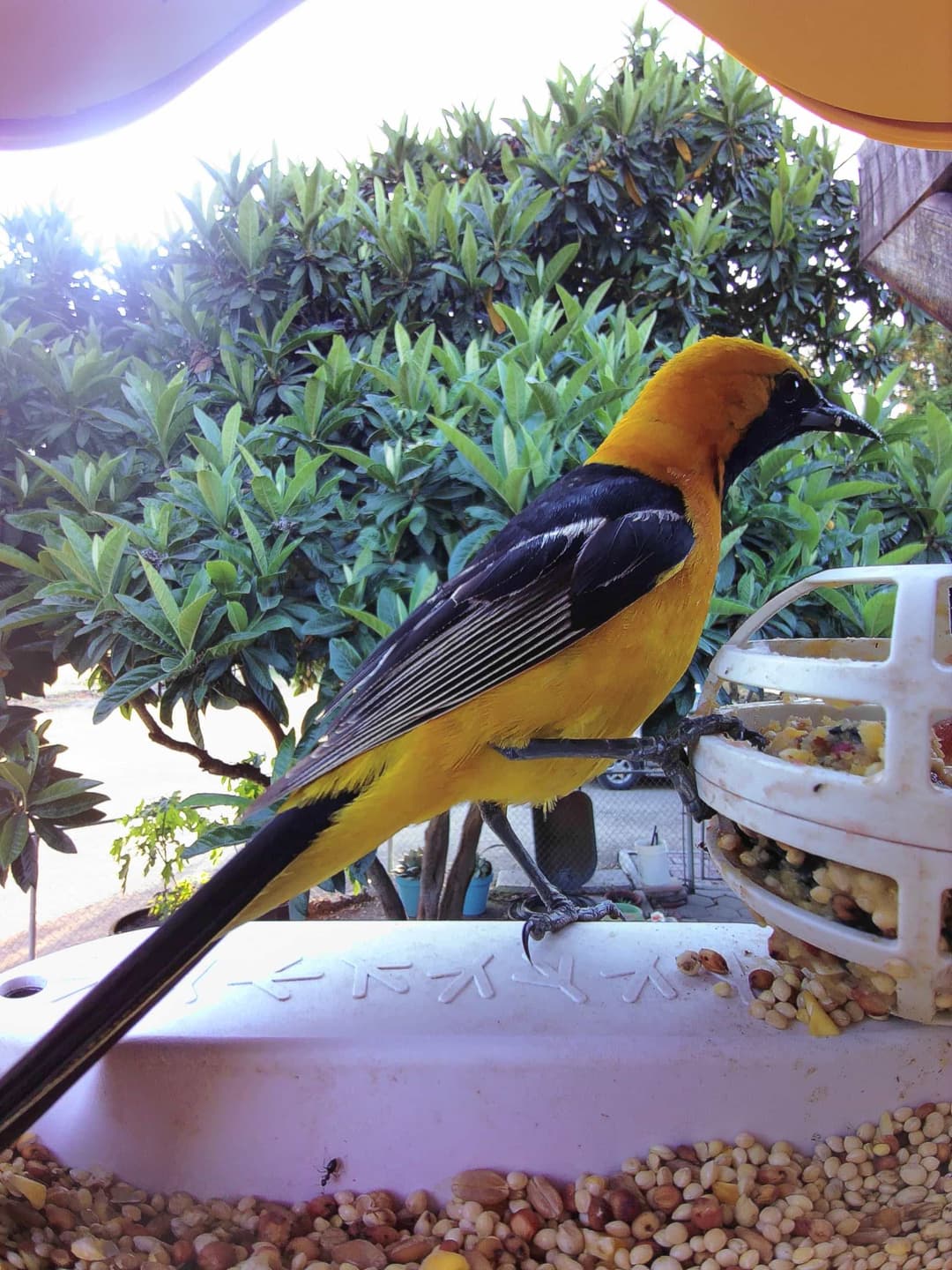
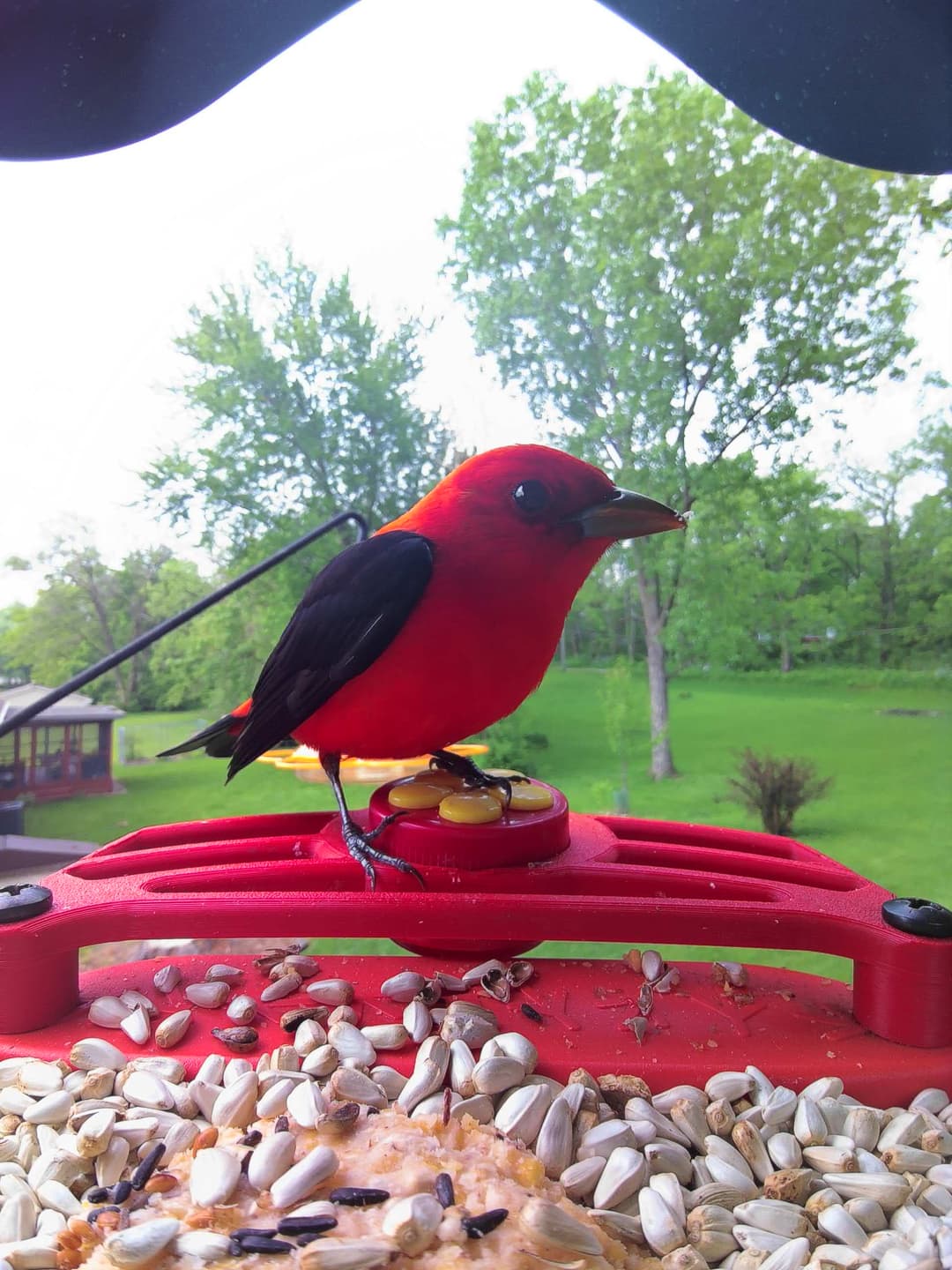
Orchard Oriole vs Baltimore Oriole
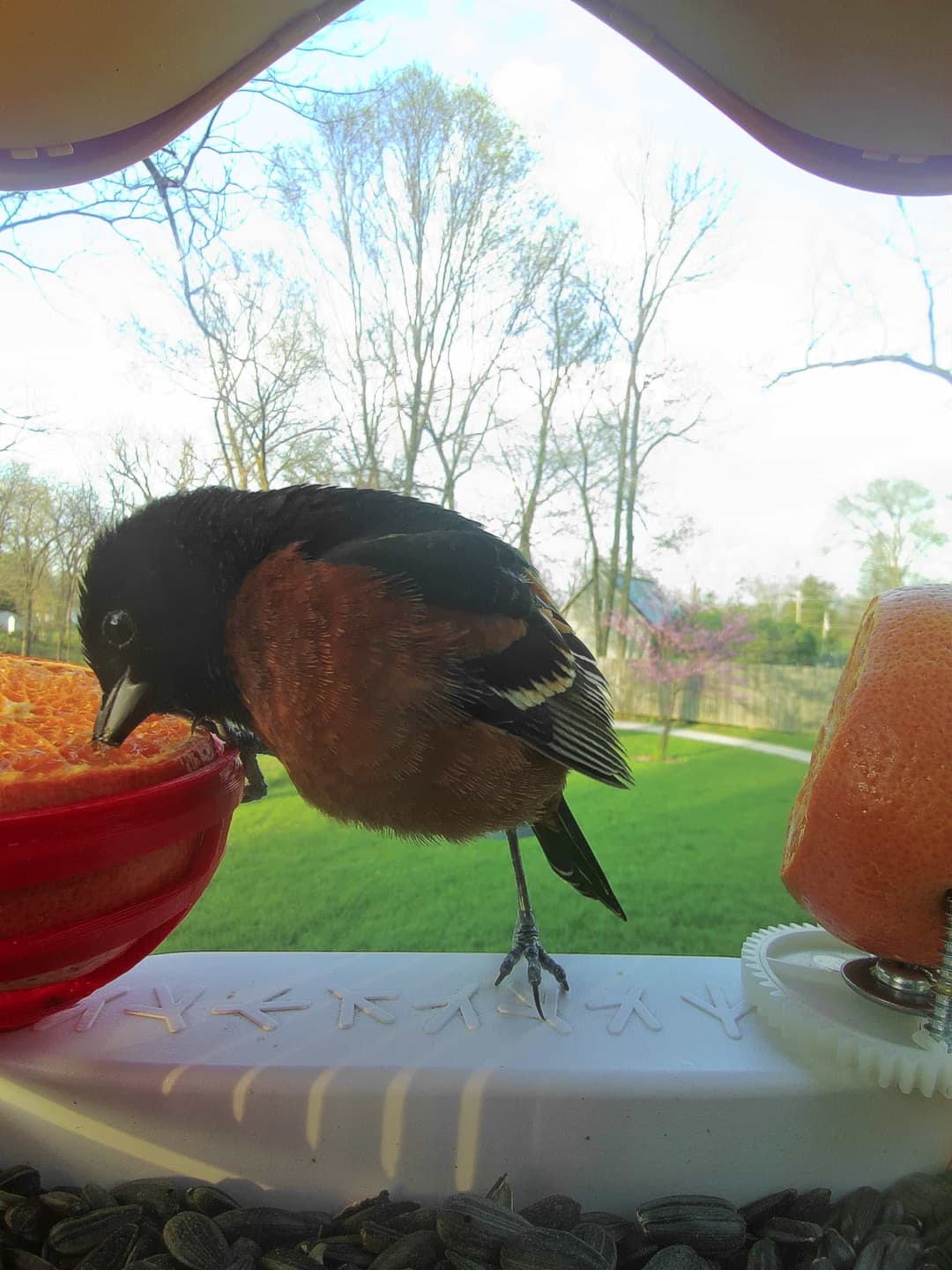
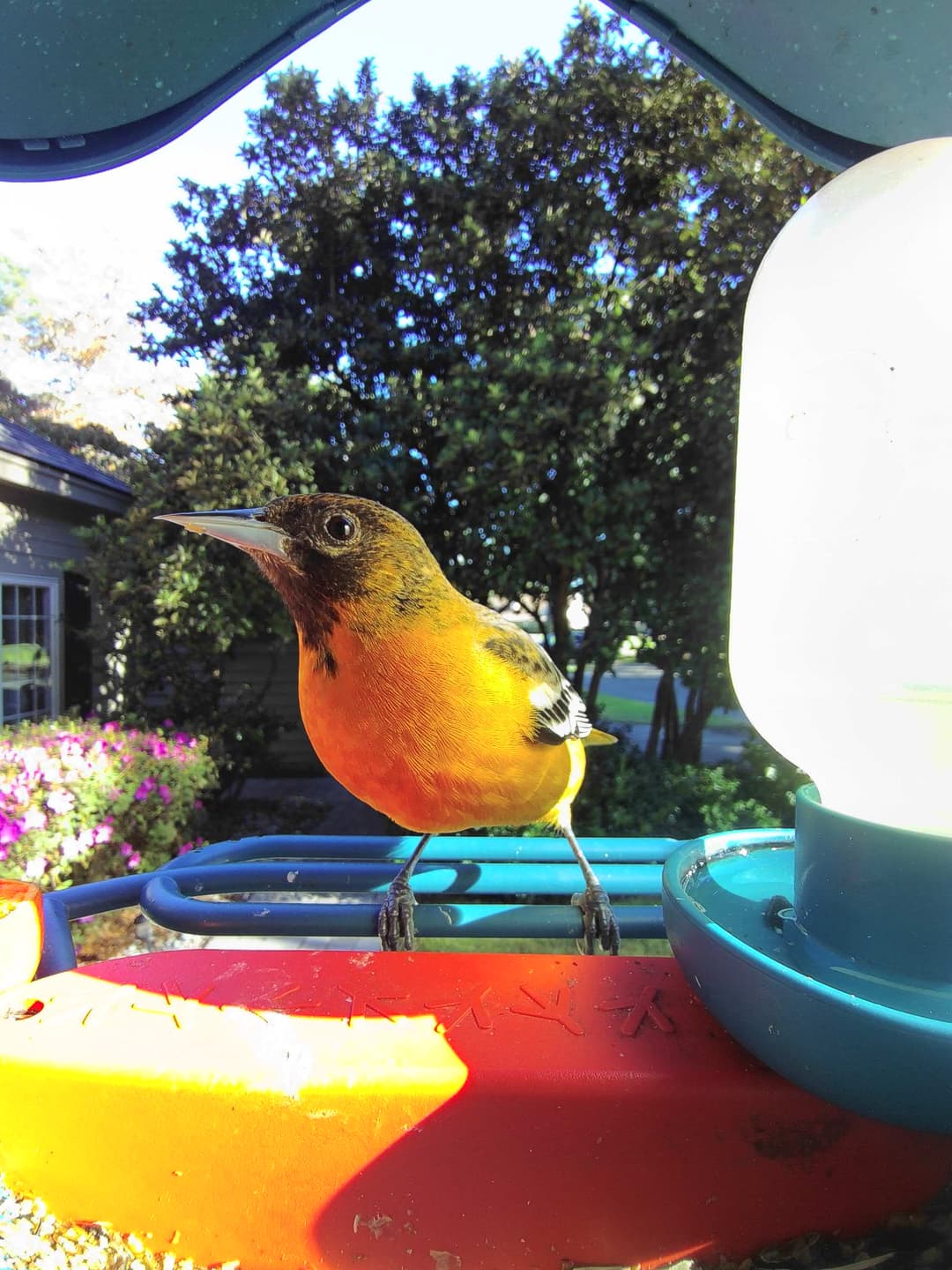
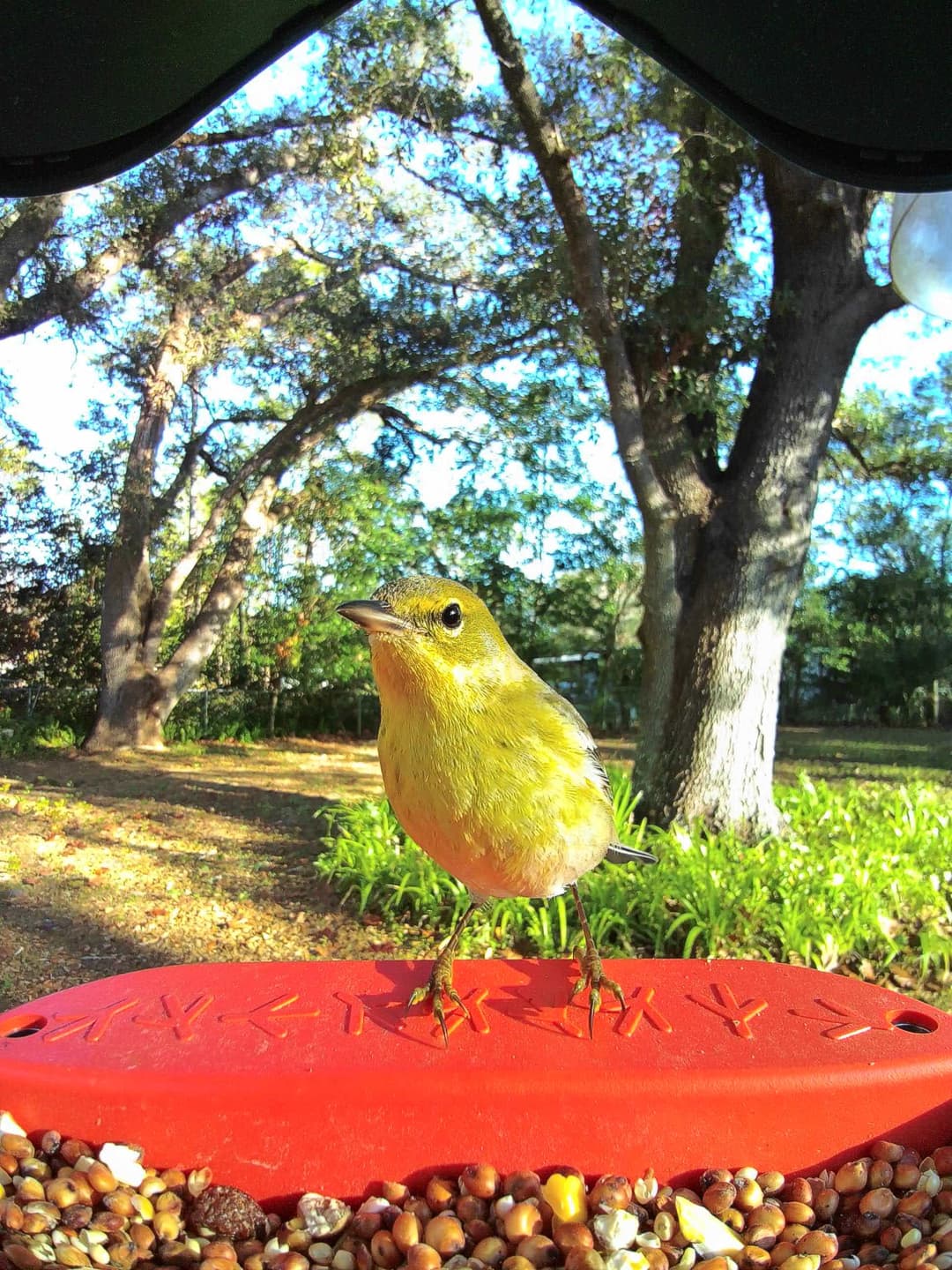
Orchard Oriole vs Pine Warbler
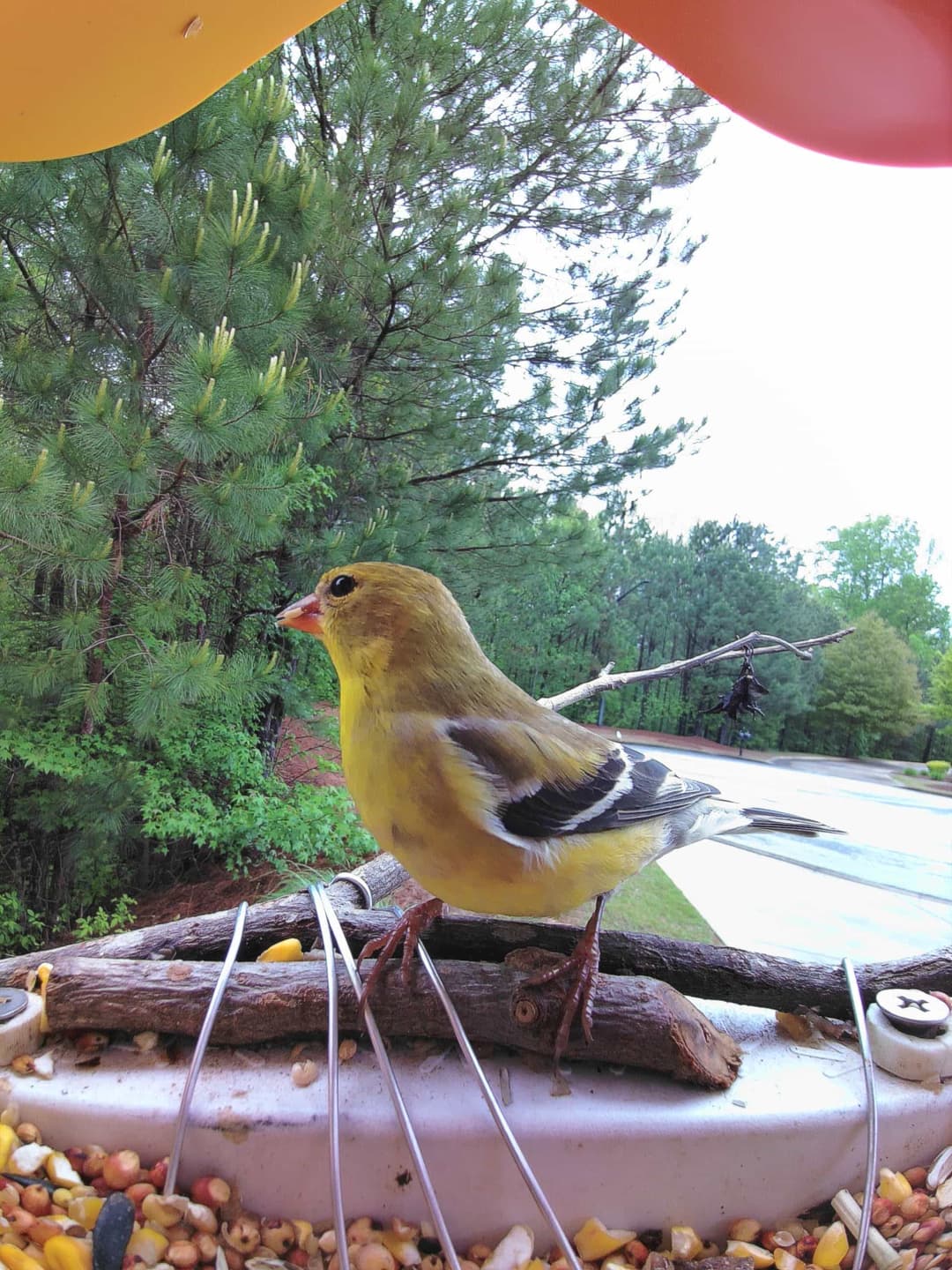
Orchard Oriole vs American Goldfinch
Audubon’s Oriole vs [Select a bird]

[Select a bird]
Pick a bird to compare
Orchard Oriole vs [Select a bird]
[Select a bird]
Pick a bird to compare