Woodlark or Song Sparrow?
Here's how to tell the difference
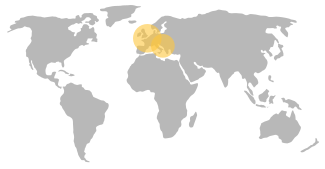


Woodlark
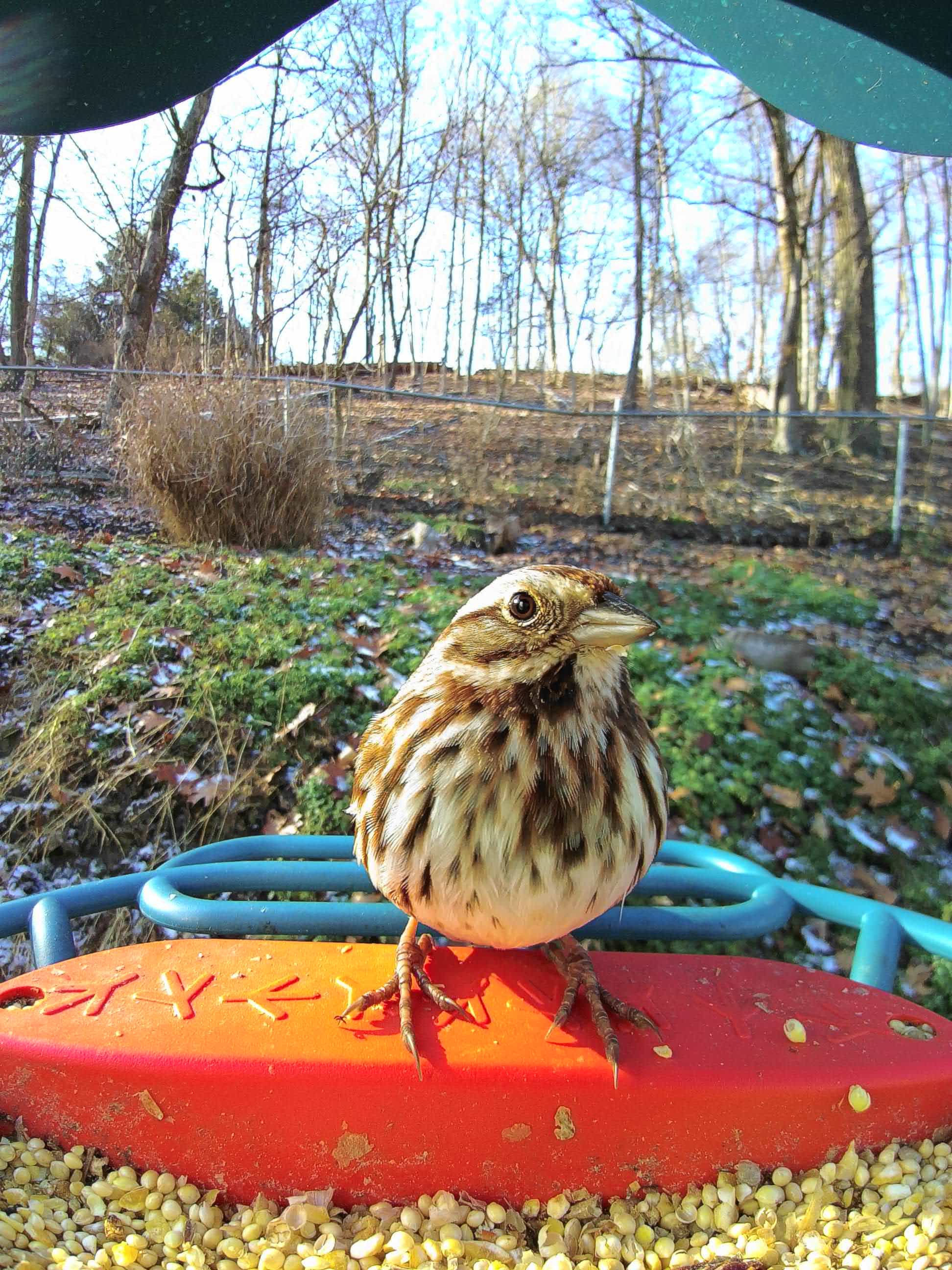


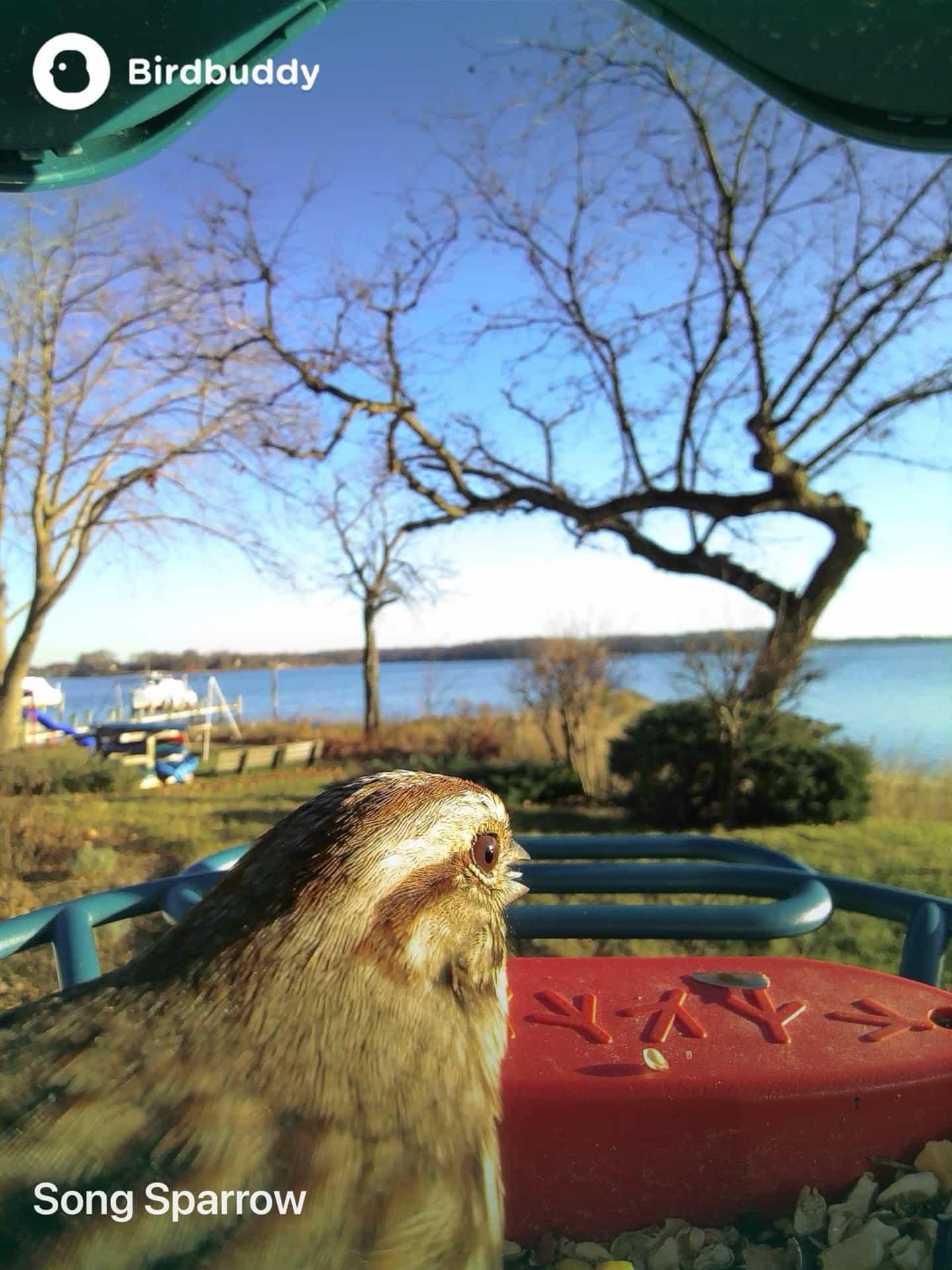

Song Sparrow
Woodlark
Lullula arborea
Also known as: Wood Lark
General appearance
The Woodlark is a small, well-camouflaged passerine bird primarily found in Europe. It has a mottled brown and cream body, effectively blending with its natural habitat of grasslands and open fields. Its upperparts showcase a warm brown hue with streaks of darker brown, while the underparts are a lighter cream or beige color with subtle streaking on the breast. The bird's face is distinctly marked with a prominent white supercilium that extends from the base of the bill to behind the eyes, contrasting against its darker cheek. Its wings are rounded, aiding in its fluttering flight patterns, and feature two pale wing bars. Its tail is comparatively short and square, often raised when perched.
Male vs female
The Woodlark exhibits minimal sexual dimorphism, meaning males and females appear remarkably similar to each other. Both sexes share the same plumage colors and patterns, making it challenging to distinguish between them in the field without behavioral observations. During the breeding season, males may appear slightly brighter or more vibrant due to increased exposure and grooming as they actively seek mates and defend territories.
Juvenile
Juvenile Woodlarks resemble adults but with subtle differences in plumage. Their feathers are generally duller and lack the breeding brilliance seen in mature birds. Juveniles often have more pronounced streaking on their underparts, providing additional camouflage in the grasslands where they spend much of their early life. It is common for juveniles to have a slightly fluffier appearance due to the fresher growth of their feathers. As they mature, the distinctions between juveniles and adults become less apparent.
Size
5.5 - 6.3 in/0.8 - 1.2 oz
There's more to learn about Woodlark
View full detailsSong Sparrow
Melospiza melodia
General appearance
A song sparrow is the size of a robin, with a fairly long tail. Its distinctive markings include a striped face and streaks on its chest, often merging into a central blotch. The bird displays a range of colors, including black, brown, gray, red, and white. Its wings are broad and its tail can be notched, rounded, or square-tipped. It is often seen in open fields.
Male vs female
Both male and female song sparrows have similar appearances, making it difficult to tell them apart by sight alone. Both genders share the same size, coloration, and physical traits, such as their striped faces, long tails, and chest markings.
Juvenile
Juvenile song sparrows have similarly colored plumage to adults but typically appear more muted. Their chest streaks may not be as prominent and can take some time to fully develop. As they mature, they grow into their characteristic markings and colorations.
Size
4.7 - 6.7 in/0.4 - 1.9 oz
There's more to learn about Song Sparrow
View full detailsHow to tell the Woodlark from the Song Sparrow
Visual differences
Visually, the Woodlark (5.5-6.3 in, 0.8-1.2 oz) has mottled brown and cream plumage with a prominent white supercilium, rounded wings with pale bars, and a short square tail. The Song Sparrow (4.7-6.7 in, 0.4-1.9 oz) features striped face and chest often merging into a central blotch, with varied colors including black, brown, gray, red, and white, and a longer tail which can be notched or rounded. Woodlarks have a more uniform warm brown upperparts, while Song Sparrows exhibit more contrasting streaking and color variety.
Key differences and behavior
Woodlarks and Song Sparrows, both ground-nesting birds, exhibit distinct behavioral differences. Woodlarks thrive in open grasslands and dry habitats across Europe, while Song Sparrows favor more diverse environments such as marshes, brushy fields, and gardens across North America. Woodlarks engage in elaborate aerial courtship displays, whereas male Song Sparrows perform fluttering ground displays. Dietarily, Woodlarks primarily consume insects, shifting to seeds in colder months, similar to Song Sparrows whose diet also includes seeds and insects, with additional crustaceans in coastal habitats. Woodlark families remain together throughout summer and fall, contrasting with the more solitary Song Sparrows, who actively defend small nesting territories. Woodlarks tend to be less frequent visitors at feeders compared to Song Sparrows, who regularly dine on available seeds.
Still not sure? Here are more lookalikes!
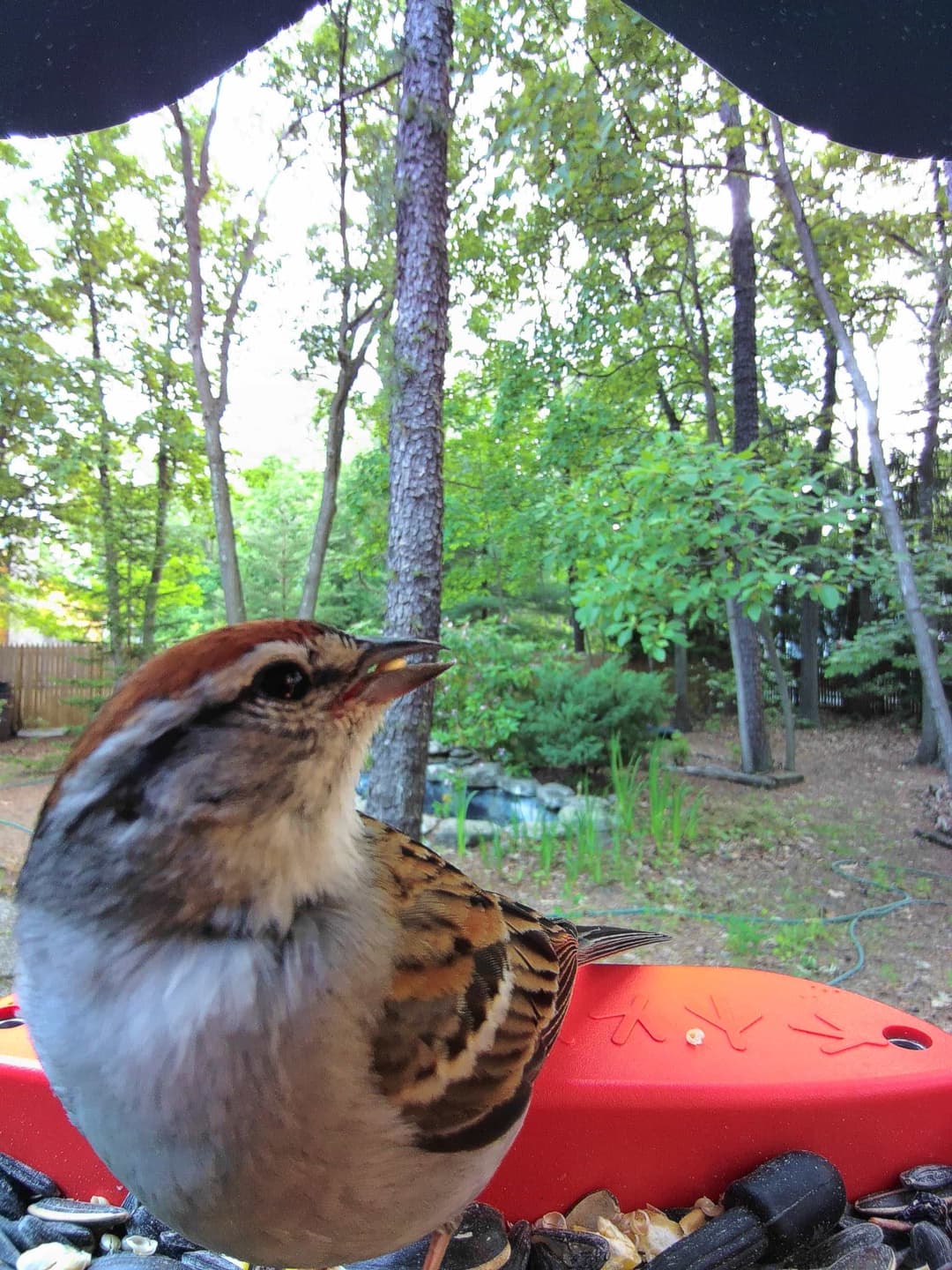
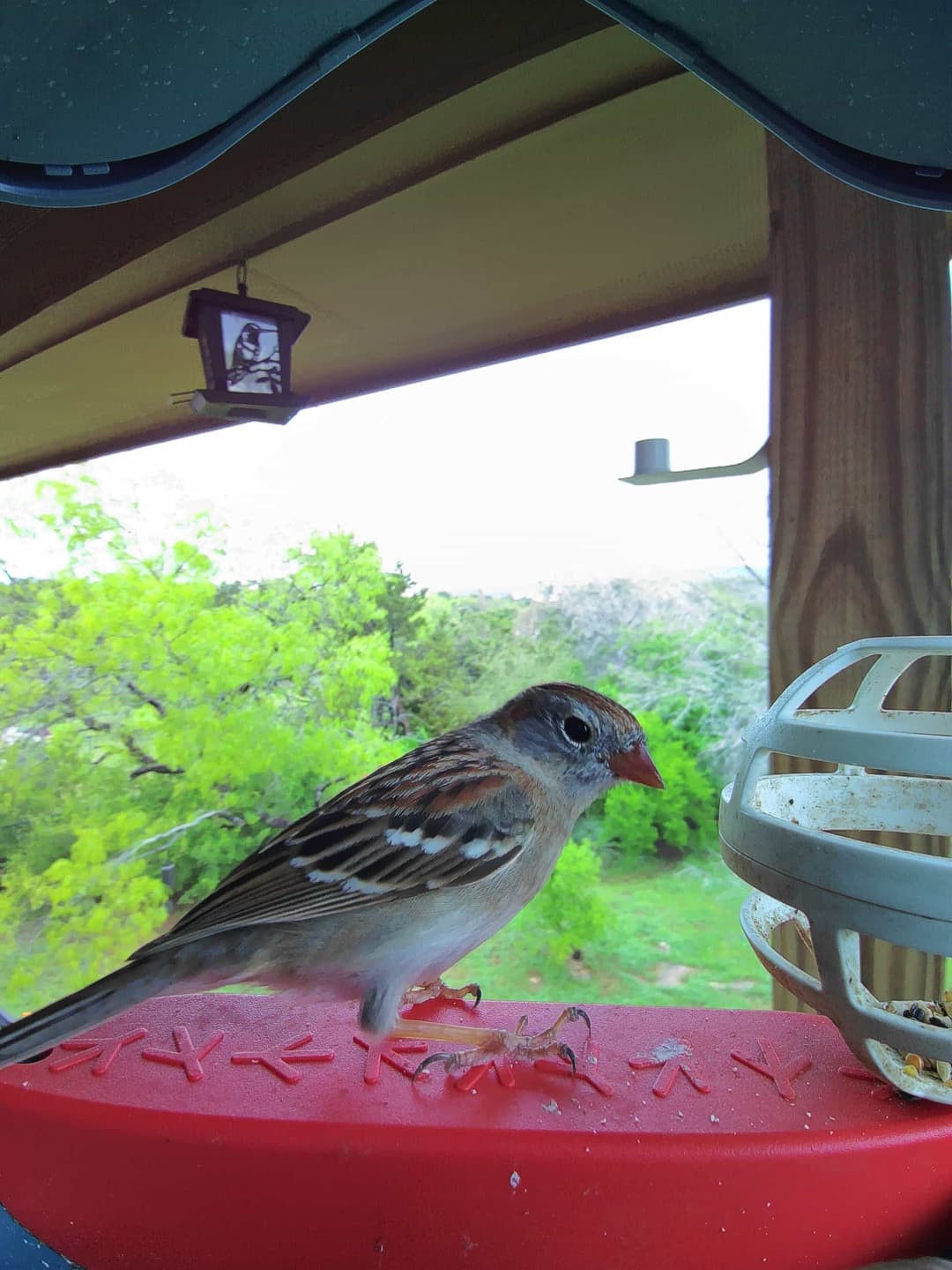
Woodlark vs Chipping Sparrow

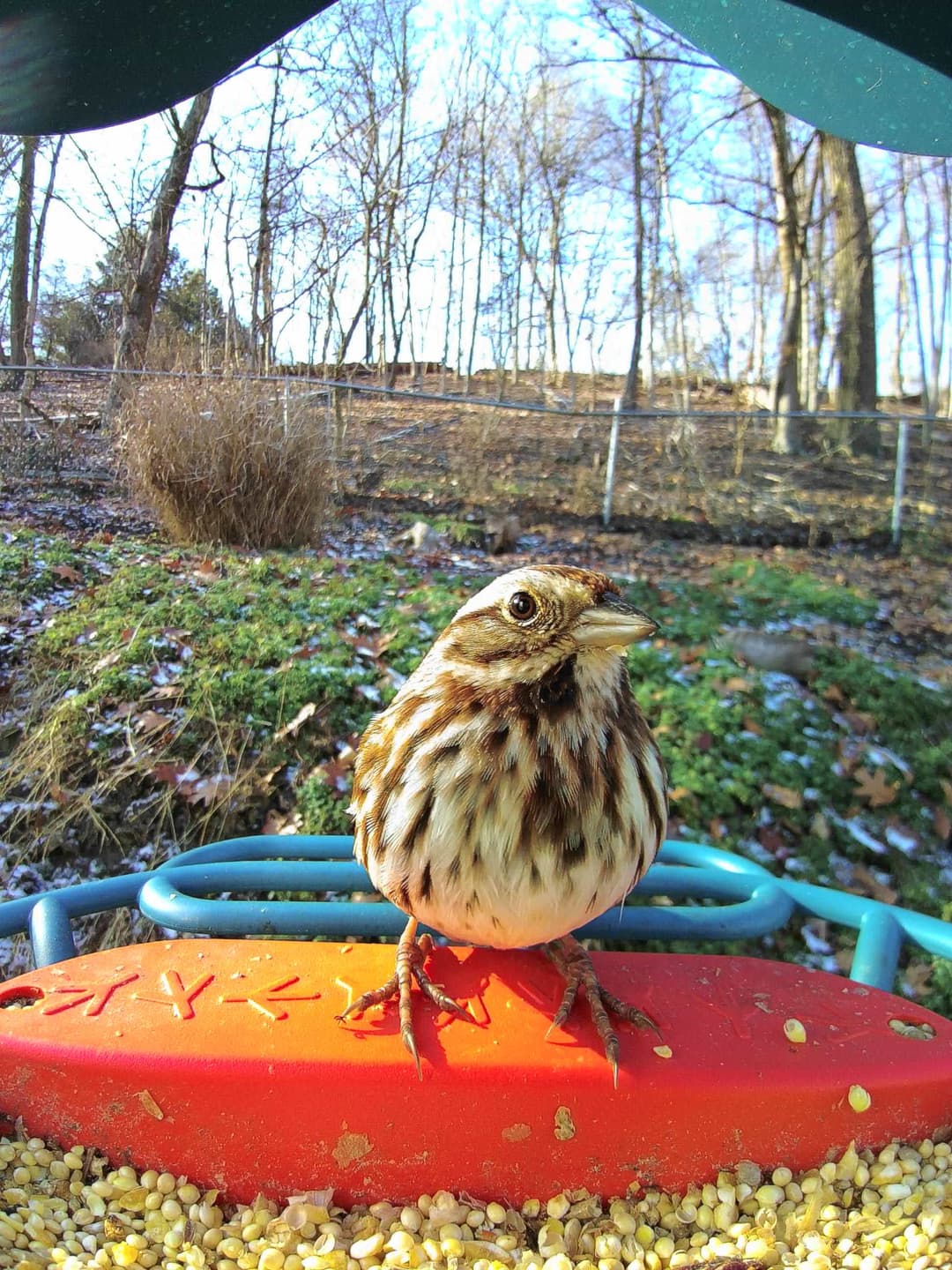
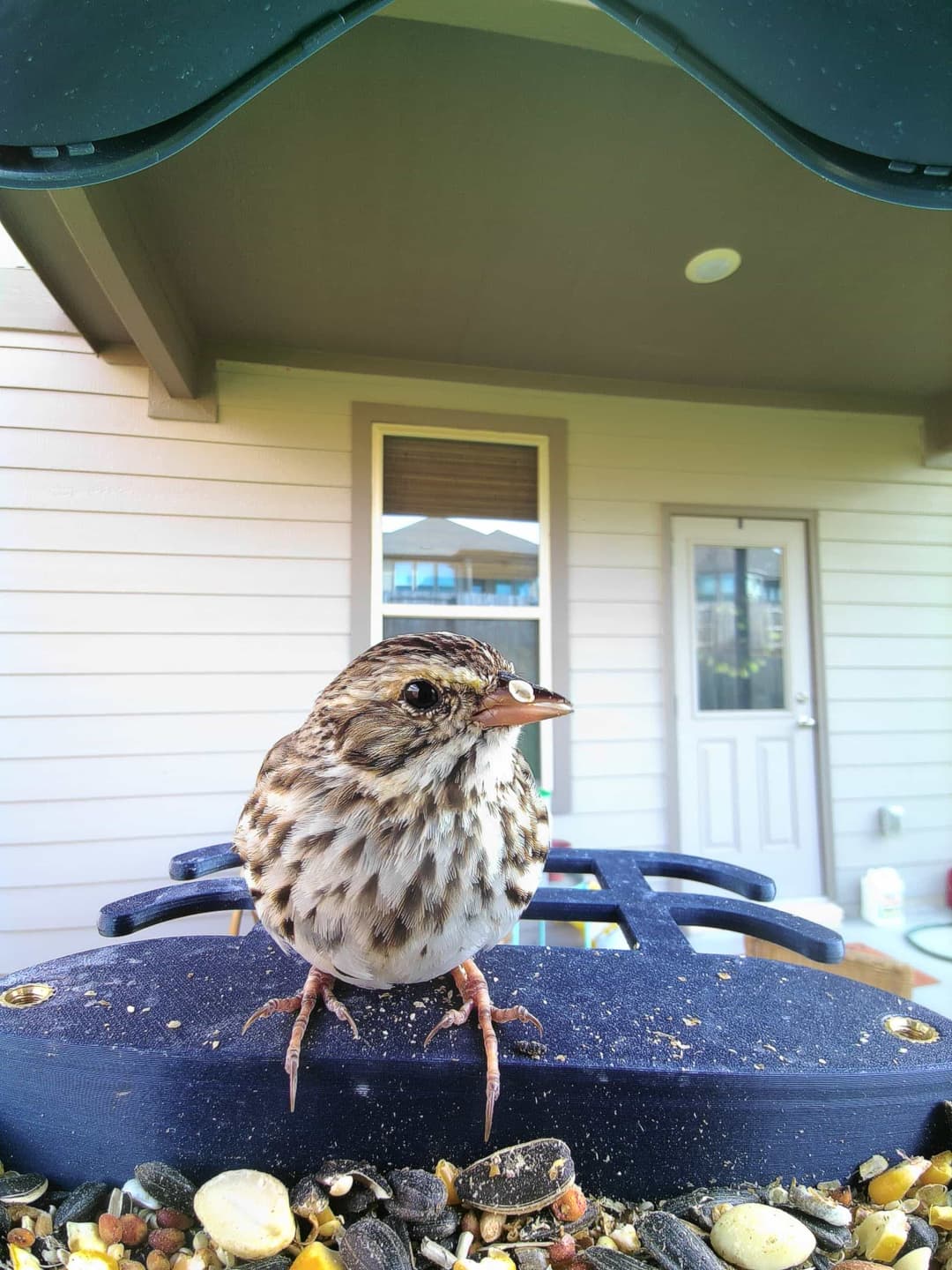
Song Sparrow vs Savannah Sparrow
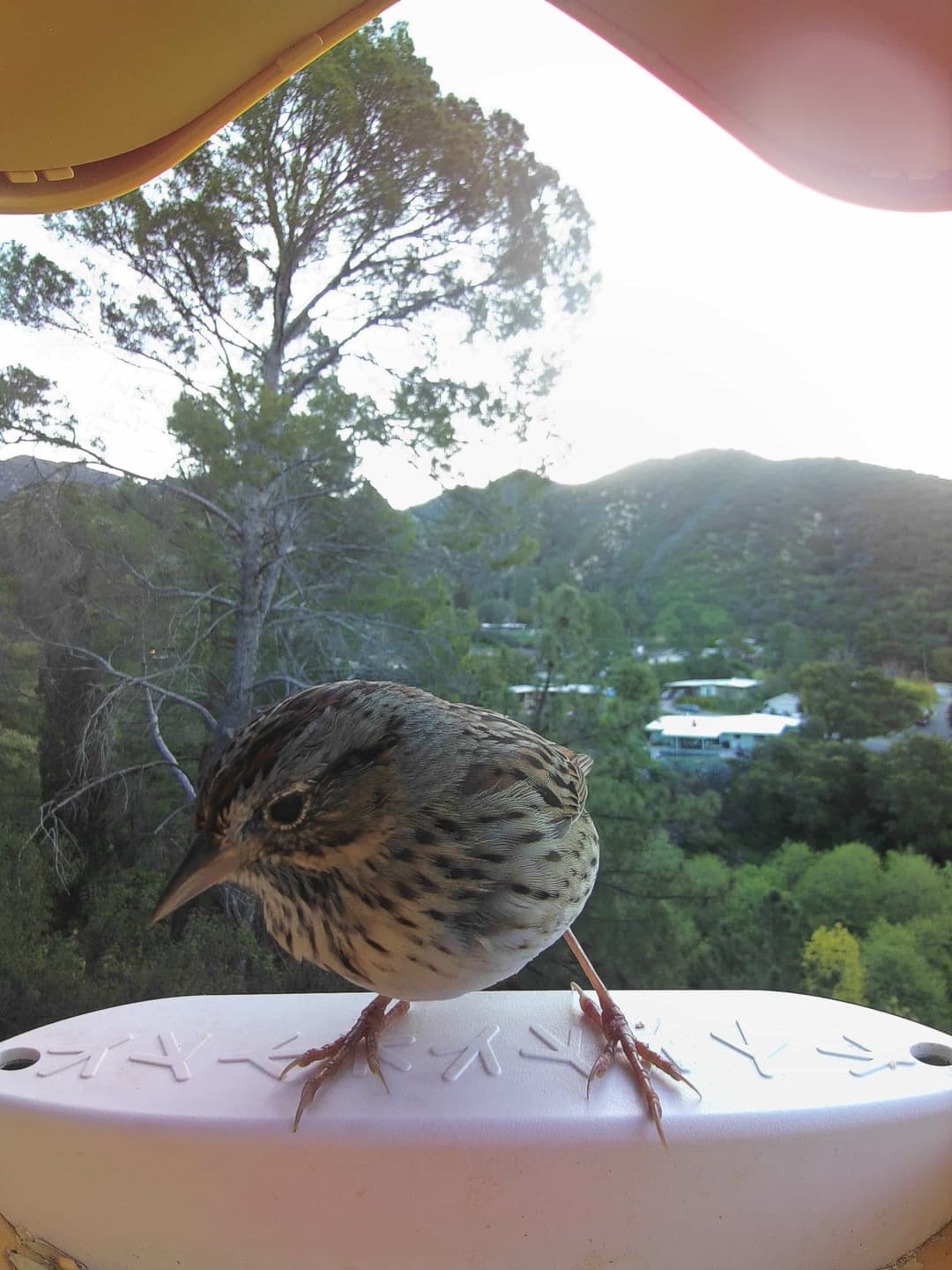
Song Sparrow vs Lincoln’s Sparrow
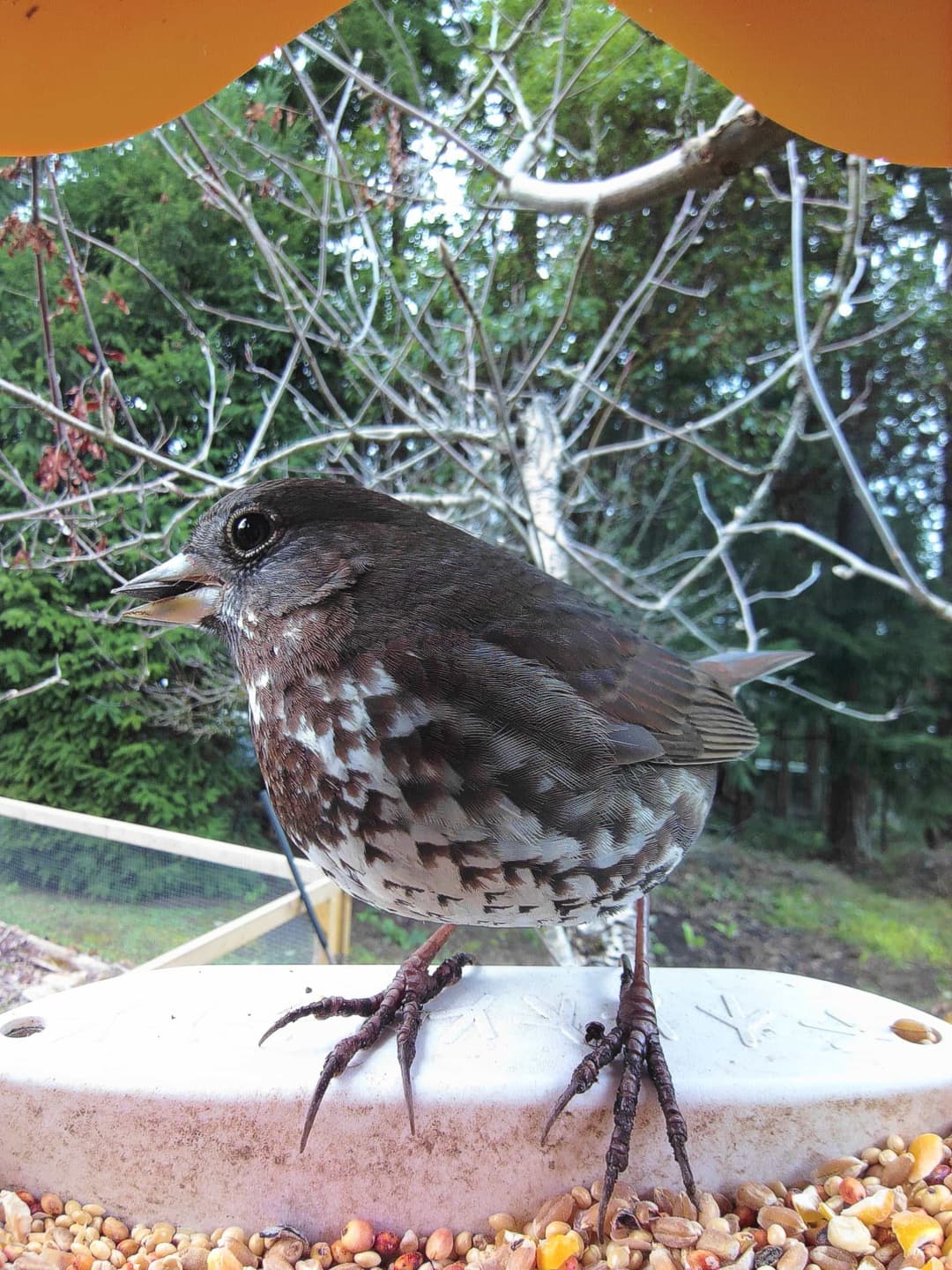
Song Sparrow vs Fox Sparrow
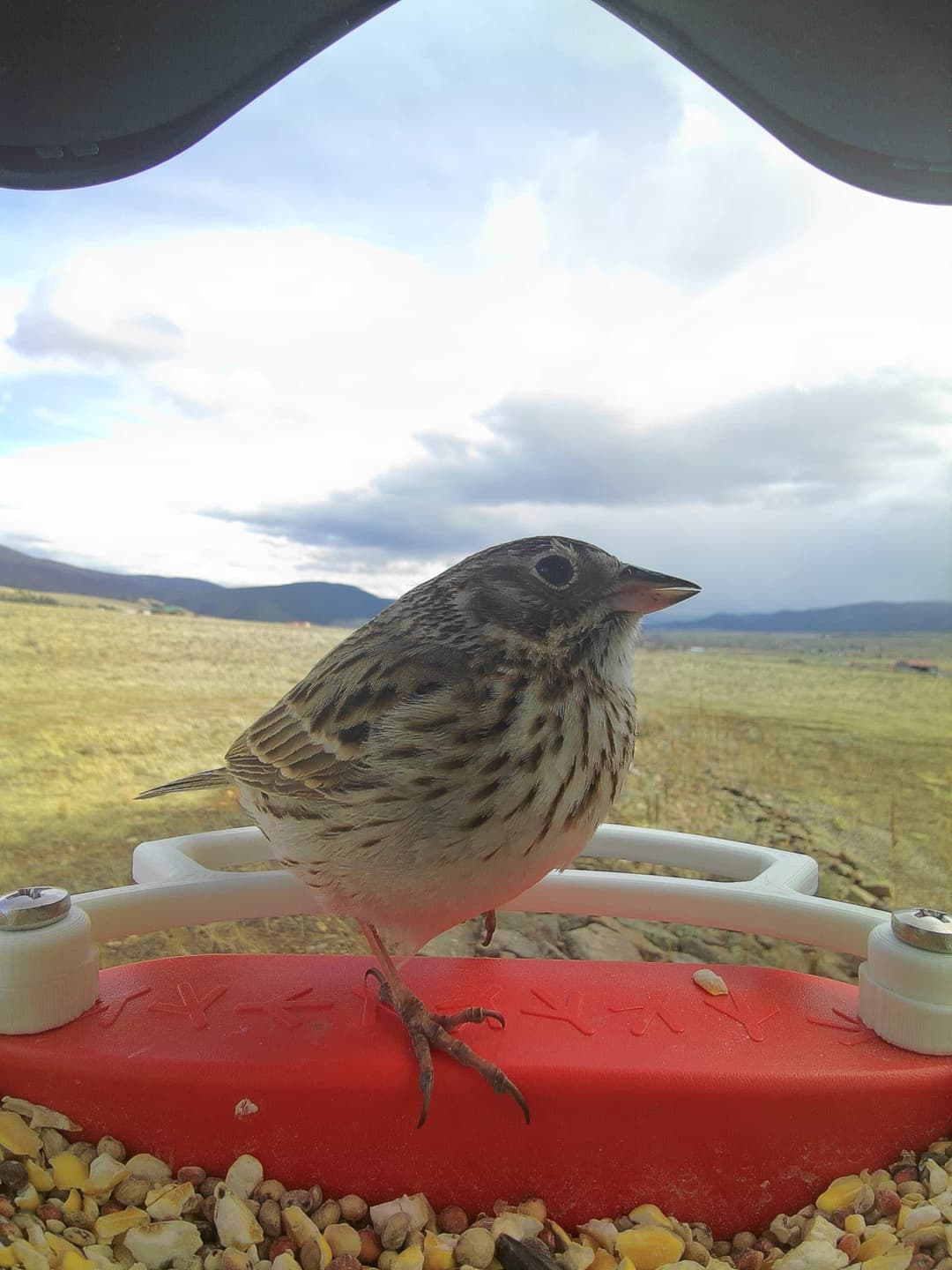
Song Sparrow vs Vesper Sparrow
Woodlark vs [Select a bird]

[Select a bird]
Pick a bird to compare
Song Sparrow vs [Select a bird]
[Select a bird]
Pick a bird to compare