
Woodlark
Woodlark
Also known as: Wood Lark
Lullula arborea
Quick Identification guide
Quick Identification guide
- •
The Woodlark features pale brown upperparts with delicate streaking, blending subtly into their surroundings
- •
Distinguished by its short tail and rounded wings, giving it a compact appearance in flight
- •
Displays a light-colored, prominent eye stripe that contrasts with its darker crown for easy recognition
What does a woodlark sound like?
The Woodlark's vocalizations are characterized by melodious, fluty songs and distinctive calls. Its song is a sweet, liquid series of rising and falling notes, often delivered in a sequence with a mellow, musical tone. This song is typically performed in a display flight or from a perch. The Woodlark's calls include a soft, mellow "tiu" or "loo-ee" and a more rapid, chattering "trrp-trrp". These vocalizations are used for communication, mating, and territory establishment, contributing to the bird's recognition as a talented songster in its habitat.
Description
Female woodlarks have a pretty packed schedule come incubation time! They are tasked with sitting on the nest for 45 minutes before they can take an eight-minute snack break, and then it's back to the nest for them! However, both mum and dad feed the chicks once they hatch, and after they fledge the family stays together all through summer and autumn.
The woodlark can weigh between 23to35grams and be from14to16centimeters tall.
The typical lifespan of the Woodlark (Lullula arborea) is around 2-5 years in the wild. In comparison, the closely related Skylark (Alauda arvensis) has a similar lifespan, often living up to 2-3 years. However, both species have been known to live longer under optimal conditions. Longevity is influenced by factors such as predation, habitat quality, and food availability. Woodlarks share habitats with other lark species but can be distinguished by their melodious song and specific preference for wooded heaths, differentiating their ecological niche from other larks with broader habitat adaptations.
Did you know?
Most popular questions about woodlark
How to recognise a woodlark?
General appearance
The Woodlark is a small, well-camouflaged passerine bird primarily found in Europe. It has a mottled brown and cream body, effectively blending with its natural habitat of grasslands and open fields. Its upperparts showcase a warm brown hue with streaks of darker brown, while the underparts are a lighter cream or beige color with subtle streaking on the breast. The bird's face is distinctly marked with a prominent white supercilium that extends from the base of the bill to behind the eyes, contrasting against its darker cheek. Its wings are rounded, aiding in its fluttering flight patterns, and feature two pale wing bars. Its tail is comparatively short and square, often raised when perched.
Male vs female
The Woodlark exhibits minimal sexual dimorphism, meaning males and females appear remarkably similar to each other. Both sexes share the same plumage colors and patterns, making it challenging to distinguish between them in the field without behavioral observations. During the breeding season, males may appear slightly brighter or more vibrant due to increased exposure and grooming as they actively seek mates and defend territories.
Juvenile
Juvenile Woodlarks resemble adults but with subtle differences in plumage. Their feathers are generally duller and lack the breeding brilliance seen in mature birds. Juveniles often have more pronounced streaking on their underparts, providing additional camouflage in the grasslands where they spend much of their early life. It is common for juveniles to have a slightly fluffier appearance due to the fresher growth of their feathers. As they mature, the distinctions between juveniles and adults become less apparent.
Often mistaken for
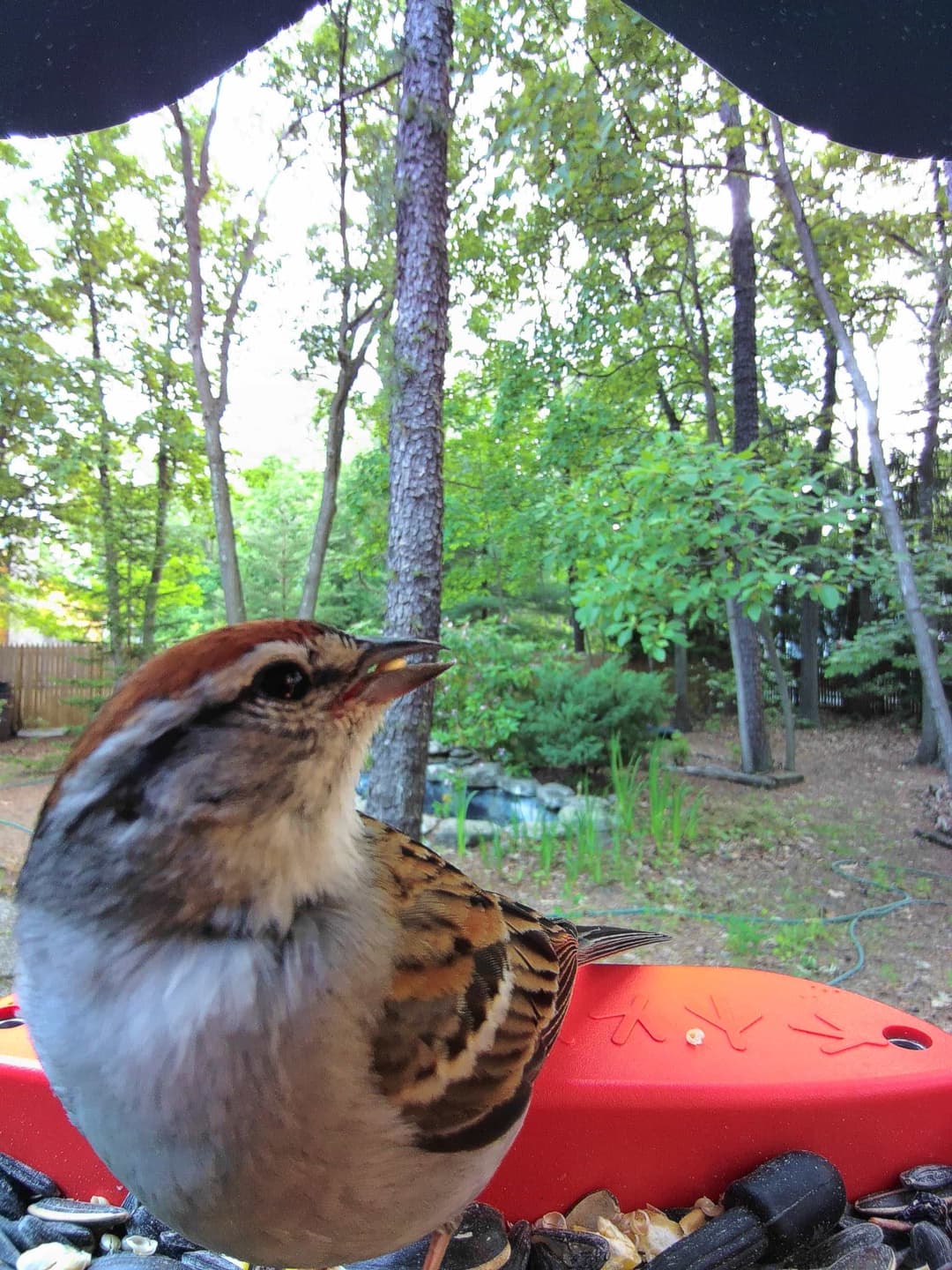
Chipping Sparrow vs Woodlark
The Chipping Sparrow has a similar brown streaked pattern to the Woodlark. However, its crown is more distinctly rusty, and it has a clearer, whiter underside. Its bill is thinner and more pointed than the Woodlark's.
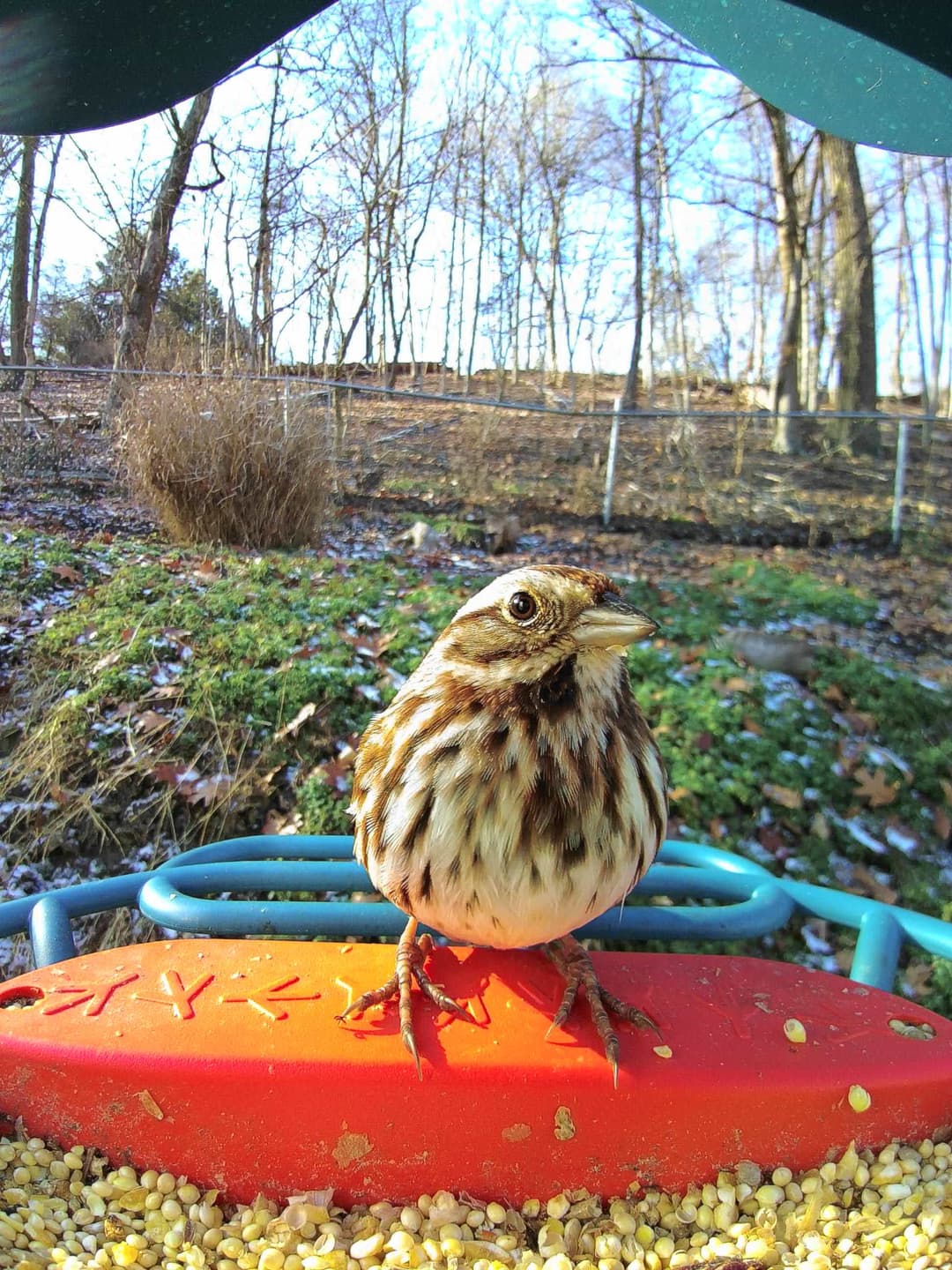
Song Sparrow vs Woodlark
The Song Sparrow is often mistaken for the Woodlark due to its brown streaks. Key differences include a broader central spot on the breast and its consistent use of open areas such as fields, contrasting with the Woodlark's preference for forest clearings.
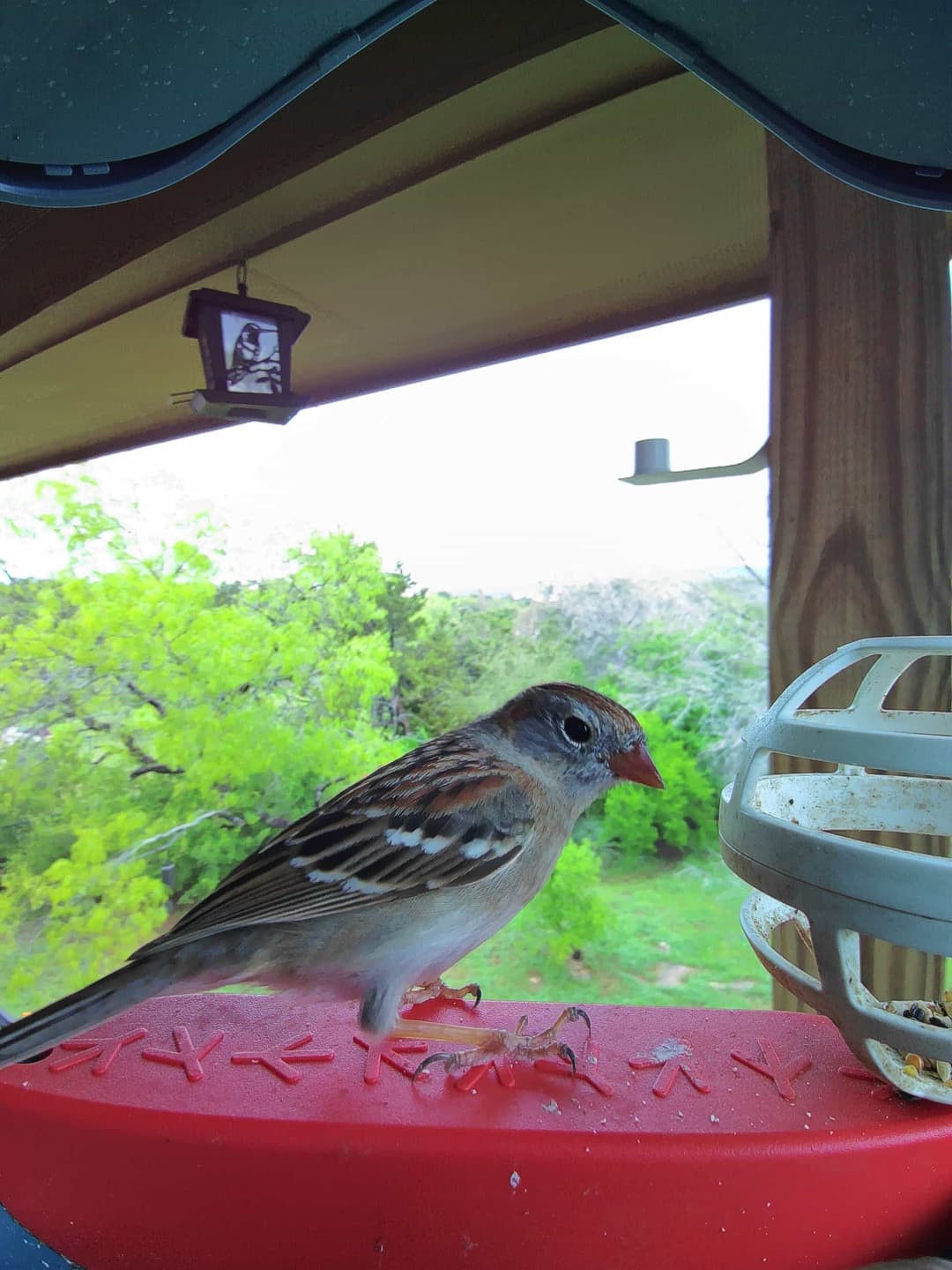
Field Sparrow vs Woodlark
The Field Sparrow resembles the Woodlark in its earthy tones. Look for its salmon-colored bill and a distinct white eye-ring, setting it apart from the Woodlark's plainer facial features and stockier build.
Breeding and nesting habits of the woodlark
Mating Behaviors
The Woodlark is known for its elaborate courtship displays that often occur both on the ground and in the air. Males exhibit remarkable song flights, during which they sing melodiously while performing undulating flights, showcasing their prowess and attracting potential mates. These displays are integral to establishing and maintaining territories, as well as bonding with a mate. Mating pairs, once formed, often remain together for the breeding season.
Nesting Details
Woodlarks typically prefer open habitats such as heathlands, grasslands, and occasionally, lightly wooded areas. They are ground-nesters, creating well-concealed nests in dense vegetation to shield them from predators. The nests, often a simple cup shape, are constructed using a combination of grass, moss, and twigs. Although they do not commonly nest in gardens, providing a natural, undisturbed patch with tall grass might attract them if other conditions are favorable.
Eggs and Chick-rearing
A Woodlark clutch usually consists of 3 to 5 eggs, which are incubated primarily by the female for about 11 to 14 days. Upon hatching, both parents take part in feeding the chicks, providing a diet rich in insects and small invertebrates. The chicks fledge roughly 10 to 12 days after hatching but remain dependent on parental care for a short period thereafter, as they learn to forage and become more independent.
What does a woodlark like to eat?
Insects
Plants
Seeds
Natural Diet
Woodlarks have a diverse diet that consists primarily of ground-dwelling insects and their larvae, making them adept foragers among grasslands and open woodlands. They consume a variety of arthropods such as beetles, ants, and possibly spiders, which provide essential proteins needed for growth and energy. During the spring and early summer months, their diet tends heavily towards animal protein to support breeding and chick rearing. As the seasons progress into autumn and winter, Woodlarks shift to include more plant-based materials, such as seeds from grasses and weeds, providing them with necessary fats and carbohydrates as insect availability declines. Adaptable in nature, Woodlarks also occasionally indulge in small fruits and berries when available, accessing additional vitamins and minerals each season.
Bird Feeders
At bird feeders, Woodlarks may occasionally visit if natural food sources become scarce. They are most likely to consume offerings such as seed mixes that contain small seeds, like millet and canary seeds, which mimic those found in their natural habitats. Suet blocks that include insects could also appeal to them, providing fat and protein. While not as attracted to fruit offerings, Woodlarks might sample soft berries if presented. Despite their less frequent visits compared to garden birds, ensuring a ground feeder is stocked during colder months may invite occasional Woodlark visitors.
Choose the perfect feeder for woodlarks
Woodlarks prefer platform feeders that allow them to forage comfortably in an open space. Opt for a covered platform feeder to provide shelter from rain and prevent seeds from becoming soggy. This will create a welcoming environment that mimics their natural foraging habits.
Provide woodlark's favorite foods
Create an irresistible menu with seeds such as millet, oats, and cracked corn, which are favored by Woodlarks. The addition of Bird Buddy seeds will enhance the assortment, providing a nutritious and appealing food source that these birds can't resist.
Strategic feeder placement
Position your feeder at ground level or slightly above, as Woodlarks are ground feeders. Place it in an open yet safe area, away from dense shrubbery to prevent predator threats but close enough to trees for quick retreats. This aligns with their natural habitat preferences.
Seasonal feeding considerations
While Woodlarks can be spotted year-round, their activity peaks during spring and autumn migrations. These seasons are ideal times to increase food abundance and ensure that your feeder is well-maintained and stocked with their favorite seeds.
Enhance your backyard with water sources
A clean and shallow birdbath will attract Woodlarks by providing a reliable water source. Place the birdbath near the feeder but slightly apart to reduce competition, ensuring it's easily accessible. Refresh the water regularly to keep it clean and inviting.
Where can you find woodlarks?
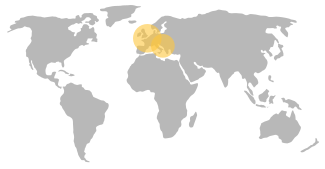
Woodlark habitat guide
1. Primary habitat - Woodlarks primarily inhabit open, dry sandy or chalky habitats characterized by sparse vegetation, heaths, grasslands, and young plantations. They are mainly found across Western Europe, including the UK, Spain, France, and parts of Scandinavia. They prefer regions with warm summers and mild winters, often avoiding densely populated forested areas. 2. Additional range - While typically seen in traditional open landscapes, Woodlarks may also adapt to reclaimed industrial sites, cleared forest areas, or occasionally agricultural lands. Their ability to adapt to these environments demonstrates their resilience and versatility in finding suitable nesting and feeding grounds.
Do they migrate?
The Woodlark (Lullula arborea) exhibits partial migratory behavior, with its movements varying by geographical region. Populations in warmer climates, such as those in southern and western Europe, tend to be resident or make only short-distance movements. Meanwhile, populations in northern and eastern Europe, such as those in the UK, Scandinavia, and parts of central Europe, demonstrate migratory behavior. These northern and eastern populations typically migrate southwestwards for the winter. Migration generally occurs from September to November, with birds traveling to more temperate regions like the Mediterranean Basin, including Spain, Italy, and the southern coast of France. Some may reach North Africa. Key wintering locations include the Iberian Peninsula and southern France, where milder climates offer suitable foraging conditions. Woodlarks rely on open habitats with scattered trees, such as heathlands, open woodlands, and farmlands, both during breeding in summer and winter. In spring, typically from March to April, Woodlarks return to their breeding grounds in northern areas. Migration routes are not strictly defined corridors but are influenced by prevalent weather patterns and habitat availability along the way. This partial migration ensures that Woodlarks can exploit favorable conditions throughout the year.
What is the role of woodlarks in nature and how to protect them?
Conservation status
The Woodlark is currently classified as a species of Least Concern on the conservation status scale, indicating that it is relatively common and not at immediate risk. However, certain populations face threats due to habitat loss from agricultural expansion and urban development. Key conservation efforts include habitat management practices such as maintaining open grasslands and heathlands, which are crucial for their survival. Efforts are also in place to monitor population trends and protect breeding sites from destruction or disturbance. Continued vigilance is necessary to mitigate potential future risks.
Ecological role of woodlarks
Its role in the ecosystem
The Woodlark (Lullula arborea) plays an integral role in maintaining ecological balance in its habitats. Primarily insectivorous, the Woodlark actively consumes a variety of insects, including beetles and caterpillars, which helps control pest populations naturally. This feeding behavior is crucial for preventing overpopulation of certain insects that can damage vegetation and crops. In addition to pest control, the Woodlark contributes to seed dispersal. Although not primarily a seed-eating species, it inadvertently aids seed propagation by disturbing ground soil. This behavior encourages germination and growth of various plant species, promoting biodiversity and healthy plant communities. While the Woodlark does not directly contribute to pollination due to its insectivore diet, it indirectly supports plant ecosystems by enhancing overall habitat quality. Through their droppings, they contribute to nutrient cycling, which enriches soil health and supports diverse flora. The Woodlark's nesting habits involve creating grass-lined shallow nests on the ground, which can influence vegetation structure by trimming and maintaining grass growth. Additionally, the presence of the Woodlark enriches biodiversity, offering prey for predatory species and contributing to complex food web dynamics, thereby sustaining the ecological equilibrium.
How to help protect woodlarks
Preservation tips
Habitat preservation strategies
Supporting the Woodlark involves active participation in habitat protection efforts. Engage with conservation organizations dedicated to preserving the Woodlark's habitat by donating or volunteering, aiding in land management and restoration activities. Advocating for policies that prioritize habitat preservation is essential. Participate in or organize local lobbying efforts urging officials to protect natural landscapes. Encourage local municipalities or county officials to earmark protected zones for Woodlark habitation. Landowners in regions where the Woodlark is found can play a key role by maintaining and restoring heathlands and open woodlands, ensuring these areas remain suitable by managing vegetation, controlling invasive species, and maintaining the grassland structure that Woodlarks prefer.
Community science initiatives
Individuals and communities can contribute significantly through community science initiatives. Engage with bird monitoring programs that track Woodlark populations, using platforms like eBird to record sightings and help scientists gather important data. Participation in local bird surveys and sharing results with conservation groups can enrich the research base, aiding in effective conservation planning. Promoting awareness campaigns within your community can amplify the understanding and need for Woodlark preservation. Workshops, educational programs in schools, or nature walks can serve as effective tools. Encourage neighbors to manage gardens and yards in a way that supports native bird populations, creating small sanctuaries for Woodlarks and other bird species.