White-Throated Sparrow or Song Sparrow?
Here's how to tell the difference





White-Throated Sparrow
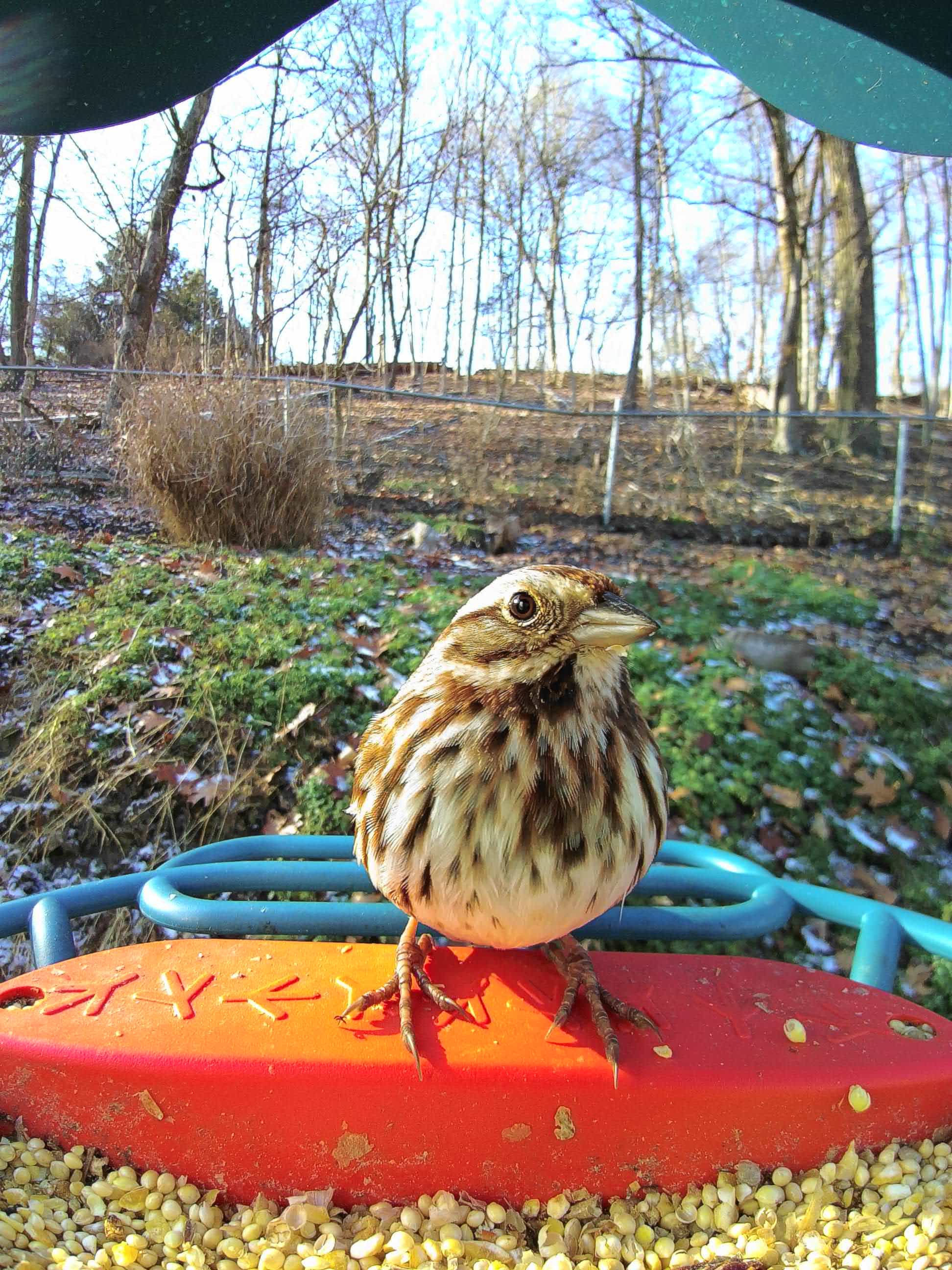




Song Sparrow
White-Throated Sparrow
Zonotrichia albicollis
General appearance
The white-throated sparrow is about the size of a Robin or Sparrow, measuring 6-7 inches or 15-18 cm in length. The bird sports a distinctive white throat which contrasts against a dark bill. This sparrow has a variety of colors in its plumage; black, brown, gray, white, and yellow. A yellow spot in front of the bird's eye marks a unique physical trait. The bird's wings are broad and its tail shape varies from notched, rounded to square-tipped.
Male vs female
Both male and female white-throated sparrows exhibit two color morphs, namely white-striped and tan-striped. However, white-striped birds tend to pair off with tan-striped birds, suggesting some visual differences between the sexes which may not be readily discernible to the human eye.
Juvenile
Juvenile white-throated sparrows or 'first-winter' birds may not be as visually vibrant as their adult counterparts. They display a duller color palette with blurry streaks that appear below their bodies. As they age, they will develop the clear, contrasting color patterns distinctive of this species.
Size
5.9 - 6.7 in/0.7 - 1.2 oz
There's more to learn about White-Throated Sparrow
View full detailsSong Sparrow
Melospiza melodia
General appearance
A song sparrow is the size of a robin, with a fairly long tail. Its distinctive markings include a striped face and streaks on its chest, often merging into a central blotch. The bird displays a range of colors, including black, brown, gray, red, and white. Its wings are broad and its tail can be notched, rounded, or square-tipped. It is often seen in open fields.
Male vs female
Both male and female song sparrows have similar appearances, making it difficult to tell them apart by sight alone. Both genders share the same size, coloration, and physical traits, such as their striped faces, long tails, and chest markings.
Juvenile
Juvenile song sparrows have similarly colored plumage to adults but typically appear more muted. Their chest streaks may not be as prominent and can take some time to fully develop. As they mature, they grow into their characteristic markings and colorations.
Size
4.7 - 6.7 in/0.4 - 1.9 oz
There's more to learn about Song Sparrow
View full detailsHow to tell the White-Throated Sparrow from the Song Sparrow
Visual differences
The White-Throated Sparrow (6-7 inches) features a distinctive white throat, dark bill, and a notable yellow spot near the eye, with color morphs of white or tan stripes. The Song Sparrow (5-7 inches) has a striped face, streaked chest converging into a central blotch, and primarily brown, gray, and red tones. Both have broad wings and varying tail shapes, yet the song sparrow often possesses a longer tail. While both species inhabit diverse habitats, their size, throat coloring, and specific plumage patterns help distinguish them visually.
Key differences and behavior
The White-Throated Sparrow (WTSP) and Song Sparrow (SS) differ notably in behavior and habitat. WTSPs exhibit distinctive genetic color morphs influencing aggression and mate preference, often choosing opposite morphs, while SS pairs are visually similar with overlapping territories. WTSPs inhabit coniferous woodland undergrowth, transitioning to dense low-cover areas in winter, compared to SS's varied habitats, including thickets and gardens. Both forage primarily on the ground, but WTSPs shift from insects in breeding season to winter seeds, similar to SSs. SS are noted for their frequent, varied singing, especially in spring, enhancing their distinctiveness. Both species nest predominantly on or near the ground, with females primarily responsible for construction and incubation. Both frequently visit feeders, preferring similar seeds. WTSP's mating with Juncos and the distinct spring song patterns of SS further distinguish these two sparrows in the field.
Still not sure? Here are more lookalikes!
White-Throated Sparrow vs White-Crowned Sparrow


White-Throated Sparrow vs Golden-Crowned Sparrow
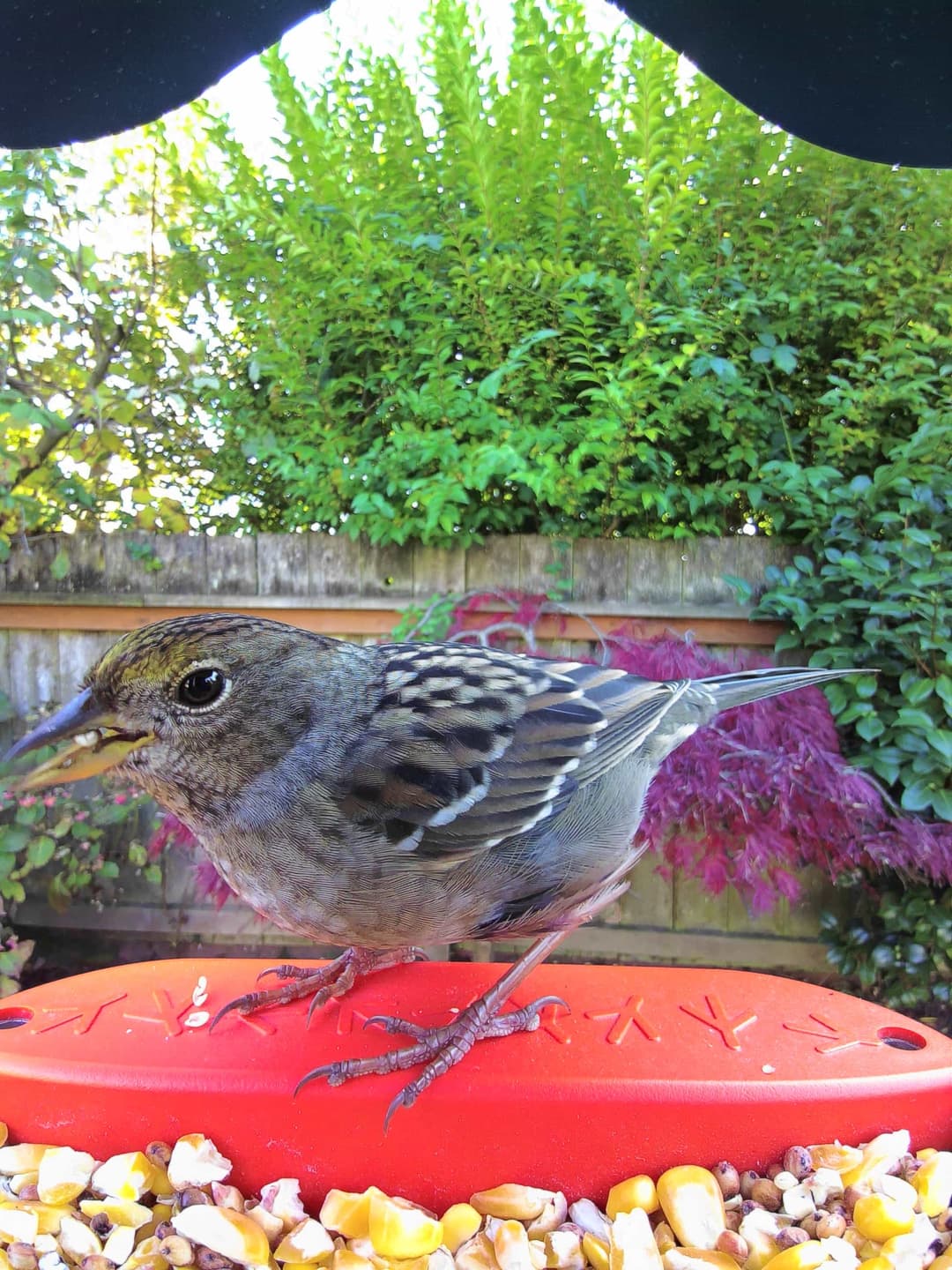
Song Sparrow vs Savannah Sparrow
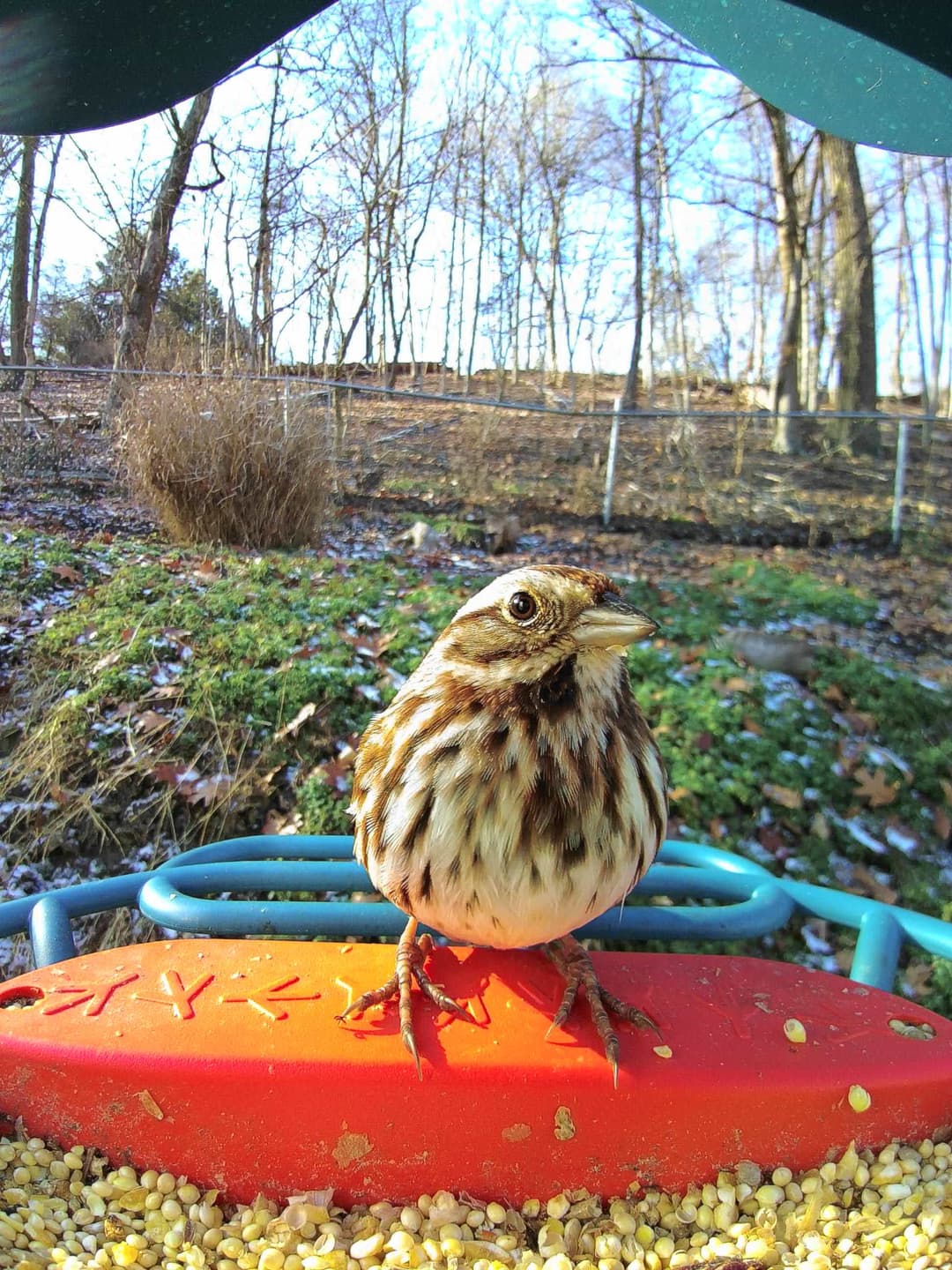
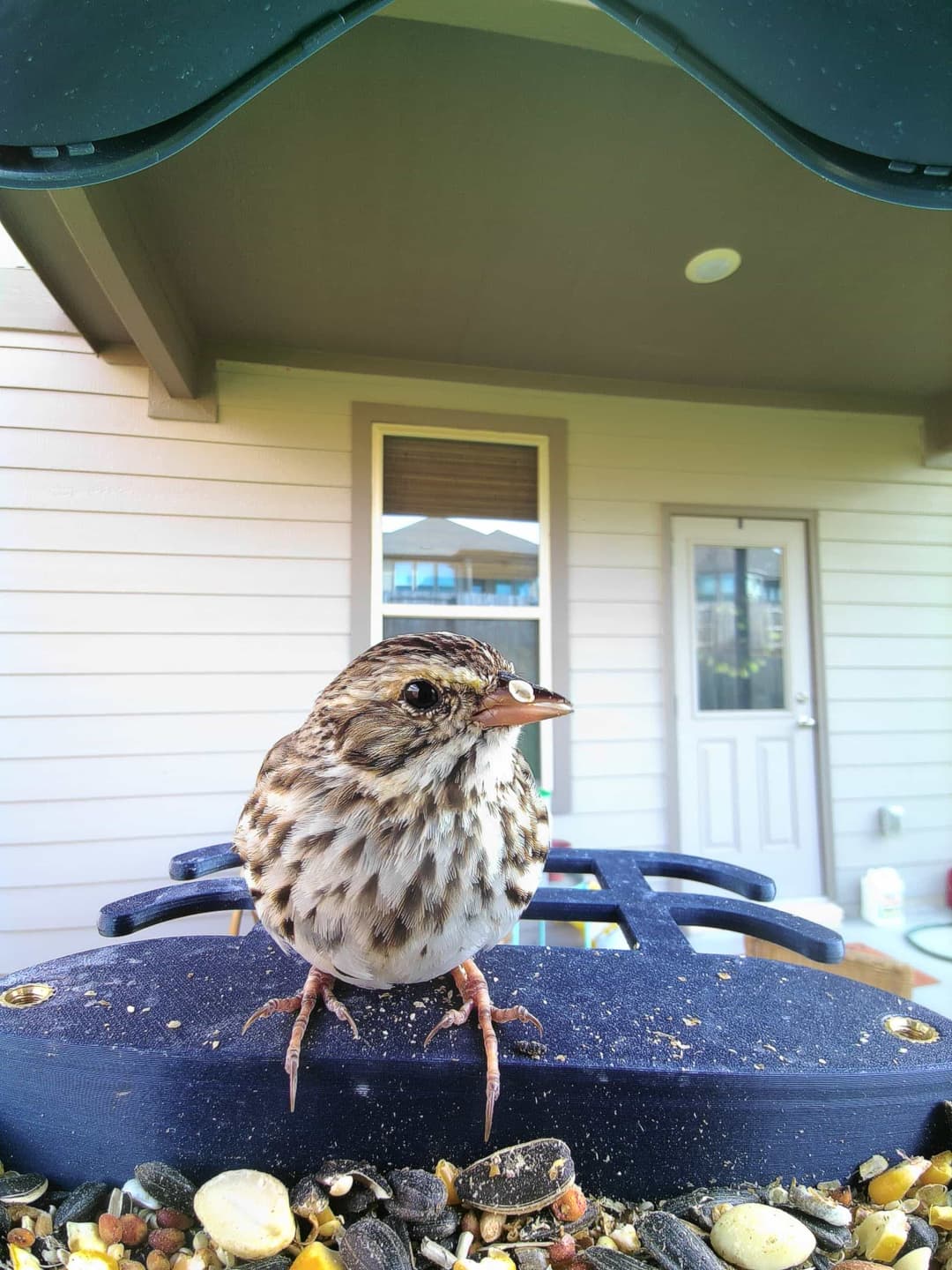
Song Sparrow vs Lincoln’s Sparrow

Song Sparrow vs Fox Sparrow
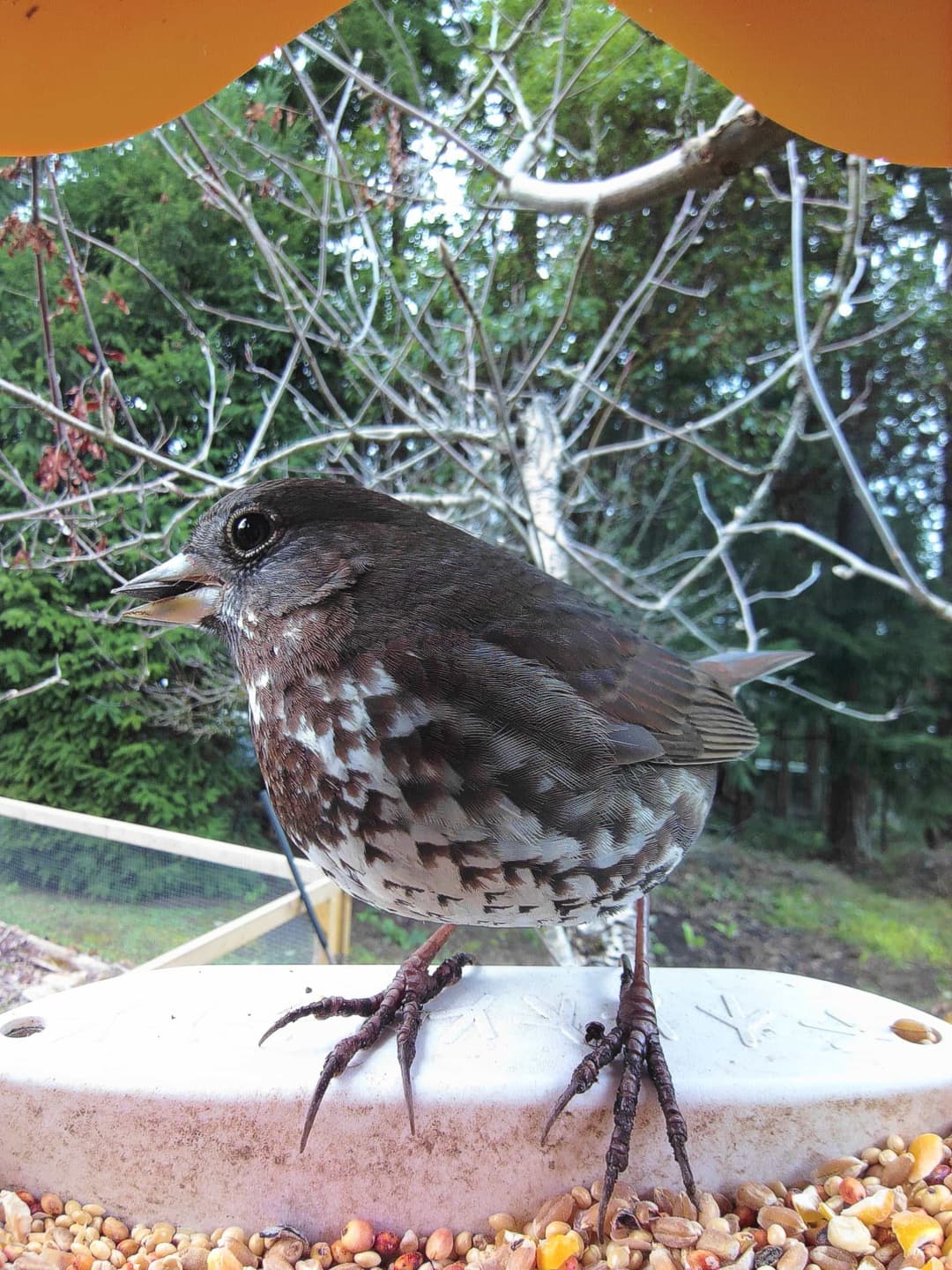
Song Sparrow vs Vesper Sparrow

White-Throated Sparrow vs [Select a bird]

[Select a bird]
Pick a bird to compare
Song Sparrow vs [Select a bird]
[Select a bird]
Pick a bird to compare