Southern Gray-Headed Sparrow or House Sparrow?
Here's how to tell the difference
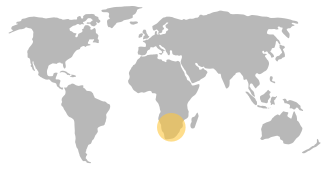



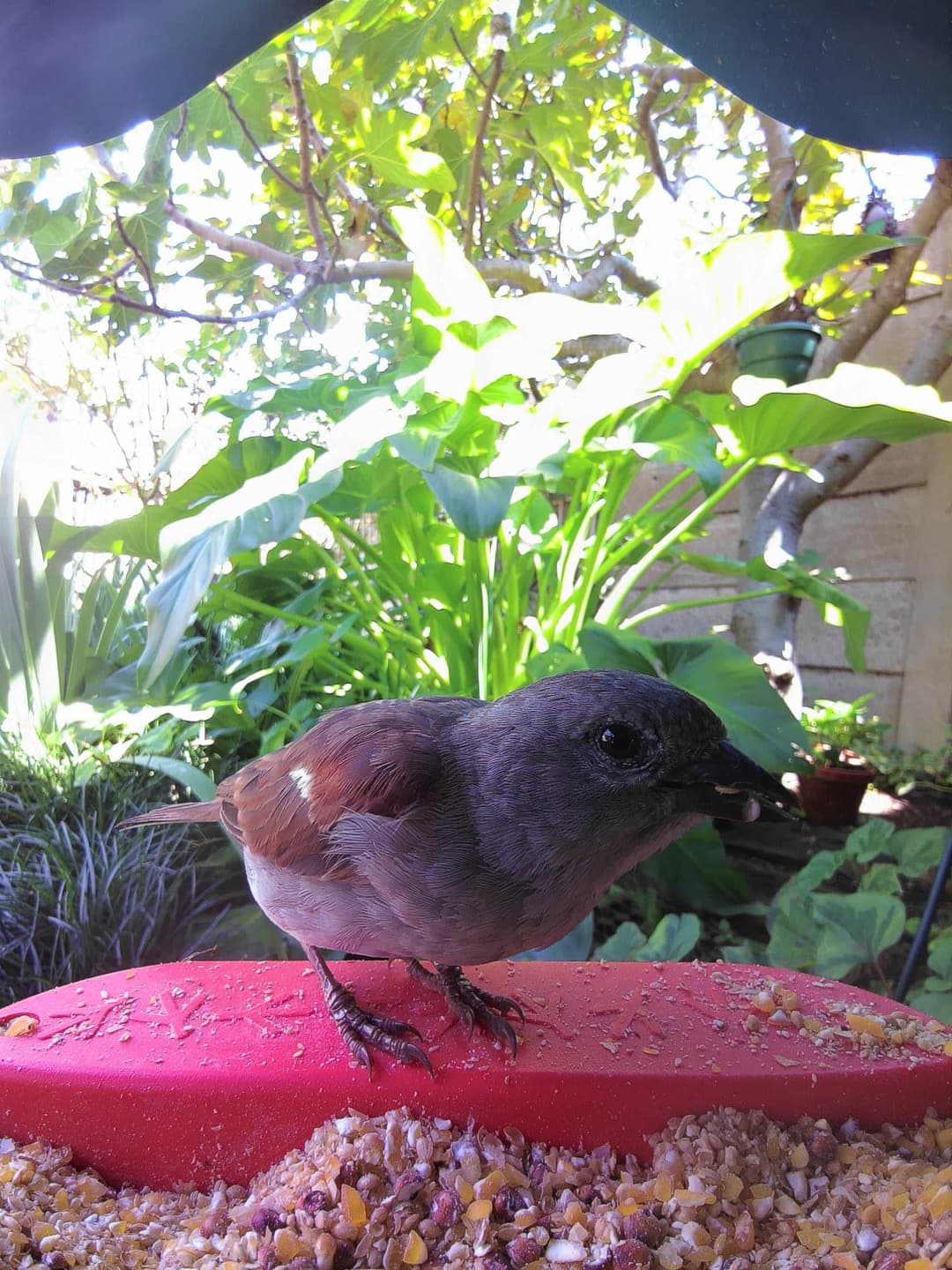
Southern Gray-Headed Sparrow
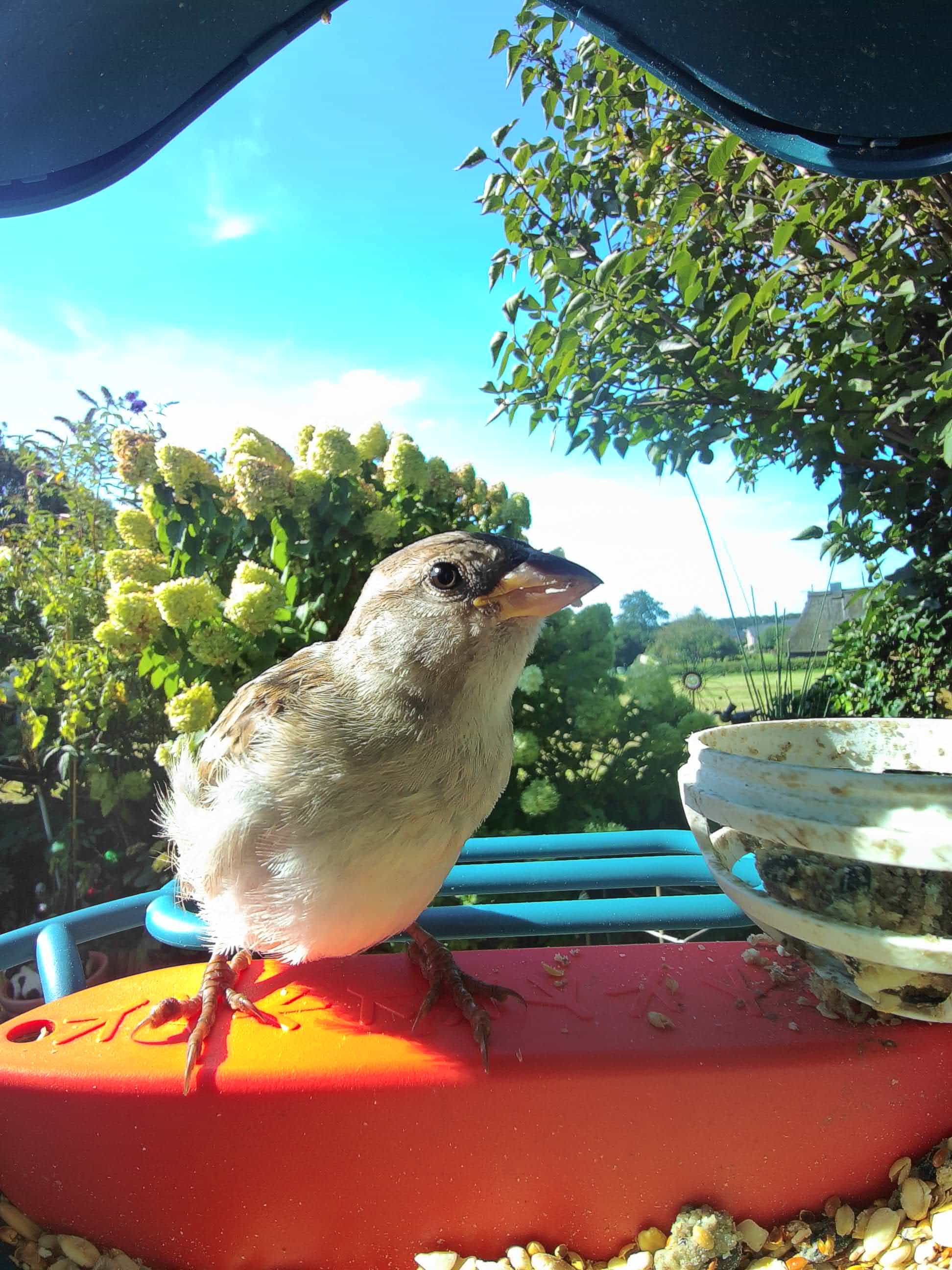


House Sparrow
Southern Gray-Headed Sparrow
Passer diffusus
General appearance
The southern gray-headed sparrow is a small bird with a length of 15-17 cm and a weight of 20-25 g. It has a pale, gray head and neck, white underparts, and a brown streaked back and wings. It also possesses a distinctive, dark bill and eyes surrounded by a white eyestripe.
Male vs female
In the case of southern gray-headed sparrows, both males and females exhibit similar plumage colors, making gender determination difficult. However, males are slightly larger and tend to have thicker bills.
Juvenile
Juvenile southern gray-headed sparrows, on the other hand, have less distinctive coloration than adults. They display a duller, more brownish-gray head and neck, and their underparts are tinged with pale brown. Their dark bill and eyes are also less prominent than in adults.
Size
5.9 - 6.3 in/0.7 - 1.1 oz
There's more to learn about Southern Gray-Headed Sparrow
View full detailsHouse Sparrow
Passer domesticus
General appearance
House sparrows are small, stocky birds measuring about 16 cm in length. They have a short tail and a stout bill. Their plumage is predominantly brown, with black streaks on their back and wings. This common bird has a distinctive, somewhat rounded head and a smooth body shape that helps in identifying it in urban and rural areas alike.
Male vs female
Male house sparrows are more vibrant with a gray crown, a chestnut-brown nape, and white cheeks. They have a distinctive black bib on their throat, which can vary in size seasonally. In contrast, females are duller with a more uniform brown coloration, lacking the bold markings of males. Their underparts are a plain grayish-brown, and they have a more pronounced eye stripe behind the eye.
Juvenile
Juvenile house sparrows resemble females but are even paler, with grayish-brown plumage and softer streaks. They lack the developed throat patch and bright head pattern found in adults. Juveniles gradually acquire adult coloration through moulting, becoming distinguishable by their more uniform brown appearance and subtler facial markings.
Size
5.9 - 6.7 in/1.0 - 1.1 oz
There's more to learn about House Sparrow
View full detailsHow to tell the Southern Gray-Headed Sparrow from the House Sparrow
Visual differences
The Southern Gray-Headed Sparrow is 6-6.3 inches long, with a pale gray head, white underparts, and a dark bill. It lacks the bold black markings of the House Sparrow. The House Sparrow, about 6.3 inches long, features a stockier build, a rounded head, and distinct black streaks on the back and wings. Males have a gray crown, chestnut nape, and a distinctive black bib, while females are uniformly brown. In contrast, the Southern Gray-Headed Sparrow maintains more subdued gray and brown tones throughout.
Key differences and behavior
The Southern Gray-Headed Sparrow and House Sparrow exhibit distinct behavioral and ecological differences. While the Southern Gray-Headed Sparrow is less social and prefers suburban environments, often found in pairs or small groups, the House Sparrow thrives in urban settings and is highly social, frequently roosting and singing in flocks. In terms of nesting, both species use cavities, but House Sparrows often form colonies and use a variety of human-made structures, while Southern Gray-Headed Sparrows nest in open woodlands or shrubs. Their diets are similar, primarily seed-based, but the Southern Gray-Headed Sparrow includes more insects for protein. House Sparrows actively forage on human food remnants in cities. Notably, Southern Gray-Headed Sparrows engage in vocal courtships and prefer monogamous pairings, whereas House Sparrows' courtship involves elaborate displays by males with less emphasis on pair bonding.
Still not sure? Here are more lookalikes!
Southern Gray-Headed Sparrow vs Chipping Sparrow
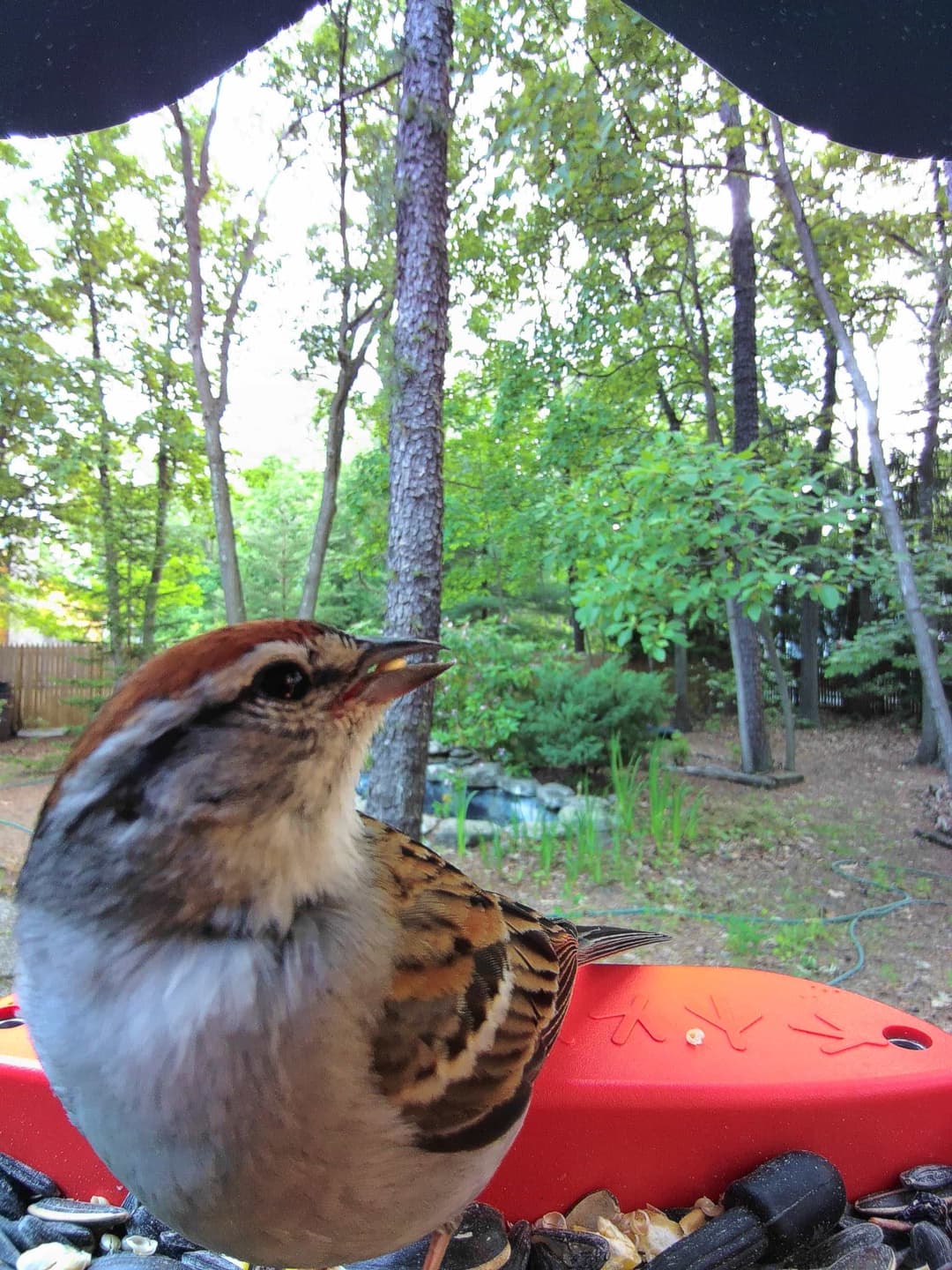
Southern Gray-Headed Sparrow vs White-Crowned Sparrow

Southern Gray-Headed Sparrow vs Swainson's Sparrow
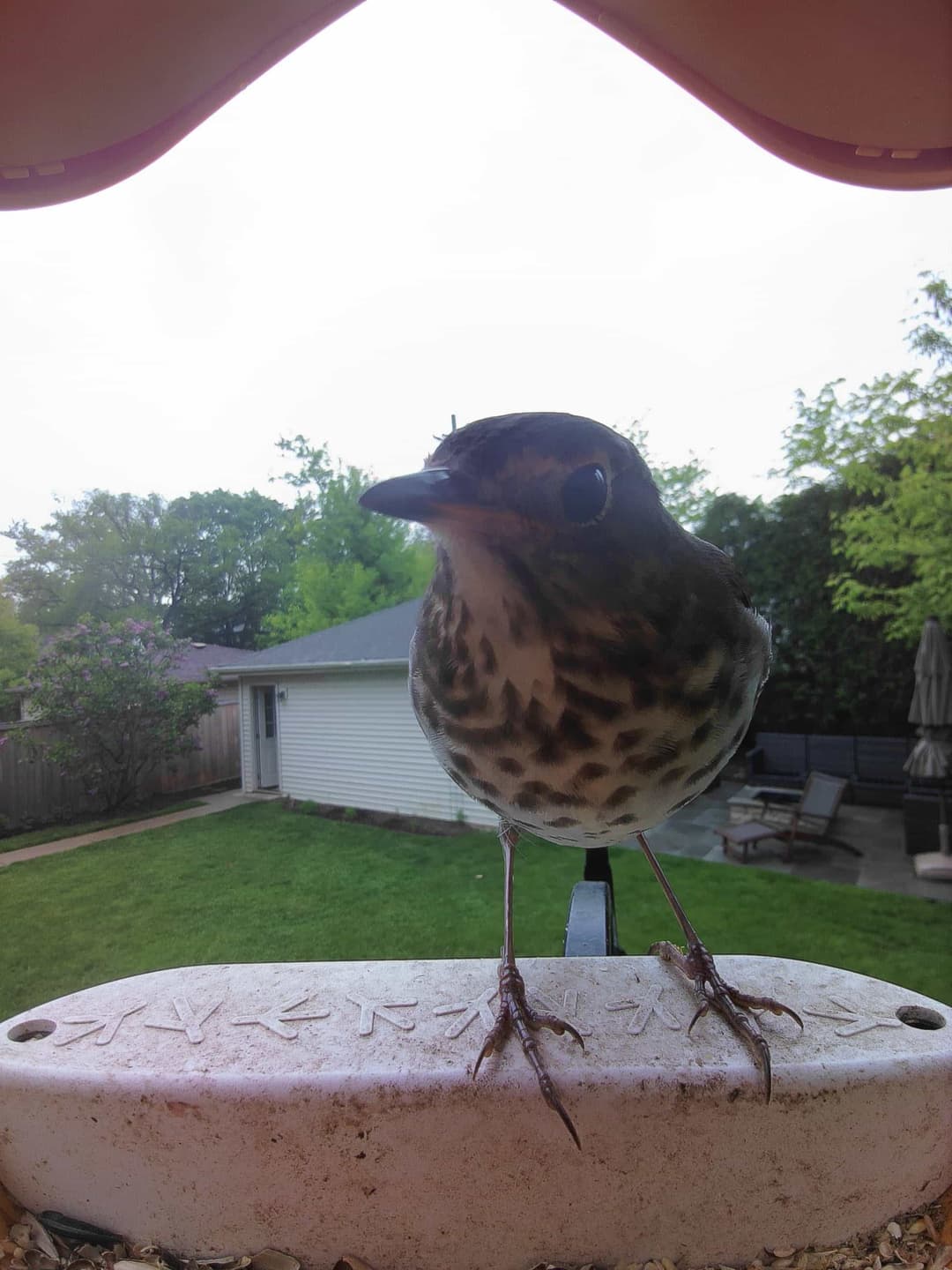
House Sparrow vs Chipping Sparrow
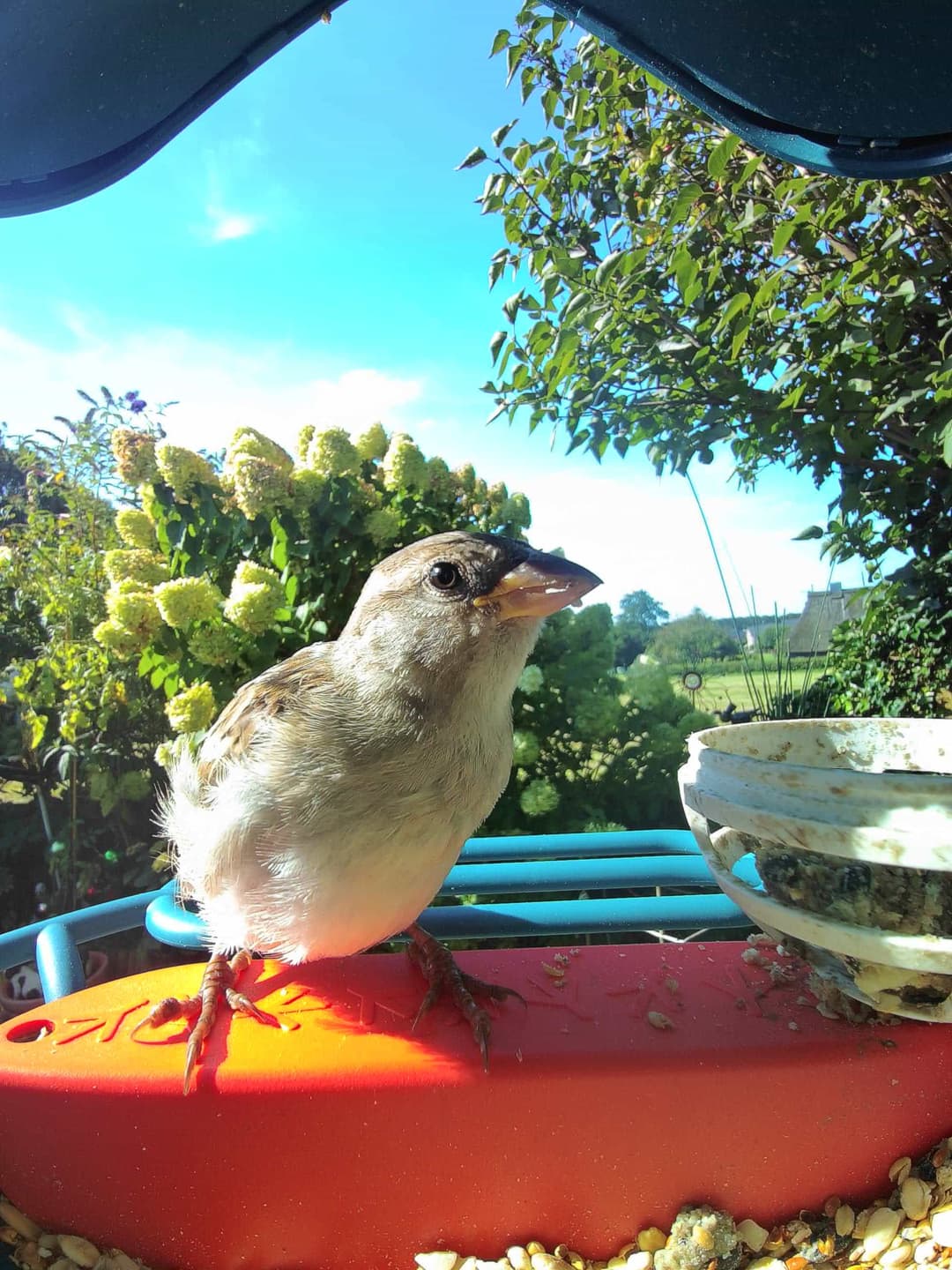
House Sparrow vs Song Sparrow
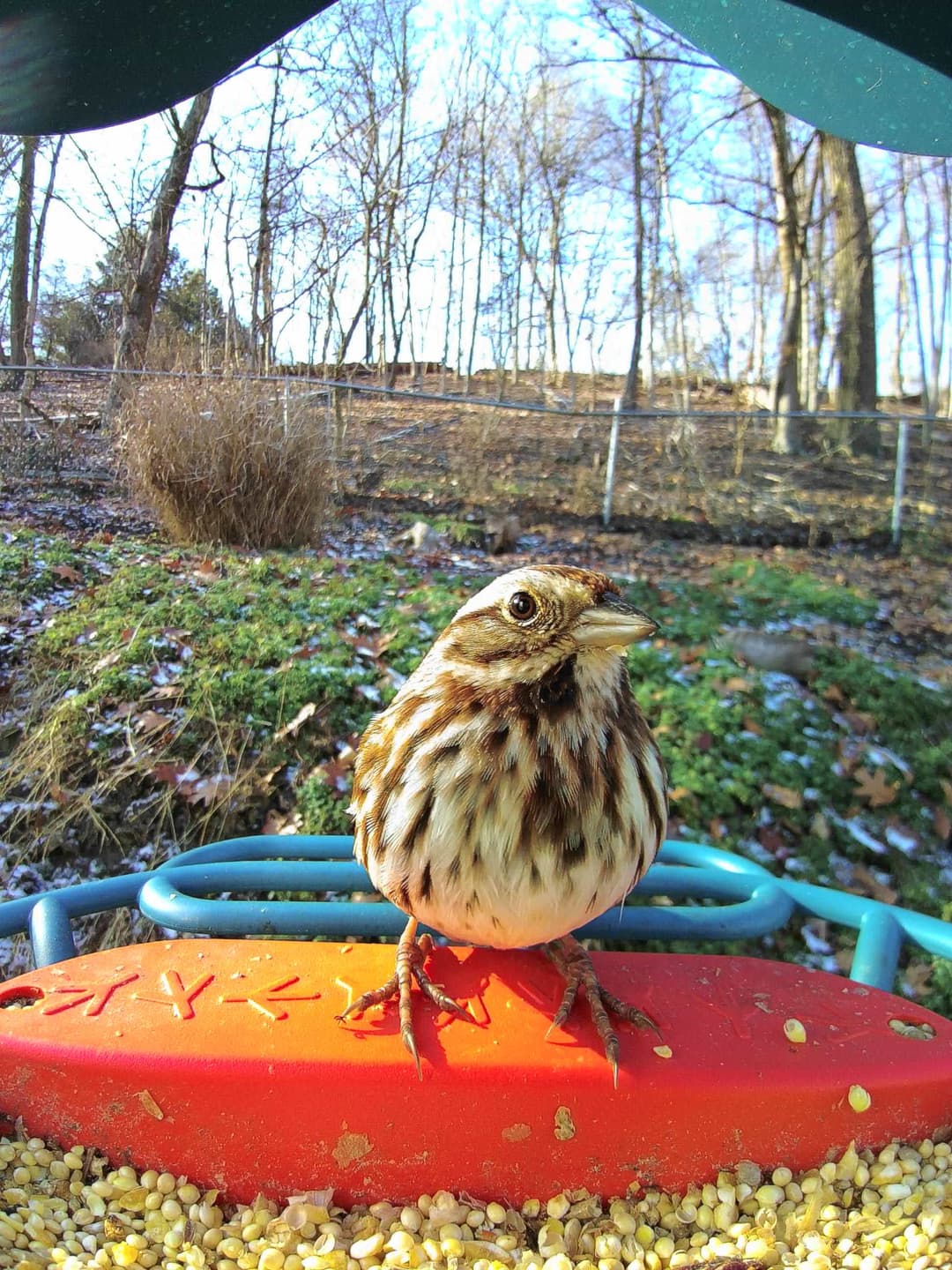
House Sparrow vs Eurasian Tree Sparrow
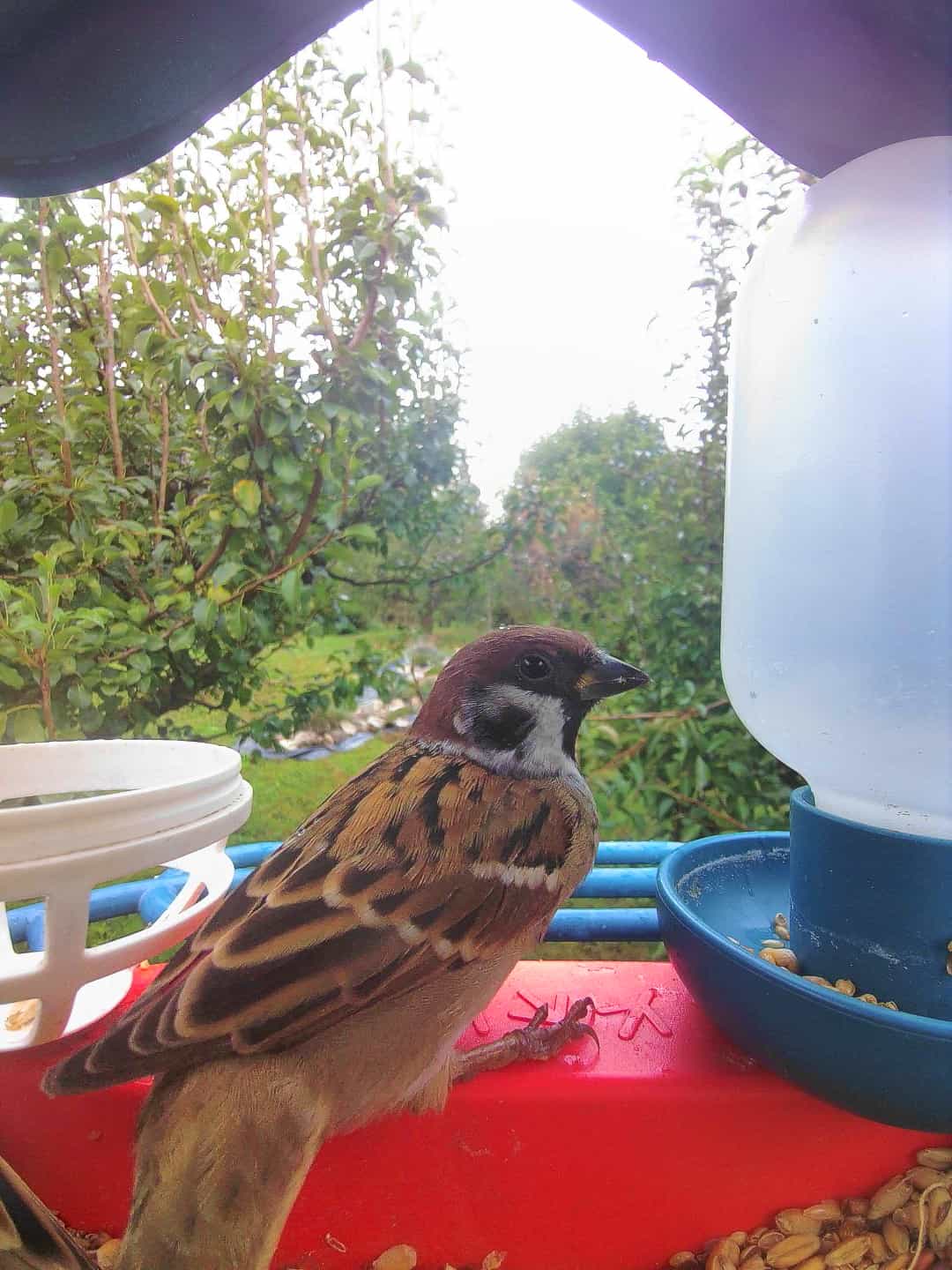
House Sparrow vs American Tree Sparrow
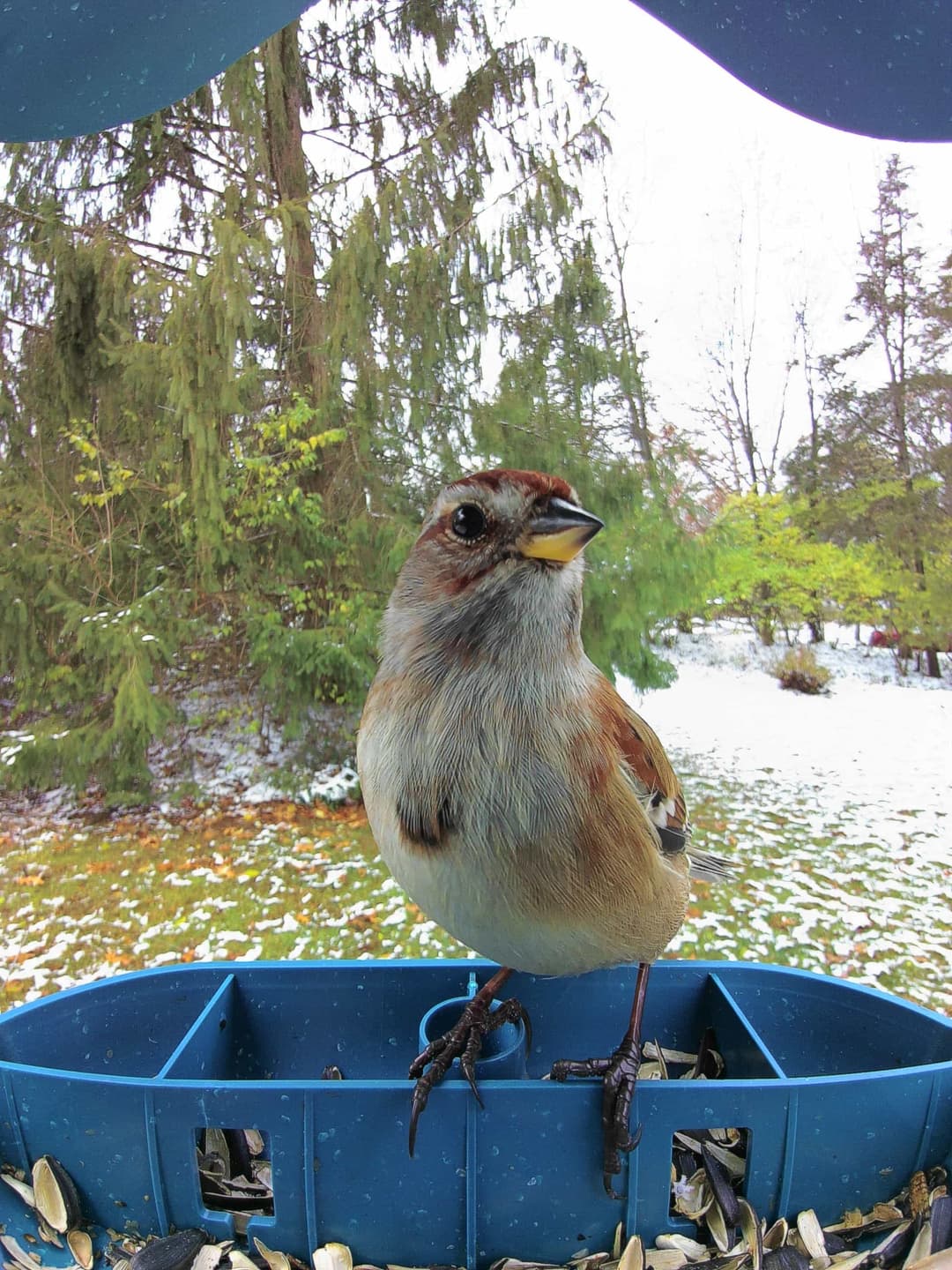
Southern Gray-Headed Sparrow vs [Select a bird]

[Select a bird]
Pick a bird to compare
House Sparrow vs [Select a bird]
[Select a bird]
Pick a bird to compare