Hepatic Tanager or Western Tanager?
Here's how to tell the difference
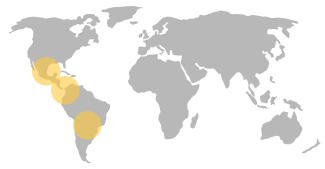
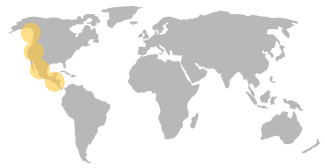
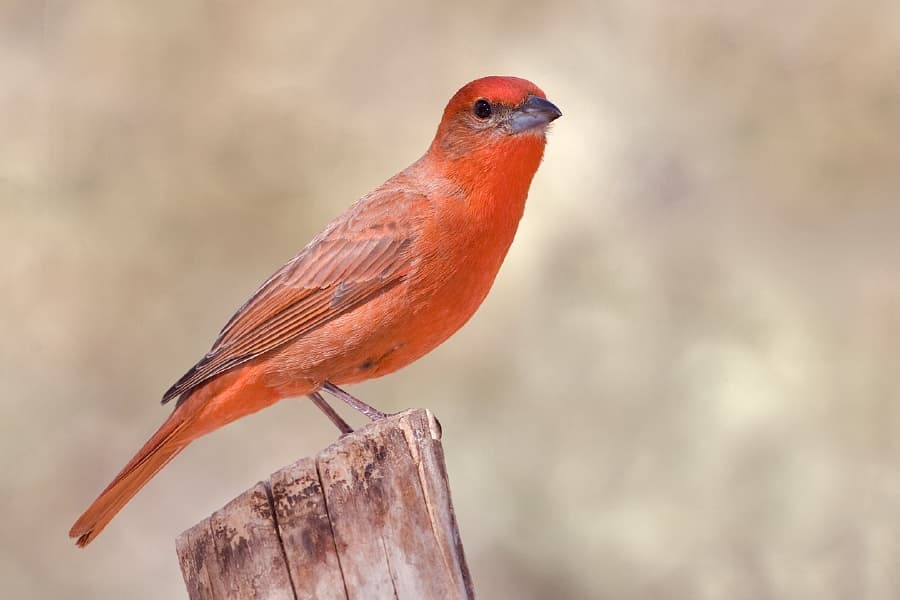
Hepatic Tanager
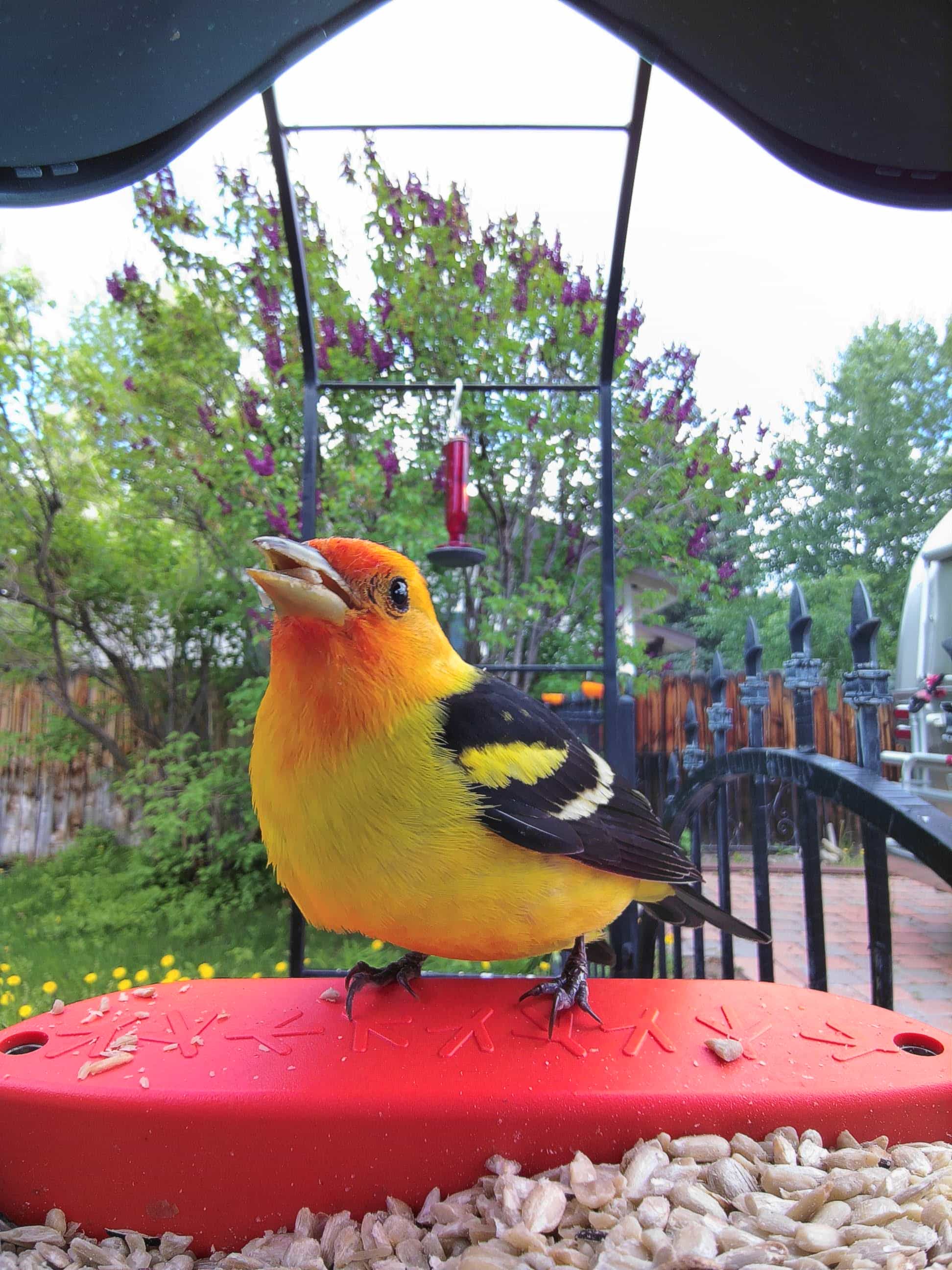


Western Tanager
Hepatic Tanager
Piranga flava
General appearance
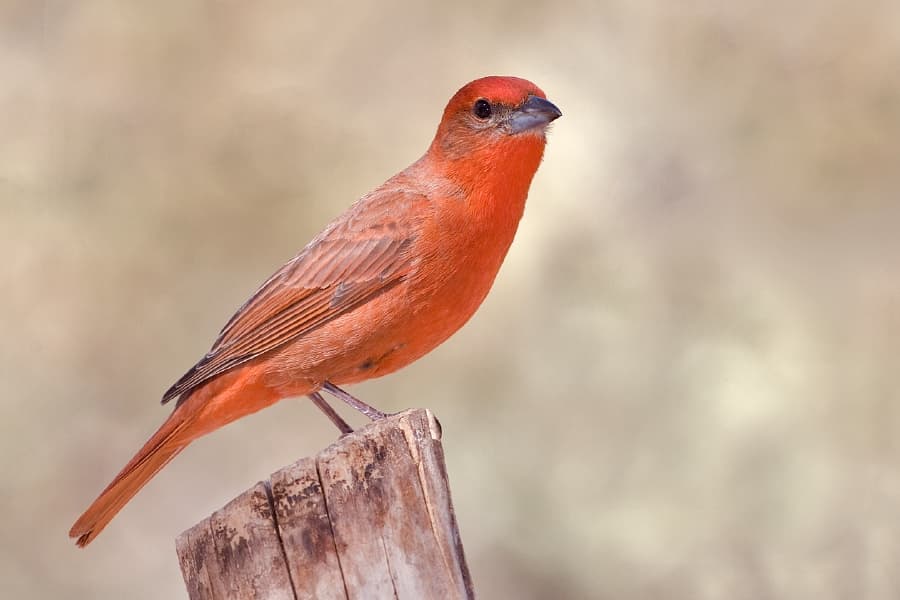
The hepatic tanager generally exhibits a size range of 7-8 inches (18-20 cm) with a distinctive brick-red, orange-red, or mustard-yellow coloration. They sport rounded wings, a tail that can be notched, rounded, or square-tipped, and usually a darker bill. The cheeks of the bird contrast with their predominant color and are typically gray. The bird is similar in size to a Robin or a Sparrow.
Male vs female
Sexual dimorphism is prevalent in the hepatic tanager. Males primarily boast a brick-red or orange-red plumage. In comparison, females predominantly flaunt a mustard-yellow coloration, providing an easy method for differentiating the two.
Juvenile
Young or juvenile hepatic tanagers share similar characteristics with adult females, chiefly the mustard-yellow coloration. This similarity aids in camouflage, offering protection to the young from predators until they reach adult size and coloration.
Size
3.9 - 7.9 in/0.8 - 1.7 oz
There's more to learn about Hepatic Tanager
View full detailsWestern Tanager
Piranga ludoviciana
General appearance
The Western Tanager is a medium-sized bird, roughly the size of a Robin or Sparrow, measuring 6-7.5 inches (15-19 cm). Typically, the bird features a notched, rounded, or square-tipped tail. Its wings are pointed in shape and its bill is thicker than that of female orioles, making it strong and distinctive.
Male vs female
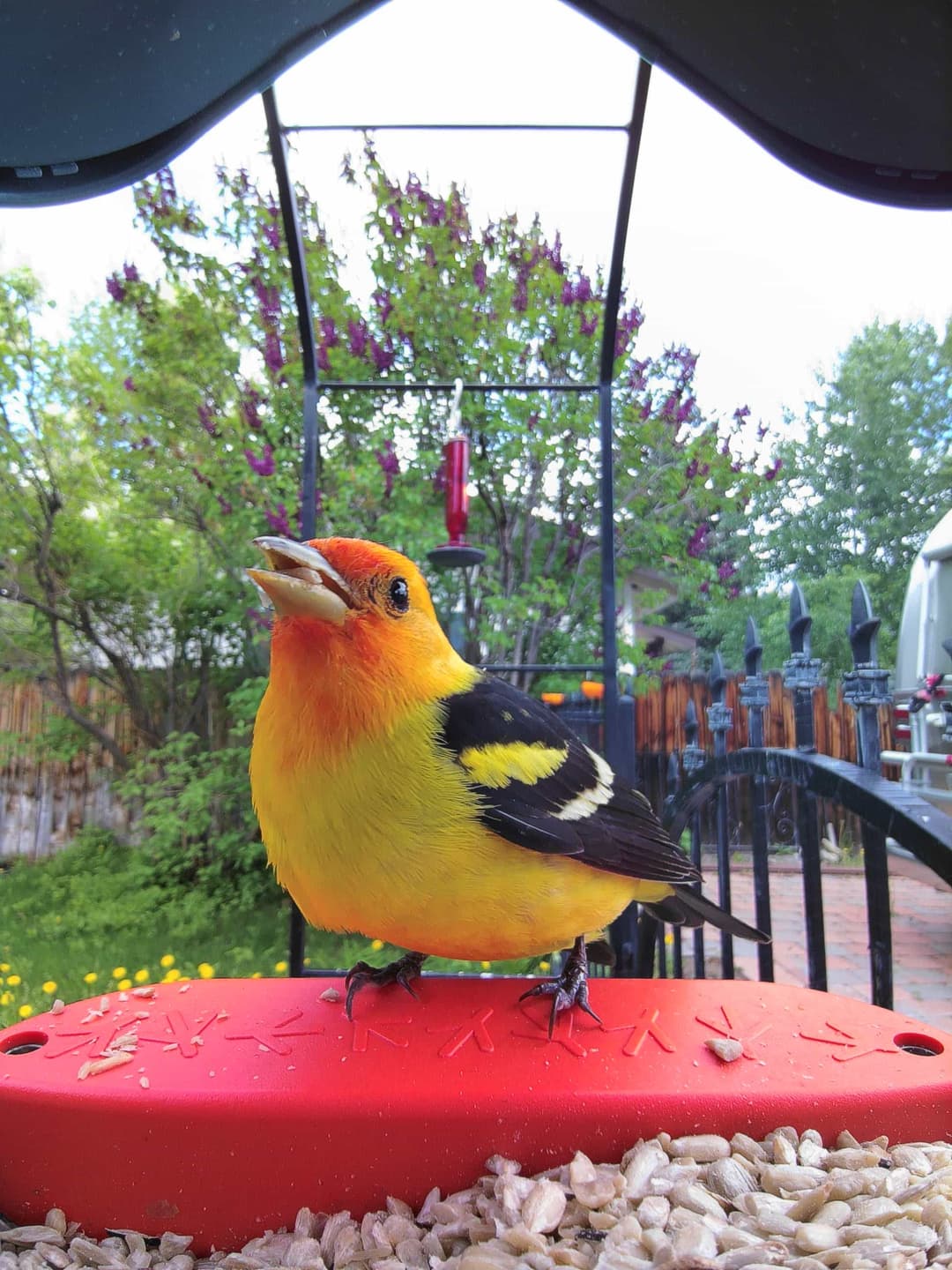
There exists a noticeable difference in physical traits between males and females. Male Western Tanagers boast brilliant colors, with a primarily yellow body, a black back and wings, and a unique red face. On the other hand, females are less vibrant. They display a duller yellow body with a grayish tone on their back and wings, but they do show two wing bars just like the males.
Juvenile
Juvenile Western Tanagers, similar to adult females, sport a dull yellow color. Their wings and back take on a gray shade, giving them a more subdued appearance than the brightly colored adult males. As they mature, their colors adjust to match their respective gender distinctions.
Size
6.5 - 7.5 in/0.8 - 1.3 oz
There's more to learn about Western Tanager
View full detailsHow to tell the Hepatic Tanager from the Western Tanager
Visual differences
The Hepatic Tanager is slightly larger, 7-8 inches, with males displaying a brick-red or orange-red plumage, while females are mustard-yellow. They have darker bills and gray cheeks. The Western Tanager is 6-7.5 inches, with males bright yellow, black wings, and a distinctive red face; females are duller yellow with grayish backs and two wing bars. Both have similar size to a Robin or Sparrow, but the Western Tanager has a thicker bill and pointed wings compared to the Hepatic Tanager's rounded wings.
Key differences and behavior
Hepatic Tanagers and Western Tanagers display distinct behavioral differences useful for field identification. Hepatic Tanagers prefer open mountain forests, establishing spacious breeding territories up to three acres, and often communicate through calls between parents and chicks. They engage in elaborate courtship displays with males performing flutter flights. Their diet mainly consists of insects, including caterpillars and beetles, supplemented by berries. In contrast, Western Tanagers inhabit open conifer or mixed forests, breeding in high mountains. Males sing to defend territory during late spring and summer, with courtship involving chasing females. Their diet is diverse, including insects like wasps and beetles, as well as berries, and they are more likely to visit feeders offering suitable fruits. Both species build cup-shaped nests in trees, yet Hepatic prefers oaks or pines, while Western favors conifers like fir or pine.
Still not sure? Here are more lookalikes!
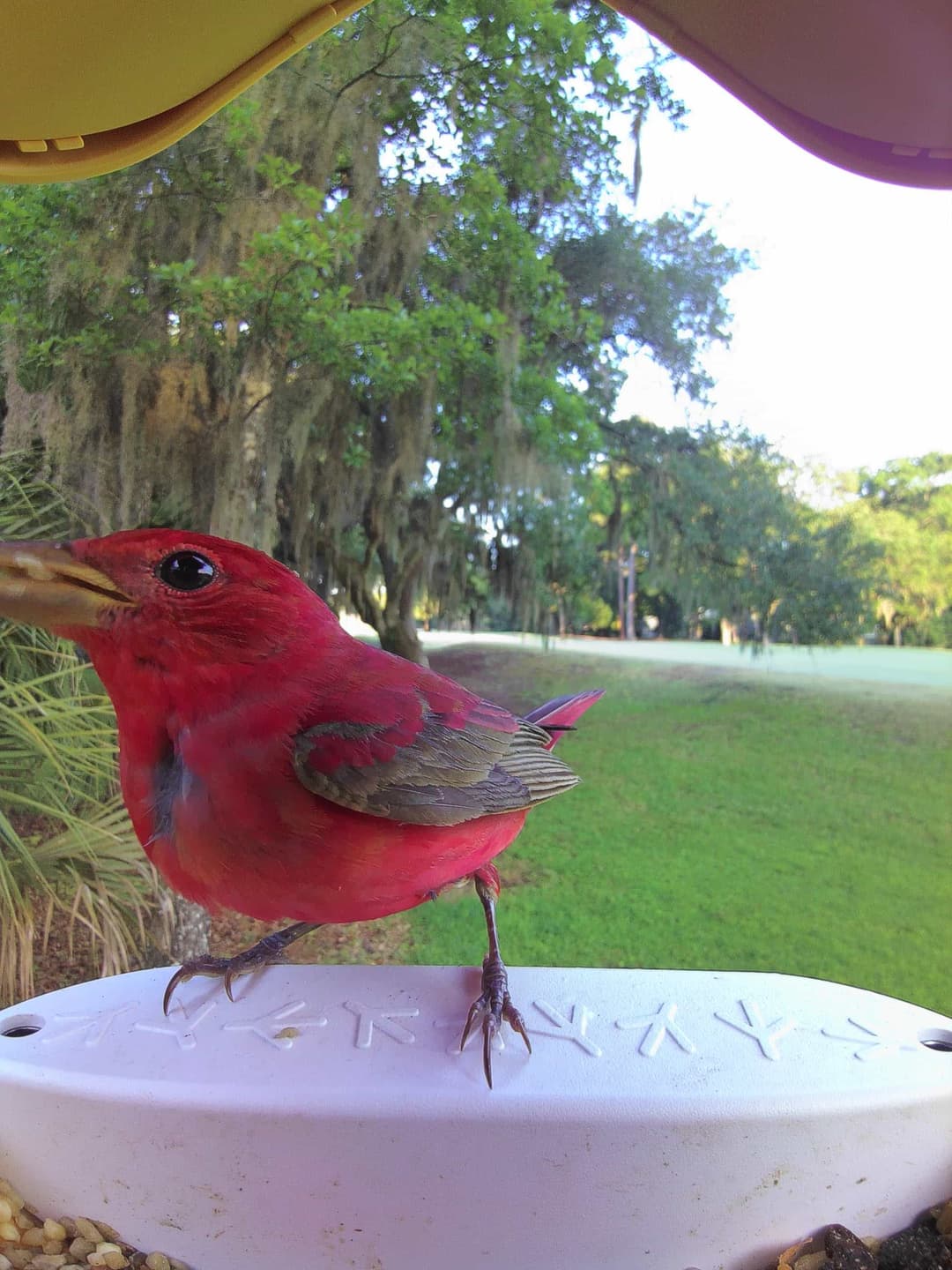
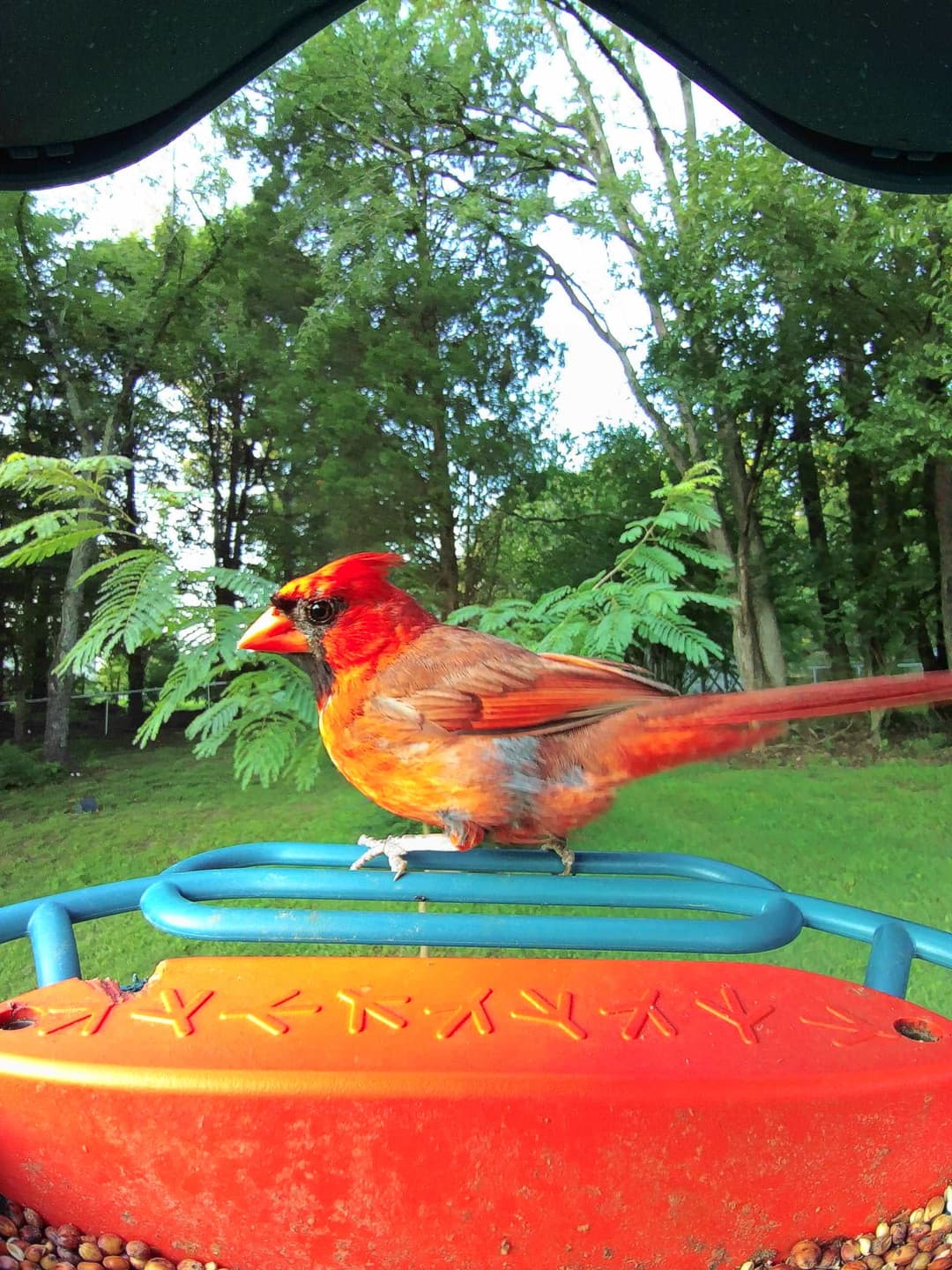
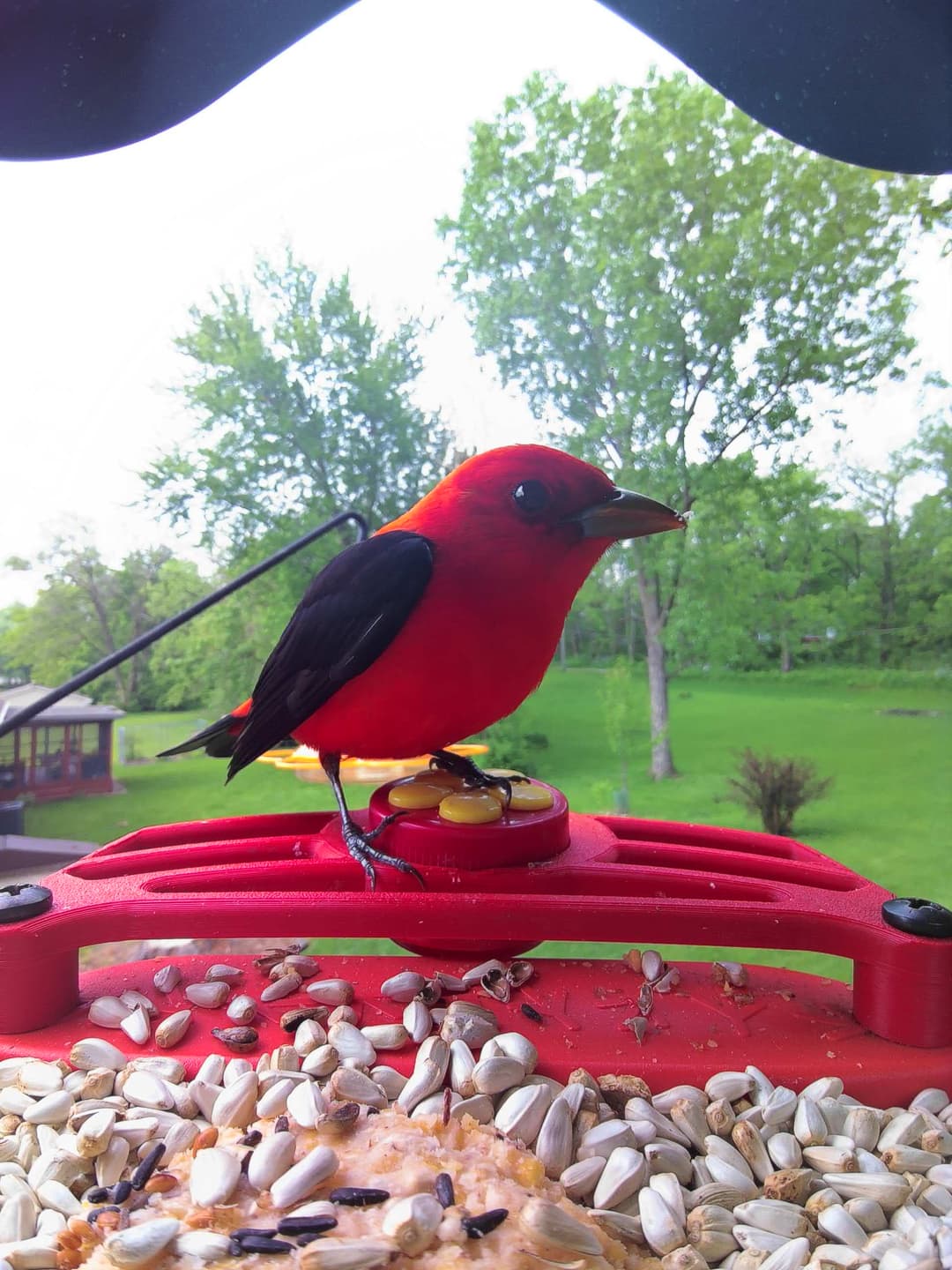
Hepatic Tanager vs Northern Cardinal
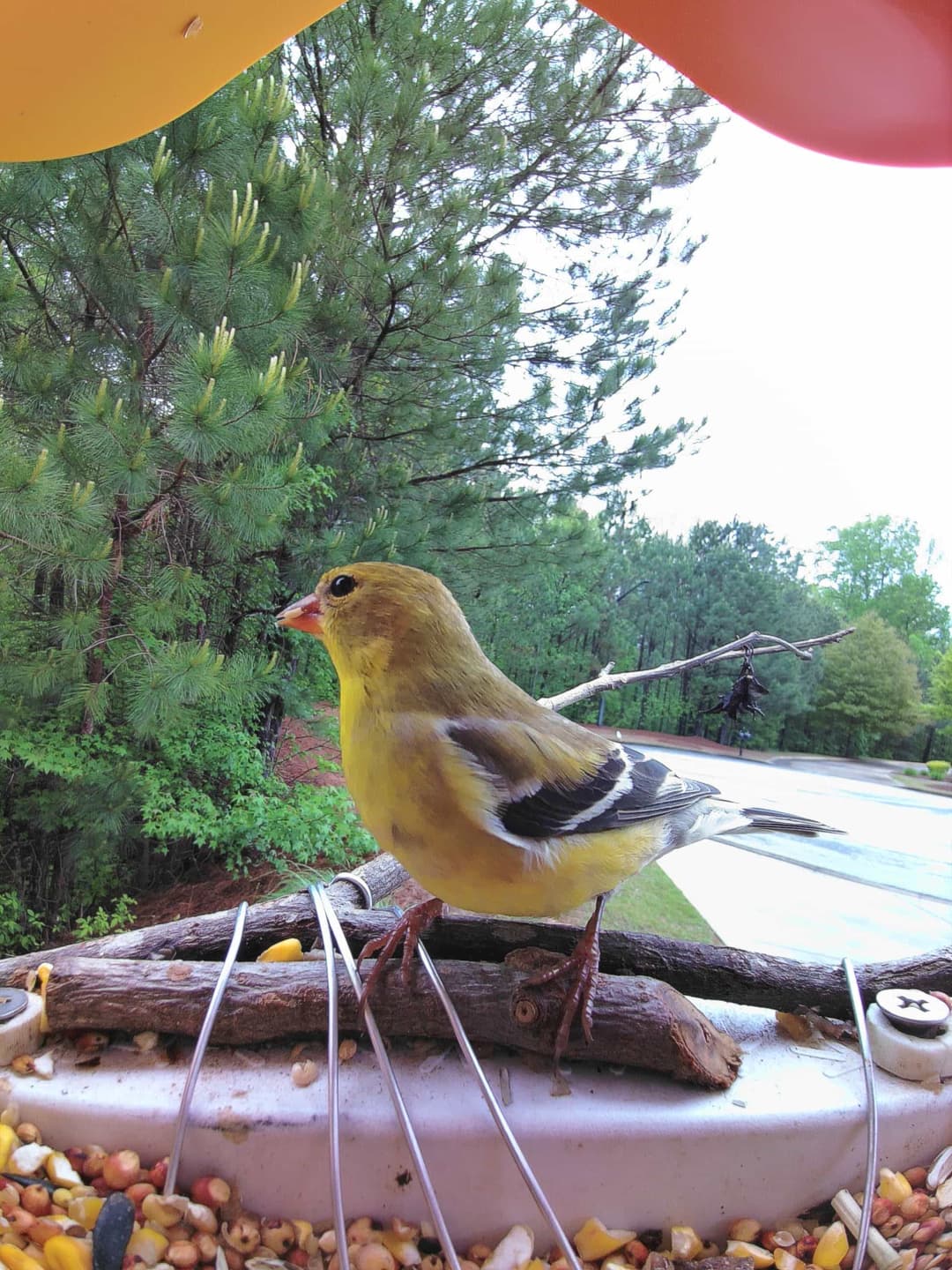
Western Tanager vs American Goldfinch
Hepatic Tanager vs [Select a bird]

[Select a bird]
Pick a bird to compare
Western Tanager vs [Select a bird]
[Select a bird]
Pick a bird to compare