Summer Tanager or Western Tanager?
Here's how to tell the difference
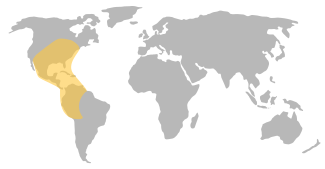
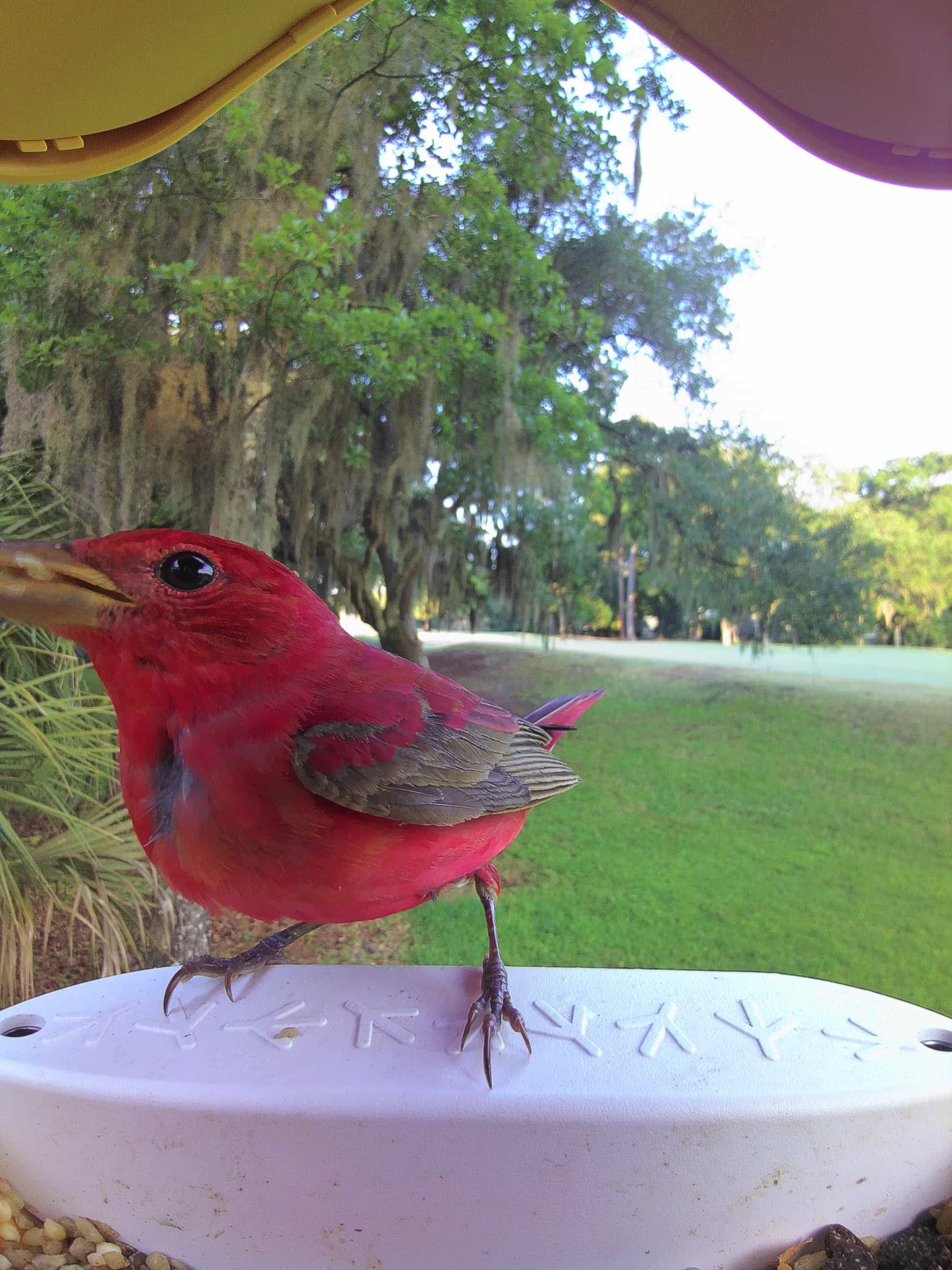


Summer Tanager
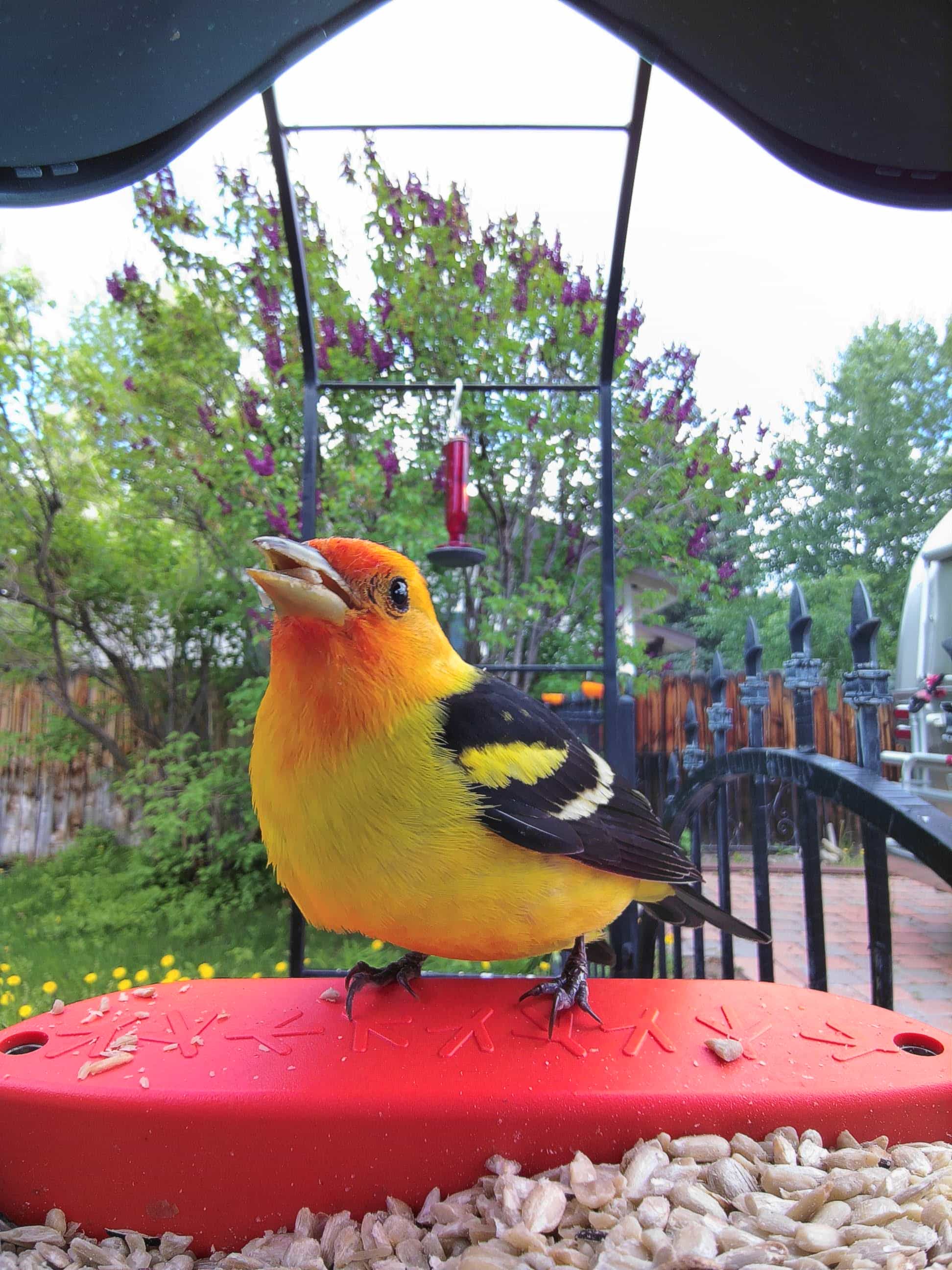


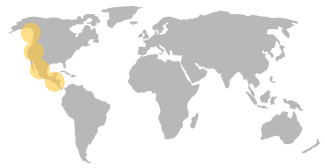
Western Tanager
Summer Tanager
Piranga rubra
General appearance
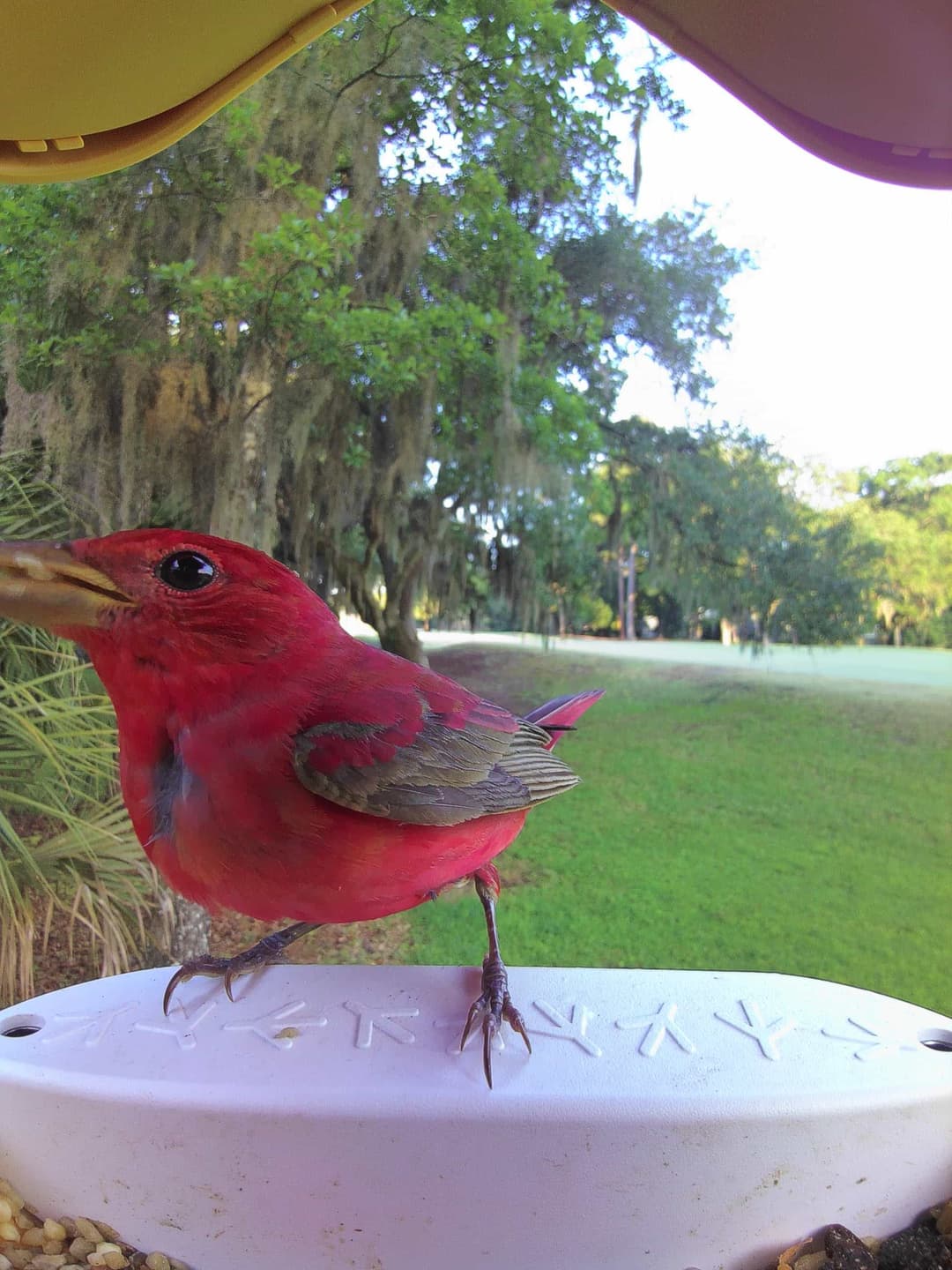
The summer tanager is around 7-8 inches or 18-20 centimeters, similar to a robin or sparrow. Its body is colorful with black, green, red, and yellow hues. Its wings are rounded, and the tail showcases notched, rounded, or square-tipped characteristics. Furthermore, the summer tanager is notable for its large light-colored bill and non-patterned wings.
Male vs female
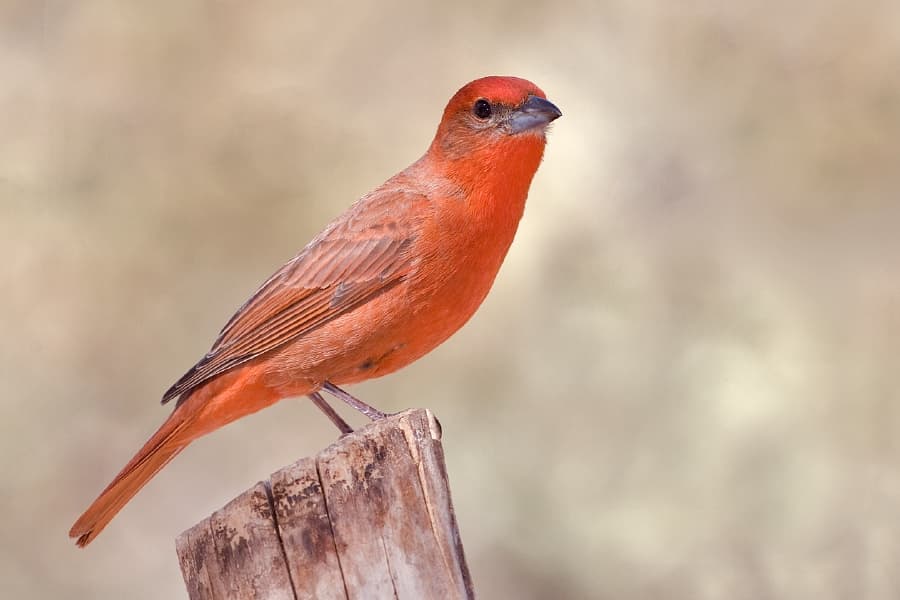
A prominent distinction exists between male and female summer tanagers. Adult males possess an exquisite rosy red color that remains consistent throughout the year, while females have a rich yellow coloration, which is less greenish compared to the female Scarlet tanager. The other distinctive trait of females is the paler and proportionately bigger bill.
Juvenile
Young males, or juvenile summer tanagers, exhibit a slightly different appearance than adults. They may appear patchy yellow and red rather than a uniform rosy red. These color variations can serve as a visual cue to differentiate between adults and juveniles in the wild.
Size
6.3 - 7.1 in/1.0 - 1.1 oz
There's more to learn about Summer Tanager
View full detailsWestern Tanager
Piranga ludoviciana
General appearance
The Western Tanager is a medium-sized bird, roughly the size of a Robin or Sparrow, measuring 6-7.5 inches (15-19 cm). Typically, the bird features a notched, rounded, or square-tipped tail. Its wings are pointed in shape and its bill is thicker than that of female orioles, making it strong and distinctive.
Male vs female
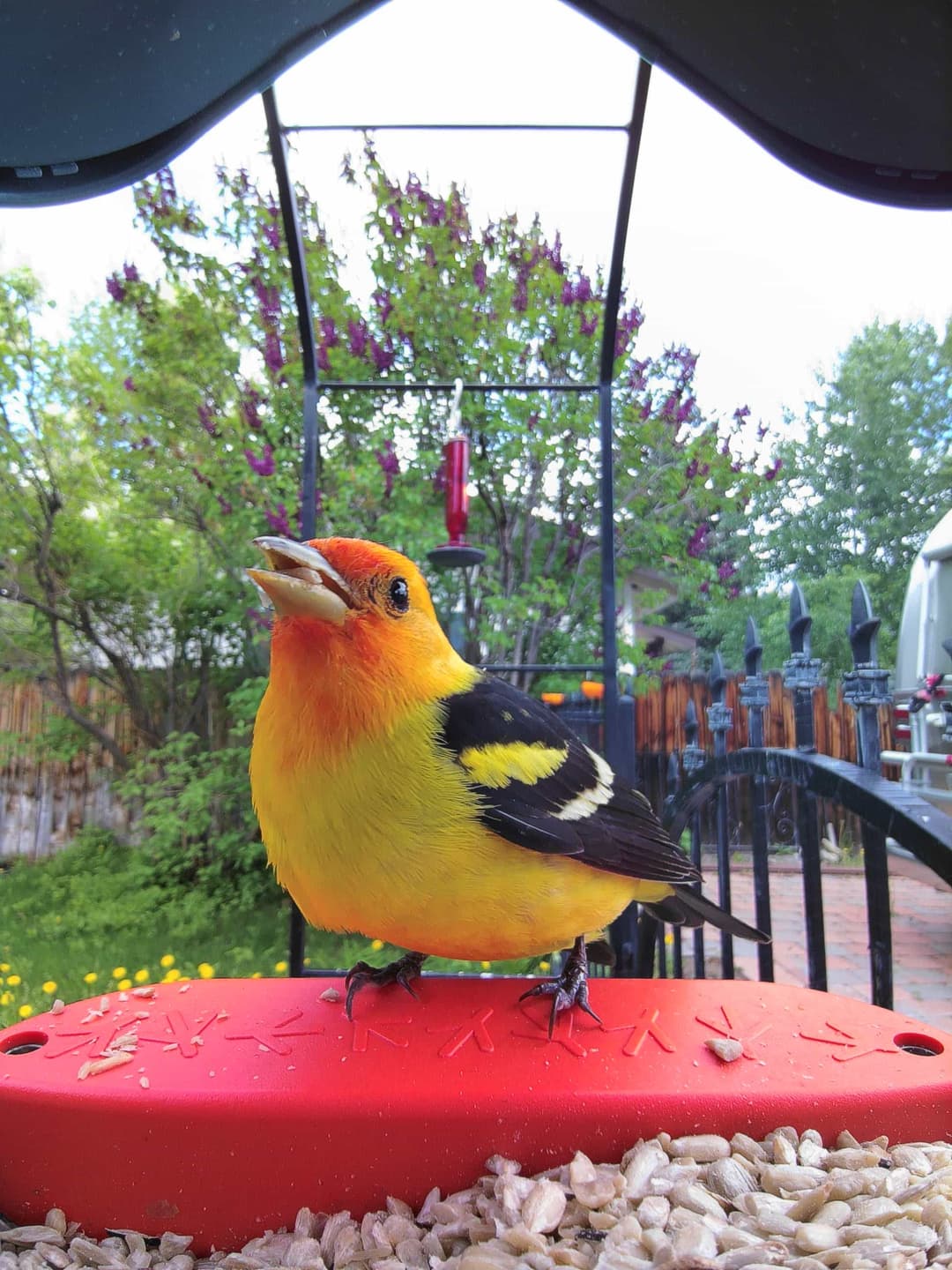
There exists a noticeable difference in physical traits between males and females. Male Western Tanagers boast brilliant colors, with a primarily yellow body, a black back and wings, and a unique red face. On the other hand, females are less vibrant. They display a duller yellow body with a grayish tone on their back and wings, but they do show two wing bars just like the males.
Juvenile
Juvenile Western Tanagers, similar to adult females, sport a dull yellow color. Their wings and back take on a gray shade, giving them a more subdued appearance than the brightly colored adult males. As they mature, their colors adjust to match their respective gender distinctions.
Size
6.5 - 7.5 in/0.8 - 1.3 oz
There's more to learn about Western Tanager
View full detailsHow to tell the Summer Tanager from the Western Tanager
Visual differences
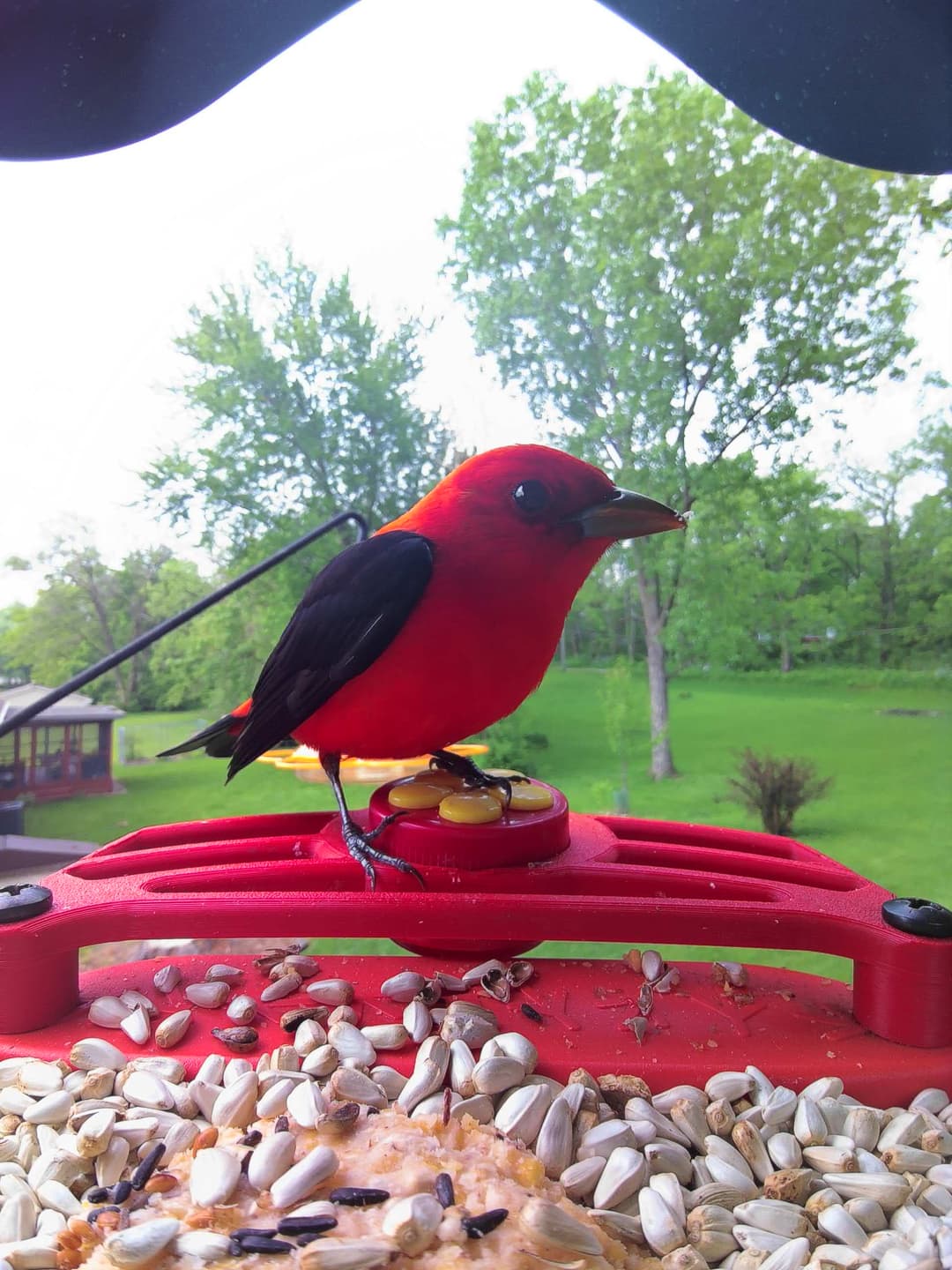
The Summer Tanager is larger, 7-8 inches long, while the Western Tanager measures 6-7.5 inches. Males differ in color: Summer Tanagers are uniformly rosy red, whereas Western Tanagers are yellow with a black back, wings, and a red face. Females of both species are yellow, but Western Tanager females display a grayish tint with distinctive wing bars, unlike the plain wings of Summer Tanager females. Both have large bills, but the Summer Tanager's is notably pale. The Western Tanager's wings are pointed, whereas the Summer Tanager's are rounded.
Key differences and behavior
Summer Tanagers and Western Tanagers display distinct behavioral and habitat preferences. Summer Tanagers primarily breed in dry open woods and cottonwood-willow forests, while Western Tanagers favor mixed and coniferous forests in mountainous regions. While both species engage in singing for courtship and territory defense, Summer Tanagers exhibit unique behavior by catching and killing bees and wasps in flight. In terms of nesting, Summer Tanagers build cup-shaped nests lower at 10-30 feet, while Western Tanagers’ nests are placed higher, generally 15-65 feet up in coniferous trees. Diets overlap with both tanagers consuming insects and berries, but Summer Tanagers specialize in flying insects like bees and wasps; Western Tanagers complement their diet with more cultivated fruits. Neither species frequents seed feeders, reflecting their insect-oriented diets.
Still not sure? Here are more lookalikes!
Summer Tanager vs Northern Cardinal
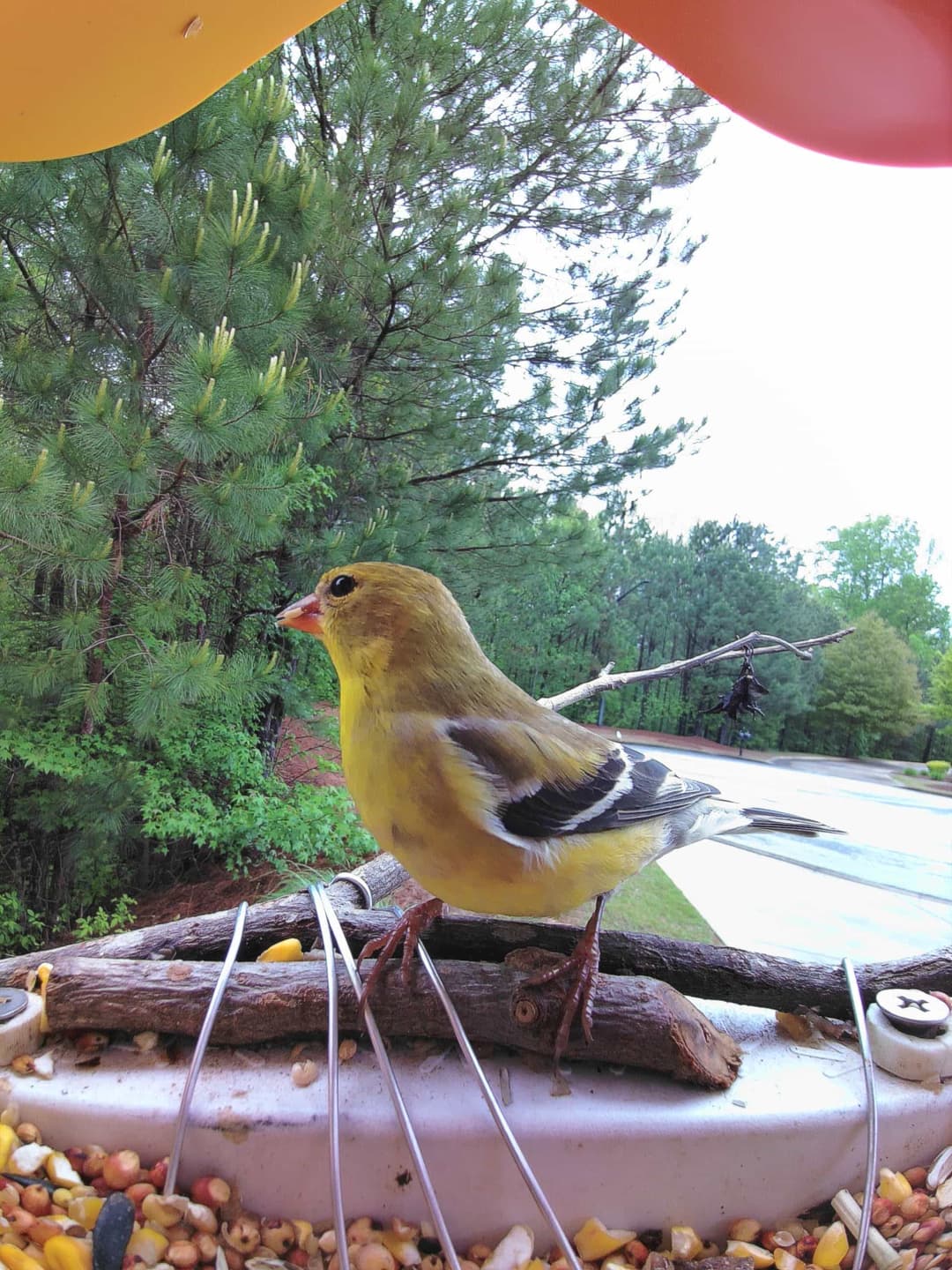
Western Tanager vs American Goldfinch
Summer Tanager vs [Select a bird]

[Select a bird]
Pick a bird to compare
Western Tanager vs [Select a bird]
[Select a bird]
Pick a bird to compare