Gray Crow or Common Grackle?
Here's how to tell the difference



Gray Crow
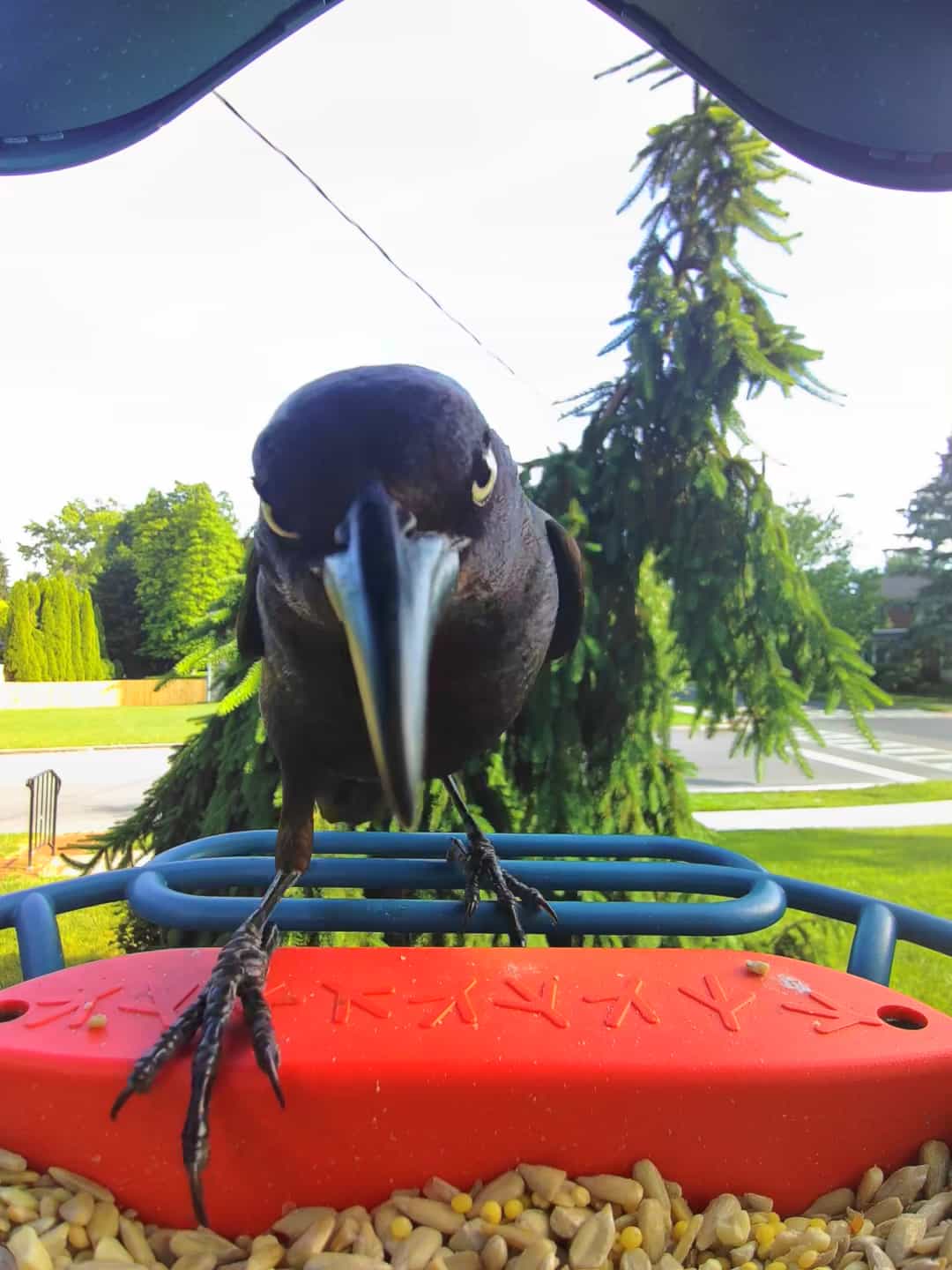


Common Grackle
Gray Crow
Corvus tristis
Also known as: Bare-Faced Crow
Gray Crow Recognition
General appearance: The Gray Crow is characterized by its slim build and medium size. Its plumage is predominantly a muted gray, giving it a soft, understated elegance. The wings, tail, and back are slightly darker shades, providing a subtle contrast. The head features a smooth transition into this darker coloration, making it seamlessly blend with the body's tone. The eyes are sharp and dark, adding a striking intensity to its expression. The beak is black and slightly curved, well-adapted for its diverse feeding habits. Male vs female: There are minimal differences between male and female Gray Crows, as both sexes share similar coloration and size. However, males may occasionally appear slightly larger with more pronounced plumage, particularly during the breeding season when they engage in courtship displays. This size variance is generally subtle, making visual identification of sex in the field challenging. Juvenile: Juveniles can be distinguished by their lighter grey feathers which appear slightly fluffier and less defined than adults. As they mature, their plumage gains the distinct smoothness and darker contrast found in adults. Juvenile Gray Crows may also showcase a paler beak color, which gradually darkens as they age. Their eyes retain a less intense appearance until maturity, making them more distinguishable from adult counterparts.
Size
17.7 - 18.5 in/13.1 - 22.9 oz
There's more to learn about Gray Crow
View full detailsCommon Grackle
Quiscalus quiscula
Also known as: Blackbird
General appearance
The common grackle is about the size of a crow, bearing a distinctive long tail with a crease down the middle. Coloring varies with two forms presented, namely, the 'Bronzed Grackle' and the 'Purple Grackle.' The former spots a bronzy body offset by a blue-black head while the latter shines with glosses of purple and green, offering less contrast.
Male vs female
Physical variations between the sexes are not explicitly stated. However, based on the Bronzed and Purple forms noted, it could be inferred that some slight difference in color intensity and gloss may exist.
Juvenile
Juvenile grackles present dark eyes in contrast to the whitish-yellow eye color observed in adults. Molting, a period prevalent in late summer, results in these younger birds having short or fragmented tails.
Size
11.0 - 13.4 in/2.6 - 5.0 oz
There's more to learn about Common Grackle
View full detailsHow to tell the Gray Crow from the Common Grackle
Visual differences
The Gray Crow (17.7-18.5 inches, 13-23 ounces) is larger and has gray plumage with a bare face, contrasting with the Common Grackle (11-13.4 inches, 2.6-5 ounces), which displays a glossy black or iridescent body, varying between bronzy and blue-black or purple-green forms. Grackles feature a long tail with a crease, and notably whitish-yellow eyes in adults. Gray Crows have a robust, straight beak, while Grackles have a more pointed bill. These distinct characteristics aid in distinguishing between the two visually.
Key differences and behavior
The Gray Crow (370-650g, 17.7-18.5 inches) primarily inhabits dense forests, showing strong site fidelity and loud group chatter. In contrast, the Common Grackle (74-142g, 11-13.4 inches) prefers open areas, often found foraging on the ground in suburban and rural environments. While Gray Crows exhibit pair bonding and participate in intricate aerial courtship displays, Grackles court with feather fluffing and bill posturing, commonly nesting in small colonies near water. Diet wise, Gray Crows control their intake seasonally, enjoying fruits, seeds, and insects, while Grackles, as omnivores, consume a broader prey range, including small animals and vegetables, engaging in unique pest control behaviors like anting. Both frequent feeders, but Grackles show dominance and aggression.
Still not sure? Here are more lookalikes!

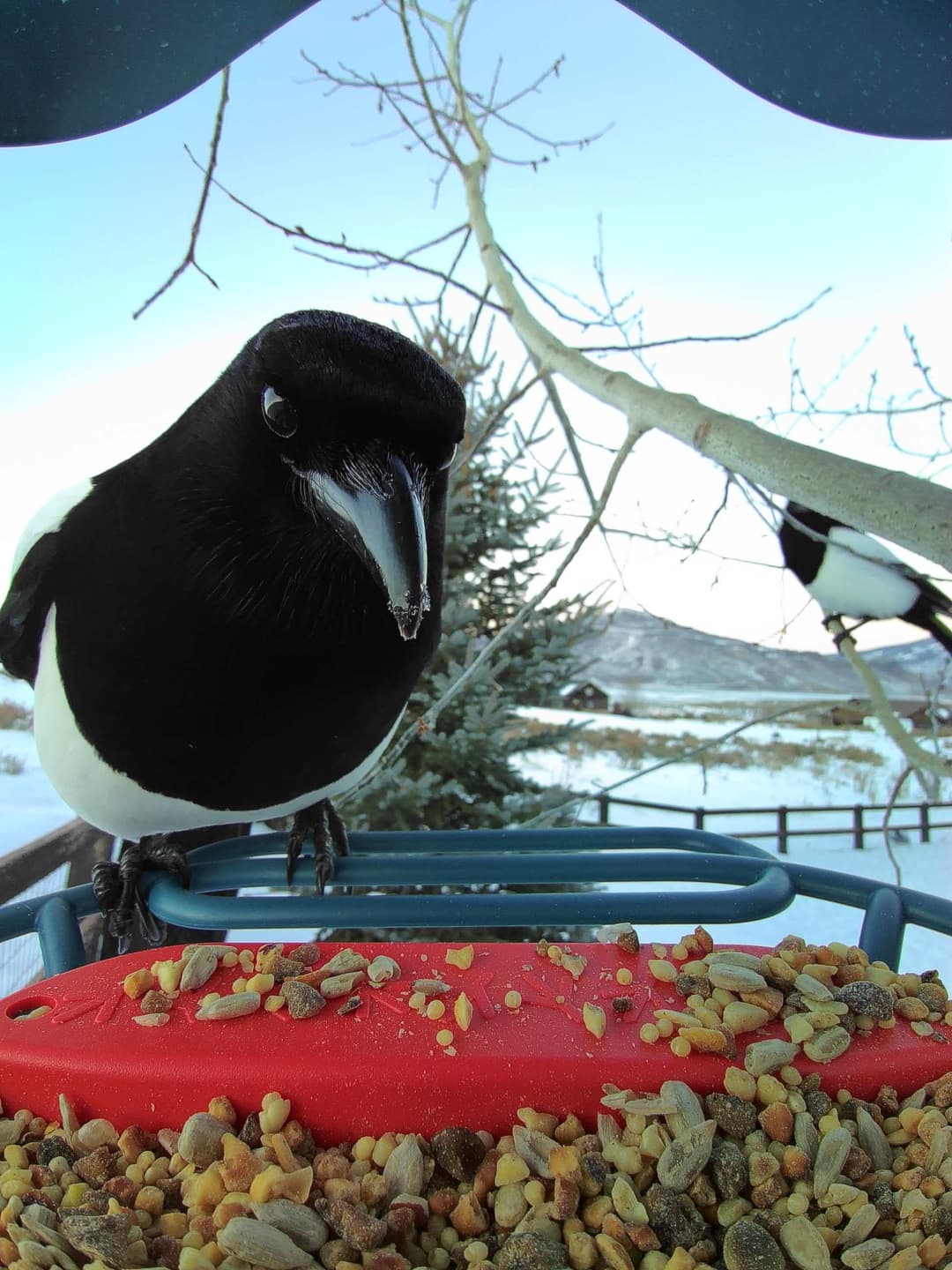
Common Grackle vs Great-Tailed Grackle
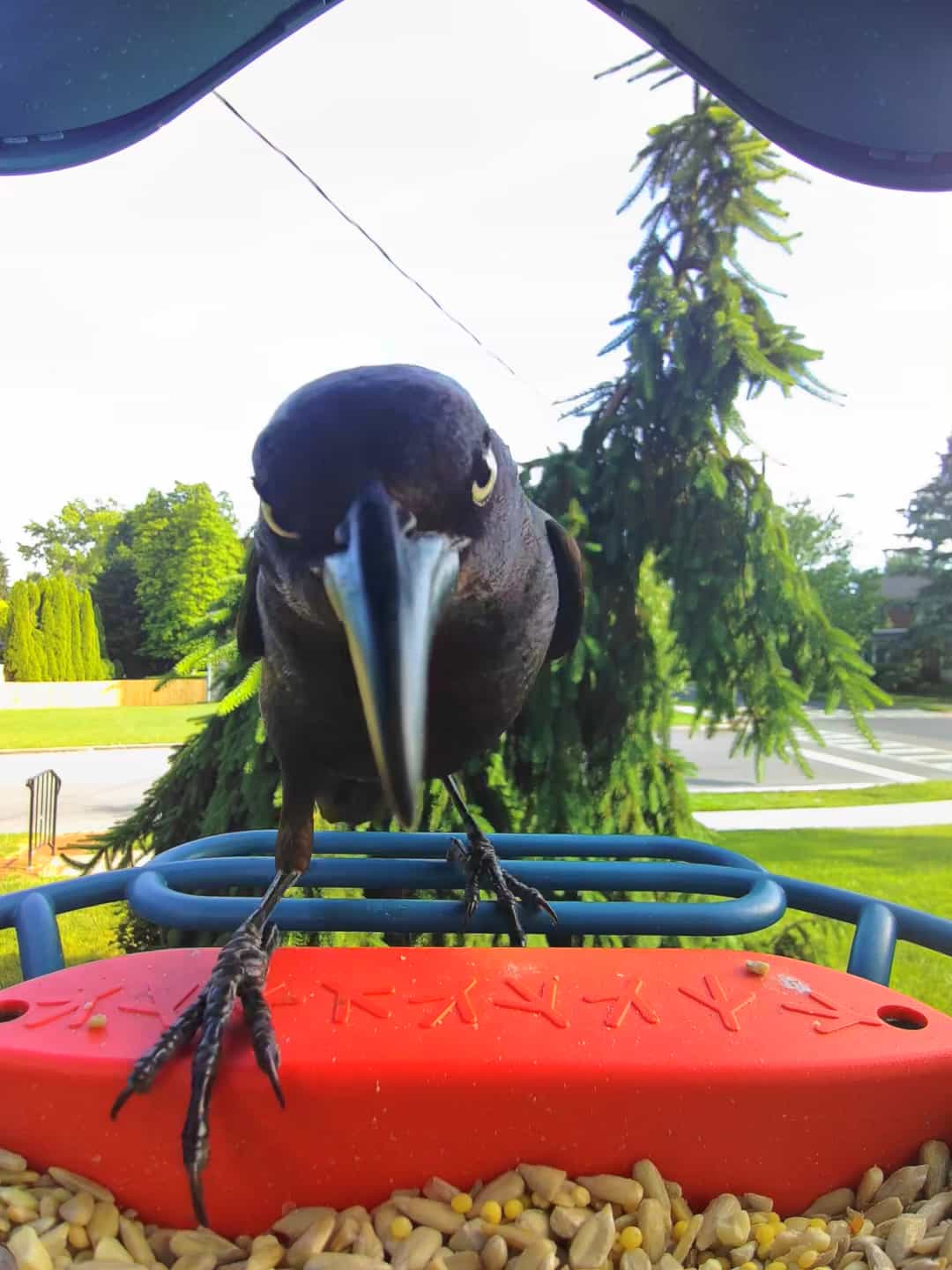
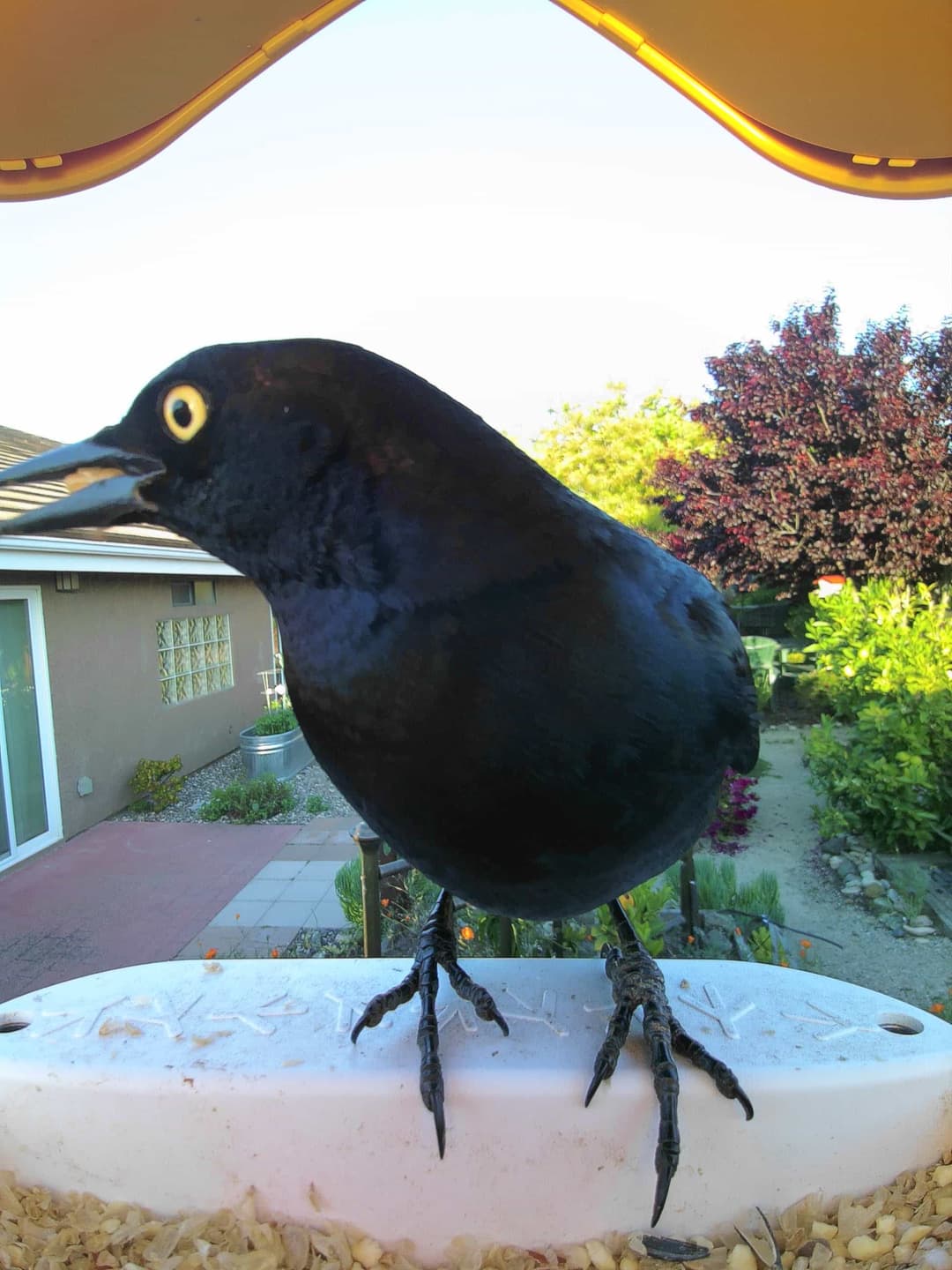
Common Grackle vs Boat-Tailed Grackle
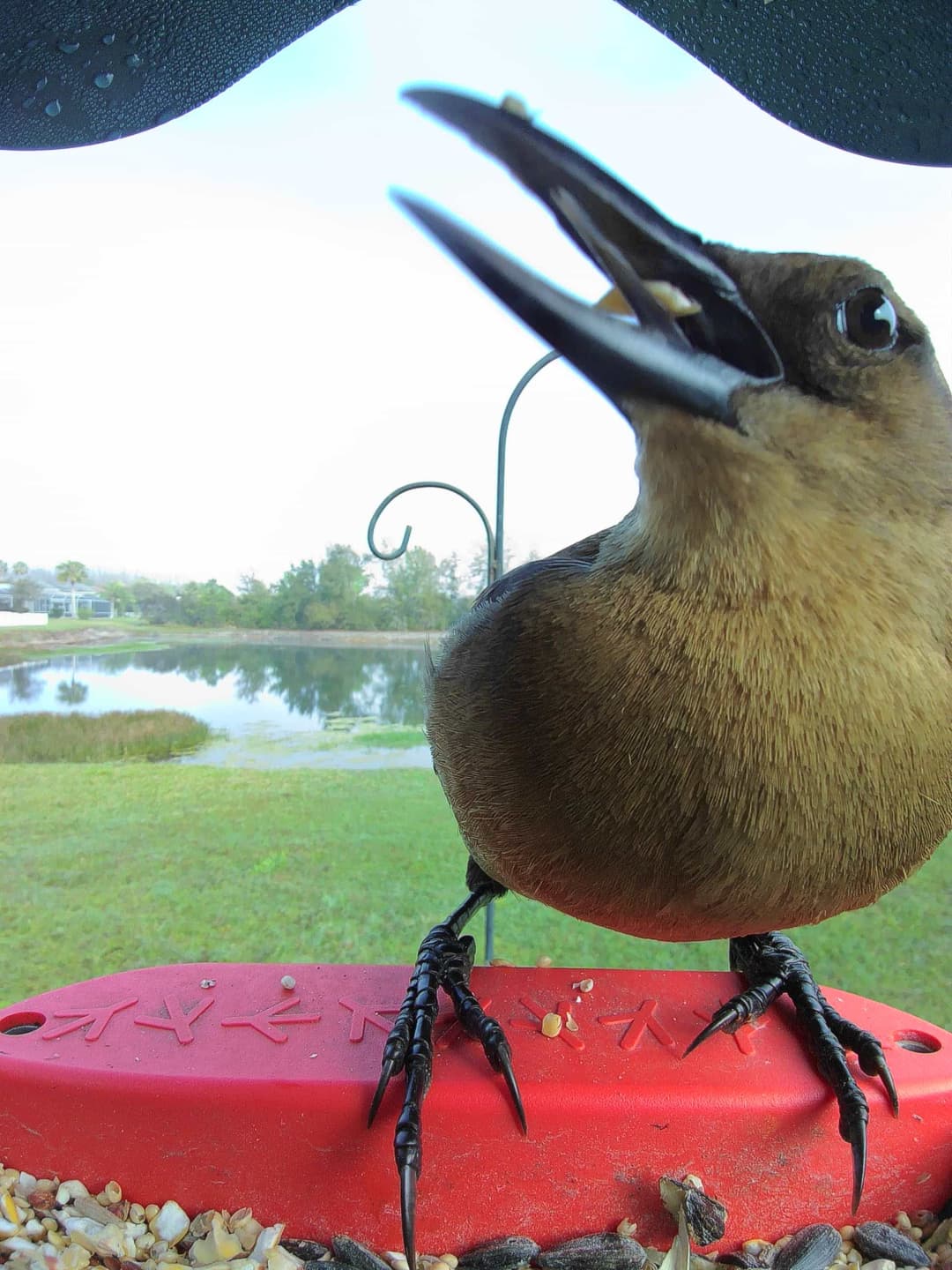
Common Grackle vs Brewer’s Blackbird
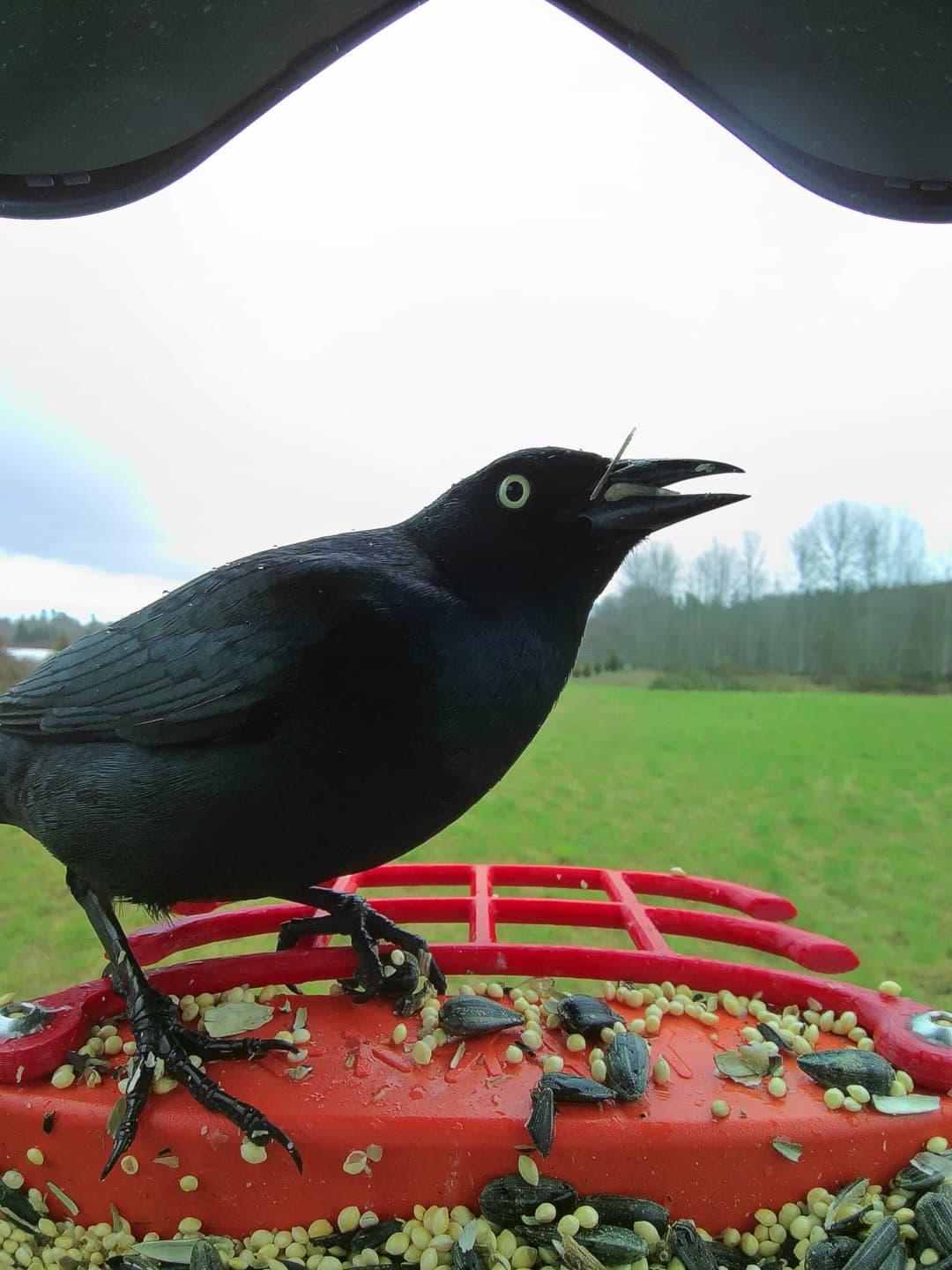
Common Grackle vs Rusty Blackbird
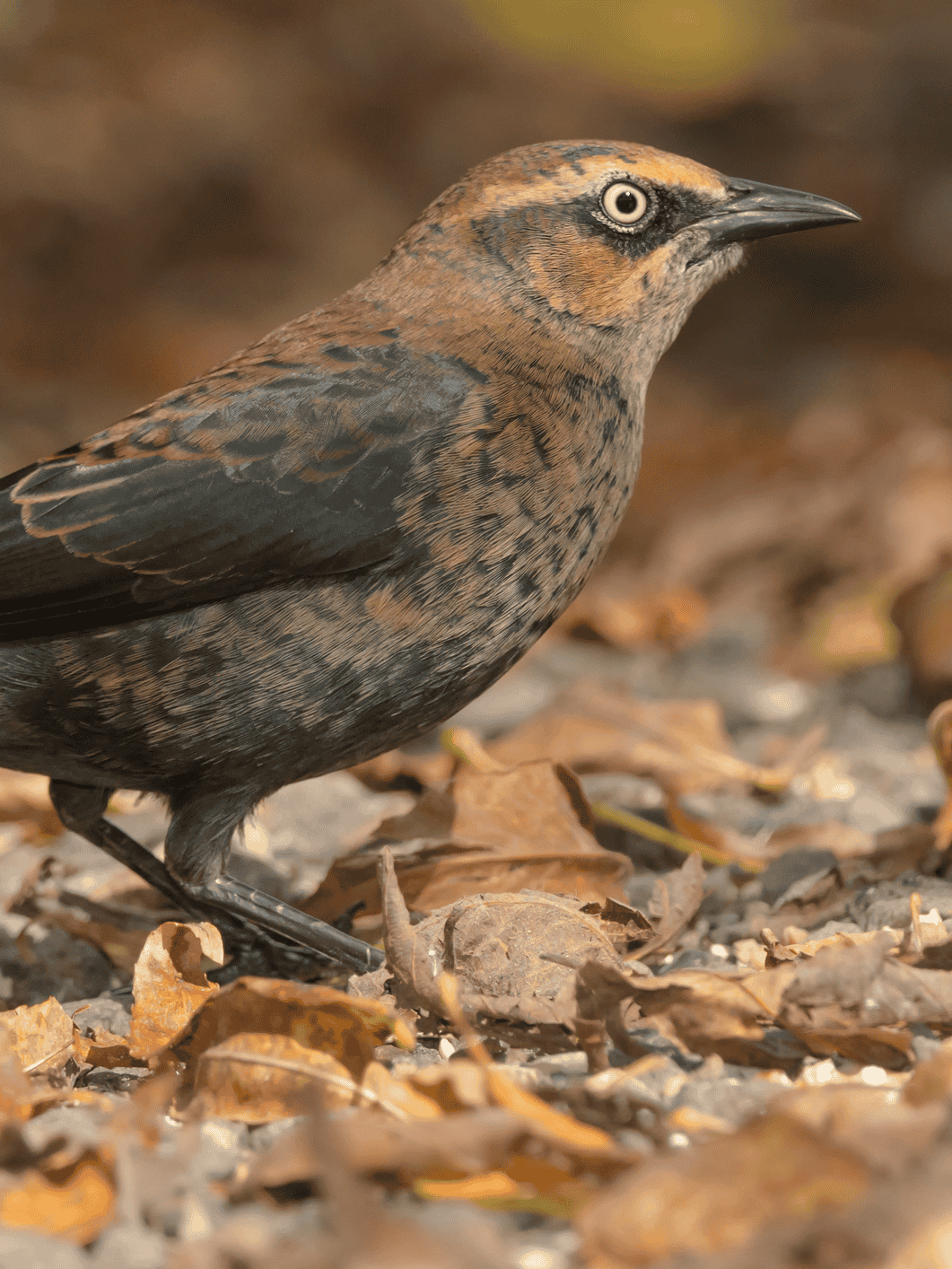
Common Grackle vs Brown-Headed Cowbird
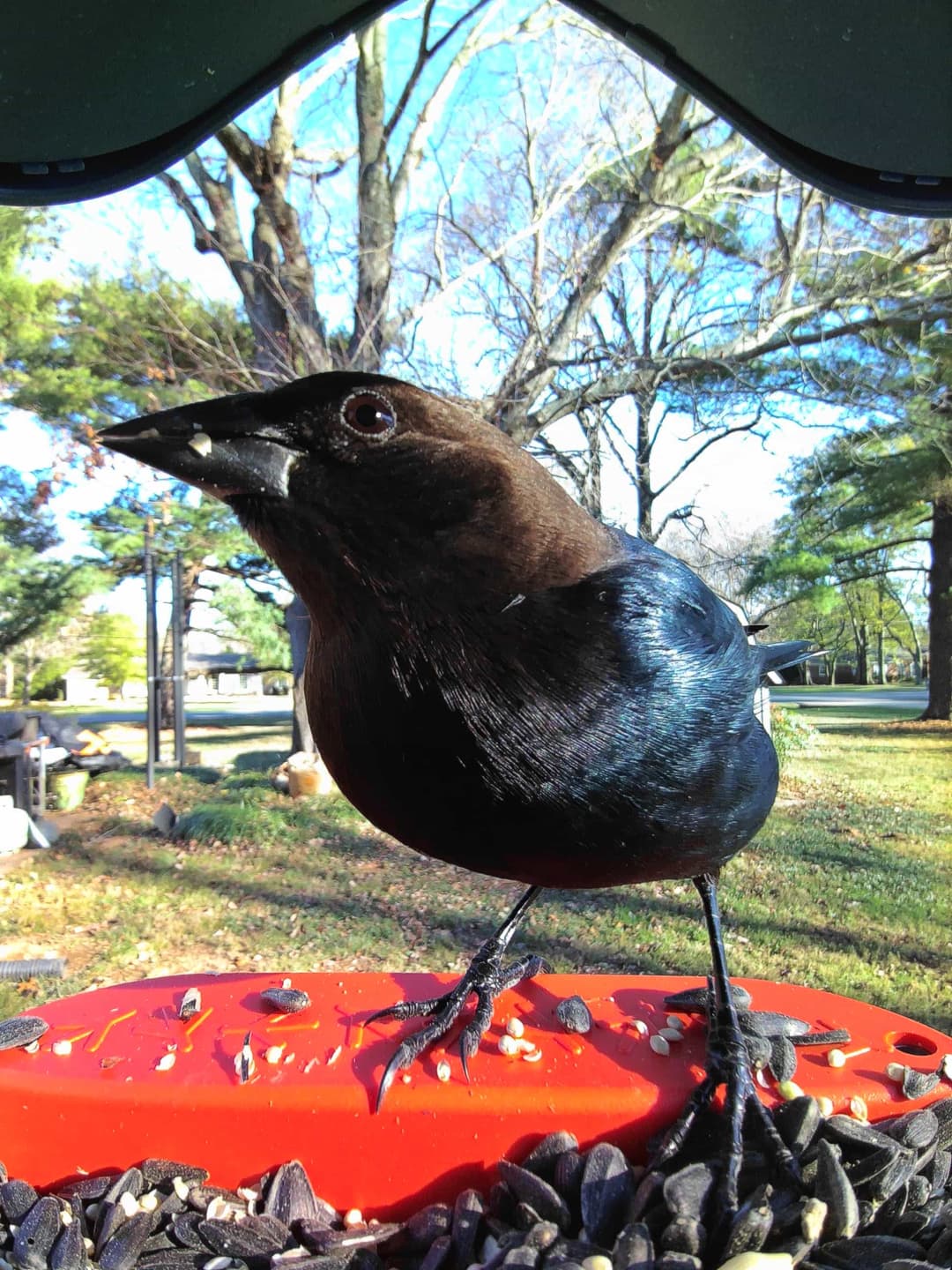
Gray Crow vs [Select a bird]

[Select a bird]
Pick a bird to compare
Common Grackle vs [Select a bird]
[Select a bird]
Pick a bird to compare