
Gray Crow
Gray Crow
Also known as: Bare-Faced Crow
Corvus tristis
Quick Identification guide
Quick Identification guide
- •
Features smooth gray plumage throughout its body, providing a sleek and uniform appearance
- •
Has a stout, black bill that tapers slightly, contrasted against its gray feathers
- •
Displays a rounded head with no crest, giving it a streamlined silhouette
Description
Gray crows are corvids that used to be known as the bare-faced crow, and if you saw them, you’d understand why! These birds like to stay put in their own little corner of the world. You can definitely hear them coming, though, as they make no attempt to hide their presence! They like to chit-chat while looking for a bite to eat in groups of four to eight birds.
The gray crow can weigh between 370to650grams and be from45to47centimeters tall.
The typical lifespan of the Gray Crow (Corvus tristis) is around 10-15 years in the wild. This lifespan is relatively similar to other members of the Corvus genus. For comparison, the American Crow (Corvus brachyrhynchos) lives up to 8 years in the wild, while the Common Raven (Corvus corax) can live up to 21 years, illustrating variability in lifespans among Corvus species. Factors influencing longevity include predation, habitat conditions, and availability of food resources, with captivity often extending lifespan due to reduced threats and consistent care.
Did you know?
Most popular questions about gray crow
How to recognise a gray crow?
Gray crow recognition
General appearance: The Gray Crow is characterized by its slim build and medium size. Its plumage is predominantly a muted gray, giving it a soft, understated elegance. The wings, tail, and back are slightly darker shades, providing a subtle contrast. The head features a smooth transition into this darker coloration, making it seamlessly blend with the body's tone. The eyes are sharp and dark, adding a striking intensity to its expression. The beak is black and slightly curved, well-adapted for its diverse feeding habits. Male vs female: There are minimal differences between male and female Gray Crows, as both sexes share similar coloration and size. However, males may occasionally appear slightly larger with more pronounced plumage, particularly during the breeding season when they engage in courtship displays. This size variance is generally subtle, making visual identification of sex in the field challenging. Juvenile: Juveniles can be distinguished by their lighter grey feathers which appear slightly fluffier and less defined than adults. As they mature, their plumage gains the distinct smoothness and darker contrast found in adults. Juvenile Gray Crows may also showcase a paler beak color, which gradually darkens as they age. Their eyes retain a less intense appearance until maturity, making them more distinguishable from adult counterparts.
Often mistaken for
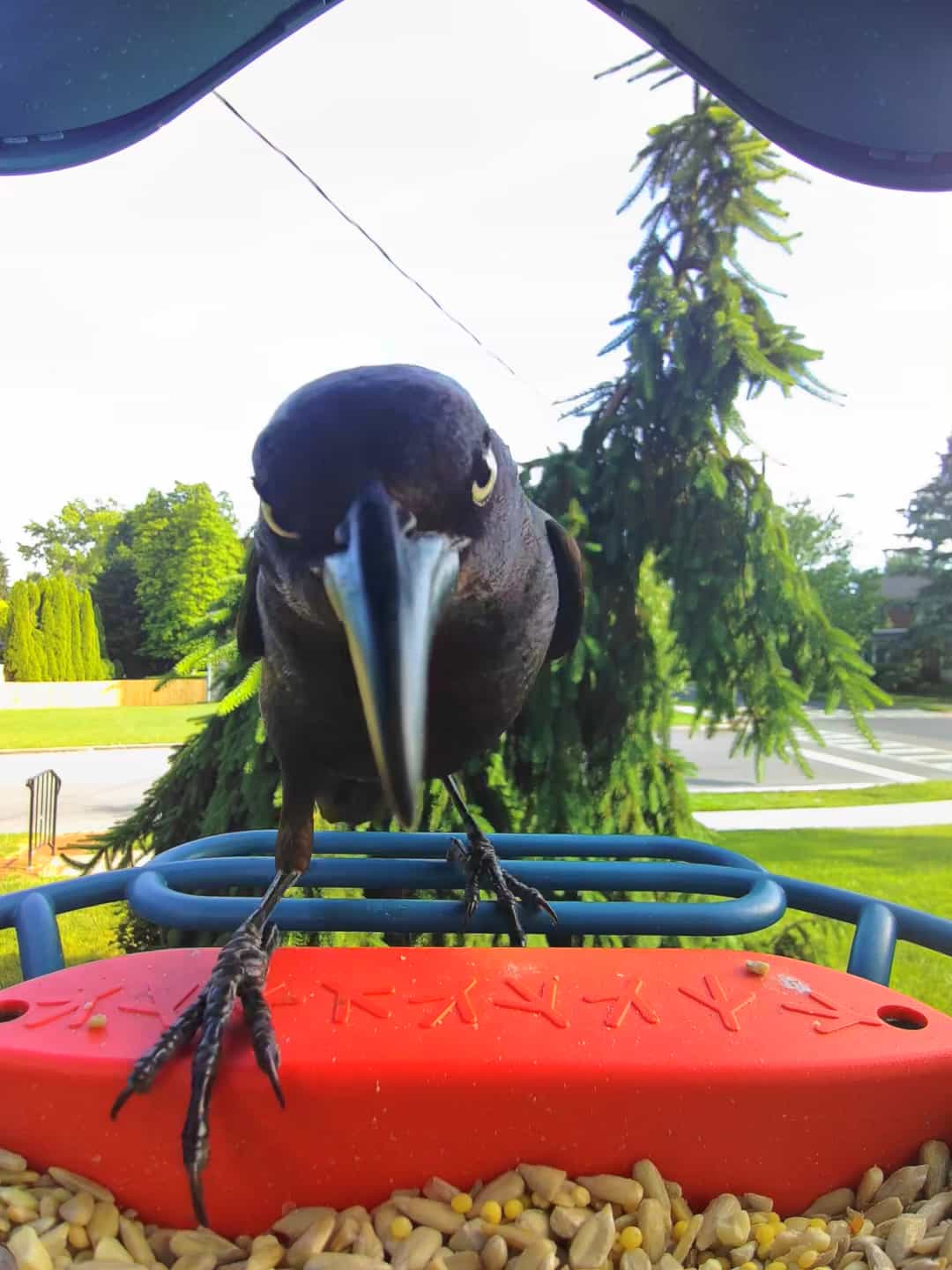
Common Grackle vs Gray Crow
The Common Grackle is often confused with the Gray Crow due to its similar dark plumage. However, the Gray Crow is larger with a heavier bill. Grackles have iridescent feathers and a longer tail, while the Gray Crow has a more uniform gray coloration without the glossy sheen.
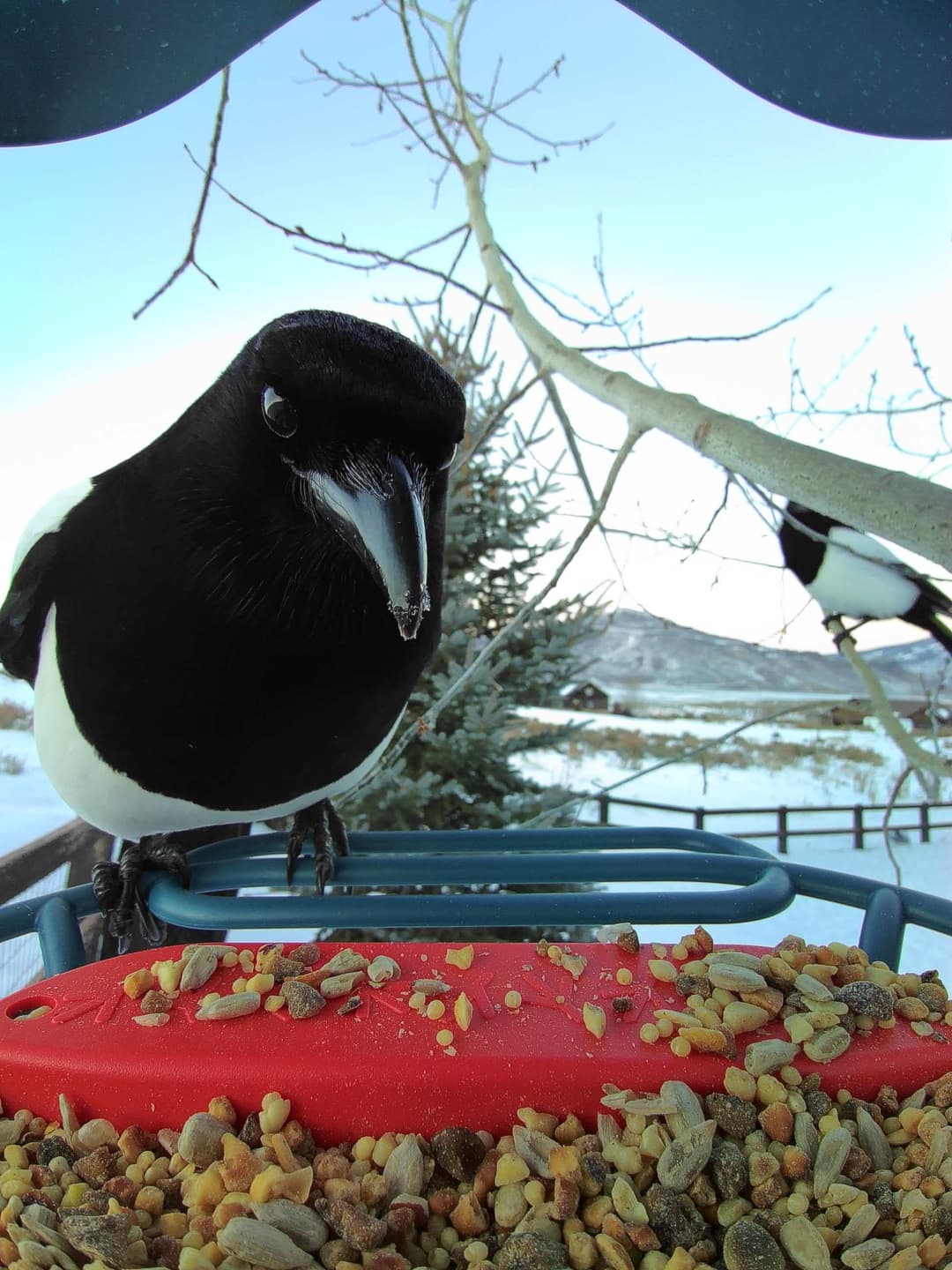
Black-Billed Magpie vs Gray Crow
The Black-Billed Magpie may be mistaken for the Gray Crow because of its similar size and shape. However, the magpie has distinctive white markings on its wings and tail, which the Gray Crow lacks. Additionally, magpies have a less substantial black color, appearing more oily or iridescent, while Gray Crows are consistently gray.
Breeding and nesting habits of the gray crow
Mating Behaviors
The Gray Crow (Corvus tristis) engages in elaborate courtship displays and rituals. Males perform a series of aerial dives and calls to attract potential mates. Pair bonding is strong, and pairs often stay together for multiple breeding seasons. Socially, these crows participate in group flock behaviors but display territorial aggression during the breeding period. Breeding usually occurs seasonally, aligning with environmental conditions that ensure food abundance.
Nesting Details
Gray Crows prefer nesting in mature trees located within forested areas or human-modified landscapes such as gardens. They construct large, sturdy nests using twigs, leaves, and other plant materials, often lining them with softer materials like feathers. The preferred habitat includes places that are elevated from the ground to ensure protection from predators. To encourage nesting in gardens, one can plant native shrubs and trees to provide adequate cover and nesting materials.
Eggs and Chick-rearing
Typically, a female Gray Crow will lay between 3 to 5 eggs per clutch. The eggs are incubated for about 18 to 21 days. Both parents are actively involved in egg incubation and feeding the young. Once hatched, chicks grow rapidly under the doting care of their parents, learning crucial survival skills. After fledging, juvenile Gray Crows continue to be fed and protected by their parents for several weeks until they gain independence.
What does a gray crow like to eat?
Birds
Carrion
Scraps
Small animals
Natural diet
The Gray Crow thrives on a diverse diet influenced by its natural habitat. In the wild, it feasts on an array of food items such as fruits, seeds, and nectar from blooming flowers. Additionally, it is known to consume insects, which provide essential proteins, especially during the breeding season. The dietary composition shifts with the seasons; during spring and summer, the availability of insects and nectar peaks, while in autumn and winter, the diet may pivot to more seeds and fruits as these resources become more abundant.
Bird feeders
When it visits bird feeders, the Gray Crow is drawn to offerings that mimic its natural preferences. It readily consumes seed mixes, with a particular liking for sunflower seeds. Suet is also an attractive option, providing high energy during colder months. Offering fruits such as apples or berries can also appeal to this bird's palate. Encouraging diverse food options can attract the Gray Crow to feeders, allowing observers to appreciate its interesting feeding habits.
Attract gray crow with bird friendly feeder
Choose a platform or tray feeder that accommodates larger birds like the Gray Crow. These feeders allow more space for these birds to comfortably perch and feast. Ensure the feeder has a sturdy design to withstand the bird's weight and investigative pecks, minimizing the risk of tipping overspite windy conditions or sudden movements.
Provide gray crow's favorite snacks
Gray Crows have a taste for a variety of foods, including seeds, nuts, and kitchen scraps. Incorporate sunflower seeds and peanuts, as they are particularly enticing for the Gray Crow. Supplement this with occasional offerings of suet or cooked meats. These high-energy foods help meet their demanding caloric needs.
Use bird buddy seeds for best results
Bird Buddy seeds offer a specially curated blend that caters to the dietary preferences of the Gray Crow. These seeds include a mix of nutritious options that maximize appeal. Ensure your feeder is stocked with Bird Buddy seeds to attract and sustain a visiting population of these intelligent birds.
Optimal feeder placement for gray crow
Place your feeder in an open area, preferably 6-8 feet above ground to provide safety from ground predators. Gray Crows prefer feeding spots with a clear view for better detection of threats. Avoid placing feeders too close to dense foliage or overly crowded spaces, which could lead to competition with other bird species.
Create seasonal feeding adjustments
Gray Crows are known to alter their feeding habits with the seasons. In colder months, increase protein and fat-rich offerings like suet and nuts to provide them additional energy. During warmer seasons, maintain a consistent mix of seeds but experiment with fruits like apples or berries to entice them.
Fun tricks to attract gray crow
Gray Crows are naturally curious and playful birds. Engage their interest by placing shiny or colorful objects around the feeding area. These birds are often attracted by the glint and will interact with new elements in their environment. Consider hanging wind chimes or other reflective decorations nearby.
Add water sources and habitat enhancements
Provide a consistent supply of clean water with a birdbath or shallow dish. To create a more inviting habitat, plant native shrubs or trees that offer shelter and nesting opportunities. This creates a welcoming environment, encouraging Gray Crows to make repeat visits and potentially establish a presence in your yard.
Where can you find gray crows?

Primary habitat
The Gray Crow (Corvus tristis) primarily inhabits tropical and subtropical regions. It is commonly found in dense forests, including rainforests and woodlands. These birds prefer areas with abundant tree cover, which provide access to food sources and nesting sites. Their typical range includes parts of Southeast Asia, where they thrive in humid climates.
Additional range
In addition to their primary forest habitats, Gray Crows have been observed in urban areas and agricultural lands. Their ability to adapt allows them to exploit new environments, sometimes occupying city parks or farmland where food sources are plentiful. This versatility demonstrates their resilience in various non-forest habitats.
Do they migrate?
The Gray Crow, also known as the Torresian Crow (Corvus orru), does not typically engage in long-distance migration. Instead, it is largely resident and sedentary, living year-round in its natural habitat. The species is native to parts of Australia, New Guinea, and nearby islands, where it adapts well to diverse environments, including woodlands, coastal areas, and urban settings. Though the Gray Crow does not migrate, it may engage in local movements influenced by food availability, environmental conditions, or social factors. For instance, during certain seasons, some individuals might move short distances to exploit temporary food sources or to avoid unfavorable weather conditions. Since there is no long migratory route for the Gray Crow involving specific timings or key locations, its movements are generally limited to regional adjustments rather than extensive migration. Overall, the Gray Crow’s adaptability to different surroundings allows it to remain relatively stationary throughout the year.
What is the role of gray crows in nature and how to protect them?
Conservation status
The Gray Crow is listed as Near Threatened, indicating it is at risk but not yet endangered or vulnerable. It is native to New Guinea and some nearby islands. Primary threats include habitat loss due to deforestation, as well as hunting in certain regions. Conservation efforts focus on habitat protection and monitoring population trends. Some local initiatives aim to raise awareness and reduce hunting pressures. To ensure the species' survival, continued habitat conservation and legal protection against hunting are crucial.
Ecological role of gray crows
Its role in the ecosystem
The Gray Crow, Corvus tristis, is an integral part of its native ecosystem due to its diverse range of ecological contributions. This bird plays a significant role in pest control by feeding on a variety of insects, thus helping to regulate insect populations and reduce the occurrence of pest infestations. Its diet includes insects like caterpillars and beetles, which are known to damage crops and plants. In addition to pest control, the Gray Crow aids in seed dispersal, which is crucial for plant propagation. By consuming fruits and dispersing the seeds through its droppings, this bird contributes to the growth of vegetation in its habitat, facilitating biodiversity and forest regeneration. Although not a primary pollinator, the Gray Crow can occasionally contribute to pollination while searching for food among flowers, inadvertently transferring pollen from one bloom to another. Moreover, the Gray Crow plays a part in nutrient cycling by scavenging on carrion and decomposing matter. This behavior aids in breaking down organic matter, which enriches the soil with nutrients. Through its interactions with various species, including predators and competitors, the Gray Crow maintains ecological balance, impacting the food web dynamics in its environment.
How to help protect gray crows
Preservation tips
Habitat preservation strategies
Protecting and restoring the natural habitat of the Gray Crow is vital. Supporting conservation organizations that focus on preserving the forests of New Guinea can make a significant impact. These organizations work to mitigate deforestation and promote sustainable land management practices. Lobbying local governments to pass and enforce stricter land-use laws that prevent habitat destruction is also essential. Advocating for the establishment of protected areas where the native flora and fauna, including the Gray Crow, can thrive helps conserve critical habitats. Additionally, supporting reforestation projects and initiatives to restore degraded lands can enhance the ecological balance and provide safe havens for these birds.
Community science initiatives
Engaging in community science initiatives can support the conservation of the Gray Crow through research and awareness. Individuals and communities can participate in bird monitoring programs or contribute to data collection efforts that track the population and distribution of these crows. Encouraging local education initiatives that inform the public about the Gray Crow's ecological importance can foster a sense of preservation. Participating in birdwatching groups or organizing walks to explore habitats raises awareness and contributes valuable sightings to conservation databases. By sharing findings on social media platforms, enthusiasts can create a broader awareness and inspire further conservation efforts.