Gray Crow or Black-Billed Magpie?
Here's how to tell the difference



Gray Crow
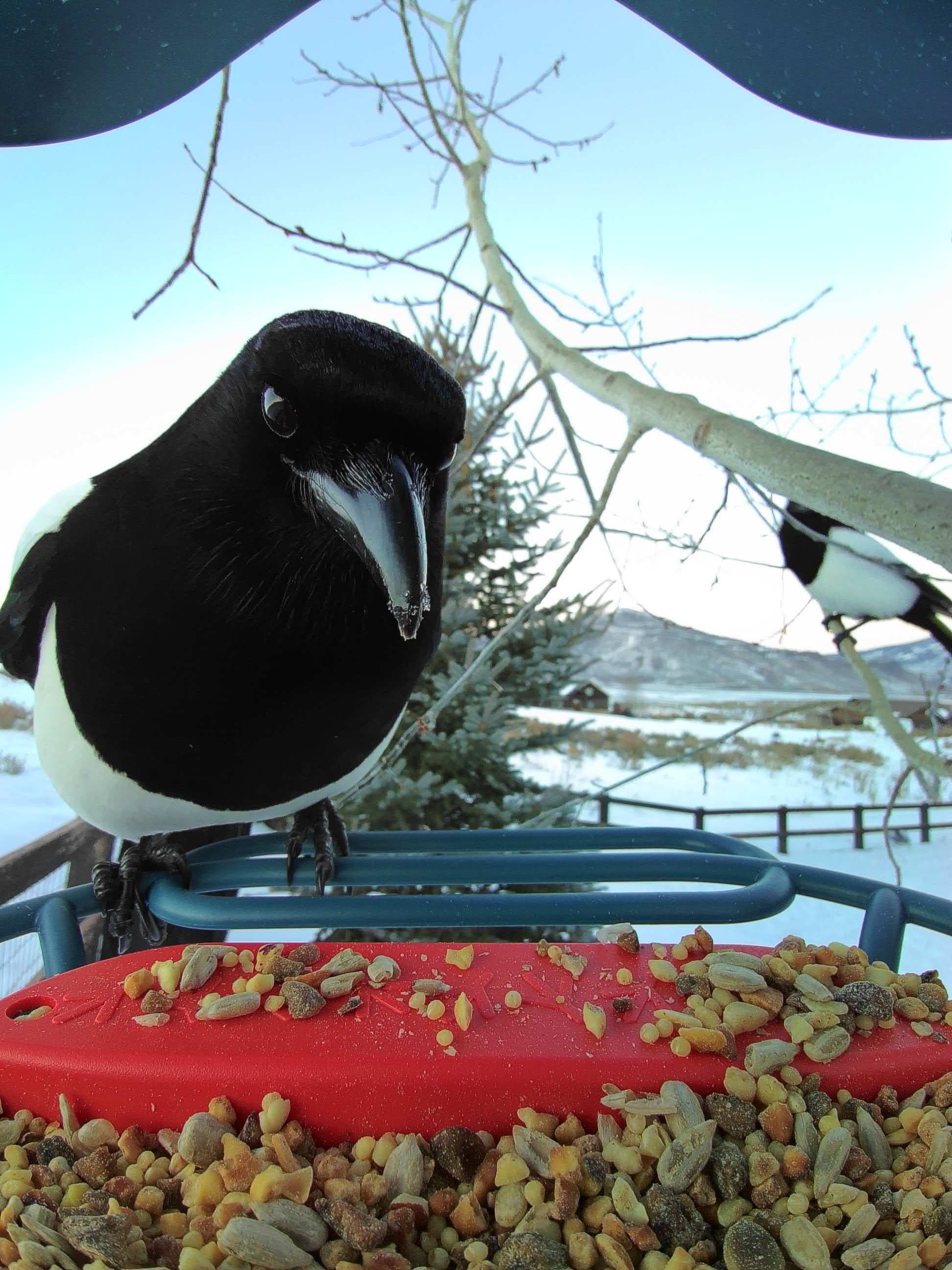


Black-Billed Magpie
Gray Crow
Corvus tristis
Also known as: Bare-Faced Crow
Gray Crow Recognition
General appearance: The Gray Crow is characterized by its slim build and medium size. Its plumage is predominantly a muted gray, giving it a soft, understated elegance. The wings, tail, and back are slightly darker shades, providing a subtle contrast. The head features a smooth transition into this darker coloration, making it seamlessly blend with the body's tone. The eyes are sharp and dark, adding a striking intensity to its expression. The beak is black and slightly curved, well-adapted for its diverse feeding habits. Male vs female: There are minimal differences between male and female Gray Crows, as both sexes share similar coloration and size. However, males may occasionally appear slightly larger with more pronounced plumage, particularly during the breeding season when they engage in courtship displays. This size variance is generally subtle, making visual identification of sex in the field challenging. Juvenile: Juveniles can be distinguished by their lighter grey feathers which appear slightly fluffier and less defined than adults. As they mature, their plumage gains the distinct smoothness and darker contrast found in adults. Juvenile Gray Crows may also showcase a paler beak color, which gradually darkens as they age. Their eyes retain a less intense appearance until maturity, making them more distinguishable from adult counterparts.
Size
17.7 - 18.5 in/13.1 - 22.9 oz
There's more to learn about Gray Crow
View full detailsBlack-Billed Magpie
Pica hudsonia
Also known as: American Magpie
General appearance
The black-billed magpie is unmistakable with a size about that of a crow, mallard, or herring gull, varies between 17 1/2 -22 inches (44-56 cm). It possesses distinctive coloration, featuring a black body with a green and blue gloss on its wings and long, wedge-shaped tail. Its large white wing patches are particularly noticeable during flight.
Male vs female
There is little sexual dimorphism in black-billed magpies, which means males and females look very similar to one another. Both genders share the black coloration, along with the green-blue glossy wings. The wings are broad, either fingered or rounded, and their tails are long, wedge-shaped.
Juvenile
Juvenile black-billed magpies will have similar coloration to adults, but their colors may initially appear less vibrant with the glossy wing sheen developing as they mature. Similar to adults, the juveniles' wing patches flash white during flight.
Size
17.7 - 23.6 in/5.1 - 7.4 oz
There's more to learn about Black-Billed Magpie
View full detailsHow to tell the Gray Crow from the Black-Billed Magpie
Visual differences
The Gray Crow is slightly heavier (13-23 oz) than the Black-Billed Magpie (5-7 oz) and has a uniform grayish plumage. The Black-Billed Magpie is more colorful, with black bodies and a distinctive green-blue gloss on their wings and long, wedge-shaped tails. Magpies also have prominent white wing patches, particularly visible in flight, contrasting with the Gray Crow's consistently gray appearance. Both species are approximately the same length, ranging from 17-22 inches, but their differing coloration and markings are key for identification.
Key differences and behavior
The Gray Crow (Corvus tristis) and Black-Billed Magpie (Pica hudsonia) display distinct behavioral differences. Gray Crows inhabit tropical forests, showing adaptability to urban areas, whereas Black-Billed Magpies prefer semi-open terrains, avoiding dense forests. Gray Crows are highly social, foraging in small groups and performing elaborate courtship displays, while Black-Billed Magpies sometimes form loose colonies, with males displaying wing patches for courtship. The Gray Crow’s diet shifts seasonally from insects to fruits and seeds, while Black-Billed Magpies are omnivorous, eating insects, carrion, and vegetables. Both species construct substantial nests, but Gray Crows favor forested trees, whereas Magpies choose lower branches, often in farm areas. Both are involved in parental care post-hatching.
Still not sure? Here are more lookalikes!
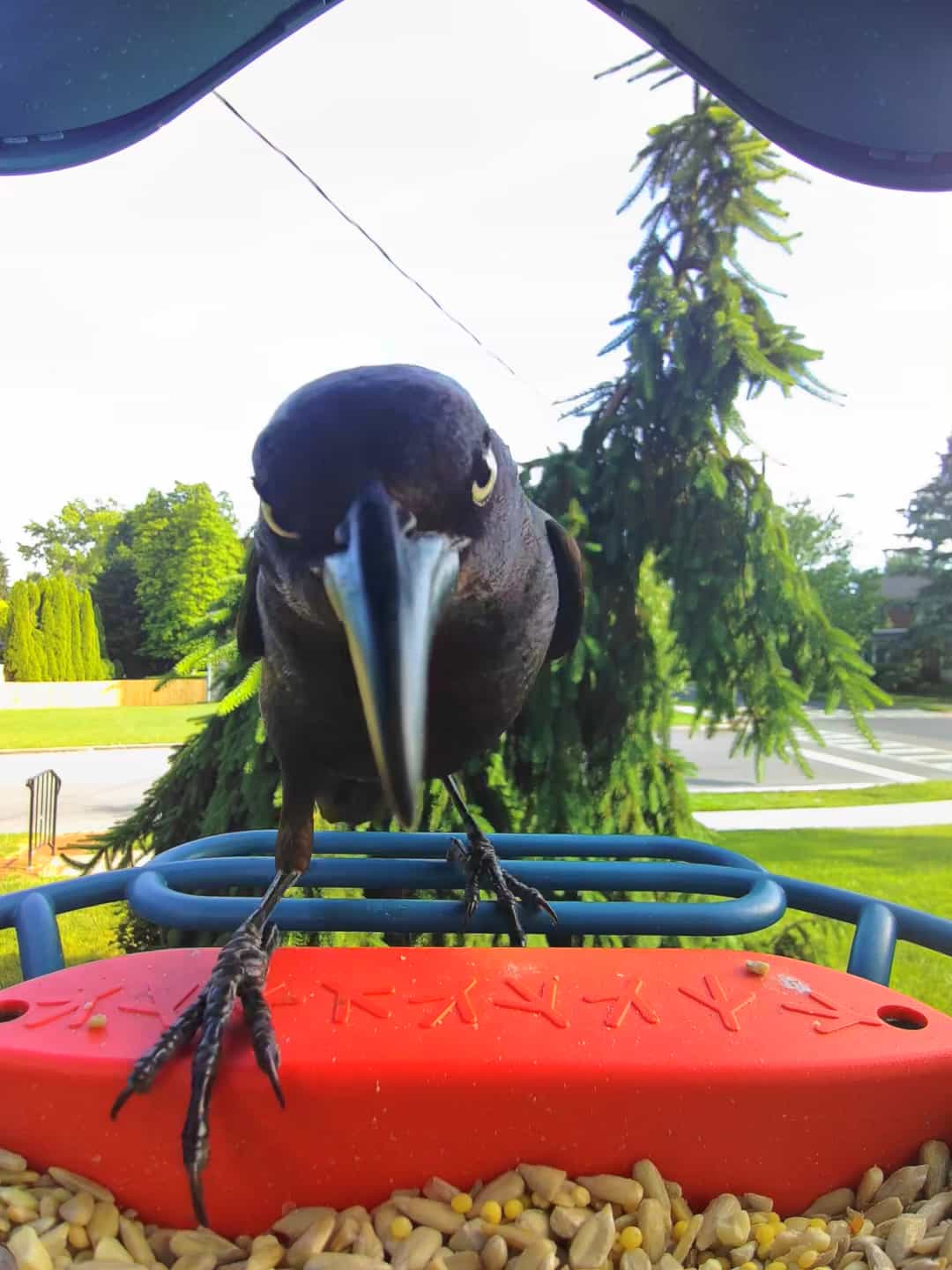
Gray Crow vs Common Grackle

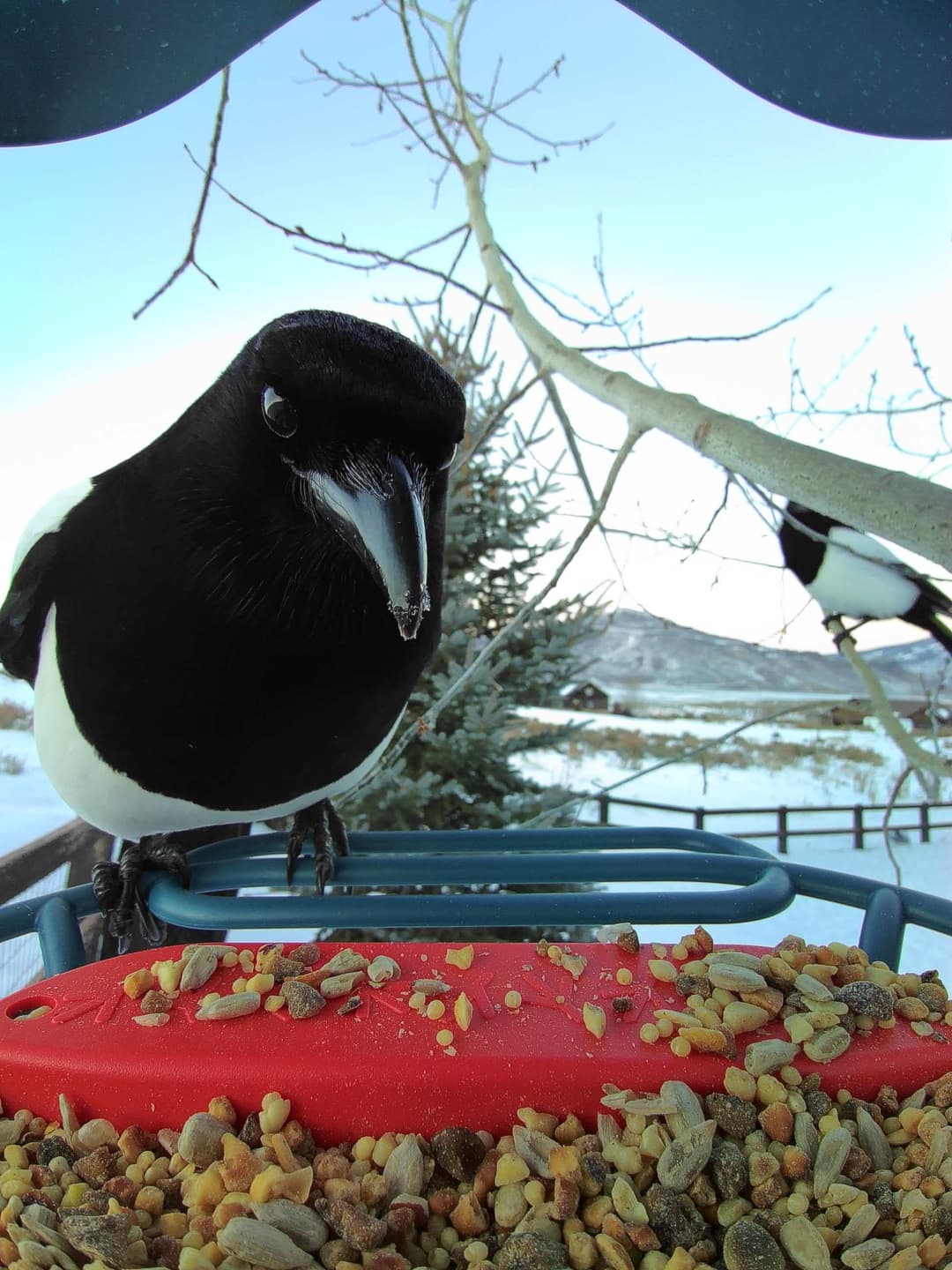
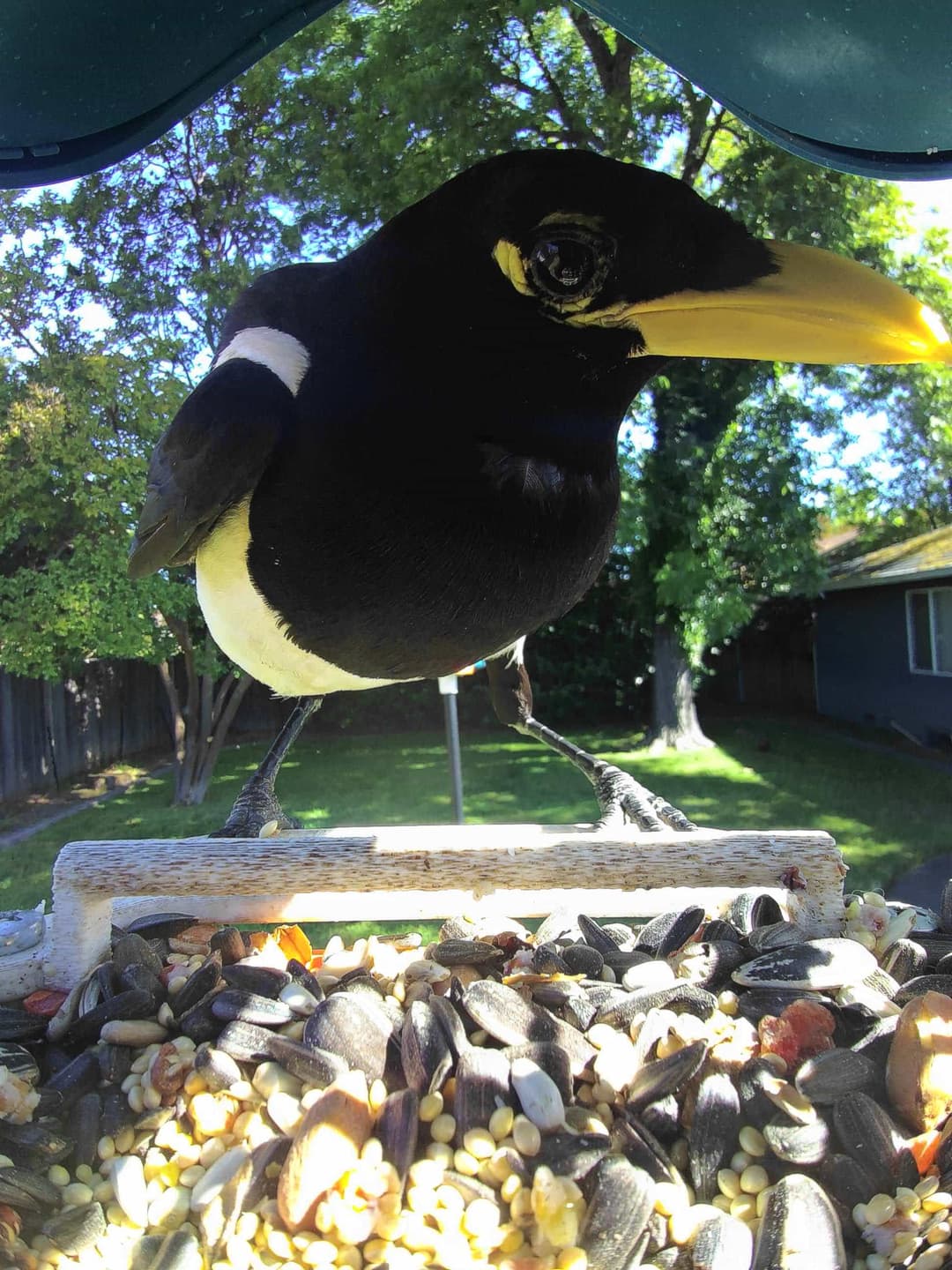
Black-Billed Magpie vs Yellow-Billed Magpie


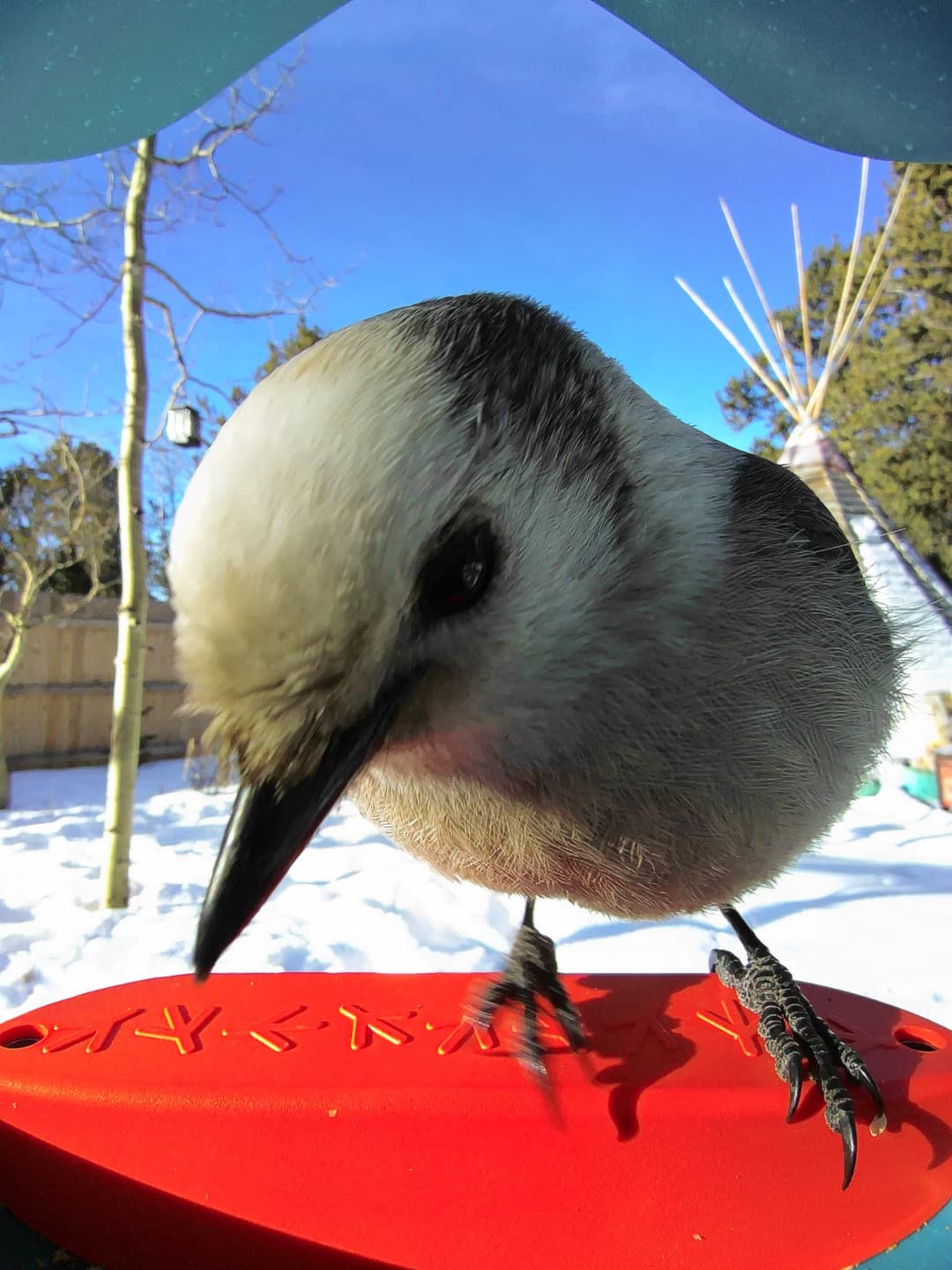
Black-Billed Magpie vs Clark’s Nutcracker
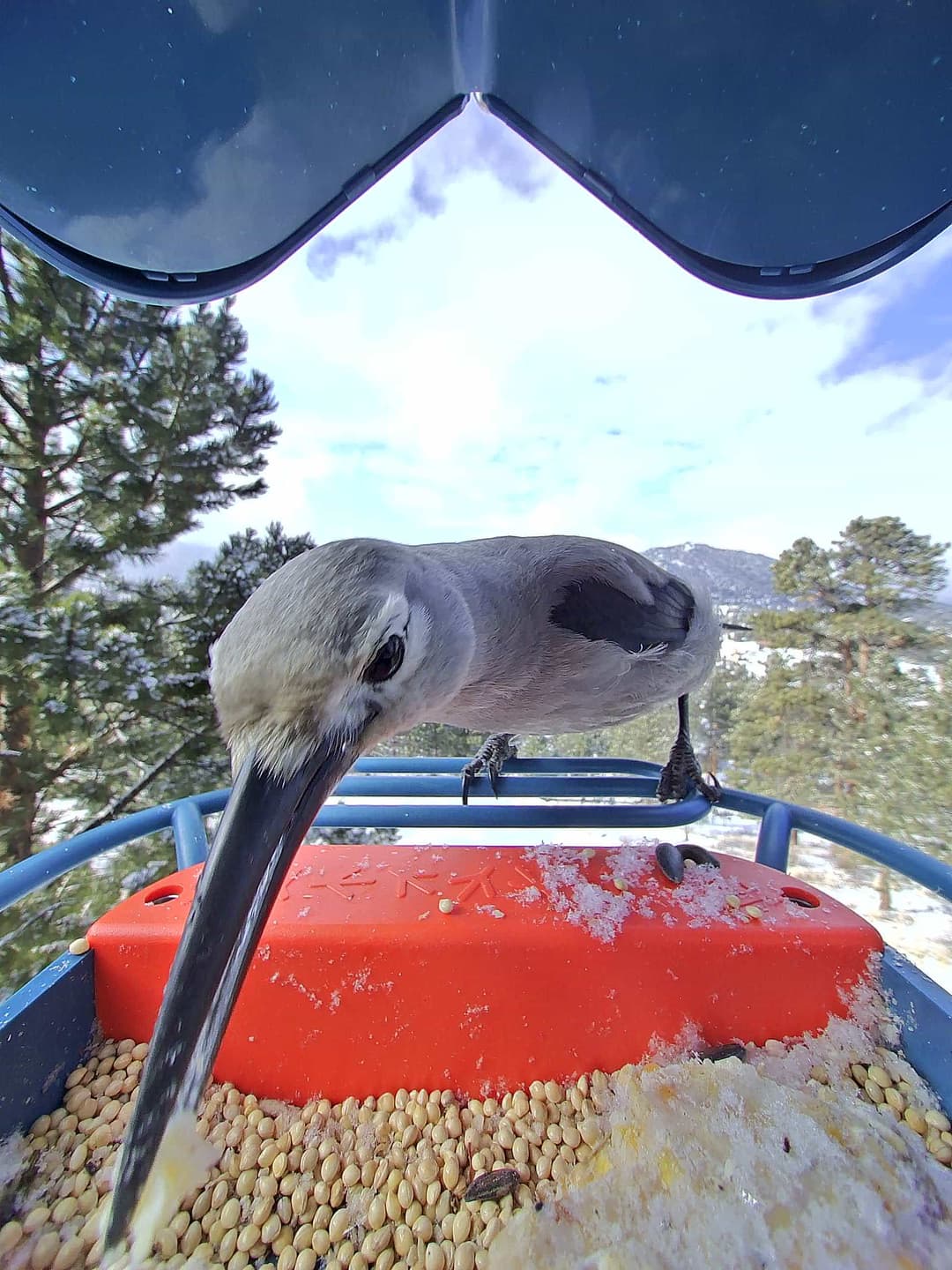
Gray Crow vs [Select a bird]

[Select a bird]
Pick a bird to compare
Black-Billed Magpie vs [Select a bird]
[Select a bird]
Pick a bird to compare