Rock Bunting or Cirl Bunting?
Here's how to tell the difference
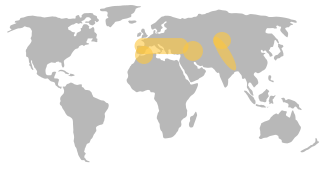
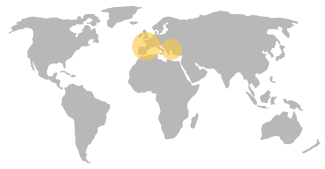

Rock Bunting


Cirl Bunting
Rock Bunting
Emberiza cia
General appearance
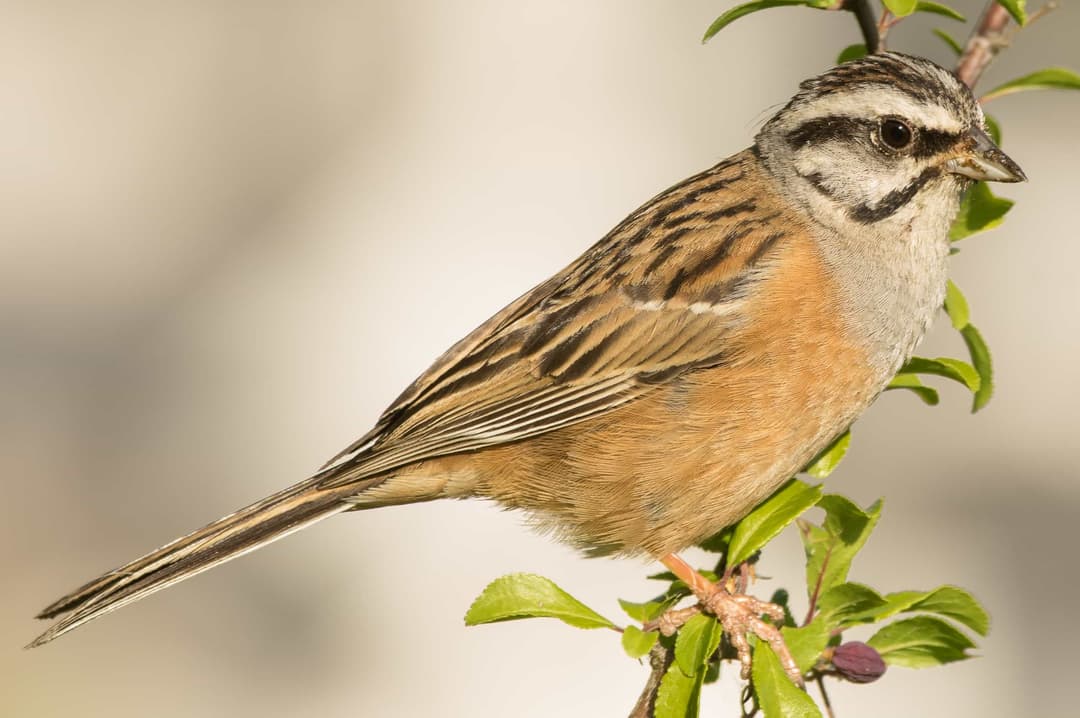
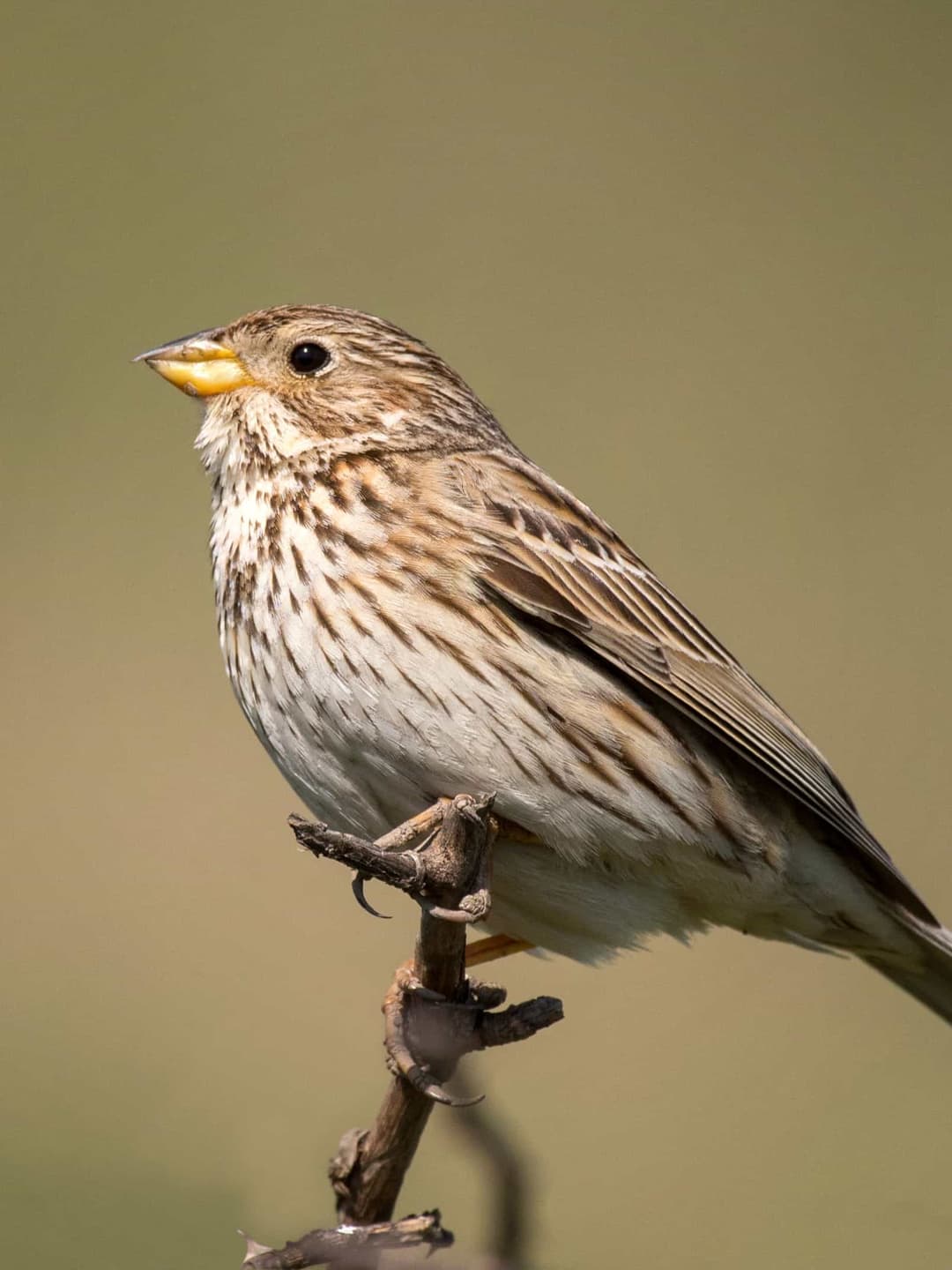
The Rock Bunting is a small bird, typically measuring around 17 centimeters in length and weighing between 20-30 grams. Its most distinguishing attributes are the streaked brown feathers on the back and wings, and a robust, pinkish-white, conical beak.
Male vs female
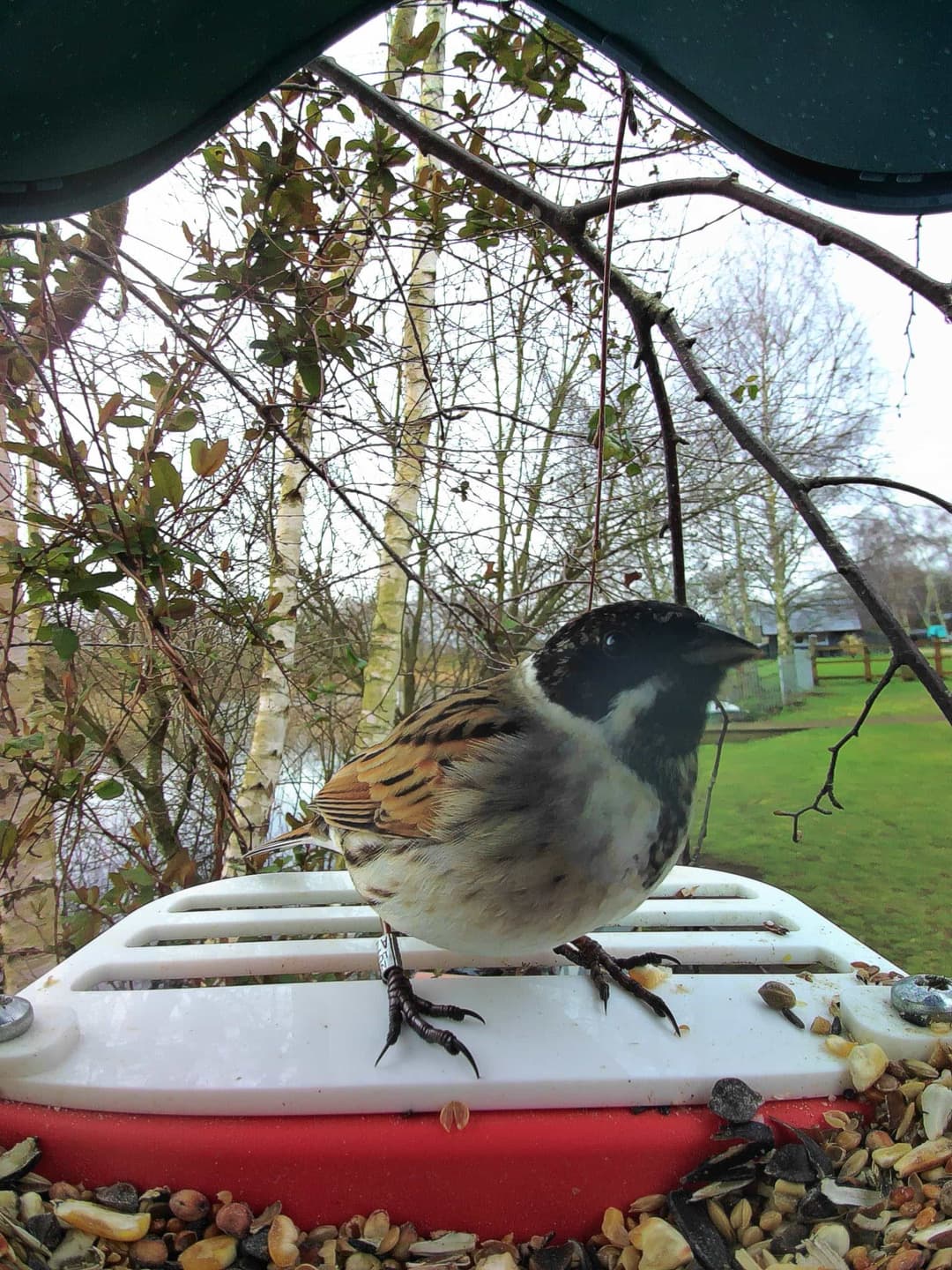
Male Rock Buntings are distinguished by their black and white striped head which is contrasted sharply by a bright yellow neck and underparts. In contrast, females have a subtler coloration with less distinctive head stripes, and a more subdued, earthy brown yellow underparts. These differences are much more pronounced during the breeding season.
Juvenile
Juvenile Rock Buntings resemble the nondescript coloration of the female, but with a more uniformly grey-brown plumage. They lack the distinctive head-stripes of the adults, and have duller underparts. Juveniles also have dark-colored bills initially, which gradually lightens and turns pink as they mature.
Size
6.3 - 6.7 in/0.7 - 0.9 oz
There's more to learn about Rock Bunting
View full detailsCirl Bunting
Emberiza cirlus
General appearance
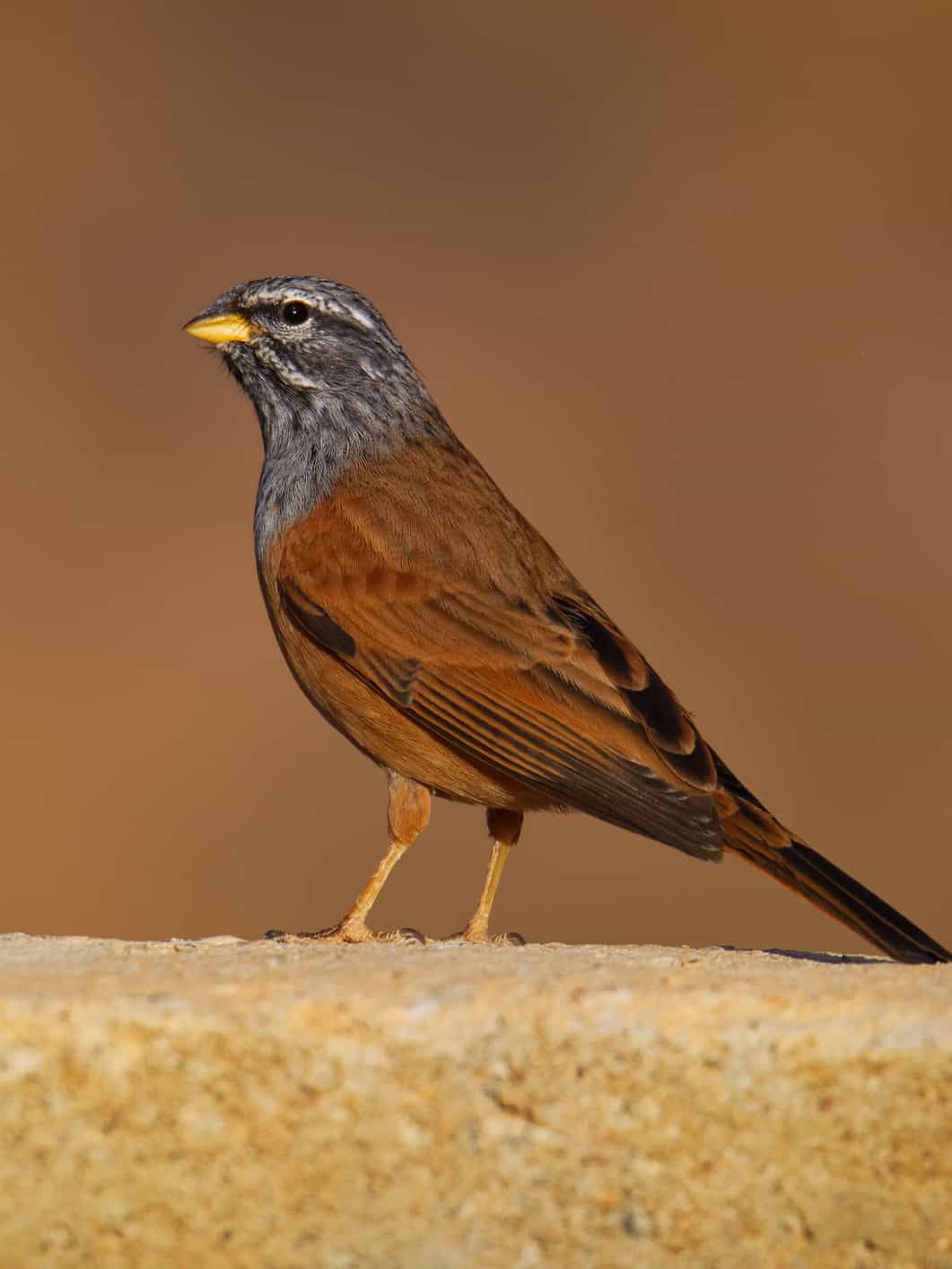
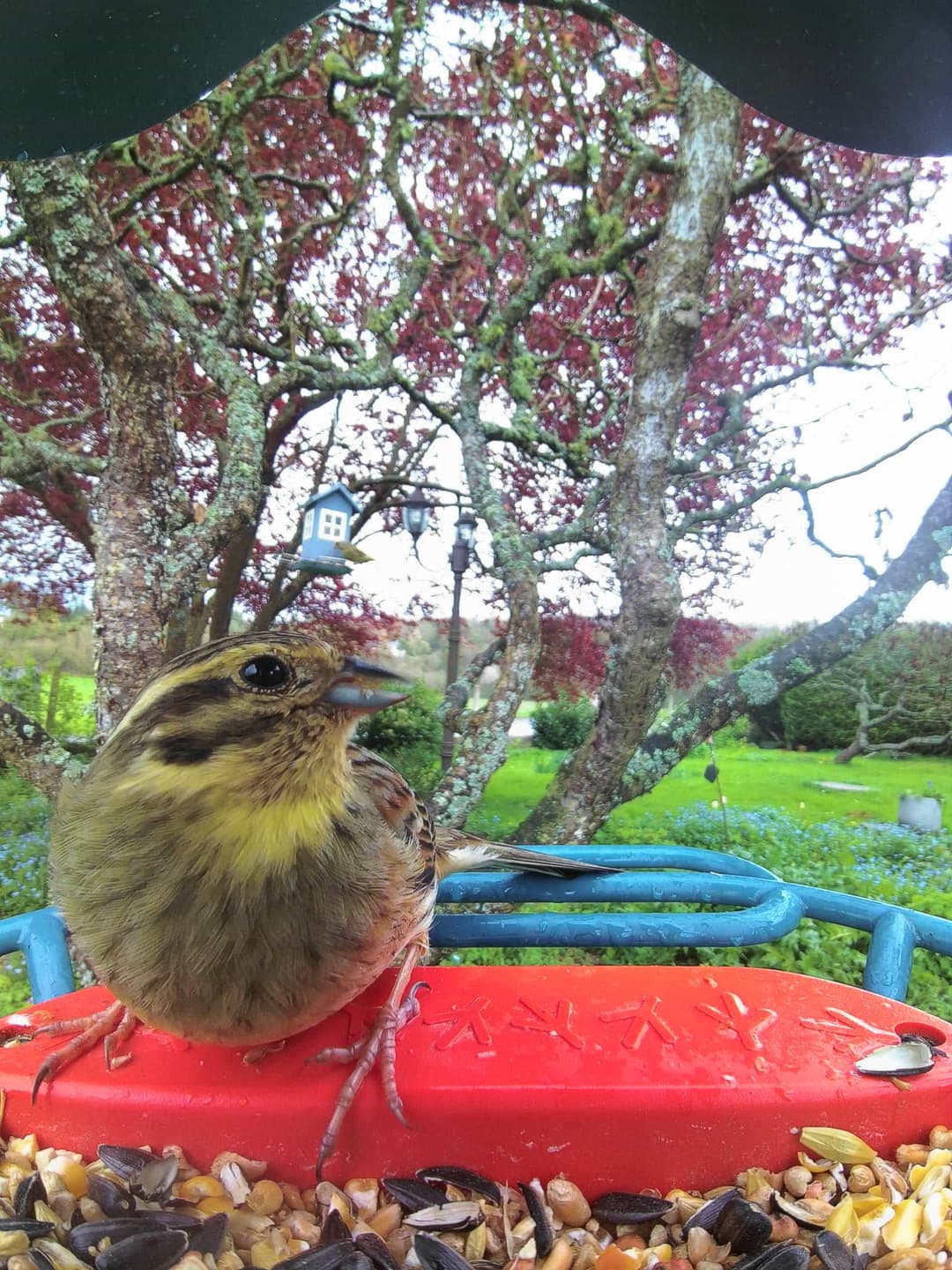
Cirl buntings are small, stout birds, measuring around 15 cm long. They showcase distinct sexual dimorphism and exhibit a yellow and black facial pattern. The species also displays a greenish rump and a streaked brown back.
Male vs female
In cirl buntings, males and females differ in coloration. Males boast a vibrant combination of a black eye stripe and throat, greenish rump, and brightly colored chestnut back. They develop a prominent yellow moustache. In contrast, females and winter males are browner, lacking the vivid yellow and black. They retain the green rump but present a less striking streaked brown back.
Juvenile
Juvenile cirl buntings, similar to females, demonstrate a more subdued color palette. They have brownish chests with dark spotting and streaks which eventually fade to a paler, uniform color as they mature. Their backs and wings are also streaked brown. The young cirl buntings lack the characteristic black and yellow facial patterns seen in adults.
Size
5.9 - 6.5 in/0.7 - 1.0 oz
There's more to learn about Cirl Bunting
View full detailsHow to tell the Rock Bunting from the Cirl Bunting
Visual differences
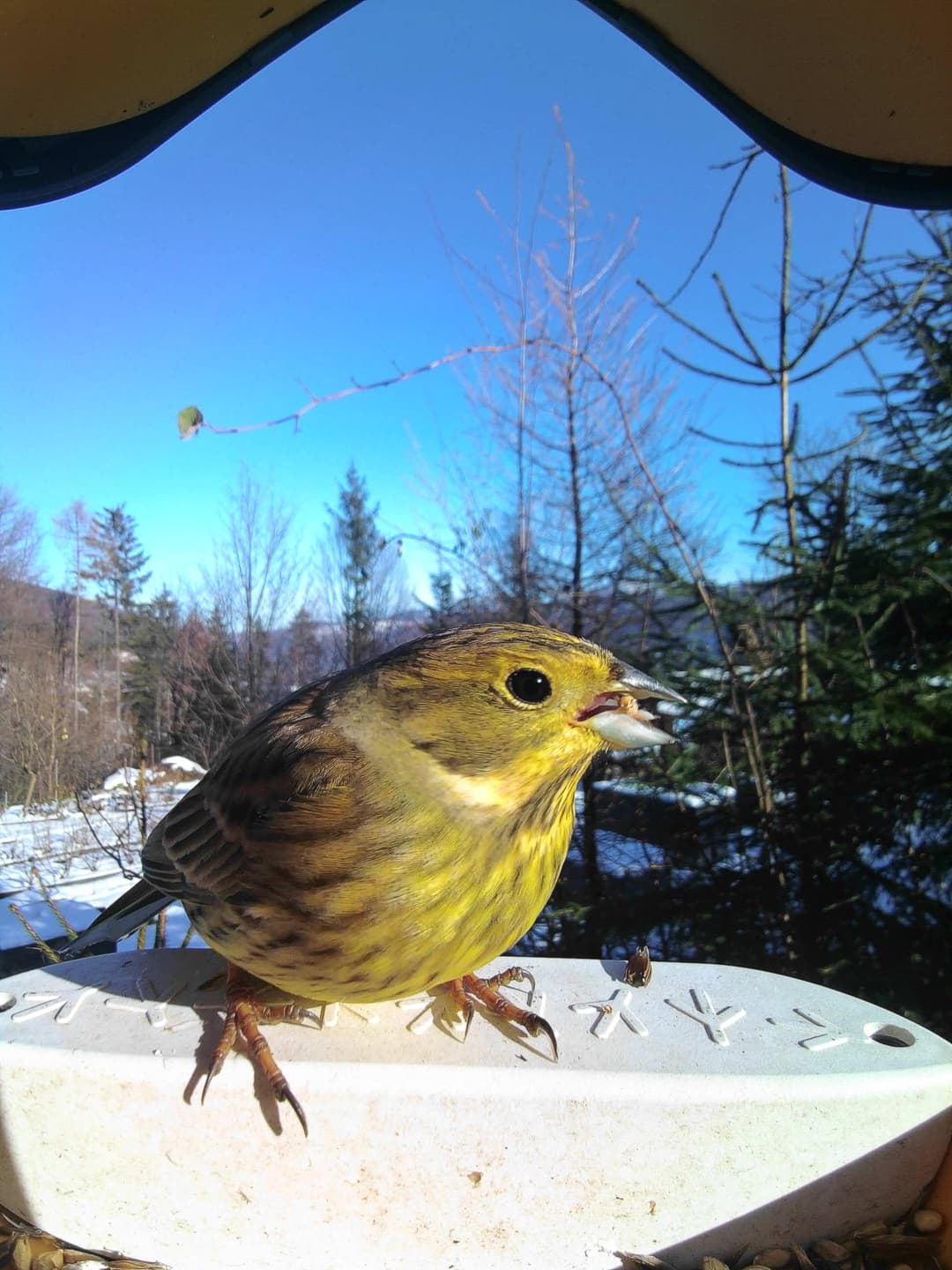
The Rock Bunting (6.3-6.7 in, 0.7-0.9 oz) has a black-and-white striped head, a bright yellow neck, and a rufous body, along with a robust pinkish-white beak. The Cirl Bunting (5.9-6.5 in, 0.7-1 oz) displays a yellow and black facial pattern with a greenish rump and streaked brown back. Males show sexual dimorphism: Rock Bunting males have striking head stripes, while Cirl Bunting males boast a black eye stripe and yellow moustache. Juveniles and females in both species display more subdued, earthy tones.
Key differences and behavior
The Rock Bunting and Cirl Bunting exhibit distinct behavioral and habitat preferences. Rock Buntings thrive in mountainous regions with rocky terrains, occasionally found in suburban gardens, while Cirl Buntings prefer low-intensity farmlands and hedgerows in the UK. In terms of diet, both consume seeds and insects, but Rock Buntings focus more on high-fat seeds during winter, while Cirl Buntings adapt to seasonal availability of insects and seeds, often frequenting bird feeders. During breeding, Rock Buntings engage in singing and courtship displays from prominent perches, similar to Cirl Buntings, which also perform aerial displays. Both species construct cup-shaped nests, but Rock Buntings use lower shrubs or trees, whereas Cirl Buntings nest in low vegetation and hedgerows. Given their preference for diverse landscapes, Rock Buntings are more associated with rugged terrains, contrasting with the farmland-centric habitat of Cirl Buntings.
Still not sure? Here are more lookalikes!
Rock Bunting vs [Select a bird]

[Select a bird]
Pick a bird to compare
Cirl Bunting vs [Select a bird]
[Select a bird]
Pick a bird to compare