Velasquez's Woodpecker or Red-Bellied Woodpecker?
Here's how to tell the difference
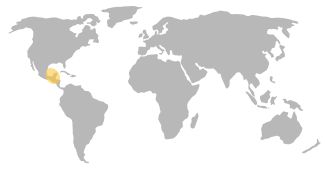

Velasquez's Woodpecker
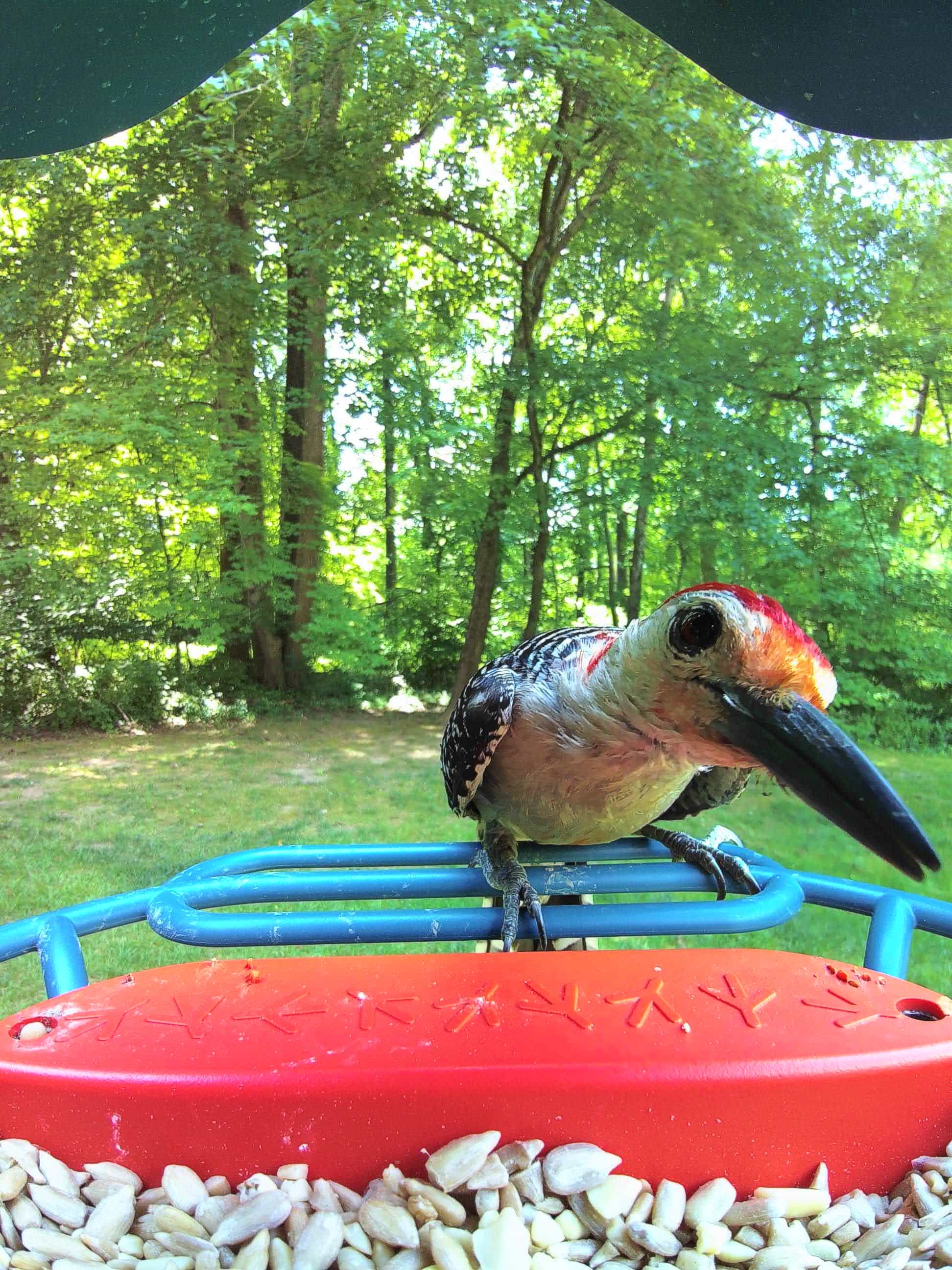

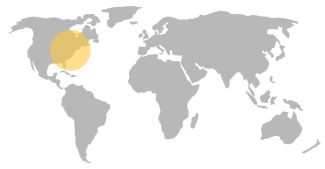
Red-Bellied Woodpecker
Velasquez's Woodpecker
Melanerpes santacruzi
General appearance
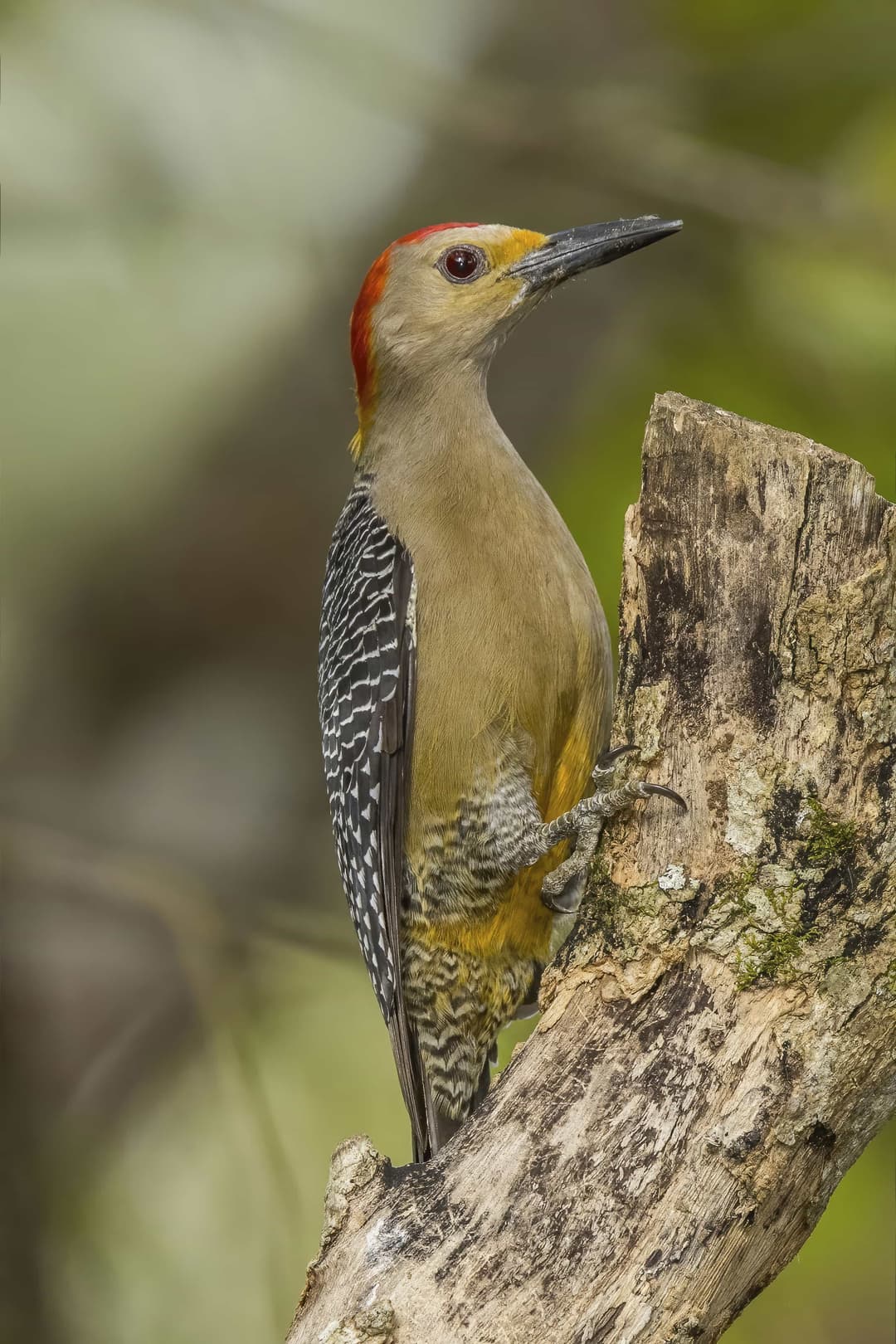
The Velasquez's woodpecker, also known as Melanerpes santacruzi, typically has a sturdy, robust physique with a strong, chisel-like bill. It's primarily black in color with white patches on the wings and rump. A defining feature is the bright red cap located on the top of the bird's head.
Male vs female
In many species, males usually exhibit more vibrant plumage compared to their female counterparts, however, in Velasquez's woodpeckers, males and females have similar coloration and markings. Differences are subtler and mainly consist of variations in size, with males being slightly larger than females. Furthermore, the red cap of the male extends down to the nape of the neck, whereas it is typically smaller in females.
Juvenile
Juveniles of the Velasquez's woodpecker exhibit a more muted color palette compared to the mature birds. Their plumage consists of various shades of brown with faint white markings. The red cap found on adults is absent in the juveniles, developing as they mature. Furthermore, juveniles have shorter beaks compared to adults.
Size
8.7 - 10.2 in/2.3 - 3.6 oz
There's more to learn about Velasquez's Woodpecker
View full detailsRed-Bellied Woodpecker
Melanerpes carolinus
General appearance
The Red-bellied Woodpecker measures approximately 10 inches (25 cm) in size with a unique coloration. It has narrow black and white bars on its back, a buffy brown chest, and a face with a striking red stripe that extends over the top and back of the head. Its wings are broad, rounded, and short, featuring unique white patches noticeable in flight. The tail shape is multi-pointed and wedge-shaped.
Male vs female
Both males and females possess the same general physical traits including a black, red, tan, and white color scheme. However, marking differences can help distinguish between the two. A notable difference is in the level of red coloration on the head area; while both sexes feature a bright red stripe over the top and back of their heads, females tend to have less red compared to their male counterparts.
Juvenile
Juvenile Red-bellied Woodpeckers closely resemble the adults in coloration and physical traits, except for the striking red stripe, which typically develops as they mature. Therefore, younger woodpeckers may have a less pronounced red stripe or none at all, compared to adults.
Size
9.0 - 10.5 in/2.0 - 3.2 oz
There's more to learn about Red-Bellied Woodpecker
View full detailsHow to tell the Velasquez's Woodpecker from the Red-Bellied Woodpecker
Visual differences
Velasquez's Woodpecker (8.7-10.2 inches, 2.3-3.6 ounces) and Red-Bellied Woodpecker (9.0-10.5 inches, 2.0-3.2 ounces) are visually distinguishable. Velasquez's has a primarily black body with white wing patches and a red cap, whereas the Red-Bellied has black and white barred back, buff chest, and a red stripe across its head. Velasquez's has a more robust body with a chisel-like bill, while the Red-Bellied exhibits a buffy face with multi-pointed tail feathers. The red markings are more expansive in Velasquez's males compared to females.
Key differences and behavior
Velasquez's Woodpecker (Melanerpes santacruzi) and the Red-Bellied Woodpecker (Melanerpes carolinus) exhibit distinct behavioral and ecological traits. Velasquez's Woodpecker, active in humid forests and occasionally dry areas in Central America, is known for its cooperative nesting behavior, with both sexes sharing tasks such as excavating nest cavities and incubating eggs. In contrast, the Red-Bellied Woodpecker, inhabiting deciduous and mixed forests across North America, displays territorial and antagonistic behaviors, utilizing existing cavities for nests. Both species forage in trees, but while Velasquez's primarily consumes insects and fruits, the Red-Bellied’s varied diet includes insects, nuts, fruits, and sometimes small vertebrates. Both visit feeders, but Velasquez’s shows a preference for fruits and seeds, whereas Red-Bellied favors suet and nuts. Despite size similarities (8.7-10.5 inches), their preferred habitats and foraging methods help distinguish these woodpeckers in the field.
Still not sure? Here are more lookalikes!
Velasquez's Woodpecker vs Golden-Fronted Woodpecker
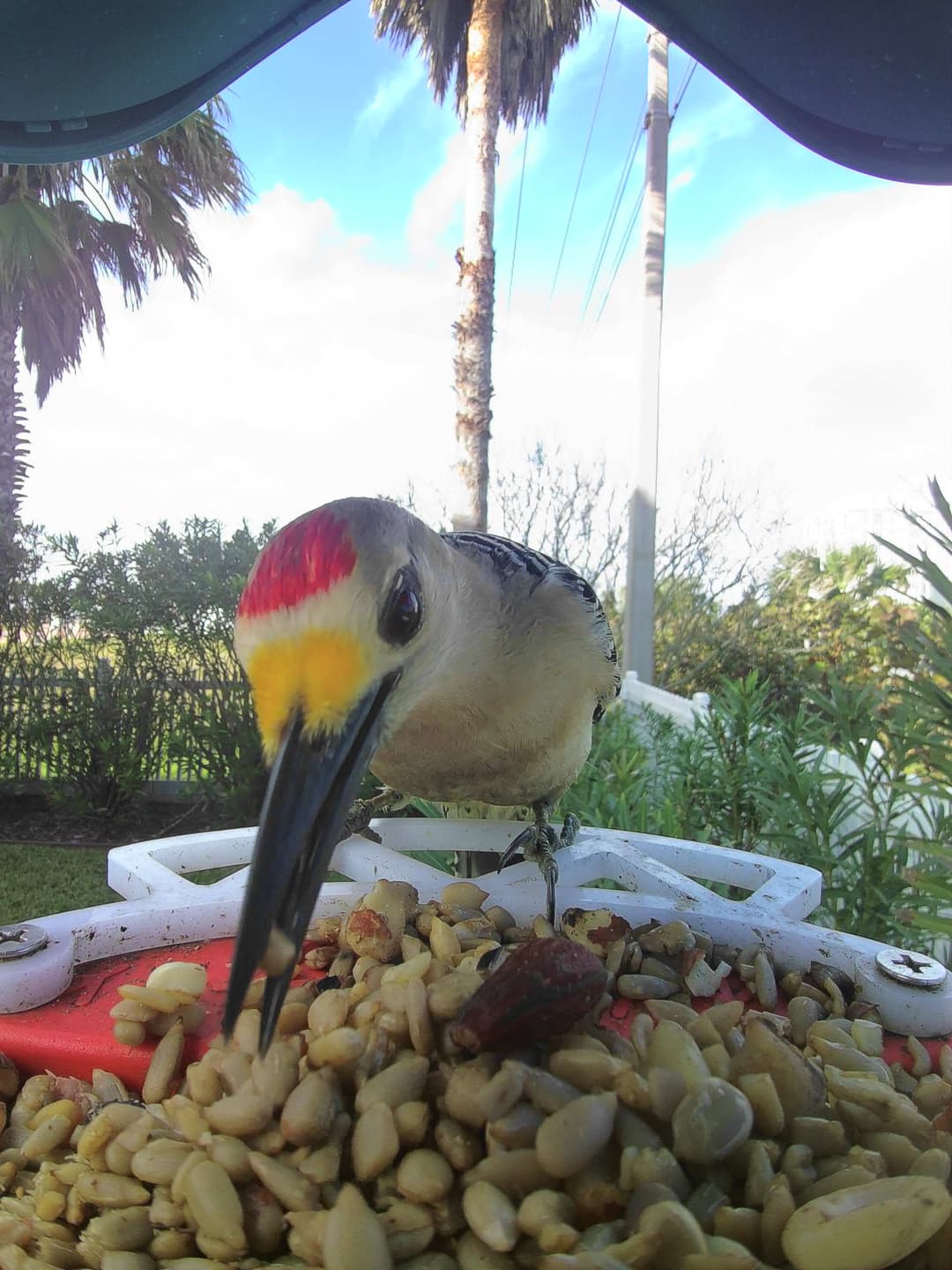
Velasquez's Woodpecker vs Hoffmann's Woodpecker
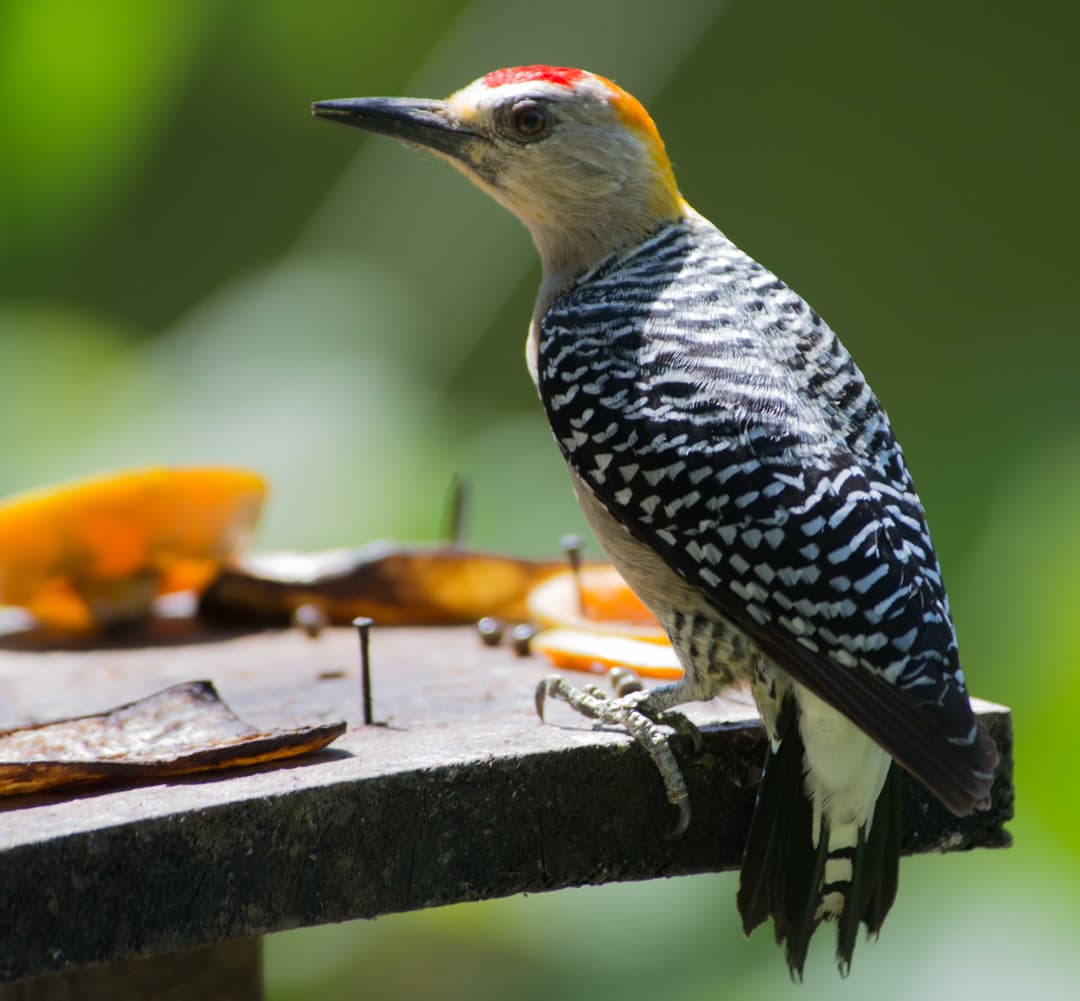
Velasquez's Woodpecker vs Red-Crowned Woodpecker
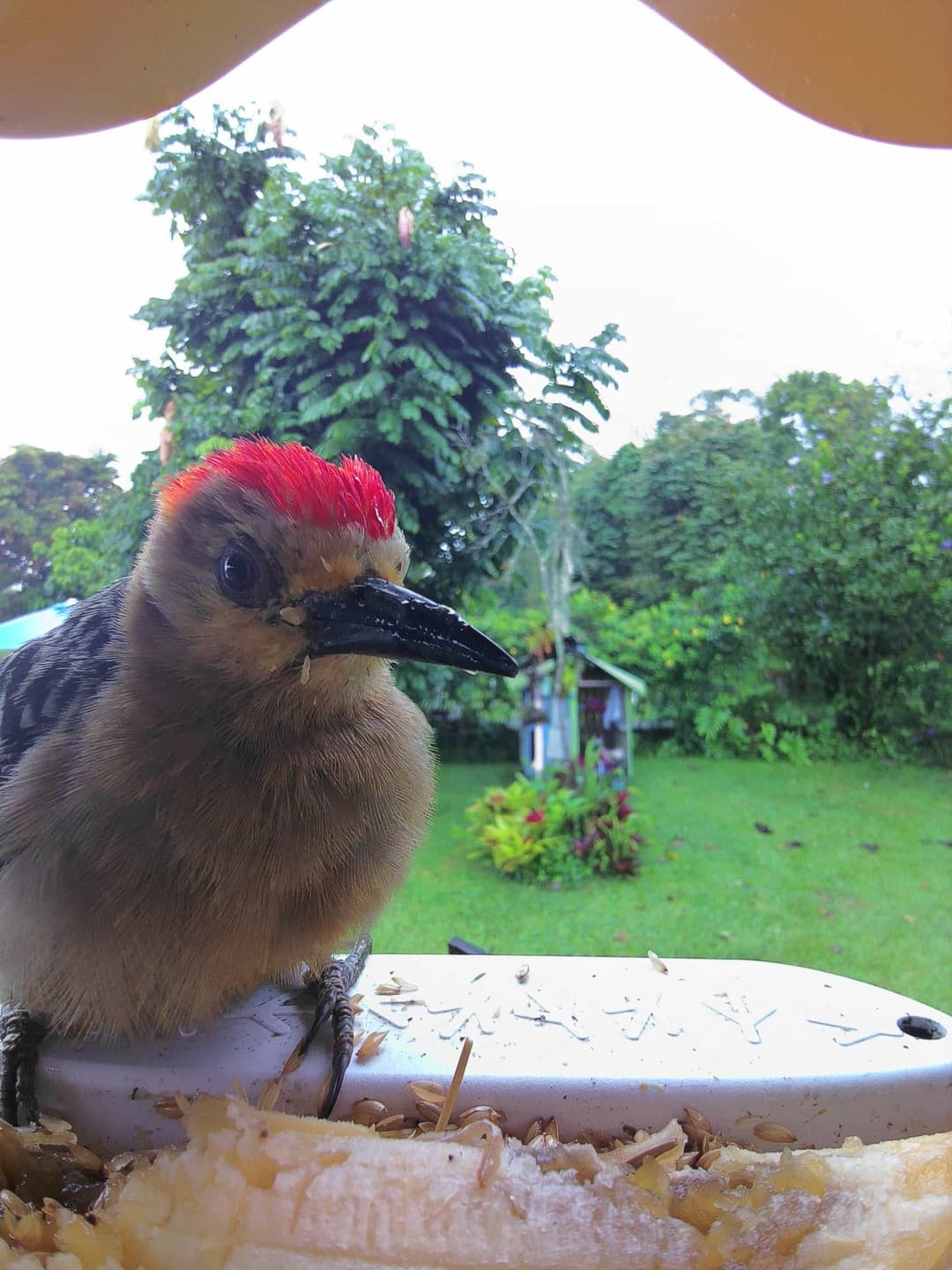
Red-Bellied Woodpecker vs Golden-Fronted Woodpecker
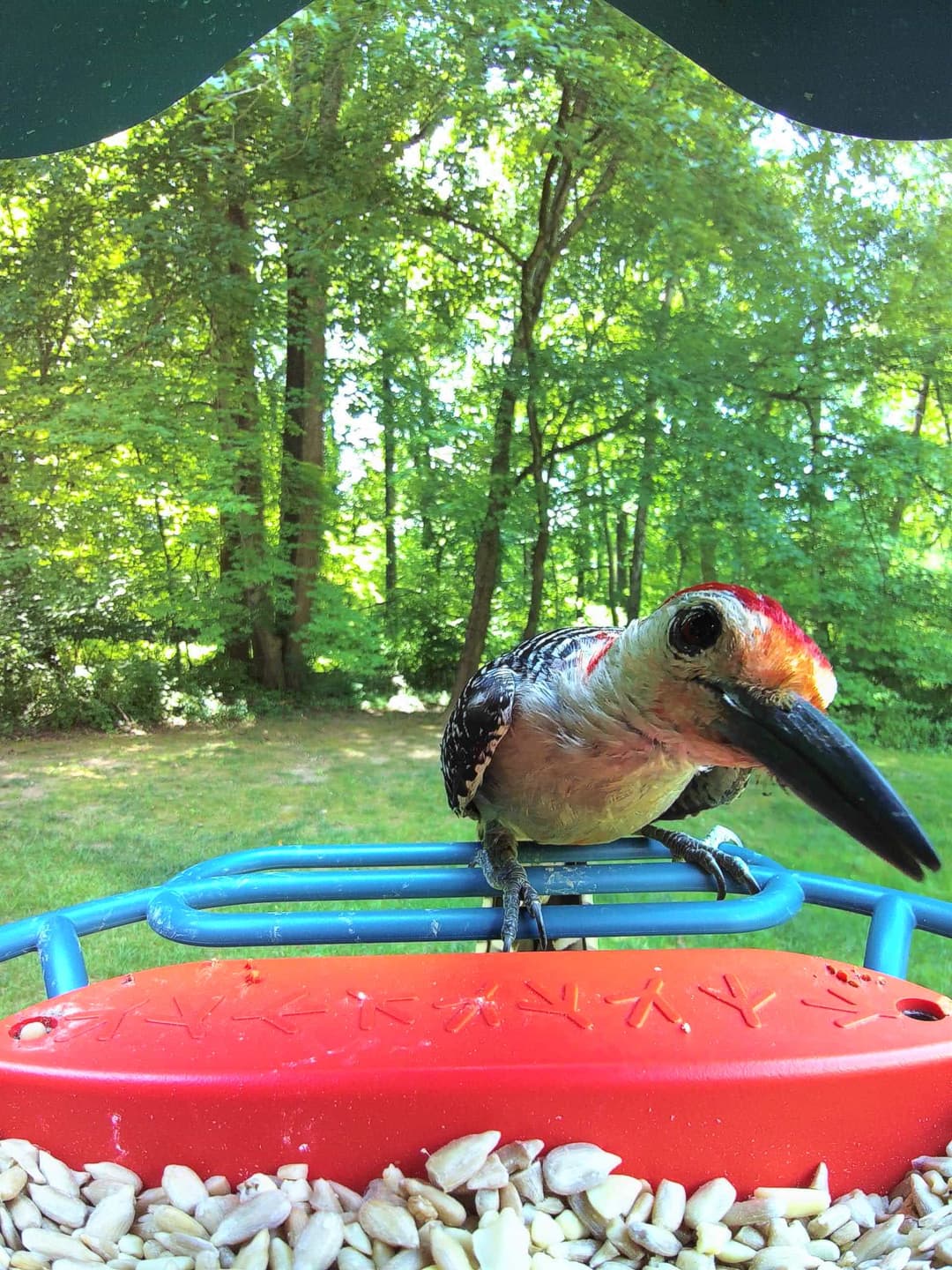
Red-Bellied Woodpecker vs Red-Headed Woodpecker
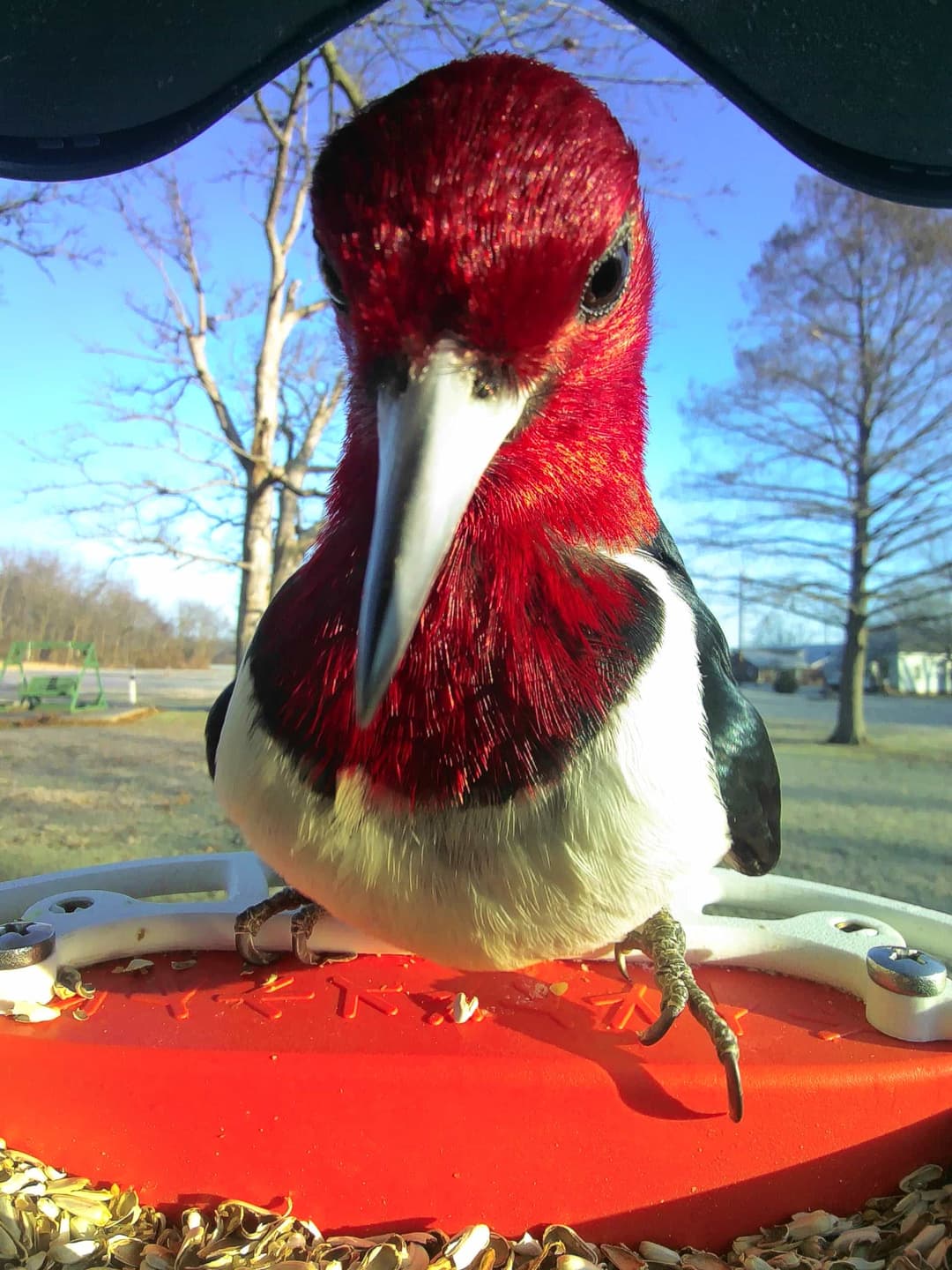
Red-Bellied Woodpecker vs Ladder-Backed Woodpecker
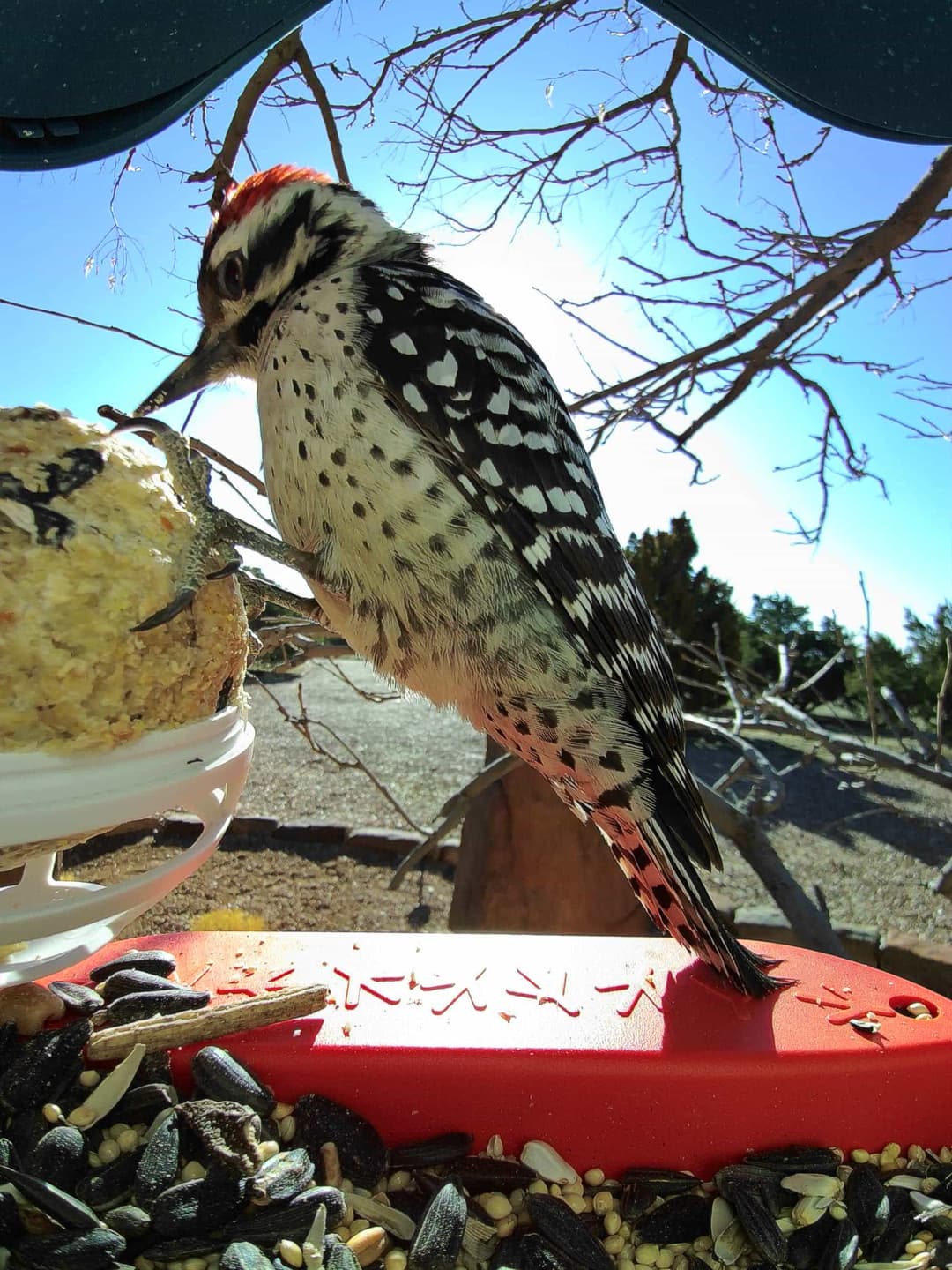
Red-Bellied Woodpecker vs Northern Flicker
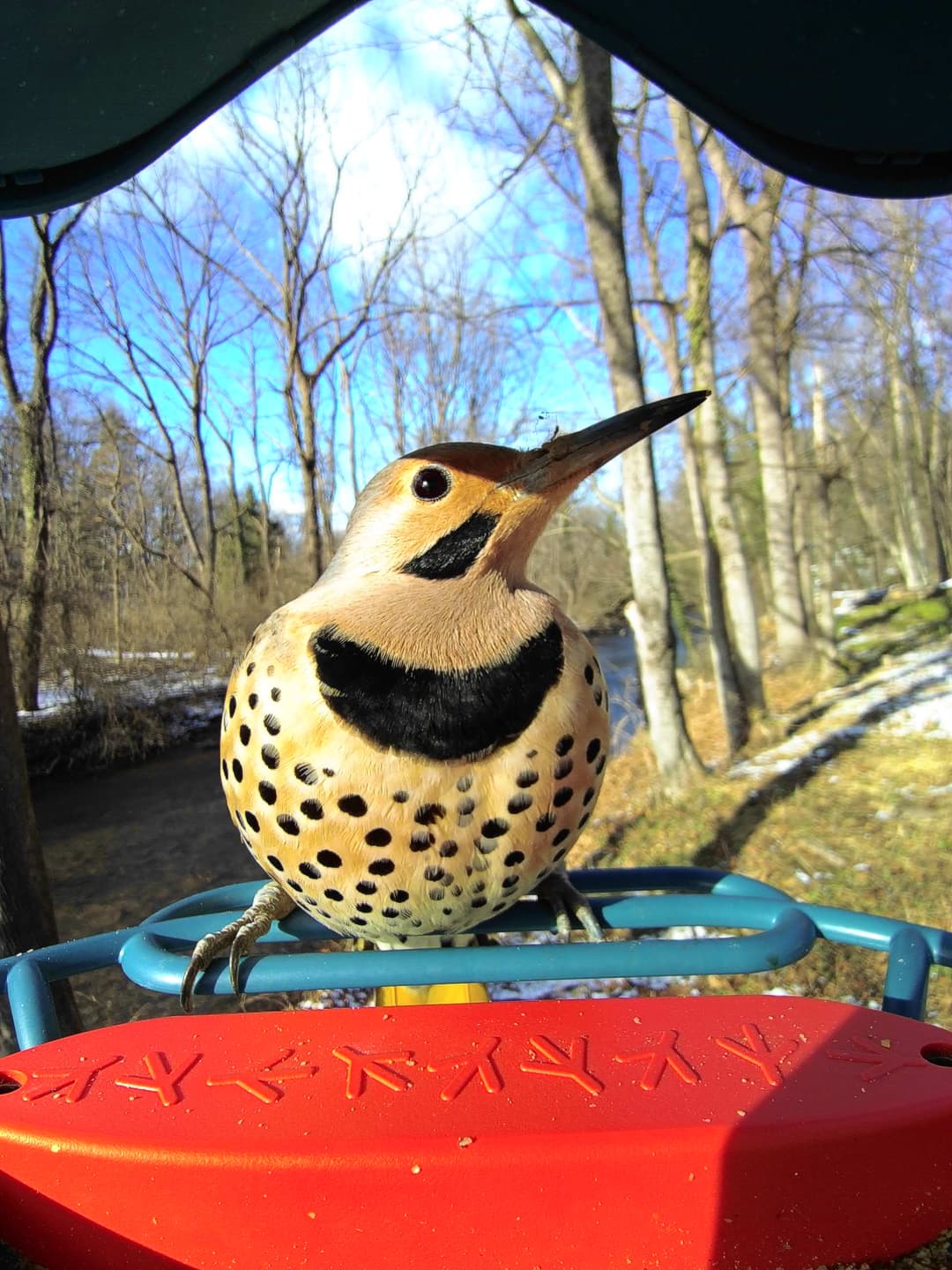
Red-Bellied Woodpecker vs Downy Woodpecker
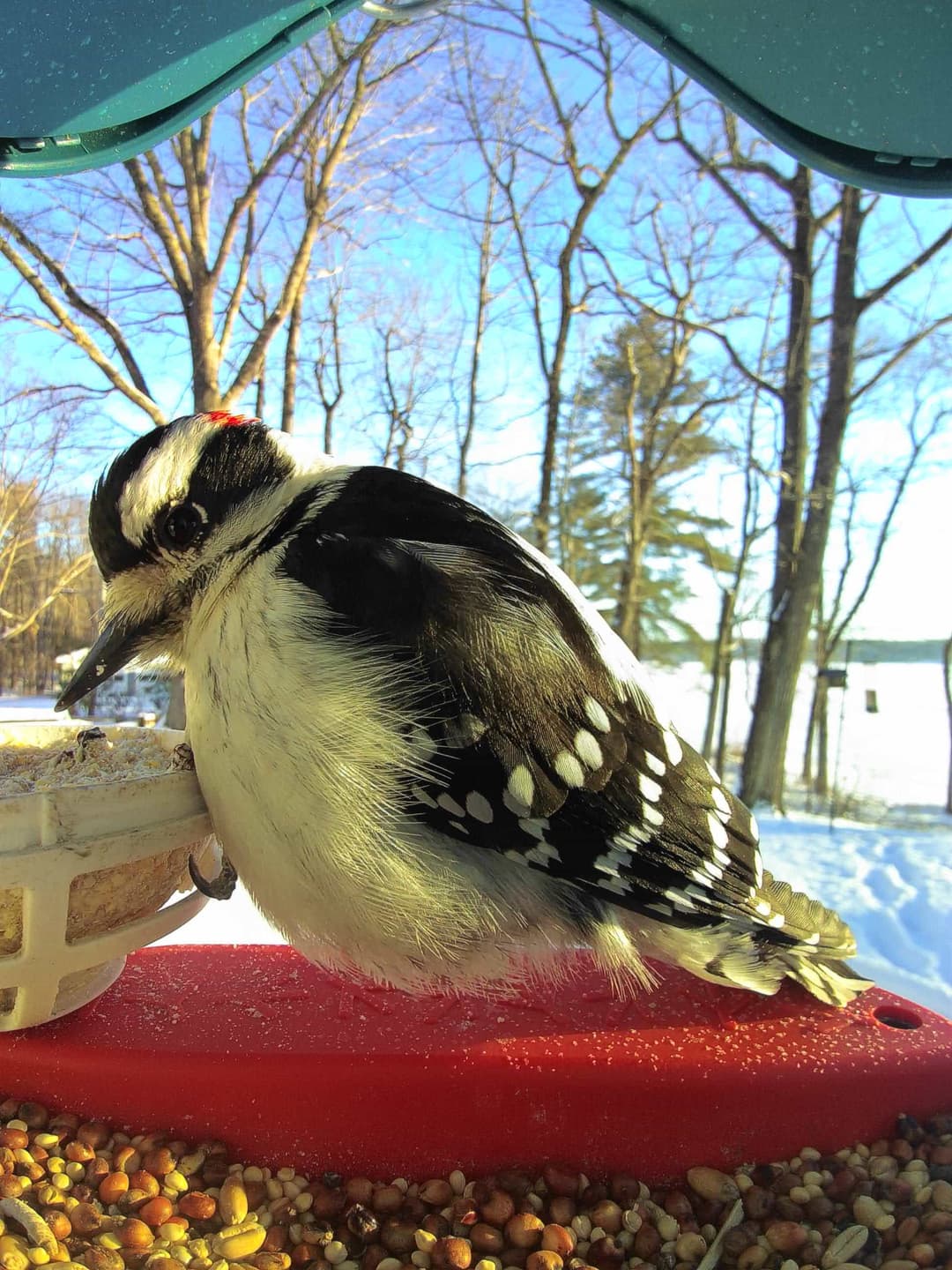
Red-Bellied Woodpecker vs Hairy Woodpecker
Velasquez's Woodpecker vs [Select a bird]

[Select a bird]
Pick a bird to compare
Red-Bellied Woodpecker vs [Select a bird]
[Select a bird]
Pick a bird to compare