Velasquez's Woodpecker or Red-Crowned Woodpecker?
Here's how to tell the difference
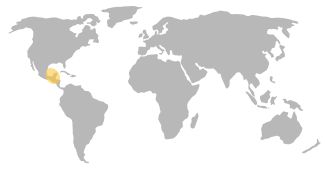

Velasquez's Woodpecker


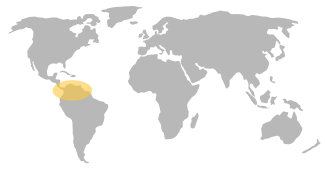
Red-Crowned Woodpecker
Velasquez's Woodpecker
Melanerpes santacruzi
General appearance
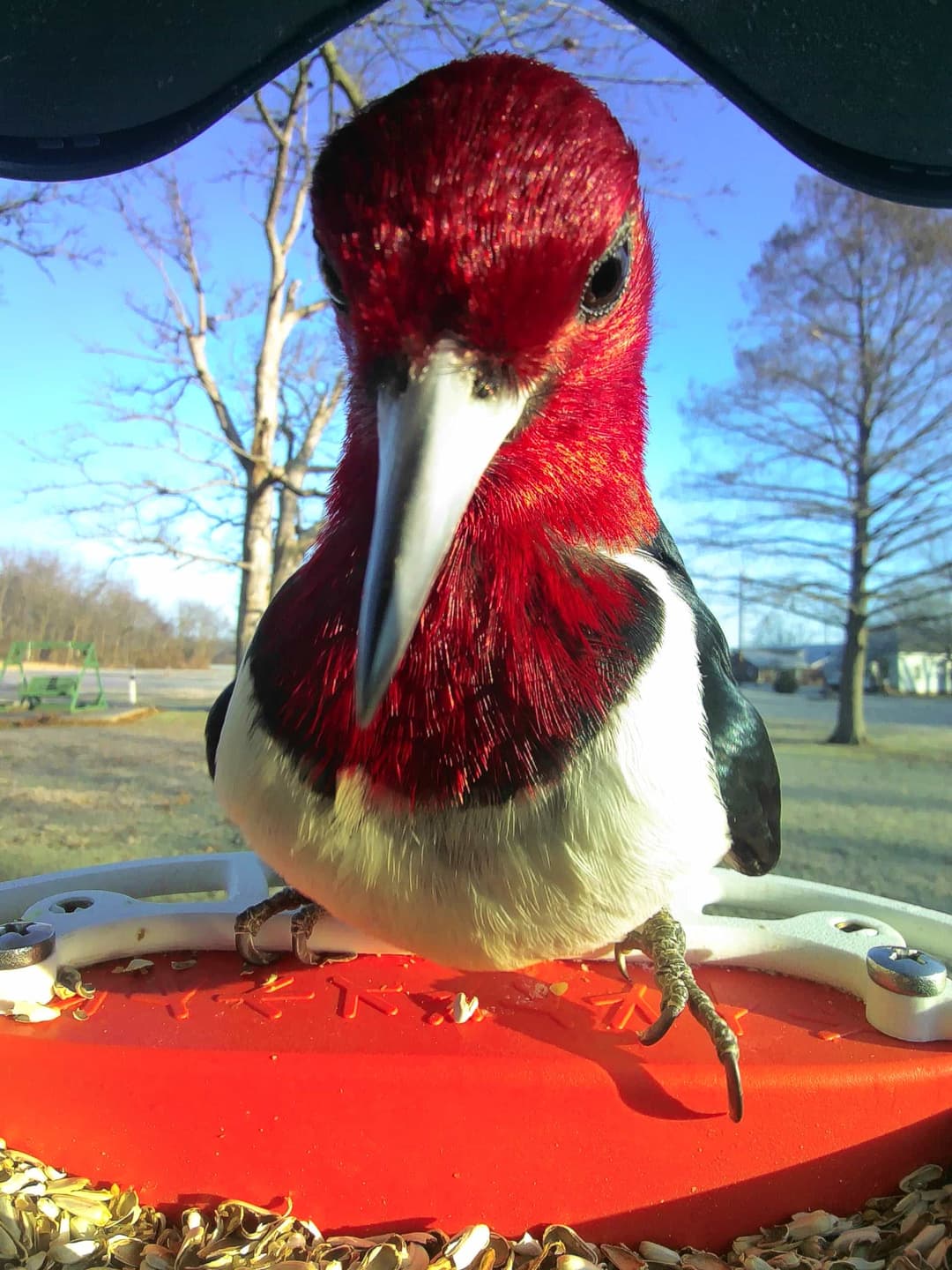
The Velasquez's woodpecker, also known as Melanerpes santacruzi, typically has a sturdy, robust physique with a strong, chisel-like bill. It's primarily black in color with white patches on the wings and rump. A defining feature is the bright red cap located on the top of the bird's head.
Male vs female
In many species, males usually exhibit more vibrant plumage compared to their female counterparts, however, in Velasquez's woodpeckers, males and females have similar coloration and markings. Differences are subtler and mainly consist of variations in size, with males being slightly larger than females. Furthermore, the red cap of the male extends down to the nape of the neck, whereas it is typically smaller in females.
Juvenile
Juveniles of the Velasquez's woodpecker exhibit a more muted color palette compared to the mature birds. Their plumage consists of various shades of brown with faint white markings. The red cap found on adults is absent in the juveniles, developing as they mature. Furthermore, juveniles have shorter beaks compared to adults.
Size
8.7 - 10.2 in/2.3 - 3.6 oz
There's more to learn about Velasquez's Woodpecker
View full detailsRed-Crowned Woodpecker
Melanerpes rubricapillus
General appearance
The Red-crowned Woodpecker is a medium-sized bird with a striking red hood that extends from the crown to the nape. Its upperparts are black with white spotting while its underparts are dirty white with black streaking. It has a sturdy bill, perfect for chiselling into tree bark for insects. Its wings exhibit black and white wing bars.
Male vs female
The sexes are similar in size but can be differentiated by coloration. Both sexes have a red crown, but in males, it extends from forehead to nape, while females have a black patch in between the red regions. Additionally, females often have a paler chest and belly compared to males.
Juvenile
Juveniles resemble the adults but have less pronounced coloration. Their red crown is duller and the underparts are unpatterned gray, with no black streaking yet. As they mature, they gradually acquire adult plumage. There are no seasonal variations in the Red-crowned Woodpecker's appearance.
Size
6.3 - 7.3 in/1.4 - 2.3 oz
There's more to learn about Red-Crowned Woodpecker
View full detailsHow to tell the Velasquez's Woodpecker from the Red-Crowned Woodpecker
Visual differences
Velasquez's Woodpecker (8.7-10.2 inches, 2.3-3.6 ounces) is larger and has a black body with white wing patches and a prominent red cap, extending to the male's nape. Red-Crowned Woodpecker (6.3-7.3 inches, 1.4-2.3 ounces) is smaller, displays a red hood from crown to nape in males, with females showing a black patch between red areas. It has black upperparts with white spots and a dirty white belly with black streaks. Both species have similar sturdy beaks for foraging.
Key differences and behavior
Velasquez's Woodpecker and the Red-Crowned Woodpecker exhibit distinct behaviors and habitat preferences. Velasquez's Woodpecker, found in humid pine-oak woodlands of Mexico and Central America, participates in complex courtship involving drumming and aerial displays. They are cooperative in nesting and chick-rearing. Their diet mainly includes insects, fruits, and seeds, and they favor forest settings. In contrast, the Red-Crowned Woodpecker thrives in tropical forests, mangroves, and urban areas in Central and South America, showcasing high adaptability. They practice territorial courtship with drumming and mutual display. Although both species share nesting duties, Red-Crowned Woodpeckers prefer deadwood cavities and may continue feeding fledglings post-fledging. Diet-wise, they supplement insects with fruits from palm and ficus trees. These behaviors can help birdwatchers distinguish them beyond physical appearance.
Still not sure? Here are more lookalikes!
Velasquez's Woodpecker vs Red-Bellied Woodpecker
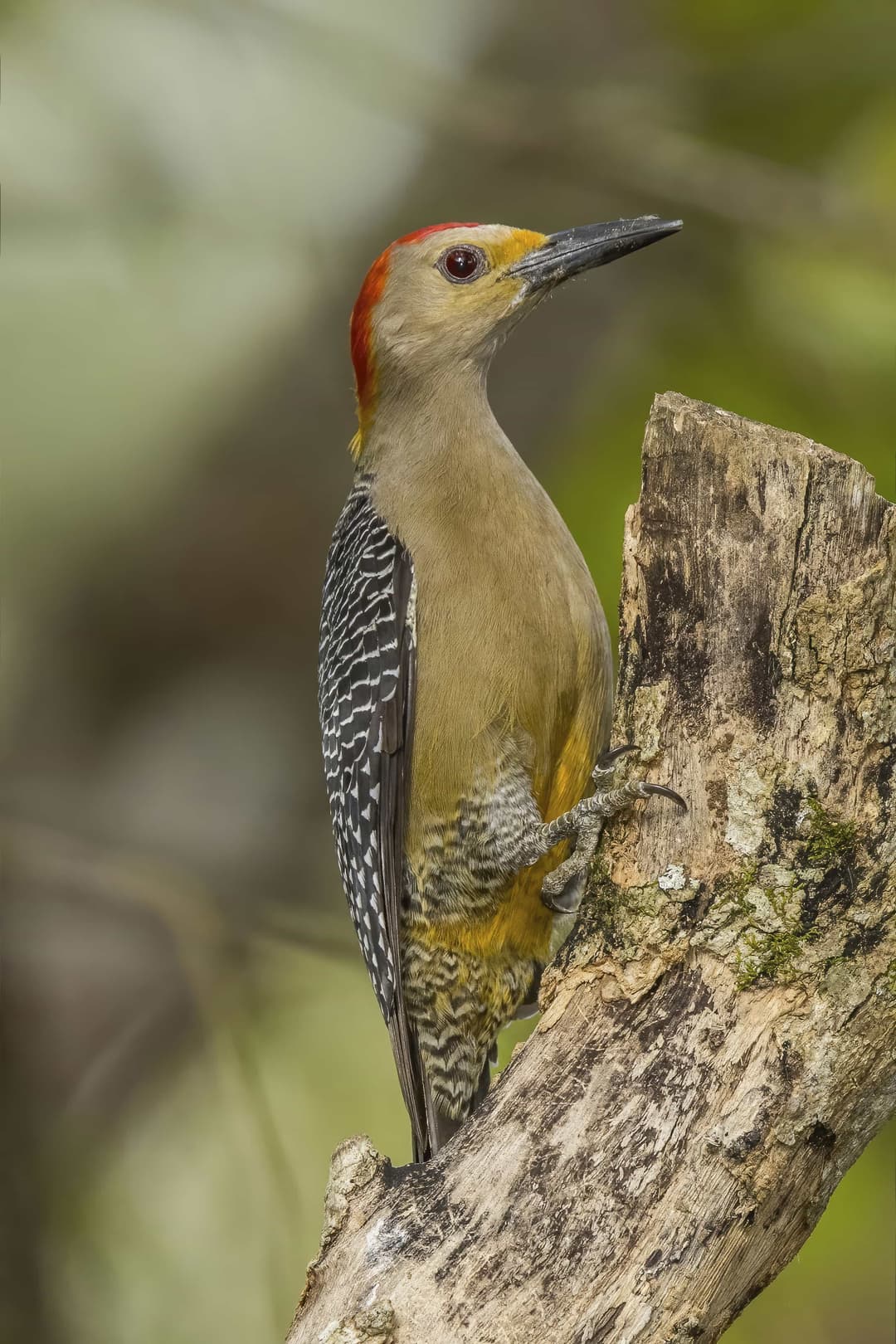
Velasquez's Woodpecker vs Golden-Fronted Woodpecker
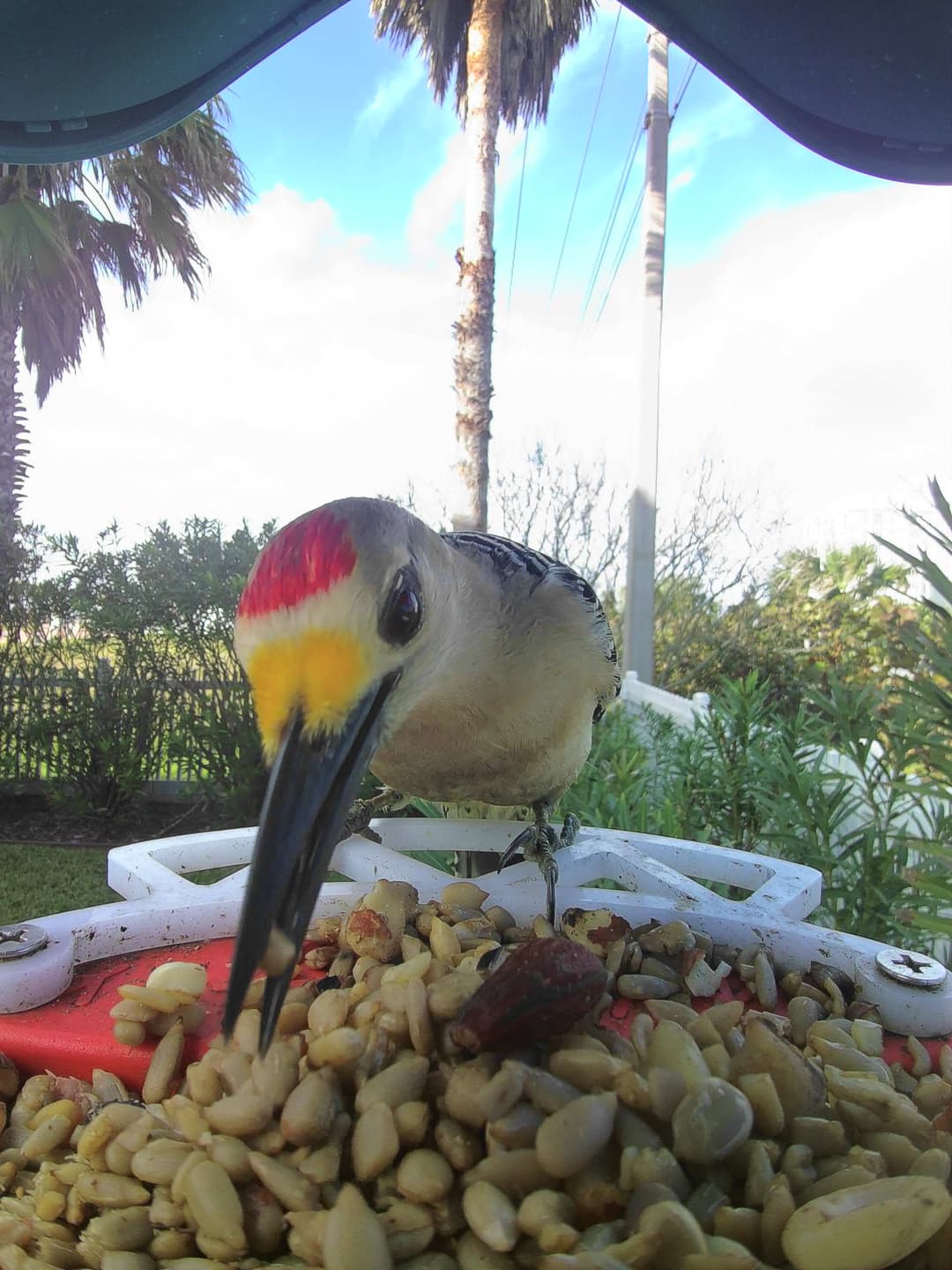
Velasquez's Woodpecker vs Hoffmann's Woodpecker
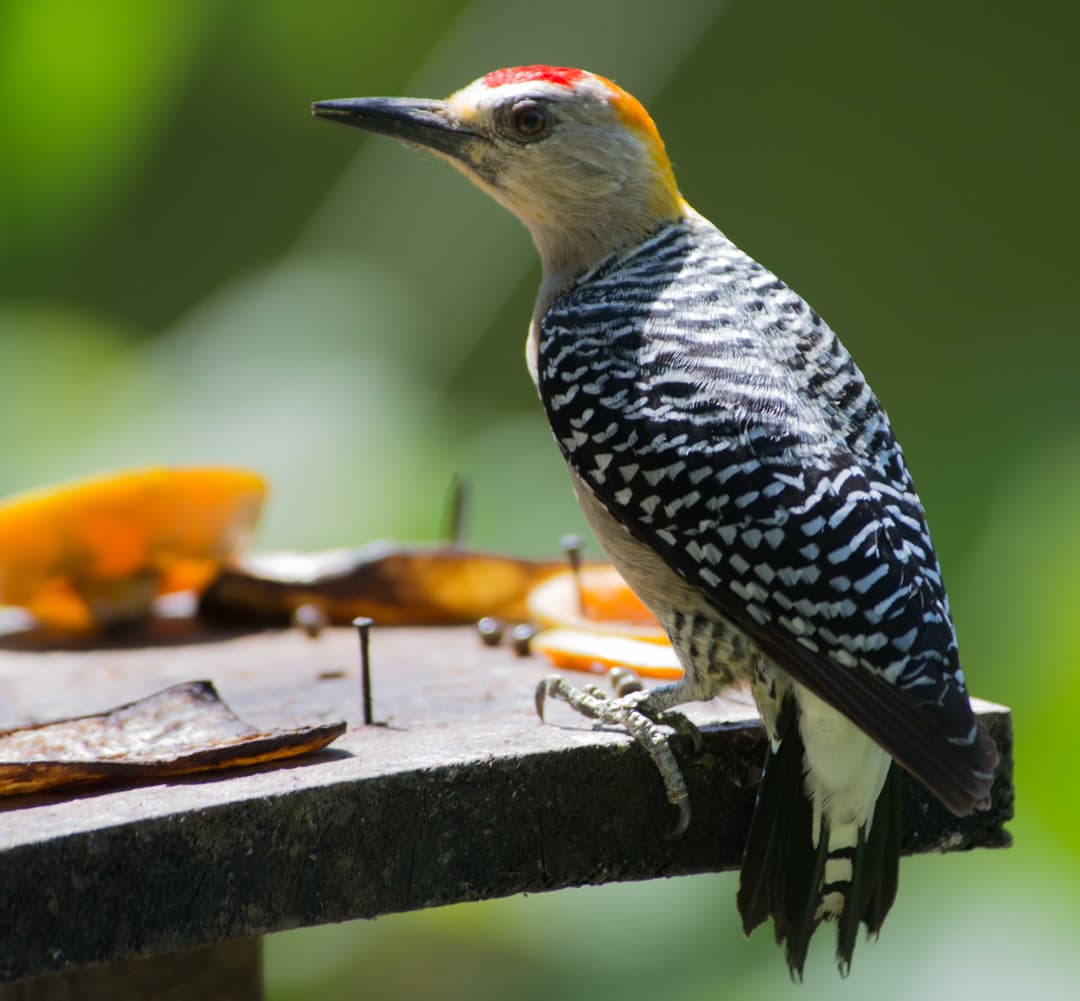
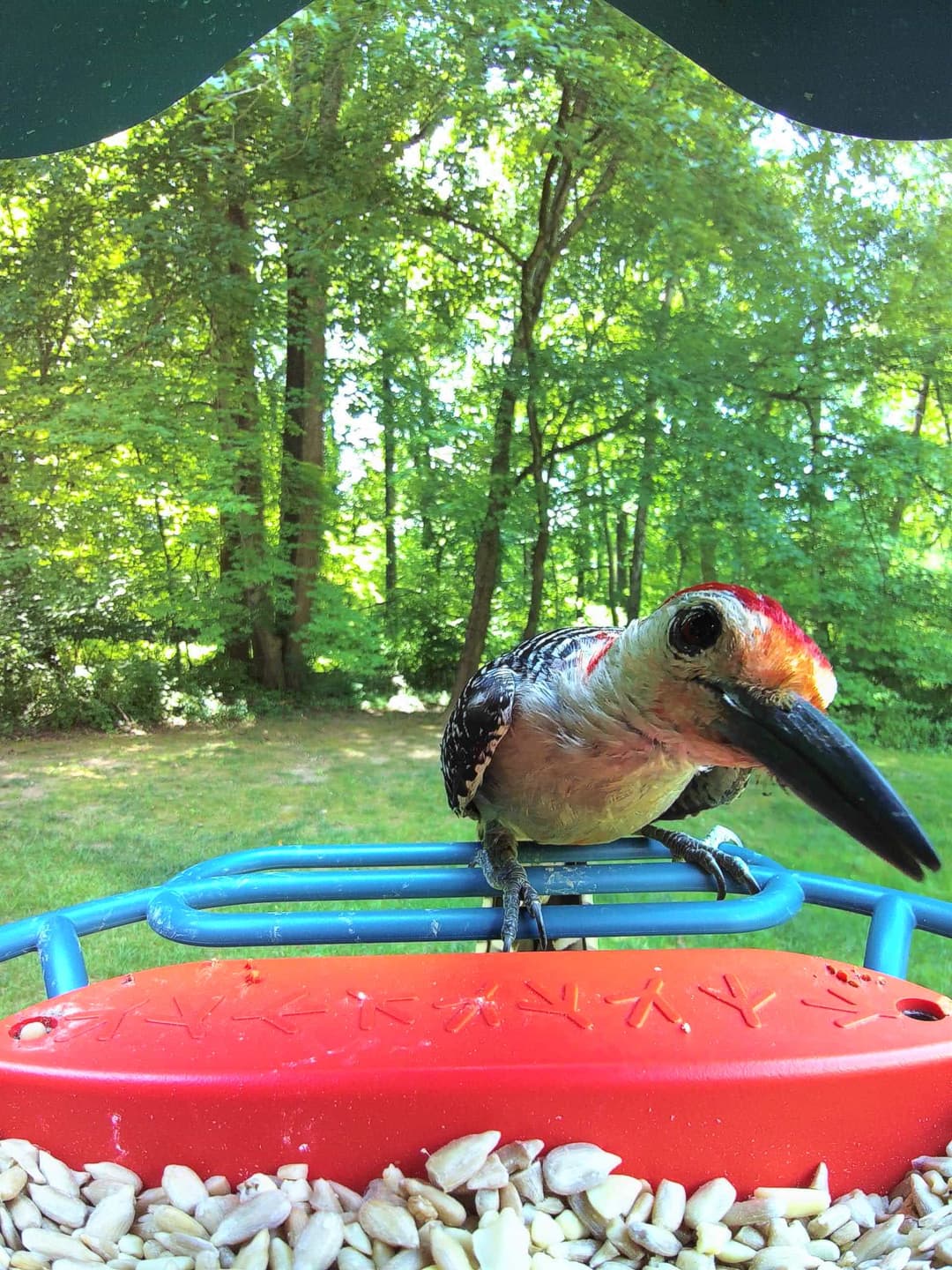
Red-Crowned Woodpecker vs Red-Bellied Woodpecker
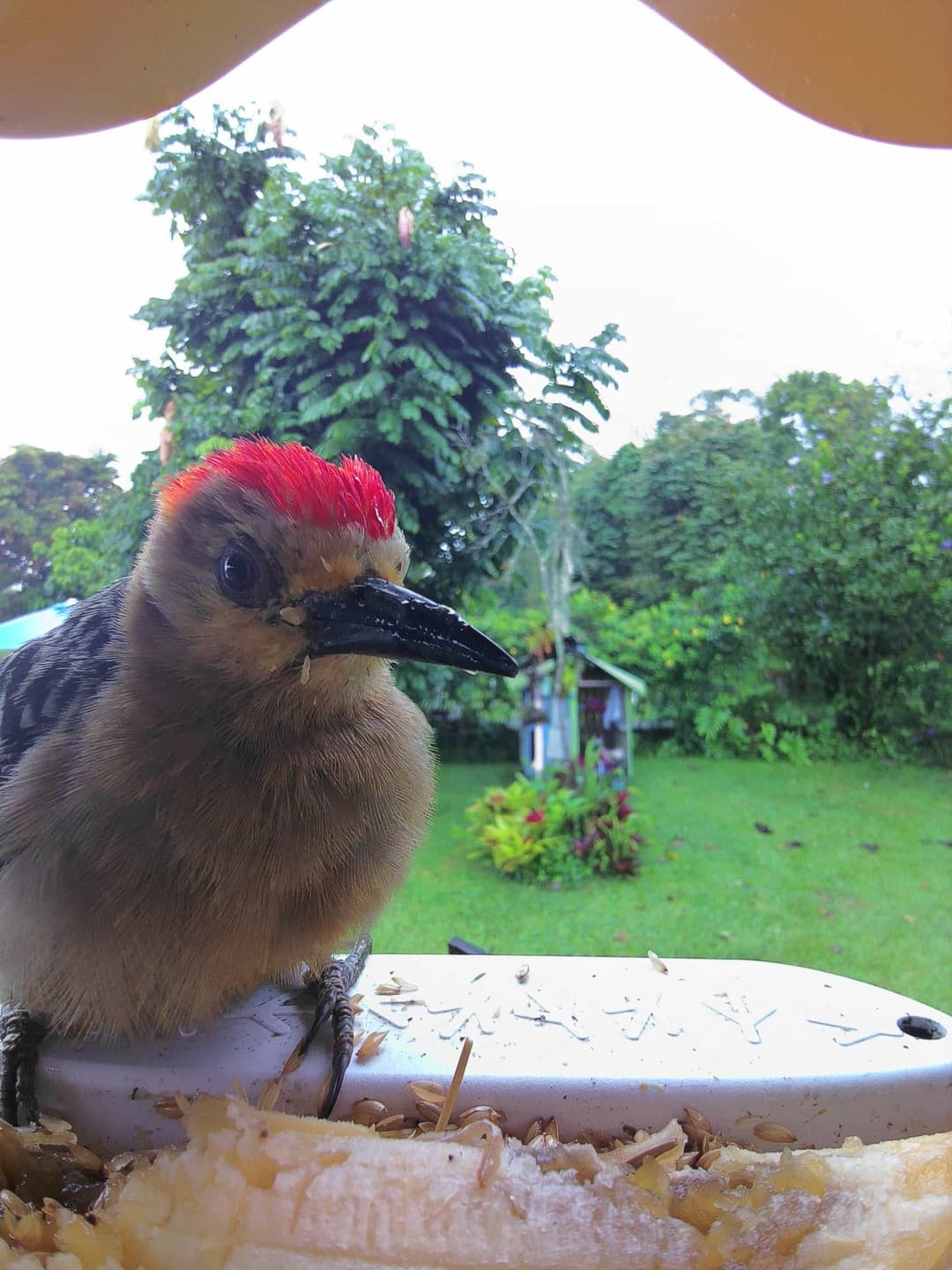
Red-Crowned Woodpecker vs Acorn Woodpecker
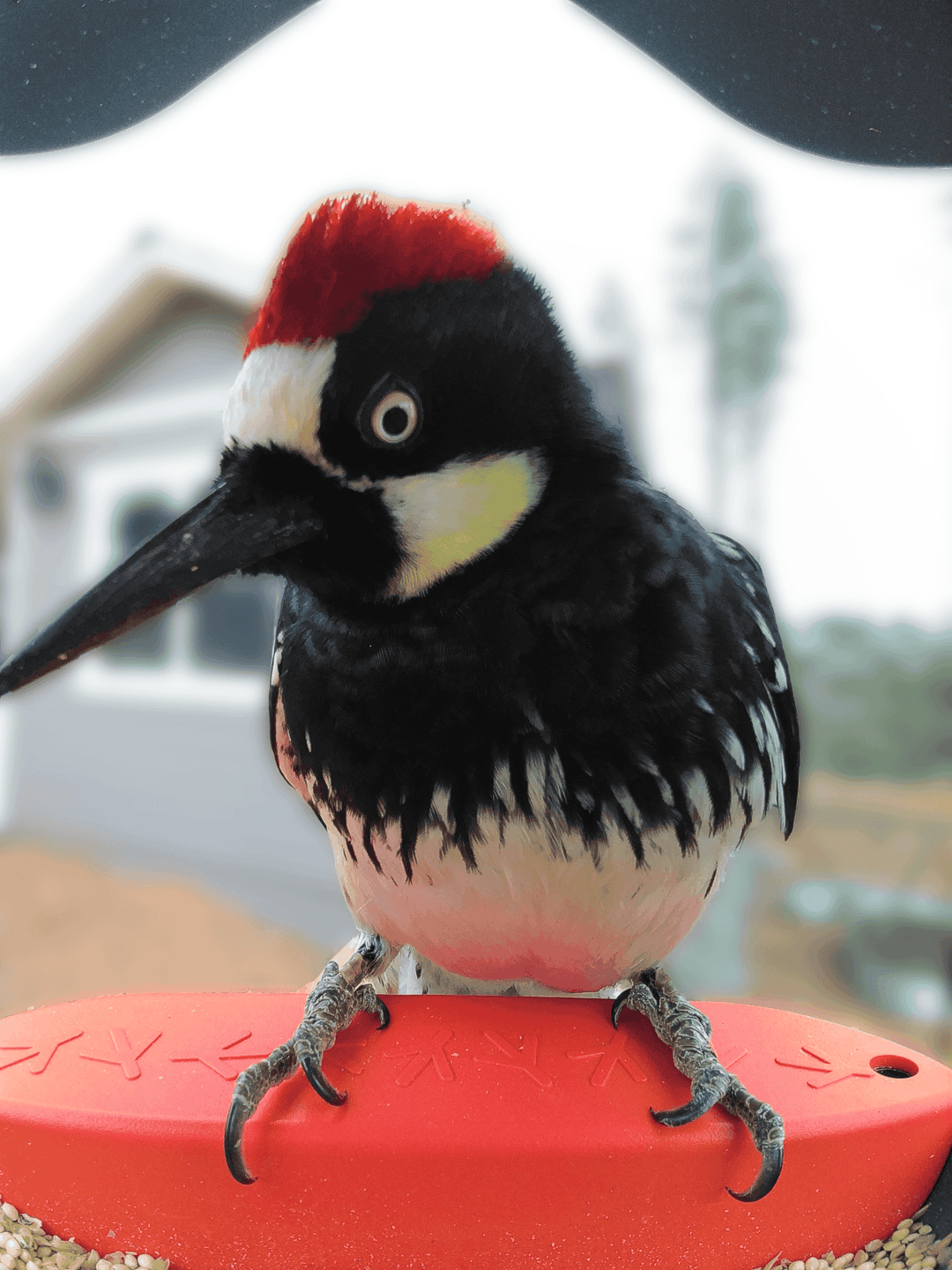
Red-Crowned Woodpecker vs Red-Headed Woodpecker
Velasquez's Woodpecker vs [Select a bird]

[Select a bird]
Pick a bird to compare
Red-Crowned Woodpecker vs [Select a bird]
[Select a bird]
Pick a bird to compare