Sichuan Tit or Great Tit?
Here's how to tell the difference

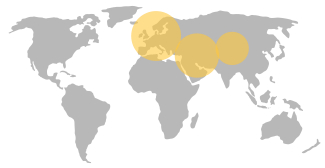

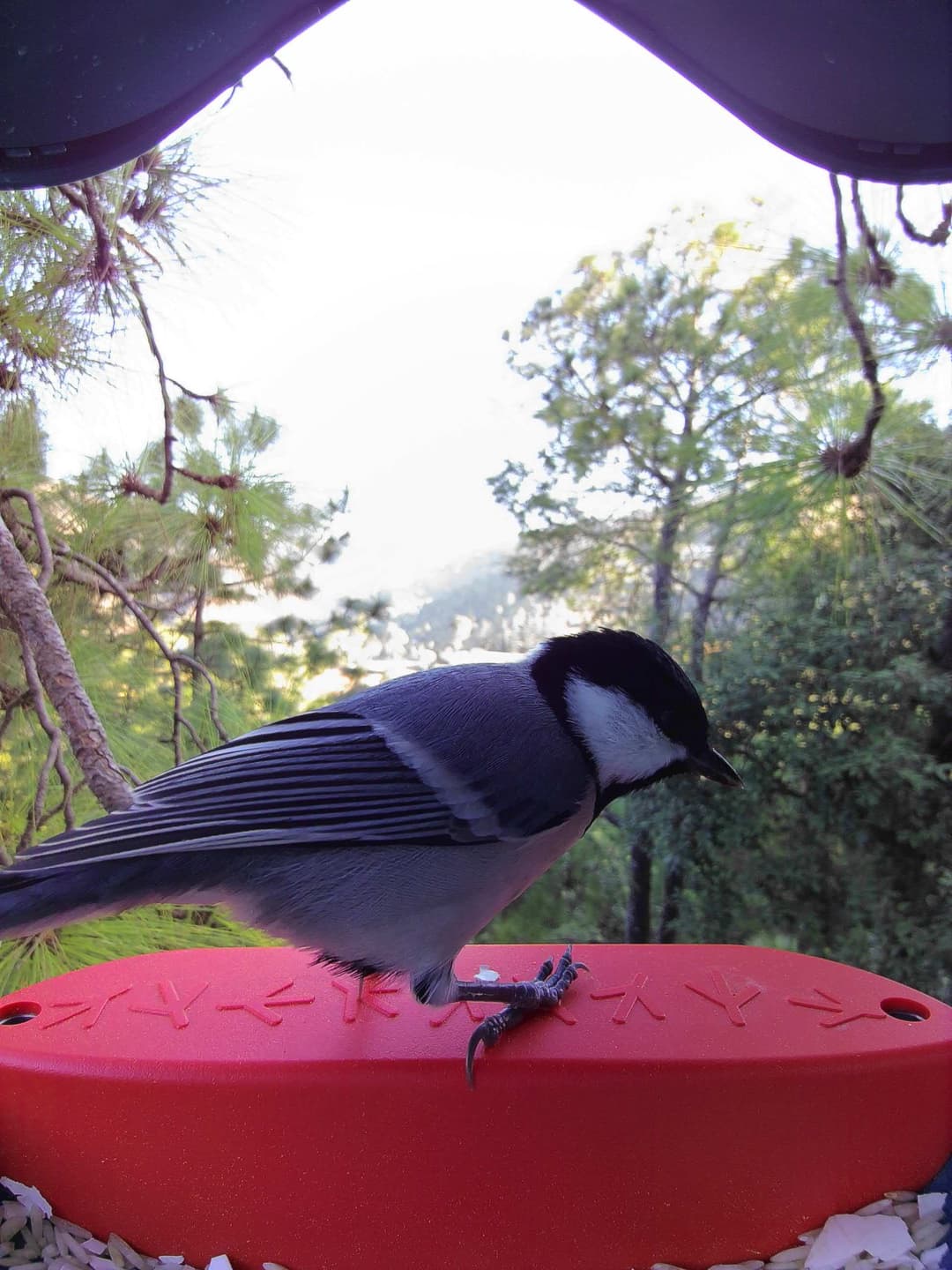
Sichuan Tit


Great Tit
Sichuan Tit
Poecile weigoldicus
General appearance
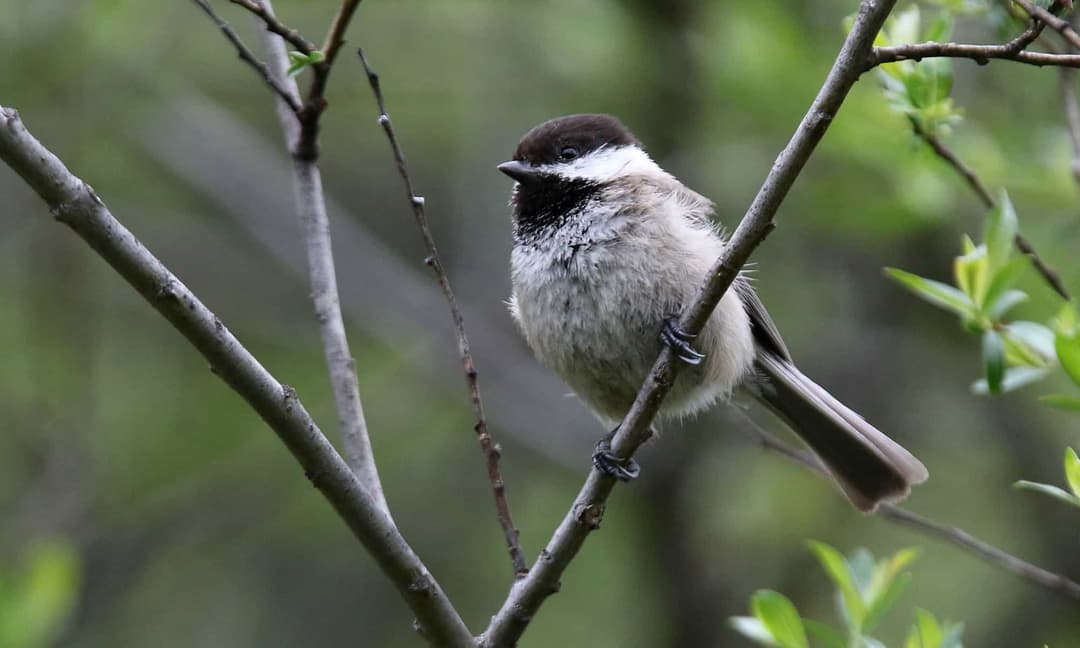
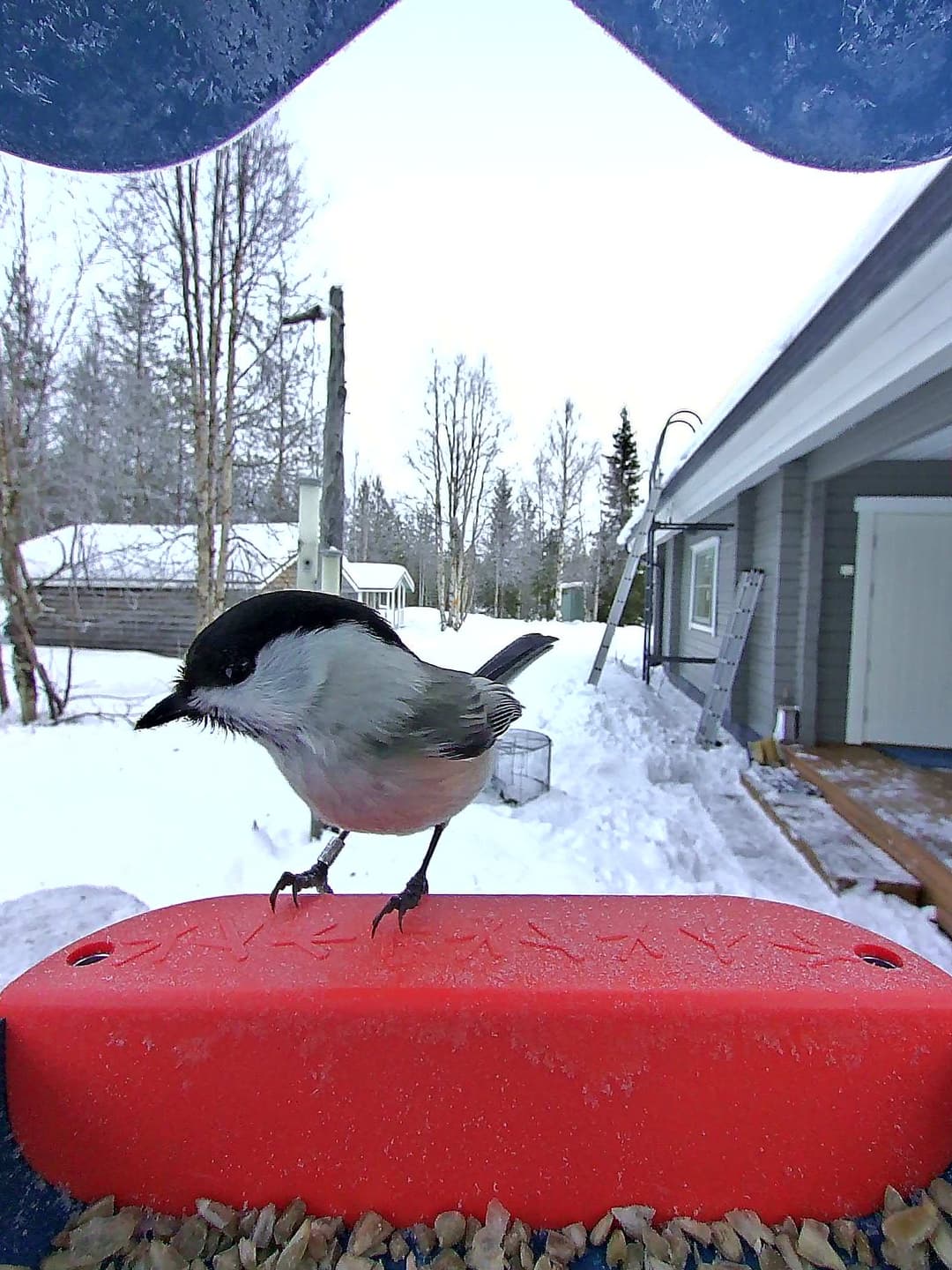
The Sichuan tit (Poecile weigoldicus) is a small bird species that features a distinctive blend of black and white plumage. The upper body is mostly black with a white belly and two white wingbars. Its medium length tail is also black. These titbirds bear a striking black cap and bib which stands out against its lighter colored face.
Male vs female
In the Sichuan tit species, the males and females appear quite similar. Both share the same black and white coloration. The sex of the bird can be determined more accurately during the breeding season when females show less gloss on their black feathers due to wear and tear, while male plumage remains glossier.
Juvenile
Juvenile Sichuan tits have more subdued coloration compared to adults, appearing somewhat greyer. As they mature, their plumage will darken to the distinctive black and white pattern over time. Their caps can also be slightly brownish and the bib may be less defined. Observing these transition in coloration can help to distinguish juvenile Sichuan tits from adults.
Size
4.3 - 4.7 in/0.3 - 0.5 oz
There's more to learn about Sichuan Tit
View full detailsGreat Tit
Parus major
General appearance
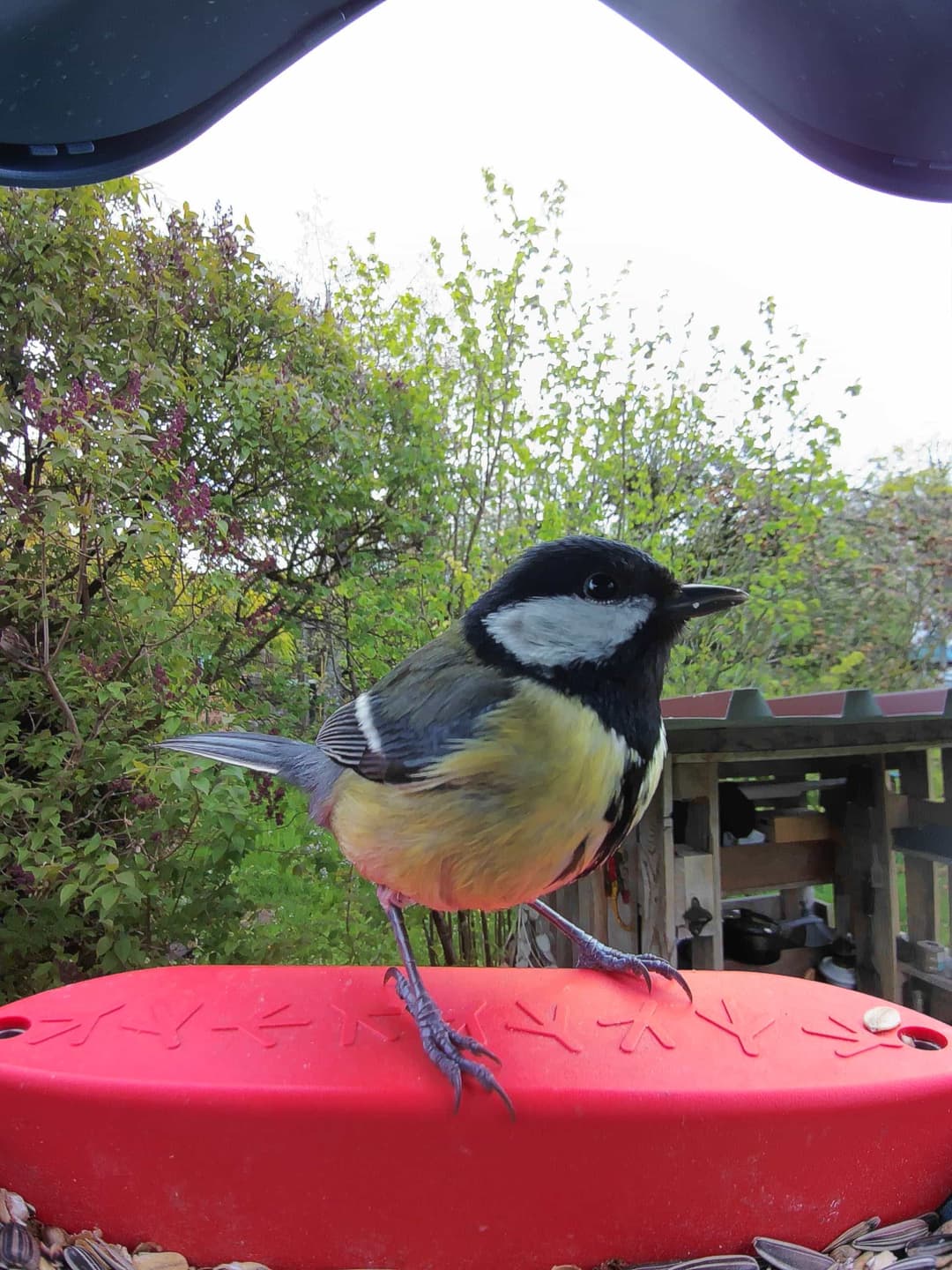
The great tit is a large and robust tit species characterized by its bright and striking coloration. It features a distinctive black head with white cheeks, a bright yellow underbody, and olive-green upperparts. Its wings exhibit a bluish tint with a white wing bar, and it has a long, narrow tail. This species is easy to identify by its bold color contrasts.
Male vs female
Both male and female great tits have similar color patterns, but males are more vibrant. Males typically have a broader black breast stripe compared to females, which can be narrower or less pronounced. This stripe extends down to the belly, and the overall coloration of males is generally more vivid.
Juvenile
Juvenile great tits appear duller than adults, with a generally paler yellow underpart and less prominent black markings. The head markings are more subdued, with a less defined color contrast between the head and cheek patches. As they mature, juveniles gradually develop the brighter coloration and distinctive markings of adults.
Size
4.9 - 5.9 in/0.4 - 0.8 oz
There's more to learn about Great Tit
View full detailsHow to tell the Sichuan Tit from the Great Tit
Visual differences
The Sichuan Tit is smaller, weighing 0.28-0.53 oz (11-12 cm, 4.3-4.7 inches), with a black and white plumage, black cap, bib, and two white wingbars. The Great Tit is larger, weighing 0.35-0.78 oz (12.5-15 cm, 4.9-5.9 inches), and has a black head with white cheeks, bright yellow underbody, olive-green upperparts, and a bluish wing tint. Sichuan Tits exhibit a medium black tail, while Great Tits have a longer, narrow one. Additionally, Great Tits have a more pronounced black breast stripe.
Key differences and behavior
Sichuan Tits (4.3-5.9 inches, 0.3-0.5 oz) are non-migratory, acrobatic birds found in temperate forests of central China and parts of Southeast Asia, often in mixed-species flocks. They perform elaborate courtship displays and nest in tree cavities. Their diet is opportunistic, including insects and seeds, and they adapt to bird feeders. In contrast, Great Tits (5-5.9 inches, 0.4-0.8 oz) inhabit a broader range across Europe and Asia, adapting to diverse climates and altitudes up to 15,420 feet. Their courtship involves singing and mutual preening, and they nest in cavities, including gardens. Their diet is insect-heavy, with seasonal seeds and fruits. At feeders, they exploit available foods. Both species are highly vocal but have distinct song variations, with Great Tits' males having up to 40 tunes.
Still not sure? Here are more lookalikes!
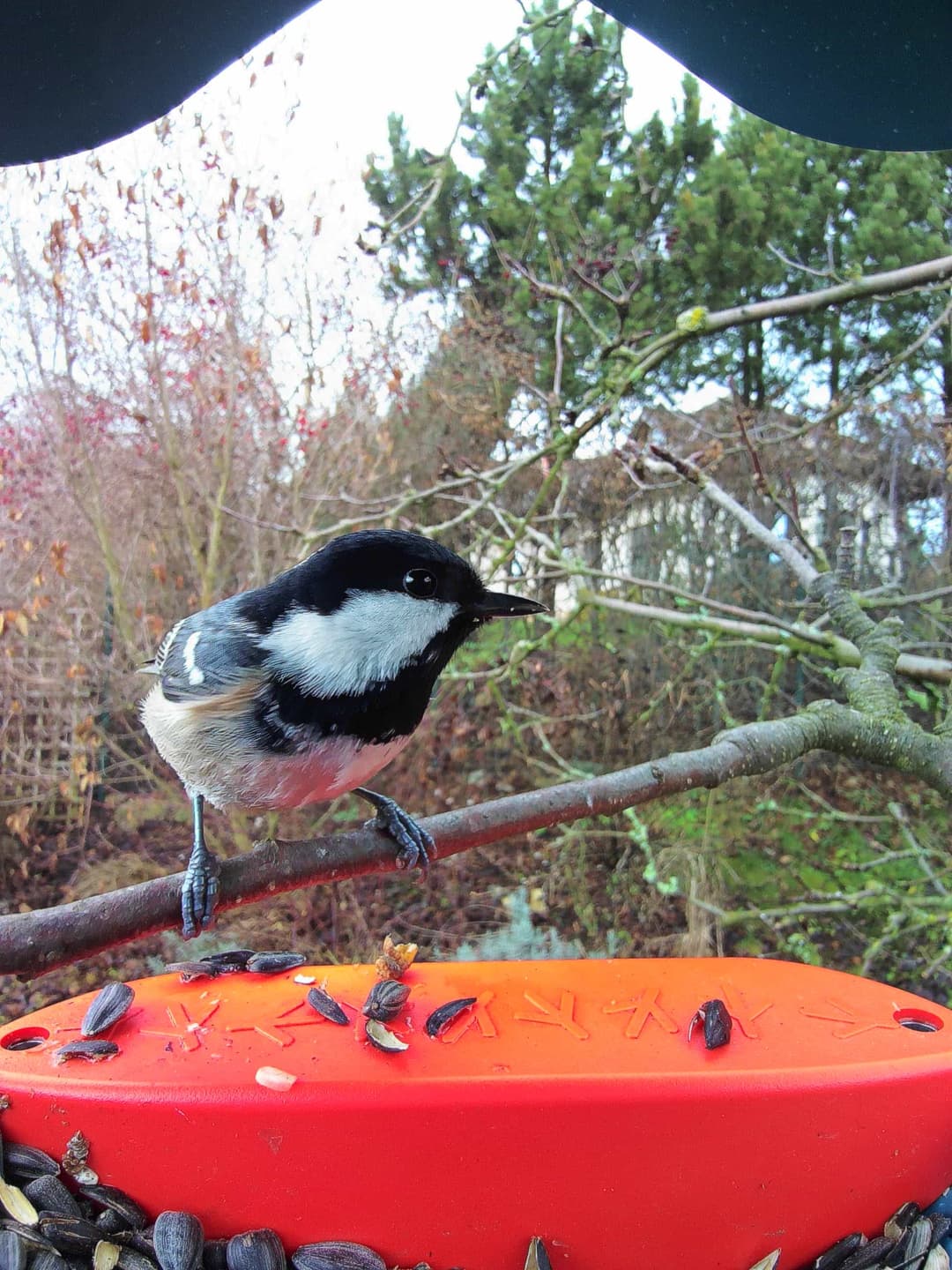
Sichuan Tit vs Coal Tit
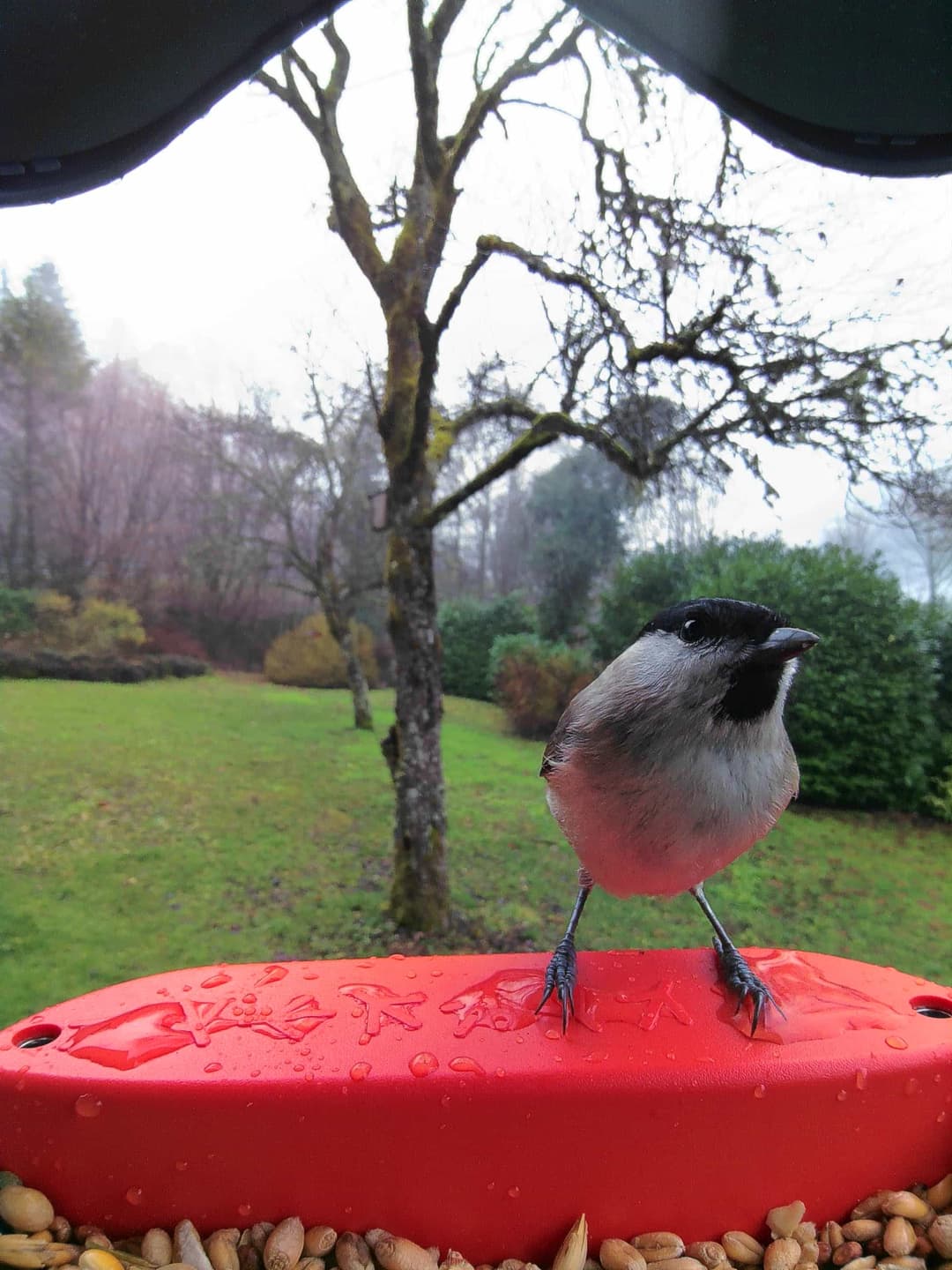
Sichuan Tit vs Marsh Tit
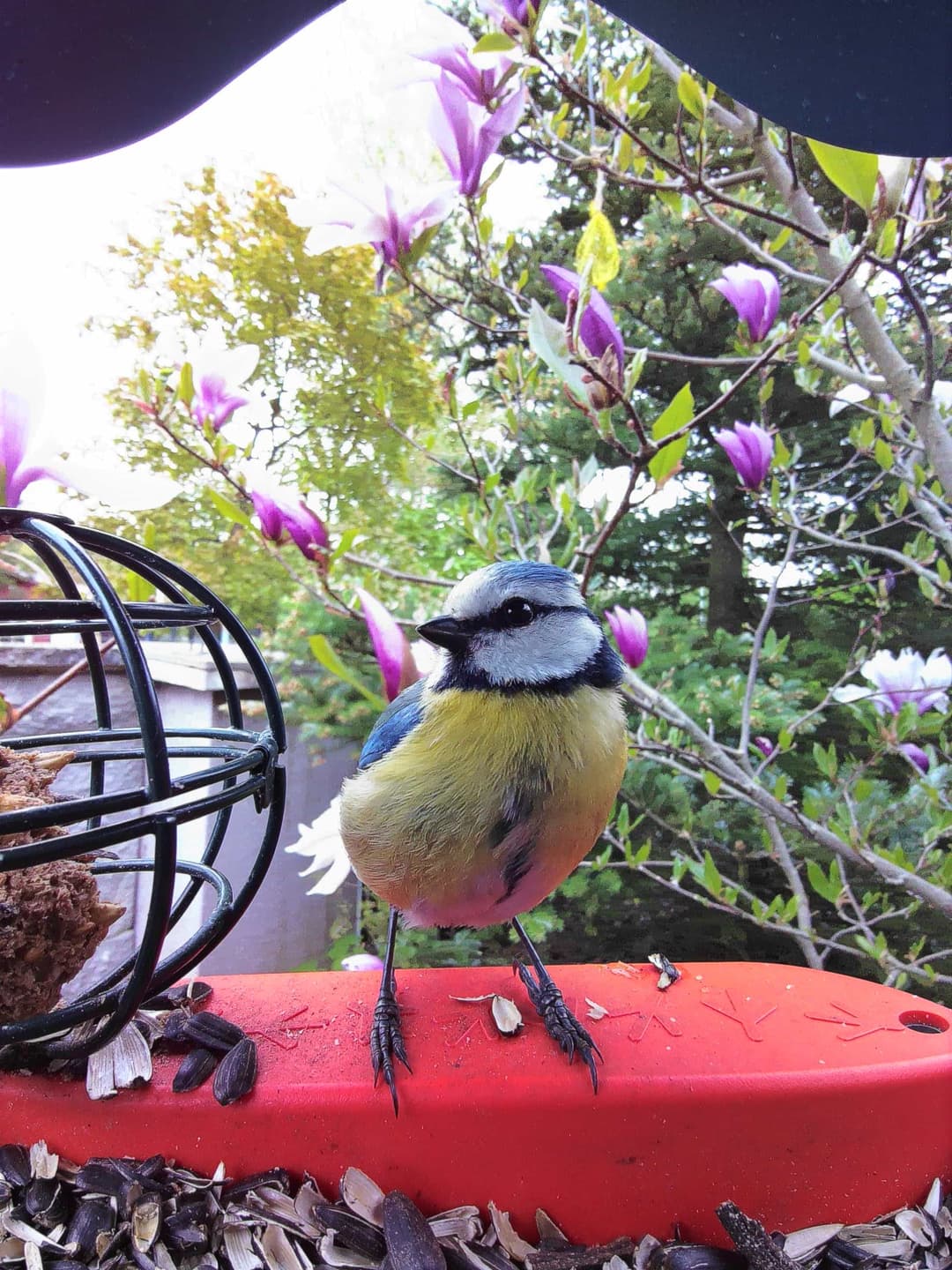
Great Tit vs Eurasian Blue Tit
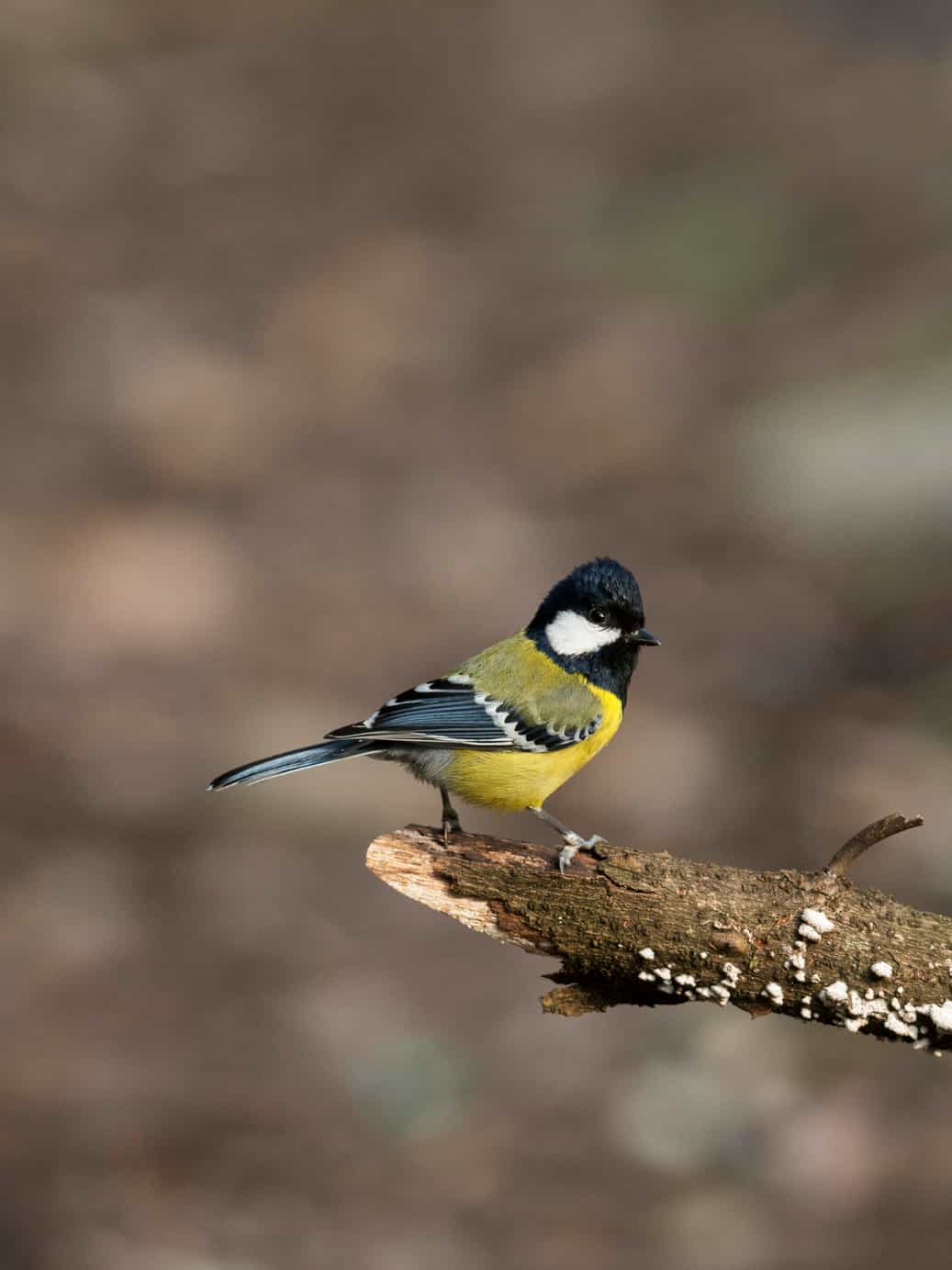
Great Tit vs Green-Backed Tit
Great Tit vs Cinereous Tit
Sichuan Tit vs [Select a bird]

[Select a bird]
Pick a bird to compare
Great Tit vs [Select a bird]
[Select a bird]
Pick a bird to compare