
Green-Backed Tit
Green-Backed Tit
Parus monticolus
Quick Identification guide
Quick Identification guide
- •
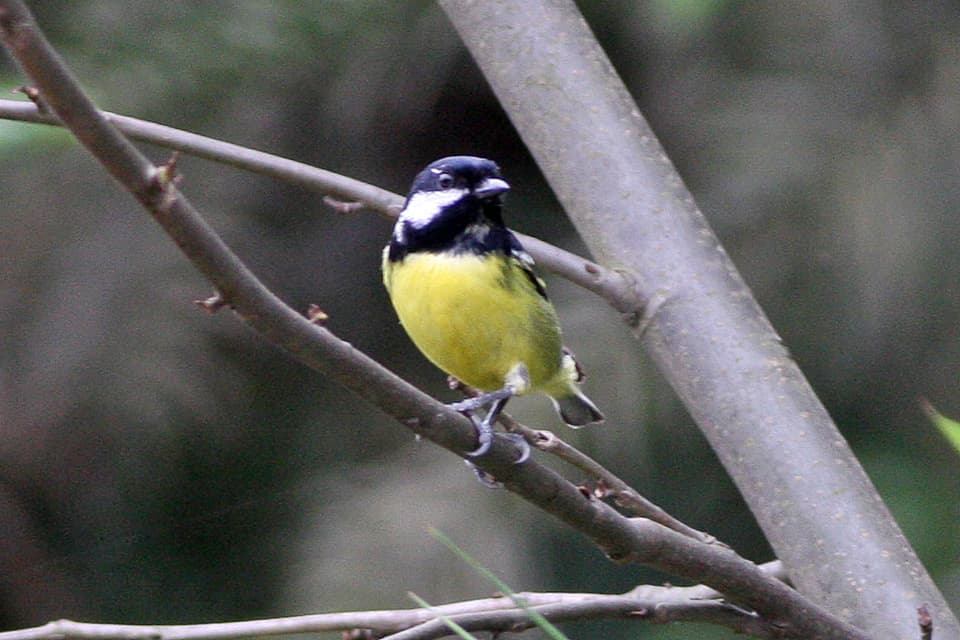
Features a vivid green back contrasting with its striking yellow underparts, making it easy to spot
- •
Has a black head with a bold white cheek patch, providing a sharp, contrasting look
- •
Displays a short, stout beak ideal for foraging and a distinctive black bib on the chest
What does a green-backed tit sound like?
The Green-backed Tit emits fast, high-pitched, and melodious songs typically composed of repeated ‘sit-sit-sit’ or ‘seet-seet-seet’ notes. Calls can be sharp and loud sounding like 'tit-tit-tit' or 'tzee-tzee-tzee'. Their vocalization also includes a variety of trills and chirrups. It characteristically calls while foraging in tree canopies.
Description
If you almost mistook this tiny bird for a Japanese tit, nobody could blame you; the two are incredibly similar! Green-backed tits are forest birds and live at heights of up to 9,186 feet. They are known for having a gruff call but are, themselves, not gruff at all and like to join mixed-species flocks when in search of food.
The green-backed tit can weigh between 12to16.8grams and be from12.5to13centimeters tall.
The green-backed tit typically lives up to 2-3 years. This lifespan is similar to related species, such as the great tit, which has an average lifespan of 3 years, and the blue tit that generally lives for 2.7 years. However, maximum lifespan can extend to over a decade in certain conditions for these species.
Did you know?
Most popular questions about green-backed tit
How to recognise a green-backed tit?
General appearance
The green-backed tit is a small bird characterized by a bright yellow underbelly, olive-green back, a black head with white cheeks, and distinct black stripe (or 'necktie') running down its front. Their wings and tail exhibit black and white patterns. These birds are found in South-East Asia, residing in forests, gardens, and woodlands.
Male vs female
Males and females share similar appearances making it difficult to distinguish between them. Both genders display identical coloration and body shapes. They might exhibit slight differences in size, but this is not a reliable distinguishing factor. Further scientific procedures may be required to determine their gender.
Juvenile
The juvenile green-backed tit resembles the adult in coloration, but its markings are less distinct and its plumage is fluffier and paler in comparison. Young ones lack the glossy sheen seen in adults and their 'necktie' markings are often thinner and less prominent. As they mature, their color deepens and their markings become well-defined.
Often mistaken for
Eurasian Blue Tit vs Green-Backed Tit
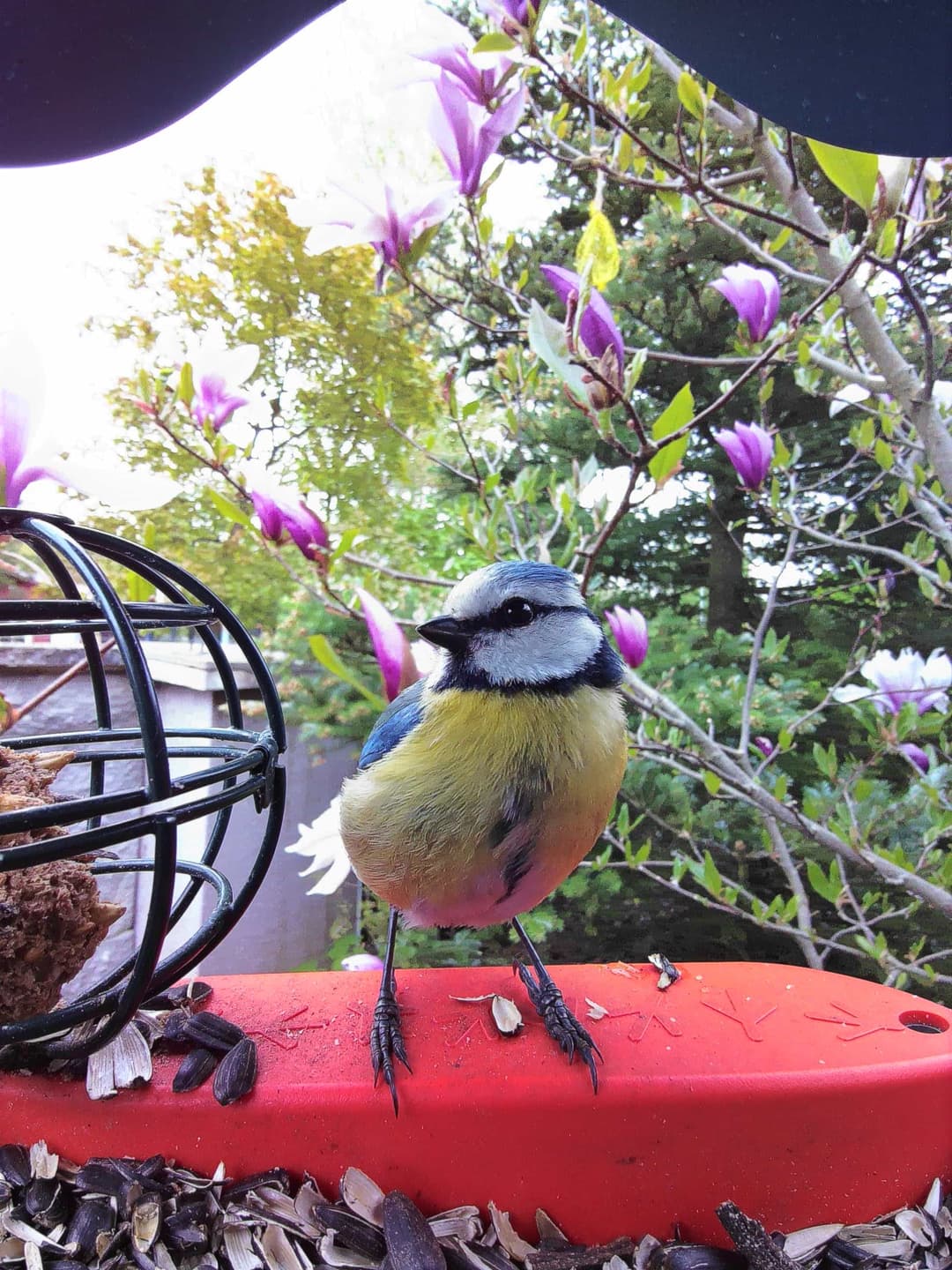
Similar in size and general shape but has a blue cap and yellow underparts while the Green-Backed Tit has more prominent green on its back.
Great Tit vs Green-Backed Tit
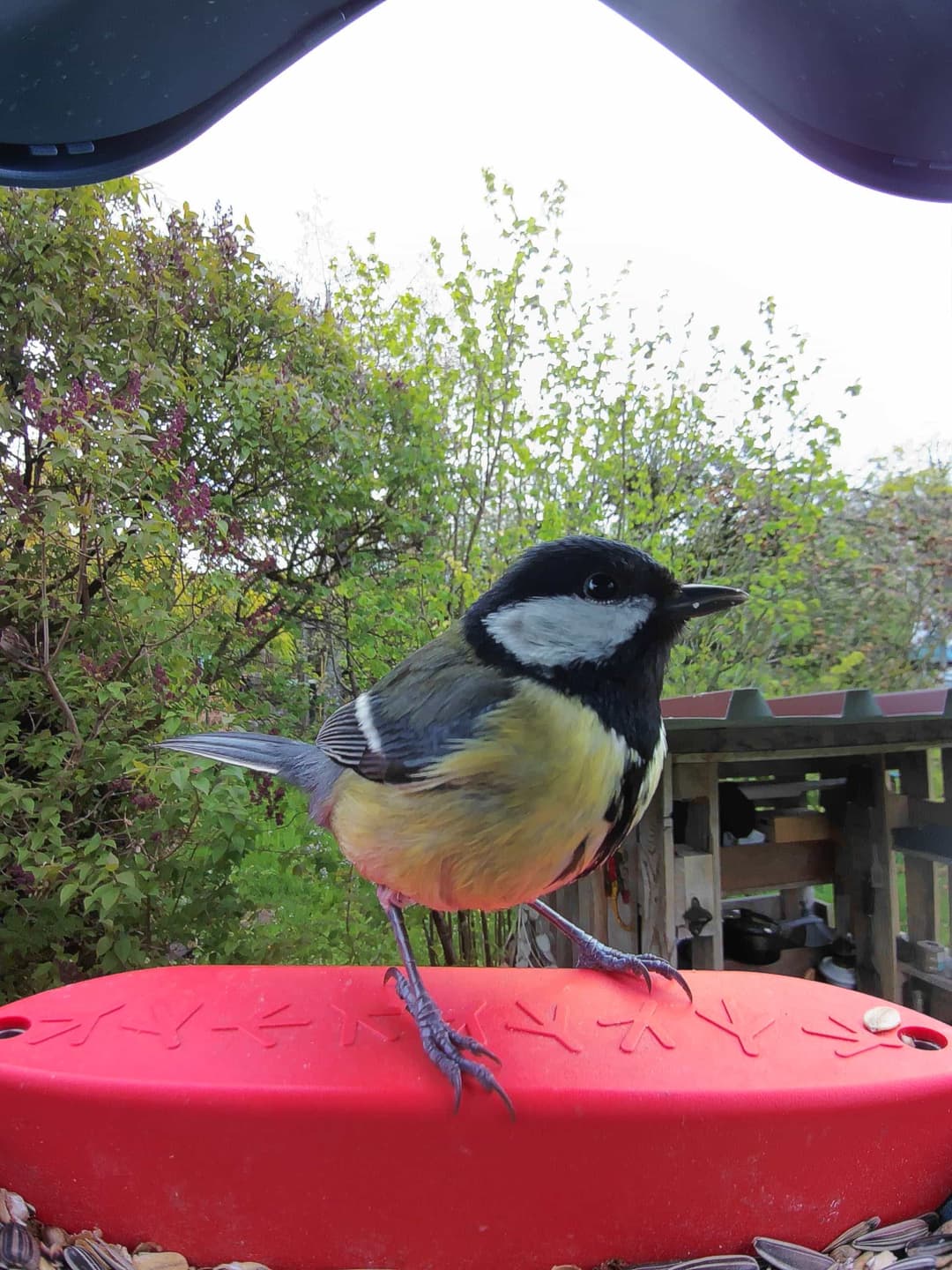
Both are similar in size and have black heads, though the Great Tit has a more distinct black band running down its chest and less pronounced green on the back.
Coal Tit vs Green-Backed Tit
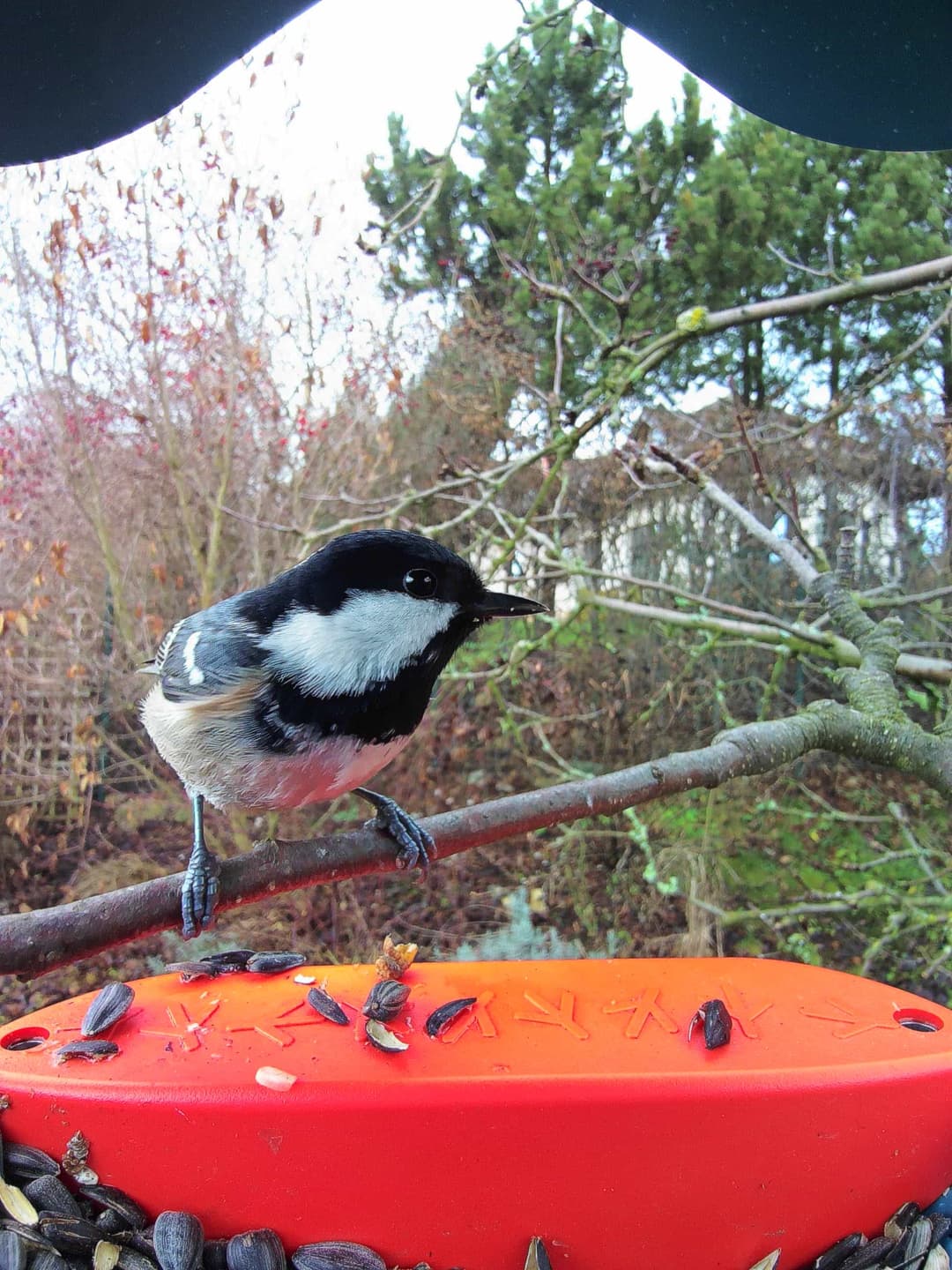
Smaller than the Green-Backed Tit with a more greyish back and white nape patch, lacking the green coloration.
Cinereous Tit vs Green-Backed Tit
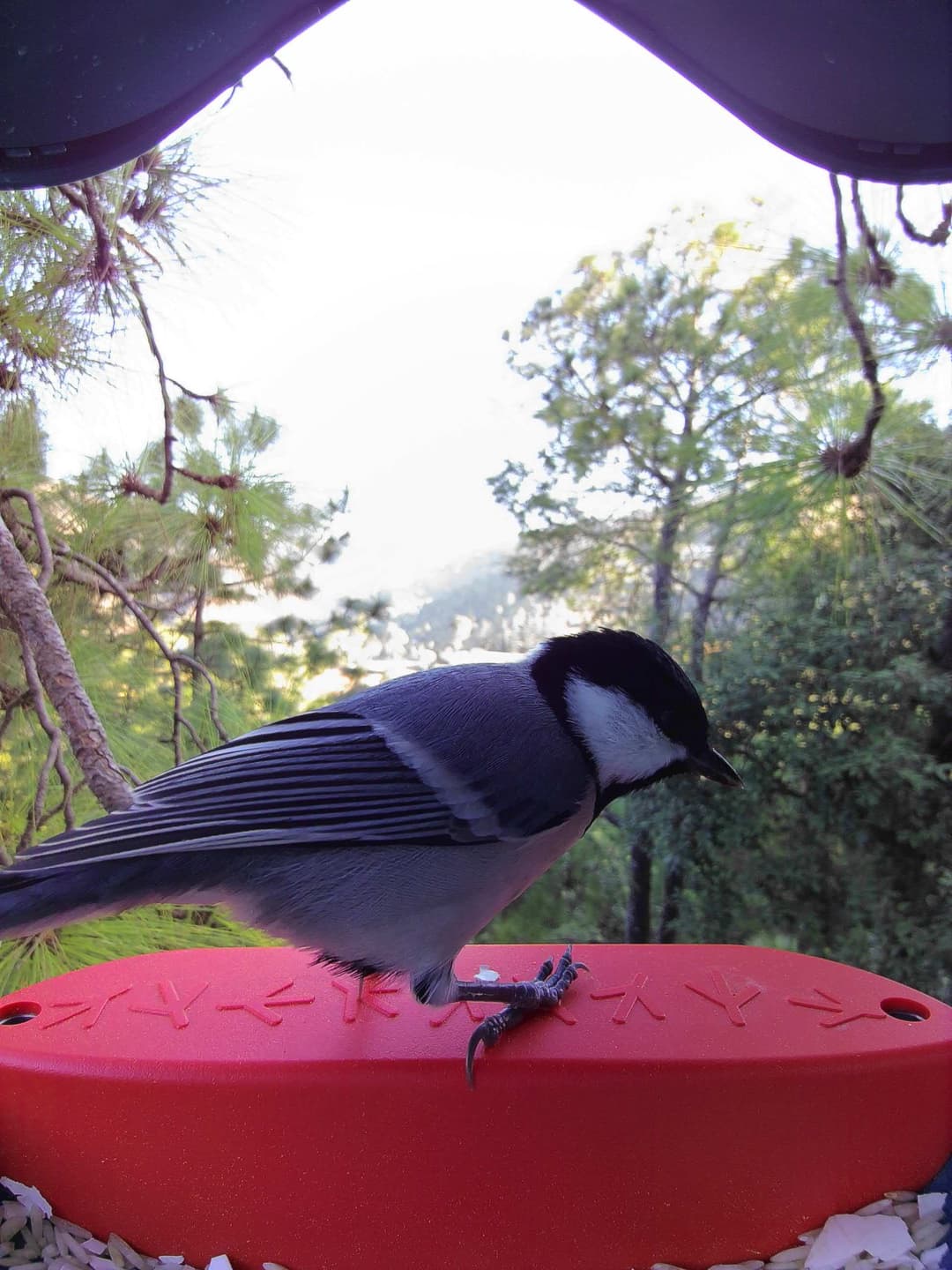
Similar size but lacks the green coloration and has more grey tones across the body.
Yellow-Bellied Tit vs Green-Backed Tit
Shares a similar vibrant yellow underpart but has more pronounced yellow and lacks the green back.
Breeding and nesting habits of the green-backed tit
Mating behaviors
The green-backed tit engages in elaborate courting displays, including singing and aerial maneuvers. These displays help establish pair bonds and signal territory possession.
Nesting details
Green-backed tits prefer deciduous forests and gardens for nesting. They build nests in tree cavities or nest boxes, using materials like moss, feathers, and grass to line the nests.
Eggs and chick-rearing
Females lay 4-6 eggs per clutch, incubating them for approximately two weeks. Both parents participate in chick-rearing, providing a diet rich in insects. Gardens with diverse native plants can attract natural prey and support healthy chick development.
What does a green-backed tit like to eat?
Berries
Flowers
Fruits
Insects
Seeds
Snails
Spiders
Natural diet
The green-backed tit primarily feeds on a variety of insects and their larvae, as well as spiders. During the breeding season, it increases its intake of caterpillars, which are high in protein necessary for chick development. It also consumes seeds, nuts, and fruit, which supplement its diet with essential nutrients, particularly during less abundant times.
Bird feeders
At bird feeders, green-backed tits commonly consume seeds such as sunflower seeds and peanuts. They may also be attracted to suet and other high-fat food options which provide ample energy, especially in colder months. This opportunistic feeding behavior makes them frequent visitors to garden feeders.
Favorite snacks for the green-backed tit
This lovely bird is keen on seeds, insects, berries, and nuts. Luckily, Bird Buddy seeds are a perfect match - they're seasonally chosen by experts and have shown great results in tempting the Green-backed Tit.
Best feeders to attract green-backed titis
Green-Backed Titis are fond of tube feeders and platform feeders. They prefer feeders installed at a moderate height, with plenty of foliage around. This makes them feel safer from predators and encourages them to frequent your feeder.
Helpful tricks to encourage your feathered friends
Sometimes, even the best snacks and feeders aren't enough. Offering a reliable source of fresh water for drinking and bathing can work wonders. You can also consider providing nesting boxes during breeding season. And remember, a quiet and safe environment is key to making these lovely birds feel at home.
Sing-along with the green-backed titis
Looking for a fun activity? Why not try a sing-along. The Green-Backed Titis appreciate quiet singing. By gently playing bird songs, mimicking their calls or humming softly, you can establish a connection and they might even join you for a nature-inspired choir.
Where can you find green-backed tits?

Primary habitat
The green-backed tit primarily inhabits evergreen and deciduous forests as well as scrubland in Asia, from India and Nepal to China and Vietnam.
Additional range
This bird can also be found in gardens, orchards, and plantations. It prefers a temperate climate but can adapt to subtropical or tropical high-altitude shrubland.
Do they migrate?
The green-backed tit is generally a resident bird, meaning it typically stays in one place throughout the year and does not undertake long migrations. This species is commonly found in the temperate and subtropical forests of South and Southeast Asia, including the Himalayas in India, Nepal, Bhutan, parts of China, and Southeast Asian countries like Vietnam, Laos, and Thailand. While the green-backed tit does not perform long-distance migrations, some local movements might occur in response to seasonal changes in food availability and environmental conditions. These movements are generally altitudinal rather than latitudinal, as the birds might descend to lower elevations during harsh winter months in search of food and more favorable conditions. Key habitats include mixed and coniferous forests, where they can be found foraging for insects and seeds. Their adaptability to different altitudes and forest types allows them to maintain residency within their range, minimizing the need for long migrations. Understanding these local movements is crucial for conservation efforts, particularly in regions facing habitat loss and fragmentation.
What is the role of green-backed tits in nature and how to protect them?
Conservation status
The green-backed tit is classified as "Least Concern" on the IUCN Red List, indicating it is relatively common with a stable population. Found across South and Southeast Asia, its wide range contributes to its status. Threats include habitat loss due to deforestation and land conversion for agriculture. Conservation efforts focus on habitat protection and sustainable land management to preserve its natural environment. However, specific targeted conservation actions are limited due to its currently secure status. Maintaining healthy forest ecosystems is crucial for ensuring the species' future stability.
Ecological role of green-backed tits
Its role in the ecosystem
The green-backed tit is significantly influential in an ecosystem due to its various roles. Its significance in pest control is considerably noteworthy; they are voracious insectivores that consume a plethora of pests (e.g., beetles, aphids, caterpillars) that can harm plants, reducing the need for human-interventional pest control measures. Simultaneously, their feeding behavior aids in balancing the insect population, fostering an equilibrium in the ecosystem. Additionally, the green-backed tit is instrumental in seed dispersal. By feeding on a diverse range of fruits and plants, it aids the propagation of flora by dispersing their seeds via droppings over broad areas. In effect, they support plant diversity, succession and forest regeneration. Finally, their nesting habits are also significant as the cavities they leave in trees can provide homes for other animals. Therefore, the green-backed tit is a crucial part of the ecological web, contributing to its diversity and harmony.
How to help protect green-backed tits
Preservation tips
Habitat preservation strategies
Support for the green-backed tit can be escalated through habitat preservation. Participate in tree planting initiatives to restore their natural habitats, focusing on mixed deciduous-evergreen forests and secondary growth following shifting cultivation. Minimize activities causing habitat fragmentation and degradation. Through policy advocacy, engage governmental bodies for the establishment of conservation areas.
Community science initiatives
Involve local communities in monitoring green-backed tit populations, breeding behaviors, and habitat conditions. This might involve training in species identification and data collection. Raise awareness about the importance of this species and its role in the ecosystem. Encourage neighborhood activities like bird-watching, engage schools in environmental education programs focusing on local biodiversity. Participate in citizen science initiatives tracking bird species, their numbers, and their behaviors.