
Willow Tit
Willow Tit
Poecile montanus


Quick Identification guide
Quick Identification guide
- •
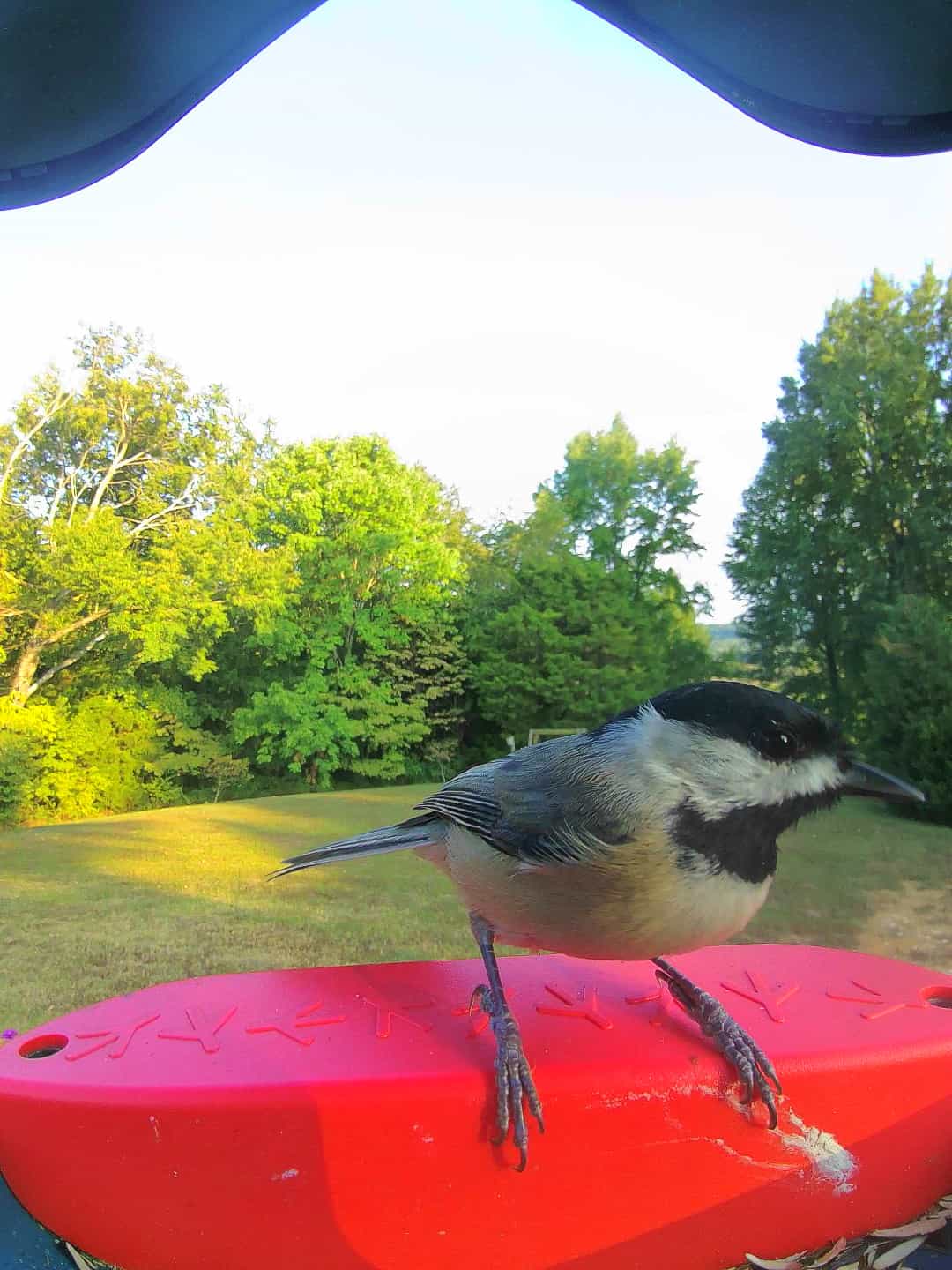
Characterized by a black cap and nape, contrasting with its white cheeks
- •
Shows a visibly small, stout beak that is perfectly adapted for seed foraging
- •
Exhibits a soft beige body with grayish-brown upperparts and a relatively long tail
What does a willow tit sound like?
The willow tit produces a variety of vocalizations; its common call is a sharp, nasal "tsit-tsit" or a scolding “chaa-chaa-chaa”. This bird's song, mainly produced by males, is a series of variable clear, high-pitched notes vibrating at a frequency of 3-5 kHz, with a "see-see-see-see" structure, and can contain imitations of other birds. Each song sequence lasts about 2 seconds. During courtship, it emits a repeated, faint "zeee" sound.


Description
Willow tits were the last regular British breeding bird to be identified, all the way back in 1897, because before then, they were thought to be the same species as marsh tits! If you can't tell them apart, don't beat yourself up. Even professionals sometimes struggle! As far as habitats go, they prefer wetter areas.
The willow tit can weigh between 8to15grams and be from11to12centimeters tall.
The Willow Tit typically has a lifespan of 3 years. However, few survive their first year of life due to natural pressures. Compared to the closely related Marsh Tit, which can live up to 11 years, the Willow Tit has a significantly shorter lifespan. This can largely be attributed to differences in environmental pressures and predation levels.
Did you know?
Most popular questions about willow tit
How to recognise a willow tit?
General appearance
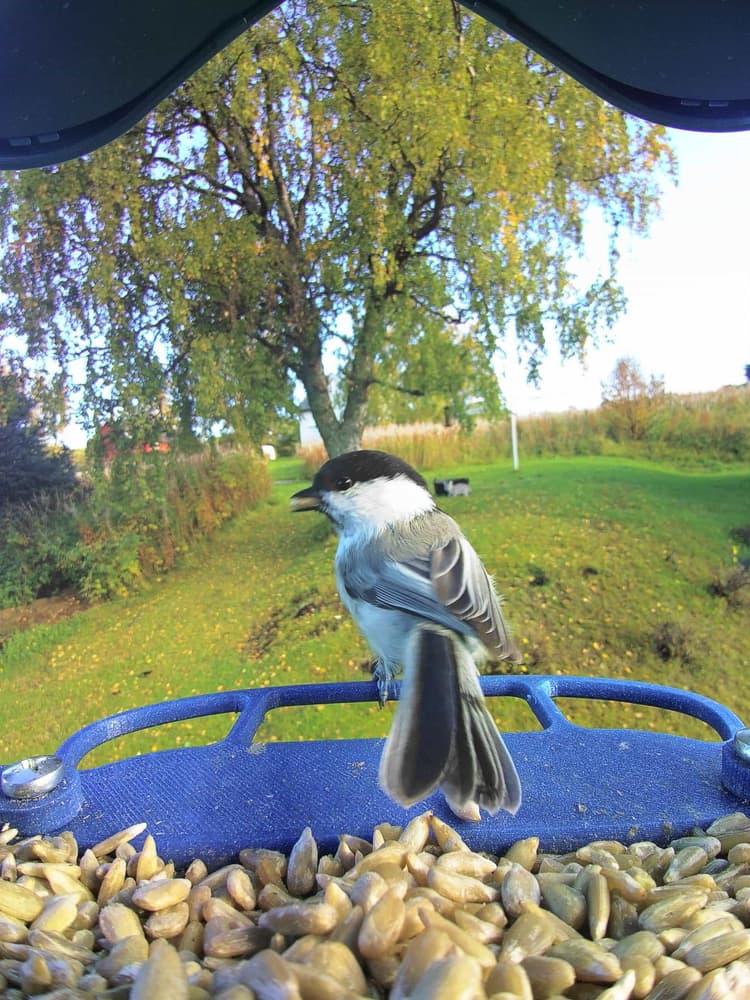
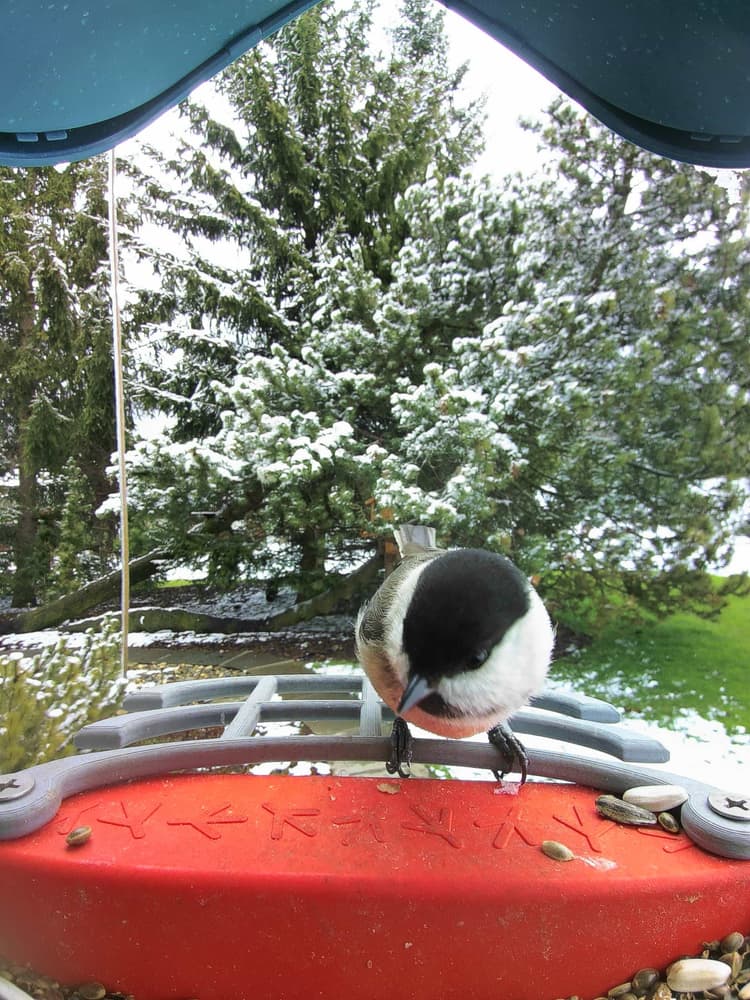
The Willow Tit (Poecile montanus) is a small, plump songbird with a robust body. Its plumage primarily consists of grey, brown, and white shades. The head is capped in glossy black extending to the nape, contrasting sharply with the pale cheeks. The upperparts are brownish-grey while the underparts are white, with sides tinged buff-brown. Its wings and tail boast a darker hue. An essential characteristic is a small black bib under its chin.
Male vs female
There is minimal sexual dimorphism in Willow Tits, making it hard to distinguish males from females by appearance. Both sexes have similar coloration and size. Thus, identification between genders is generally achieved through their distinct vocalizations.
Juvenile
Juvenile Willow Tits resemble the adults, but the glossy black cap is duller and they lack the black bib of mature birds. Additionally, juveniles exhibit a paler plumage with a more yellowish-brown hue. As they age, the coloration gradually darkens, approaching the adult appearance by their first winter.
Often mistaken for
Marsh Tit vs Willow Tit
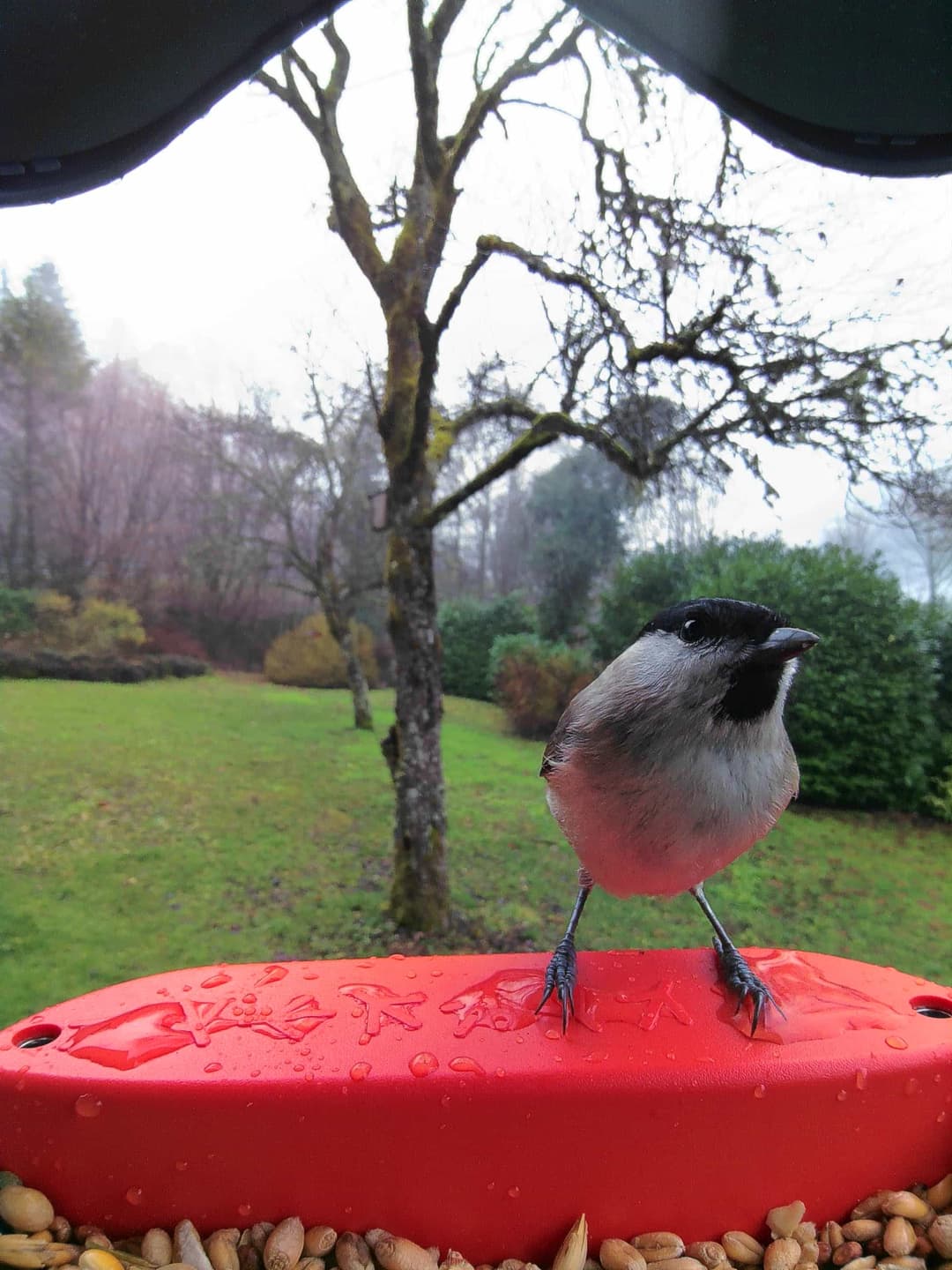
The Marsh Tit and the Willow Tit are very similar in appearance, both having a small, compact body and a black cap. However, the Marsh Tit can be distinguished by its slightly shinier black cap and the lack of a clear wing panel that the Willow Tit has.
Black-Capped Chickadee vs Willow Tit
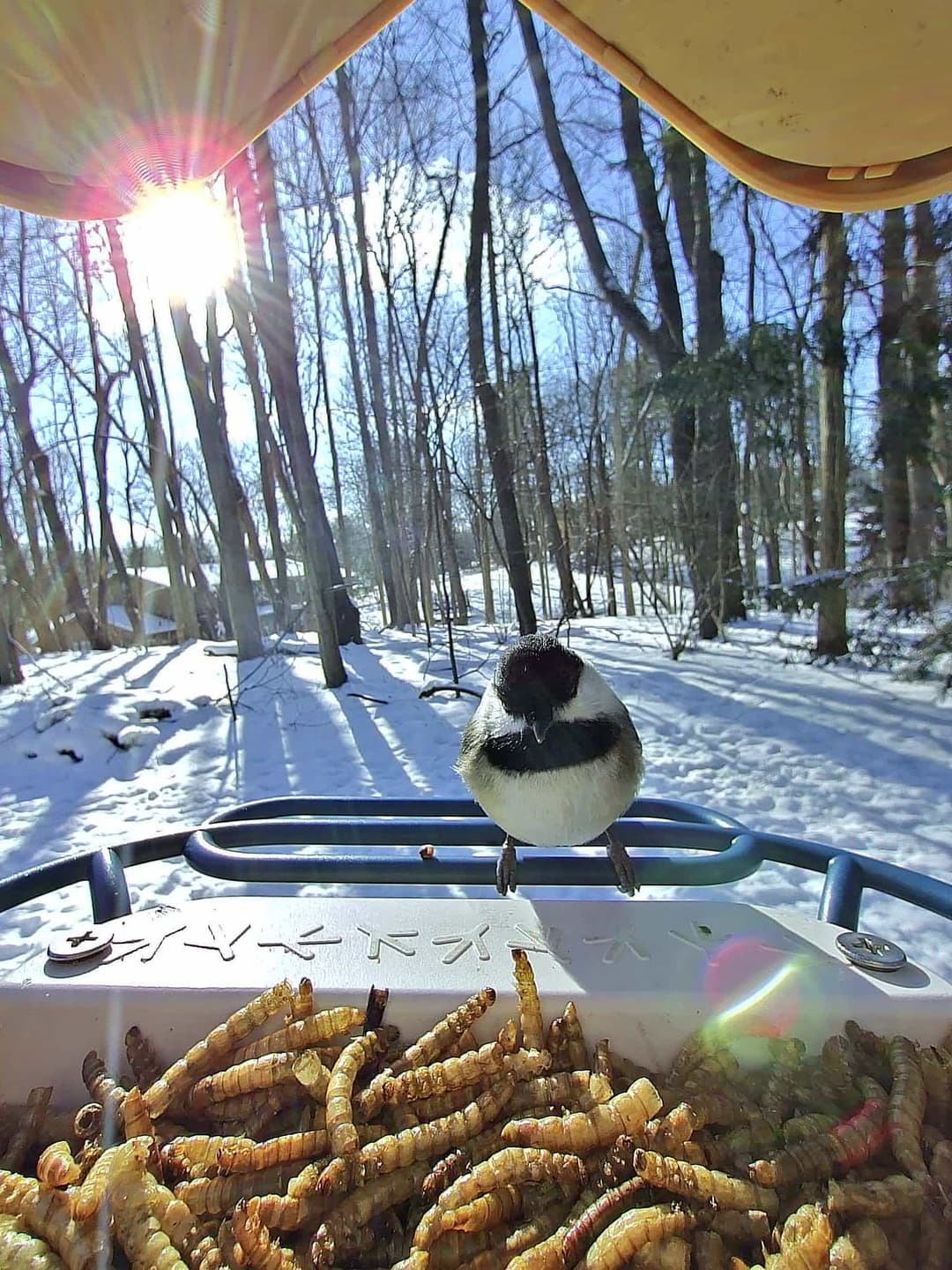
The Black-Capped Chickadee looks similar to the Willow Tit with its black cap and bib. To distinguish them, look for the white cheeks of the Black-Capped Chickadee, which are more pronounced than on the Willow Tit, and the distinct buffy sides of the Willow Tit.
Carolina Chickadee vs Willow Tit
Similar to the Black-Capped Chickadee, the Carolina Chickadee can be mistaken for the Willow Tit due to its black cap and bib. It can be differentiated by subtler differences in song and slightly different plumage coloring, with the Carolina Chickadee generally lacking the buffy flanks seen on the Willow Tit.
Breeding and nesting habits of the willow tit
Mating behaviors
Willow tits engage in courtship displays that include singing and fluttering flights. Pairs form in late winter, establishing strong bonds that often last beyond a single breeding season.
Nesting details
Willow tits prefer to excavate their own nesting sites in rotten wood or soft dead trees. They use moss, feathers, and wood chips to construct the nest within the cavity. In gardens, providing deadwood and planting native shrubs can attract nesting pairs.
Eggs and chick-rearing
Females lay 5-8 eggs, with incubation lasting around two weeks. Both parents participate in feeding the chicks, which fledge approximately 16-21 days after hatching. Continued parental care is provided for some time post-fledging.
What does a willow tit like to eat?
Berries
Fruits
Insects
Nuts
Sap
Seeds
Snails
Spiders
Worms
Natural diet
The willow tit primarily consumes insects and spiders, which provide essential protein, particularly during the breeding season. These birds forage for caterpillars, beetles, aphids, and other small invertebrates found among foliage and bark. Seeds from trees like birch and alder, as well as a variety of berries, form a significant part of their diet, especially during the colder months when insects are scarce.
Bird feeders
At bird feeders, willow tits are known to eat sunflower seeds, peanuts, and suet. These foods offer a convenient and reliable source of nourishment, particularly during winter when natural food sources are limited. The willow tit's preference for sunflower seeds is widespread among passerines due to their high energy content.
Invite with a proper feeder
To attract the delightful Willow Tit to your yard, start by choosing a bird friendly feeder. Tube feeders are an excellent choice as these little singers prefer to cling while they dine. Try to hang the feeder in a quiet, safe and sheltered spot to make the birds feel comfortable.
Offer tasty treats
Willow Tits are big fans of sunflower seeds, peanuts and suet. They also love insects, so a suet block with insect infusions can be irresistible to them. But, for the best results, we’d recommend Bird Buddy seeds. They’re expertly chosen depending on the season, ensuring a balanced diet and ultimate attraction for these cute passerines.
Create a bird-friendly environment
Give them a reason to stick around! Plant native trees and shrubs which bear fruits or attract insects. Additionally, a safe water source for drinking and bathing will make your yard an ideal spot for Willow Tits. Nesting boxes in the yard could even encourage them to stay and raise a family.
Where can you find willow tits?

Primary habitat
The willow tit favors damp deciduous and mixed forests in cool and temperate climate zones, specifically thriving in willow, alder, and birch trees.
Additional range
Astonishingly, this bird can also be found in scrubby areas and gardens. It mostly inhabits the Palearctic region, with a range extending across Europe and Asia to Japan.
Do they migrate?
The willow tit (Poecile montanus) is a non-migratory bird, meaning it generally stays in one place throughout the year. It resides across much of Europe and Asia, favoring boreal and temperate forests, particularly areas with dense undergrowth and deciduous trees. Unlike migratory birds, the willow tit is adapted to endure harsh winter conditions in these regions. During winter, willow tits may exhibit local movement in search of food and suitable habitats, but they do not undertake long migration routes. These movements are typically short-range and involve shifting to areas where food is more abundant. Willow tits rely on cached food supplies to survive the colder months, often stored in tree crevices or under loose bark. In summary, the willow tit's adaptation to varied seasonal conditions and its strategy of storing food allow it to remain resident within its range all year, eliminating the need for long-distance migration.
What is the role of willow tits in nature and how to protect them?
Conservation status
The willow tit is currently listed as a species of concern in several parts of its range, facing declining populations due to habitat loss and fragmentation. In the UK, it is considered vulnerable, primarily due to the loss of damp woodland and scrub habitats. Conservation efforts focus on habitat restoration, including re-wetting drained areas and maintaining dense shrub layers. Key threats include climate change, urban development, and competition from other bird species like the blue tit. Efforts also involve monitoring populations and promoting public awareness to ensure the protection of their natural habitats.
Ecological role of willow tits
Its role in the ecosystem
The Willow Tit is a small passerine bird species with ecological significance through pest control and seed dispersal. As an insectivorous bird, Willow Tits play an important role in controlling pest populations. They forage on a diversity of insects and spiders, effectively managing these invertebrates' numbers and contributing to the natural balance of the ecosystem. Besides pest control, Willow Tits aid in seed dispersal. They have a varied diet that includes seeds and fruits from various plant species. The consumption and subsequent excretion of these seeds often occur in different locations, thus supporting plant dispersion and diversification. Furthermore, Willow Tits are known to create their own nesting holes in dead wood, this behavior promotes natural decomposition processes and creates niches for other species. Therefore, maintaining healthy willow tit populations is essential for biodiversity and the overall health of the ecosystems in which they inhabit.
How to help protect willow tits
Preservation tips
Habitat preservation strategies
Implementing conservation interventions in riparian and marshy woodlands where willow tits are found, like maintaining a variety of tree ages and managing scrub and young trees, can create an optimal environment. The maintenance of decaying trees, a crucial nesting resource, is also vital. Logging practices should be reviewed and modified if they risk harming the willow tit's habitat.
Community science initiatives
Community involvement is crucial for willow tit conservation. A citizen science program can organize volunteers for habitat restoration activities and monitor the willow tit population. Encouraging local schools and community members to participate in nest box building projects can provide safe nesting for the birds. Public awareness campaigns can disseminate knowledge about the importance of willow tit conservation and spark unified efforts to protect these birds.