
Cinereous Tit
Cinereous Tit
Parus cinereus


Quick Identification guide
Quick Identification guide
- •
Exhibits a contrasting black head, nape, and throat, providing a striking look against its lighter body
- •
Features gray upperparts and pale underparts, offering a subtle but distinct color contrast
- •
Has a short, robust beak and a medium-length tail, adding to its characteristic appearance
What does a cinereous tit sound like?
The cinereous tit's vocalizations include a loud, clear string of short, repetitive notes that rise and fall in pitch, often described as a "tititi-pwee-pwee-pwee cop cop," with males sometimes vocalizing for extended periods. Its calls, meanwhile, cover a variety of notes and pitches, but a common sound is a sharp and emphatic "tsit-tsit-tsit" alarm call. The bird generally communicates through its calls rather than visual signals.


Description
Cinereous tits might be small and cute but parents are more akin to overprotective mother bears if anybody gets too close. They are feisty and will hiss when their nest feels threatened. They are hole-nesters but don't excavate it themselves; instead, they frequently reuse old woodpecker or barbet nests.
The cinereous tit can weigh between 11.9to22.1grams and be from12.5to15centimeters tall.
The cinereous tit typically lives up to 15 years. This is relatively long compared to other related species, such as the blue tit, which has an average lifespan of around 2-3 years, or the black-capped chickadee with a typical lifespan of 12 years. Varying factors such as predation, disease, and environment greatly influence these lifespans.
Did you know?
Most popular questions about cinereous tit
How to recognise a cinereous tit?
General appearance
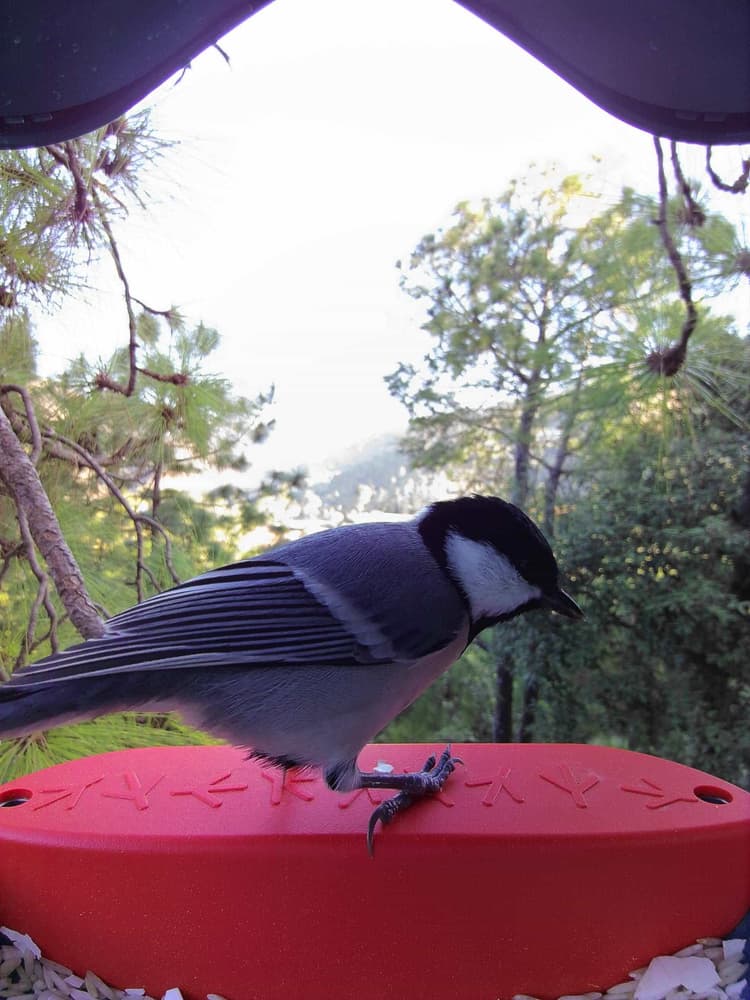
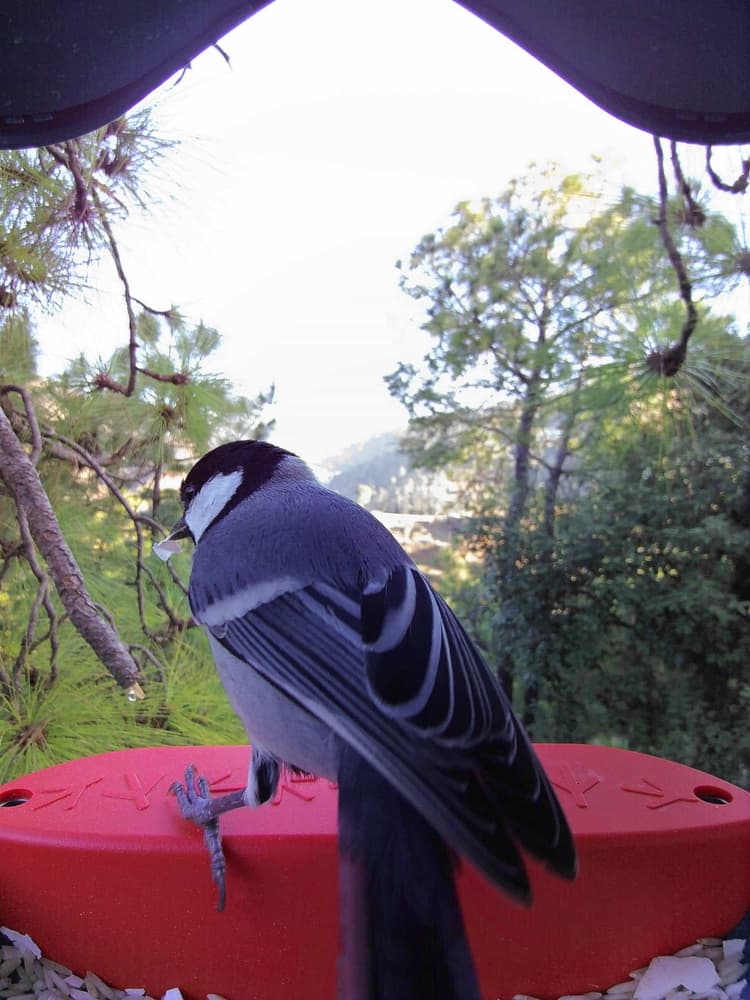
The cinereous tit is a small bird species, characterized by white undersides with black streaks and dark gray to black upper parts. The head prominently displays a black cap and cheek patches. The bird has a short, stout bill and strong legs. They have a patch of white on the wings and the tail is black with white outer edges.
Male vs female
Both male and female cinereous tits share similar coloration and size, making them difficult to distinguish. However, males are typically stronger and have slightly more vivid coloration but this difference can be subtle and often requires close inspection.
Juvenile
Juvenile cinereous tits are distinguishable by their softer, more mottled appearance compared to adults. They carry more gray on their upper parts with less prominent black streaking on the underparts. They also have shorter wings and tails and are slightly smaller in size than mature birds.
Often mistaken for
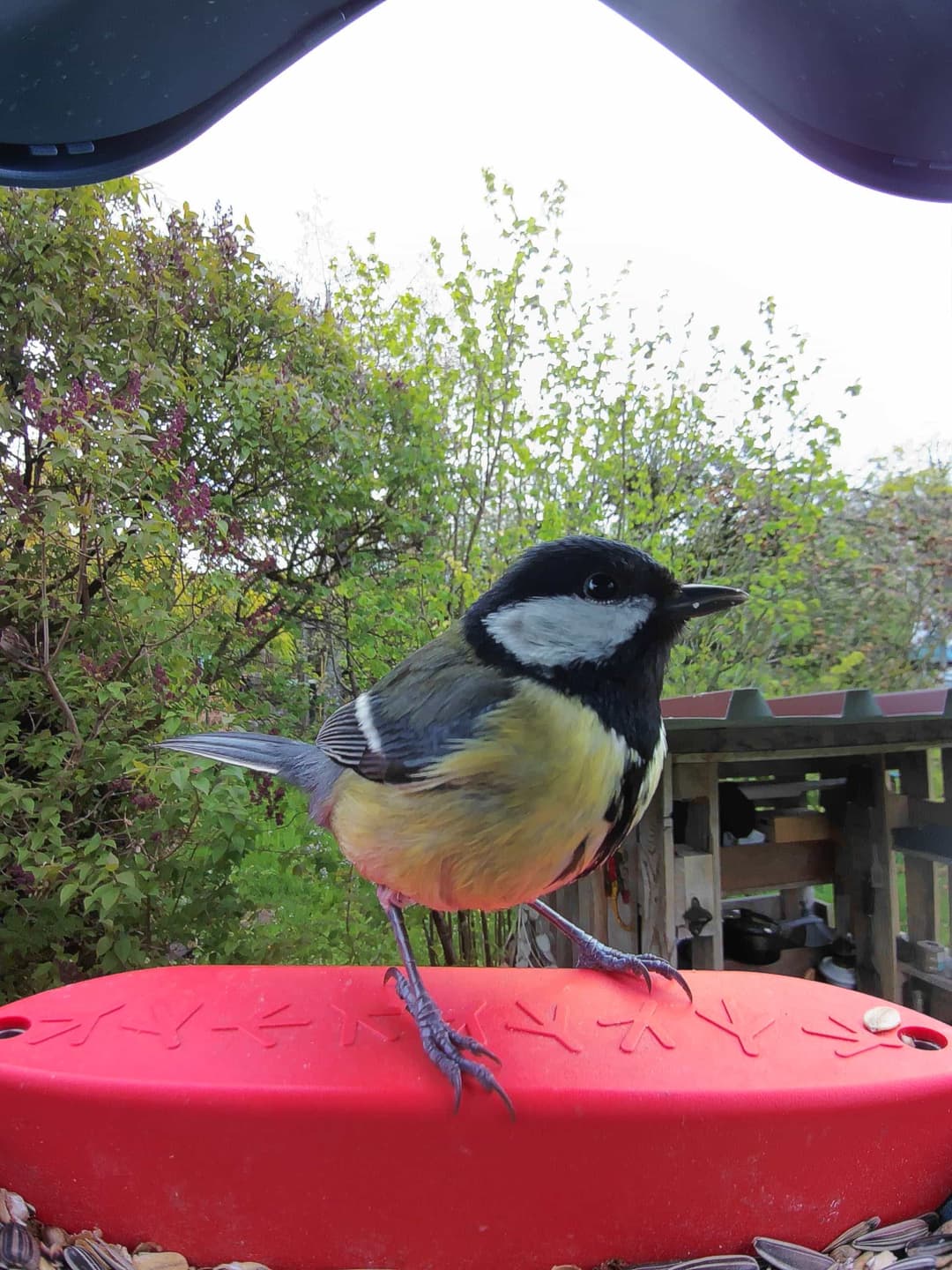
Great Tit vs Cinereous Tit
The Great Tit is larger and has a more defined black head with a white cheek patch compared to the Cinereous Tit. It also has a distinct olive-green back and a brighter yellow belly, whereas the Cinereous Tit is more uniformly grey.
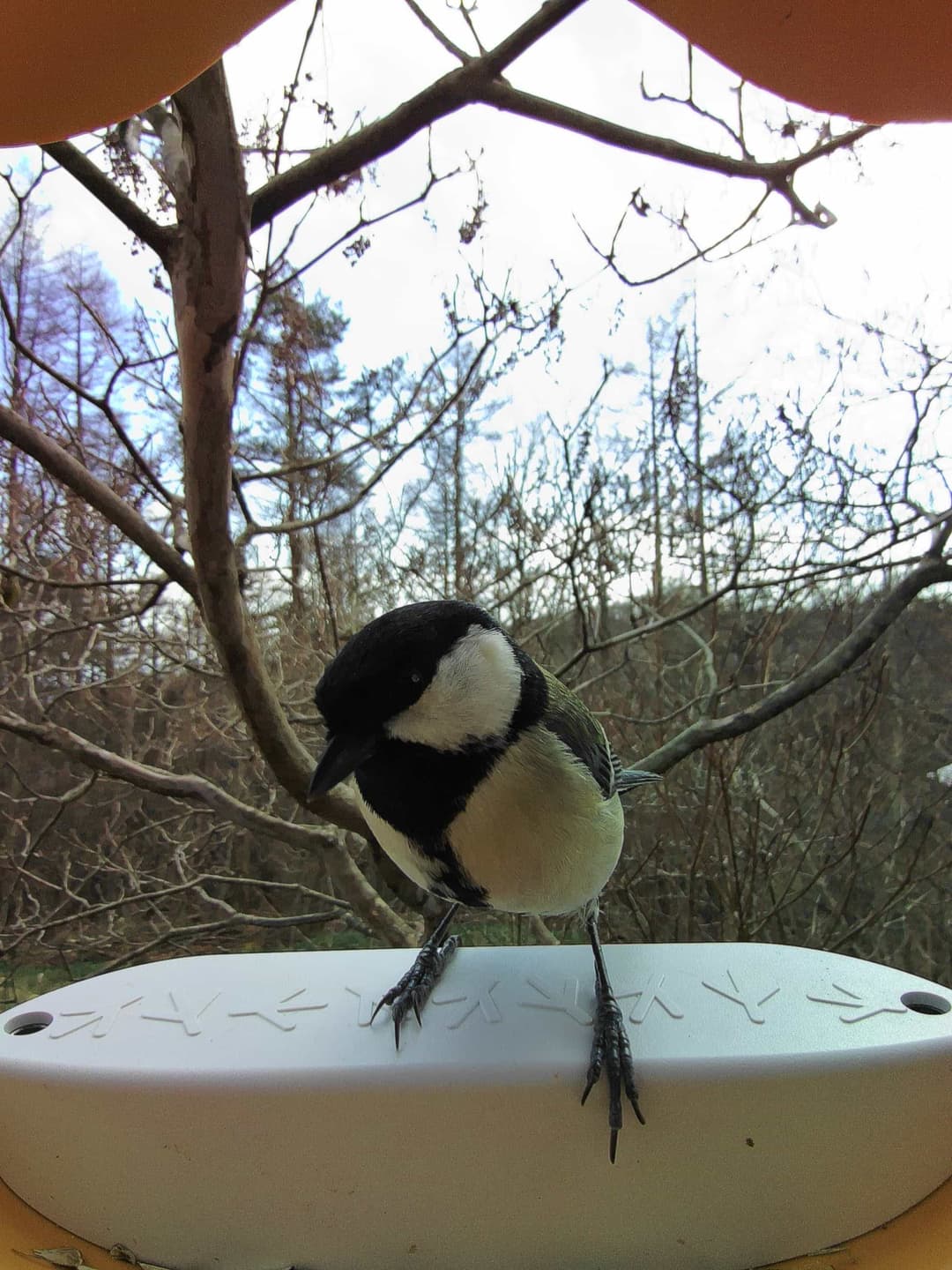
Japanese Tit vs Cinereous Tit
While similar in appearance, the Japanese Tit has a brighter yellow belly and a more pronounced greenish tint on its back compared to the Cinereous Tit which is more greyish overall.
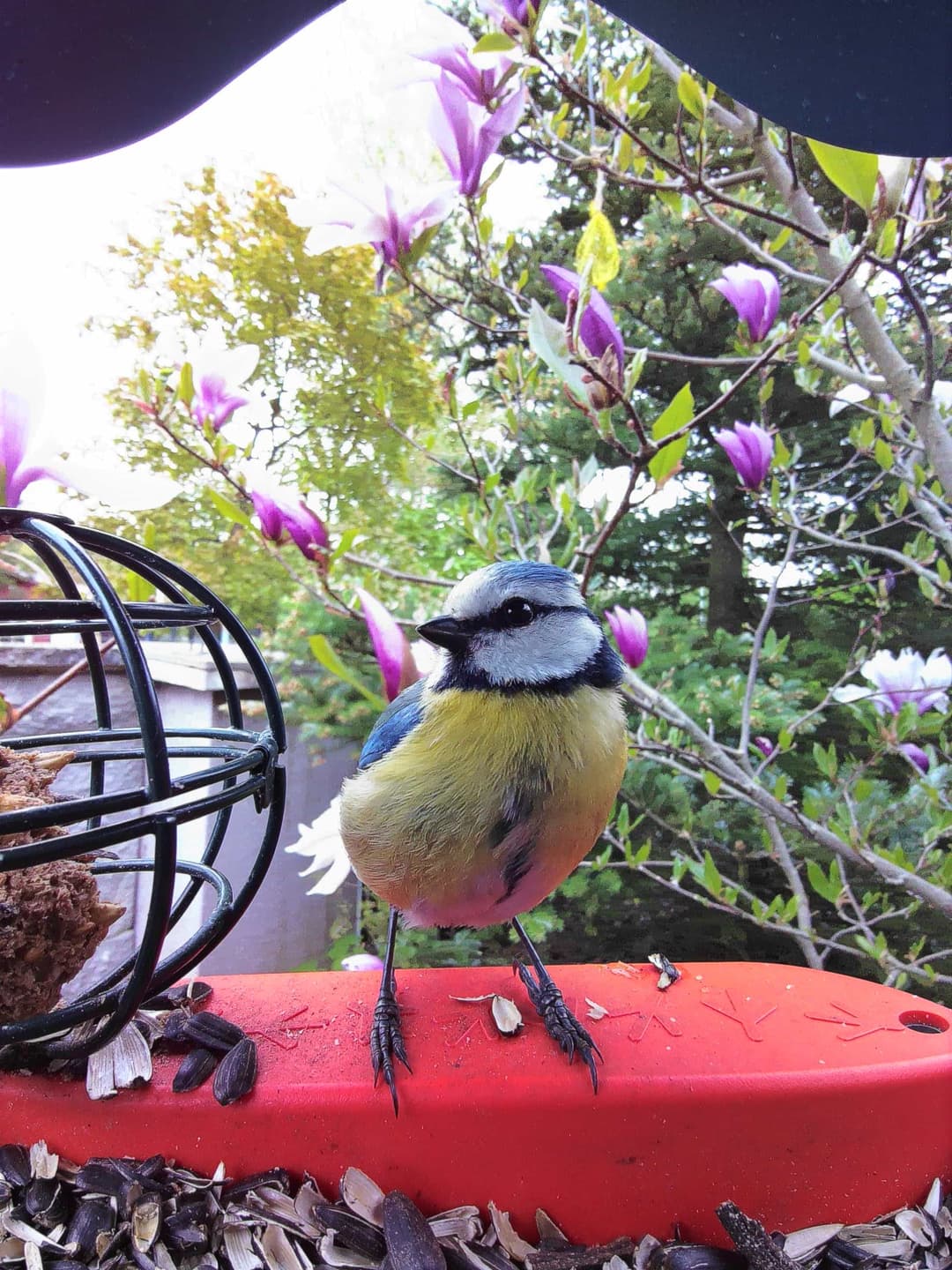
Eurasian Blue Tit vs Cinereous Tit
The Eurasian Blue Tit has blue and yellow coloring, with a distinctive blue crown and yellow underparts, unlike the Cinereous Tit which is predominantly grey. Their difference in coloration makes them quite distinct upon close inspection.
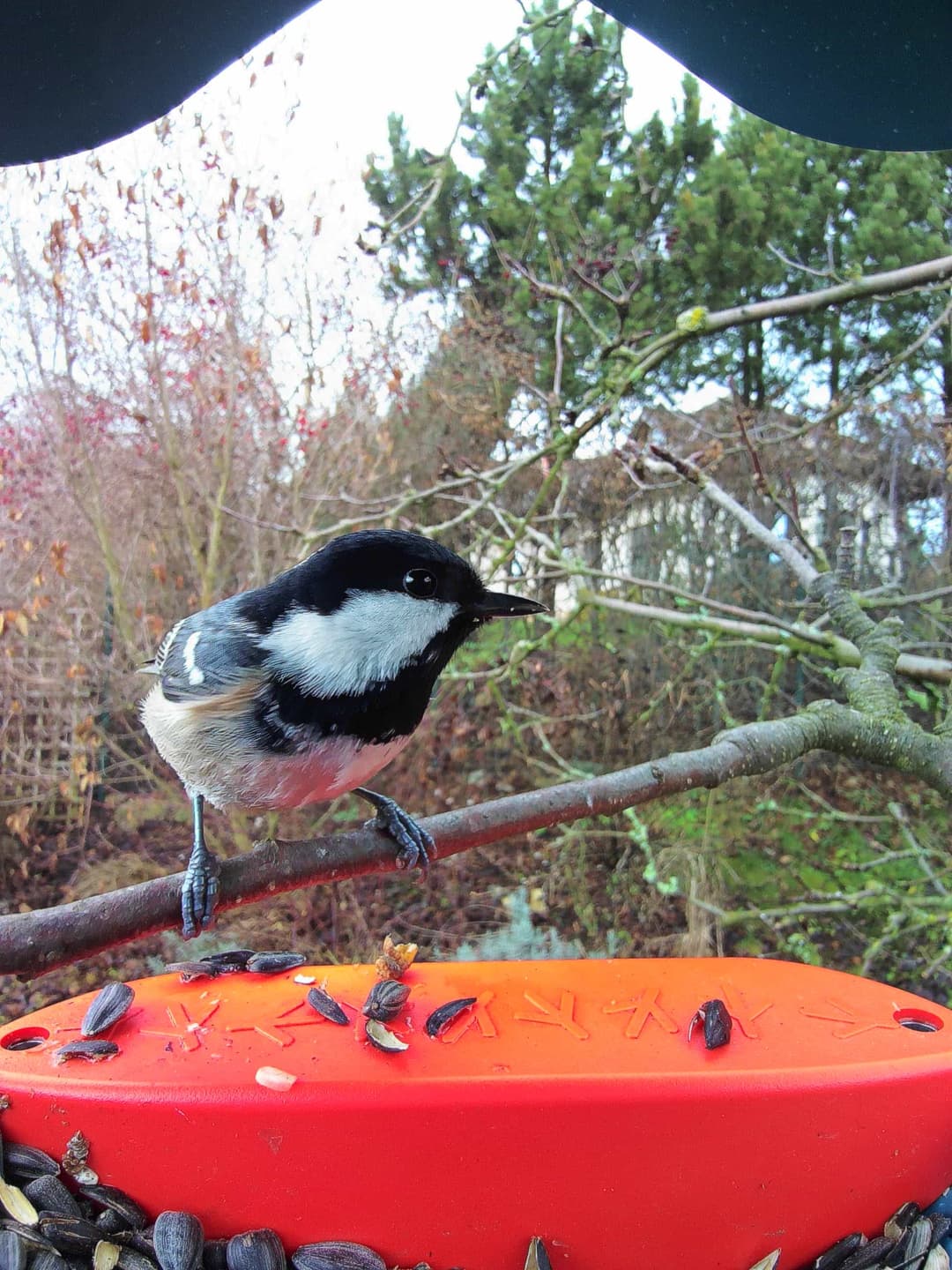
Coal Tit vs Cinereous Tit
The Coal Tit is smaller and has a more subtle black cap and a smaller white nape patch when compared to the Cinereous Tit. It also has weaker contrast in its plumage.
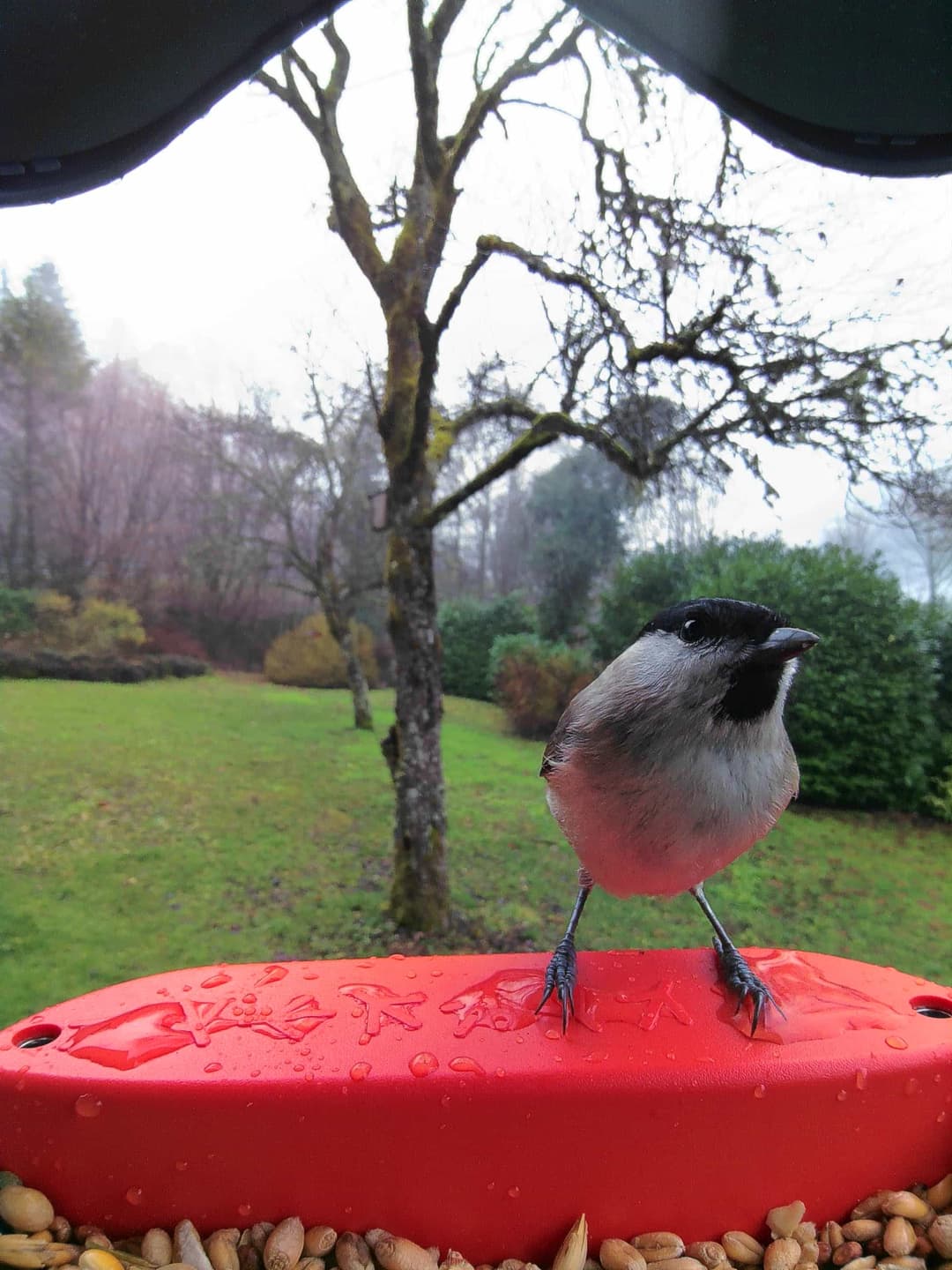
Marsh Tit vs Cinereous Tit
Unlike the Cinereous Tit, the Marsh Tit has glossy black cap and less distinct contrast between its head and the rest of its body. It also lacks the distinctive white cheek patches seen on the Cinereous Tit.
Breeding and nesting habits of the cinereous tit
Mating behaviors
Cinereous tits engage in courtship displays that include singing and aerial chases to attract mates.
Nesting details
Nests are typically built in cavities, such as tree holes, walls, or nest boxes, using moss, grass, and feathers. They adapt well to garden settings, where artificial nest boxes can attract them.
Eggs and chick-rearing
Females lay 5-8 eggs, which hatch after about two weeks. Both parents feed the chicks, which fledge in approximately 18-21 days. Providing food sources, like sunflower seeds, can support chick-rearing in gardens.
What does a cinereous tit like to eat?
Berries
Fruits
Insects
Nectar
Nuts
Seeds
Snails
Spiders
Suet
Natural diet
The cinereous tit primarily feeds on a variety of insects such as caterpillars, beetles, and spiders. Additionally, it consumes seeds and small fruits, particularly during the non-breeding season. This adaptive feeding habit allows the cinereous tit to benefit from abundant food sources depending on seasonal availability.
Bird feeders
At bird feeders, the cinereous tit often eats sunflower seeds, peanuts, and suet. These food items mimic the high-energy content of its natural diet, appealing to its foraging behavior. The species may also indulge in crumbs, cereals, and pieces of fruit offered by bird enthusiasts.
Recommended feed
The cinereous tit is particularly fond of peanuts, sunflower seeds, and insects. To encourage these friendly visitors, offering these snacks is a great start. You can opt for Bird Buddy seeds that are chosen by experts according to the season for the best outcome.
Preferred feeder types
Cinereous tits are very fond of hanging feeders, particularly tube feeders. These birds enjoy a good challenge and will appreciate the acrobatic feat required to eat from these feeders. Make sure to keep the feeders clean and the food fresh to attract these birds.
Fun tricks to attract cinereous tits
Customise your garden with different types of plants and shrubs as Cinereous tits love the variety. Water sources like bird baths and small waterfalls can serve as the perfect magnet to attract these birds. Playing soft bird songs can also invite these melodious songsters for a sing-along!
Where can you find cinereous tits?
Primary habitat
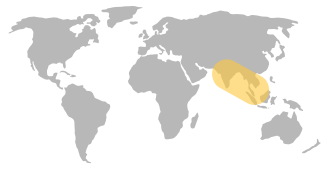
The Cinereous Tit typically inhabits open deciduous forests and lightly wooded habitats in temperate and tropical regions.
Additional range
Its range spans central Asia and southwards to India, Indonesia and Taiwan. Unexpectedly, it also inhabits urban environments like parks and gardens.
Do they migrate?
The cinereous tit generally exhibits sedentary behavior, meaning it tends to stay in one place throughout the year. This bird is primarily resident, with most populations not engaging in significant long-distance migrations. The cinereous tit's range includes regions across South Asia, Southeast Asia, and parts of China, where it inhabits forests, gardens, and urban areas. While the species as a whole does not migrate, some local movements may occur in response to seasonal changes in food availability, particularly in populations residing in areas with harsh winters or varying resource distribution. These movements are not classified as true migration but rather altitudinal or short-distance displacements. In summary, the cinereous tit does not follow a specific migratory route or timing like many long-distance migratory birds. Instead, it remains within its established range year-round, with only minor and localized movements.
What is the role of cinereous tits in nature and how to protect them?
Conservation status
The cinereous tit is classified as a species of Least Concern, indicating it is relatively common and not currently at risk of extinction. This widespread bird faces no major threats and thrives across diverse habitats from woodlands to urban areas. However, habitat destruction and fragmentation, primarily due to urbanization and agricultural expansion, could pose future challenges. Conservation efforts focus on habitat preservation and monitoring population trends. Ensuring the protection of its habitats can help maintain its stable population status.
Ecological role of cinereous tits
Its role in the ecosystem
The Cinereous Tit is a small, versatile bird found in numerous ecosystems ranging from urban gardens to forests, playing a critical role in maintaining environmental balance. Its diet primarily consists of small insects and larvae, thus contributing to natural pest control by regulating insect populations. Furthermore, it opportunistically feeds on seeds and fruits. While feeding, the bird disperses seeds through its droppings, contributing to plant diversity and regeneration. The Cinereous Tit also facilitates nutrient recycling by breaking down food sources and excreting them, enriching the soil. Additionally, it functions as an indicator species, with changes in its population and behavior signaling shifts in ecosystem health. Its cultural significance as a beloved garden visitor adds to its ecological importance, promoting public interest and engagement in bird conservation and environmental stewardship. Therefore, this bird species is a vital component of many ecosystems, benefiting them through pest control, seed dispersal, nutrient cycling, and promoting environmental awareness.
How to help protect cinereous tits
Preservation tips
Habitat preservation strategies
Maintain and protect natural habitats of the Cinereous Tit, which mostly include open deciduous, mixed forests and gardens. Limit human encroachment in these regions, properly manage forests, and set up strict measures against illegal logging. Encourage reforestation programs to reclaim lost habitats. Monitor nest-sites and reduce disturbances during breeding season.
Community science initiatives
Educate local communities about the importance of conserving the Cinereous Tit, involving them in preservation activities and raising awareness about its role in maintaining ecosystem balance. Promote citizen science programs where community members can contribute data on sightings and breeding behavior. Create platforms for exchanging information and reporting threats to the species. Provide training and resources for locals to support conservation-handling techniques.