
Coal Tit
Coal Tit
Also known as: Cole Tit
Periparus ater


Quick Identification guide
Quick Identification guide
- •
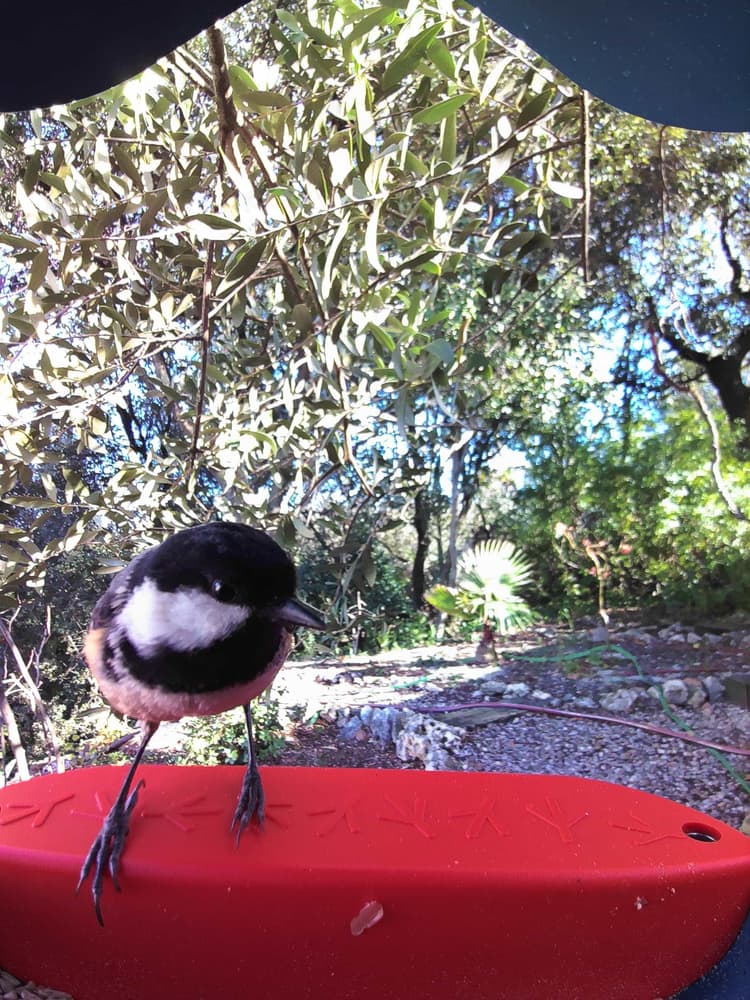
Recognizable by its black head and throat contrasted with white cheeks, giving it a distinctive masked appearance
- •
Features a tiny, compact body with a grayish-blue back and buff underparts
- •
Has a slender, pointed beak ideal for picking insects off trees
What does a coal tit sound like?
The coal tit produces various vocalizations ranging from soft, rhythmic "see-see-see" or "tsee-tsee-tsee" calls to a high-pitched, fast-paced song. Its song often begins with staccato, repeating notes followed by a trilling, fluttering sound, usually showing regional variations. This bird has a clear, piercing voice and frequently communicates using distinct high "pitchoo" or "pitchu" sounds, and 'chink' alarms. It can also mimic the calls of other birds.


Description
These little guys are the smallest species of European tit. They are monomorphic, meaning males and females look the same. They are quite the acrobats, showing off their skills while flying and also when hanging upside down from trees to reach food. Although they are bold in the sky, they are very shy and easily startled. Coal tits are scavengers and bury food for the future but often forget where they've hidden it.
The coal tit can weigh between 7to12grams and be from10to13centimeters tall.
The typical longevity for a coal tit is approximately 2 to 3 years, though some individuals have been found to live up to 8 years. When compared to related species, such as the great tit which can live up to 15 years, the coal tit has a considerably shorter lifespan. This disparity can be explained by differences in their living environment and feeding habits.
Did you know?
Most popular questions about coal tit
How to recognise a coal tit?
General appearance
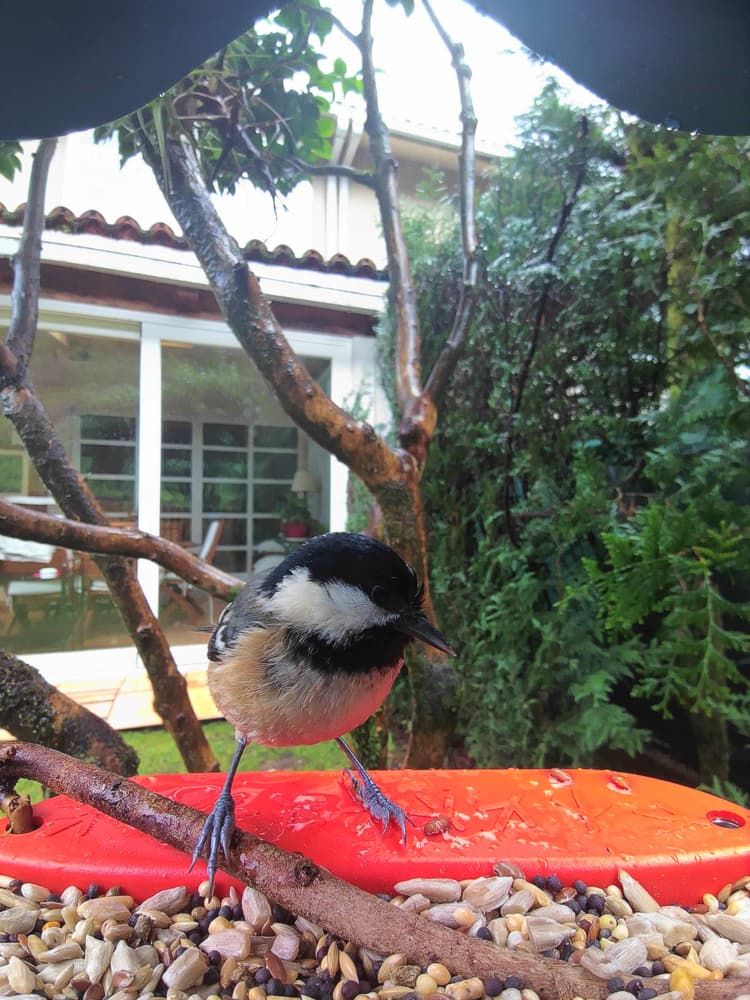
The coal tit is a small bird with a distinctive black cap, white cheeks, and a grey back. Its underparts are buffish white, and it features a white patch on the back of its neck. The wings possess two white wing bars, making it recognizable. Its small stature and unique markings help in identification, and it is frequently found in coniferous woodlands.
Male vs female
Males and females are similar in appearance, as both share the same coloration and markings. There is no significant sexual dimorphism in the species, which can make differentiation challenging in the field without behavioral observation.
Juvenile
Juvenile coal tits resemble adults but are generally duller in coloration. The black cap and white cheeks are less stark, and the wing bars may appear more washed out. Juveniles eventually molt into the distinctive adult plumage as they mature.
Often mistaken for
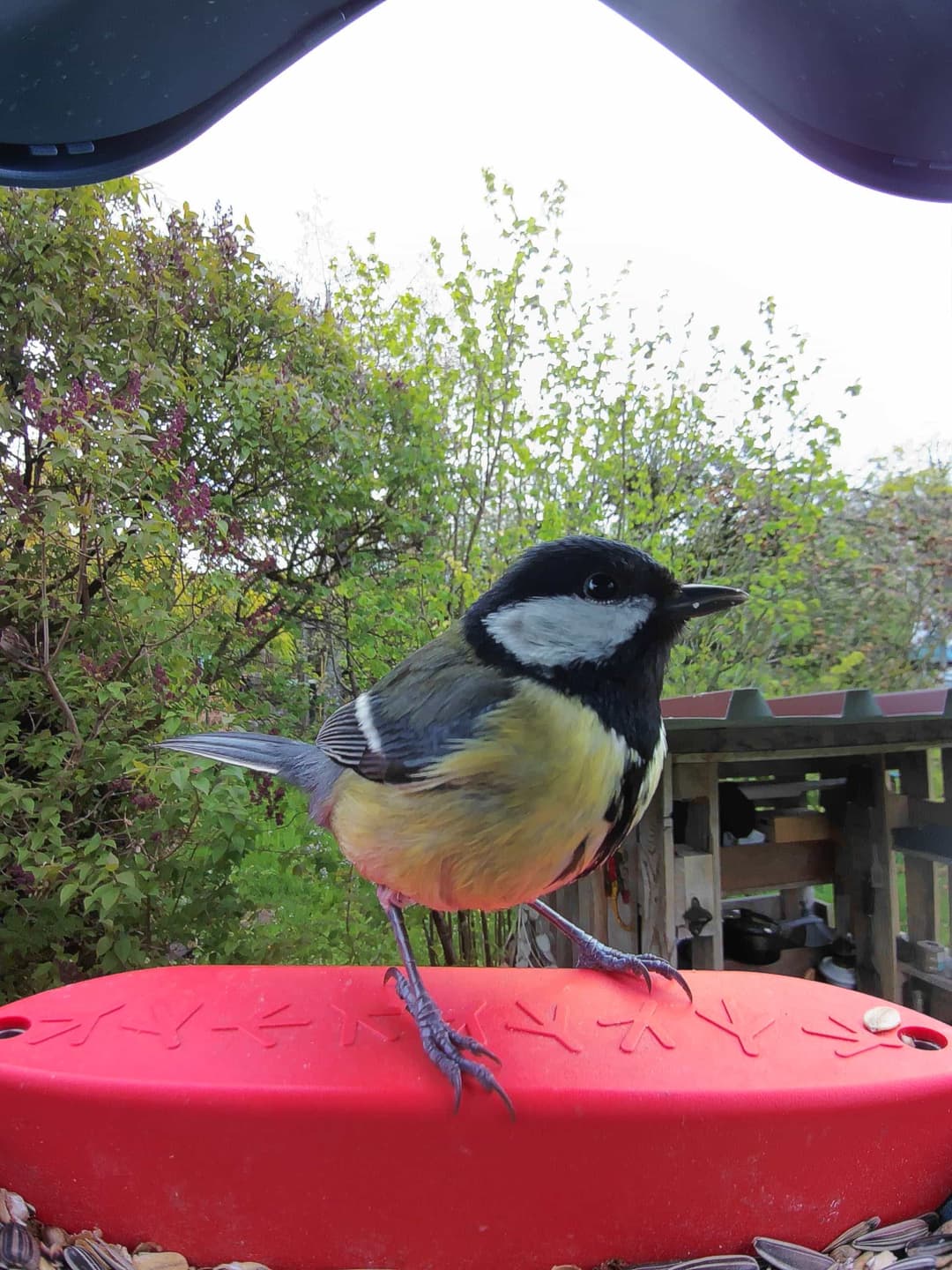
Great Tit vs Coal Tit
The Great Tit is similar in size to the Coal Tit but has a bright yellow breast with a distinct black stripe down the center, unlike the Coal Tit's grey underside.
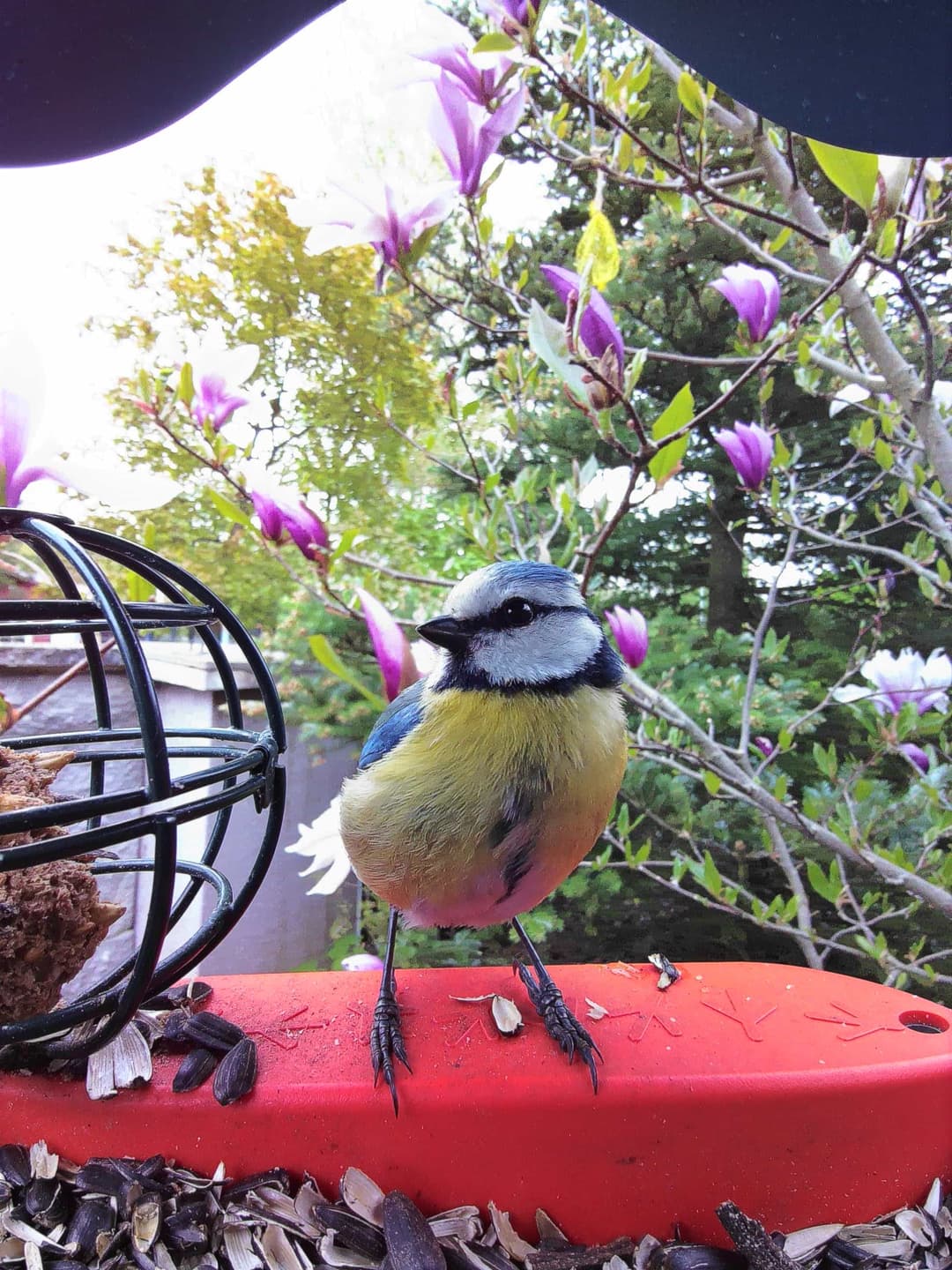
Eurasian Blue Tit vs Coal Tit
The Eurasian Blue Tit has blue and yellow plumage, which contrasts with the Coal Tit's more subdued black, white, and grey coloration.
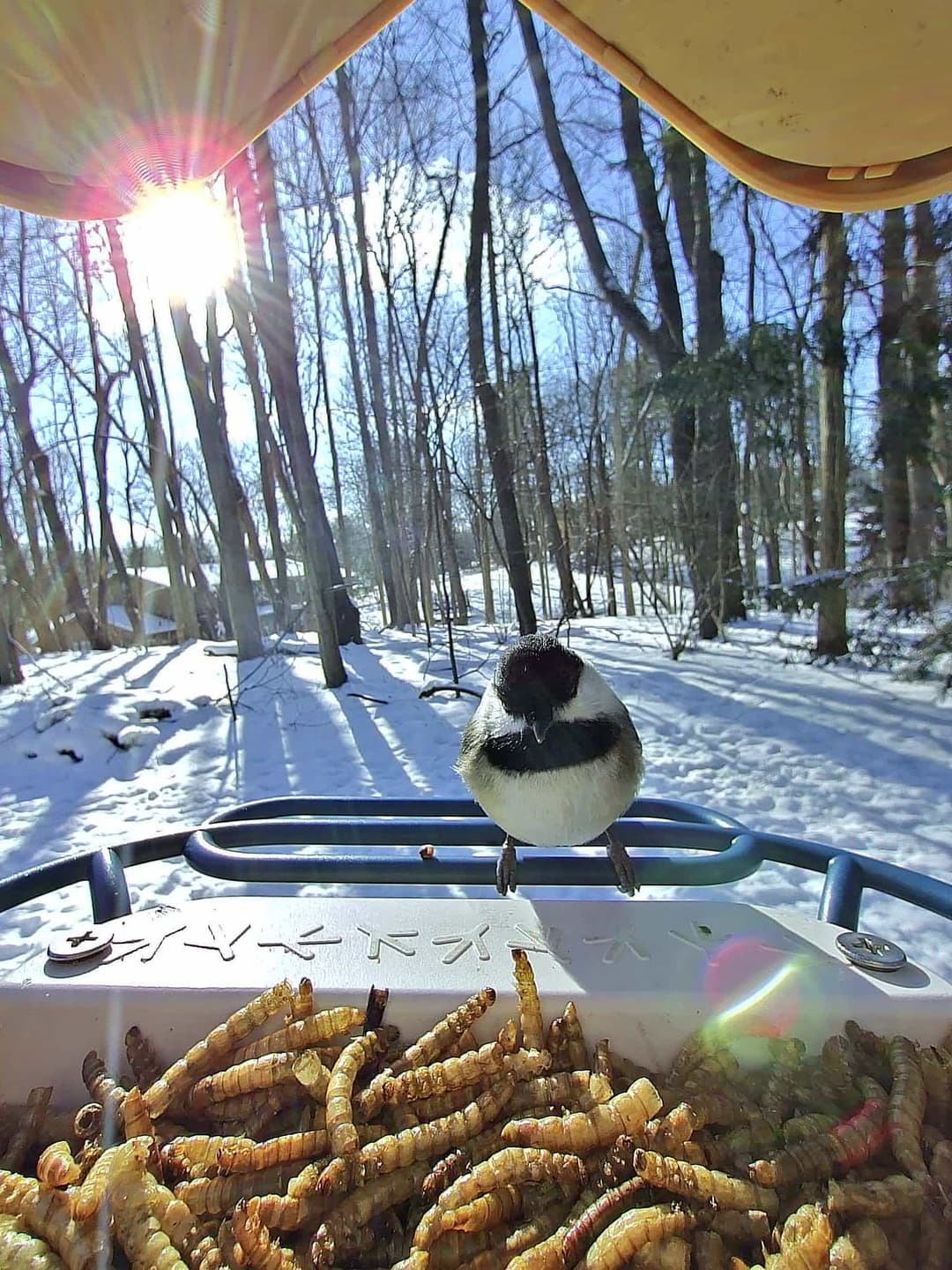
Black-Capped Chickadee vs Coal Tit
The Black-Capped Chickadee resembles the Coal Tit but has a solid black cap and bib with white cheeks, while the Coal Tit has additional white markings on the nape.
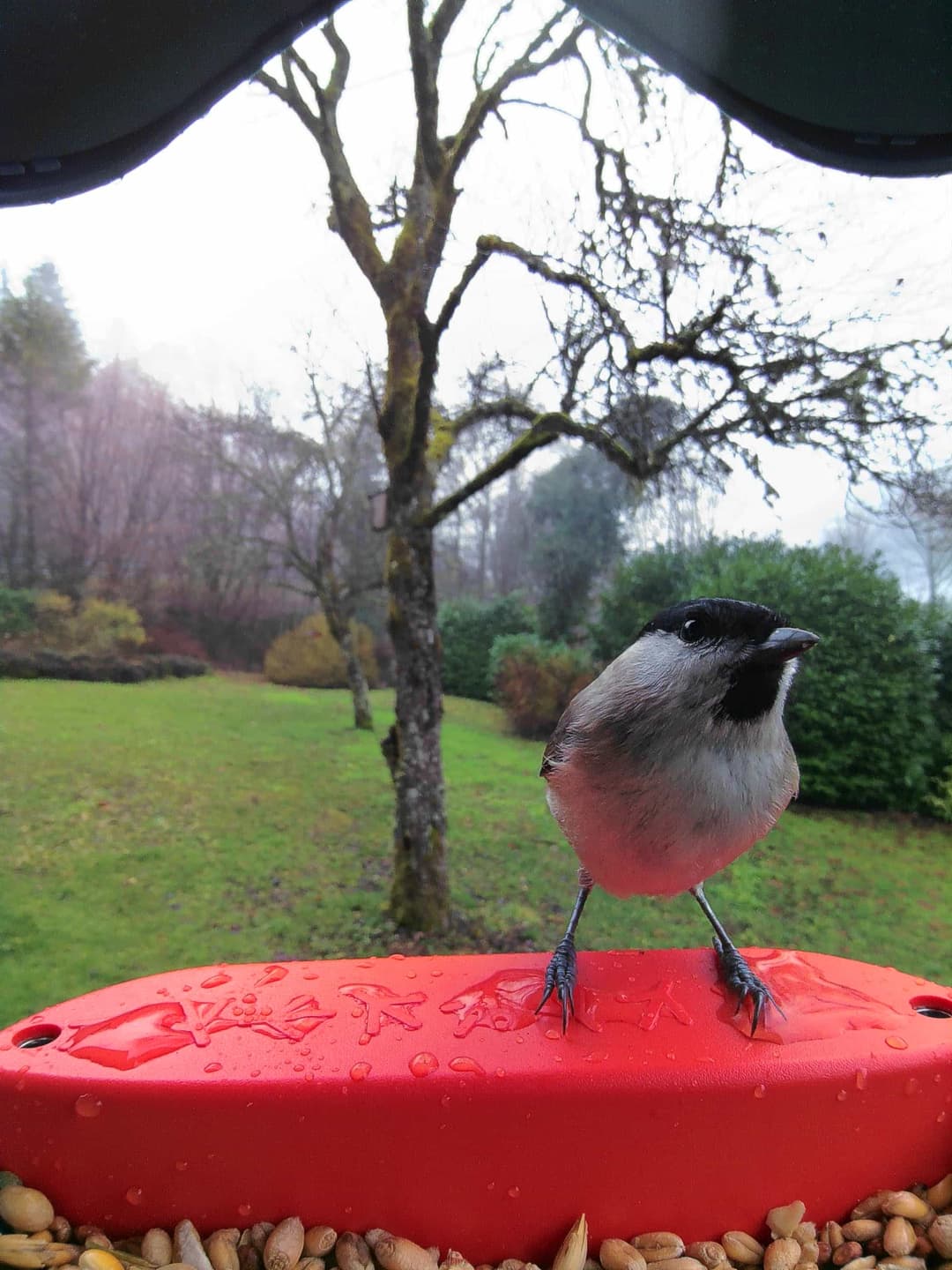
Marsh Tit vs Coal Tit
The Marsh Tit looks similar to a Coal Tit but lacks the white wing bars and has a more dull brownish back.
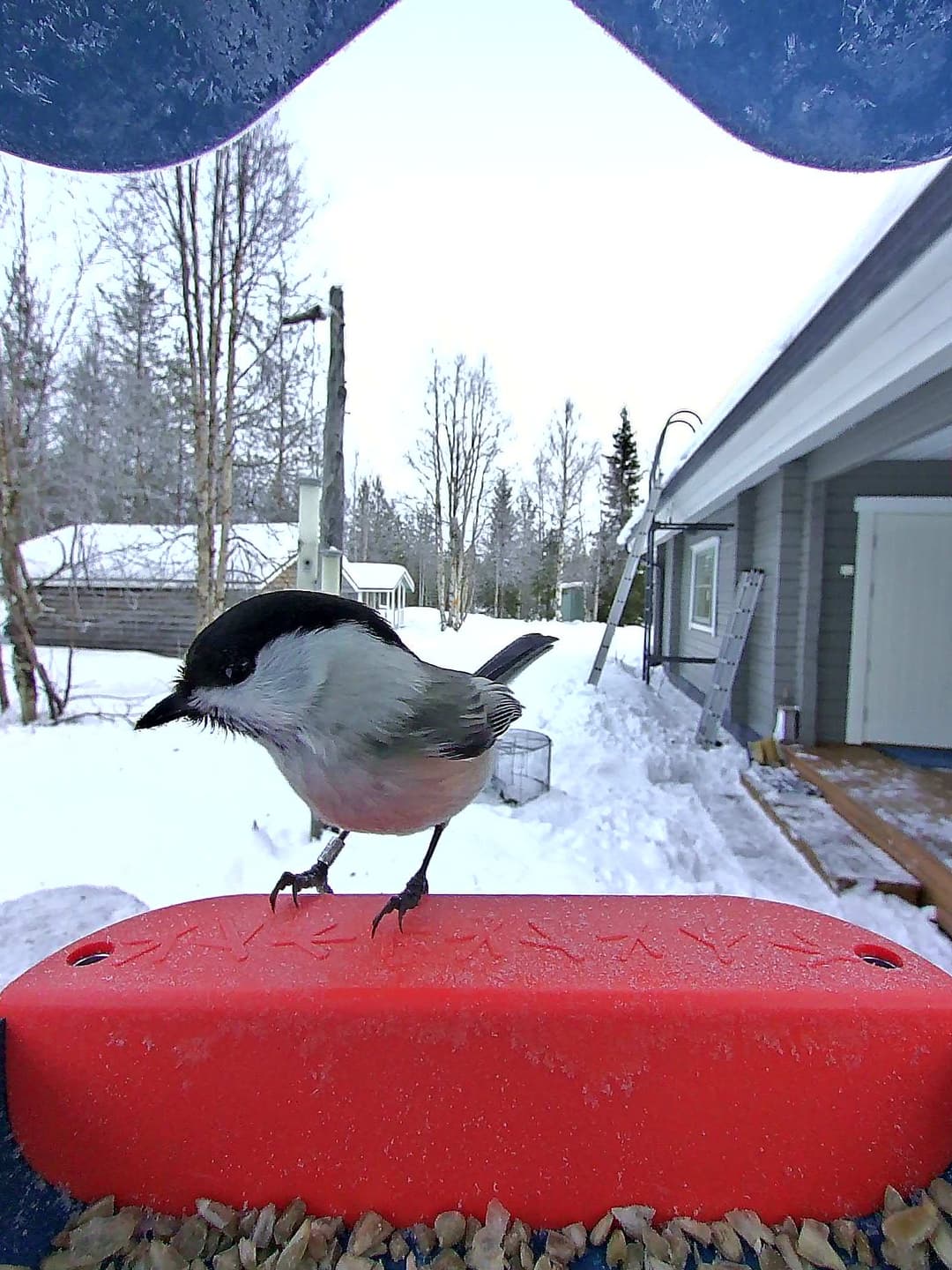
Willow Tit vs Coal Tit
The Willow Tit is nearly identical to the Coal Tit but can be distinguished by its lack of a white patch on the nape and a more muted color palette.
Breeding and nesting habits of the coal tit
Mating behaviors
Coal tits engage in mating displays involving singing and fluttering flights to attract mates. Pair bonding occurs in early spring, often with the same partner from the previous year.
Nesting details
Coal tits nest in tree holes, crevices, or DIY bird boxes in gardens. Nest materials include moss, hair, feathers, and wool. They prefer coniferous and mixed forests but adapt to urban parks.
Eggs and chick-rearing
Females lay 7-11 eggs and incubate them for about 14-16 days. Both parents feed chicks, which leave the nest after 18-21 days. Providing bird feeders and natural plant cover supports chick nourishment in gardens.
What does a coal tit like to eat?
Berries
Insects
Nuts
Sap
Scraps
Seeds
Spiders
Natural diet
The coal tit primarily feeds on insects and spiders, especially in the breeding season. It also consumes seeds, particularly from conifer trees like spruce and pine. During autumn and winter, the bird increases its intake of plant material and seeds, adapting to the seasonal availability of food.
Bird feeders
At bird feeders, the coal tit commonly eats peanuts, sunflower seeds, and fat balls. It is known for taking seeds and quickly hiding them away in crevices to retrieve later, a behavior known as caching. This caching behavior allows the coal tit to have a reliable food source during harsher weather conditions.
Master the mix: coal tit snacks
Coal tits are not too fussy about the type of seeds they consume, but their favorites are indeed seeds from pine trees, sunflower seeds, and peanuts. Sprinkling some Bird Buddy seeds in your yard or a feeder will work wonders and is highly recommended. These seeds are chosen by birding experts and are tailored according to the season, providing the best chance of attracting frequent visits from these cute, little birds.
Pick the perfect feeder
Coal tits favor feeders where they can cling to and peck at their leisure. Select feeders with a strong and sturdy design, equipped with perches for the coal tits to cling onto. A tube feeder filled with Bird Buddy seeds is an excellent choice. Also, placing the feeder near the shelter of trees or shrubs can provide a safe place for the birds to feed.
Tricks to attract coal tits
Creating a friendly environment will help easily tempt coal tits to your yard. Ensure your garden has shady trees as coal tits adore hopping from branch to branch. Leaving nooks and crannies in your garden untouched provides a perfect spot for these birds to hide their food. Remember to keep your feeders clean and well-stocked with Bird Buddy seeds. With a little patience, your garden will soon become a popular spot for these charming songbirds, and might just reward you with a delightful sing-along!
Where can you find coal tits?
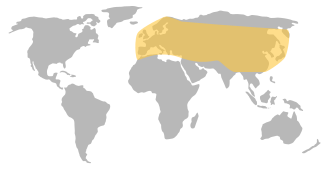
Primary habitat
The coal tit primarily inhabits coniferous forests across Europe and Asia, favoring cool, temperate climates.
Additional range
They can also be found in mixed woodlands, gardens, and sometimes urban parks, adapting to various environments beyond their typical forest habitats.
Do they migrate?
The coal tit generally does not migrate and is considered a resident bird across much of its range, which includes Europe, parts of North Africa, and Asia. In most places, coal tits remain in their habitats throughout the year. They prefer woodlands, especially coniferous forests, but can also be found in gardens and parks. In some northern and eastern parts of its range, particularly in Scandinavia and Russia, there might be limited movements towards the south during harsh winters where they could move to areas with more favorable conditions. However, these movements are usually short and not as extensive as typical bird migrations. These altitudinal migrations can involve movements from higher elevations to lower valleys in mountainous regions or shifting from forests to more urban areas in search of food when resources become scarce. They generally cover only short distances, and there are no specific migratory routes or key locations beyond their usual range that coal tits follow. In summary, while there are some localized movements in response to winter conditions, the coal tit is predominantly a sedentary species.
What is the role of coal tits in nature and how to protect them?
Conservation status
The coal tit is classified as a common species and is not considered vulnerable or endangered. It has a large range across Europe and Asia, benefiting from its adaptability to various habitats, including woodlands and gardens. Key conservation efforts focus on habitat preservation, particularly in areas affected by deforestation. The primary threats to the coal tit include habitat destruction, climate change, and competition from other bird species. Despite these challenges, its population remains stable, supported by its broad habitat tolerance and extensive range.
Ecological role of coal tits
Its role in the ecosystem
The Coal Tit, a small passerine bird, holds considerable ecological significance. A major aspect of its role in the ecosystem is pest control as it is insectivorous during the breeding season, feeding on larvae, spiders, and insects, thereby maintaining the insect population balance in the environment. The Coal Tit is also an important seed disperser. It is known to hoard food, particularly conifer seeds, in crevices or under the bark of trees. This behavior aids in the process of seed dispersal, contributing to the regrowth and proliferation of various plant species in the ecosystem. Furthermore, the Coal Tit is a host to a variety of external parasites which, although might seem disadvantageous for the bird, plays a significant role in maintaining the ecosystem’s biodiversity. Hence, the ecological role of the Coal Tit goes beyond its small size, having far-reaching impacts on pest management, plant propagation, and biodiversity stability.
How to help protect coal tits
Preservation tips
Habitat preservation
Encourage the preservation of the coal tit's natural habitat, which primarily includes coniferous and mixed forests. This can be achieved via advocacy, lobbying for forest conservation, and promoting sustainable forestry practices. Protection of mature woodland and careful management of new plantations are essential. Keeping gardens bird-friendly by providing nesting boxes and bird feeders can also help.
Community science initiatives
Involve local communities in coal tit conservation through citizen science. Traditionally, this involves observational counting or tracking, so community members can record sightings of coal tits or their nests. Use the data collected to determine the species' distribution and changes over time, contributing to research that supports their conservation. Building a significant, engaged community can also raise overall awareness about the importance of biodiversity and habitat conservation.