
Marsh Tit
Marsh Tit
Poecile palustris


Quick Identification guide
Quick Identification guide
- •
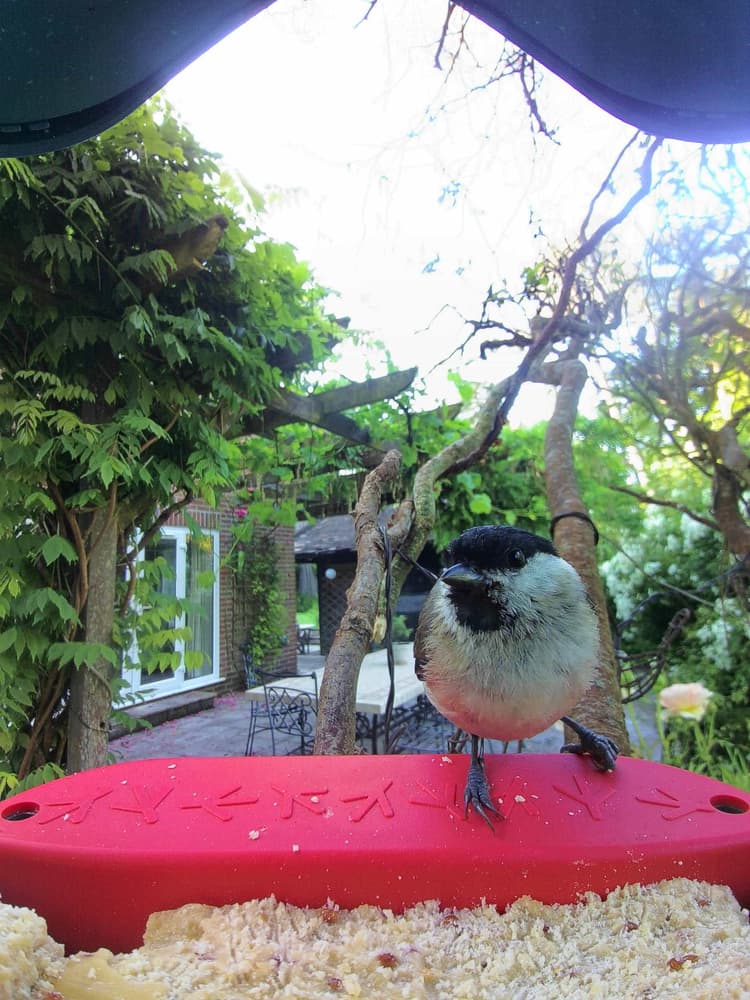
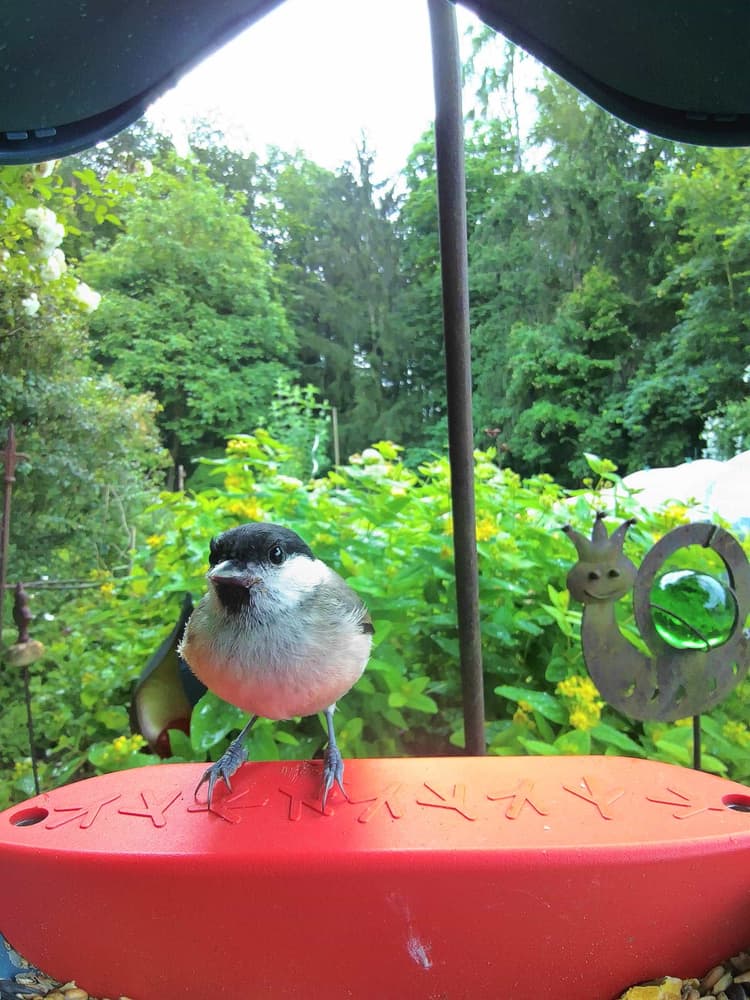
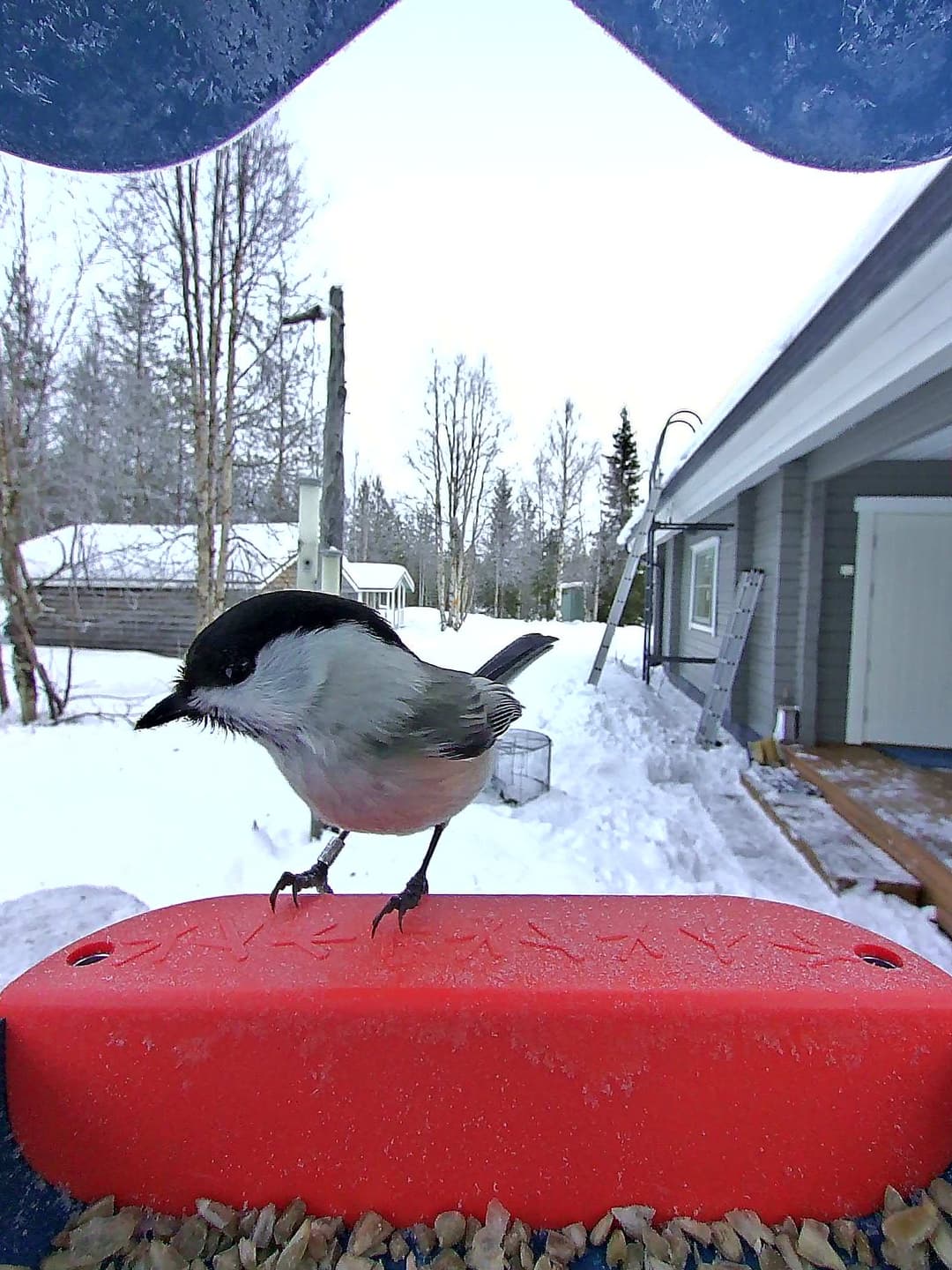
Features a glossy black cap and a small black bib, which contrast with the pale cheeks and underparts
- •
Sporting a compact, robust body with buff sides, it's easily distinguished from similar tits
- •
Possesses a short, stout beak, ideal for a diet of seeds and insects
What does a marsh tit sound like?
The marsh tit emits distinct short and sharp "pitchoo" or "pitchep" calls, often repeated and interspersed with squeaky "chee" sounds. It also produces a soft, sweet, warbling song typically composed of trills and high notes. Its vocalizations are essential for communication, territorial declarations, and mating. The song pattern may vary slightly among individual birds and regions.


Description
The marsh tit is almost identical to the willow tit and has also been called a saw whetter because of its call. Sound is one of the easiest ways to tell marsh tits and willow tits apart; the marsh tit is recognisable by an explosive, sneeze-like pitchou. The marsh tit is actually a bit of a misnomer as these little birds prefer drier habitats.
The marsh tit can weigh between 9to15grams and be from11to12centimeters tall.
The marsh tit can live up to 11 years, but 2-3 years is more typical. The related species, the willow tit, has a similar lifespan of about 3 years. Comparable songbird species like robins and house sparrows also fall within this range, whereas longer-lived species like the great tit can live up to 10 years.
Did you know?
Most popular questions about marsh tit
How to recognise a marsh tit?
General appearance
Marsh tits have distinctive black caps on their heads, glossy blue-black upperparts, and whitish underparts. They measure 10-12 cm in length. Their beaks are small and sharp, designed for feeding on seeds and insects. Their feather coloration may become more muted in the winter to blend in with their surroundings.
Male vs female
Male and female marsh tits are very similar in appearance, with no significant sexual dimorphism. They both share the same coloration and shape. The size may differ slightly, with males being marginally larger, but this difference is barely noticeable unless observed up close.
Juvenile
Juvenile marsh tits resemble adults but initially have a duller black cap and their white underparts are tinged with yellow. As they mature, their coloration becomes brighter and more defined, and they eventually lose the yellow hue under their belly.
Often mistaken for
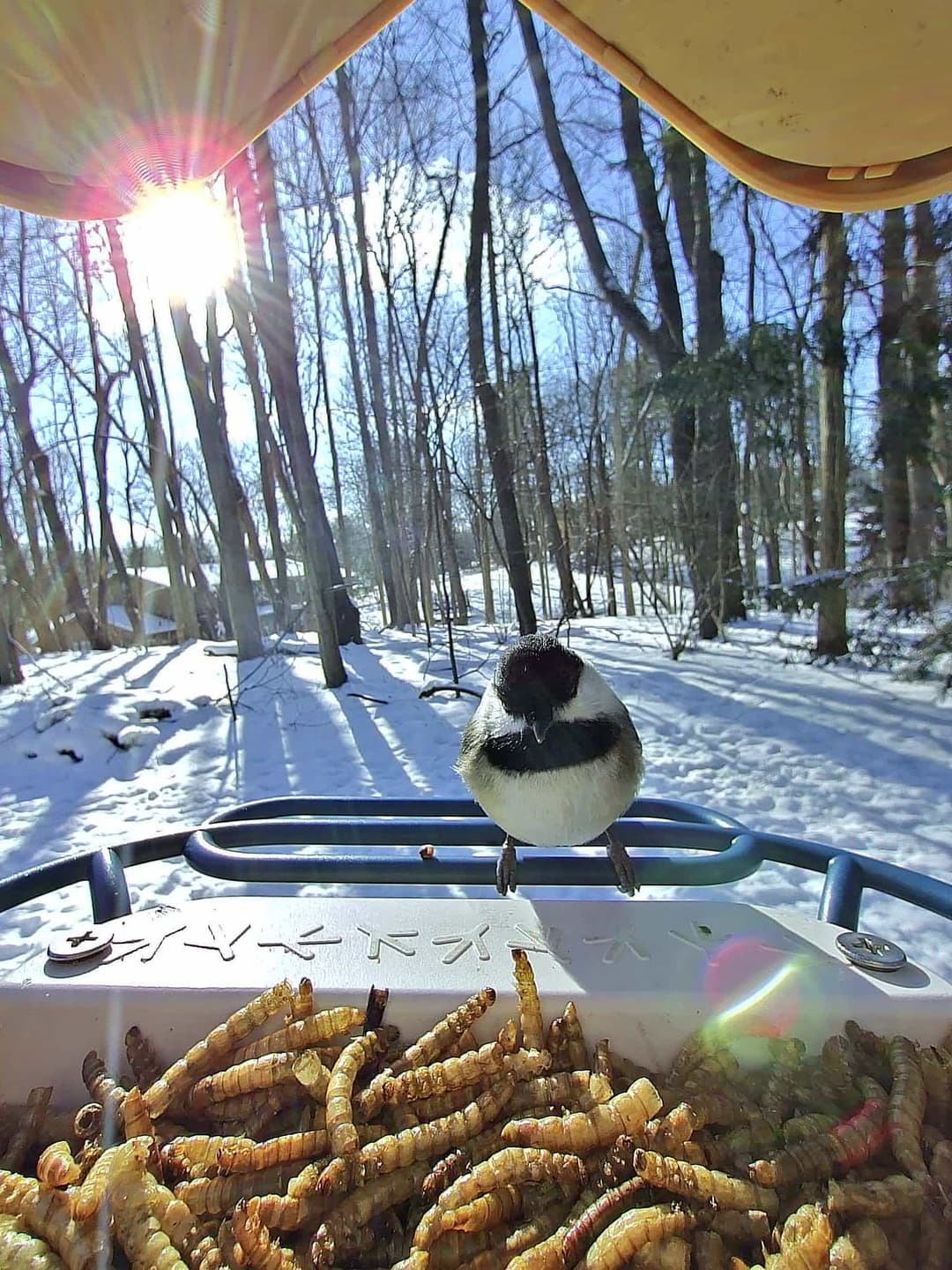
Black-Capped Chickadee vs Marsh Tit
The Black-Capped Chickadee looks similar to the Marsh Tit but can be distinguished by its proportionally larger head, white bib, and more prominent black cap that extends further down the nape.
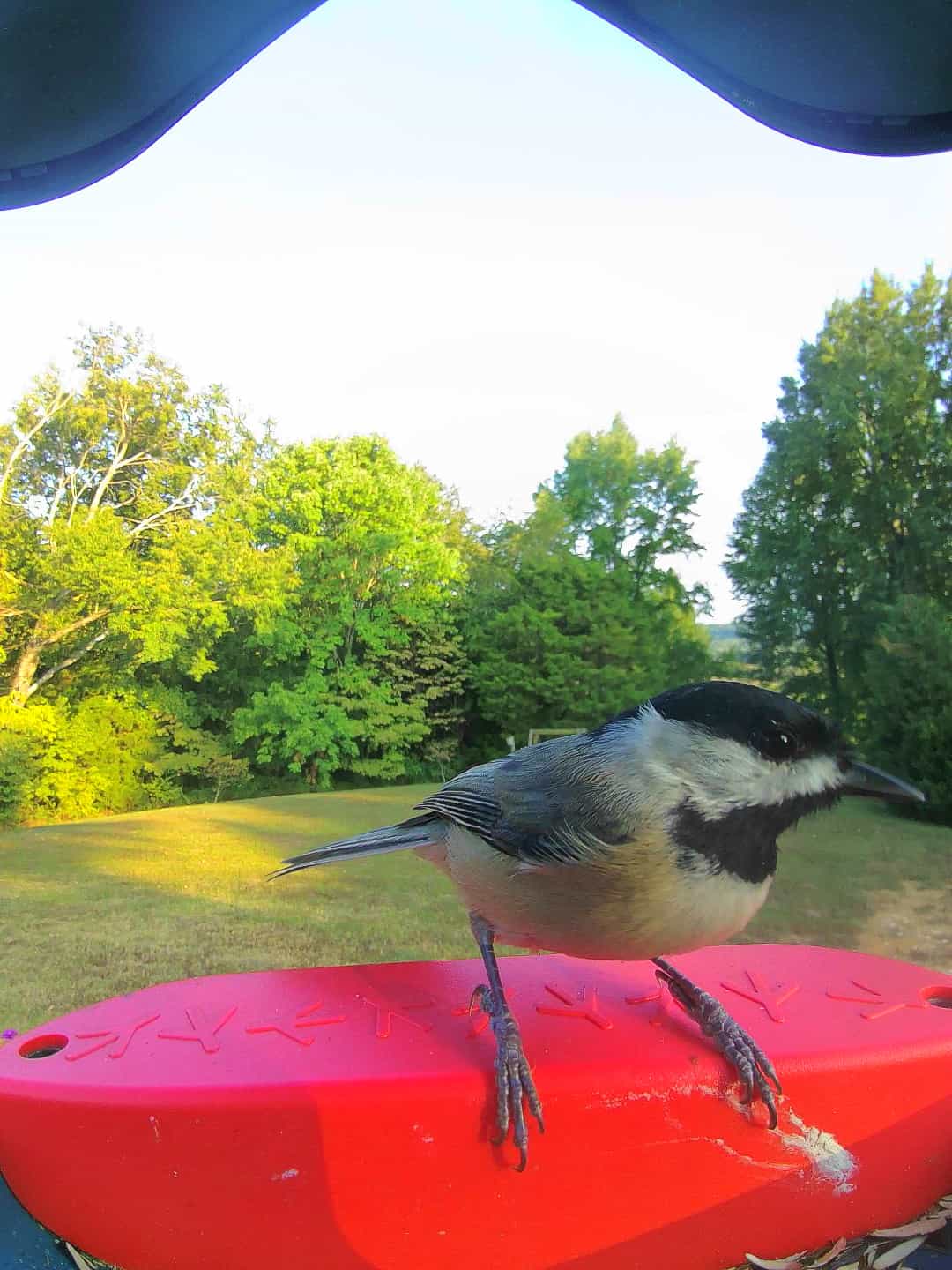
Carolina Chickadee vs Marsh Tit
The Carolina Chickadee resembles the Marsh Tit but can be differentiated by its slightly smaller size, less distinct facial markings, and the absence of a greyish wash on the underparts.
Willow Tit vs Marsh Tit
The Willow Tit is very similar to the Marsh Tit and is best distinguished by its larger bib, pale wing panel, and the more extended black cap at the nape compared to the Marsh Tit.
Breeding and nesting habits of the marsh tit
Mating behaviors
Marsh tits engage in monogamous pairing with courtship involving calls and displays from the male to attract the female. Mutual preening and feeding are part of their bonding rituals.
Nesting details
Nests are primarily built in tree cavities, often using old woodpecker holes. The bird may also excavate its own cavity or use nest boxes. Nest materials include moss, hair, and feathers. For gardens, provide nest boxes with a small entrance hole to attract marsh tits.
Eggs and chick-rearing
A typical clutch consists of 5-9 eggs, incubated by the female alone for approximately two weeks. Both parents participate in feeding the chicks. The chicks fledge about 18-20 days after hatching, continuing to be fed by parents for a short period after leaving the nest.
What does a marsh tit like to eat?
Fruits
Insects
Seeds
Spiders
Natural diet
The marsh tit's natural diet primarily consists of a variety of insects and their larvae, including caterpillars, beetles, and aphids. It also consumes spiders, which provide essential protein. During autumn and winter, when insects are less abundant, marsh tits turn to plant-based foods like seeds and nuts. They are known to eat seeds from alder, birch, and hazel trees. Additionally, marsh tits forage on berries and fruit when available, taking advantage of seasonal variations to maintain a balanced diet.
Bird feeders
At bird feeders, marsh tits commonly consume sunflower seeds and peanuts. They are adept at extracting seeds from the shells, which makes sunflower seeds particularly favored. Marsh tits also feed on suet blocks and fat balls, which provide high-energy resources during colder months. Occasionally, they will consume mealworms offered at feeders, supplementing their protein intake. Their visits to feeders enhance their chances of survival through harsher seasons by providing a consistent and accessible food source.
Setting up the right environment
If you wish to entice marsh tits into your yard, start by creating a friendly environment. Provide birdbaths as Marsh Tits love water, and would definitely appreciate a place to drink and batithe. They are also drawn to quiet and peaceful places, thus, locate your yard or feeder in a calm, serene place, away from too much noise or human activities.
Choosing the right food
When it comes to feeding, Marsh Tits particularly love seeds. To satisfy this preference, use Bird Buddy seeds. They’re great because they are chosen by experts according to the season, ensuring your feathery friends get the best quality and nutrition. Other than seeds, marsh tits are also known to enjoy fat balls and peanuts, so you might want to include these in your feeder as well.
Selecting the appropriate feeder
Hang your feeders at a height and location where the birds will feel safe while eating. Marsh tits feed mostly on or near the ground. Tube feeders with perches or a simple tray will work perfectly. Try setting up several feeders throughout your yard to attract even more Marsh Tits.
Fun tricks to attract marsh tits
Play recorded marsh tit songs or calls. Birdsong can often attract birds that are passing by. It expresses a 'welcome' message to the birds, letting them know there's a friendly space for them! However, ensure you don't play the recordings too frequently, as it may confuse the birds.
Where can you find marsh tits?

Primary habitat
The marsh tit primarily inhabits deciduous and mixed forests, favoring dense understory for nesting and foraging.
Additional range
It is found across Europe and parts of Asia, preferring temperate climates and occasionally occupying hedgerows, parks, and gardens.
Do they migrate?
The marsh tit is a resident bird, meaning it does not typically migrate and tends to stay in one place throughout the year. It is found across much of Europe and into parts of Asia, inhabiting deciduous and mixed woodland areas, especially those with dense undergrowth and a high density of shrubs. Marsh tits are quite territorial and often remain within a particular area year-round. Throughout the year, they rely on a diet consisting primarily of insects and seeds, adapting to seasonal availability of food. To cope with the scarcity of food during winter, marsh tits engage in food caching, storing seeds and other food items in various locations within their territory. This behavior lessens the necessity to move to different areas in search of sustenance. The decision of marsh tits to remain in one place rather than migrate is correlated with their ability to cache food effectively and the availability of food resources in their preferred habitats throughout the seasons.
What is the role of marsh tits in nature and how to protect them?
Conservation status
The marsh tit is generally considered to be of least concern and is relatively common across its range, but it is experiencing population declines in some areas. Key threats include habitat loss due to deforestation and agricultural expansion, and competition with other tit species. Conservation efforts focus on habitat management, such as preserving and restoring deciduous woodlands and hedgerows, to support its breeding and foraging needs. Monitoring population trends is crucial to ensure that declines do not escalate, prompting more urgent conservation measures.
Ecological role of marsh tits
Its role in the ecosystem
The Marsh Tit is a vital part of its ecosystem due to its feeding habits and role as seed disperser and in pest control. It consumes a diet primarily filled with insects and their larvae in summer, indirectly aiding in pest control by controlling the populations of harmful insects. This can reduce vegetation damage in forests and gardens. In addition, the Marsh Tit also feeds on seeds and berries, making it a substantial seed disperser. Through its eating and foraging behavior, it contributes to the growth of new plants by dispersing seeds over large areas, increasing plant diversity and forest regeneration. Thus, the ecological role of the Marsh Tit is essential for maintaining balance in the ecosystem where it lives.
How to help protect marsh tits
Preservation tips
Habitat preservation strategies for marsh tit conservation
To support the conservation of the marsh tit, focus should be on preserving their varied habitats, mainly mature broadleaved or mixed woodlands. A key strategy is preventing deforestation and avoiding fragmentation of their habitats, as they thrive in larger uninterrupted woodland areas. Efforts could be made to safeguard decayed, older trees that are ideal for their nesting. Their dietary needs must be considered; planting tree species that support rich invertebrate diversity can provide year-round food supply.
Promoting marsh tit conservation through community science
Community science can play a pivotal role in marsh tit preservation. Encourage people to participate in ecosystem conservation tasks such as woodland clean-ups and reforestation drives. Connecting with schools and neighborhood communities can help raise awareness about the marsh tit, its habitat requirements, and its significance to the ecosystem. Engaging local people in collecting data like bird sightings can be beneficial for management plans and educational outreach. Arranging citizen science workshops could motivate locals to take a vested interest in their surrounding nature.