Green-Backed Tit or Eurasian Blue Tit?
Here's how to tell the difference

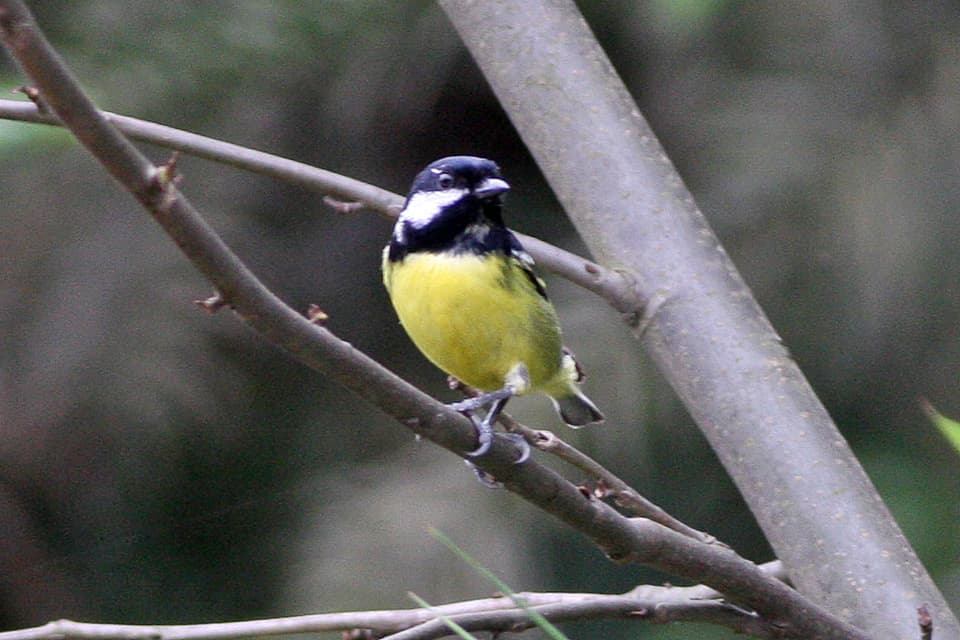
Green-Backed Tit


Eurasian Blue Tit
Green-Backed Tit
Parus monticolus
General appearance
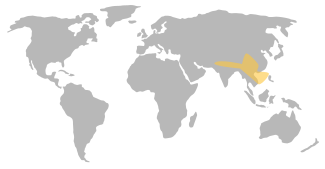
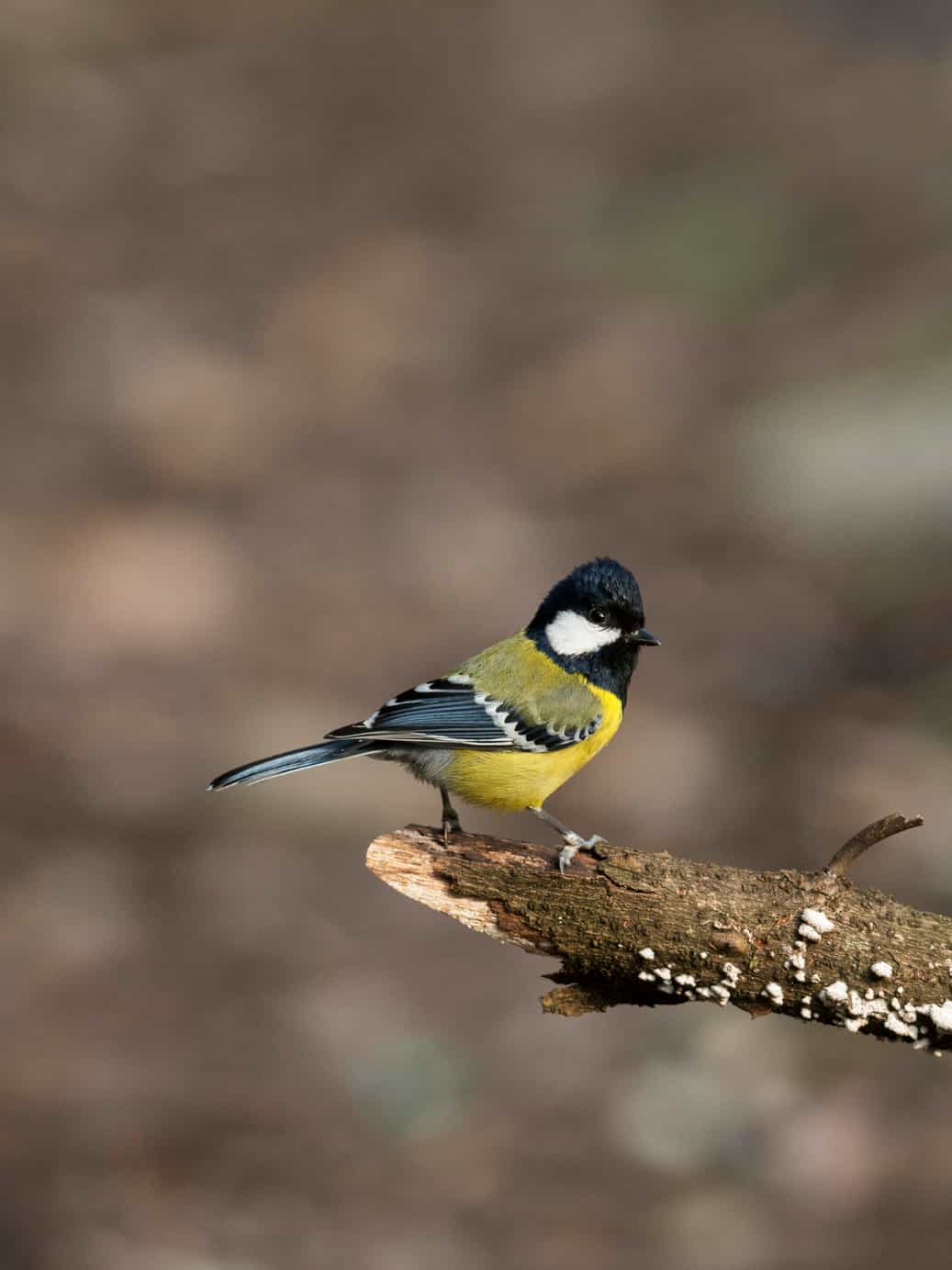
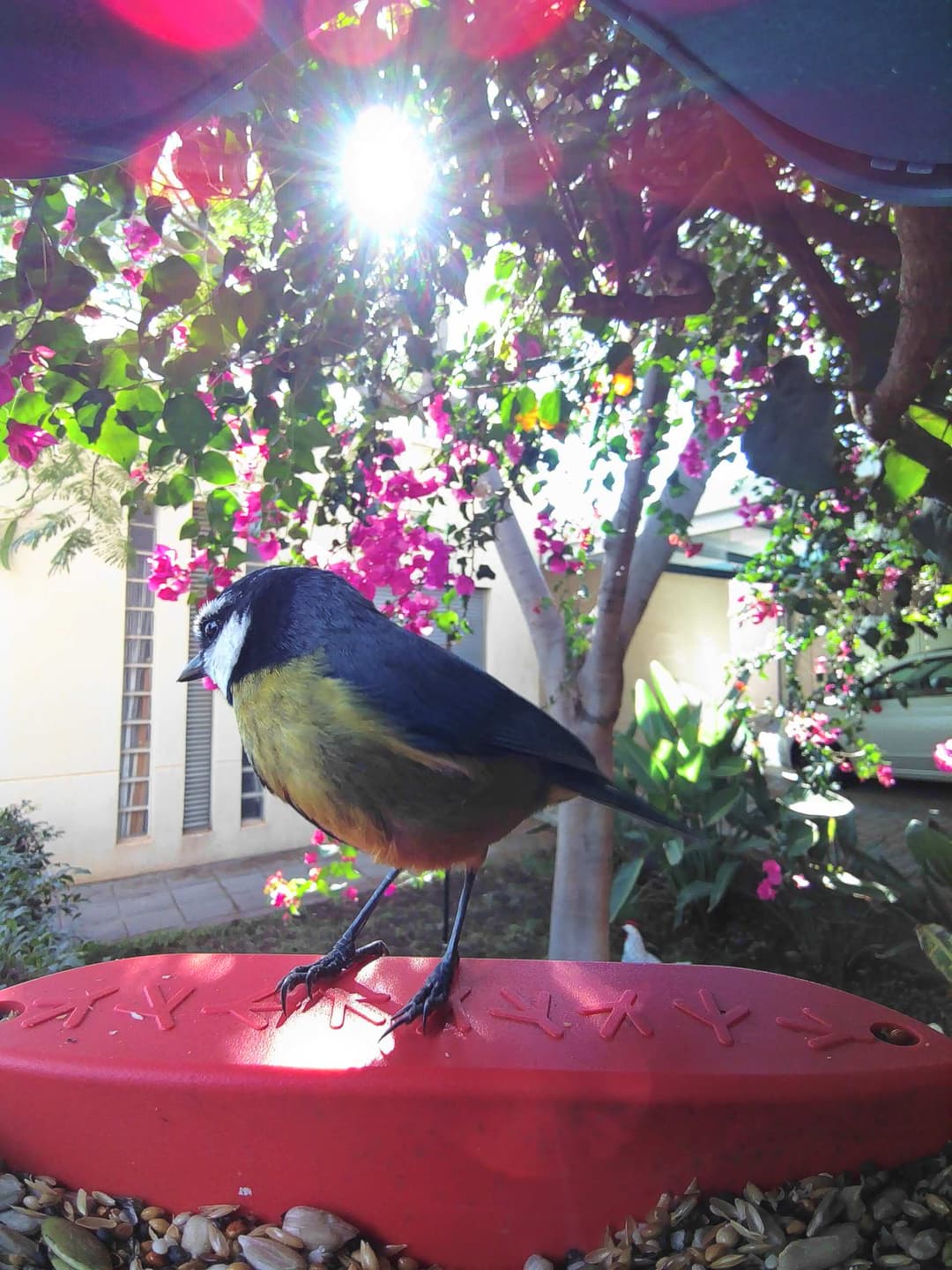
The green-backed tit is a small bird characterized by a bright yellow underbelly, olive-green back, a black head with white cheeks, and distinct black stripe (or 'necktie') running down its front. Their wings and tail exhibit black and white patterns. These birds are found in South-East Asia, residing in forests, gardens, and woodlands.
Male vs female
Males and females share similar appearances making it difficult to distinguish between them. Both genders display identical coloration and body shapes. They might exhibit slight differences in size, but this is not a reliable distinguishing factor. Further scientific procedures may be required to determine their gender.
Juvenile
The juvenile green-backed tit resembles the adult in coloration, but its markings are less distinct and its plumage is fluffier and paler in comparison. Young ones lack the glossy sheen seen in adults and their 'necktie' markings are often thinner and less prominent. As they mature, their color deepens and their markings become well-defined.
Size
4.9 - 5.1 in/0.4 - 0.6 oz
There's more to learn about Green-Backed Tit
View full detailsEurasian Blue Tit
Cyanistes caeruleus
Also known as: Blue Tit
General appearance
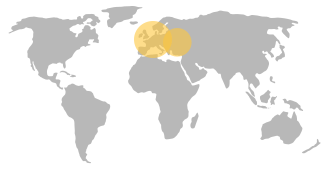
The Eurasian blue tit (Cyanistes caeruleus) is a small passerine bird known for its vibrant coloration. It features a bright blue crown, wings, and tail, with a yellow underbody and greenish back. Its face is distinctively white with a black eye stripe stretching across each eye. The bib under the beak is also black.
Male vs female
Males and females are similar in appearance, although males often display slightly more vibrant blue and yellow tones. This distinction is subtle and typically requires close observation to detect, making sexing in the field challenging.
Juvenile
Juvenile Eurasian blue tits are generally duller in appearance than adults, with a more muted, greyish-blue plumage. Their cheeks are also yellowish, and the blue on their wings and tails is less vivid. As they mature, their coloration brightens to match adult birds.
Size
4.3 - 4.7 in/0.3 - 0.5 oz
There's more to learn about Eurasian Blue Tit
View full detailsHow to tell the Green-Backed Tit from the Eurasian Blue Tit
Visual differences
The Green-Backed Tit measures about 5-5.1 inches long and weighs 0.42-0.59 oz, showcasing a bright yellow underbelly, olive-green back, black head with white cheeks, and a distinctive black stripe down the front. In contrast, the Eurasian Blue Tit is slightly smaller at 4.3-4.7 inches and 0.28-0.53 oz, with a vibrant blue crown, wings, tail, a greenish back, and a yellow underbody. Its face has a black eye stripe crossing white cheeks. Both species have small, conical beaks, yet their color and markings are the key differences.
Key differences and behavior
The Green-Backed Tit (Parus monticolus) and the Eurasian Blue Tit (Cyanistes caeruleus) exhibit distinct behaviors and habitat preferences. Green-Backed Tits prefer high-altitude forests in South-East Asia, joining mixed-species flocks and nesting in tree cavities, highlighting their adaptability. They engage in elaborate courtship, with both parents caring for the chicks, primarily feeding on insects, seeds, and fruits. Conversely, Eurasian Blue Tits thrive in European and Western Asian woodlands, often seen in urban gardens as well. Known for large broods, they also nest in cavities and perform courtship displays. Blue Tits are meticulous foragers, hanging upside down to access food, predominantly feeding on insects and visiting feeders. While both species exhibit social behavior and share similar nesting habits, differ in their regional adaptability and specific foraging techniques; the Blue Tit being notably adaptable to urban environments and the Green-Backed Tit prefers forested, high-altitude settings.
Still not sure? Here are more lookalikes!
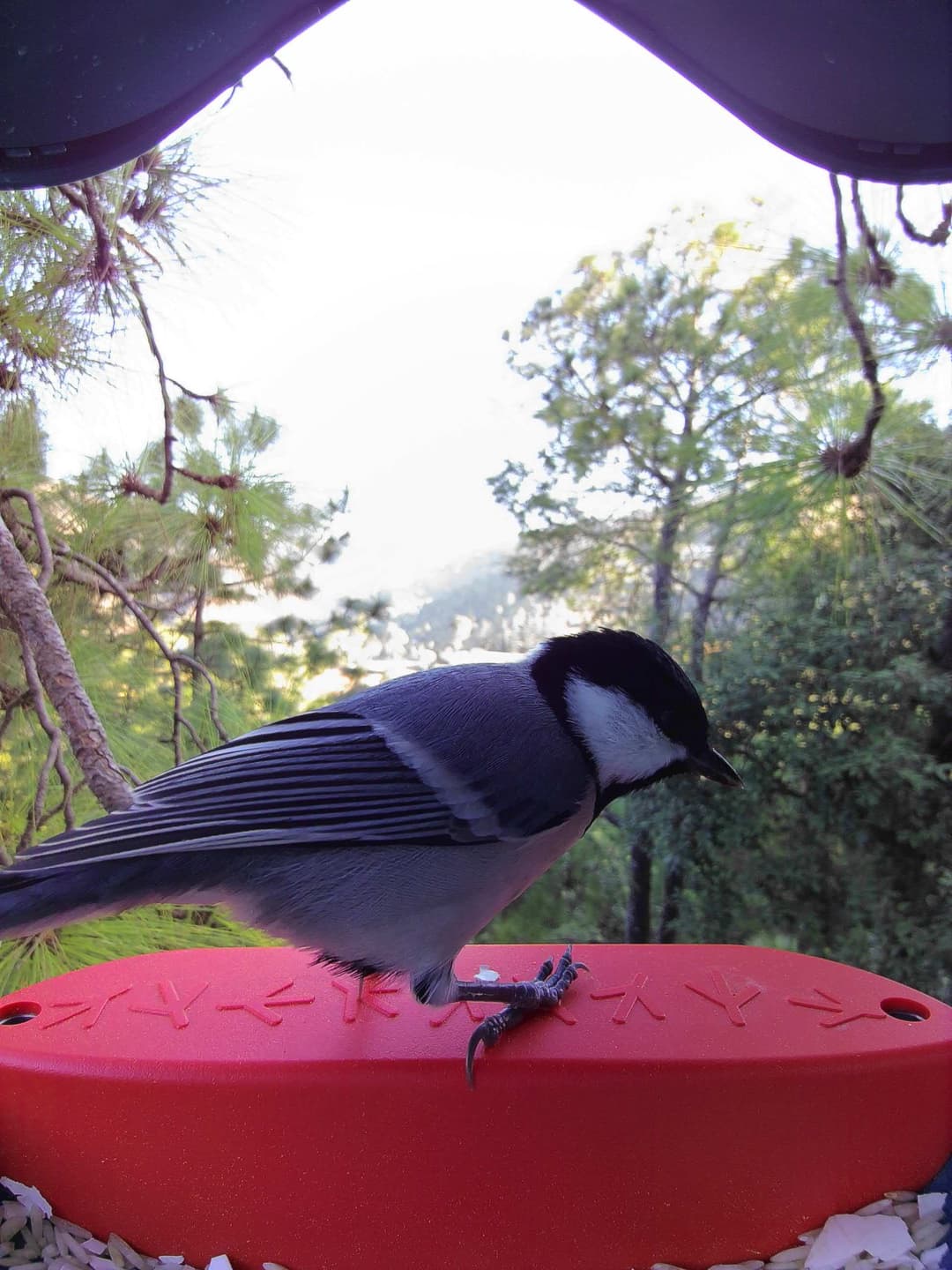
Green-Backed Tit vs Great Tit
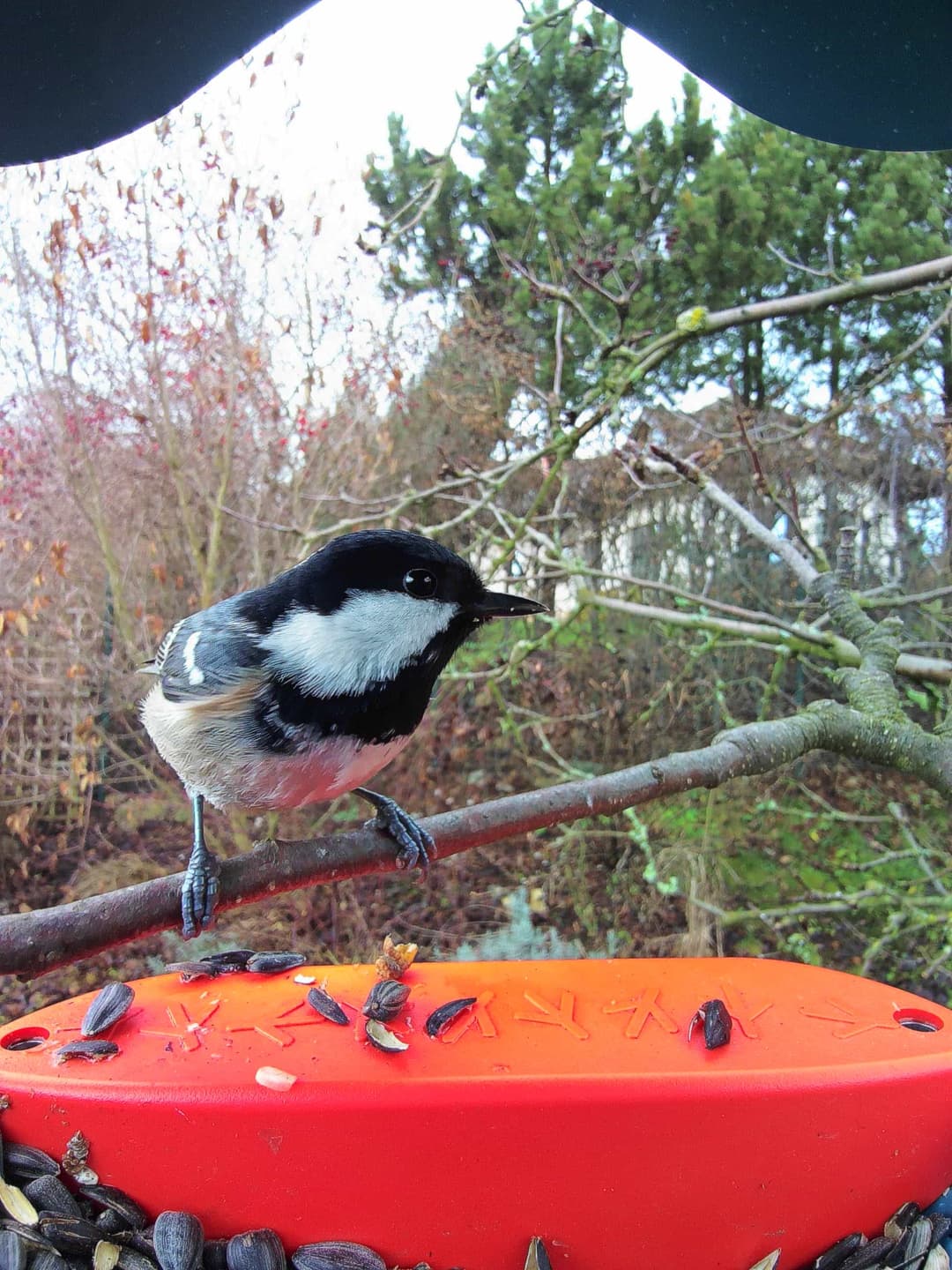
Green-Backed Tit vs Coal Tit
Eurasian Blue Tit vs Great Tit

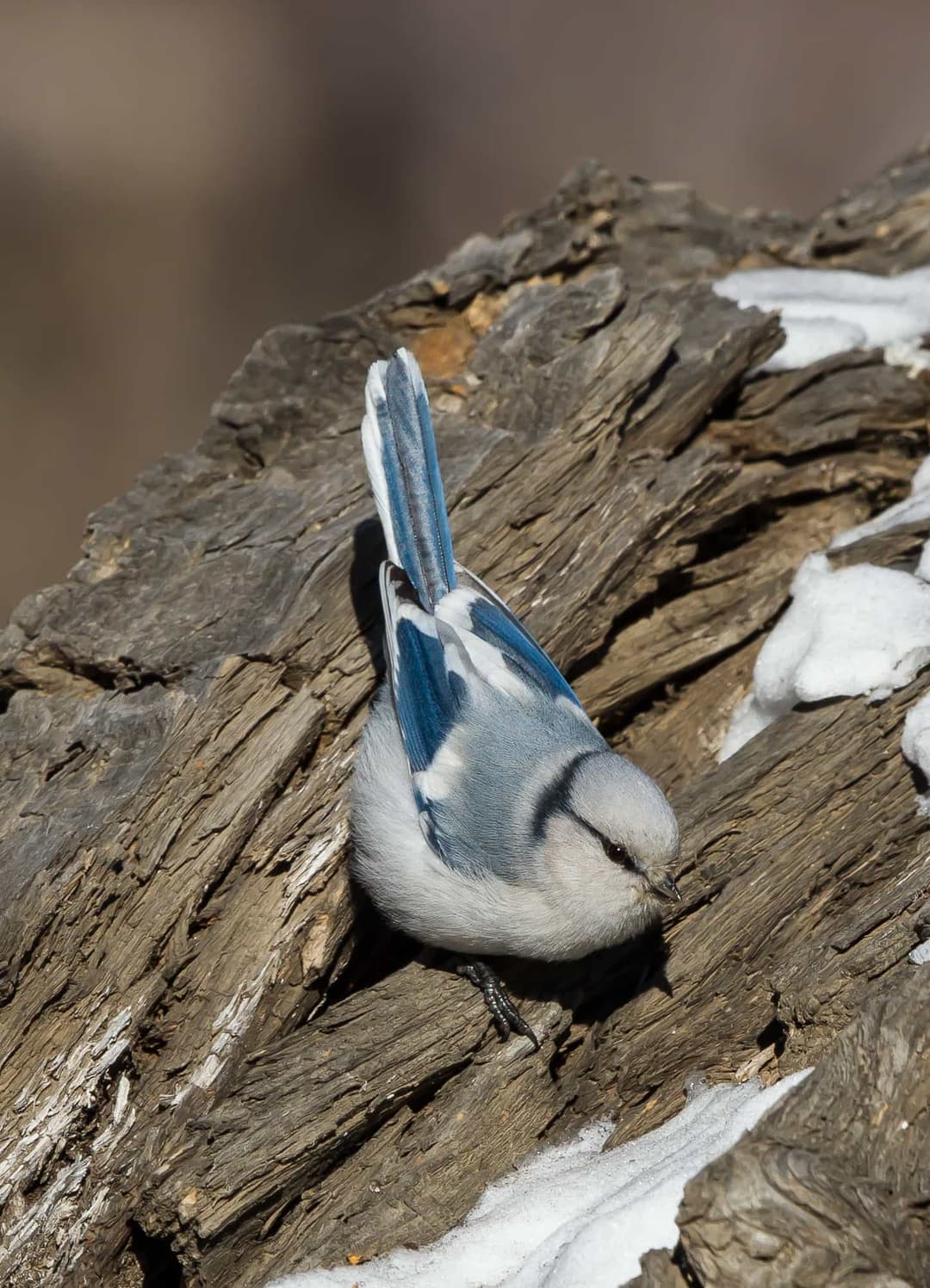
Eurasian Blue Tit vs Azure Tit
Eurasian Blue Tit vs African Blue Tit
Green-Backed Tit vs [Select a bird]

[Select a bird]
Pick a bird to compare
Eurasian Blue Tit vs [Select a bird]
[Select a bird]
Pick a bird to compare