
Azure Tit
Azure Tit
Cyanistes cyanus


Quick Identification guide
Quick Identification guide
- •
Features a striking mix of blue and white plumage, with a prominent white face and forehead
- •
Displays brilliant azure-blue wings and tail, providing a vivid contrast to its pale body
- •
Has a stout, short bill, perfectly adapted to feeding habits, and a rounded body structure


Description
Azure tit males really put in the work to woo their beloved; they perform an elaborate courtship dance and feed her. They must understand that the way to the heart is definitely through the stomach. They are very active birds that like to search for food either in a pair or family group. But don't get too close to their nest or you will have an angry dad on your hands!
The azure tit can weigh between 10.6to16grams and be from13to14centimeters tall.
The azure tit typically lives up to 10 years. This is similar to its close relative, the great tit, which also has an average lifespan of around 10 years. However, it's longer than the black-capped chickadee, another related species, which usually lives up to 7 years. Lifespan varies depending on factors such as predators and environmental conditions.
Did you know?
Most popular questions about azure tit
How to recognise an azure tit?
General appearance
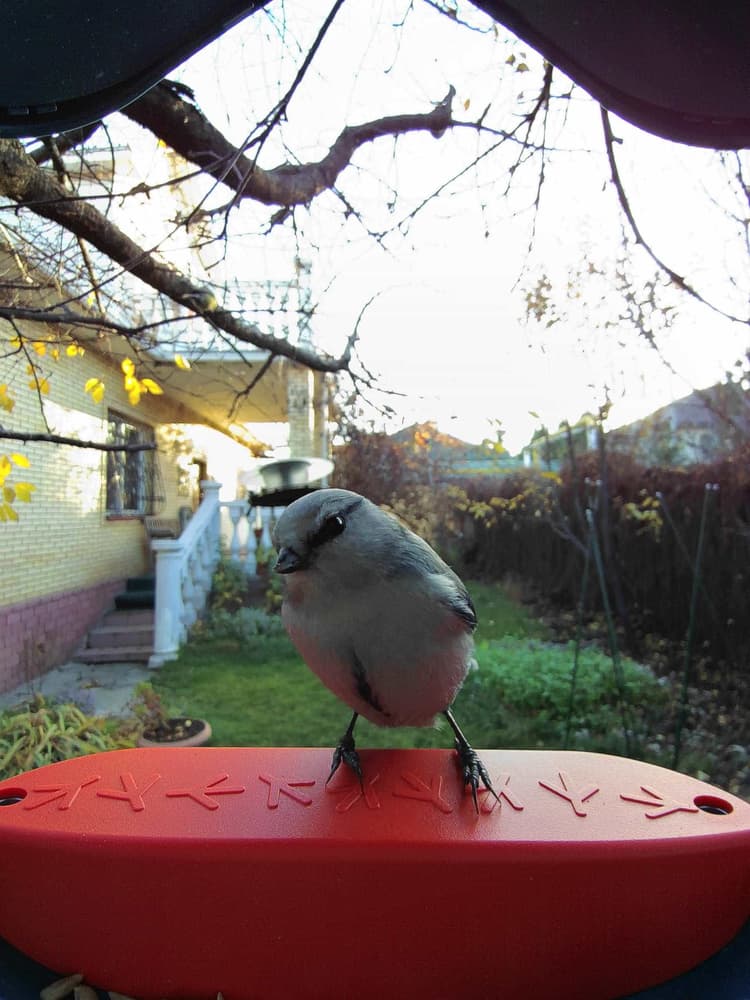
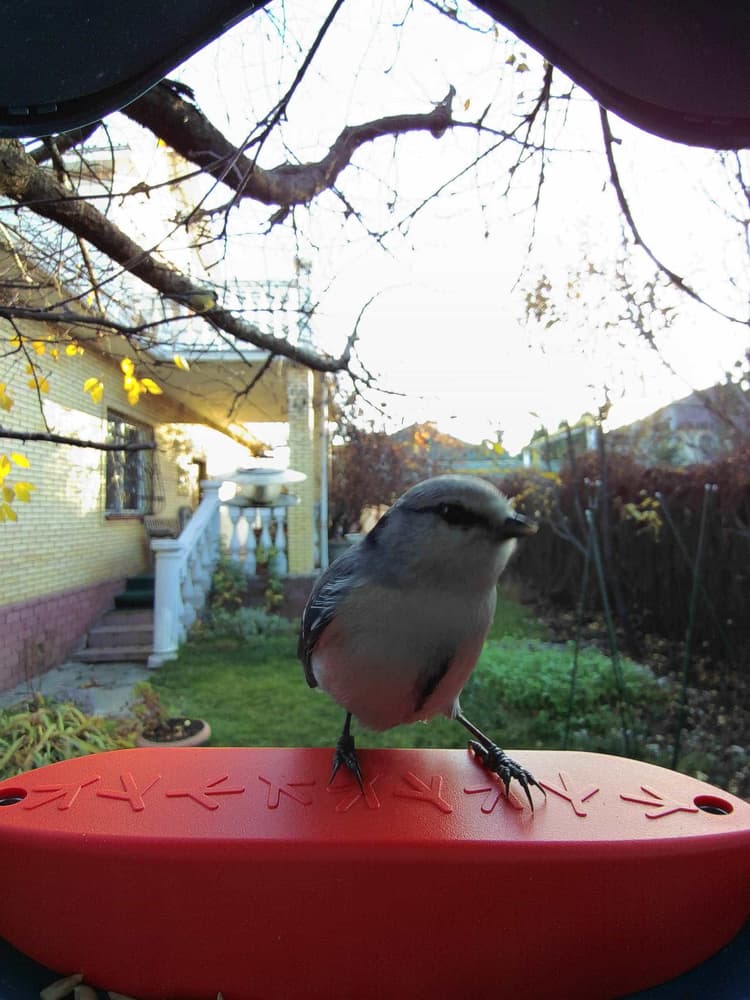
The Azure Tit is a small bird with a prominent crest, and distinct blue and white plumage. Its upper parts, wings, and tail are bright blue, while the underparts are predominantly white. Its large, black eyes stand out against its white face. A black line runs through the eye to the nape. The bill and legs are dark.
Male vs female
In Azure Tits, sexual dimorphism is not prominent. Both males and females share similar coloration and patterns, making them difficult to distinguish visually. However, males are slightly larger than females. In addition, during mating calls, males produce a wider range of compositions than females.
Juvenile
Juvenile Azure Tits have a duller appearance than adults. They are gray-bluish instead of bright blue, and their crest is less prominent. The black eye-line is also faint. With time, the plumage becomes more vibrant and similar to the adult. Seasonal variations in appearance are not typical of this species, maintaining their bright blue and white hues throughout.
Breeding and nesting habits of the azure tit
Mating behaviors
During courtship, azure tits engage in aerial displays and song exchanges. Males often present food offerings to females as a sign of bonding and suitability as a mate.
Nesting details
Azure tits prefer to nest in tree cavities, old woodpecker holes, or nest boxes in gardens. They use materials like moss, feathers, and grass to construct their nests. Providing birdhouses in gardens can encourage nesting, ensuring entrances are small to prevent larger predators.
Eggs and chick-rearing
Females lay 5-10 white eggs with slight reddish speckles. Incubation lasts two weeks, mainly done by the female. Both parents feed the chicks a diet of insects and caterpillars until they fledge after about three weeks.
What does an azure tit like to eat?
Berries
Crustaceans
Fruits
Insects
Nuts
Seeds
Snails
Spiders
Worms
Natural diet
The azure tit primarily feeds on insects and spiders, making them an important part of its natural diet. During the spring and summer months, it consumes caterpillars, beetles, and other small invertebrates. In addition to insects, the azure tit also eats plant material such as seeds and berries when insects are less abundant, particularly in the fall and winter.
Bird feeders
When visiting bird feeders, the azure tit is known to enjoy sunflower seeds, peanuts, and suet. It may also consume commercially available birdseed mixes that contain a variety of seeds or small nuts. During colder months, bird feeders provide an essential food source for the azure tit, supplementing its diet when its natural food is scarce.
Attracting the azure tit
The azure tit, with its cheerful song and beautiful blue feathering, can be a delightful visitor to your yard. Here's how you can attract this lovely bird. First, carefully choose your bird food. One highly recommended option is Bird Buddy seeds. These are expertly chosen for the season, ensuring they align with the azure tit's dietary needs and preferences for the time of year.
Choosing the right feeder
Next, the type of bird feeder you use matters. Azure tits are small and lightweight, so they prefer lightweight feeders like tube feeders. You might also tempt them with a suet feeder, as they enjoy the high-fat content of suet during winter. Make sure the feeder is clean, to ensure the health and wellbeing of the azure tits.
Setting up the perfect environment
Lastly, consider the environment around your feeder. Azure tits prefer quiet places with plenty of cover nearby, so placing your feeder near bushes or trees can make it more appealing. Also, try adding a bird bath for them to splash around, as they enjoy both food and water sources.
Fun tricks to encourage visits
For some added fun, try setting up a 'bird playground' with various perches and swings - azure tits are active and playful, and will appreciate the stimulation. With the right food, feeder and environment, you should soon have azure tits paying regular visits to your yard!
Where can you find azure tits?

Primary habitat
The azure tit primarily inhabits riparian woodlands, birch and willow forests in central and eastern Europe, extending to Siberia.
Additional range
It occasionally occupies urban parks and gardens, showing adaptability to milder climates and colder regions, even unexpected desert oases.
Do they migrate?
The azure tit is primarily a non-migratory bird, residing year-round in its range. It is found predominantly across temperate and boreal forests, particularly in parts of Asia such as Russia, Kazakhstan, and China. Generally, these birds do not undertake long-distance migrations like some other passerine species. However, azure tits may exhibit some localized movements depending on food availability and weather conditions. During harsher winters or in cases where resources are scarce, they might move to lower elevations or slightly southern regions to find food and more favorable environmental conditions. These movements are typically limited and not akin to full migrations. Key locations for azure tits are broad-leaved or mixed forests near water bodies, river valleys, and reed beds, where they can forage for insects and seeds. The azure tit's adaptation to varying habitats within its range supports its predominantly sedentary lifestyle, enabling it to remain in relatively stable environments year-round without the need for long migrations.
What is the role of azure tits in nature and how to protect them?
Conservation status
The azure tit is currently categorized as "Least Concern" on the IUCN Red List, indicating it is relatively common and not at immediate risk of extinction. It is primarily found across parts of Europe and Asia. Key conservation efforts focus on habitat preservation, as deforestation poses a significant threat. Monitoring population trends is crucial to ensure its status remains stable. Human-induced habitat changes and climate change are potential threats, but no major widespread threats are currently noted. Overall, maintaining healthy forest ecosystems is critical for the azure tit's survival.
Ecological role of azure tits
Its role in the ecosystem
The azure tit, a small bird predominantly found in Russia and Central Asia, plays a crucial part in the ecological chain. Being insectivorous, they're pivotal in keeping pest populations in check, often feeding on insects detrimental to agriculture. Predation on these pests aids in maintaining a balanced ecosystem, indirectly contributing to crop health and protecting biodiversity. Moreover, azure tits are also involved in seed dispersal. They forage on various seeds that when excreted, are spread to new locations leading to plant propagation. This benefits the ecosystem by promoting diverse flora and acting as agents of forest renewal. In addition, the azure tit's nesting habits in tree cavities indirectly encourage the proliferation of insects, beetles, and other small species that use the abandoned or unused nests. They further provide prey base to their predators thereby gelling the food chains together. To sum up, the azure tit contributes significantly to pest regulation, plant diversity, and maintaining the intricate equilibrium of the ecosystem.
How to help protect azure tits
Preservation tips
Habitat preservation strategies
For the azure tit conservation, first, protect its natural habitats i.e., deciduous and mixed forests, by lobbying against deforestation and supporting reforestation initiatives. Second, create or maintain clean water bodies in these areas, as azure tits need water for foraging and breeding. Last, prevent or reduce the effects of pollution or climate change through sustainable practices and education.
Community science initiatives
Promote participation in science initiatives that aim to collect data on the azure tit. Engage schools and local communities in bird-watching exercises and competitions, breeding bird surveys, or nest-box programs. Information gathered can help track populations and understand threats to the azure tit. Finally, disseminate the geography, habits and threats facing azure tits to foster community interest and involvement.